
Reviewed · POMPEII TOURS
From Sorrento: Pompeii Ruins All-inclusive Guided Tour
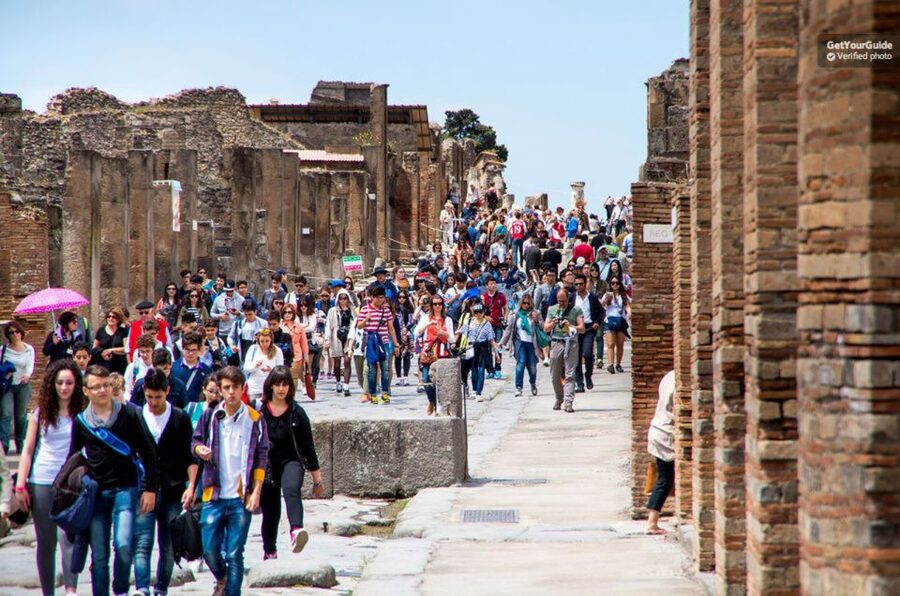
Pompeii is not a tidy collection of ruins. It is a full Roman town, with streets, bakeries, public baths, villas, theaters, and a Forum spread across a huge archaeological site. This two-hour guided visit gives you a clear route through the most important sights instead of leaving you to wander with a map and guess what mattered.
I like the practical setup: your entrance ticket and return train fare are included, and the Tempio Travel office is right by Sorrento’s Circumvesuviana station. I also like the guides’ lively approach. Guides such as Laura, Ciro, Giana, and Maria have been praised for clear explanations, good humor, and keeping groups together. The main caution is the shared transport and group format. The train can be crowded, and groups may exceed 20 people, so the start can feel less polished than the Pompeii tour itself.
Key points at a glance
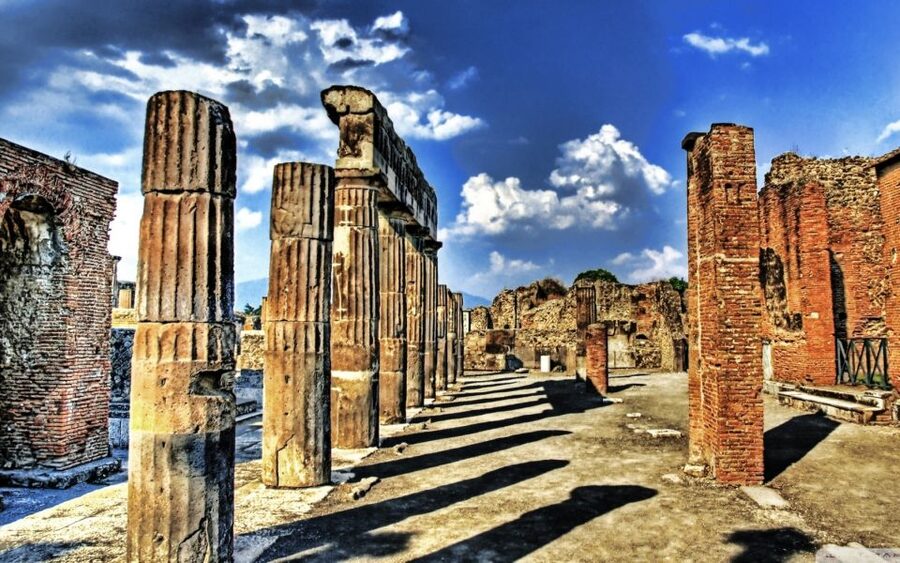
- See Pompeii’s major sights in two hours: The route can include the Forum, Temple of Jupiter, theaters, baths, villas, bakery, and snack bars.
- Travel from Sorrento by train: The return Circumvesuviana fare is included, but you board a public train rather than a private transfer.
- Listen easily with supplied audio equipment: Earphones have helped many people hear the guide in a large group.
- Expect serious heat and uneven ground: A hat, water, and comfortable shoes are not optional extras in summer.
- Allow extra time if you want more than an overview: Pompeii is huge, and the guided route only covers a selection of the site.
- Pay $66.27 for convenience and context: The price is fair if you value an organized visit, entry, and guidance, but independent visitors can spend less.
Why this Pompeii tour works from Sorrento
The best part of this experience is that it solves two problems at once. You get to Pompeii without sorting out the train fare and entrance ticket yourself, then you have a guide to explain what you are seeing once you arrive.
That matters at Pompeii. The ruins cover a large area, and many streets look similar at first. Without context, a bakery may look like a row of stone counters, a public bath may seem like a collection of bare rooms, and the Forum may feel like another open space among many. A good guide turns those remains into a picture of daily Roman life.
You collect your tickets at the Tempio Travel office inside or beside Sorrento’s Circumvesuviana station. Be ready at least five minutes before the train departure. The office location is convenient, but the ticket handover can require care. Some people have found that they still needed to exchange a voucher for the actual train tickets near the gate, so do not arrive at the last second.
The tour is shared, not private. That keeps the cost at $66.27 per person, but it also means the pace and group size are not fully yours to control. Groups of more than 20 are possible. Audio units and earphones have been used on some departures, which makes a major difference when the group gathers around a guide.
More Ancient Ruins in Pompeii
- From Naples: Pompeii Ruins & Mount Vesuvius Day Tour
★ 4.3 · 11,459 reviews - Herculaneum: Skip-the-Line Guided Tour with Archaeologist
★ 4.8 · 3,439 reviews - Pompeii: Archaeological Park Tour with Ticket on request
★ 4.5 · 2,283 reviews
The train from Sorrento to Pompeii
The Circumvesuviana train is part of ordinary Campania life, not a private sightseeing ride. It can be crowded, and you may not find a seat. One return journey described in the supplied information had no air conditioning and many stops, so prepare for a basic public train rather than a comfortable excursion coach.
That is not a reason to avoid the tour. The train is a simple and useful way to reach Pompeii from Sorrento, and having the fare included removes one small task. Just keep your expectations realistic. You are paying for ease and organization, not luxury transport.
The meeting point at the station is especially useful if you are staying in Sorrento and want to avoid a separate transfer. Follow the instructions carefully, keep your ticket or voucher handy, and be at the platform early. The train may be crowded, but the route is straightforward once you have boarded.
On arrival, you may wait before the walking portion begins. One account described a wait of about 40 minutes, despite being told it would be closer to 20. The operator appears to gather people into a larger group before starting, so the chosen time may not always translate into an immediate guided departure.
Entering Pompeii and getting oriented
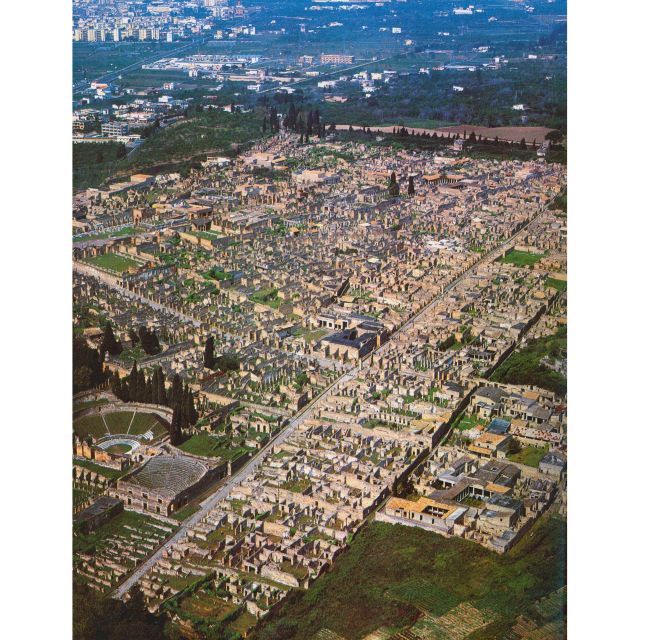
Pompeii was buried by the eruption of Mount Vesuvius in 79 AD. Ash and volcanic material covered streets, homes, shops, and public buildings, preserving objects and surfaces that would normally have disappeared over time.
Your guide’s main job is to give this enormous site a shape. Instead of trying to cover every lane, the tour focuses on the major places that explain how the town worked. You walk through a Roman city where public life, religion, shopping, entertainment, and household routines are all visible in the remains.
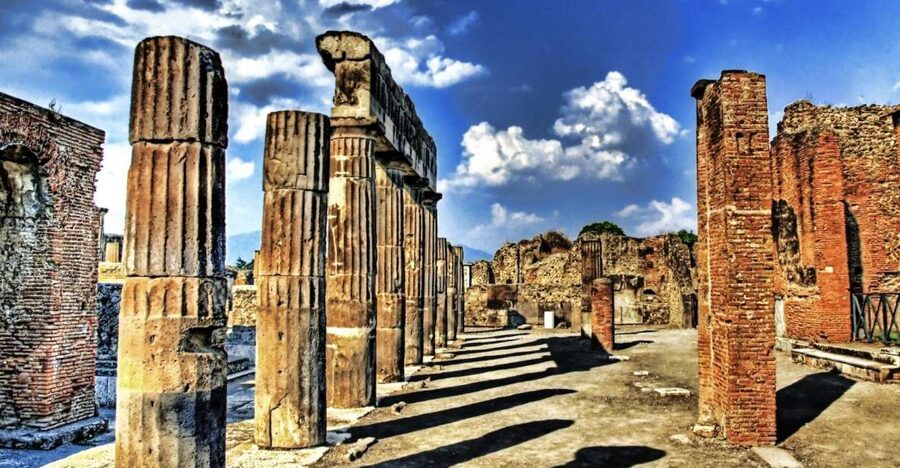
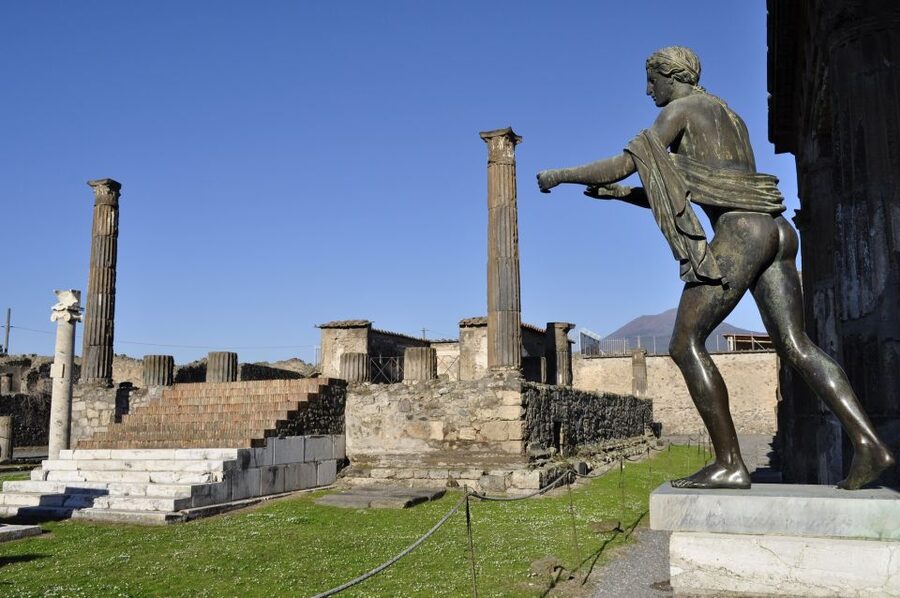
The Forum is usually the key orientation point. This open civic area helped organize Pompeii’s political, religious, and commercial life. From there, the guide can connect the Temple of Jupiter and other public structures to the city’s wider Roman setting.
The Temple of Jupiter is important not just because of its columns and position. It shows how religion and civic power shared the same public space. The guide can help you read the surviving foundations and fragments rather than simply taking a photograph and moving on.
Villas, mosaics, and painted rooms
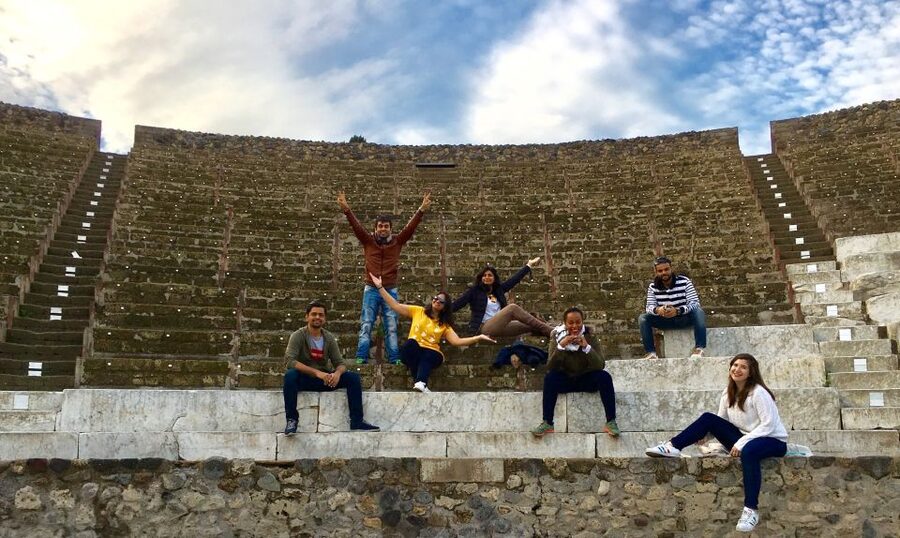
Pompeii is at its most vivid inside its private homes. The tour visits famous villas and points out mosaics and frescoes that still retain remarkable detail. These surfaces reveal taste, wealth, decoration, and the way Roman homes were arranged around social and household life.
You should not expect every room to be open or every famous building to be included in a two-hour route. The guide chooses a practical sample. That is useful for a first visit, but it may leave you wanting more if you have a special interest in domestic architecture or ancient art.
The mosaics are among the places where a guide adds real value. Patterns on a floor may seem decorative, but they can also show the care given to entrances, courtyards, and entertaining spaces. Frescoes can help you picture rooms that otherwise survive only as walls and doorways.
Keep your eyes on the ground as well as the walls. Pompeii’s uneven paving and worn surfaces are part of the experience, but they demand steady shoes. Flip-flops and thin-soled footwear will make the walk less pleasant.
More Guided Tours in Pompeii
- Pompeii: Entry Ticket and Guided Tour with an Archaeologist
★ 4.8 · 19,459 reviews - Pompeii: Guided Walking Tour with Entrance Ticket
★ 4.3 · 1,423 reviews - Rome to Pompeii Guided Tour with Wine & Lunch by High Speed Train
★ 5.0 · 1,379 reviews - From Naples: Pompeii Guided Tour with Skip-the-Line Tickets
★ 4.8 · 1,171 reviews
Baths, theaters, and everyday routines
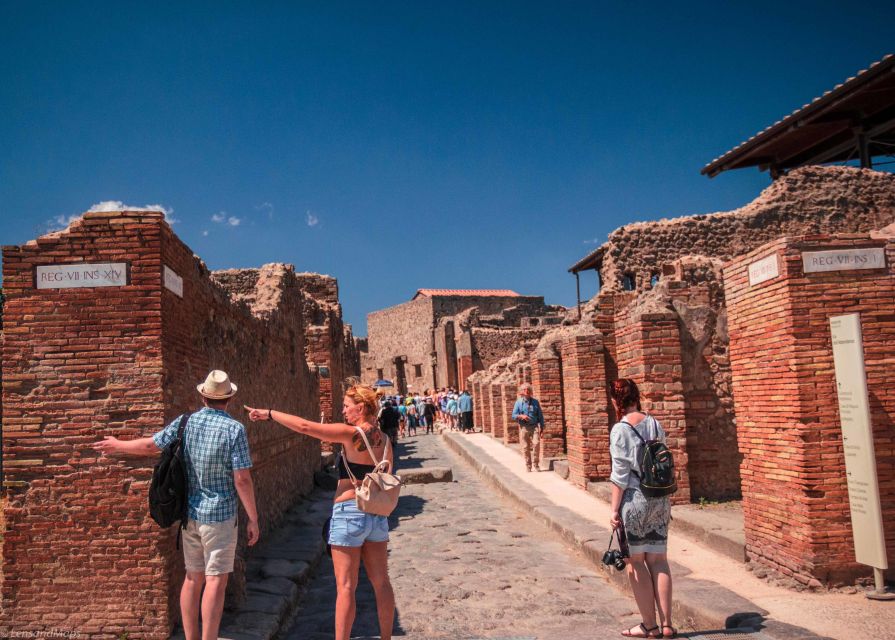
The Roman Baths offer a useful break from grand temples and wealthy villas. They show how public facilities supported ordinary urban life. Your guide explains the purpose of the rooms and helps you understand the baths as social places, not simply ancient plumbing.
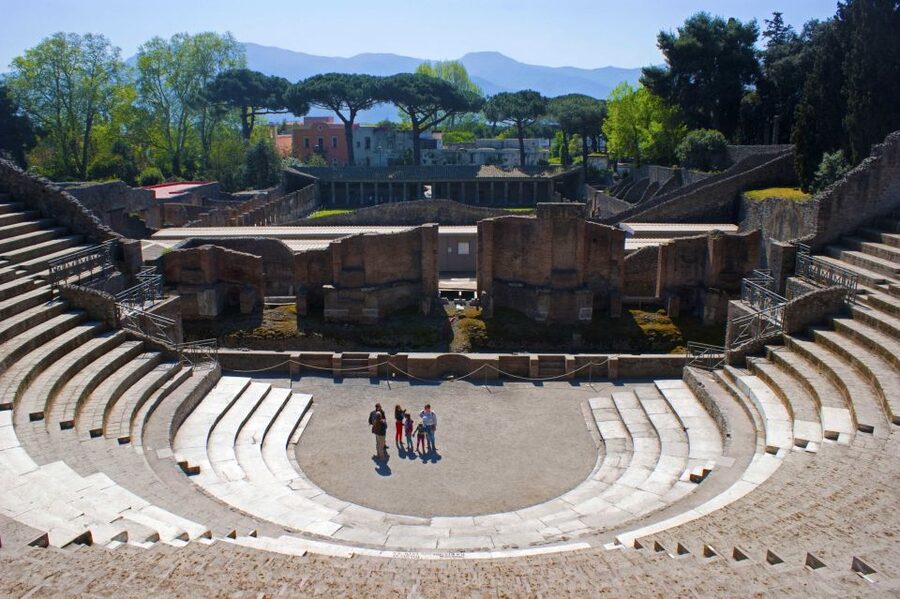
The theaters add another piece of the town’s public life. The remains suggest how entertainment and civic gathering fit into the city’s routine. The tour also includes other major ruins, but the exact order can change depending on access, conditions, and the guide’s judgment.
I appreciate that this experience focuses on daily life rather than only on the disaster. Pompeii is famous because of Vesuvius, but the most memorable details are often smaller: how people shopped, ate, washed, worked, decorated their homes, and moved through the streets.
A strong guide makes those details easy to follow. Several guides have been praised for explaining clearly, adding humor, answering questions, and keeping a leisurely pace. Ciro has been described as warm and engaging, while Laura has added fresh details even for someone visiting Pompeii more than once. Your guide will vary, but English and Italian departures are available.
Bakeries, termopolia, and street food

The bakery is one of the most useful stops for understanding work in Pompeii. Cooking utensils remain on display, giving you a direct link to the people who prepared food rather than just the elites who commissioned villas.
You will also see termopolia, ancient food and drink counters built into the street. These are easy to appreciate once you know what you are looking at. The counters suggest quick meals and commercial activity, a reminder that Roman cities had their own version of take-away food.
This is where the tour feels especially grounded. Temples and grand civic buildings explain power, but bakeries and food counters explain routine. I would pay close attention here, because these modest remains often make Pompeii feel like a lived-in town rather than a collection of monuments.
The body casts and the eruption of 79 AD
The final emotional weight of Pompeii comes from the body casts. These are not ordinary statues. They preserve the shapes of people caught in the disaster, making the eruption painfully personal.
A guide can explain the events of 79 AD and place the casts within the wider destruction of the town. The subject is difficult, and the presentation may affect children or anyone sensitive to scenes of death. Still, the casts are an important part of understanding why Pompeii remains so powerful.
The experience should not be reduced to a disaster story. The eruption is the reason so much survived, but Pompeii matters because it preserves a Roman town at human scale. The guide’s best work connects the tragedy with the ordinary lives that came before it.
How long the two-hour visit really feels
The stated duration is two hours, and that is a sensible length for a guided overview in hot weather. Several people found two to two and a half hours enough, especially under intense sun. You cover the main sights, hear the story, and avoid trying to absorb the entire site in one exhausting push.
Pompeii can easily take much longer. At the end of the guided walk, the guide may suggest additional areas for you to see independently. This is useful because you can decide whether to continue at your own pace rather than being locked into a full-day group schedule.
If you want to inspect every villa, read every display, and explore side streets, this tour will feel short. If you want a clear introduction with the major highlights, two hours is a good starting point.
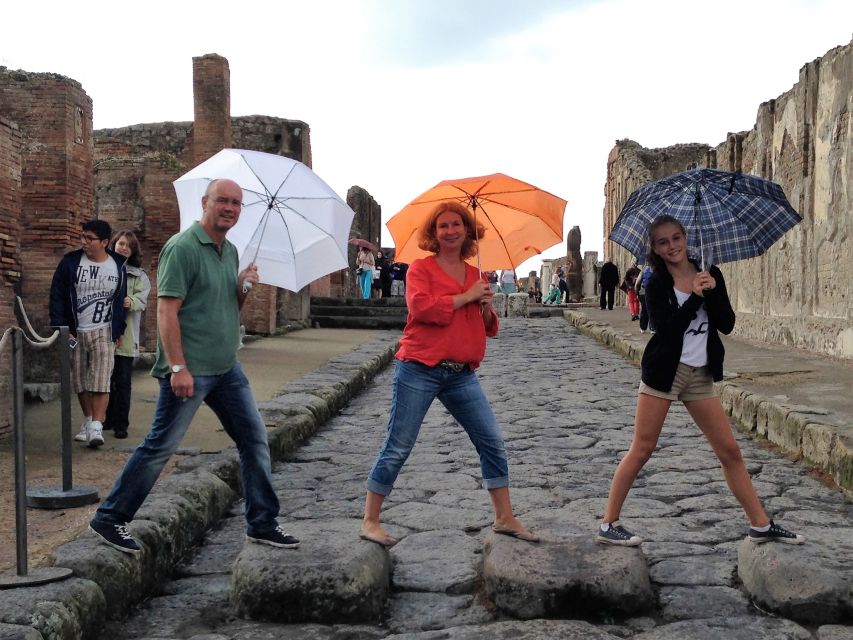
Plan around the weather. There may be little shade and few places to sit along the route. In summer, take water, wear a sunhat, and consider an umbrella for shade. The heat can be more tiring than the walking itself.
Is $66.27 good value?
At $66.27 per person, the tour sits in the reasonable range for a guided Pompeii visit with admission and return transport from Sorrento. You are paying for three useful pieces: the entrance ticket, the train fare, and a live guide who gives the ruins meaning.
The value is strongest if you are staying in Sorrento, want help with the logistics, and do not want to spend time choosing a route through Pompeii. It is also a sensible choice for a first visit, since the guide can point out major places quickly.
The value is weaker if you are comfortable taking the train, buying your own entrance ticket, and using a map. A self-guided visit gives you more freedom and may cost less, though it requires more planning and offers less explanation.
The tour is not a private experience. A large group can make it harder to hear, especially if audio equipment is not supplied on your departure. Ask about the listening system when collecting your ticket, and stay close to the guide at busy points.
Small details that make the day easier
Bring your passport or ID card, as this is listed among the required items. Wear comfortable shoes with good support because the streets are uneven.
Arrive early at the Sorrento station office and allow time for ticket collection. Do not assume that picking up a voucher is the same as holding the train ticket needed at the gate.
Keep water within reach. There is no promise of shade or seating along the route, and the summer sun can make the two-hour walk feel longer. A hat is worth packing even if the morning looks mild.
The tour ends back at the Sorrento meeting point after the return train. The train is public, so you may have to stand, and air conditioning is not guaranteed. That is simply part of choosing a train-based excursion.
Cancellation is free up to 24 hours before departure, and you can reserve now and pay later. Starting times vary, so check the available departure before booking.
Who should book this Pompeii tour?
I would choose this tour if you are based in Sorrento, visiting Pompeii for the first time, and want the simplest organized option. It suits people who value clear explanations and the reassurance of having train fare and admission handled together.
It also works well for anyone who wants a broad introduction rather than a specialist study. The guide covers public buildings, homes, shops, food counters, art, and the eruption, giving you a useful picture of the town in a limited time.
I would hesitate if you dislike shared groups, need a private pace, or want to spend a full day in the ruins. I would also think twice if extreme heat makes long outdoor walks difficult. The site is exposed, and the train ride may be crowded.
For most Sorrento visitors, the balance is good: a modest price, a practical route, and a guide who can turn confusing ruins into a readable Roman town. Just arrive early, carry water, and treat the two-hour walk as an introduction, not the last word on Pompeii.
FAQ
Where does the Pompeii tour begin?
You collect your tickets at the Tempio Travel office in Sorrento Circumvesuviana Station.
Where does the activity end?
The activity ends back at the meeting point in Sorrento after the return train journey.
Is train transport included?
Yes. The return train ticket between Sorrento and Pompeii is included.
Is the train a private transfer?
No. You travel by public train, and the train may be crowded or lack air conditioning.
How long is the experience?
The stated duration is two hours. The guided visit itself may take about two hours, with possible waiting time before the group begins.
Is the Pompeii entrance ticket included?
Yes. The entrance ticket and guided tour of the Pompeii ruins are included.
What languages are available?
Live guided tours are available in English and Italian.
Is this a private tour?
No. This is a shared guided tour. Groups can be large, with more than 20 people possible.
What should I bring?
Bring a passport or ID card, comfortable shoes, water, and a sunhat in summer.
Can I cancel the booking?
Yes. You can cancel up to 24 hours in advance for a full refund. You can also reserve now and pay later.
Just added around Pompeii
- Vesuvius National Park Skip-the-Line Ticket★ 3.8 · 221 reviews
- From Rome: Sorrento & Pompeii Day Tour with Hotel Pickup★ 4.2 · 257 reviews
- From Rome: Day Trip to Pompeii with Tickets★ 4.4 · 1,161 reviews
- Pompeii Ruins Private Tour with Optional Skip-the-Line Entry★ 4.9 · 732 reviews
- From Rome: Pompeii All-Inclusive Tour with Live Guide★ 4.3 · 261 reviews
- Pompeii: Exclusive Tour with Archaeologist and Entry Tickets★ 4.9 · 634 reviews
- Pompeii 3hours Villa of Mysteries tour with an Archaeologist★ 4.8 · 486 reviews
- Pompeii and Vesuvius Full-Day Tour from Amalfi Coast★ 4.4 · 319 reviews
Pompeii Tours, compared.

Entry Ticket and Guided Tour with an Archaeologist
Read our review →

From Naples: Pompeii Ruins & Mount Vesuvius Day Tour
Read our review →
From Rome: Pompeii, Amalfi Coast, and Sorrento Day Trip
Read our review →
From Rome: Pompeii, Amalfi Coast and Positano Day Trip
Read our review →Pompeii Small Group Tour with an Archaeologist
Read our review →
Pompeii, Amalfi Coast and Positano Day Trip from Rome
Read our review →Browse the lists this tour appears in