
Reviewed · OPERA & CLASSICAL CONCERTS
Rome: The Four Seasons by Vivaldi
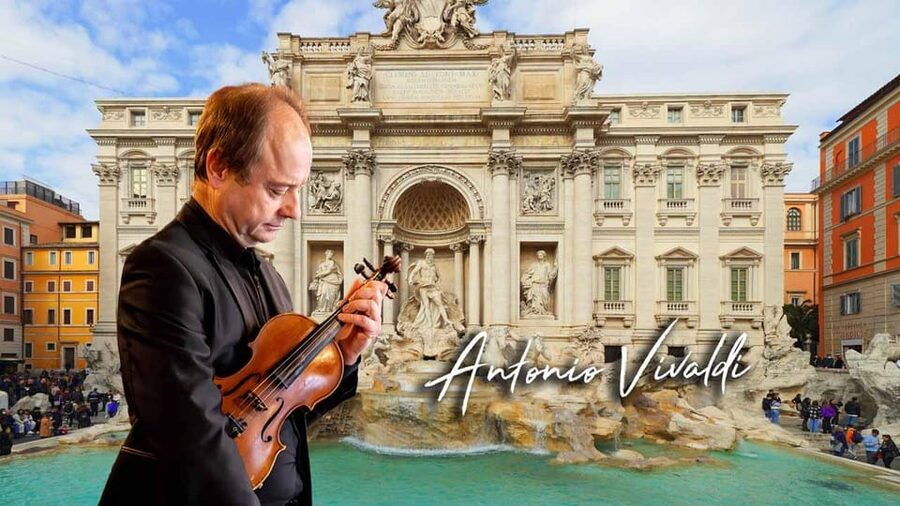
The most striking part of this concert is the setting. Depending on the evening, you may hear Vivaldi in a small church, in Sala Dante of Palazzo Poli with a view toward Trevi Fountain, or at Horti Sallustiani. The music itself follows spring birds, summer storms, autumn hunts, and winter cold with remarkable precision.
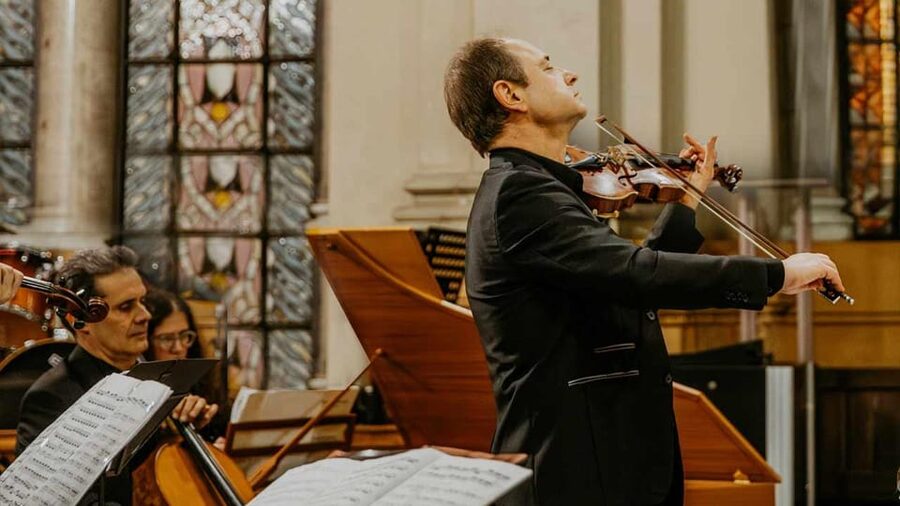
I like the intimate scale and the chance to hear Elvin Dhimitri lead the performance from the first violin. I also like the 80-minute format, which gives you a full classical concert without taking up your entire evening.
The main thing to check is the venue. The location can change, and past performances have moved from a church to another hall with little notice. Seating is unnumbered, so arrive early if seeing the musicians clearly matters to you.
Key points to know before booking
- Vivaldi’s Four Seasons is the centerpiece: You hear all four concertos, including Spring, Summer, Autumn, and Winter.
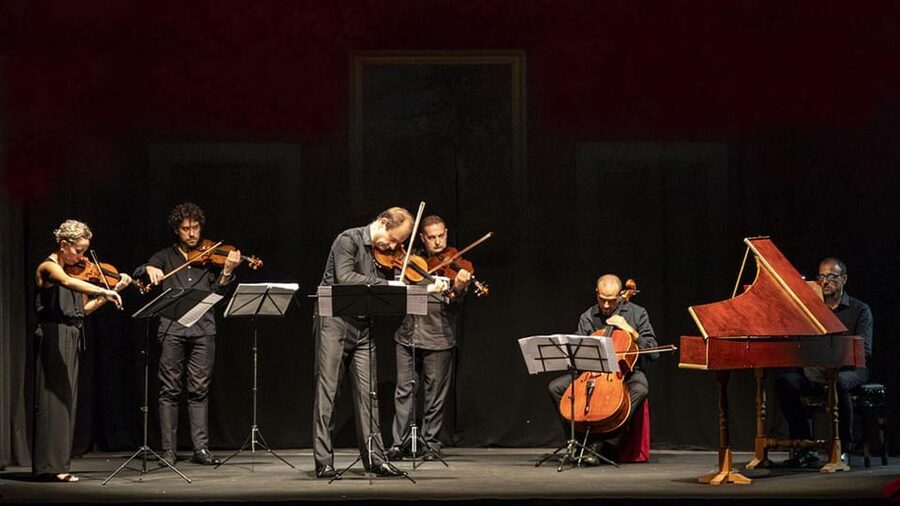
- Elvin Dhimitri leads from the violin: He serves as first violin and conductor, performing with Opera e Lirica’s strings and harpsichord.
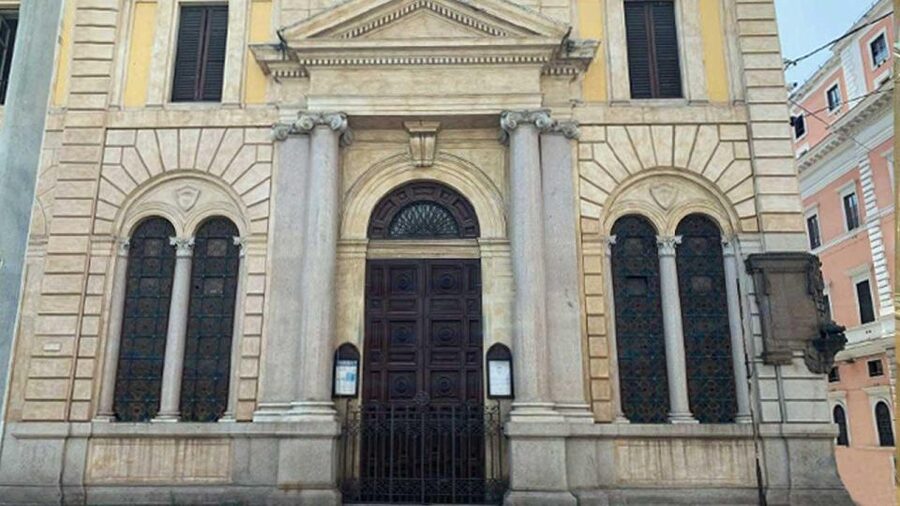
- Three possible Rome venues: The concert may be at Chiesa Evangelica Metodista, Sala Dante of Palazzo Poli, or Horti Sallustiani.
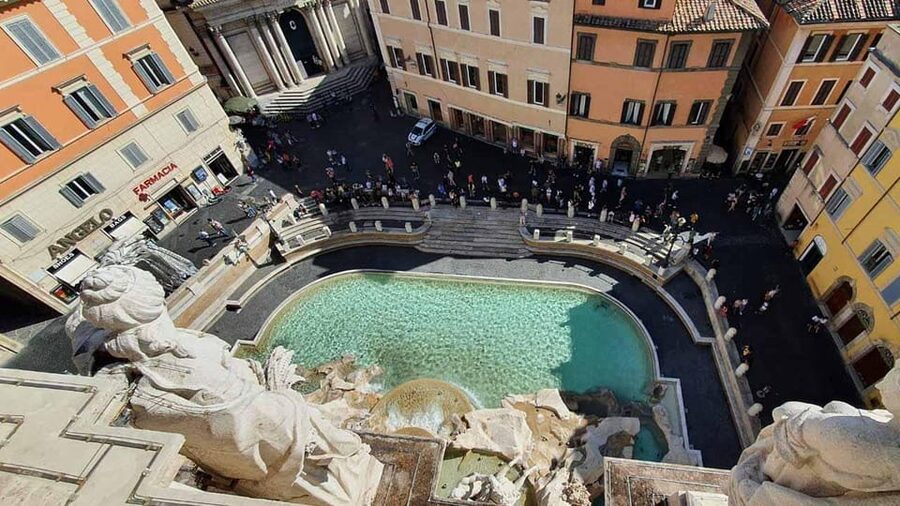
- Trevi Fountain may be part of the view: Sala Dante of Palazzo Poli offers the special chance to look over the fountain area.
- Seats are first come, first served: There are no numbered seats, and row spacing may affect your view.
- Allow about 80 minutes: Some past performances have run closer to an hour, so the exact length may vary.
Why Vivaldi works so well in Rome
You do not need to know classical music to follow The Four Seasons. Vivaldi gives you a musical storyline that is easy to hear. Birds chatter in Spring, a storm gathers in Summer, villagers dance and hunt in Autumn, and Winter brings icy movement, rain, and chattering teeth.
The work is made up of four violin concertos, each divided into three movements. The fast sections carry the action. The slower passages give you a pause, often with a more reflective mood. Then the music moves again, sometimes with startling speed.
This is Italian Baroque music at its most direct. Vivaldi was not trying to create a vague mood. He wanted the listener to picture scenes from nature, and the score was written with that purpose. The music can feel dramatic, playful, delicate, and tense within a few minutes.
The concert also gives you a small window into the Baroque view of nature. In seventeenth and eighteenth century Europe, artists and composers were fascinated by the changing seasons and the power of the natural world. Bernini treated the seasons in sculpture, while Vivaldi used rhythm, melody, and sharp musical contrast.
That context matters because it helps explain why the piece remains so popular. You are not simply hearing four attractive melodies. You are hearing a carefully planned sequence of weather, work, celebration, fear, and relief.
More Opera & Concerts in Rome
- Rome: “The Most Beautiful Opera Arias” Concert
★ 4.3 · 2,495 reviews - Rome: Opera Concert at Palazzo Poli – Fontana di Trevi
★ 4.7 · 1,026 reviews - Rome: The Three Tenors at St. Paul’s Church Concert Ticket
★ 4.7 · 699 reviews
Elvin Dhimitri and the Opera e Lirica ensemble
Elvin Dhimitri is the first violinist and conductor for this performance. His background includes work with the Bilkent Youth International Symphony Orchestra, the Luglio Musicale Symphony Orchestra of Trapani, the Nuova Scarlatti Symphony Orchestra of Naples, and the Toscanini Symphony Orchestra of Parma. He has also served as first violin in the Rome Philharmonic Orchestra and has been part of the Rome and Lazio Symphony Orchestra since 1997.
That experience is useful in a piece such as The Four Seasons. The first violin carries much of the storytelling, often moving above the other strings with quick runs and sharp changes in tone. Dhimitri is also responsible for keeping the ensemble together while directing from the violin.
The group includes a string quintet and harpsichord. The harpsichord is especially important to the Baroque sound. It does not fill the room like a modern piano. Instead, it adds a crisp, bright foundation beneath the strings.
The program is not limited to the four famous concertos. It also includes Concerto per archi RV 127 and RV 151, along with Concerto XI No. 4 in A Major. The main attraction remains The Four Seasons, but these additional works give the performance a broader Baroque shape.
You should expect a chamber-style concert rather than a full symphony orchestra. That means fewer musicians and a closer connection between the players and the audience. The tradeoff is that the sound may feel less massive than a large orchestral performance. For many people, the directness is part of the appeal.
The church option on Via XX Settembre
The stated meeting point is Chiesa Evangelica Metodista at Via XX Settembre 122 c. This is the venue associated with many of the strongest comments about atmosphere and acoustics.
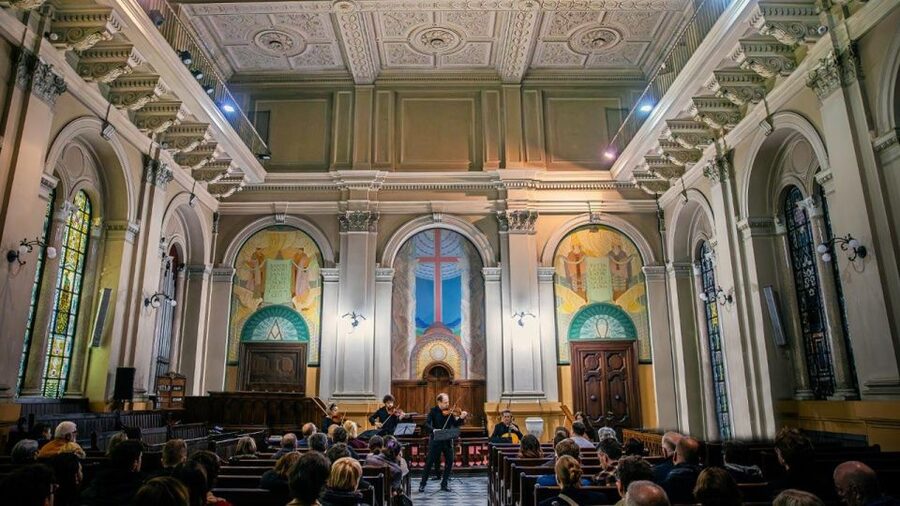
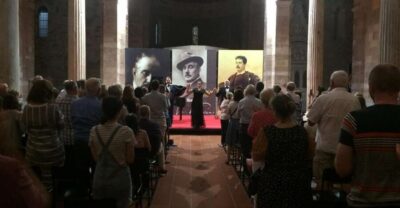
A church gives the music a natural sense of occasion. The high interior and hard surfaces can help the strings carry, and several performances have been praised for clear sound in the church. The setting also makes the evening feel different from simply attending a concert in a modern hall.
There are practical limits. Church seating is not designed like a theater. Chairs may not be staggered perfectly, and your view of the players can depend on the person in front of you. The light may also be brighter than you expect, since some performances have been described as needing softer illumination.
Temperature is another point to keep in mind. The church has been reported as chilly at some times of year and very hot during summer evenings. The musicians have even been seen working through uncomfortable heat. Bring a light layer for a cool interior, but do not assume that summer weather outside means the church will be comfortable inside.
The church can be a good choice if you care most about atmosphere and sound. It can be less ideal if you want a carefully arranged theater view or a controlled indoor temperature.
Sala Dante at Palazzo Poli and the Trevi Fountain view
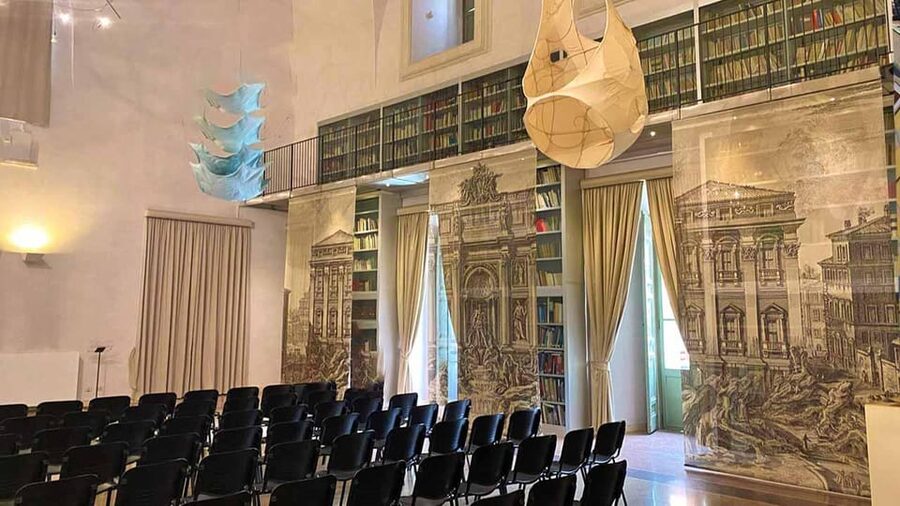
Sala Dante of Palazzo Poli is at Via Poli 54, beside the Trevi Fountain area. This is the most distinctive location in the program because it offers the possibility of looking out toward one of Rome’s best-known sights.
The view can add a special sense of place to the evening. You are not just hearing an Italian composer in Italy. You may also be looking over the fountain area from a historic palace setting. That combination is a strong reason to choose this concert over a similar performance in a plain hall.
The view is not the same as having a reserved seat directly in front of the musicians. Since seats are unnumbered, your position affects both the stage and any sightline toward the fountain. If the view is important to you, arrive early and ask staff where the best available seats are.
The venue can also change. Several past performances were moved from an advertised church to another space, which created disappointment for people who had chosen the event specifically for the church setting. Check the final venue information close to the concert date, and do not assume that every departure uses Palazzo Poli or the church.
If you are already planning an evening around Trevi Fountain, Sala Dante makes the concert easy to pair with a walk through central Rome. You can also find rooftop bars within a short stroll, according to the practical experience of one past attendee. The fountain area can be crowded, so allow time to reach the venue and find the entrance.
Same city, a completely different sort of day:
- Vatican: Museums & Sistine Chapel Entrance Ticket
★ 4.5 · 144,003 reviews - Vatican Museums & Sistine Chapel Tour with Optional Basilica
★ 4.3 · 67,413 reviews - Colosseum, Roman Forum & Palatine Guided Tour
★ 4.7 · 63,148 reviews - Vatican Museums, Sistine Chapel & St Peter’s Basilica Guided Tour
★ 4.5 · 39,149 reviews
Horti Sallustiani and the double concert schedule
A third possible location is Horti Sallustiani at Piazza Sallustio 21. On some dates, two performances are offered, at 7:00 pm and 9:00 pm.
The double schedule is useful when you are fitting music between dinner and sightseeing. The earlier time leaves the later evening open, while the 9:00 pm performance can work after a meal. Check the exact starting time when you book because the schedule is not identical for every date.
Horti Sallustiani gives you another central Rome setting, but the supplied information does not promise a particular view or interior arrangement there. That makes the venue check especially important. The appeal is the concert program and the location in Rome, not a guaranteed Trevi Fountain sightline.
What the 80-minute program feels like
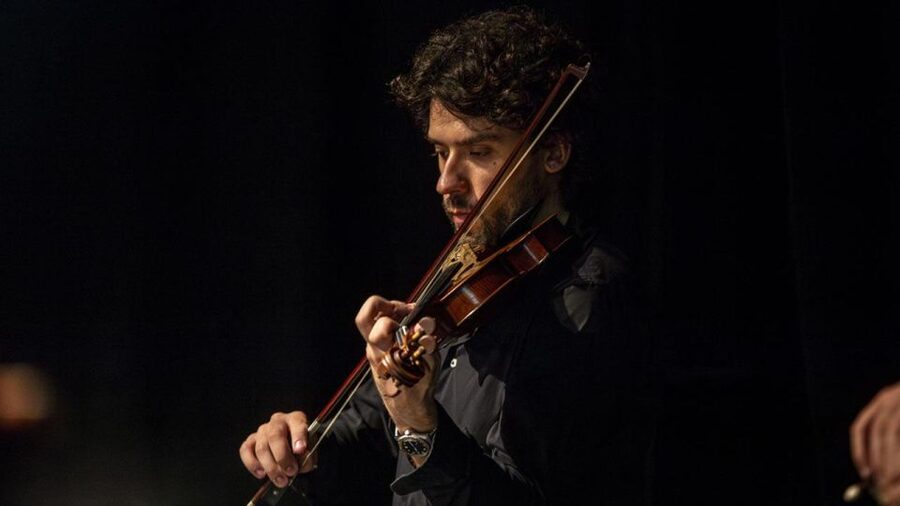
The evening begins with instrumental works before moving through the four seasonal concertos. The program includes the opening movements and slower central sections that make the work more than a string of famous fast tunes.
Spring opens with an Allegro, followed by a Largo and another Allegro often associated with a pastoral dance. Summer starts with agitation and builds toward the famous storm. The slow movement creates a tense pause before the weather breaks loose again.
Autumn brings a peasant dance and song, the sleepy mood of drunken villagers, and the movement of a hunt. Winter begins with cold energy, then shifts to a slower Largo before ending with another brisk movement.
You can listen for the contrast between the solo violin and the string group. The soloist often represents the individual voice within the scene, while the other instruments create weather, movement, or background action. The harpsichord helps keep the music moving underneath.
The advertised duration is 80 minutes. Some past audience members described their performance as closer to one hour, so I would plan for roughly an hour to 80 minutes rather than counting on a precise running time. That length suits families and first-time concertgoers. A family with children aged four and eight found the shorter format manageable, though young children may still struggle with the quiet sections.
Seating, sound, and comfort
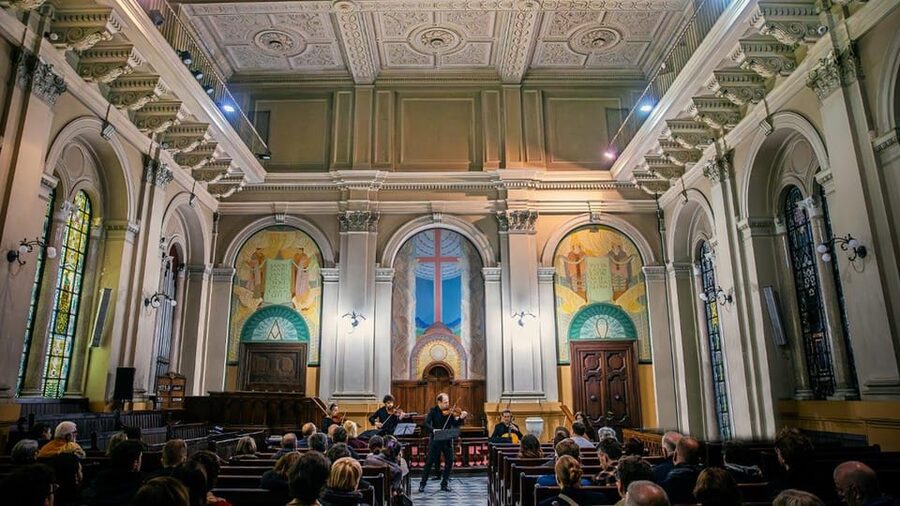
All seats are unnumbered and assigned on a first come, first served basis. This is one of the most important practical details because the performance spaces are not all conventional theaters.
Arriving early can improve your chance of sitting where you can see Dhimitri and the string players clearly. Sightlines may be uneven, especially in a church where chairs are not always staggered. If you are attending with someone who has never seen a violin concert, a clear view adds a lot to the experience.
Acoustics have generally been a strong part of the evening, especially in the church. Several performances have been described as having excellent sound, while one person found the acoustics less successful at a particular church performance. This is normal for a traveling concert series using different rooms. The same music can sound open and bright in one space, then less focused in another.
Comfort varies by venue and season. Some past performances felt chilly, while summer church concerts could become hot and poorly ventilated. One performance in a hall was described as eventually lacking oxygen. You may want a light layer in winter and a small handheld fan for a hot summer evening.
The lighting may also be basic. Some people prefer a dim, atmospheric room, while others value enough light to see the players. The concert is about the music first, but the room affects how polished the evening feels.
Is $35 good value in Rome?
At $35 per person, this is a reasonable evening activity in central Rome. The ticket covers the concert itself, not transportation, food, or a guided visit to the venue. You are paying for live music by professional instrumentalists in distinctive locations.
The value is strongest if you already enjoy Vivaldi or want a cultural activity that does not require a full night at the opera. You hear all four seasonal concertos plus additional Baroque works, and the 80-minute format leaves room for dinner or a late walk afterward.
It is also a good option for a first classical concert. The music is recognizable, the scenes are easy to follow, and the scale is less intimidating than a major opera house. You do not need a background in music theory to understand the changing moods.
The value is weaker if you are choosing only for a particular building or view. The venue can change, seats are not reserved, and the actual setting may not match the image you had in mind. In that case, treat the church or Trevi Fountain view as a possible bonus rather than the only reason to book.
The ticket includes only admission. Cancellation is free up to 24 hours before the performance, and you can reserve while paying later, which helps if your Rome schedule is still shifting.
Who should book this concert
I would recommend it to couples looking for a polished evening activity, families with older children, and anyone who wants to hear live classical music without committing to a three-hour opera. It also suits first-time visitors who want a cultural event close to Rome’s center.
It is especially appealing if you are staying near Trevi Fountain or want to build a night around central Rome. The Palazzo Poli option can give you a memorable setting, while the church option may deliver the strongest sense of intimacy.
You may want to reconsider if you need reserved seating, perfect sightlines, dependable air conditioning, or a guaranteed venue. The music is the reliable part. The room, temperature, view, and chair arrangement can vary.
Should you book The Four Seasons by Vivaldi?
Book it if you want a well-known Italian work performed live by a small professional ensemble, and you are comfortable with a changing venue and open seating. Elvin Dhimitri’s role as first violin and conductor gives the concert a clear focal point, while the harpsichord and strings keep the sound rooted in the Baroque period.
Before paying, check the date, starting time, and confirmed location. Arrive early for the best available seat, dress for the season inside the venue, and choose this as a music-first experience rather than a guaranteed Trevi Fountain viewpoint.
For $35, the concert offers a solid cultural evening with a manageable time commitment. The setting may be the extra treat, but Vivaldi’s birds, storms, dances, hunts, and winter cold are the reason to go.
FAQ
Where does The Four Seasons by Vivaldi take place?
The concert may take place at Chiesa Evangelica Metodista on Via XX Settembre 122 c, Sala Dante of Palazzo Poli on Via Poli 54, or Horti Sallustiani at Piazza Sallustio 21.
What music is performed?
The program includes Vivaldi’s four concertos known as The Four Seasons, along with Concerto per archi RV 127, Concerto per archi RV 151, and Concerto XI No. 4 in A Major.
Who performs the concert?
Elvin Dhimitri performs as first violin and conductor with Opera e Lirica’s string quintet and harpsichord.
How long does the concert last?
The stated duration is 80 minutes. Some past performances have lasted closer to one hour, so the exact running time may vary.
Are the seats numbered?
No. Seating is first come, first served, so arriving early can help you find a better view.
Can I see Trevi Fountain during the concert?
Sala Dante of Palazzo Poli offers the opportunity to look over Trevi Fountain. This view depends on the venue and your seat.
Is the concert wheelchair accessible?
Yes, the activity is listed as wheelchair accessible.
What does the ticket include?
The ticket includes admission to the concert.
Can I cancel my booking?
You can cancel up to 24 hours in advance for a full refund.
Are there different performance times?
Yes. At Horti Sallustiani, some dates offer performances at 7:00 pm and 9:00 pm. Check availability for the exact time on your chosen date.
Just added around Rome
- Boat excursion to Gaeta with a stop for swimming and snorkeling 2 HOURS★ 5.0 · 240 reviews
- Palatine Hill and Roman Forum Tour with Fast-Track Entrance★ 4.2 · 417 reviews
- Tivoli: Villa D’Este & Villa Adriana Pass & App Audioguide★ 4.4 · 364 reviews
- Tivoli: Villa D’Este Entry Ticket and App Audio Guide★ 4.3 · 191 reviews
- From Rome: Villa D’Este & Villa Adriana Day Trip with Lunch★ 4.4 · 289 reviews
- Vatican Museums & Sistine Chapel Skip-the-Line Guided Tour★ 4.6 · 254 reviews
- Rome: Capitoline Museums and Centrale Montemartini Tickets★ 4.4 · 328 reviews
- Rome: The Three Tenors at St. Paul’s Church Concert Ticket★ 4.7 · 699 reviews
Opera & Classical Concerts, compared.
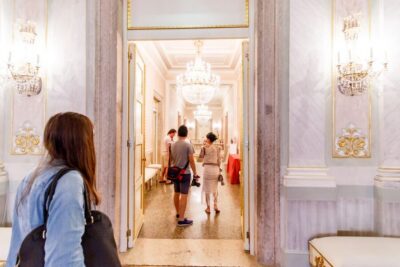
La Fenice Opera House Entry Ticket with Audio Guide
Read our review →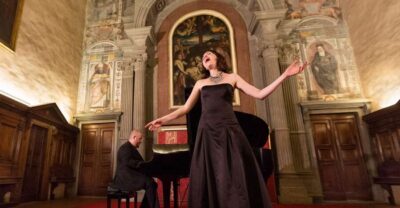
Santa Monaca Church Italian Opera Concert Ticket
Read our review →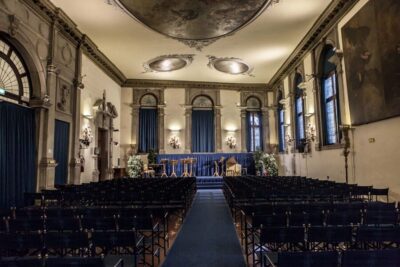
Vivaldi’s Four Seasons Live Classical Music Concert
Read our review →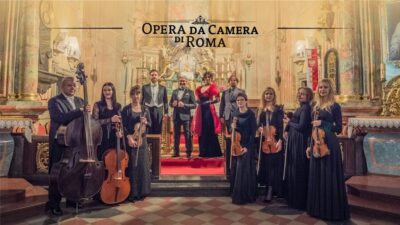
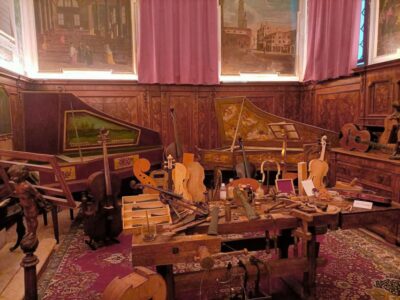
Vivaldi’s Four Seasons Concert & Music Museum Visit
Read our review →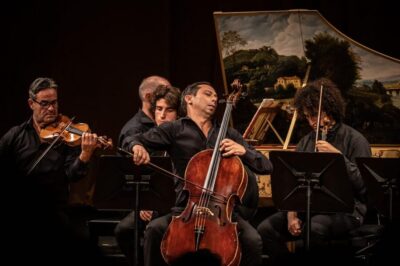
Vivaldi Four Seasons Concert at Vivaldi Church
Read our review →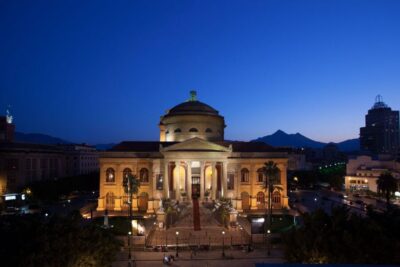
Browse the lists this tour appears in