
Reviewed · OPERA & CLASSICAL CONCERTS
Palermo: Teatro Massimo Opera House Guided Tour
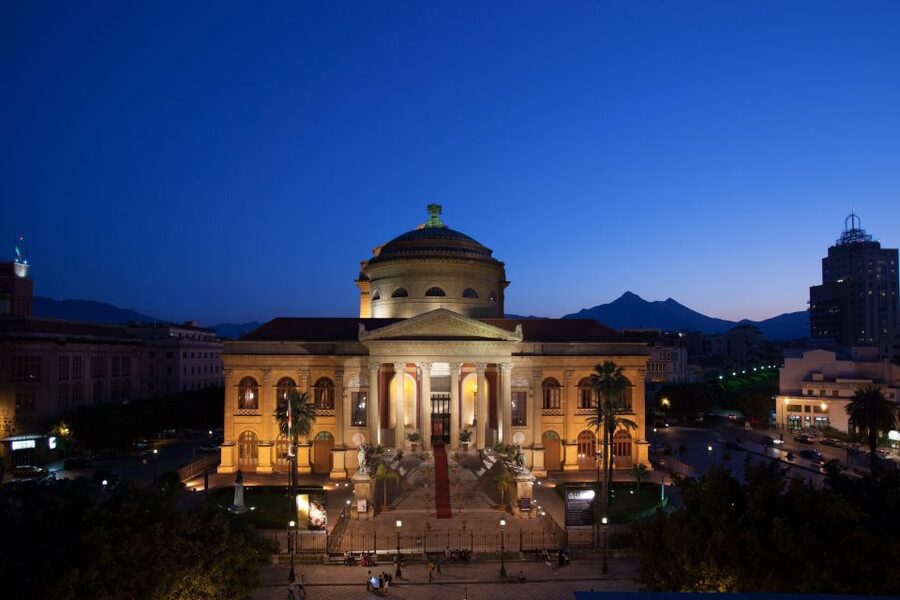
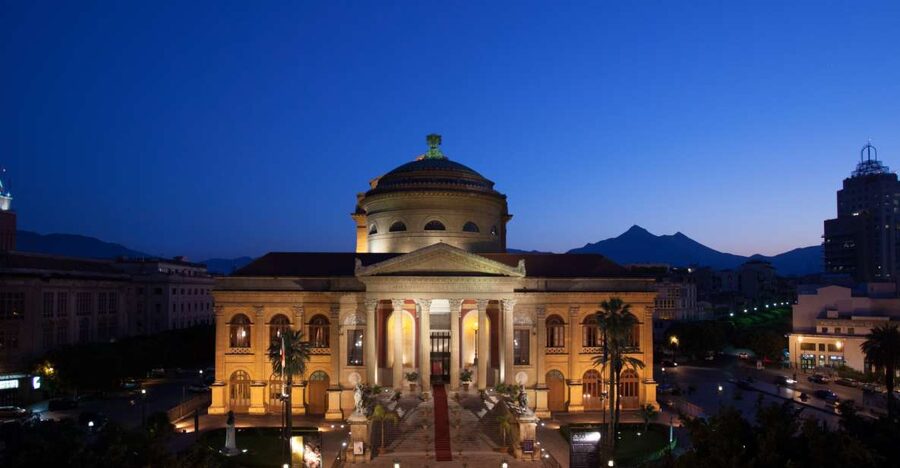
Palermo’s Teatro Massimo is the sort of building that makes you slow down before the tour even begins. Its foyer, with sculptures and bronze-decorated candelabra, leads to a grand auditorium lined with gold stuccoes, carved wood, velvet, and glass. I especially like the chance to see the royal box and the Echo Room, then look out over Palermo from above.
I also like the price: $14 per person buys a live guided visit to one of Europe’s largest opera houses. The main caution is timing. The tour lasts about 40 minutes, and access to the stage or working areas can change with rehearsals, lighting sessions, or private events.
Key points to know before you go
- The tour is short and focused: Plan on roughly 40 minutes, though some visits last closer to 30 minutes and others approach an hour.
- The royal box is a highlight: You get a fine view into the auditorium and a sense of how elite spectators once watched performances.
- The guide may speak two languages: English and Italian are common combinations, with French, Spanish, and German also available at listed times.
- Stage access is not guaranteed: The theater’s schedule can limit how far the group goes.
- Rehearsals can add something special: You might hear an orchestra, see dancers, or catch singers auditioning.
- The $14 price is good value: It is especially worthwhile if you want the building’s story, not just a quick look at the public rooms.
Why Teatro Massimo deserves a place in your Palermo plans
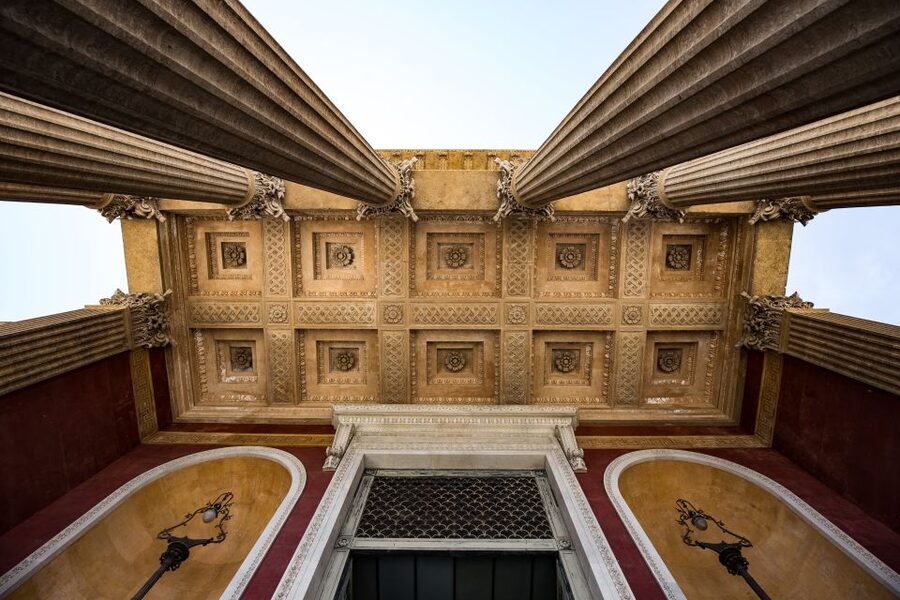
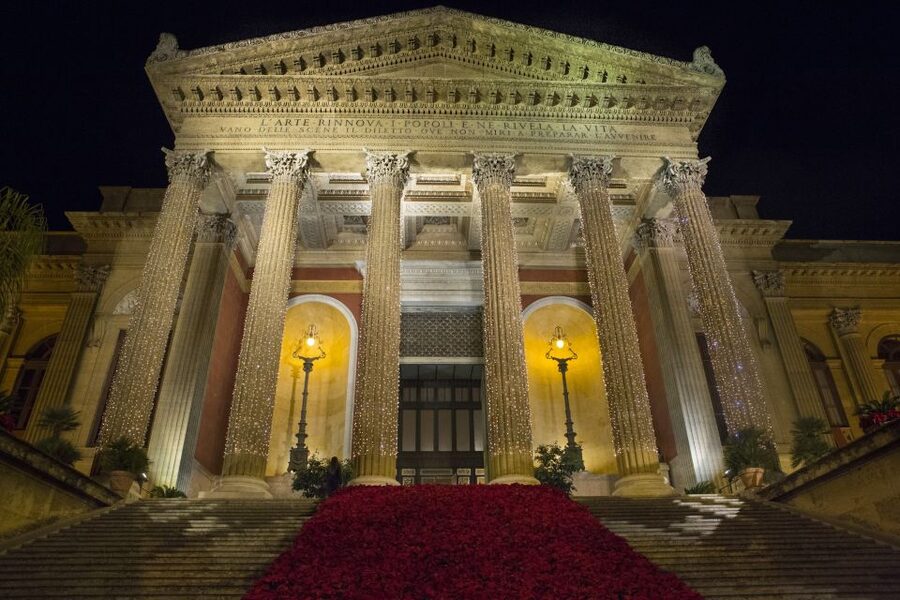
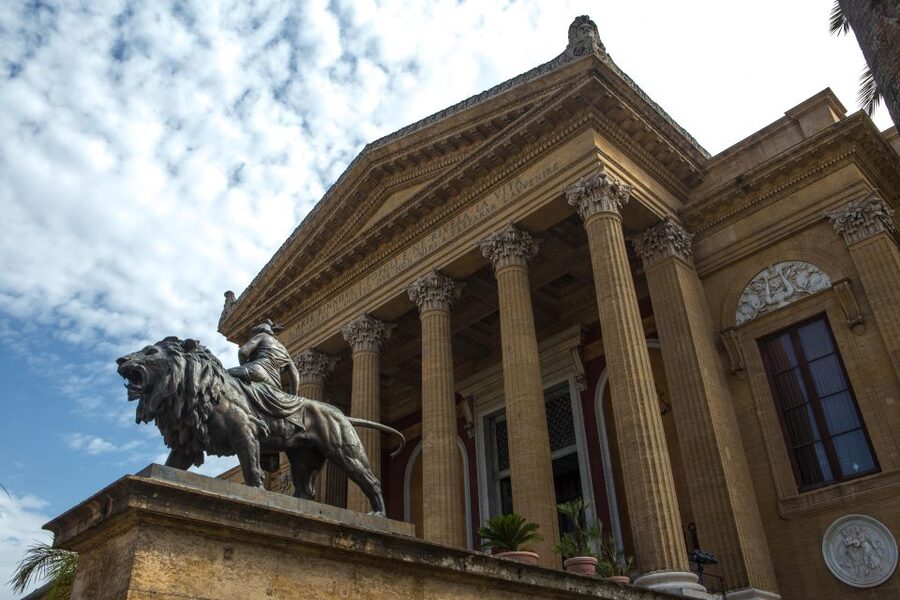
Teatro Massimo is not a small opera venue that you can understand in five minutes. It is a huge, formal building with grand public rooms, an impressive auditorium, and the visual drama you expect from Palermo’s main opera house.
The guided tour helps you read the building. Instead of simply admiring a ceiling or a row of boxes, you hear how the rooms were used and why certain details matter. That context makes the visit more rewarding than walking through on your own.
I like this experience for two reasons. First, it gives you access to an important Palermo landmark without the cost of attending a full performance. Second, the building itself provides plenty to see even if opera is not your usual evening entertainment.
The tour is also easy to fit into a city day. Teatro Massimo is in central Palermo, and the activity is valid for one day, with tours offered from 9:30 a.m. until 5:30 p.m. The last tour starts at 5 p.m. That gives you useful flexibility, though you should still check the available start times before booking.
More Guided Tours in Sicily
- Palermo: Private Custom Walking Tour with Local Guide
★ 4.7 · 661 reviews - Palermo: Street Food Walking Tour with Local Guide & Tasting
★ 4.9 · 632 reviews - Palermo: UNESCO World Heritage Sites Guided Walking Tour
★ 4.8 · 548 reviews
Starting in the sculpture-filled foyer
You begin at the theater’s foyer, after exchanging your GetYourGuide voucher at the Teatro Massimo ticket office. This is the practical part of the visit, and it is usually simple: go to the ticket desk, explain that you have a booking, and join the next suitable guided group.
The foyer sets the tone. Expect sculptures, formal decoration, and bronze details on the candelabra. It is not merely a passage to the auditorium. It was designed to make an impression, and it still does that job well.
Your guide will usually explain the building’s role in Palermo and point out features that are easy to miss when you are busy taking photos. A good guide can also help you understand the difference between a pretty decorative detail and a feature tied to the theater’s function.
The foyer can be busy at the start, especially when several groups are gathering. Once the guide moves everyone onward, the experience usually feels more orderly. Stay close to the group, since the theater is large and some visitors have found it easy to fall behind while looking around.
Inside the gold, wood, velvet, and glass auditorium
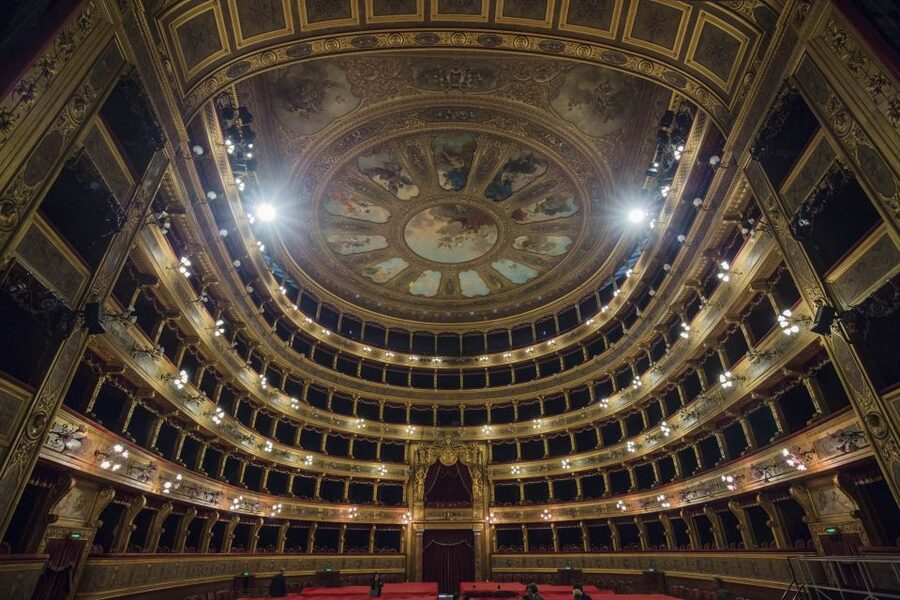
The auditorium is the main visual reward. Gold stuccoes catch the light, while wooden decoration, velvet, and glass give the room a layered look. From the floor, the scale is impressive. From the royal box, you get a different view, one that helps you understand the layout of the room and the importance of sightlines in opera.
I would not rush this section. The official visit is brief, and the guide may need to explain the same material in two languages. That format can slow the walking pace but may make the spoken part feel fast. Use pauses between the Italian and English explanations to take in the room and photograph details.
The auditorium is also the place where conditions can vary most. You might see it fully lit, partly dark during a lighting session, or active during a rehearsal. That can reduce the visual impact, but it can also give you a more honest look at the theater as a working venue.
Several people have been fortunate enough to see orchestra practice, ballet rehearsal, operatic auditions, or other preparation in progress. This is not promised, but if it happens, it adds a useful layer to the visit. You hear the acoustics and see that the room is not just a museum piece.
The royal box and the smaller waiting rooms
The royal box is one of the clearest highlights of the tour. You can look across the auditorium from an especially privileged position and understand how the room was organized around status as well as sound.
The view from here is often excellent, making it a good spot for photographs. Your guide may also explain how the box relates to the theater’s social and political past. Even if you are not an opera enthusiast, the royal box gives you a simple way to picture how a performance worked for different members of the audience.
The route can include the main waiting area and two smaller waiting chambers. These rooms are less instantly dramatic than the auditorium, but they help show how an evening at the opera unfolded before the curtain rose.
Access to every type of box is not guaranteed. One visit may include the royal box but not a standard box, particularly when the group is large or the theater is using parts of the building. That is a reasonable limitation for a short public tour, but it is worth knowing if you are hoping for a full architectural inspection.
More Opera & Concerts in Palermo:
- Venice: La Fenice Opera House Entry Ticket with Audio Guide
★ 4.6 · 11,742 reviews - Florence: Santa Monaca Church Italian Opera Concert Ticket
★ 4.7 · 2,692 reviews - Venice: Vivaldi’s Four Seasons Live Classical Music Concert
★ 4.6 · 2,524 reviews - Rome: “The Most Beautiful Opera Arias” Concert
★ 4.3 · 2,495 reviews
The Pompeian Rooms and the Echo Room
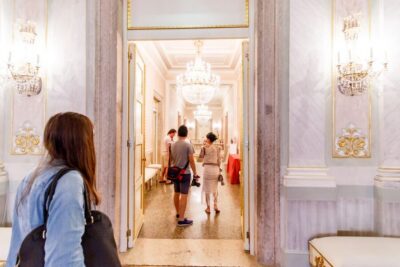
The Pompeian Rooms are among the other named spaces included in the route. Their decoration adds variety after the main auditorium, and the guide’s explanation gives you a better sense of how the theater’s smaller rooms support the grand central space.
The Echo Room is another memorable stop. You may be given time to stand in its center and experience its unusual acoustics. This is one of the moments when the tour becomes more than a sequence of facts. You get a quick, physical demonstration of how sound behaves inside the building.
These rooms also show why a guide is useful. Without an explanation, you might admire the surface but miss the purpose of the space or the reason it matters. The best guides keep the information lively and make room for questions.
Guide quality is generally a strength of the experience. Names specifically praised include Daniele, who led a professional and engaging visit, as well as guides such as Martha. Several guides have handled English and Italian with ease and answered questions graciously.
The main weakness is that bilingual tours require patience. The guide may explain everything first in Italian and then in English, or reverse the order depending on the group. If one language dominates, the other explanation can sometimes feel shorter. A large mixed-language group can also make the presentation feel hurried.
What you may see on the stage
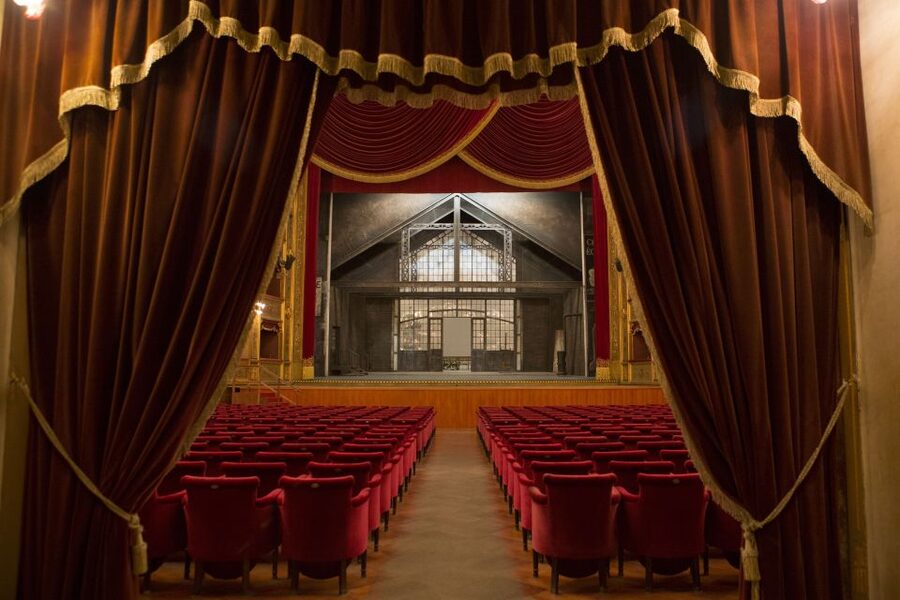
The description of the experience presents a visit to the stage and an explanation of how an opera is put on. In practice, stage access depends on what is happening inside Teatro Massimo that day.
Some tours have included a look at the stage or working areas. Other visits have stayed in the public rooms, with no access behind the scenes. Rehearsals, lighting work, private events, repairs, and other theater operations can close parts of the route.
That variation matters if stage access is your main reason for booking. I would treat it as a possible bonus, not a promise. The dependable part of the experience is the foyer, auditorium, royal box, and other public rooms.
If the auditorium is active, you may see performers preparing rather than a formal demonstration. That can be more interesting than an empty stage because it shows the theater doing its real job. It can also mean dim lighting or a shorter explanation in that room.
The rooftop views over Palermo
The tour includes access to the building’s top and views of Palermo. This gives the visit a change of pace after the enclosed, highly decorated rooms.
The view is useful for getting your bearings in the city. Teatro Massimo is not only an interior landmark. From above, you can connect the grand building with the surrounding streets and Palermo’s wider urban setting.
Do not expect a long rooftop stop. The tour moves on a schedule, and the guide needs to keep the group together. Still, this is a welcome addition, especially if you have spent the day moving through narrow streets and busy interiors.
How the 40-minute format works
The stated duration is about 40 minutes, but the actual visit can vary. Some tours finish in roughly 30 minutes, while others last just under an hour. The difference may depend on the guide, group size, questions, language format, and access to active areas.
A shorter visit is useful if your Palermo itinerary is packed. You can see the main spaces without giving up half a day. On the other hand, several people have wanted more time in the rooms and more access to the building.
The tour may be delivered in two languages. This means you will sometimes wait while the guide repeats an explanation, but that pause can be useful for photographs. The best approach is to listen closely during your language’s section, then use the second explanation to look around.
Group sizes can vary. One especially comfortable visit had fewer than 20 people, while other accounts describe larger groups of around 40. A smaller group makes questions and photographs easier. A larger group can feel crowded in the foyer and may make it harder to hear or stay with the guide.
Languages, timing, and the ticket exchange
Tours are offered in Italian, English, French, Spanish, and German, though the available language depends on the starting time. Check the schedule rather than assuming every departure includes every language.
The tour operates between 9:30 a.m. and 5:30 p.m., with the last departure at 5 p.m. Since the activity is valid for one day, you have some flexibility after booking, but you still need to exchange the voucher at the theater ticket office.
There is no hotel pickup or drop-off, and food and drinks are not included. That is not a problem for most people because this is a central sightseeing stop, not a full-day excursion. Plan it between other Palermo visits and handle lunch or coffee separately.
Free cancellation is available up to 24 hours before the activity for a full refund. You can also reserve now and pay later, which is useful when your Sicily plans are still changing.
Is $14 good value?
Yes, for most people. At $14, the tour costs little compared with a performance ticket and gives you access to rooms that would be difficult to understand through a quick independent look.
The value comes from the guide as much as the building. You get explanations about the rooms, the theater’s design, and the work needed to stage opera. A good guide turns a beautiful interior into a place with a purpose.
The price is less compelling if you want a long technical tour of backstage machinery, dressing rooms, or production areas. Those areas are not consistently available, and the visit is designed around the public spaces.
I would also factor in your interest in architecture. If you enjoy grand interiors, social history, acoustics, and theater design, $14 is easy to justify. If you only want to step inside, take one photograph, and leave, you may find the guided format more than you need.
Who should book this Teatro Massimo tour?
I would recommend it to first-time visitors to Palermo, architecture fans, opera followers, and anyone who wants a short cultural stop with a strong visual payoff.
It suits families and mixed-interest groups because the route is brief and varied. You see decoration, performance space, acoustics, views, and working theater activity rather than listening to a lecture in one room.
It is also a good choice for visitors who prefer a guide in their own language. English, Italian, French, Spanish, and German options are available, though schedules vary.
I would be more cautious if you have limited mobility or need a fully predictable route, because the exact areas open to the group can change. The supplied information does not specify accessibility arrangements, so contact Teatro Massimo before booking if that is important for you.
Should you book it?
Book it if you want a well-priced introduction to Palermo’s most famous opera house and you are happy with a short tour of its public rooms. The royal box, decorated auditorium, Echo Room, foyer, and city views give you plenty to see for $14.
Go in with the right expectation: this is not a guaranteed backstage tour. Stage access and rehearsal views depend on the theater’s schedule, and bilingual presentations can feel brisk.
If your timing is flexible, choose a departure in a language you understand well and allow enough time to exchange your voucher at the ticket office. For a compact, informative look at Teatro Massimo, this is a sensible addition to a Palermo day.
FAQ
How long does the Teatro Massimo guided tour last?
The advertised tour lasts about 40 minutes. Actual visits can be shorter or longer, with some lasting about 30 minutes and others close to an hour.
How much does the tour cost?
The listed price is $14 per person.
Where do I meet for the tour?
You should exchange your GetYourGuide voucher at the Teatro Massimo ticket office.
What languages are available?
Tours are available in Italian, English, French, Spanish, and German, depending on the available starting time.
What time do the guided tours operate?
Tours are available between 9:30 a.m. and 5:30 p.m. The last tour begins at 5 p.m.
Can I visit the stage?
Stage access can vary. Some tours include stage or working-area access, while others remain in the public rooms because of rehearsals, lighting work, private events, or other theater activity.
Does the tour include hotel pickup or food?
No. Hotel pickup and drop-off, food, and drinks are not included.
Can I cancel the booking?
You can cancel up to 24 hours in advance for a full refund. A reserve-now-and-pay-later option is also available.
Just added around Palermo
- Sicily: Etna Volcano & Taormina Tour★ 4.4 · 199 reviews
- Palermo: Pizza and Gelato Cooking Class with Dinner and Wine★ 4.9 · 951 reviews
- Palermo: Walking Tour of Historic Markets and Monuments★ 4.9 · 478 reviews
- Palermo, tour tra monumenti unici e mercati colorati★ 4.9 · 271 reviews
- Palermo: UNESCO World Heritage Sites Guided Walking Tour★ 4.8 · 548 reviews
- Palermo: Full-Day Snorkeling Boat Tour with Lunch and Wine★ 5.0 · 196 reviews
- Palermo: Street Food and History Walking Tour★ 4.9 · 1,294 reviews
- Palermo: Street Food Walking Tour with Local Guide & Tasting★ 4.9 · 632 reviews
Opera & Classical Concerts, compared.
La Fenice Opera House Entry Ticket with Audio Guide
Read our review →
Santa Monaca Church Italian Opera Concert Ticket
Read our review →
Vivaldi’s Four Seasons Live Classical Music Concert
Read our review →
Vivaldi’s Four Seasons Concert & Music Museum Visit
Read our review →
Vivaldi Four Seasons Concert at Vivaldi Church
Read our review →
Opera Concert at Palazzo Poli – Fontana di Trevi
Read our review →Browse the lists this tour appears in