
Reviewed · POMPEII TOURS
Pompeii: Small-Group Tour of Pompeii and Herculaneum
Pompeii gives you the broad Roman city, while Herculaneum gives you the close-up view. In one morning and afternoon, you walk past streets, villas, paintings, mosaics, shops, and plaster casts, then see carbonized wood and surviving upper floors in the smaller town. I like that an archaeologist leads both walks, turning broken walls into scenes from daily life. I also like that the tickets for both sites are provided, so you can focus on the ruins instead of ticket queues.
The biggest benefit is having a guide who knows where to take you and what deserves your attention. Guides including Diego, Paolo, Vincenzo, Alfredo, and Amedeo have been praised for clear explanations, humor, and the ability to answer questions. The tradeoff is pace: five and a half hours of walking, with only a 30-minute break for lunch, can feel rushed and tiring, especially in summer.
Key points to know before booking
- Two Roman cities in one day: See the wide streets and public spaces of Pompeii, then compare them with Herculaneum’s better-preserved houses.
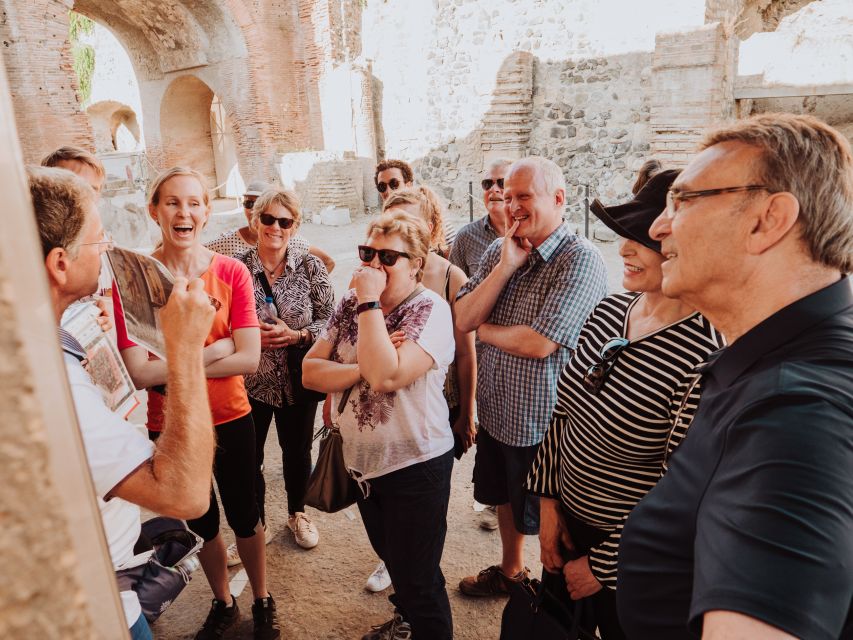
- Archaeologist-led walks: The guide explains excavations, preservation, buildings, and Roman daily life instead of leaving you to guess at piles of stone.
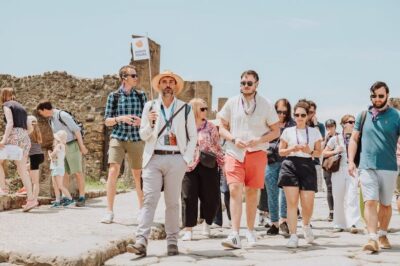
- Small group of up to 20: The group is manageable, though larger groups receive headsets so you can hear the guide.
- Short lunch stop: You get 30 minutes after Pompeii, enough for a quick sandwich, but not always enough for a relaxed meal.
- Train transfer to Ercolano: The Circumvesuviana journey takes about 20 minutes, and the tour ends at Herculaneum rather than returning to Pompeii.
- Bring sun and rain protection: Comfortable shoes, water, sunglasses, a hat, and a raincoat or poncho will make the day far easier.
Why Pompeii and Herculaneum belong together
Pompeii and Herculaneum were both buried by the eruption of Mount Vesuvius in 79 A.D., but the volcanic material affected them in different ways. That contrast is the main reason this combination works so well.
Pompeii was covered by about four meters of pumice and ash. The city is vast, with roads, public buildings, homes, shops, and open areas spread across a large archaeological site. You get a sense of the city as a whole, including how people moved, traded, worshipped, and spent time in public.
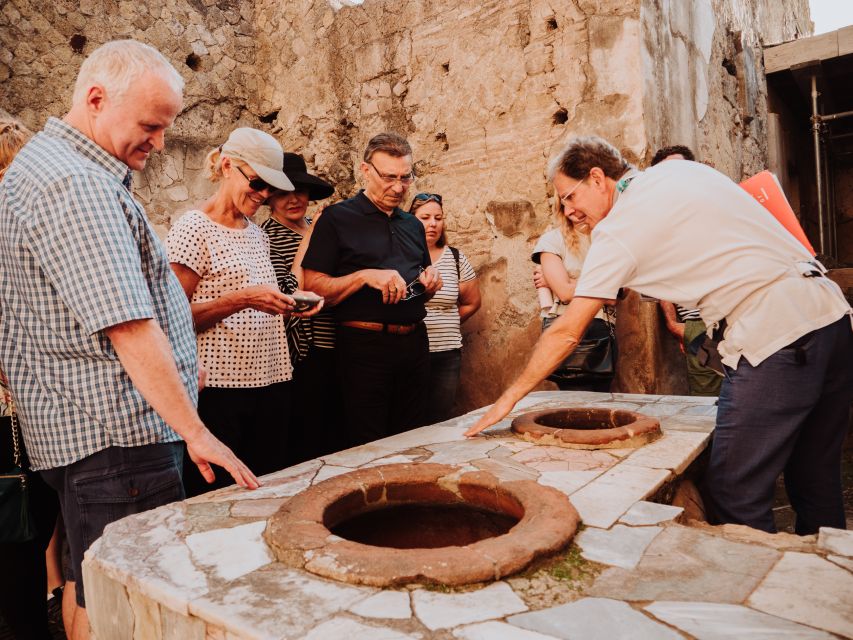
Herculaneum was buried by an avalanche of mud about 20 meters thick. It is much smaller, but the material sealed the town in a way that protected details Pompeii often lost. You can see second floors, carbonized wooden objects, intact wall paintings, and mosaics. The result is a more intimate look at domestic life, particularly among wealthier Roman families.
I would not treat Herculaneum as an optional extra. Pompeii shows the scale of a Roman city. Herculaneum shows the rooms people lived in and the objects they handled. Seeing both gives you a sharper picture than visiting either site alone.
More Ancient Ruins in Pompeii
- From Naples: Pompeii Ruins & Mount Vesuvius Day Tour
★ 4.3 · 11,459 reviews - Herculaneum: Skip-the-Line Guided Tour with Archaeologist
★ 4.8 · 3,439 reviews - Pompeii: Archaeological Park Tour with Ticket on request
★ 4.5 · 2,283 reviews
Meeting at Porta Marina Inferiore
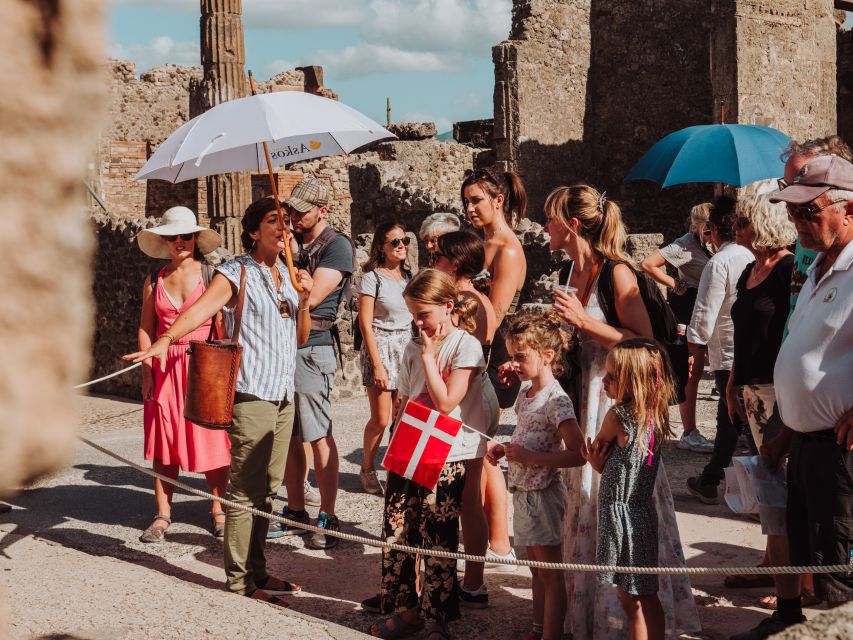
The tour begins at the left side of Pompeii’s Porta Marina Inferiore entrance, near the Arte bus stop. Look for the Askos Tours sign. The meeting point is a few minutes from the Pompei-Villa dei Misteri Circumvesuviana station, with the listed coordinates at 40.7470817565918, 14.484834671020508.
Give yourself time to find the entrance area. Pompeii has several gates and plenty of tour groups, and one person reported that the meeting point could have been marked more clearly. The guide’s sign is the key detail, so do not simply wait near the first bus stop or ticket booth you see.
You need a passport or ID card. Wear shoes that can handle uneven ancient paving and plenty of walking. In summer, bring water, a hat, and sunglasses. A raincoat or poncho is sensible too, since sudden showers can change the feel of an outdoor tour quickly.
Two hours among Pompeii’s streets and homes
The Pompeii portion lasts about two hours. That is long enough for a strong introduction to the site, but not long enough to see every street and building. This is a guided selection, not a complete survey of the entire city.
That limitation is useful. Pompeii can overwhelm you with its size. Without a plan, you may spend too much time looking at similar walls or miss the small marks that explain how the city worked. A guide can point out the most useful areas and provide the background that signs alone do not always supply.
Expect a walk through the remains of a city frozen by disaster. Pumice and ash covered rooms, streets, and belongings. The plaster casts of victims are particularly powerful and unsettling. They make the eruption personal in a way that grand temples and columns cannot.
The guide’s job is not only to name buildings. It is to explain how people used them and what archaeologists can tell from the remains. A painted wall, a shopfront, an inscription, or a worn roadway can reveal something about work, status, religion, and ordinary routines.
This is where the archaeologist-led format earns its keep. Guides such as Sergio, Diego, Alfredo, Paulo, Vincenzo, and Amedeo have been singled out for making complicated subjects easy to follow. The strongest guides also use humor and stories, which matters during a long walk under the sun.
Groups can reach 20 people. For larger groups, headsets are provided. That small piece of equipment is more important than it sounds: it lets you stay with the guide while looking at the ruins rather than crowding close to hear every word.
The 30-minute break: useful, but short
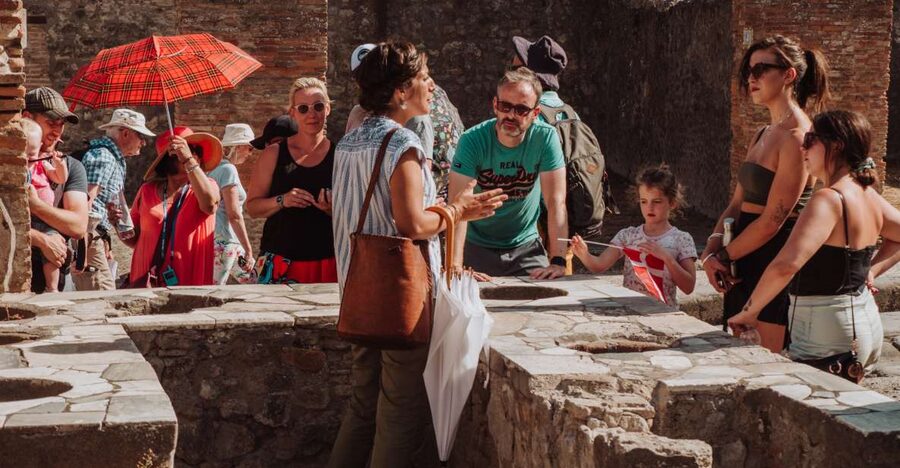
After Pompeii, you have about 30 minutes to eat, use the toilet, or look at the souvenir shops outside the ruins. This is the tour’s clearest weak point.
A quick sandwich is possible, but a sit-down lunch may not be. Several people found that the pause was just long enough to buy food and take a short rest, while others wanted more time in the shade. If you need a proper meal, plan to eat lightly or bring something with you, provided you follow the site and meeting rules.
The break also comes after two hours of walking, when your feet and attention may need a real reset. In hot weather, the lack of a longer cool-down is more noticeable. I would bring water and treat this as a practical pause, not a leisurely lunch.
More Ancient Ruins in Pompei Campania:
- Discover the Ancient Ruins of Pompeii: Day Trip from Rome
★ 3.5 · 2,247 reviews - Discover Matera, the ancient city – English tour
★ 5.0 · 1,771 reviews - Agrigento: Valley of the Temples Skip-the-Line Sunset Tour
★ 4.5 · 1,512 reviews - Palermo: Agrigento and the Valley of the Temples Day Tour
★ 4.2 · 1,240 reviews
The Circumvesuviana ride to Ercolano
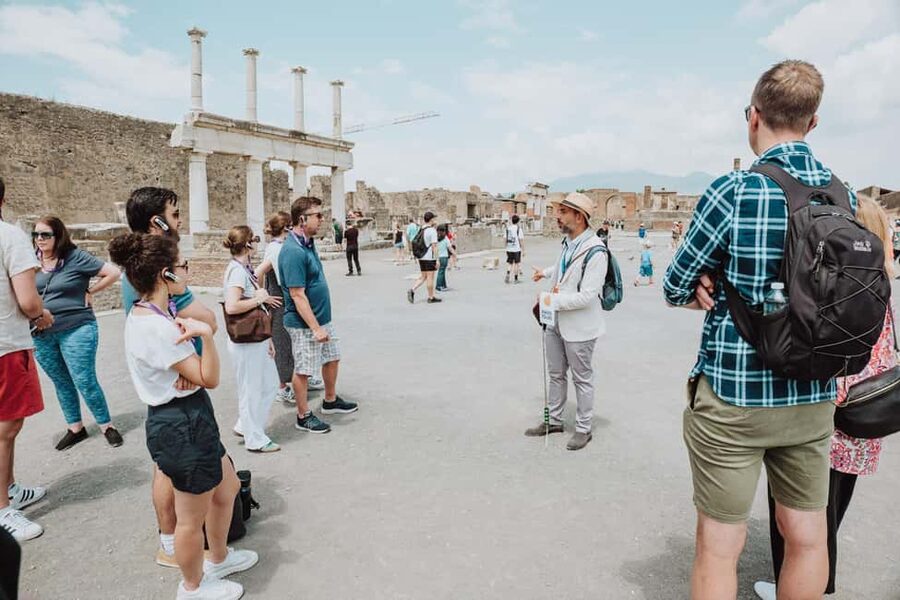
The transfer to Herculaneum uses the Circumvesuviana train and takes about 20 minutes. The stated itinerary gives 30 minutes for the train section, allowing time for movement and organization.
This is a local commuter train, not a sightseeing ride. It connects the two archaeological areas and keeps the tour from becoming a private coach excursion. That makes the experience feel more tied to Campania’s everyday transport network, though train delays can happen.
One tour group faced a delay caused by a medical emergency, making the day longer. On another occasion, the company used a private minibus when train problems affected the route. You should allow some flexibility in your schedule, especially if you have a fixed evening train or dinner booking.
The tour does not bring you back to Pompeii. It finishes at Parco Archeologico di Ercolano. If you started from Naples, this may fit your plans well. If you left luggage or a car near Pompeii, you will need to arrange your own return. One practical option mentioned in the tour information is the local train, though the station involves an uphill walk of roughly 25 minutes according to one account.
Herculaneum’s preserved interiors
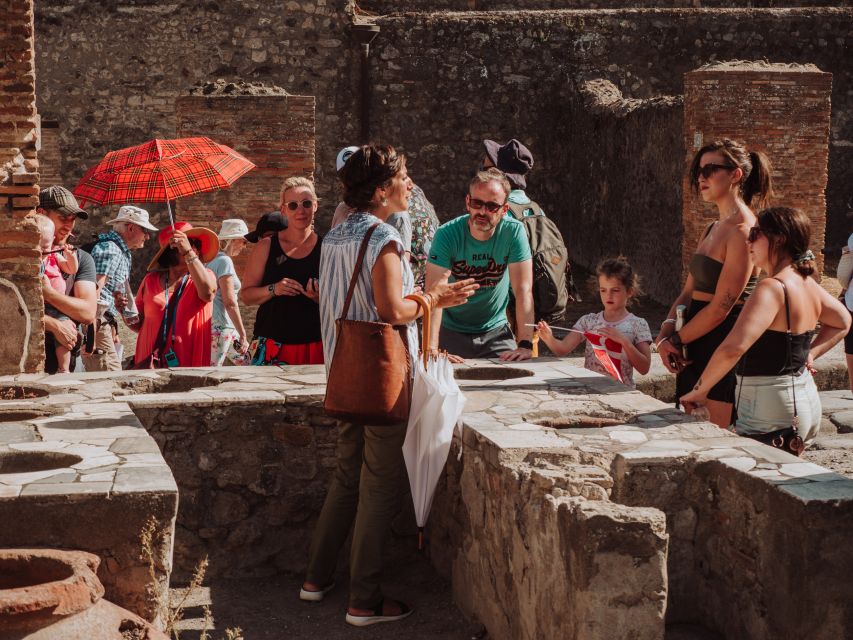
The second guided walk lasts about two hours and takes place inside the Archaeological Site of Herculaneum. The site is smaller than Pompeii, so the visit feels more compact and focused.
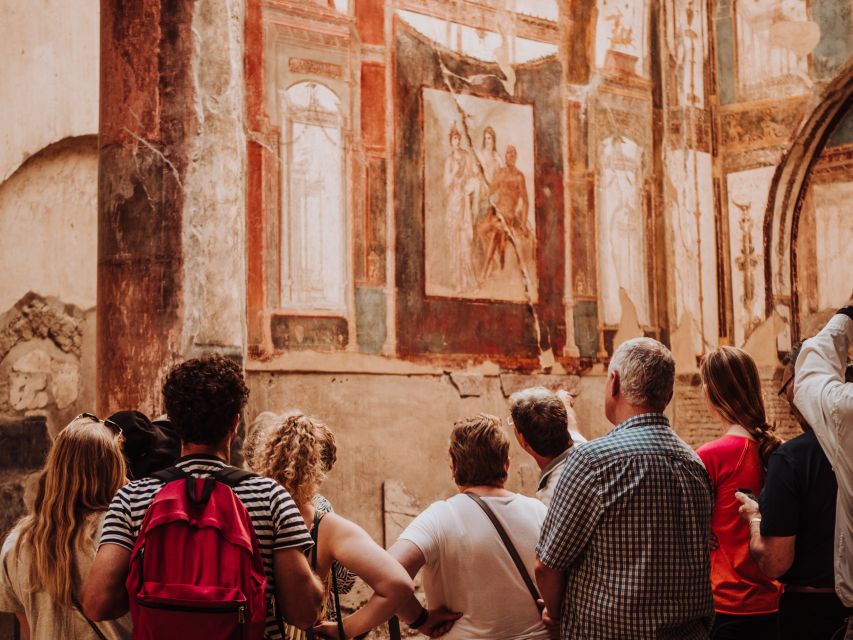
Here, the preservation can be startling. Upper floors remain in some buildings. Carbonized wooden objects survived. Paintings, mosaics, and wall decoration can still show color and pattern. Instead of seeing only the shell of a Roman building, you may get a stronger sense of rooms as lived spaces.
Herculaneum also gives you a clearer look at wealth and comfort in the Roman world. The preserved interiors show how much care went into decoration and domestic design. The town offers a vivid contrast with Pompeii’s broad civic scale.
Your guide helps connect the physical remains to the people who used them. Paolo, Antonio, Alfredo, Sergio, and other guides have been praised for explaining not just dates and names, but also how Roman homes and communities functioned. That social context is what keeps the visit from becoming a walk past attractive fragments.
The adult entry price listed for Herculaneum is 16 euros, with a 2 euro rate for EU citizens aged 18 to 25. The tour provides entry tickets for both sites, so the value depends on how much you want guidance as well as admission. If you only want to enter and wander at your own pace, a self-guided visit may cost less. If you want help choosing the best areas and understanding what you see, the added cost can be justified.
The guides make the largest difference
The strongest part of this tour is the human explanation. Several guides are named in the feedback, including Diego, Julia, Paulo, Ricardo, Vincenzo, Rafael, Amedeo, Antonio, Alfredo, Sergio, and Amadeus. The repeated pattern is clear: the tour works best when the guide links archaeology to ordinary life.
Diego is praised for being fun and well informed. Julia is described as friendly, humorous, and strong on historical detail. Vincenzo is noted for keeping different ages engaged, including a 10-year-old. Antonio receives praise for staying energetic in hot weather and answering questions. Amedeo is remembered for managing crowded areas, moving the group toward quieter spots, and returning to important places when space opened up.
Guide quality can vary from one departure to the next, as it can with any group tour. Still, the archaeologist format gives the experience a solid base. You are not relying only on an audio recording or a printed map. You can ask why a building matters, how an object survived, or what archaeologists still do at the site.
Is the walking level manageable?
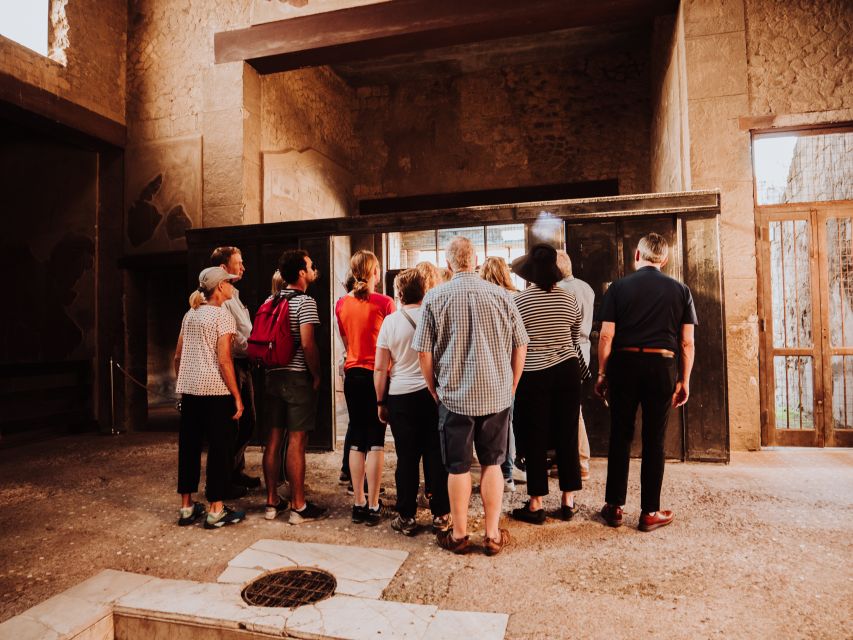
This is not suitable for wheelchair users or people with mobility impairments. The itinerary includes two long guided walks over ancient archaeological ground, plus movement between the entrance, train, and second site.
Even if you walk comfortably, prepare for a tiring day. The total duration is 5.5 hours, and the break is short. The summer heat adds pressure, though one guide was praised for keeping the group in shade when possible.
Comfortable clothes and sturdy walking shoes matter more than dressing formally. Carry only what you need, but bring water and sun protection. Rain gear is worth packing because much of the day takes place outdoors.
Who should book this Pompeii and Herculaneum tour?
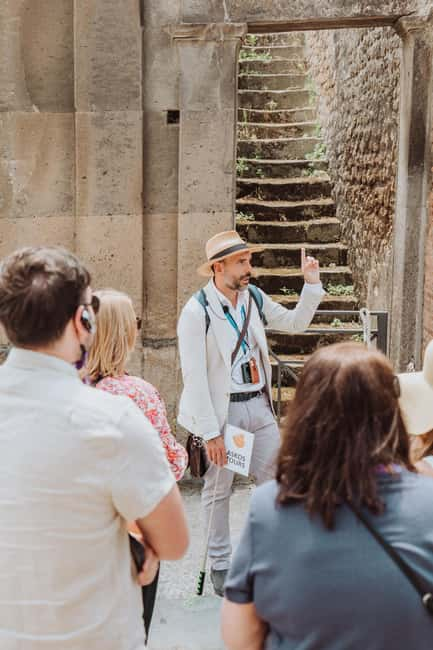
I recommend it most strongly for first-time visitors who want both sites in one day and who prefer context over wandering alone. It also suits history fans, families with older children, and day trippers who want a structured visit from the Pompeii side.
It is a good fit if you value an archaeologist’s explanation and like asking questions. You will get more from the walls, paintings, inscriptions, and casts when someone explains what to look for.
I would think twice if you need a slow lunch, dislike fixed schedules, or want to study Pompeii in great depth. Two hours is enough for a strong guided introduction, but the site is large and you will not see everything. You should also check the ending point carefully if your accommodation, car, or luggage is back in Pompeii.
The free cancellation window is up to 24 hours before the tour, and you can reserve while paying later. Those terms help if your Campania plans are still shifting, but the main value question remains simple: do you want expert interpretation and an efficient link between two major sites?
My verdict
Book this tour if you want Pompeii and Herculaneum in one day without trying to make sense of both sites alone. The archaeologist guide, included entry tickets, small group, and practical train connection make it a strong use of limited time.
Go in prepared for heat, uneven ground, a short lunch break, and a finish at Herculaneum. If you accept those limits, the contrast between Pompeii’s huge city remains and Herculaneum’s preserved homes makes this one of the most rewarding archaeological outings in Campania.
FAQ
How long does the Pompeii and Herculaneum tour last?
The experience lasts 5.5 hours. It includes a two-hour guided visit in Pompeii, a 30-minute break, about 30 minutes for the train transfer, and a two-hour guided visit in Herculaneum.
Where does the tour begin?
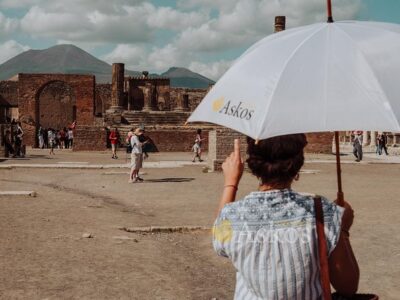
Meet at the left side of the Porta Marina Inferiore entrance to Pompeii, close to the Arte bus stop. The guide will hold an Askos Tours sign.
Where does the tour finish?
The tour finishes at Parco Archeologico di Ercolano. It does not provide transportation back to Pompeii.
Are entry tickets included?
Yes. Entry tickets for both Pompeii and Herculaneum are provided. The listed Herculaneum admission is 16 euros for adults and 2 euros for EU citizens aged 18 to 25.
Is lunch included?
No. The tour includes a 30-minute break after Pompeii, when you can buy lunch, use the toilet, or visit the souvenir shops outside the ruins.
What should I bring?
Bring a passport or ID card, comfortable clothes, and walking shoes. In summer, carry water, sunglasses, and a hat. A raincoat or poncho is useful in case of sudden rain.
Just added around Pompei Campania
- Pompeii 3hours Villa of Mysteries tour with an Archaeologist★ 4.8 · 486 reviews
- Pompeii: Skip-the-line-Ticket and Guided Tour★ 4.6 · 1,152 reviews
- Pompeii: Skip-the-Line Entry & Audioguide★ 3.8 · 225 reviews
- Pompeii: Guided Tour with Skip-the-Line Entry★ 4.9 · 812 reviews
- Pompeii: Skip-the-Line Entry Ticket with Digital Guide App★ 4.1 · 770 reviews
- Pompeii: Tour with Archaeologist Guide & Skip-the-Line Entry★ 4.5 · 478 reviews
- Pompeii: Afternoon to Sunset Guided Tour with Ticket★ 4.9 · 484 reviews
- Pompeii: Day Tour of Pompeii and Vesuvius with Bus Transfer★ 4.2 · 250 reviews
Pompeii Tours, compared.
Entry Ticket and Guided Tour with an Archaeologist
Read our review →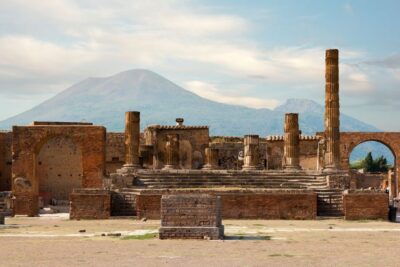
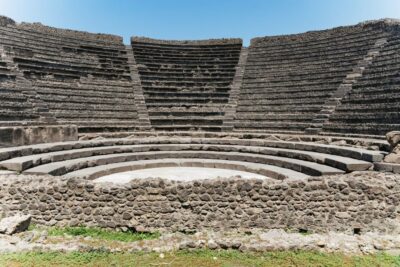
From Naples: Pompeii Ruins & Mount Vesuvius Day Tour
Read our review →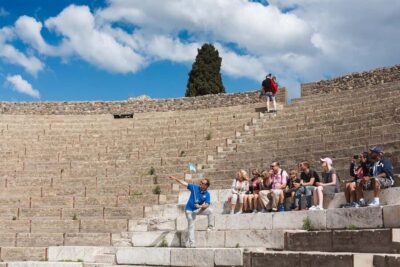
From Rome: Pompeii, Amalfi Coast, and Sorrento Day Trip
Read our review →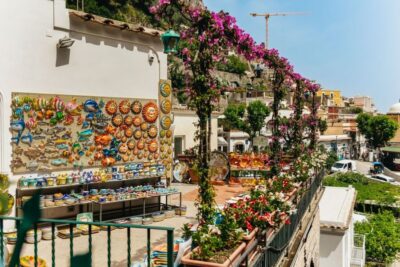
From Rome: Pompeii, Amalfi Coast and Positano Day Trip
Read our review →Pompeii Small Group Tour with an Archaeologist
Read our review →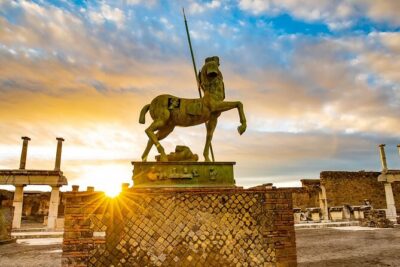
Pompeii, Amalfi Coast and Positano Day Trip from Rome
Read our review →Browse the lists this tour appears in