
Reviewed · POMPEII TOURS
Herculaneum: Tickets & Tour with a Local Archaeologist
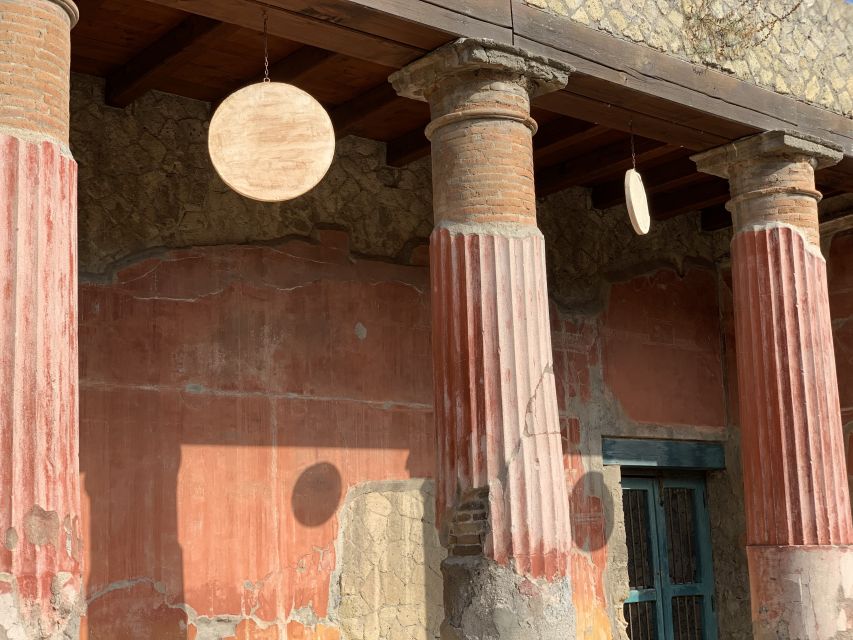
Herculaneum gives you something Pompeii cannot quite match: an ancient Roman town where wooden doors, furniture, beds and carbonized food survived beneath the volcanic material. The tour brings you into that preserved world, from elegant seaside villas to the boat houses where people sought refuge during the eruption of Vesuvius in 79 AD.
I especially like the two-hour route through the House of the Deer and House of Neptune and Amphitrite, plus the chance to see the skeletons with a guide who can explain what you are looking at. I also like the small-group feel and the way guides such as Raffaele, Riccardo, Enrica and Carlo connect ancient Roman life with familiar words, customs and daily routines.
The main drawback is the clock. Two hours is enough for a strong introduction, but not for every corner of the site. Some people also found it hard to hear every detail when the surroundings were noisy, so a headset helps when the group exceeds 11 people. Families with young children should also note that one guide’s strong accent made parts of the talk harder for children to follow.
Key points before you book
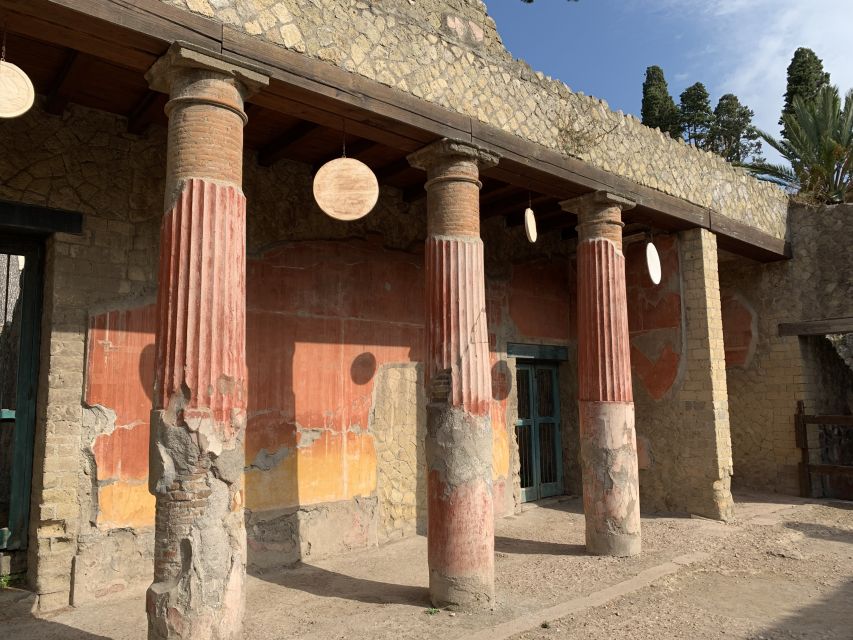
- Herculaneum is unusually well preserved: Upper floors, wooden objects, furniture, mosaics and food survived in ways that make the town feel more complete than many Roman ruins.
- The boat houses add a solemn human story: The skeletons are a serious part of the visit, not just another photo stop.
- The guide makes the difference: Archaeologist guides explain details you could easily pass without noticing, from water systems to Roman words still used today.
- The route covers the essential highlights: You visit major houses, a public religious building, the baths, shops and the wider archaeological site.
- The price is reasonable for expert help: At $58 per person, the ticket, skip-the-line entry and two-hour guided explanation are all included.
- This is not a wheelchair-friendly outing: Electric wheelchairs are not allowed, and the tour is not suitable for wheelchair users.
Why Herculaneum feels different from Pompeii
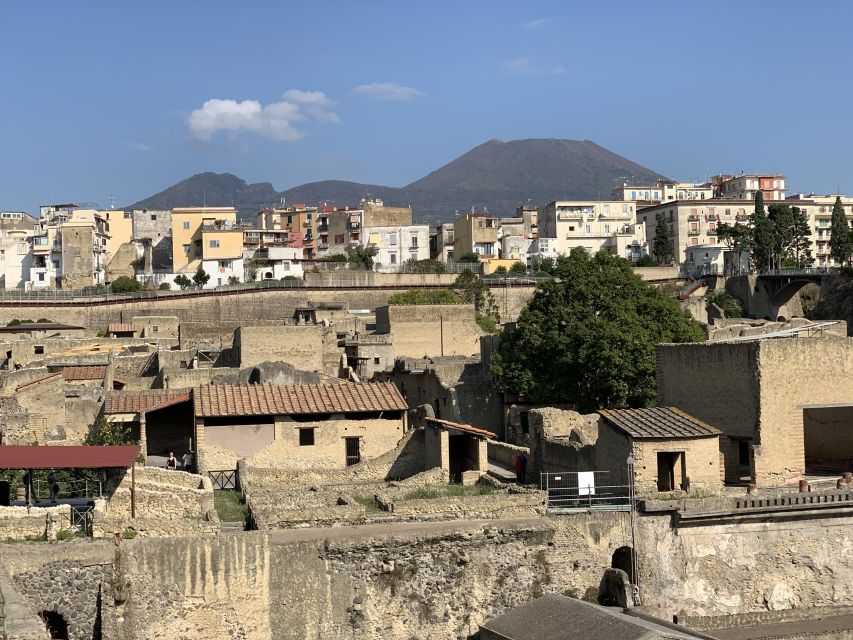
Pompeii is larger and more famous. Herculaneum is smaller, more compact and often easier to understand in one visit. That matters because you can spend time looking closely at rooms instead of simply trying to cover the next long street.
The eruption affected the two towns differently. Herculaneum was covered by extremely hot volcanic material, which helped preserve organic objects and upper parts of buildings. You may see traces of wooden construction, household furnishings and food that would normally vanish after 2,000 years.
This preservation also changes the mood. A painted wall is impressive, but a surviving door or bed makes the past feel close. A shop counter tells you about business. A public bath shows how Romans spent leisure time. A skeleton at the old shoreline reminds you that this was not an empty ruin, but a town whose residents faced a sudden disaster.
The strongest guides keep that human scale in view. Raffaele, who several visitors describe as trained to doctoral level in archaeology, is praised for explaining difficult ideas in clear language. Riccardo is known for linking Roman words to modern languages. Others, including Enrica, Carlo, Giovanni, Ornella and Livio, have been singled out for warmth, humor and storytelling.
Guide assignments can vary, so you should not book on the assumption that one particular person will lead your visit. The useful point is that the experience is built around a licensed archaeologist rather than a basic audio guide.
More Ancient Ruins in Pompeii
- From Naples: Pompeii Ruins & Mount Vesuvius Day Tour
★ 4.3 · 11,459 reviews - Herculaneum: Skip-the-Line Guided Tour with Archaeologist
★ 4.8 · 3,439 reviews - Pompeii: Archaeological Park Tour with Ticket on request
★ 4.5 · 2,283 reviews
Meeting at Biglietteria Ercolano
The tour begins at the Herculaneum ticket office, listed as Biglietteria Ercolano. Arrive 10 minutes before the scheduled start, which gives you time to find the meeting point and join the group without a rushed beginning.
There is no hotel pickup or drop-off. You make your own way to the archaeological site, and food and drinks are not included. Bring water, especially in warm weather, along with a passport or identity card as required for the visit.
Skip-the-line entry is a useful part of the package. It does not remove the need to arrive on time, but it avoids spending part of a short two-hour tour waiting at the ticket line. Since the guided visit is tightly timed, that can make a real difference.
House of the Deer: Roman comfort with a sea view
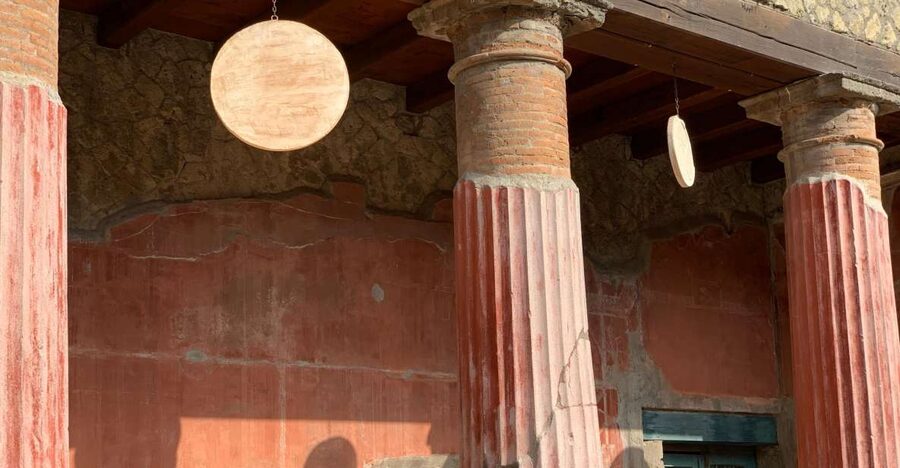
The House of the Deer, or Casa dei Cervi, is one of the tour’s main residential stops. Its size and decoration point to a wealthy owner, and the house helps you picture Herculaneum as a seaside resort town rather than a collection of poor workers’ homes.
Your guide can explain how the rooms were arranged and how Roman houses balanced private spaces with areas for receiving visitors. The focus is not only on identifying a wall or mosaic. It is on showing how the building worked as a home.
This is one of the places where an archaeologist earns the admission price. Without context, you might notice fine decoration but miss clues about status, use and design. With a guide, an empty room can become a place for meals, conversation or display.
The route may move at a measured pace here. That is good for careful explanation, but one four-star assessment felt the group could have covered more ground during the two hours. If you want to inspect every room at leisure, a private visit or a separate return visit would give you more freedom.
House of Neptune and Amphitrite: mosaics and household detail
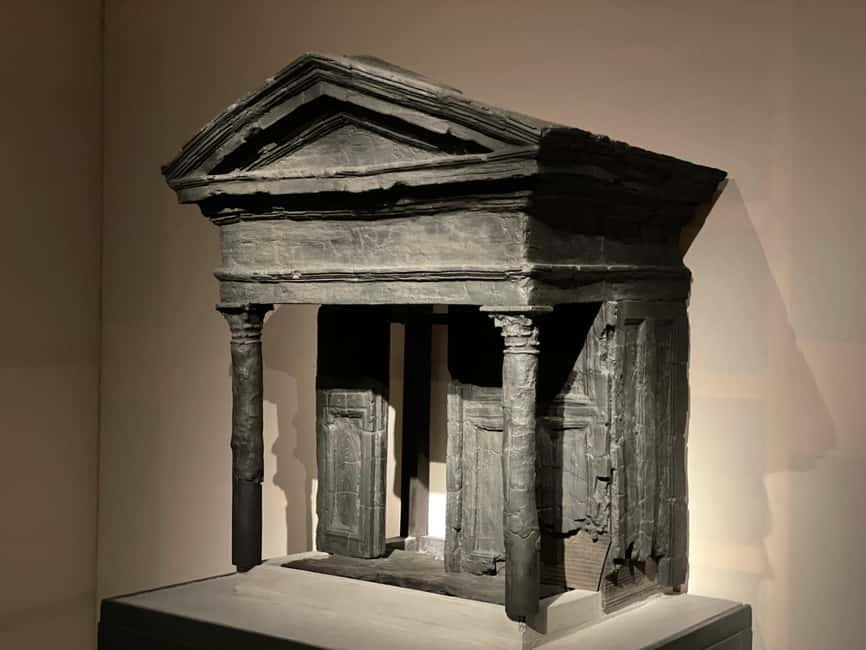
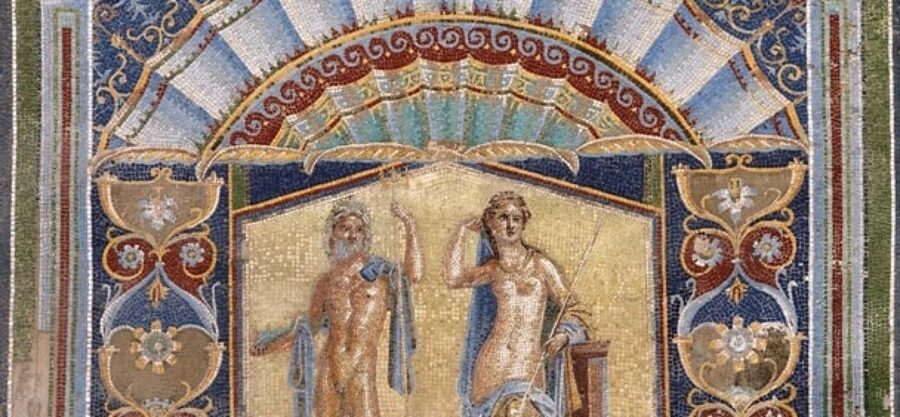
The Casa di Nettuno ed Anfitrite is one of Herculaneum’s best-known decorated houses. Its mosaics and wall decoration show the care wealthy Romans gave to interior design.
The name comes from the Neptune and Amphitrite mosaic, a marine scene that gives the house a clear connection to the sea. You will also see the sort of decorative detail that can be hard to interpret without a guide. A good explanation helps you understand what was ornamental, what was practical and what signaled the owner’s taste.
This stop works well for visitors who enjoy art but do not want a long lecture on dates and names. One experienced guide was praised for avoiding dull lists of facts and instead explaining how an object or room fitted into Roman life. That is the right approach here. You want to know not only what a mosaic depicts, but why it mattered to the people living with it.
The decoration here may not impress every Pompeii veteran equally. One visitor felt some Herculaneum frescoes were less striking than the best examples at Pompeii. The site’s real strength is the combination of decoration and preservation, not a promise that every wall will be the finest Roman artwork you have ever seen.
More Entry Tickets in Pompeii
- Pompeii: Entry Ticket and Guided Tour with an Archaeologist
★ 4.8 · 19,459 reviews - Pompeii: Entry Ticket with Optional Audio Guide
★ 4.2 · 12,360 reviews - Mount Vesuvius: Skip-the-Line Ticket and Smart Digital Guide
★ 4.2 · 2,780 reviews - From Naples: Pompeii Skip-the-Line Entry Ticket and Tour
★ 4.4 · 2,753 reviews
The Augustales and the House of Skeletons
The Sacellum of the Augustales was a religious building connected with the cult of the imperial family. It offers a glimpse into the public and civic side of Roman life, balancing the private houses on the route.
This is a useful reminder that Herculaneum was a functioning town with public duties, beliefs and social organizations. Your guide can help you see how religion and political loyalty were woven into ordinary civic life.
The House of Skeletons introduces a darker subject. The name refers to human remains found in the building, making it one of the places where the eruption feels most immediate. You are not simply looking at a preserved wall. You are confronting evidence of people who did not escape.
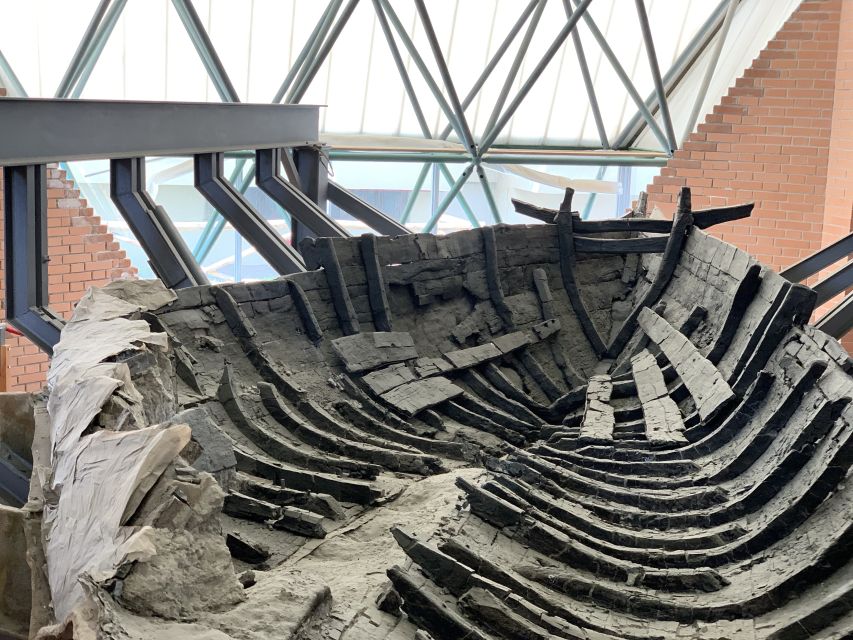
The boat houses are among the most solemn parts of the wider site. Victims sought shelter there, and the skeletons remain a powerful reminder of the eruption’s human cost. The best presentation is respectful rather than theatrical. One guide was praised for giving visitors quiet moments at the port skeletons, especially in contrast with the noisy photo-taking that can happen at other ancient sites.
You should be prepared for this section if you are visiting with children. The subject matter is serious, and the guide’s explanation may be more affecting than the rest of the tour.
Casa dell’Albergo and the public baths
Casa dell’Albergo adds another piece to the residential picture. Like the other homes, it lets you compare room layouts, decoration and signs of social rank.
The tour also includes the public baths, where engineering and daily routine come together. Roman baths were not just places to wash. They were social spaces supported by heating systems and carefully managed water supplies.
A guide can point out how water moved through the town and how Romans used technology to control temperature and comfort. This is the sort of detail many people miss when walking alone. You may see a narrow channel or unusual wall construction without realizing what it did.
The baths also help you imagine the town’s rhythm. People worked, shopped, worshipped, ate and met friends. Herculaneum was not preserved as a frozen museum display. It was a busy community with ordinary needs, and the baths show how much planning went into serving them.
Shops, taverns and original Roman streets
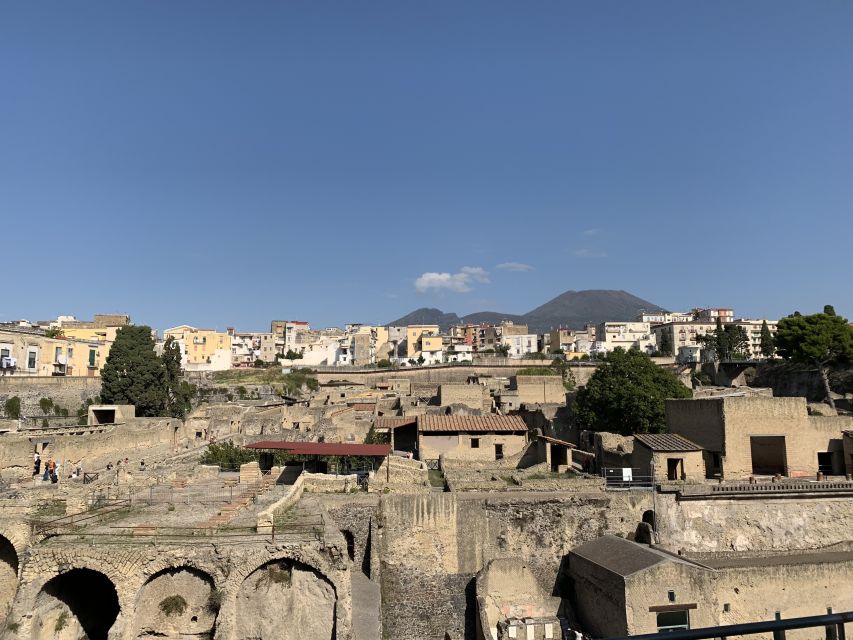
Between the major houses, you walk along original cobbled streets. The surfaces are uneven, and you should wear sensible shoes. This is an archaeological site, not a polished city sidewalk.
The streets connect the individual stops into a town. You can see how homes opened toward public routes and how commercial spaces fitted into the neighborhood. Shops and taverns help make the site feel lived in, especially when the guide explains the likely purpose of counters, doorways and storage areas.
This is where storytelling matters most. A list of buildings can feel dry. A guide who explains what people bought, where they gathered or how a room worked gives the street a pulse without inventing a dramatic scene.
The route ends with time for photographs and a return to the ticket office. Since the visit is guided, you should take quick photos when there is a natural pause rather than expecting to stop for a long time at every building.
What the $58 price includes
At $58 per person, the cost is easiest to justify if you value interpretation. You receive skip-the-line entrance, a licensed guided tour and a two-hour route through the site. A headset is provided if the group exceeds 11 people.
The ticket alone would give you access to the ruins, but it would not explain every preserved object or help you choose the most important rooms. Herculaneum can reward independent exploration, yet its details are easy to miss. The guide turns the visit from a walk among old walls into a readable story about homes, public life, engineering and disaster.
The value is strongest for a first visit, a short stay in Campania or anyone comparing Herculaneum with Pompeii on the same trip. If you already have specialist knowledge and prefer to set your own pace, you may find the fixed route less appealing.
Private groups are available, which can improve the experience for families or people with strong interests in Roman art, archaeology or daily life. A private option also gives you a better chance to ask questions without slowing a larger group.
Group size, languages and hearing the guide
Tours are offered in English, Italian, Spanish and French. The guide names vary, but the strongest feedback consistently focuses on clear explanation, enthusiasm and the ability to adjust the talk to the group.
Small groups are a real advantage inside Herculaneum. You can stay close to the guide, ask questions and hear more easily. One family of five described having the site explained thoroughly, while another small group appreciated a route tailored to its interests and previous visit to Pompeii.
Sound can still be an issue. The site has hard surfaces and open spaces, and other groups may be nearby. One person found that background noise made parts of the talk difficult, although the guide repeated information. Headsets are included when the group exceeds 11, but you should still stay near the guide.
Several guides have been praised for excellent English, including Riccardo and Raffaello. One visitor noted that a strong accent made the information harder for young children to follow. If you are booking for children, a private group may make questions and repetition easier.
Who should take this tour?
I would choose this tour if you want a clear introduction and prefer human explanation to an audio guide. It suits first-time visitors, families with older children, couples and anyone who wants to understand how Roman homes and public spaces functioned.
It is also a good companion to Pompeii. Several people who visited both found Herculaneum more intimate and, in some ways, more preserved. The two sites are not substitutes. Pompeii gives you scale, while Herculaneum gives you closer views of domestic life and surviving organic material.
You should think twice if you need step-free access. Wheelchair users cannot take this tour, and electric wheelchairs are not allowed. The paths and stairs were manageable for fit visitors in their early 60s, but the site remains uneven.
For a short two-hour visit, the route is well chosen. For a full archaeological study, it is only a starting point. You may leave wanting more time with the houses, and that is a good reason to plan a return visit if your schedule allows.
Should you book it?
Book this experience if you want Herculaneum to make sense, not simply to look impressive. The preserved wood, mosaics, baths, upper floors and skeletons are powerful on their own, but the archaeologist helps you understand why they survived and what they meant.
The $58 price is fair for entry plus a licensed guide, especially when time is limited. I would book it for a first visit, a family that needs an engaging explanation, or anyone who found Pompeii too broad to absorb in one go.
Skip it if you prefer complete independence, need wheelchair access or want to spend far longer than two hours in each house. For most visitors, though, this is a practical way to see Herculaneum’s key sights and leave with a much clearer picture of the town and its people.
FAQ
How long does the Herculaneum tour last?
The guided experience lasts two hours. The route returns to the Biglietteria Ercolano meeting point.
What does the $58 price include?
The price includes skip-the-line entrance tickets, a two-hour guided tour with a licensed guide and headsets when the group exceeds 11 people.
Where does the tour meet?
The meeting point is Biglietteria Ercolano, the ticket office at Herculaneum. You should arrive 10 minutes before the tour begins.
Which languages are available?
Live tours are available in English, Italian, Spanish and French.
Does the tour include hotel pickup?
No. Hotel pickup and drop-off are not included.
Are food and drinks included?
No. Food and drinks are not included. You should bring water.
Is the tour suitable for wheelchair users?
No. The activity is not suitable for wheelchair users, and electric wheelchairs are not allowed.
Can I cancel the booking?
You can cancel up to 24 hours in advance for a full refund. You can also reserve now and pay later to keep your plans flexible.
Just added around Pompeii
- Vesuvius National Park Skip-the-Line Ticket★ 3.8 · 221 reviews
- From Rome: Sorrento & Pompeii Day Tour with Hotel Pickup★ 4.2 · 257 reviews
- From Rome: Day Trip to Pompeii with Tickets★ 4.4 · 1,161 reviews
- Pompeii Ruins Private Tour with Optional Skip-the-Line Entry★ 4.9 · 732 reviews
- From Rome: Pompeii All-Inclusive Tour with Live Guide★ 4.3 · 261 reviews
- Pompeii: Exclusive Tour with Archaeologist and Entry Tickets★ 4.9 · 634 reviews
- Pompeii 3hours Villa of Mysteries tour with an Archaeologist★ 4.8 · 486 reviews
- Pompeii and Vesuvius Full-Day Tour from Amalfi Coast★ 4.4 · 319 reviews
Pompeii Tours, compared.
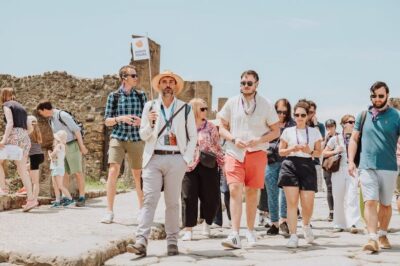
Entry Ticket and Guided Tour with an Archaeologist
Read our review →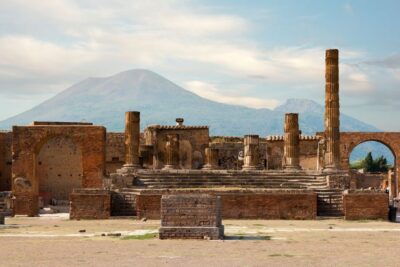
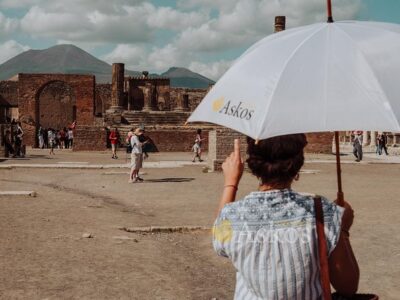
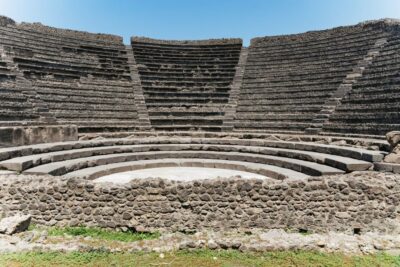
From Naples: Pompeii Ruins & Mount Vesuvius Day Tour
Read our review →
From Rome: Pompeii, Amalfi Coast, and Sorrento Day Trip
Read our review →
From Rome: Pompeii, Amalfi Coast and Positano Day Trip
Read our review →Pompeii Small Group Tour with an Archaeologist
Read our review →
Pompeii, Amalfi Coast and Positano Day Trip from Rome
Read our review →Browse the lists this tour appears in