
Reviewed · ENTRY TICKETS IN FLORENCE
Florence: Santa Maria Novella Entry Ticket & Audioguide
Santa Maria Novella gives you one of Florence’s best art stops in a compact visit. The basilica blends Gothic structure with Renaissance design, and its frescoes, chapels, cloisters, and paintings show why Michelangelo called it his bride. The 1-hour route is easy to fit into a busy day, especially if you are already near Florence’s central train station.
I like the skip-the-line entry and the multimedia tablet, which adds helpful audio, images, and 3D reconstructions to details you might otherwise miss. I also like the range of artists covered, from Giotto and Masaccio to Botticelli, Brunelleschi, Vasari, Ghirlandaio, and Filippino Lippi.
The main drawback is the ticket procedure. The meeting point can be confusing, the entry time is strict, and you must leave a valid passport or ID card while using the guide. The tablet can also be awkward to operate, and some areas may be closed on the day of your visit.
Key points to know before you go
- The entrance is on the church’s right side: Follow the instructions carefully, since the pre-booked ticket office may be reached through the back or north side of the complex.
- Your time slot is binding: Arrive for the exact time printed on your booking or entry can be refused.
- The guide is a 7-inch tablet: It combines audio narration with high-definition images and 3D recreations.
- The cloisters are part of the visit: You are not limited to the main nave and chapels.
- You need photo ID: The ticket office holds a valid passport or identity card while you use the multimedia guide.
- The $18 price pays for convenience: It may cost less to buy entry and a guide directly, so the value depends on how much you want timed access and advance planning.
Why Santa Maria Novella deserves an hour
Santa Maria Novella is not simply a church you glance at on the way to another sight. It is a large Dominican complex whose growth began in the early 13th century, after the first Dominican friars settled in Florence.
That long development explains the mix of styles. You see Gothic architecture from the medieval period, then later Renaissance work added by artists and patrons who wanted Florence to look modern, wealthy, and intellectually important. The result is a place where the building itself tells part of the story.
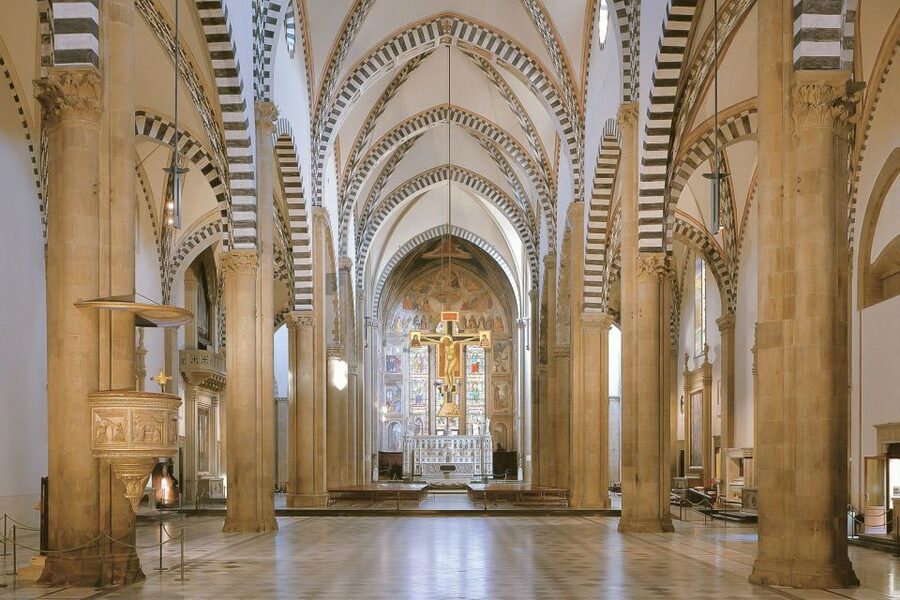
Michelangelo’s description of Santa Maria Novella as his bride is easy to understand once you see the relationship between the structure and its decoration. The building has a formal, graceful quality, but it is also packed with visual information. Frescoes cover walls and chapels. Paintings sit in spaces designed for worship. Marble, arches, cloisters, and painted surfaces all compete for your attention.
The visit is especially worthwhile if you enjoy seeing art in its original setting. A museum can isolate a painting on a clean wall. Here, you see how art, architecture, religious use, and family patronage worked together.
More Entry Tickets in Florence
- Florence: Skip-The-Line Uffizi Gallery Timed Entry Ticket
★ 4.5 · 27,832 reviews - Florence: Timed Entrance Ticket to Michelangelo’s David
★ 4.6 · 16,983 reviews - Florence: Michelangelo’s David Skip-the-Line Entry Ticket
★ 4.5 · 12,764 reviews
Finding the correct entrance in Florence
The church is close to Florence’s main train station, but the entry instructions deserve careful attention. Go to the right side of the church to redeem your ticket. Some directions describe the tourist office or gate at the back, on the north side of the complex, across from the station.
That difference matters. Several people have found the meeting point harder to locate than expected, especially when approaching from the front of the basilica. I would allow extra time to walk around the building and find the ticket office rather than arriving at the last minute.
Your selected time is mandatory. This is not a ticket you can casually use at any point during the day. The booking is valid for one day, but the chosen entry slot controls when you may begin the visit. If you arrive outside that time, you may be turned away.
The staff check-in is generally straightforward once you reach the right office. After admission, collect the multimedia guide inside the basilica. You must leave a valid passport or ID card at the ticket office while you use the device, so remember to collect it before leaving.
What you see inside the basilica
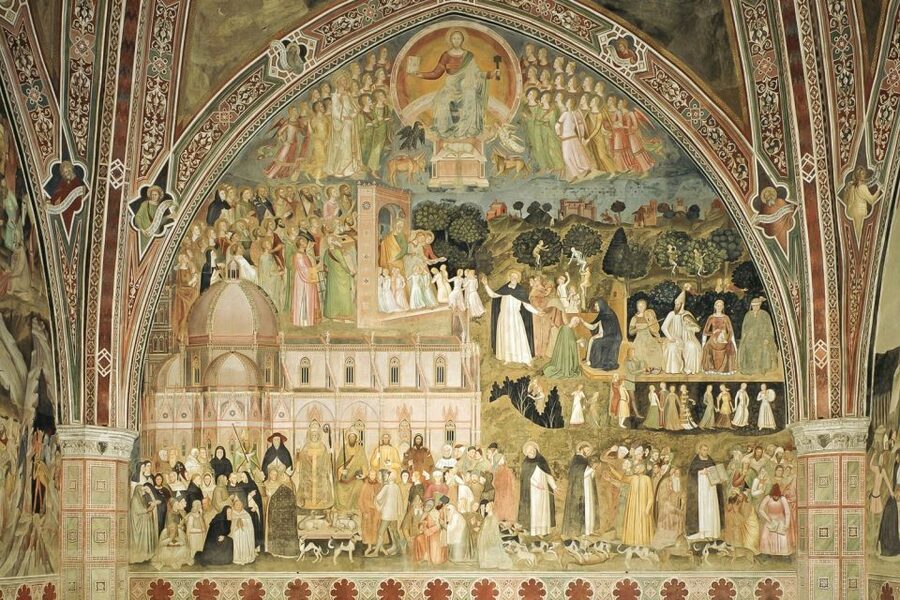
The first part of the visit takes place in the church itself. Look upward and across the chapels rather than focusing only on the central aisle. The scale of the basilica can make individual works easy to overlook, which is where the audio and visual guide helps.
Giotto is among the artists covered by the program. His work matters because it helped move Italian painting toward more natural human figures and clearer storytelling. The guide uses images and narration to point out the important details, a useful aid when you are standing in front of a large decorated surface.
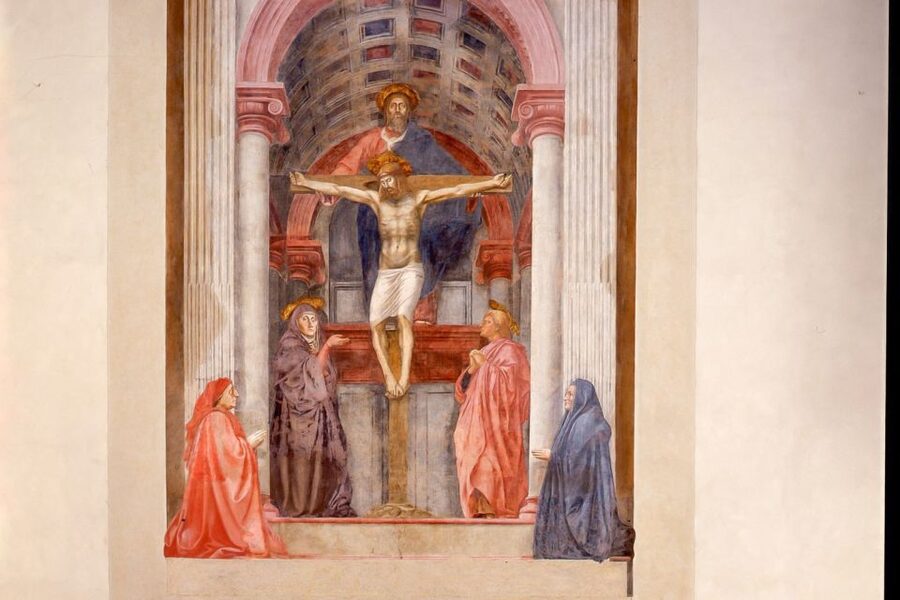
Masaccio is another major highlight. His work represents a key moment in the early Renaissance, when painters paid closer attention to perspective, light, and the physical presence of figures. You do not need an art degree to appreciate the effect, but a short explanation helps you see why his contribution was so important.
The program also covers Domenico Ghirlandaio and Filippino Lippi, two artists connected with Florence’s great age of painting. Their work gives you a sense of how workshops operated and how large religious commissions were produced.
Brunelleschi appears in the story as both an artist and an architect. His name is familiar from Florence’s cathedral, but Santa Maria Novella lets you consider his work within another major religious complex. Botticelli and Vasari add further links to Florence’s Renaissance culture.
The church rewards a slow pace. One useful approach is to listen to a section, put the tablet down, and look at the actual work without a screen in front of you. The device is most useful as a pointer, not as a substitute for looking.
The cloisters and the quieter side of the complex
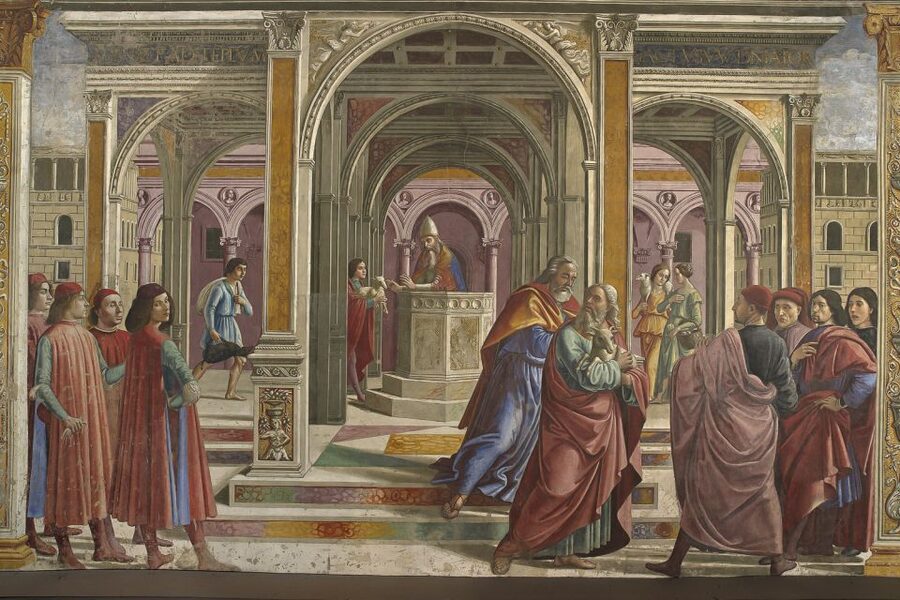
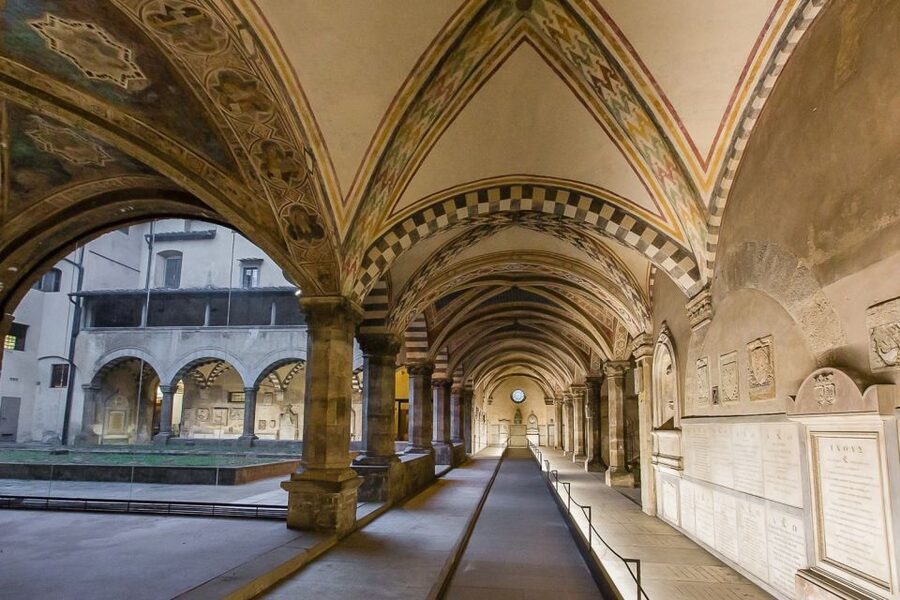
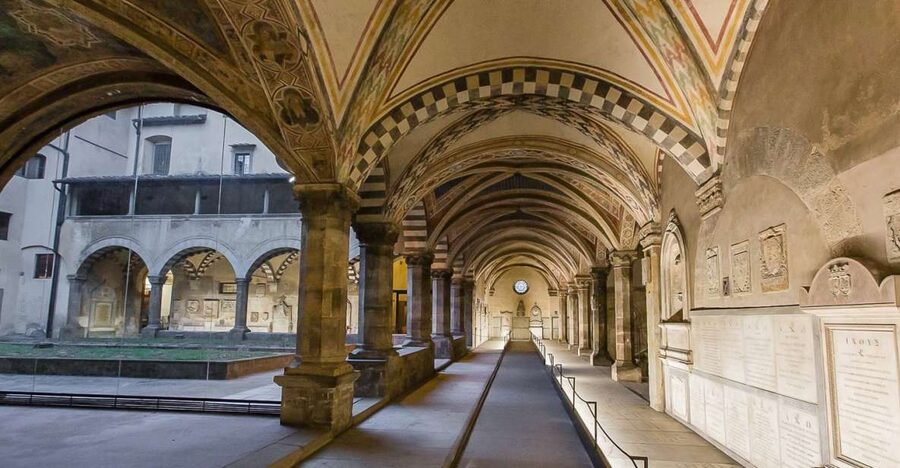
The cloisters provide a change of mood after the main church. Their covered walkways frame open courtyards and offer a calmer way to read the complex. Decorative murals and painted surfaces continue outside the basilica, so the art does not stop when you leave the main interior.
This portion helps explain that Santa Maria Novella was a working religious complex, not just a grand public monument. The arrangement of church, cloisters, and related spaces reflects centuries of Dominican life and changing use.
The cloisters are also good for visitors who find the central church visually overwhelming. You can pause, look at the painted walkways, and let the details settle. The multimedia guide continues to give context, though some people have found its directions for moving from one subject to another less clear than they hoped.
Access can vary. Parts of the museum or complex may be closed during your visit, and a few areas have occasionally been unavailable. That can reduce the value of a pre-paid ticket, since you may not receive the full route described in your plans.
A few more Florence half-days worth a look
- The Best tour in Florence: Renaissance & Medici Tales – guided by a STORYTELLER
★ 5.0 · 12,316 reviews - Florence: Leonardo Interactive Museum Entry Ticket
★ 4.5 · 11,763 reviews - The Best Tour in Florence: Renaissance and Medici Tales
★ 5.0 · 10,810 reviews - Florence: Pasta Cooking Class with Unlimited Wine
★ 4.9 · 10,285 reviews
How useful is the multimedia tablet?
The 7-inch tablet combines audio commentary, high-definition images, and 3D recreations. The visual material is useful when a fresco is high, dark, worn, or difficult to read from the floor. It can also show architectural details that are hard to understand from a quick look.
English, Italian, Spanish, French, and German are available. The main exhibitions use English and Italian text, so the audio guide is particularly helpful if you want more explanation in another language.
Content is one of the stronger parts of the experience. It explains the building and introduces the major artists without requiring you to read a long guidebook. The commentary also gives you a better sense of how the basilica developed over time.
The hardware is less dependable. The tablet may lock itself or time out, and the controls can feel fiddly. Some users have stopped using it because restarting the pages was too frustrating. Ask the staff for help at the start and make sure you understand how to return to a previous section.
The same guide is used by children and adults. That makes it simple for families, but it also means the content is not tailored to different ages. Children who enjoy screens may find the pictures and 3D elements useful. Younger children may lose interest during the longer historical explanations.
One practical tip: do not spend the entire visit staring at the tablet. Use it to identify a work, listen to the relevant section, then give yourself time to study the church without electronic guidance.
Is the $18 ticket good value?
At $18 per person, this is a mid-range paid church visit rather than a cheap walk-in stop. The price buys admission, timed entry, and the multimedia guide. The strongest value comes from convenience: you have a reserved place and do not need to work out the visit after reaching the church.
The price is harder to justify if the ticket office has little or no line when you arrive. Direct admission and a guide purchased at Santa Maria Novella may cost less, according to feedback from people who compared the two options. That makes this booking best for someone who values advance planning and wants to reduce uncertainty during a busy Florence itinerary.
The calculation changes if the complex is crowded. A skip-the-line ticket can save time, and an hour saved in Florence can be worth more than the price difference, especially if you have a museum reservation or train to catch.
There is another value concern: closures. One portion of the grounds has sometimes been unavailable, and a discounted walk-in price has been offered when areas were closed. A pre-paid booking may not receive the same adjustment. If seeing every section is important to you, check the current access conditions before committing.
Free cancellation is available up to 24 hours before the visit, and you can reserve now and pay later. Those terms make advance booking less risky, provided you remember that the date and time slot remain fixed after booking.
Timing your visit near the train station
The stated visit lasts about one hour, but you may spend longer if you stop for every fresco, painting, and architectural detail. The complex has enough to keep an art lover occupied beyond the basic route.
Because Santa Maria Novella is close to the station, it works well at the start or end of a Florence day. Still, do not cut the timing too close. You need time to locate the correct ticket office, pass through entry, collect the guide, and return the device before leaving.
Keep your belongings close around the piazza and station area. One person reported a wallet being taken from a bag near the piazza. That is not a reason to skip the church, but it is a reminder to use a zipped bag and avoid placing valuables in an open outer pocket.
Dress and behave as you would for a working church. The supplied information does not give a formal dress code, so I would simply choose respectful clothing and keep your voice low inside the basilica.
Who will enjoy this experience most?
I would choose this visit if you want a self-guided art experience with more structure than a printed map. It suits first-time visitors who want an introduction to Florentine medieval and Renaissance art without joining a live group.
It is also a good fit for independent museum-goers who prefer to stop and start at their own pace. You are not following a guide through a fixed speech, so you can spend more time with a favorite chapel or move on when the subject does not interest you.
Families may appreciate the images and 3D reconstructions, though the tablet is not designed separately for children. Art students and serious enthusiasts may want a longer specialist tour, since the included visit is built around about an hour.
I would hesitate if you dislike tablets, do not want to leave an ID at the desk, or are trying to keep costs as low as possible. In that case, compare the direct entry price before booking.
Final verdict: book it for structure, not just admission
Santa Maria Novella is worth seeing for the building alone, and the multimedia guide gives the visit a useful shape. The best parts are the range of major artists, the beautiful cloisters, and the chance to understand the basilica as a living religious complex rather than a single decorated room.
Book this experience if you want a fixed entry time, a skip-the-line option, and explanations in your language. Arrive early enough to find the side or rear ticket office, bring photo ID, and expect some tablet quirks.
If price is your main concern, check the direct admission cost first. You may pay less at the church itself, especially when parts of the complex are closed. For most visitors with limited time, the $18 ticket is reasonable when the line is long and the guide is working well, but it is not the cheapest way to enter.
FAQ
Where do I redeem the Santa Maria Novella ticket?
Go to the right side of the church to redeem the ticket. Some directions identify the tourist office or entrance at the back, on the north side of the complex, across from Florence’s train station.
Is the entry time flexible?
No. The date and time slot selected during booking are binding. You can be refused entry if you arrive outside the allotted time.
What languages are available on the multimedia guide?
The guide is available in English, Italian, Spanish, French, and German.
Do I need to bring identification?
Yes. Bring a valid passport or ID card. The ticket office holds it while you use the multimedia guide.
Is a live guide included?
No. The experience includes admission and a multimedia guide on a 7-inch tablet, but it does not include a live tour guide.
Can I cancel the booking?
You can cancel up to 24 hours before the visit for a full refund. The booking also allows you to reserve now and pay later.
Just added around Florence
- Walking Food Tour of Florence with Tastings and Wine★ 5.0 · 518 reviews
- Uffizi Gallery Timed Entry Admission Tickets★ 4.0 · 392 reviews
- Uffizi Gallery Small Group Tour with Guide★ 4.5 · 879 reviews
- Florence Accademia Guided Tour – Shared, Private & Combo Options★ 4.5 · 370 reviews
- Early Access Guided Uffizi Gallery Tour Skip-the-Line Small Group★ 4.5 · 707 reviews
- Uffizi and Accademia Small Group Guided Tour★ 4.5 · 449 reviews
- Florence Central Market Food Tour with Eating Europe★ 5.0 · 224 reviews
- Truffle Hunting Experience with Lunch in San Miniato★ 5.0 · 383 reviews
Entry Tickets in Florence, compared.
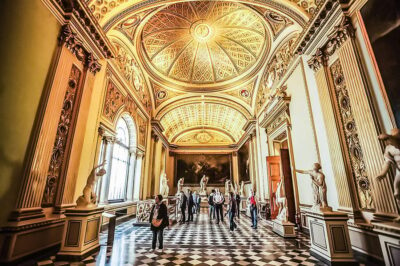
Skip-The-Line Uffizi Gallery Timed Entry Ticket
Read our review →
Michelangelo’s David Skip-the-Line Entry Ticket
Read our review →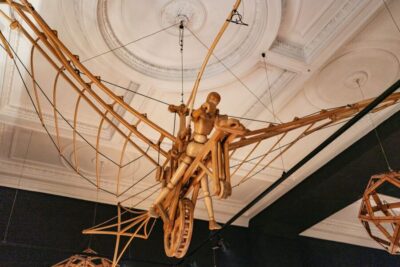
Cathedral & Brunelleschi’s Dome Ticket & Audio App
Read our review →
Michelangelo’s David Priority Ticket & Audio App
Read our review →
Uffizi Priority Ticket & Masterpieces Audio App
Read our review →
Hop-on Hop-off Bus Tour: 24, 48 or 72-Hour Ticket
Read our review →
Florence Accademia Gallery Tour with Entrance Ticket Included
Read our review →Browse the lists this tour appears in