
Reviewed · FLORENCE TOURS
The Best Tour in Florence: Renaissance and Medici Tales
The best thing about this Florence walk is its clear story: follow the Medici from their family church and palace to the Duomo, then on to Palazzo Vecchio and the Uffizi. Florence becomes easier to read when you connect its buildings to the people who paid for them, fought over them, and used them to shape the city.
I like the excellent value and the route’s range. In two hours, you see major sights, hear about lesser-known details, and get useful suggestions for food and places to visit later. The one consideration is the donation system: the low booking price is not the guide’s full compensation, so you should be ready to make a fair donation at the end.
Key points to know before you go
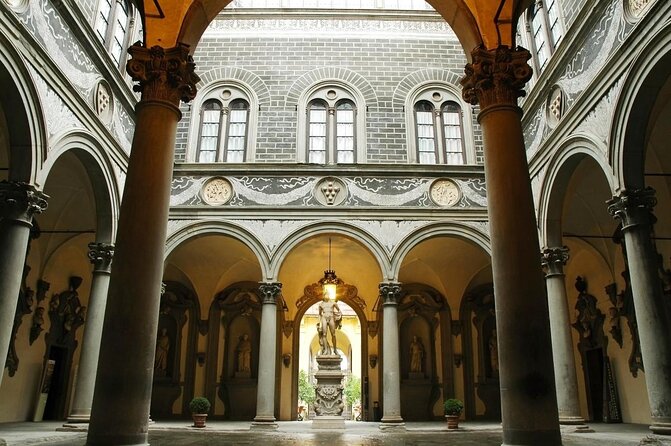
- The Medici story ties the route together: San Lorenzo, Palazzo Medici Riccardi, the Duomo, and Palazzo Vecchio all make more sense through the family’s rise.
- You cover a lot on foot: The route includes ten stops between San Lorenzo and Piazza della Signoria.
- Guides bring different strengths: Aurora is an art historian, while guides including Camilla, Deborah, Alberto, Manuel, Simona, and Elisabetta are praised for storytelling, humor, and clear explanations.
- The tour is donation-based: You pay a small booking amount, then choose the guide’s compensation at the end.
- It is best as an opening lesson: Take it early in your stay, then return to the interiors and museums that catch your interest.
- Expect a group of up to 30 people: That keeps the price low, but it may feel less personal than a private walk.
Why the Medici make Florence easier to understand
Florence can feel like an open-air museum with too many names, dates, churches, and statues competing for your attention. This tour gives those pieces a useful thread. The Medici family began as powerful bankers, then turned money into influence, buildings, art, and political control.
That story appears right at the start. You meet beside the statue of Giovanni de’ Medici, near San Lorenzo, a fitting place to begin because the church became the Medici family’s spiritual and burial center. From there, your guide can explain how patronage worked in Florence: wealthy families did not simply collect art. They funded churches, chapels, palaces, public projects, and images that announced their status.
I especially like this approach for first-time visitors. Instead of receiving isolated facts about the Duomo or Michelangelo’s David, you learn why these places mattered to the city’s power brokers. The strongest guides, including Aurora, Camilla, Deborah, and Manuel, are praised for using stories rather than delivering a dry list of dates.
A few more Florence half-days worth a look
- Florence: Skip-The-Line Uffizi Gallery Timed Entry Ticket
★ 4.5 · 27,832 reviews - Florence: Timed Entrance Ticket to Michelangelo’s David
★ 4.6 · 16,983 reviews - Florence: Michelangelo’s David Skip-the-Line Entry Ticket
★ 4.5 · 12,764 reviews
San Lorenzo and Palazzo Medici Riccardi
The Basilica of San Lorenzo is one of Florence’s largest churches and the burial place of principal Medici figures from Cosimo the Elder through Cosimo III. You spend about ten minutes here, enough to grasp its importance before moving on.
Admission is not included, so this stop is mainly an exterior introduction unless you return later on your own. That is not a serious flaw, but you should know that this is a walking tour, not a church interiors tour. If the Medici chapels or the church interior appeal to you, set aside separate time and budget.
Next comes Palazzo Medici Riccardi, built for Cosimo de’ Medici between 1444 and 1484. The palace helps explain a key Medici skill: appearing respectable and civic-minded while quietly building enormous influence. The guide’s job here is less about showing you every room and more about placing the family in the setting where its power first became visible.
The short stops work well for orientation. You will not leave an expert on the palace, but you will understand why this building belongs near the beginning of a Medici-focused walk.
The Baptistery, Duomo, and Giotto’s Campanile
The route then reaches Florence’s religious center, where the Baptistery, cathedral, dome, and bell tower crowd around Piazza del Duomo. The Baptistery of Saint John is one of the oldest buildings in Florence, built between 1059 and 1128 in the Florentine Romanesque style.
Your guide will likely help you look past the crowds and see the square as a group of connected buildings. The Baptistery is not just a stop beside the cathedral. It belongs to the city’s older religious foundation and helps explain the importance Florence placed on public beauty and ceremony.
Florence Cathedral, officially Santa Maria del Fiore, began in 1296 in the Gothic style. The cathedral complex is part of the UNESCO-listed historic center, and the cathedral exterior alone is an impressive lesson in scale, color, and ambition. Admission to the cathedral is listed as free, but the guided walk does not function as an interior visit.
The nearby Campanile di Giotto gives you another angle on Florentine design. Its polychrome marble, sculpture, and Gothic form make it one of the city’s most recognizable towers. The stop lasts about ten minutes, so use it to study the relationship between the tower, cathedral, and Baptistery rather than expecting time to climb or enter.
That distinction matters. You will see and discuss the monuments, but tickets for the bell tower and other paid sites are not included. If you want to climb the dome or tower, plan that separately and do not assume this tour secures a timed entry.
Brunelleschi’s dome and the problem it solved
The Cupola del Brunelleschi is the architectural centerpiece of the walk. It was once the largest dome in the world and remains the largest brick dome ever built. Even from street level, its size explains why it changed Florence’s reputation.
This is one of the places where a good guide adds real value. The dome is easy to photograph, but its construction story gives you a reason to look up. It represents the Renaissance interest in solving old problems with new methods, practical skill, and bold design.
You spend about ten minutes here. That is enough for a clear explanation, not a technical lecture. If architecture is your main interest, you may want to return for a dedicated dome visit. The walking tour provides context, while a separate ticketed visit provides the fuller physical experience.
I would make this stop a reason to take the tour early in your stay. Once you understand the dome’s place in Florence’s story, later views from streets and squares become more meaningful.
Same city, a completely different sort of day:
- The Best tour in Florence: Renaissance & Medici Tales – guided by a STORYTELLER
★ 5.0 · 12,316 reviews - Florence: Leonardo Interactive Museum Entry Ticket
★ 4.5 · 11,763 reviews - Florence: Pasta Cooking Class with Unlimited Wine
★ 4.9 · 10,285 reviews - Florence: Cathedral & Brunelleschi’s Dome Ticket & Audio App
★ 4.4 · 6,973 reviews
Dante’s Florence and the smaller-scale city
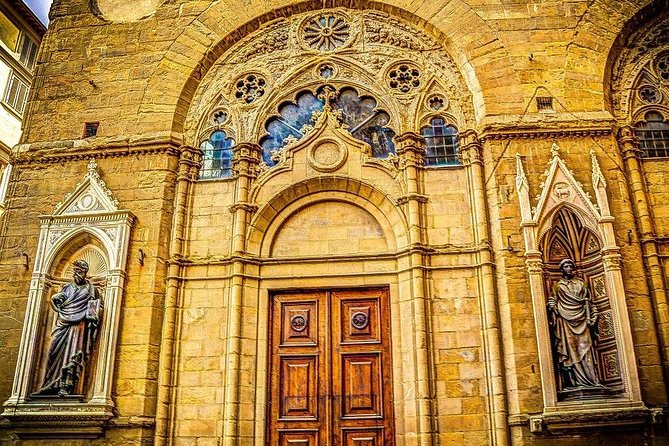
The route continues to the Museo Casa di Dante, connected with Dante Alighieri, author of the Divine Comedy. The stop is brief, about five minutes, and admission is listed as free.
Dante adds a useful change of subject. The tour is not only about wealthy patrons and grand architecture. It also touches the literary identity of Florence and the city’s medieval roots. You begin to see Florence as a place shaped by writers, rival families, merchants, artists, and church leaders, not only by the Medici.
The museum itself is not explored in depth during this walk. Treat the stop as a quick introduction and return later if Dante is a priority. That is a recurring pattern on this tour: you get a map of interests, then decide where to spend your limited museum time.
The shorter stop also gives the walk some breathing room after the Duomo complex. Florence’s smaller lanes and older homes can feel more personal than its grand squares, and the guide’s stories help connect them to the larger city.
Piazza della Signoria and Michelangelo’s David
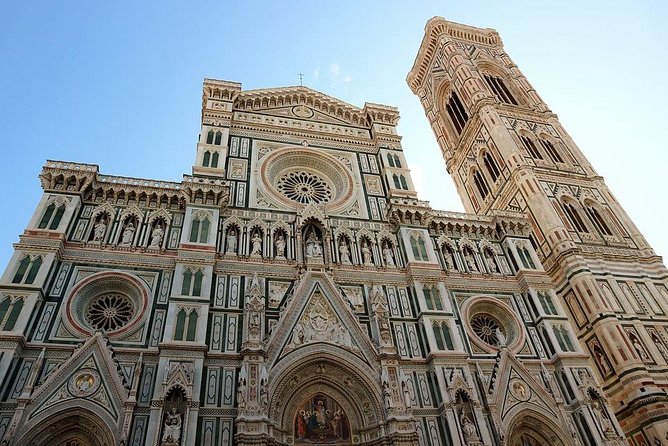
Piazza della Signoria is the final major open space on the route and one of the most useful places to pause. The L-shaped square faces Palazzo Vecchio and sits near the Uffizi Gallery. It has long served as a public meeting place, so it links Florence’s political life with its artistic display.
Here you see the copy of Michelangelo’s David outside Palazzo Vecchio. The original is in the Galleria dell’Accademia, but the copy still makes the political message clear. David represents the small but determined republic facing larger powers, and placing the statue by the city hall gave that message a public voice.
This is also a good place to watch your guide explain how Florence uses replicas, sculpture groups, and building facades as part of its civic story. One guide, Deborah, is particularly praised for making the distinction between the original and the copy memorable, including the political meaning behind the statue.
Palazzo Vecchio itself is a massive fortress-palace and Florence’s town hall. You see it from the outside, with its connection to the square and the statues in the nearby Loggia dei Lanzi. Admission is not included, so plan a separate visit if you want the interior rooms and museum.
Ending near the Uffizi Gallery
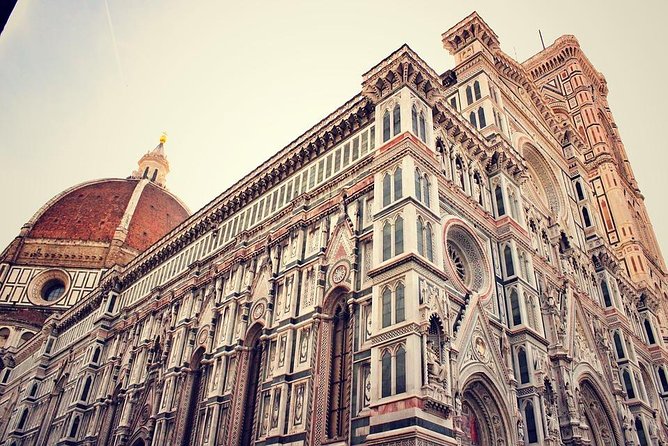
The walk finishes around Piazza della Signoria, with the Uffizi Gallery close by. The endpoint can vary slightly within the square, but this is a practical place to end because you are near several major sights.
The Uffizi began in 1560 under Cosimo I de’ Medici as offices for Florentine magistrates. Its name comes from uffizi, meaning offices. Later, it became one of the world’s best-known art museums, with a major collection of Italian Renaissance works.
The tour does not include Uffizi admission, and ten minutes is not enough for a museum visit. That is useful rather than disappointing: you finish with enough context to decide if the Uffizi deserves a large part of your afternoon. If you already have a ticket, the ending puts you close to the entrance. If not, ask your guide for advice on what to prioritize.
Guides also provide practical suggestions beyond the formal route. Alberto is praised for restaurant and food recommendations, while other guides have offered lists of places to visit later. Ask questions as you walk, especially if you want to turn the tour into a plan for the rest of your stay.
What the price really means
The listed price of $3.62 per person is unusually low because this is a donation-based experience. The booking amount gets you onto the tour, but the guide’s only compensation comes from the donation you choose at the end.
That changes how you should judge the price. It is not simply a $3.62 tour. The fair cost depends on how much value you receive and how many people are in your group. A donation of around €20 per person is suggested in one especially positive assessment, but the final amount is your decision.
For a two-hour walk through central Florence, this can still be excellent value. You are paying for a guide’s time, preparation, language skills, and ability to manage a group while telling a coherent story. I would not book this expecting a nearly free activity. I would book it expecting a low-risk introduction, then budget for a proper tip if the guide earns it.
The group can reach 30 people. That keeps the cost down, but it may mean standing near the edge of the group or moving closer when the guide speaks. The experience is offered in English and uses a mobile ticket.
Which guide style may suit you
The guide changes, so the personality of the tour may vary. Names associated with especially strong sessions include Aurora, Alberto, Camilla, Deborah, Manuel, Simona, Elisabetta, and Samona.
Aurora is described as an art historian, making her a good fit if you want more help reading Florence’s art and architecture. Camilla is praised for vivid stories and for handling questions easily. Deborah is noted for engaging a large group and making complex ideas easy to picture.
Manuel is described as a strong storyteller, including on a rainy day. Simona is praised for clear speech, energy, and making the material accessible to people who do not usually enjoy history. Elisabetta is remembered for mixing humor with useful information.
You cannot choose your guide from the information provided, so book for the route and format rather than a guaranteed personality. The consistent strength is the combination of Medici politics, Renaissance art, architecture, and local suggestions.
Timing, comfort, and practical planning
The walk lasts about two hours and takes place outdoors. Wear comfortable shoes and check the forecast. The activity requires good weather, and it may be rescheduled or refunded if poor conditions prevent it from running.
Arrive early at Piazza di San Lorenzo, 35R, beside the statue of Giovanni de’ Medici seated on a throne. The end is in or near Piazza della Signoria. Both points are near public transportation, though the route itself is best treated as a continuous walk through the center.
Most people can participate, and service animals are allowed. The maximum group size is 30. Since the route includes busy public squares and short pauses at major monuments, keep your phone charged and have the mobile ticket easy to access.
Free cancellation is available up to 24 hours before the start time. Inside that window, refunds are not offered and changes are not accepted. The tour also requires a minimum number of participants, so an operator cancellation may result in another date, another experience, or a full refund.
Who should book this Florence walk?
I recommend it most strongly for first-time visitors, short stays, and anyone who wants a useful first orientation before buying museum tickets. It also suits repeat visitors who want the Medici story tied to streets and buildings rather than presented only inside galleries.
It is a good match if you enjoy stories, political history, architecture, and a guide who can point out what to see next. It is less suitable if you want long interior visits, a private group, a dome climb, or detailed art analysis at every stop.
Take it near the start of your Florence stay. Use the ending near the Uffizi to plan your next move, then return to San Lorenzo, the Duomo complex, Palazzo Vecchio, or the Uffizi with more context.
Should you book it?
Yes, if you want an affordable, story-led introduction to central Florence and you understand the donation model. The route covers a remarkable number of important places in two hours, and the Medici theme gives the walk a firm purpose instead of turning it into a random list of monuments.
Book it with realistic expectations. You will see exteriors, hear the background, and identify places worth a longer visit later. Bring good shoes, arrive early, listen for the guide, and plan a fair donation if the experience helps you understand Florence.
FAQ
How long does the Florence walking tour last?
The tour lasts approximately two hours.
Where does the tour begin?
It begins at Piazza di San Lorenzo, 35R, in Florence, beside the statue of Giovanni de’ Medici seated on a throne.
Where does the tour end?
It ends in Piazza della Signoria, near Palazzo Vecchio and the Uffizi Gallery. The precise endpoint may vary slightly within the indicated area.
Is admission to the attractions included?
The tour includes a licensed guide, but admission is not included for places such as San Lorenzo, Palazzo Medici Riccardi, the Baptistery, Giotto’s Campanile, Brunelleschi’s dome, Palazzo Vecchio, and the Uffizi. The cathedral and Dante museum stops are listed with free admission.
How does the donation-based pricing work?
You pay the listed booking amount, then choose the appropriate donation for the guide at the end. The guide’s only compensation comes from that donation.
Can I cancel for a refund?
Yes. You can cancel at least 24 hours before the start time for a full refund. Cancellations or changes within 24 hours are not refunded or accepted. If poor weather or an insufficient minimum group causes cancellation, you will be offered another date or experience, or a full refund.
Just added around Florence
- Walking Food Tour of Florence with Tastings and Wine★ 5.0 · 518 reviews
- Uffizi Gallery Timed Entry Admission Tickets★ 4.0 · 392 reviews
- Uffizi Gallery Small Group Tour with Guide★ 4.5 · 879 reviews
- Florence Accademia Guided Tour – Shared, Private & Combo Options★ 4.5 · 370 reviews
- Early Access Guided Uffizi Gallery Tour Skip-the-Line Small Group★ 4.5 · 707 reviews
- Uffizi and Accademia Small Group Guided Tour★ 4.5 · 449 reviews
- Florence Central Market Food Tour with Eating Europe★ 5.0 · 224 reviews
- Truffle Hunting Experience with Lunch in San Miniato★ 5.0 · 383 reviews
Florence Tours, compared.
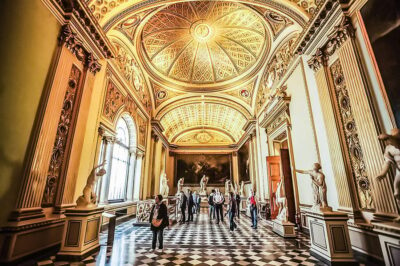
Skip-The-Line Uffizi Gallery Timed Entry Ticket
Read our review →
Michelangelo’s David Skip-the-Line Entry Ticket
Read our review →
The Best tour in Florence: Renaissance & Medici Tales – guided by a STORYTELLER
Read our review →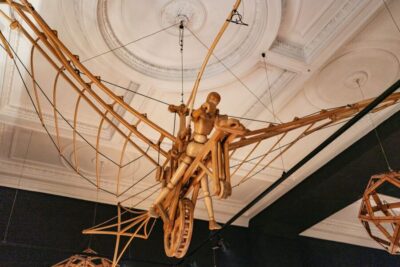
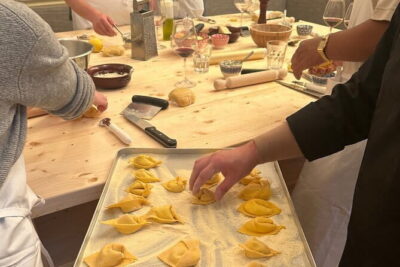
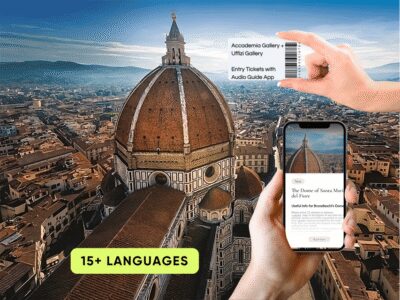
Cathedral & Brunelleschi’s Dome Ticket & Audio App
Read our review →
Michelangelo’s David Priority Ticket & Audio App
Read our review →
Pasta & Tiramisu Cooking Class with Unlimited Wine
Read our review →Browse the lists this tour appears in