
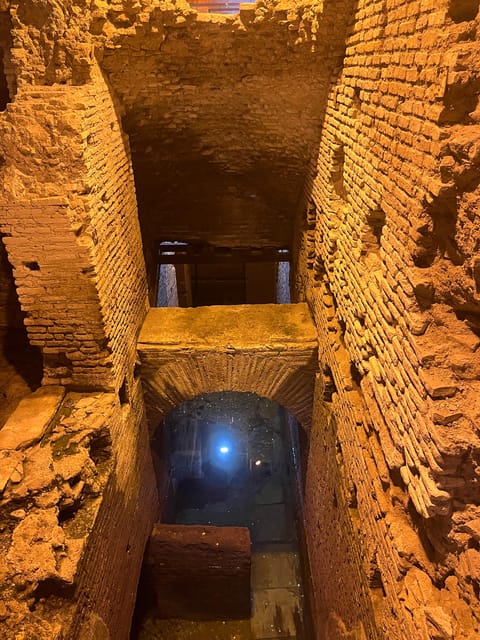
Reviewed · TREVI FOUNTAIN TOURS
Rome: Trevi Fountain District Underground Tour and Ice Cream
Beneath the crowds and coins at Trevi Fountain, Rome keeps a quieter secret: Vicus Caprarius, a compact underground site where ancient walls, water channels, and a Roman residence tell the story of the city below street level. I like the way this one-hour tour connects the famous fountain with the Virgo aqueduct and the old City of Water. I also like that the guide brings the archaeology to life, then sends you off with gelato from a historic shop.
The main limitation is the site’s size. This is not a vast underground complex, and the Trevi Fountain portion may mean viewing the monument from the crowded plaza rather than walking right up to its basin. Still, at $52 per person, the reserved entry, guided explanation, fountain context, and gelato make it a useful short stop for history fans.
Key points at a glance
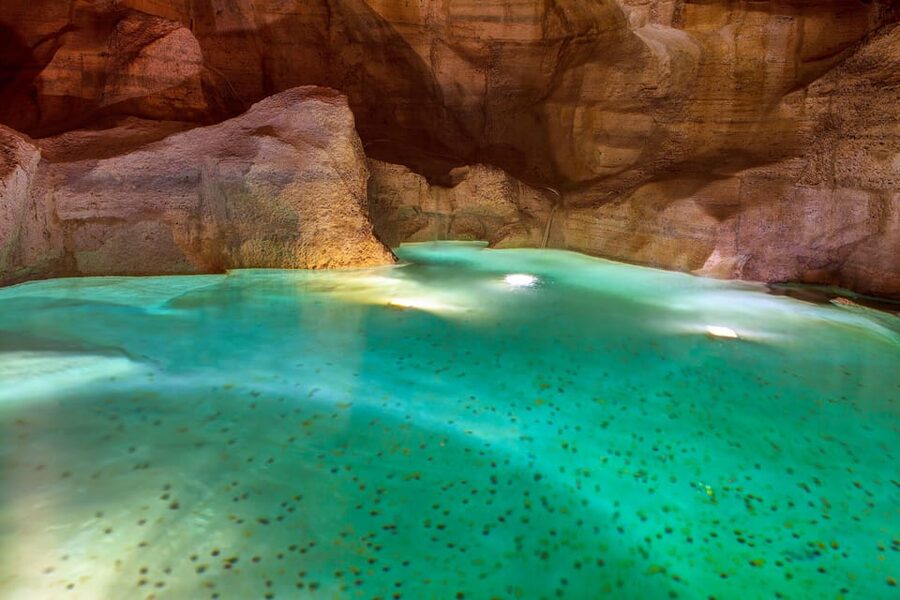
- Ancient water beneath Trevi: See how water from the Virgo aqueduct moves through old masonry beneath the district.
- A small but packed archaeological site: View three sections of the antiquarian, with coins, amphorae, marble decoration, and Roman building remains.
- Strong English-speaking guides: Guides including Erica, Carla, Noemi, Alessia, and Naomi are praised for humor, patience, and clear explanations.
- A cool break from Rome’s heat: The underground area offers relief on hot days and keeps the tour focused indoors for much of its length.
- Gelato finishes the outing: You receive a voucher for Italian gelato at a historic shop near Trevi Fountain.
- Best for curious first-time visitors: The tour adds meaning to the fountain and aqueducts without taking up half a day.
Why Vicus Caprarius adds meaning to Trevi Fountain
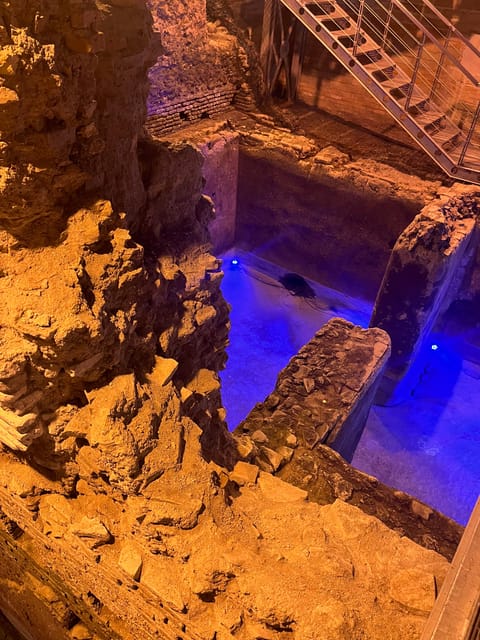
Most people meet Trevi Fountain as a grand Baroque showpiece. You make a wish, squeeze into the plaza, take a picture, and move on. This tour asks you to look below the pavement and consider the older Rome that supports the famous monument.
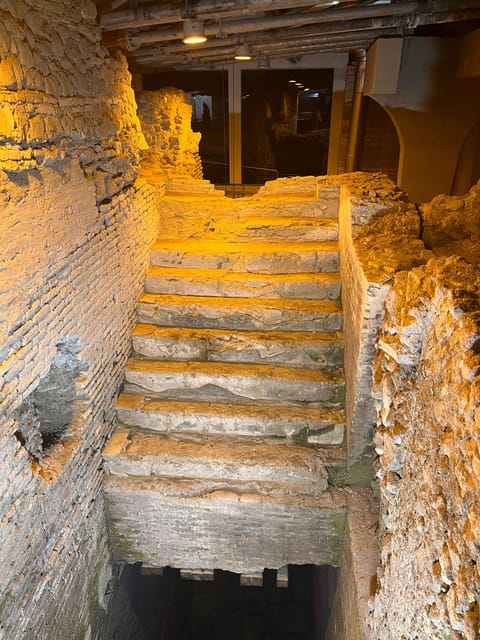
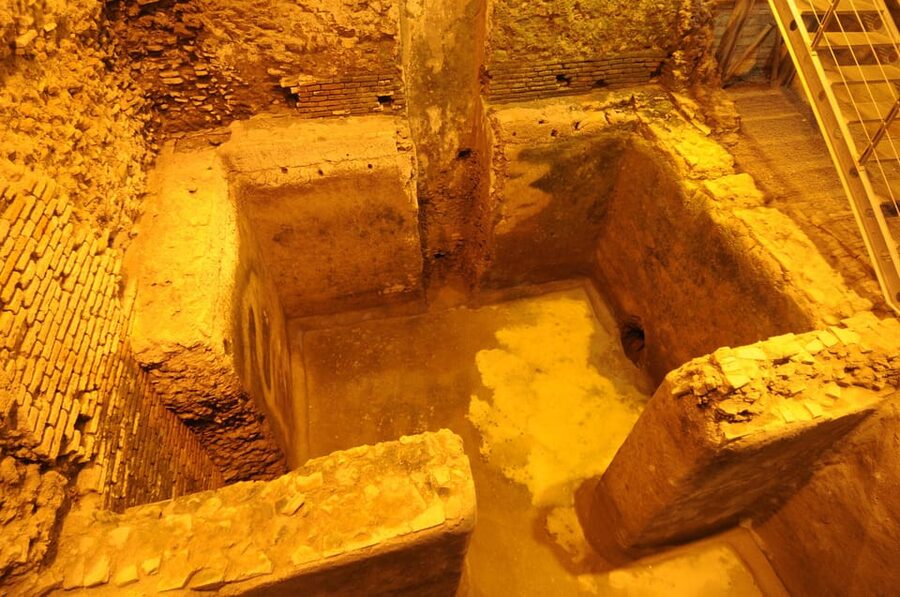
The underground archaeological area is called Vicus Caprarius. It reveals parts of an ancient neighborhood, including a luxurious Domus residence and the water systems that served it. The site helps explain why this part of Rome earned the name City of Water.
I find that connection especially useful. The fountain is easier to understand when you know that water has been moving through this district for centuries. The guide explains how the Virgo aqueduct feeds the Trevi area and how water filters through the ancient masonry before reaching pipes and pools connected with the Roman residence.
This is not just a tour of old stones. You get a close look at the practical side of Roman life: how buildings handled water, how luxury homes used it, and how one neighborhood changed over time. The stories also give you a better sense of Rome’s famous layered construction, where a modern street can sit directly above ancient rooms.
More Trevi Fountain walks:
- Rome: Trevi Fountain and Underground Guided Tour
★ 4.3 · 1,664 reviews - Rome: Opera Concert at Palazzo Poli – Fontana di Trevi
★ 4.7 · 1,026 reviews - Best of Rome Walking Tour including Trevi Fountain
★ 4.5 · 923 reviews
Starting at Vicolo del Puttarello 25
The meeting point is at Vicolo del Puttarello 25, close to Trevi Fountain. Arrive at least 15 minutes early. The area can be very crowded, and one visitor had trouble reaching the meeting point because of the number of people around the fountain district.
Once the group is assembled, the tour moves into Vicus Caprarius for about 40 minutes. That is the heart of the experience. The pace is generally easy, with time to look closely and ask questions rather than rushing from one display to the next.
The underground setting is compact. That can feel limiting if you expect a huge maze of tunnels, but it also means the guide can focus on individual objects and masonry details. A good guide matters here because the remains do not explain themselves. Guides such as Carla, Erica, Noemi, Alessia, and Naomi have been praised for making the site understandable, funny, and engaging.
Some guides use headsets, which helps when the group is standing in a tight area and the surroundings are noisy. That small detail makes it easier to listen without asking the guide to shout.
Three sections of Roman archaeology

The antiquarian is arranged in three sections, giving you several ways to read the site. You see architecture, water engineering, and objects found during excavation.
Among the most interesting discoveries are polychrome marble coverings, which point to the decorative finish of an important residence. Marble fragments can seem plain at first glance, but the colors and workmanship help show that this was not merely a rough utility building.
The famous head of Alessandro Helios is another notable object. It gives the archaeology a human and artistic focus, balancing the more technical story of pipes, channels, and masonry.
You also see a hoard of about 800 coins. A find like this helps connect the rooms to everyday Roman activity and later changes at the site. The guide can place the objects within the broader story of the district, rather than leaving you to guess why they matter.
The Spatheia is especially unusual. This African amphora was used to transport oil, a reminder that ancient Rome depended on trade networks stretching far beyond Italy. It is the sort of object that makes the site feel connected to the wider Roman world.
You will also see amphorae and coins dating from the Imperial Age. I like this mix because it gives you both the grand story of Roman engineering and the smaller details of storage, trade, and daily life.
The water story beneath the fountain
The tour’s most useful thread is the movement of water. The Virgo aqueduct is central to the explanation, and the guide shows how the water associated with Trevi Fountain relates to the older structures below.
You should not expect a full engineering lecture on every part of the fountain. One visitor felt the tour focused more on archaeology than on the fountain’s design and water mechanics. That is a fair expectation to set. The underground site receives most of the attention, while the fountain itself gets a shorter explanation.
Still, the underground evidence makes the water story concrete. You see the masonry, pipes, pools, and channels rather than hearing only a general tale about Roman aqueducts. On a hot day, the cool underground rooms make the subject even more appealing. One family particularly appreciated having an indoor activity during a heat wave.
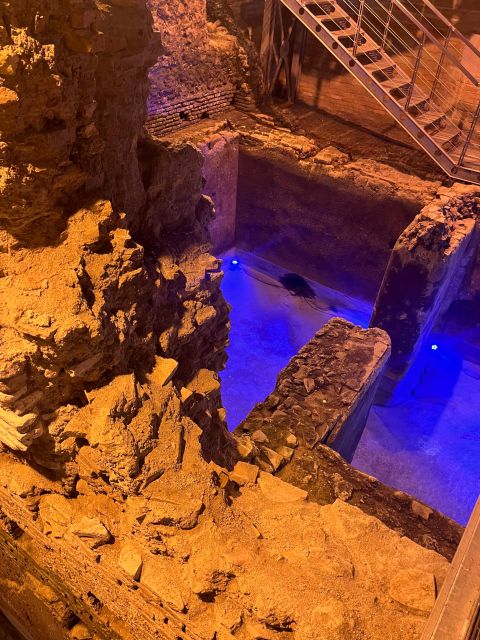
The guide also explains the Domus residence and the way water reached its pools. That detail adds a touch of Roman luxury. Water was not only for drinking or sanitation. It could also shape the design and status of a private home.
A few more Rome half-days worth a look
- Vatican: Museums & Sistine Chapel Entrance Ticket
★ 4.5 · 144,003 reviews - Vatican Museums & Sistine Chapel Tour with Optional Basilica
★ 4.3 · 67,413 reviews - Colosseum, Roman Forum & Palatine Guided Tour
★ 4.7 · 63,148 reviews - Vatican Museums, Sistine Chapel & St Peter’s Basilica Guided Tour
★ 4.5 · 39,149 reviews
A brief Trevi Fountain stop
After the underground tour, the group returns to Trevi Fountain for a guided explanation lasting about five minutes. This is enough time to connect the archaeological site with the monument above, but it is not a full fountain tour.
The fountain is the largest Baroque fountain in Rome, and the guide points out exterior details and explains its place in the district. You also have a chance to make a wish and take pictures.
Be realistic about access. The experience does not guarantee a quiet, close position at the fountain. One visitor expected a closer view but saw it from the middle of the plaza among the crowds. Another group was able to enter a better viewing area with help from a guard, but that should not be treated as a standard feature.
The short fountain segment works best if you already plan to visit Trevi on your own. The guide may offer practical picture tips, and some guides stay longer to help with photos or suggest nearby sights. Erica, in particular, was praised for spending extra time with a group after the formal tour. That kind of help can be valuable, but the official duration remains one hour.
Gelato at a historic shop
The last part is simple and pleasant: Italian gelato near Trevi Fountain. Rather than sitting through a formal tasting, you receive a voucher and use it at one of the designated historic ice cream shops.
That arrangement gives you some flexibility. The voucher can be used after the tour, and one visitor noted that it did not have to be used immediately. Check the current instructions attached to your booking, but the key point is that the gelato is a separate treat after the guided portion.
The gelato received some of the warmest praise in the feedback, with one person calling it the best they had eaten all weekend. That may depend on your taste, of course, but it is a satisfying way to end an archaeology tour.
You also avoid having the dessert interrupt the historical explanation. The guide finishes the main route, and you can then enjoy the gelato at your own pace.
How much value do you get for $52?
At $52 per person, this is not the cheapest way to see Trevi Fountain. You can visit the fountain plaza without paying an entry fee, and you can buy gelato on your own. The price makes sense because you are paying mainly for the guided access and interpretation at Vicus Caprarius.
The site is small, so the value depends on your interests. If you enjoy archaeology, aqueducts, Roman construction, and the way cities build over themselves, the guided explanation adds a lot. Without a guide, the old walls and objects would be much harder to read.
If your only goal is a close view of Trevi Fountain, this is not the right purchase. The fountain portion is brief, and crowd conditions can affect how close you get. You are paying for a short archaeology experience connected to Trevi, not for privileged fountain access.
The one-hour length is useful in a busy Rome schedule. You can fit it between major sights, use it as a break from the heat, or place it near another Trevi District stop. The reserved entry to Vicus Caprarius saves you from arranging that part yourself, though the activity information does not promise skip-the-line entry for every element.
Which guide style suits this tour?
The guide can make or break a small archaeological site. Here, the strongest pattern is clear, lively storytelling. Erica is repeatedly praised for her Roman history and culture knowledge, while Carla is described as welcoming and good at answering questions. Noemi is noted for humor and a strong grasp of the material.
Alessia and Naomi also receive praise for making complicated ideas easy to follow. One guide kept a lively child engaged, which suggests the tour can work for families when the guide takes an active approach. Another guide used patience and extra explanations to help children stay involved.
You should still remember that guides vary. The tour is in English, and the experience depends on the person leading your particular departure. The structure gives the guide good material to work with, including the coins, amphorae, marble, aqueduct, and Domus. The best guides turn those pieces into a story about how Rome worked.
Practical details before you book
Wear comfortable shoes. The tour takes place below street level, and the information specifically warns that it is not suitable for wheelchair users or people with mobility impairments.
Keep the timing in mind. The official duration is one hour, with about 40 minutes at Vicus Caprarius, about five minutes at Trevi Fountain, and time for the gelato stop. The fountain explanation is short, so plan a separate visit if you want unhurried photos.
There is no hotel pickup or drop-off. You need to reach Vicolo del Puttarello 25 yourself. Since the Trevi area becomes crowded, leave extra time and do not rely on arriving at the last second.
The activity offers free cancellation up to 24 hours before the start time and a reserve-now, pay-later option. Those policies are useful when your Rome schedule is still shifting.
Who should book this underground Rome tour?
I would choose this for a first or second visit to Rome if you want something beyond the standard monuments. It gives you an offbeat archaeological stop without demanding a half-day, and it helps explain why Trevi Fountain exists where it does.
It is also a good fit for anyone interested in Roman engineering, aqueducts, architecture, and daily life. Families may enjoy the manageable length, indoor setting, gelato, and the chance to keep moving between different kinds of sights.
I would skip it if you want a long, spacious underground exploration or a full technical study of Trevi Fountain. The archaeological area is small, and the fountain visit is brief. But if you value a sharp explanation of a little-known site, $52 is reasonable, especially when the gelato and reserved entry are useful parts of your Rome day.
FAQ
How long does the tour last?
The activity lasts one hour. The guided visit to Vicus Caprarius takes about 40 minutes, followed by a short Trevi Fountain explanation and the gelato portion.
Where does the tour meet?
The meeting point is Vicolo del Puttarello 25. You should arrive at least 15 minutes before your selected start time.
Is the tour offered in English?
Yes. The live tour guide language is English.
What can I see underground?
You can see Roman ruins, water channels, ancient masonry, Imperial Age coins, amphorae, polychrome marble coverings, the head of Alessandro Helios, the Spatheia African amphora, and remains connected with the Domus residence.
Is gelato included?
Yes. Italian gelato is included, provided through a voucher for a historic ice cream shop near Trevi Fountain.
Does the tour provide hotel pickup?
No. Hotel pickup and drop-off are not included, so you must make your own way to the meeting point.
Is the tour suitable for wheelchair users?
No. The activity is not suitable for wheelchair users or people with mobility impairments. Comfortable shoes are recommended.
Just added around Rome
- Boat excursion to Gaeta with a stop for swimming and snorkeling 2 HOURS★ 5.0 · 240 reviews
- Palatine Hill and Roman Forum Tour with Fast-Track Entrance★ 4.2 · 417 reviews
- Tivoli: Villa D’Este & Villa Adriana Pass & App Audioguide★ 4.4 · 364 reviews
- Tivoli: Villa D’Este Entry Ticket and App Audio Guide★ 4.3 · 191 reviews
- From Rome: Villa D’Este & Villa Adriana Day Trip with Lunch★ 4.4 · 289 reviews
- Vatican Museums & Sistine Chapel Skip-the-Line Guided Tour★ 4.6 · 254 reviews
- Rome: Capitoline Museums and Centrale Montemartini Tickets★ 4.4 · 328 reviews
- Rome: The Three Tenors at St. Paul’s Church Concert Ticket★ 4.7 · 699 reviews
Trevi Fountain Tours, compared.


Opera Concert at Palazzo Poli – Fontana di Trevi
Read our review →
Best of Rome Walking Tour including Trevi Fountain
Read our review →
Catacombs Tour with Transfer – Optional Capuchin Crypt or Trevi
Read our review →
Trevi Fountain District Underground Domus Guided Tour
Read our review →
Spanish Steps, Trevi, Navona and Pantheon Sunset Tour
Read our review →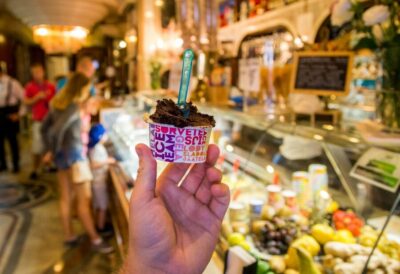
Trevi Fountain, Spanish Steps & Pantheon Walking Tour
Read our review →
Browse the lists this tour appears in