
Reviewed · PASTA
Rome: Pasta Making Class with Wine, Limoncello, and Dessert
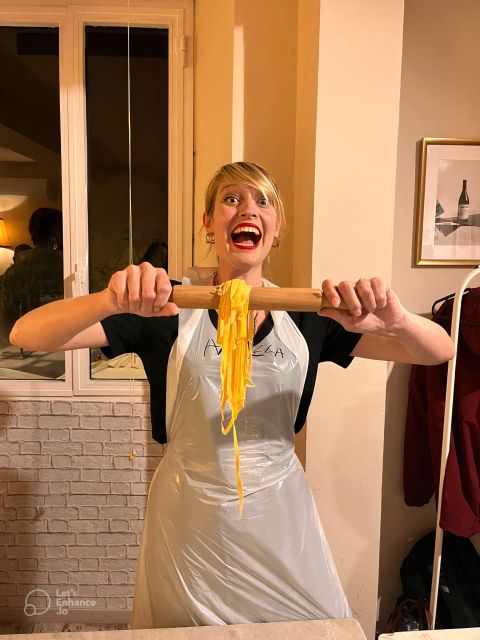
Making three kinds of fresh pasta in a historic palazzo is the real draw here. You knead dough, roll it thin, and shape ravioli, tortelli, and fettuccine before sitting down to eat what you made. It is not a demonstration where you watch someone else do the work.
I like the small groups of up to 10, which give instructors such as Olga, Giorgio, Fabrizio, and Christian time to correct your technique. I also like the communal meal, with organic Tuscan wine from Dalle Nostre Mani, dessert, and limoncello included. The main drawback is the narrow dietary range: this class cannot accommodate vegans, people with gluten or lactose intolerance, or people with nut allergies.
Key points at a glance
- Three pasta shapes in one class: You make fettuccine, ravioli, and tortelli, with the filled pasta prepared by hand.
- A central Rome setting: The school is on Via della Gatta, a few minutes from the Pantheon and Piazza Venezia, inside Palazzo Grazioli.
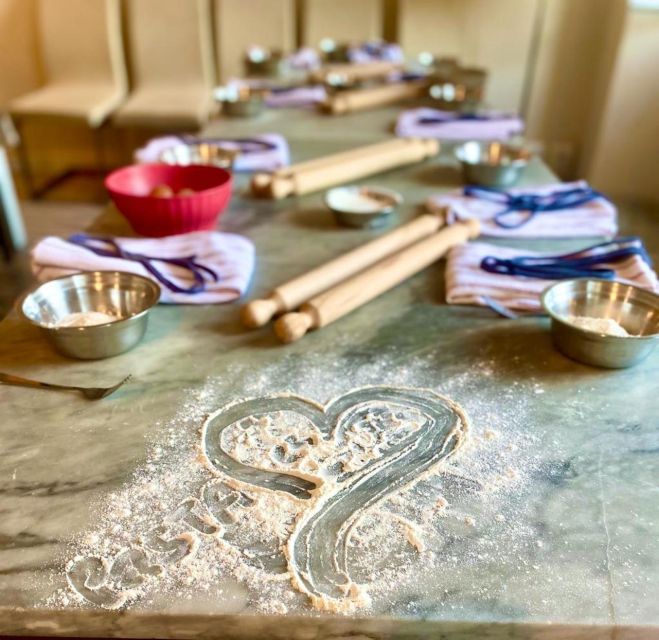
- Hands-on from the start: You receive an apron and rolling pin, then work with eggs and flour under an English-speaking chef.
- Your pasta becomes dinner: The class cooks the pasta and serves it with tomato sauce and freshly made butter and sage sauce.
- A social finish: Tuscan wine, dessert, and limoncello turn the final meal into a relaxed shared table.
- Useful for beginners: The recipes and step-by-step guidance make it possible to repeat the dishes at home.
Three pasta shapes, not just a quick cooking demonstration
Many cooking classes give you one recipe and a taste at the end. This one gives you three forms of fresh pasta to practice, each with a different task.
You begin with the basic dough, made from flour and eggs. The important lesson is not only the ingredient list. You learn how the dough feels as you knead it, how thin to roll it, and how to handle it without tearing it. That tactile work is what makes the class worthwhile for a first-time pasta maker.
The three shapes provide a good progression. Fettuccine teaches you to roll and cut long strands. Ravioli and tortelli require more care because you must fill, fold, seal, and portion the dough. The filled shapes also show why fresh pasta needs a gentle hand: too much filling or a poor seal can cause trouble in the cooking pot.
You will not be left to figure out each stage alone. The chef demonstrates the technique, then checks individual workstations and helps you move to the next step. Fabrizio is often praised for spending time with each person, while Olga is noted for clear, patient instruction. Christian and Giorgio bring more humor and energy to the room. The exact teacher depends on the scheduled class, but the format is designed for beginners.
More Cooking Classes in Rome
- 3 in 1 Cooking Class near Navona: Fettuccine, Ravioli & Tiramisu
★ 5.0 · 7,376 reviews - Rome: 3-in-1 Fettuccine, Ravioli, and Tiramisu Cooking Class
★ 4.9 · 2,704 reviews - Rome: Fettuccine Pasta Cooking Class in Rome’s City Center
★ 4.8 · 2,414 reviews
Inside Palazzo Grazioli on Via della Gatta
The cooking school sits at Via della Gatta 14, inside Palazzo Grazioli, in the center of Rome. The location matters because you can fit the class into a sightseeing day without arranging a separate ride across town.
The entrance is at the back corner of the palazzo. Look for the bell marked Pastamania. On the street, you can also spot the marble cat statue that gives Via della Gatta its name. It is a small detail, but it gives the meeting point some character and makes the entrance easier to find once you are close.
The school is only a few minutes on foot from the Pantheon and Piazza Venezia. That makes a late afternoon or evening class easy to pair with central Rome. You can visit ancient sights first, then trade museums and monuments for flour, eggs, and a long meal.
There is no hotel pickup or drop-off, so plan to arrive independently. Rome’s center is best handled on foot, and the listed meeting point is precise: Via della Gatta 14, 00186 Roma. Wear clothes suitable for cooking rather than your best dinner outfit.
What happens during the three-hour class
The experience lasts about three hours, which gives the cooking enough time to feel substantial without taking an entire day. The opening introduction covers the basic ideas behind fresh pasta, then the class moves quickly into practice.
You put on an apron, take a rolling pin, and prepare the dough. This is the messy, useful part of the experience. You are not simply copying a finished example. You will make decisions about texture, thickness, and shape while the chef watches and offers corrections.
The class then turns to ravioli, tortelli, and fettuccine. Two of the shapes are filled, so you get practice with both simple cut pasta and stuffed pasta. The steps can feel repetitive in a good way. Repeating the rolling and shaping helps your hands understand the process better than a single quick attempt would.
The chef also explains how the sauces fit the different shapes. A signature tomato sauce cooks for hours in advance, giving it time to develop a fuller taste. For the ravioli and tortelli, the instructor prepares a butter and sage sauce during the class. You can watch that sauce come together before your pasta reaches the table.
When everyone has finished, the pasta is cooked together in one pot. This is less like preparing a private restaurant plate and more like joining a large Italian household meal. You made your own pasta, but you eat it as a group, which keeps the mood relaxed and social.
The meal: tomato sauce, butter and sage, and fresh pasta
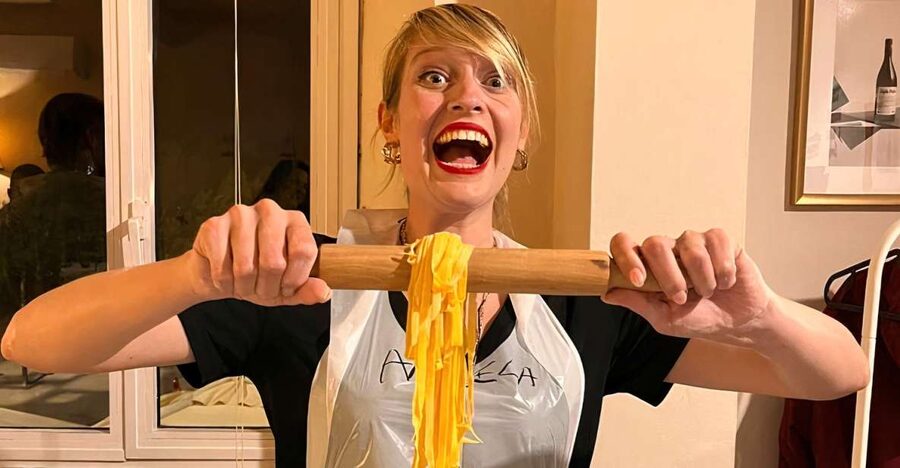
The strongest part of the meal is the connection between the work and the food. You do not make pasta as a souvenir activity and then receive an unrelated dish. The pasta you shaped becomes the main meal.
The tomato sauce is prepared ahead of time and served with the appropriate pasta. The butter and sage sauce is made in front of you for the filled pasta. That contrast gives the meal some variety without turning the class into a complicated restaurant service.
You should arrive ready to eat. The portion is intended as a meal, and the pasta is followed by dessert. One especially popular ending is chocolate salami, a no-bake Italian-style sweet that looks like a slice of salami but contains chocolate and biscuit. The exact dessert may vary, but dessert is included.
The meal also gives you time to talk with the other people at your table. The class attracts couples, families, groups of friends, solo participants, and corporate teams, so you may be sharing a table with people from several countries. That communal format is part of the experience, not an afterthought.
More Wine Tours in Rome
- Rome: Pasta & Tiramisu Class with Fine Wine by the Vatican
★ 4.9 · 4,852 reviews - Rome Food Tour: Unlimited Tastings with Fine Wine & Barolo
★ 5.0 · 3,365 reviews - Rome: Trastevere Food tour with Free-Flowing Fine Wine
★ 5.0 · 2,853 reviews - Learn to Make Pasta & Tiramisu with Wine and Limoncello Included
★ 5.0 · 2,345 reviews
Tuscan wine, limoncello, and nonalcoholic considerations
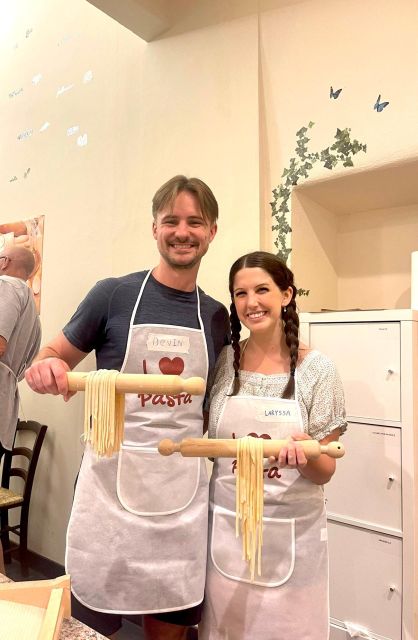
The included wine is Dalle Nostre Mani Tuscan wine, produced organically on the provider’s own farm. It is served with the meal and gives you a chance to try something from outside Lazio while staying within an Italian food setting.
Wine is not compulsory. The class information notes that alcohol is served, and only people of legal drinking age receive wine. Some class arrangements have offered alternatives for people who do not drink, but you should tell the provider in advance rather than assume a particular replacement will be available.
Dessert and a traditional shot of limoncello finish the meal. Limoncello is sweet, lemony, and stronger than it tastes, so treat it as a small digestif rather than a soft drink. If you do not drink alcohol, notify the provider before booking and confirm what alternatives are possible.
The class includes the meal, Tuscan wine, dessert, and one shot of limoncello. Additional food and drinks are not included.
Why the small group size matters
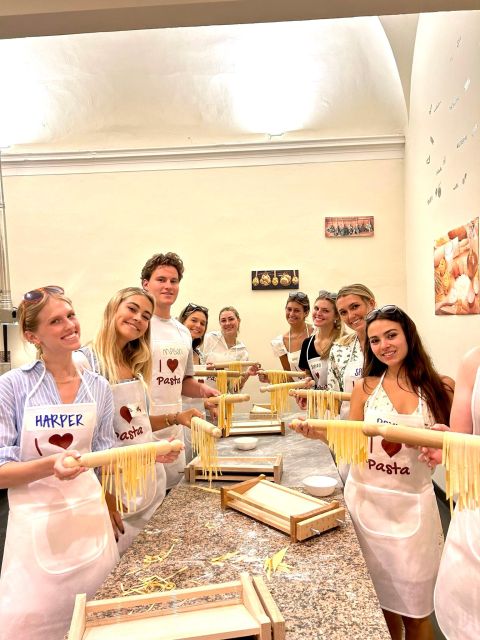
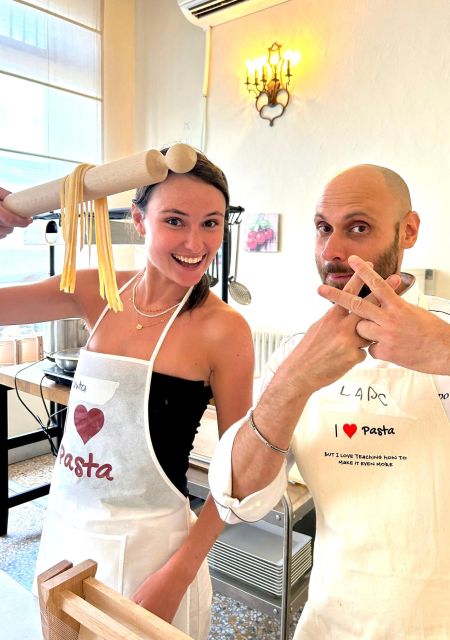
The maximum group size is 10 people. That is large enough for the communal table to feel lively, but small enough for a chef to walk around and look at your dough.
This matters most during the filled pasta section. Beginners can roll dough too thick, add too much filling, or fail to seal the edges. A teacher who catches those problems early can save the finished pasta. The strongest feedback about the instructors centers on this personal attention, with teachers checking each participant and answering questions throughout the process.
The class also works well for mixed-age groups. Children must be at least 8 years old, and a family group ranging from young adults to people in their seventies enjoyed the format. The main requirement is that participants can take part in the hands-on work. The activity is not suitable for wheelchair users or people with mobility impairments.
The teacher changes by session. Names associated with recent classes include Olga, Giorgio, Fabrizio, Christian, Marco, Martina, and Roberto. You cannot select a particular instructor from the information provided, but the repeated pattern is clear: expect an English-speaking chef who combines instruction with plenty of table conversation.
What you take home besides a full stomach
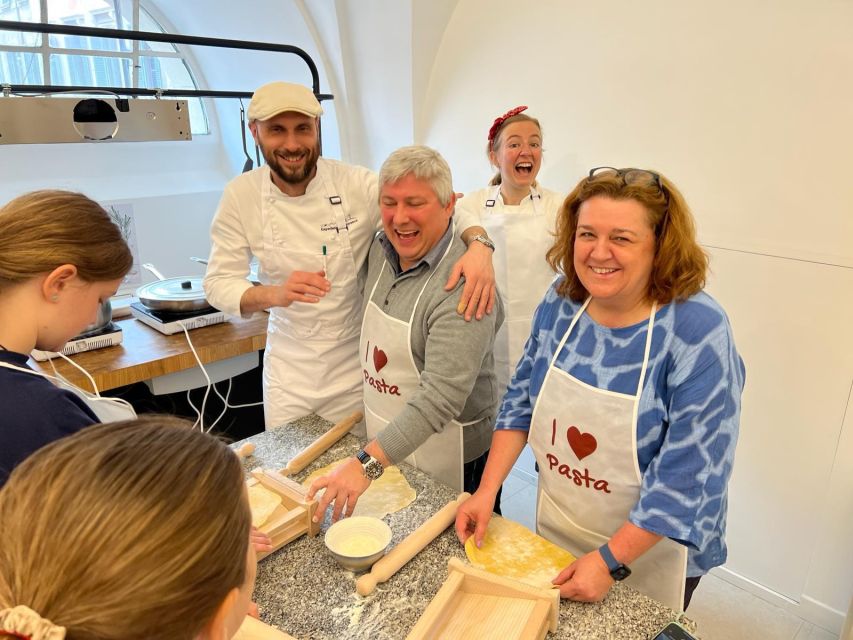
The class provides detailed recipe booklets in English. This is a practical extra, since the value of a cooking class depends partly on what you can repeat after returning home.
The booklet helps turn the class into more than a pleasant Rome memory. You can use it to work on the dough again, try the three shapes, and prepare the sauces in your own kitchen. The experience also gives you a better sense of what the written instructions mean because you have already handled the dough.
You may also leave with an appetite for kitchen tools. One participant bought a ravioli cutter and truffle oil from the Pastamania shop after the class. Those purchases are optional and are not part of the $48 price, but the school may be useful if you want to continue making pasta at home.
The $48 price and what you receive
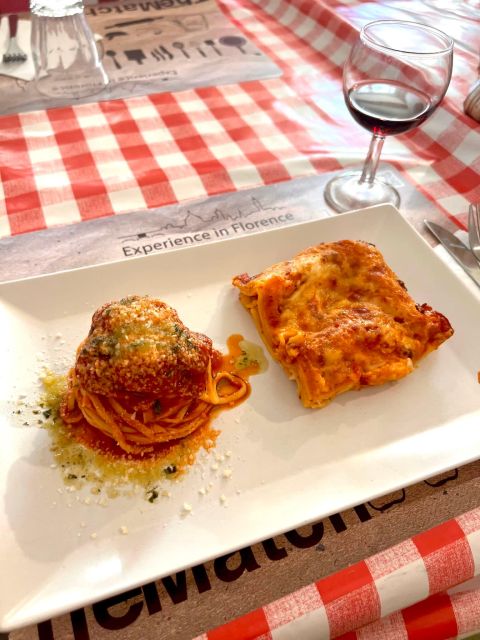
At $48 per person, this is a strong value for a three-hour central Rome activity. The price covers the instruction, ingredients for three pasta shapes, the meal, Tuscan wine, dessert, limoncello, and the recipe booklet.
The value improves if you treat the class as both an activity and dinner. You are not paying for a short lesson followed by a small sample. You spend a substantial part of the evening making food, then eat the result at the communal table.
It is less appealing if you want a quiet, private lesson or a highly technical chef-training session. The class is social and beginner-friendly, with humor, conversation, and shared cooking. You should choose it for participation and atmosphere rather than advanced culinary certification.
The provider offers free cancellation up to 24 hours before the activity and allows you to reserve without paying immediately. A minimum number of participants is required, so the provider may offer another time, date, or a full refund if that minimum is not met.
Who should book this pasta class?
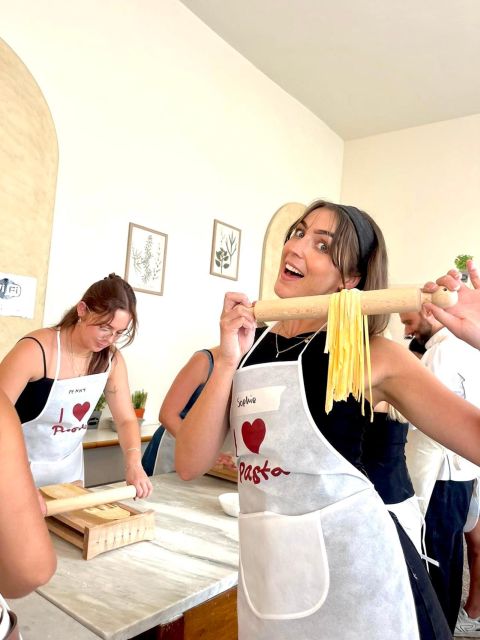
I would recommend it to couples who want an evening activity beyond sightseeing, families with children aged 8 or older, and friends who enjoy eating together. It also suits solo visitors because the communal table gives you an easy way to meet people without needing to arrange your own group.
It is a good choice if you want to learn a skill you can repeat at home. The combination of three shapes, two sauces, and a recipe booklet gives you more useful instruction than a one-dish tasting class.
You should think twice if you have strict dietary needs. Vegetarian options are available, but the class cannot accommodate vegan diets, gluten sensitivity, lactose intolerance, or nut allergies. Tell the provider about allergies and restrictions when booking, but do not book this experience expecting the kitchen to adapt around those exclusions.
It is also not the right pick if you need step-free access or have mobility limitations. The activity requires hands-on work at the cooking school and is not suitable for wheelchair users.
Should you book it?
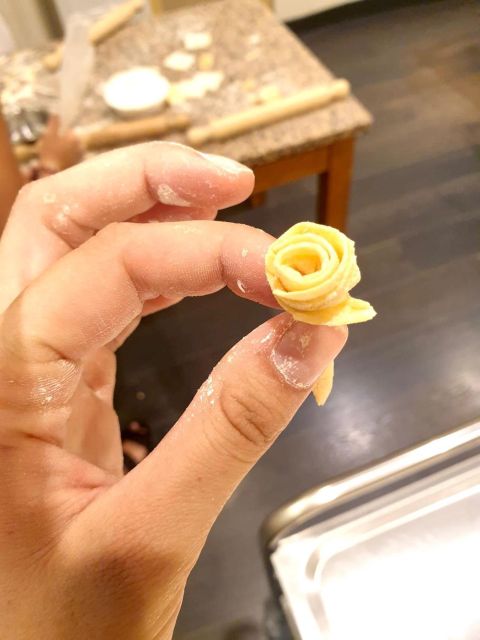
Book this class if you want to make real pasta in central Rome, eat a proper meal, and spend the evening in a friendly group. The strongest reasons are the three pasta shapes, the patient one-to-one help, and the fact that the food you make is cooked and served to you.
The class is especially good value at $48 because wine, dessert, limoncello, and recipes are already included. Just arrive hungry, wear comfortable clothing, check the dietary restrictions carefully, and allow enough time to find the Pastamania bell inside Palazzo Grazioli.
FAQ
How long does the Rome pasta-making class last?
The class lasts three hours, including the cooking instruction, preparation of the pasta, shared meal, wine, dessert, and limoncello.
Where does the class meet?
Meet at the cooking school at Via della Gatta 14, 00186 Roma. Ring the bell marked Pastamania. The entrance is inside Palazzo Grazioli.
How close is the school to Rome’s main sights?
The school is a few minutes’ walk from the Pantheon and Piazza Venezia, making it convenient to combine with sightseeing in central Rome.
Which types of pasta will I make?
You will prepare three types of fresh pasta: ravioli, tortelli, and fettuccine. Ravioli and tortelli are filled pasta shapes.
Is the class taught in English?
Yes. The instructor teaches in English.
Is wine included in the price?
Yes. Tuscan wine from Dalle Nostre Mani is included. Alcohol is served only to participants of legal drinking age.
Are dessert and limoncello included?
Yes. The experience includes dessert and a shot of traditional limoncello.
Can the class accommodate dietary restrictions?
Vegetarian options and some other dietary needs are supported, but the class cannot accommodate vegan diets, gluten sensitivity, lactose intolerance, or nut allergies. Tell the provider about your needs when booking.
More Gelato and Pastry Stops in Rome
- Rome: Golf Cart Tour with Artisanal Gelato Tasting
★ 4.8 · 299 reviews - Rome: Private Golf Cart Tour with Artisanal Gelato Tasting
★ 4.9 · 258 reviews - Florence: Handmade Pasta & Dessert Class with Unlimited Wine
★ 4.8 · 788 reviews - Florence: Pasta Class with Wine, Limoncello and Dessert
★ 4.9 · 674 reviews
More Pasta-Making in Rome
- Rome: Traditional Pasta with Cocktails Cooking Class
★ 5.0 · 2,374 reviews - Become a Masterchef in Rome: Pasta, Ravioli and Tiramisù Class
★ 5.0 · 2,156 reviews - Pasta Cooking Class Near the Colosseum with 3 Spritz Cocktails
★ 5.0 · 1,686 reviews - Enjoy Spritz and Pasta Making in Piazza Navona
★ 5.0 · 1,681 reviews
Just added around Rome
- Boat excursion to Gaeta with a stop for swimming and snorkeling 2 HOURS★ 5.0 · 240 reviews
- Palatine Hill and Roman Forum Tour with Fast-Track Entrance★ 4.2 · 417 reviews
- Tivoli: Villa D’Este & Villa Adriana Pass & App Audioguide★ 4.4 · 364 reviews
- Tivoli: Villa D’Este Entry Ticket and App Audio Guide★ 4.3 · 191 reviews
- From Rome: Villa D’Este & Villa Adriana Day Trip with Lunch★ 4.4 · 289 reviews
- Vatican Museums & Sistine Chapel Skip-the-Line Guided Tour★ 4.6 · 254 reviews
- Rome: Capitoline Museums and Centrale Montemartini Tickets★ 4.4 · 328 reviews
- Rome: The Three Tenors at St. Paul’s Church Concert Ticket★ 4.7 · 699 reviews
Pasta, compared.
Florence Pizza or Pasta Class with Gelato Making at a Tuscan Farm
Read our review →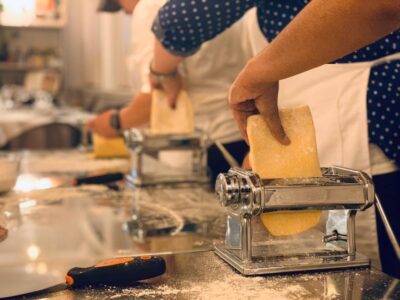
Pasta & Tiramisu Cooking Class with Unlimited Wine
Read our review →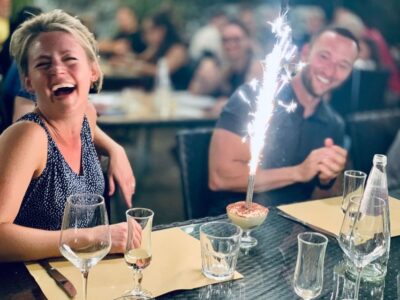
Pasta & Tiramisu Class with Fine Wine by the Vatican
Read our review →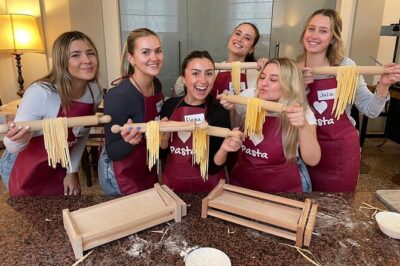
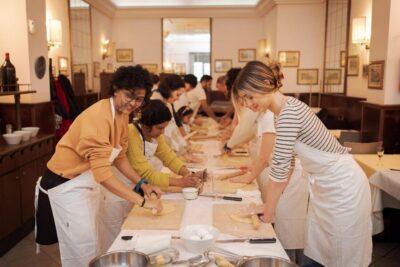
Fettuccine Pasta Cooking Class in Rome’s City Center
Read our review →
Traditional Pasta with Cocktails Cooking Class
Read our review →Browse the lists this tour appears in