
Reviewed · ENTRY TICKETS IN SICILY
Palermo: Norman Palace and Palatine Chapel Tour with Tickets
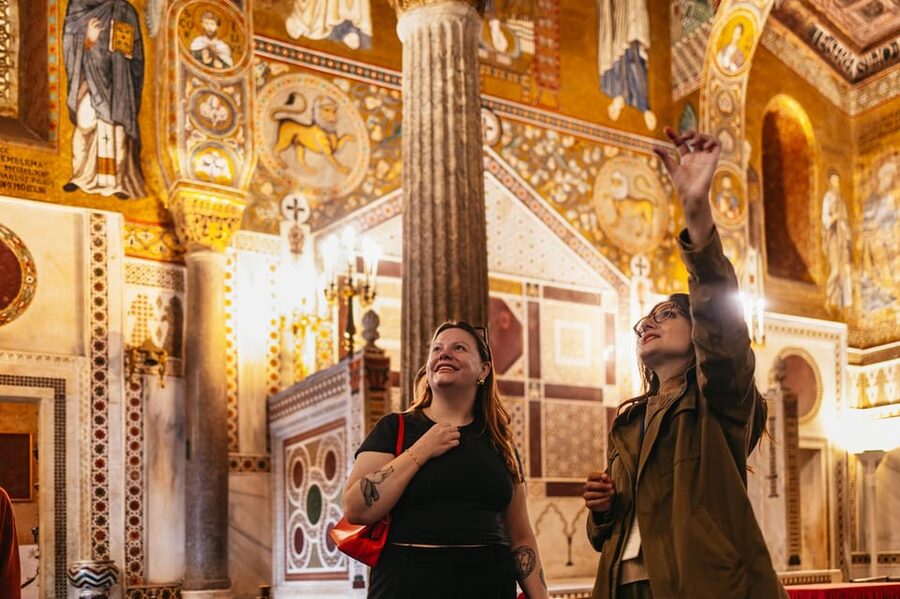
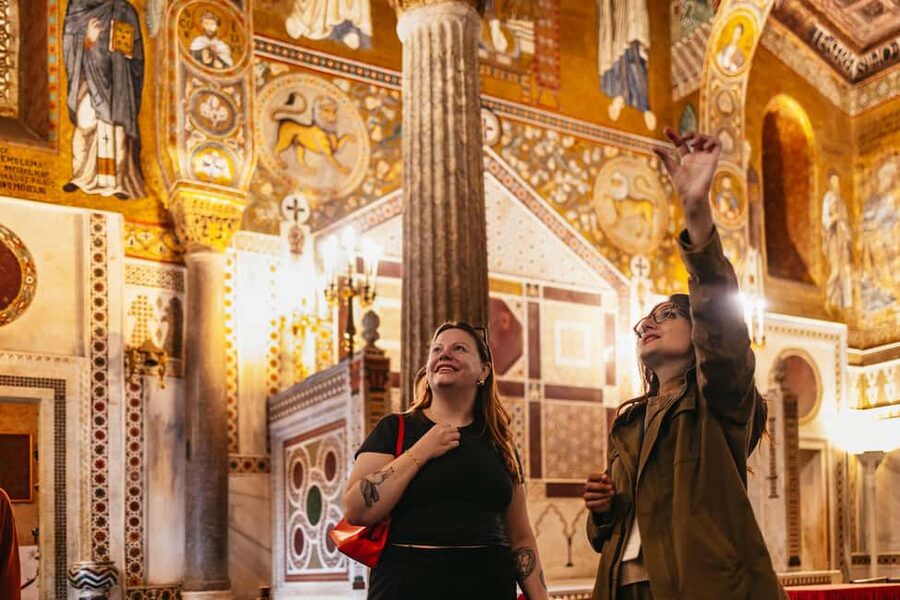
The Palatine Chapel is the star here: a small royal church covered in gold mosaics, Byzantine images, and Islamic-style decoration. In 90 minutes, you also get the Norman Palace complex and its gardens, with an English-speaking guide to explain why these different traditions meet in one remarkable place.
I like the clear historical story, which links Palermo’s Islamic past, Norman rulers, and the palace’s present role as home to Sicily’s Regional Assembly. I also like the guides’ teaching style. Enrico, Renata, Fabio, Deborah, Stefania, and Simone are repeatedly singled out for clear English, energy, patience, and a knack for making art understandable.
The main caution is scope. Ninety minutes goes quickly, and parts of the palace may occasionally be closed, including the royal apartments. Meeting-point directions also need care: meet at the main entrance, not at the ticket booth.
Key points to know before booking
- The Palatine Chapel is the main event: Look for its gold Byzantine mosaics, Islamic geometric patterns, and carefully blended artistic traditions.
- The palace tells several stories at once: Its roots reach back to the ninth century, followed by Norman rule from 1072 and later royal and civic use.
- Tickets are included: You visit the palace, chapel, and gardens with entry covered in the tour price.
- The guide makes the difference: The strongest praise goes to guides such as Renata, Fabio, Deborah, Stefania, Enrico, and Simone for clear explanations and good pacing.
- The tour lasts 1.5 hours: That is enough for a strong introduction, but not a slow, room-by-room visit to every part of the complex.
- The meeting point matters: Find your guide in front of the main entrance to the Palazzo dei Normanni, rather than stopping at another entrance or ticket office.
Why the Norman Palace matters in Palermo
Palermo can feel like several cities layered on top of one another. This palace is one of the best places to see that idea in physical form.
The complex began in the ninth century, when Sicily was under Islamic rule. The Normans took control of Palermo in 1072, and the palace became the seat of the kings of Sicily. Later rulers altered and expanded it, leaving behind a building where Arab, Norman, Byzantine, Western Christian, and other European influences meet.
That blend is not just a convenient description for a guidebook. You can see it in the decoration, the layout, and the stories attached to the site. A guide helps you connect those pieces instead of treating the palace as a series of pretty rooms.
The building also has a current political role. The Sicilian Regional Assembly meets here, so this is not simply an abandoned royal monument. You are walking through a living civic building with centuries of power behind it.
I find that context especially useful in Palermo. Without it, the palace can seem like a grand but confusing collection of styles. With it, the changes begin to make sense.
More Entry Tickets in Sicily
- Palermo: Hop-on Hop-off Bus Tour 24-hour Ticket
★ 3.9 · 2,410 reviews - Taormina: Ancient Theater Skip-the-Line Ticket & Audio Guide
★ 4.5 · 1,701 reviews - Mount Etna: Roundtrip Cable Car and 4×4 Bus Ticket
★ 4.3 · 1,602 reviews
Meeting your guide at the Palazzo dei Normanni
The tour begins in front of the main entrance to the Palazzo dei Normanni. Give yourself time to identify the correct entrance, since the ticket office and other access points can cause confusion.
The practical rule is simple: do not wait at the first ticket booth you see. Go to the main entrance and look for the guide there. One visitor arrived at the wrong entrance and lost time, while another was approached by staff at the ticket booth offering tickets even though admission was already included.
The booking information provides a separate entrance for the tour, which should make access easier than joining the general ticket line. Still, I would arrive a little early and have your booking details ready.
The activity is offered in English with a live guide. It is also listed as wheelchair accessible. Hotel pickup and drop-off are not included, so you need to make your own way to the palace.
Inside the Palace of the Normans
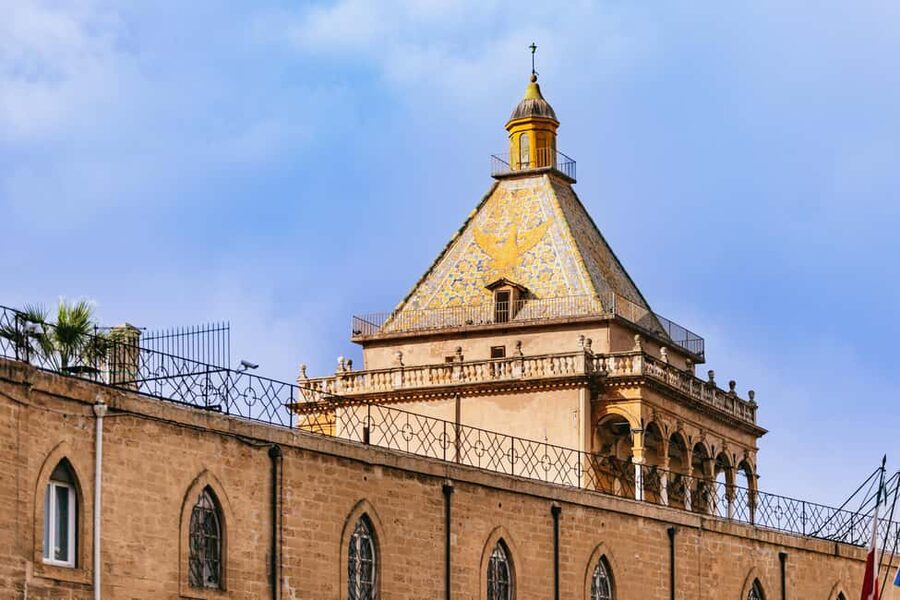
The palace visit gives you the broad setting before the chapel supplies the visual shock. Your guide explains how the complex developed, who used it, and why it remains important to Sicily.
This is where guides such as Enrico and Fabio have earned strong praise. Their approach is described as clear, energetic, and well paced. That matters in a historic building, where a long list of dates can quickly become hard work.
A good guide can turn the palace into a sequence of human decisions. Islamic rulers established an early base here. Norman kings then adopted and changed what they found. Later dynasties left their own marks. The result is not one pure style, but a record of Sicily’s position between Western Europe and the Middle East.
The palace can also be busy, and you may need to share the space with other groups. Several guides have been praised for speaking clearly, using headsets when available, and allowing time for photographs. That balance is important: you should hear the explanation without being hurried past every detail.
One limitation is that access can vary on the day. The royal apartments were closed during at least one visit, and that meant the experience focused more heavily on the chapel and other available parts of the complex. If seeing every royal chamber is your main goal, ask about current access before booking.
The Palatine Chapel and its gold mosaics
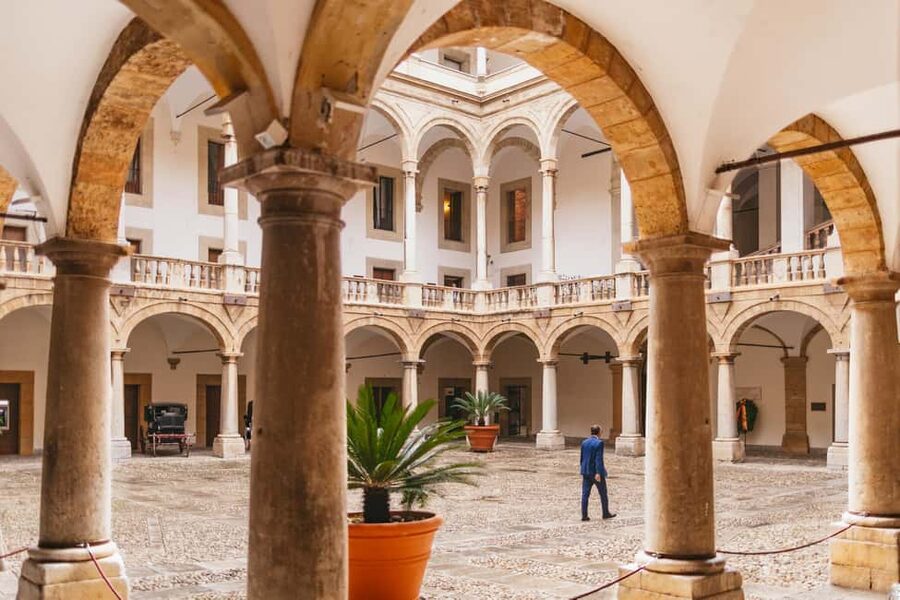
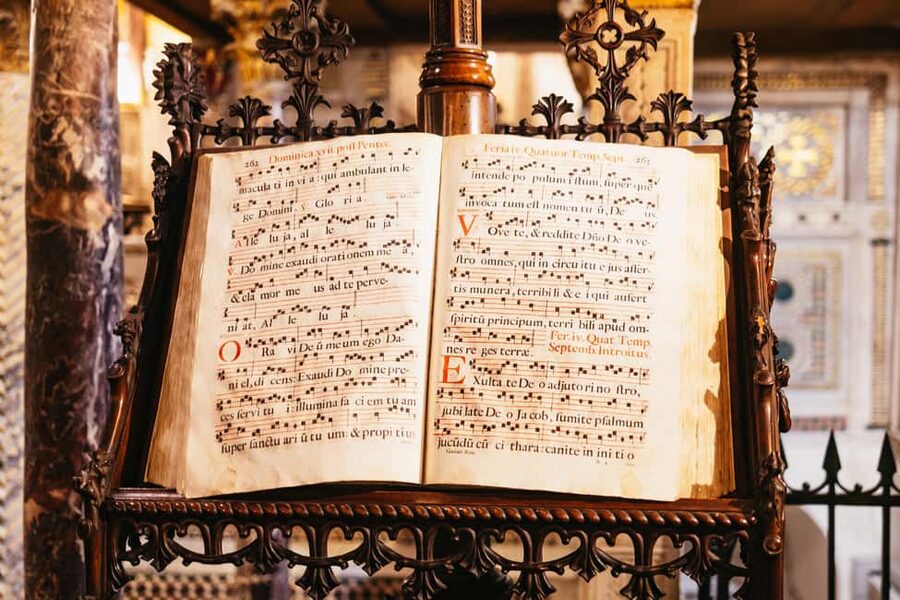
The Cappella Palatina, or Palatine Chapel, is the part I would prioritize. It occupies the second floor of the palace and is famous for its ornate interior, gold decoration, Byzantine mosaics, and Islamic design elements.
The effect is immediate. Gold catches the light, while the images and patterns cover the interior with very little empty space. Yet the chapel is not only a display of wealth. Its decoration reflects the intellectual and artistic world of medieval Sicily, where Western Christian, Byzantine, and Middle Eastern traditions met.
This is where a guide adds real value. You can admire the mosaics on your own, but it is easy to miss how the images are arranged, how the decorative patterns differ, and how the various traditions work together.
Deborah, Renata, Stefania, Liviana, Larissa, and Simone are among the guides praised for explaining the chapel with enthusiasm and care. Their strengths include making the artwork understandable, answering questions, and relating the details to wider Sicilian culture.
The tour also introduces the arts, science, and philosophy of the dominant cultures of the period. That makes the chapel more than a stop for photographs. You get a sense of how rulers used art to express faith, authority, learning, and connections beyond Sicily.
You should have some time to take pictures, although the precise pace depends on the group and the guide. A smaller group can make it easier to ask questions and pause at details. One couple even received a private tour when they were the only participants booked, though you should not count on that happening.
A few more Palermo half-days worth a look
- Palermo: NO Mafia Walking Tour
★ 4.8 · 2,431 reviews - Palermo Original Street Food Walking Tour by Streaty
★ 5.0 · 2,105 reviews - Segesta, Erice and Salt Pans Full-Day Excursion from Palermo
★ 4.2 · 1,791 reviews - Palermo: Teatro Massimo Opera House Guided Tour
★ 4.5 · 1,573 reviews
Why the mixed decoration is worth your attention
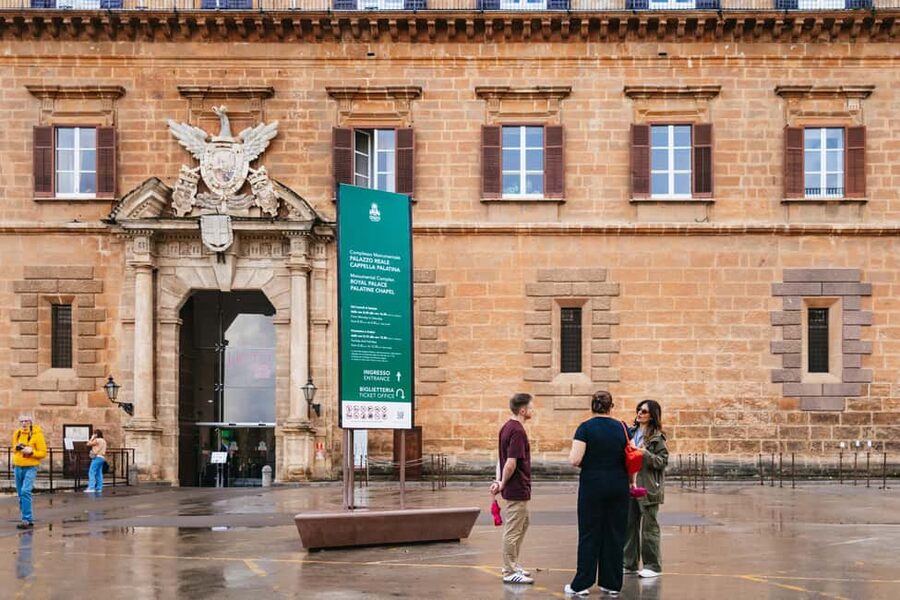
Many historic buildings are described as a blend of cultures. Here, you can actually see the blend.
The Byzantine mosaics use religious imagery and glowing gold surfaces. Islamic-inspired designs bring geometric order and decorative rhythm. Norman power appears in the royal purpose of the chapel and palace. These elements do not cancel one another out. They sit together, sometimes in striking contrast.
I recommend looking beyond the broad impression of gold. Notice the repeated patterns, the relationship between images and architecture, and the way the guide explains the difference between decoration and storytelling.
The best guides do not assume that you already understand medieval art. Fabio has been praised for answering questions with patience and sensitivity, including questions from people with little background in the subject. That is a useful quality here because the chapel can be difficult to read at first glance.
The chapel is also a good choice for families and mixed-age groups. A child may respond to the color and scale, while an adult can follow the political and religious story. The tour has been described as suitable for a broad audience, and the explanations are designed to be followed without specialist knowledge.
A quiet pause in the palace gardens
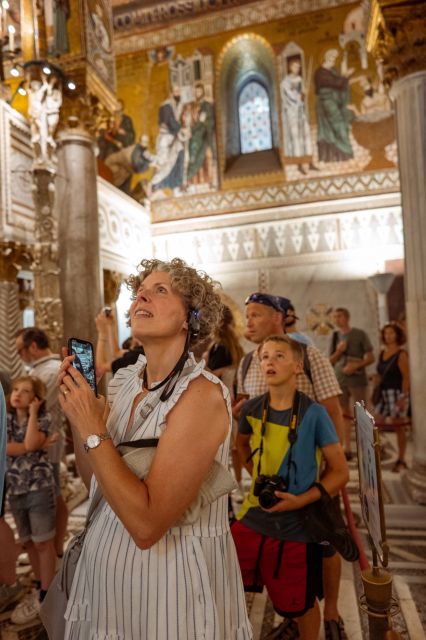
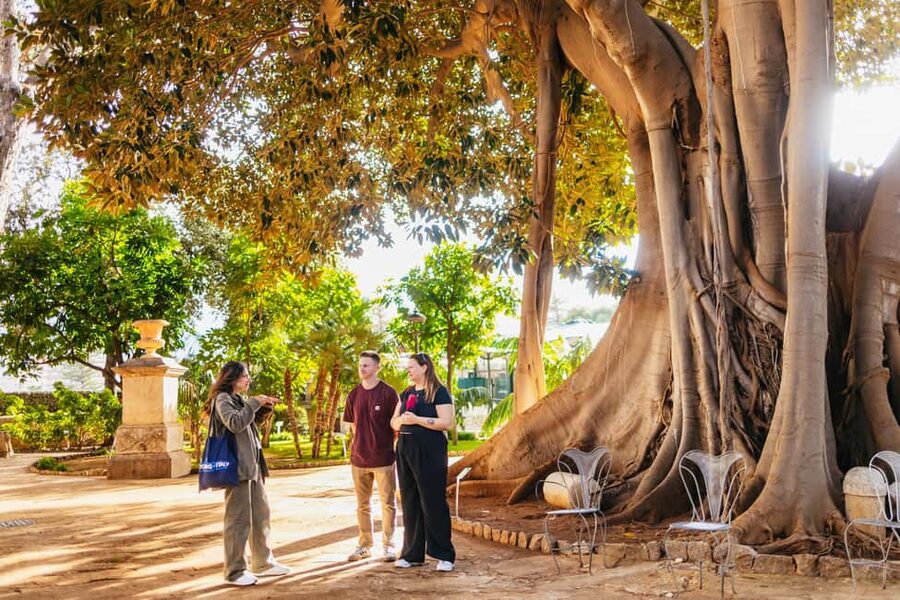
The final part of the visit takes you into the palace gardens. After the ornate chapel, this change of pace is welcome.
The gardens offer a calmer setting away from Palermo’s busy streets. They are not the main reason to book the tour, but they complete the visit by showing a less formal side of the complex. You can pause, take in the surroundings, and let the palace’s many layers settle before returning to the city.
The garden visit may appeal most to you if you want more than an interior sightseeing stop. It also gives the tour a useful rhythm: history and architecture first, intense decoration in the chapel, then a quieter outdoor finish.
Do not expect an extended garden walk. The entire activity lasts 1.5 hours, so the gardens form one part of a compact visit rather than a separate long excursion.
The guides are the tour’s biggest strength
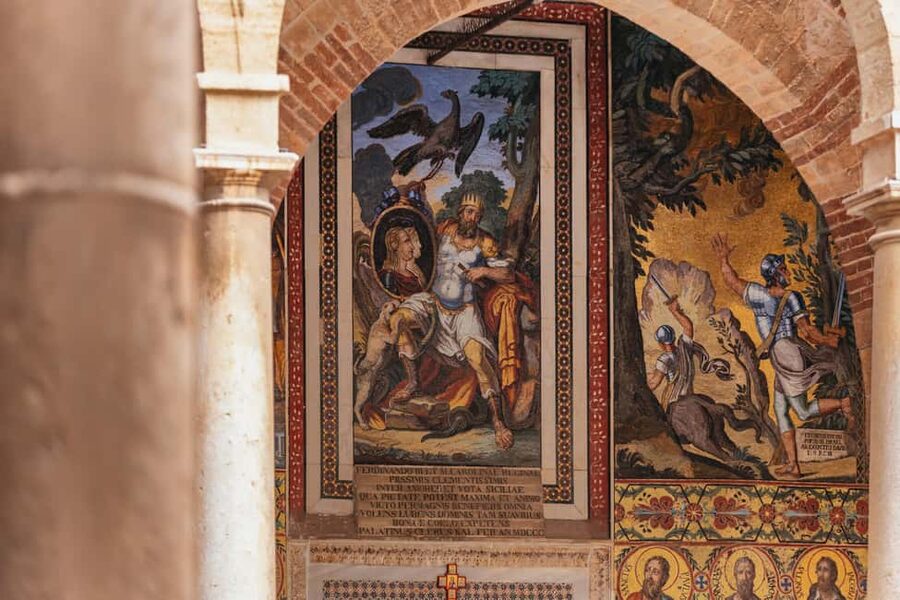
The quality of the guiding is the clearest reason to choose this experience over simply buying an entry ticket.
Renata is repeatedly praised for her English, historical background, and ability to add stories about Palermo. Fabio is described as passionate, organized, easy to hear, and especially good at answering questions. Deborah is noted for bringing the mosaics and cultural mix to life. Stefania is praised for clear explanations and patience with photographs.
Other guides named in the feedback include Enrico, Simone, Liviana, Valeria, Larissa, Claudio, and Pietro. Their styles vary, but the pattern is consistent: the experience depends heavily on a guide who can explain art without turning the visit into a lecture.
That also means your exact experience can vary slightly depending on who leads the group. The overall rating is 4.7 from 298 ratings, which points to a dependable product, but no short guided tour can guarantee the same personality or depth every time.
The strongest guides connect the site to Palermo rather than reciting isolated facts. They explain why the palace matters to Sicilian identity and how the building reflects the island’s position at the meeting point of different powers.
Is $82 a fair price?
At $82 per person, this is not the cheapest way to enter the palace. You are paying for the included ticket, a separate entrance, and 90 minutes of live interpretation.
The value depends on how you travel. If you enjoy studying architectural details and already understand medieval Sicilian history, you may prefer independent admission and your own pace. If you want the chapel to make sense, the guide can justify the extra cost.
Several visitors who initially considered the tour expensive later felt it was worth the money because they learned far more than they would have with an audio guide. I think that is the right test. The palace and chapel are visually powerful, but their meaning is easy to miss without explanation.
The price is also easier to justify if you have limited time in Palermo. In one compact visit, you cover the palace, Palatine Chapel, and gardens. You do not need to arrange separate tickets or research the site in advance.
The main value warning is the possible closure of rooms. If parts of the palace are unavailable, $82 may feel high for a 90-minute visit. Check what areas are open on your date if the royal apartments are especially important to you.
Who should book this Palermo tour?
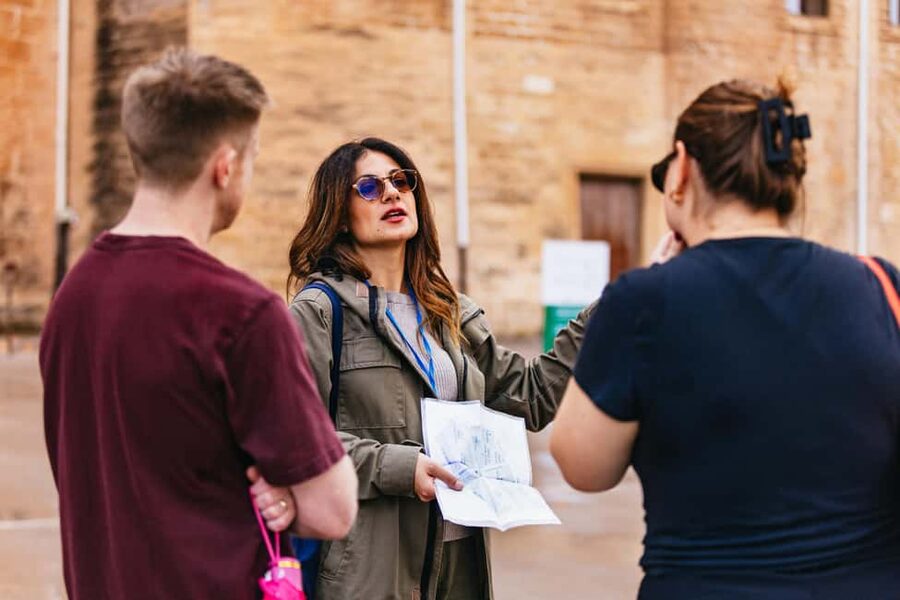
I would recommend it to first-time visitors who want a clear introduction to Palermo’s history and culture. It suits people who enjoy art but do not want to decode every mosaic alone.
It is also a good fit for families, couples, and adults traveling with different levels of historical interest. The guides are used to explaining difficult material in accessible English, and the pace leaves room for photographs.
You should consider it if you value a live human explanation more than maximum independence. The guide can answer questions, point out details you would miss, and show how the palace connects to the wider city.
Independent visitors may prefer another option if they want to linger for hours, inspect every room, or visit only the chapel. This tour has a set pace and a compact format. It gives you a strong overview rather than unlimited time.
Booking is also sensible if you want flexibility, since cancellation is free up to 24 hours before the tour and you can reserve now and pay later. Those terms do not change the experience itself, but they reduce the risk of fitting the visit into an uncertain Palermo schedule.
My verdict on the Norman Palace and Palatine Chapel tour
Book this tour if you want the Palatine Chapel to be more than a beautiful room you photograph and leave. The chapel is extraordinary on its own, but the explanations about Byzantine mosaics, Islamic patterns, Norman rule, and Sicilian culture make the visit far more rewarding.
I especially like the compact route through the palace, chapel, and gardens. I also value the repeated praise for guides who speak clearly, welcome questions, and explain the art with genuine enthusiasm.
The drawbacks are straightforward: the price is high for 90 minutes, rooms may be closed, and the meeting point requires attention. Still, for a first visit to Palermo, this is a well-focused way to understand one of the city’s most important places.
FAQ
How long does the tour last?
The tour lasts 1.5 hours.
What does the ticket include?
Admission to the Palazzo dei Normanni complex is included, covering the palace, gardens, and Cappella Palatina.
Is the Palatine Chapel part of the tour?
Yes. The tour includes a guided visit to the Palatine Chapel on the second floor of the palace.
Where do I meet the guide?
Meet the guide in front of the main entrance to the Palazzo dei Normanni.
Is the ticket office the meeting point?
No. The meeting point is the main entrance, not another ticket office or entrance.
Is the tour offered in English?
Yes. The activity includes a live English-speaking guide.
Is hotel pickup included?
No. Hotel pickup and drop-off are not included.
Is the tour wheelchair accessible?
Yes. The activity is listed as wheelchair accessible.
Are palace gardens included?
Yes. Entry to the gardens is included as part of the Palazzo dei Normanni complex visit.
Can I cancel for a refund?
Yes. You can cancel up to 24 hours in advance for a full refund.
Just added around Palermo
- Sicily: Etna Volcano & Taormina Tour★ 4.4 · 199 reviews
- Palermo: Pizza and Gelato Cooking Class with Dinner and Wine★ 4.9 · 951 reviews
- Palermo, tour tra monumenti unici e mercati colorati★ 4.9 · 271 reviews
- Palermo: UNESCO World Heritage Sites Guided Walking Tour★ 4.8 · 548 reviews
- Palermo: Walking Tour of Historic Markets and Monuments★ 4.9 · 478 reviews
- Palermo: Full-Day Snorkeling Boat Tour with Lunch and Wine★ 5.0 · 196 reviews
- Palermo: Street Food and History Walking Tour★ 4.9 · 1,294 reviews
- Palermo: Street Food Walking Tour with Local Guide & Tasting★ 4.9 · 632 reviews
Entry Tickets in Sicily, compared.
Ancient Theater Skip-the-Line Ticket & Audio Guide
Read our review →
Mount Etna: Roundtrip Cable Car and 4×4 Bus Ticket
Read our review →
Agrigento: Valley of the Temples Ticket & App Audioguide
Read our review →
Agrigento: Valle dei Templi Fast-Track Ticket & Smart Guide
Read our review →
Agrigento: Valley of the Temples Entry Ticket & Audio Guide
Read our review →
Mount Etna: Return Funivia dell’Etna Cable Car Ticket
Read our review →Browse the lists this tour appears in