
Reviewed · ENTRY TICKETS IN MILAN
Milan: Villa Necchi Campiglio Entry Ticket
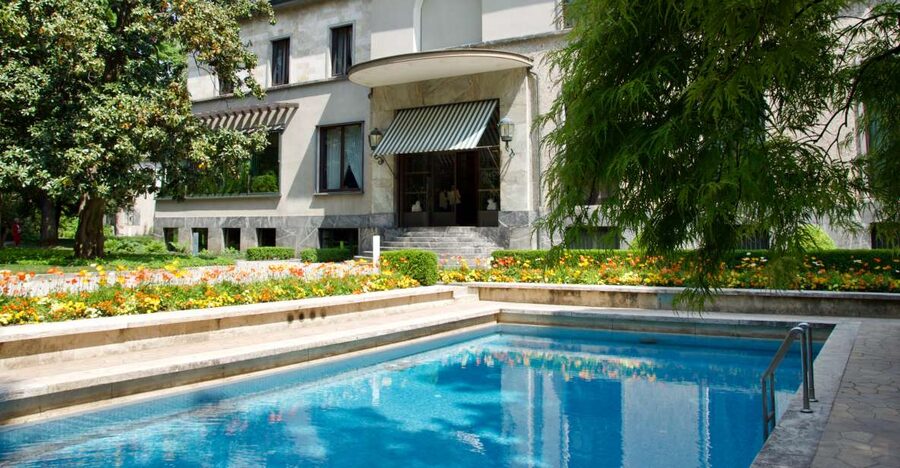
Villa Necchi Campiglio gives you a rare look at Milanese life between the wars, inside a polished 1930s home designed by architect Piero Portaluppi. One minute you are near Via Montenapoleone and the fashion district; the next, you are in a quiet garden with a turquoise pool, ferns, and flowers.
I like the mix of architecture and lived-in family history, rather than a house that feels like an empty display case. I also like the size: one hour is enough to fit this visit between the Duomo, shopping, and an aperitivo. The drawback is that the experience can feel quiet and self-guided, and some visitors have found that language information at booking was not clear.
Key points to know before you go
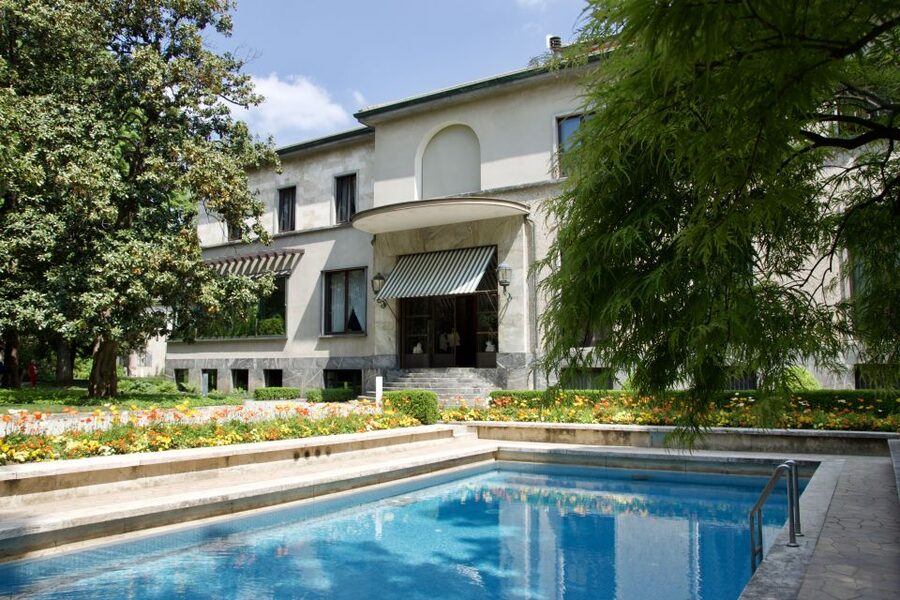
- Portaluppi’s 1930s design: Look closely at the modern lines, polished finishes, and carefully planned rooms.
- A calm garden near Milan’s fashion district: The pool and planting create a sharp contrast with the city streets outside.
- Docents in many rooms: Staff can explain the house and answer questions, with serviceable English often available.
- A one-hour visit: It works well as a compact cultural stop, though art and architecture fans may stay longer.
- Via Mozart is the entrance: Do not rely blindly on map directions or wait at the wrong street entrance.
- No meal is included: A café is associated with the villa, but the ticket covers entry only.
A 1930s villa in the middle of modern Milan
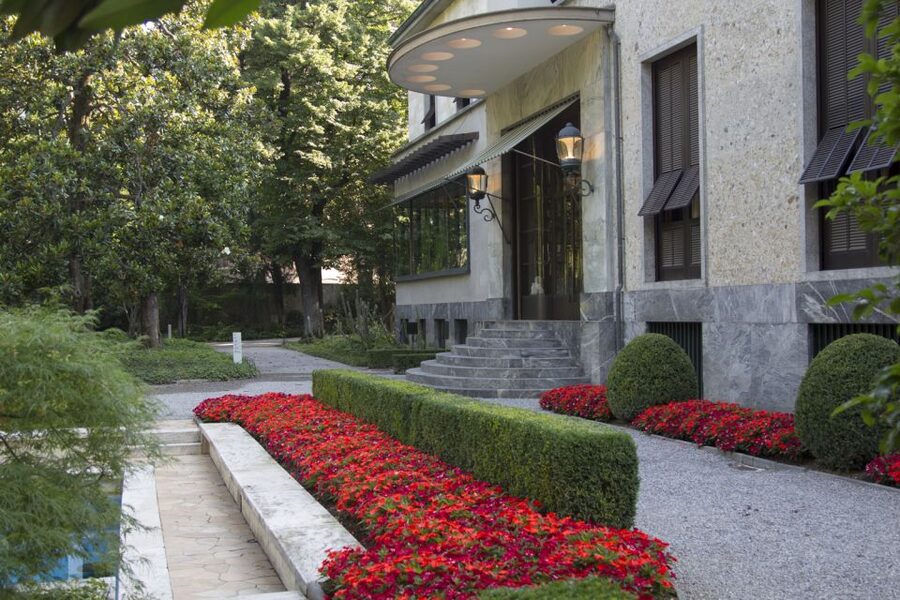
Villa Necchi Campiglio sits just a short walk from San Babila, around 10 minutes away according to the activity details. It is also close to Via Montenapoleone, so you can pair the visit with Milan’s famous fashion streets without spending half a day crossing the city.
That location is part of the appeal. Milan can feel fast, polished, and commercial around the center. Villa Necchi Campiglio offers a quieter pocket where you can slow down and look at how a wealthy Milanese family arranged its home during the interwar years.
The villa was designed by Piero Portaluppi, one of the important architects associated with Milan’s modern architecture. You are not simply walking through a grand old house. You are seeing a deliberate 1930s vision of comfort, status, technology, and entertaining.
More Entry Tickets in Milan
- Milan: Cathedral and Duomo’s Terraces Entrance Ticket
★ 4.6 · 61,054 reviews - Milan Cathedral: Duomo Terraces Ticket (No Church Access)
★ 4.6 · 6,111 reviews - Milan: Guided Walking Tour & Last Supper Visit with Ticket
★ 4.7 · 5,409 reviews
Arriving through Via Mozart
Use Via Mozart as your practical landmark. The entrance to the villa is there, not necessarily where a general map pin may lead you. One visitor specifically warned that Google Maps directions can cause confusion, so check the address before setting off.
At the entrance, have your ticket ready. The visit is not described as a large guided group tour. Instead, you move through the property at your own pace, with staff or docents available in many rooms.
This arrangement suits me because you can stop when something catches your eye. You are not forced to keep up with a guide speaking at a fixed pace. On the other hand, you need to take some responsibility for shaping the visit. If you want a full architectural explanation of every room, ask questions as you go.
Reading Portaluppi’s architecture room by room
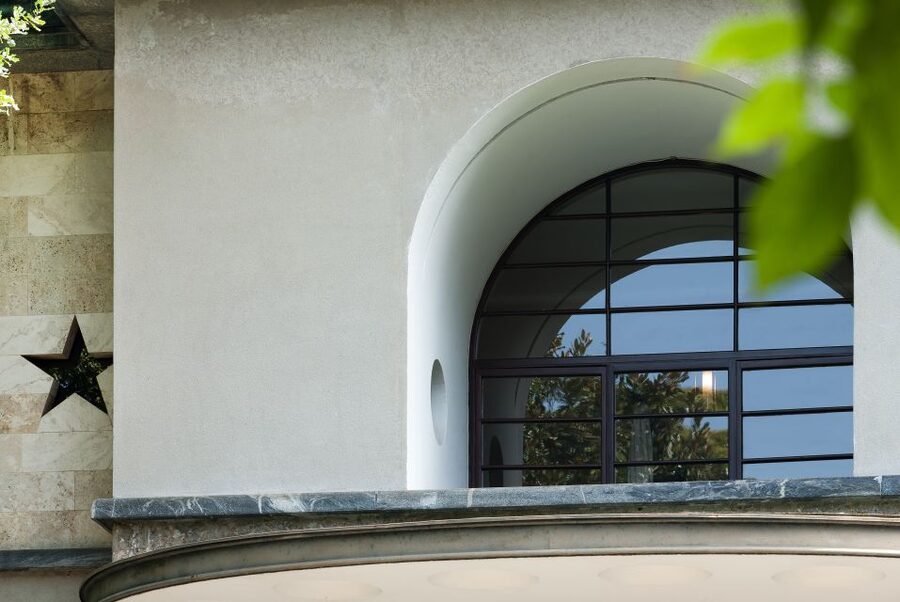
The house is the main reason to buy this ticket. The rooms show how architecture, decoration, art, and daily life were made to work together.
As you move through the villa, pay attention to the overall design rather than racing toward the most decorative pieces. The building’s appeal comes from the way its structure and interiors create a complete setting. This is not just a collection of expensive objects. It is a picture of how a particular family wanted to live.
The house also lets you watch interior taste change across time. The villa’s importance is not limited to one fixed style. You can see how different rooms, furnishings, and objects reflect changing ideas about elegance and domestic comfort.
If you study architecture, design, or decorative arts, plan to look slowly. A visitor with an architectural background found the visit especially absorbing, while a companion who cared less about art found it less compelling. That is a useful warning: the villa rewards close looking, but it may not entertain everyone equally.
The family story behind the rooms
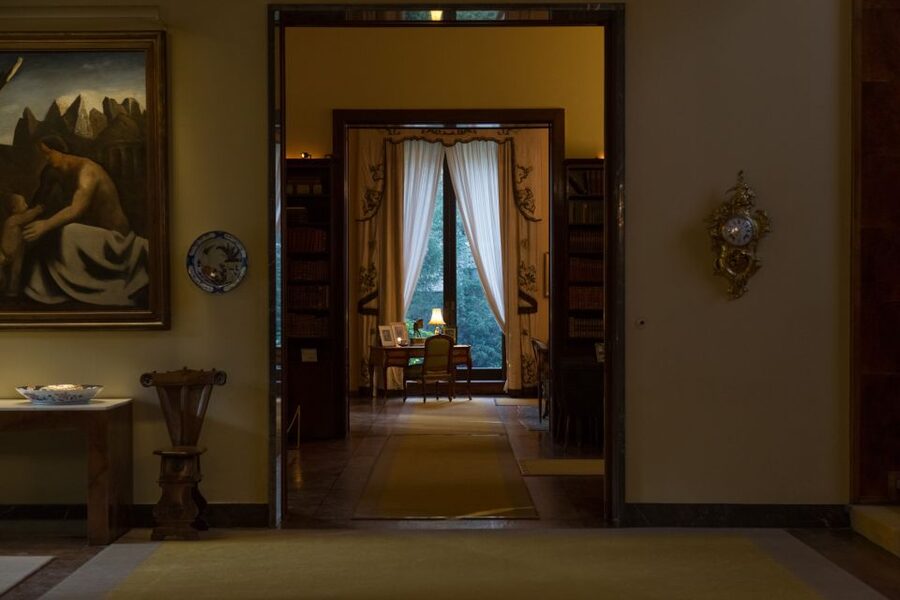
The experience is strongest when you connect the rooms to the people who lived there. The ticket allows you to get a sense of one family’s routines, taste, and social world, rather than viewing the villa only as an architectural shell.
Look for details that suggest how the home functioned. The furnishings, art, and room arrangements help show what money could buy in Milan during the 1930s. The villa presents luxury in a domestic setting, which can be more revealing than a formal palace.
I find this kind of house museum useful because it puts social history at eye level. A palace often tells you about rulers and public ceremony. Villa Necchi Campiglio tells you about private comfort, family life, entertaining, and the desire to create a stylish home.
The experience is also a reminder that wealth does not only appear in grand scale. It can show up in materials, planning, views, quiet spaces, and the smooth connection between indoor rooms and outdoor areas.
A few more Milan half-days worth a look
- Milan: City Sightseeing Hop-On Hop-Off Bus with Audio Guide
★ 4.0 · 6,256 reviews - Milan: Milan Cathedral Direct Entrance – Terrace Excluded
★ 4.5 · 5,782 reviews - Milan: Fast-Track Milan Cathedral and Terraces Guided Tour
★ 4.7 · 5,240 reviews - Milan: Navigli Canal Boat Cruise
★ 3.3 · 4,502 reviews
A garden with a turquoise pool
Do not rush out of the garden once you have seen the main rooms. The grounds are one of the villa’s most appealing features, especially if you have been walking through central Milan all morning.
A turquoise swimming pool forms a striking focal point. Bright orange poppies and large green ferns have been noted around the grounds, creating a colorful setting that feels far removed from the nearby fashion district.
The garden is not a separate attraction tacked onto the house. It helps explain the lifestyle the villa was built to provide. The home offered privacy, comfort, and a way to enjoy fresh air without leaving the property.
You can sit outside after the indoor visit and let the place settle in. That extra pause matters. A quick circuit through the rooms gives you information, but the garden gives you a sense of the villa as a complete home.
Art, furnishings, and the feel of private luxury
The house contains notable works of art and carefully selected furnishings. I would not approach it like a checklist of famous objects. Instead, look at how the pieces work together with the rooms.
You may notice that the villa feels elegant without being presented as a dusty historical relic. Its appeal comes from the combination of art, design, and signs of domestic life. The setting gives you a clearer idea of how objects were meant to be seen and used.
Staff are present in many rooms and can explain details if you ask. English is often possible, though the language of the visit may not always be clear when you book. One visitor found it useful to know in advance that a tour would be in Italian, so I would check the current language arrangements rather than assume a formal English tour.
The visit is generally easy to follow, but the experience can vary by room. Some spaces may have more explanation than others. If you want context, take the initiative and speak with the person stationed nearby.
What one hour really gives you
The listed duration is one hour, and that is a sensible minimum. You can see the house, notice the main architectural features, walk through the garden, and pause in a few favorite spots within that time.
I would allow extra time if you are interested in design or want to sit in the grounds. One visitor described the villa as an activity lasting a few hours, while the formal duration is one hour. Both can be true: you can complete the core visit in an hour, but you may not want to leave immediately.
The compact timing makes the ticket easy to add to a Milan day. Visit in the morning before shopping, stop here after the Duomo, or use it as a quieter break from busy central streets.
Do not expect a long, theatrical attraction with constant narration. This is a house museum. Its rewards are visual and gradual. You get more from it when you notice surfaces, proportions, furniture, views, and the relationship between rooms.
Is the $17 ticket good value?
At about $17 per person, the ticket is reasonably priced for a central Milan attraction that combines a major house, art, architecture, and a garden.
The value is strongest if you care about at least one of those subjects. Architecture students, design fans, film fans, and visitors interested in Milanese social history will likely find plenty to examine. The villa was also used as a filming location for I Am Love, which gives film fans another reason to recognize the interiors and setting.
The value is weaker if you want a highly structured tour or a major collection of famous artworks. The ticket does not include food, and it does not promise a formal guide who leads you from room to room for the entire hour.
A café is mentioned at the villa, but it is not part of the admission price. Treat it as a possible extra, not part of the ticket package.
How the visit works in practice
This is essentially an independent visit with help available on site. You enter at Via Mozart, follow the house route, and speak with docents when you want more information.
That format has clear advantages. You can spend more time in rooms that interest you and move faster through areas that do not. You also avoid the pressure of a large group tour.
There are a few practical points to keep in mind:
- Check the entrance carefully, since the street location can be confusing.
- Keep your voucher accessible. A scanner problem affected one visitor, although admission was still allowed.
- Ask staff questions rather than assuming every room will have a full explanation.
- Confirm the expected language before booking if a guided explanation matters to you.
- Wear something comfortable enough for walking and standing, even though the visit itself is compact.
- If you use a wheelchair, the activity is listed as wheelchair accessible.
The house may not have every area open at every moment. One visitor was disappointed that the basement was unavailable during a visit. That is a reminder that access to specific rooms can change.
Who will enjoy Villa Necchi Campiglio most?
I would recommend this ticket to you if you enjoy architecture, interiors, gardens, film locations, or the private side of social history. It is also a good choice when you want a quieter attraction close to the center.
It works particularly well for:
- Architecture and design students
- Fans of Italian modernism and 1930s interiors
- Visitors who have already seen the Duomo and want something less crowded
- Film fans familiar with I Am Love
- Couples or solo visitors who enjoy looking closely at rooms and objects
- Anyone with a spare hour near San Babila
I would think twice if your ideal Milan visit is only shopping, food, and famous landmarks. A companion who is not interested in art or houses may find the visit slow. You can balance that by pairing it with Via Montenapoleone, the Galleria, or the Duomo area.
Planning the visit around Milan
Villa Necchi Campiglio fits neatly into a central Milan itinerary. From San Babila, the walk is about 10 minutes, and the villa is close to the fashion district.
You could visit early, then continue toward the Duomo and Galleria Vittorio Emanuele II. Or start with the cathedral area, walk toward San Babila, and use the villa as a calmer stop before shopping or dinner.
The garden makes the villa especially useful as a pause in a busy day. You are still seeing a significant Milan attraction, but you are not spending the entire day in a church, gallery, or crowded shopping street.
If you have only a few hours in Milan, the one-hour format is an advantage. If you have a full day, give yourself time to linger, since the house rewards attention more than speed.
Should you book this villa ticket?
Book it if you want to see how a wealthy Milanese family lived in a beautifully designed 1930s home, and if you appreciate architecture, art, gardens, or film locations. The combination of Portaluppi’s design, intimate family setting, and peaceful garden gives you something quite different from Milan’s headline sights.
Skip it if you need a formal, language-specific guided tour or if your group has little interest in houses and interiors. Before booking, confirm the language arrangement, note the Via Mozart entrance, and allow more than one hour if you want time in the garden.
For the price, Villa Necchi Campiglio is a smart central stop. It offers a thoughtful look at Milanese style without requiring a full day, and its garden gives you a welcome break from the city outside.
FAQ
Where is Villa Necchi Campiglio located?
The villa is on Via Mozart in Milan, about a 10-minute walk from San Babila and close to Via Montenapoleone and the fashion district.
How long does the visit last?
The listed duration is one hour. You may choose to stay longer, especially if you want to spend extra time in the garden.
What does the ticket include?
The ticket includes entry to Villa Necchi Campiglio.
Is food included with admission?
No. Food and restaurant service are not included. A café is mentioned at the villa, but it is separate from the entry ticket.
Is the villa wheelchair accessible?
Yes. The activity is listed as wheelchair accessible.
Can I cancel the booking?
Yes. You can cancel up to 24 hours in advance for a full refund. A reserve-now, pay-later option is also available.
Just added around Milan
- Canyoning “Gumpenfever” – beginner Canyoningtour for everyone★ 5.0 · 391 reviews
- Bergamo: Digital guide made by a local for your walking tour★ 5.0 · 184 reviews
- Milan: City Highlights Walking Tour with The Last Supper★ 4.9 · 195 reviews
- Milan: The Milan Pass City Card★ 4.0 · 655 reviews
- Milan: Duomo & Rooftop Tour with Optional Hop-On Hop-Off Bus★ 4.5 · 262 reviews
- Milan: Skip-the-Line Guided Walk and “The Last Supper”★ 4.5 · 606 reviews
- Milan: Duomo and The Last Supper Skip-the-Line Guided Tour
- Milan: Leonardo’s Last Supper and Michelangelo’s Pietà Tour★ 4.6 · 559 reviews
Entry Tickets in Milan, compared.

Cathedral and Duomo’s Terraces Entrance Ticket
Read our review →
Milan Cathedral: Duomo Terraces Ticket (No Church Access)
Read our review →
Guided Walking Tour & Last Supper Visit with Ticket
Read our review →
Leonardo3 The World of Leonardo Museum Entry Ticket
Read our review →
Duomo Rooftop and Cathedral Guided Tour with Tickets
Read our review →
Sforza Castle Entry Ticket with Digital Audio Guide
Read our review →

Historic Milan Tour with Skip-the-Line Last Supper Ticket
Read our review →Browse the lists this tour appears in