
Reviewed · ENTRY TICKETS IN TUSCANY
Rome: Leonardo Da Vinci Experience Entry Ticket
Leonardo da Vinci’s genius is easiest to grasp when you can touch a working model instead of merely looking at a sketch. In five exhibition halls near St Peter’s Square, you’ll see flying machines, weapons, bridges, lifting devices, and other inventions based on his drawings, with selected models made for hands-on use.
I like the freedom to explore at your own pace, and I like the clear audio guide, available in eight languages. The air-conditioning is a real help on a hot Roman day. The main drawback is size: this is a compact museum, not a grand national collection, and many visitors finish in about an hour, though careful visitors can spend two hours or more.
Key points to know before you go
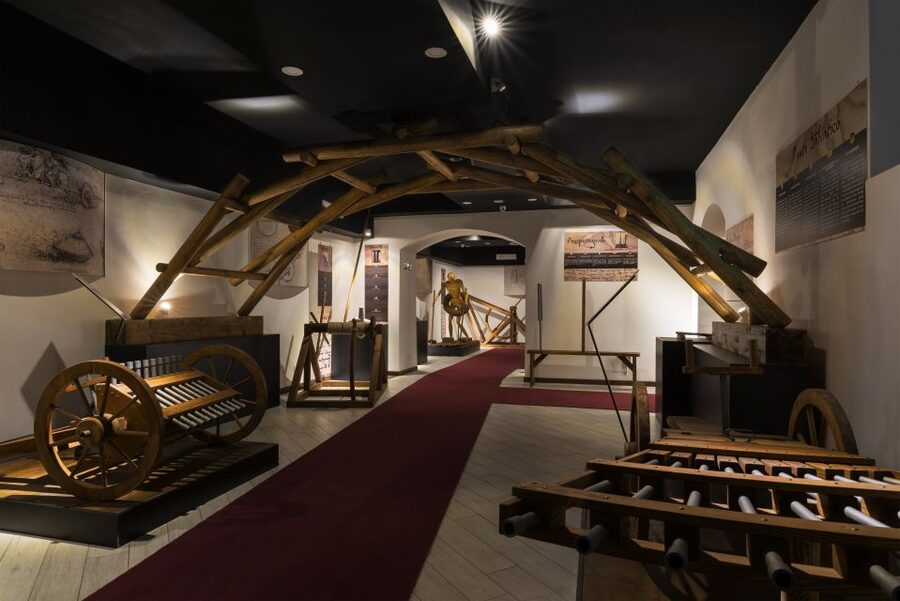
- Fifty working models: Try selected reconstructions of Leonardo’s machines, including lifting equipment, a bicycle, water skis, a sewing machine, and bridge designs.
- Five exhibition halls: The route covers flight, warfare, engineering, optics, and art in a compact indoor setting.
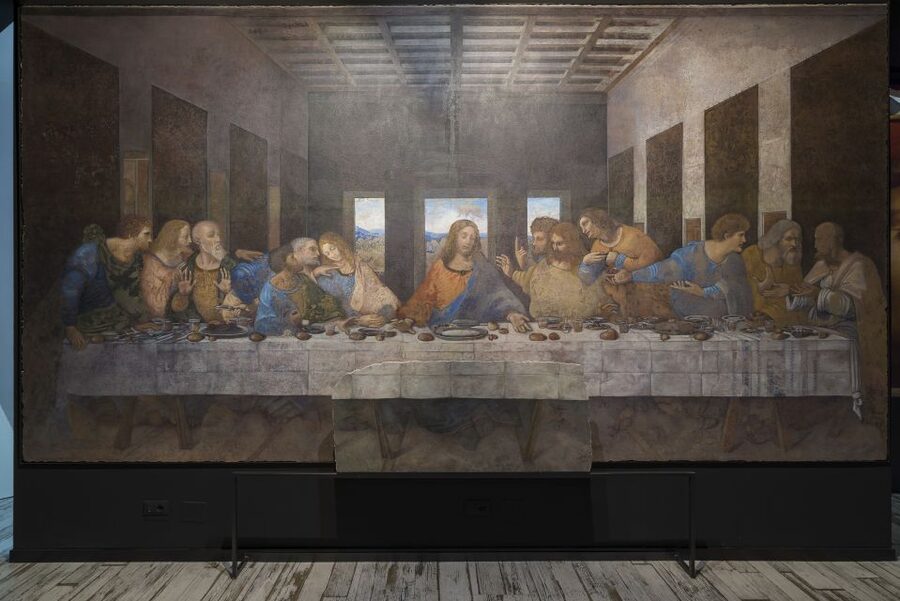
- A full-size Last Supper reproduction: See a reproduction of Leonardo’s famous Milan mural and learn about the painting often linked with The Da Vinci Code.
- Excellent for families: Children and teenagers can test several machines, while adults get the historical and artistic context through the audio guide.
- Near St Peter’s Square: The entrance at Via della Conciliazione 19 is about 150 meters from the square, making this an easy add-on to a Vatican-area day.
- Plan for one to two hours: Some visitors finish in less than an hour, while others spend 1.5 to 3 hours with the audio explanations and interactive displays.
Five halls that turn sketches into machines
The Leonardo da Vinci Experience is not built around original Leonardo manuscripts or paintings. Its purpose is different: it takes ideas from his notebooks and turns them into physical models you can inspect, and in some cases operate.
That distinction matters. You are not visiting a quiet art museum where you move from one famous canvas to another. You are entering a hands-on exhibition built to show how Leonardo thought. A drawing of a machine can look fanciful on paper. A reconstructed model lets you see the gears, levers, wings, screws, and balance points that made the idea possible.
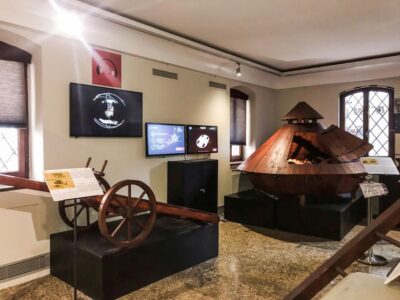
The displays cover around 50 inventions in five halls. The exact pace is up to you. You can listen to every audio stop, test the interactive machines, and read the accompanying information, or move quickly through the sections that interest you most.
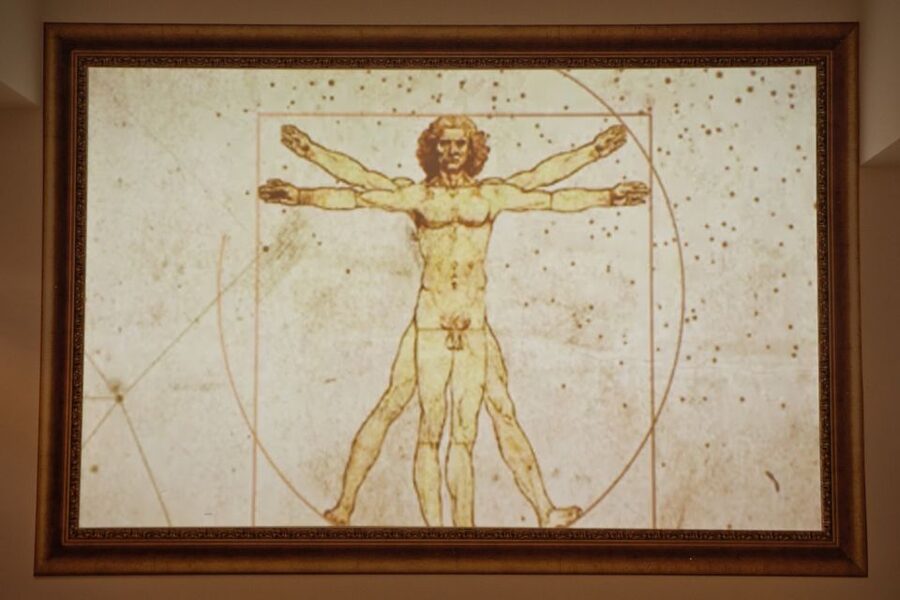
The exhibition includes flying machines, war machines, engineering devices, and scientific ideas. The range is part of the appeal. Leonardo is often introduced as the painter of the Mona Lisa and The Last Supper, but the exhibition keeps reminding you that he also studied movement, light, water, construction, and human mechanics.
More Entry Tickets in Tuscany
- Venice: Leonardo Da Vinci Museum Entrance Ticket
★ 4.5 · 3,560 reviews - Siena: Siena Cathedral and Piccolomini Library Entry Ticket
★ 4.5 · 3,462 reviews - Rome: Leonardo da Vinci Exhibition Entrance Ticket
★ 4.4 · 2,885 reviews
Flying machines, bridges, and practical engineering
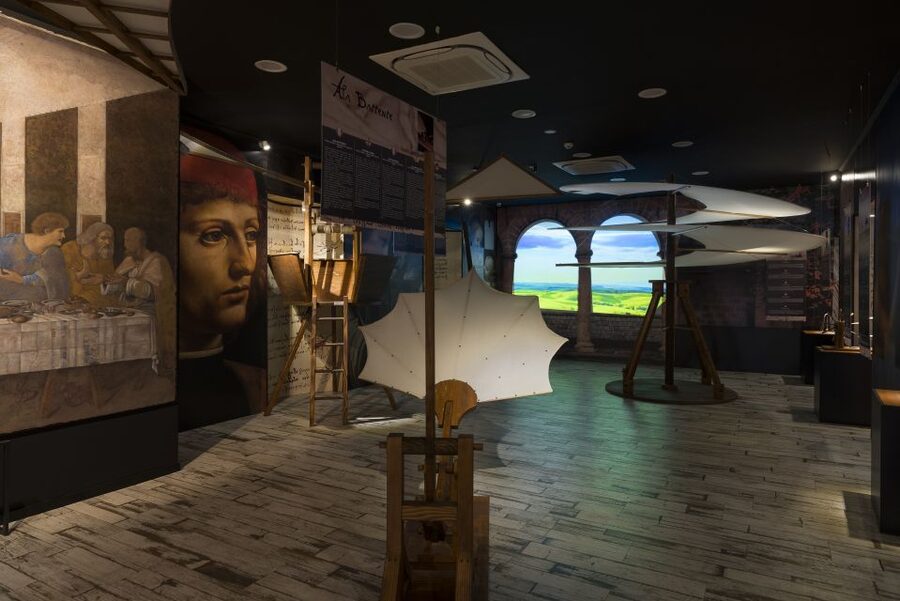
Leonardo’s designs for flight are among the most eye-catching displays. You can take a photo beside a helicopter-style machine and see how his study of wings and air movement led him toward ideas that would not be realized in practical aviation for centuries.
The model does not prove that Leonardo could have built a modern helicopter. It shows how he tested the possibility of vertical flight with the tools and materials available to him. That makes the display useful for children, but it also gives adults a better sense of the gap between a clever drawing and a workable machine.
Engineering models make up another major part of the visit. Look for designs involving digging, lifting, water movement, and construction. The unsupported suspension bridge is especially helpful because it shows Leonardo thinking about structure and balance without relying on heavy supports in the middle.
One of the most enjoyable activities is building Leonardo’s bridge yourself. It is a small task, but it turns an abstract engineering principle into something you can understand with your hands. If you are visiting with children, give them time here rather than hurrying toward the paintings.
Other practical models include a sewing machine, a bicycle, and water skis. These are not modern objects copied directly from Leonardo. They are reconstructions based on his designs or ideas, giving you a chance to compare his early concepts with tools that became common much later.
War machines and the darker side of invention
Leonardo also designed military machines. The exhibition includes models of armored vehicles, weapons, and a machine gun concept. You can see an armored tank model and photograph yourself beside it.
These displays are worth seeing, but they need some context. Leonardo’s notebooks contain both idealistic studies of nature and practical designs for warfare. The exhibition presents the engineering behind these machines, so you may want to pause and think about the way Renaissance patrons funded art, science, architecture, and military technology together.
The models are particularly effective because they show movement and function. They are not just flat images behind glass. Selected machines can be touched or operated to an extent, helping you understand how gears and mechanisms transfer force.
I would not expect a fully working modern machine. The value is in seeing the design principle, not in watching a tank roll across the room. For a child, turning a mechanism or testing a lever can make the visit memorable. For an adult, the models help explain why Leonardo’s notebooks still attract so much attention.
The Room of Mirrors and Leonardo’s study of light
The Room of Mirrors is one of the more unusual parts of the exhibition. Here you learn how Leonardo studied light, reflection, and vision.
This section connects his scientific curiosity with later developments in photography and projection. It is not a photography museum, and it does not claim that Leonardo invented a camera in the modern sense. Instead, it shows how his questions about light and images fed into ideas that became important much later.
The room also gives the visit a change of pace. After machines, bridges, and war designs, the mirrors create a more visual and playful stop. It is a good place for photographs, though you should allow time to listen to the audio explanation rather than treating it only as a photo opportunity.
A few more Tuscany half-days worth a look
- Tuscany Day Trip from Florence: Siena, San Gimignano, Pisa and Lunch at a Winery
★ 5.0 · 21,634 reviews - Reserved Entrance to Leaning Tower of Pisa & Cathedral
★ 4.5 · 10,391 reviews - Milan: Da Vinci’s Last Supper Guided Tour
★ 4.7 · 10,143 reviews - Florence: Pisa, Siena and San Gimignano Day Trip with Lunch
★ 4.6 · 9,771 reviews
The art gallery and the famous Last Supper
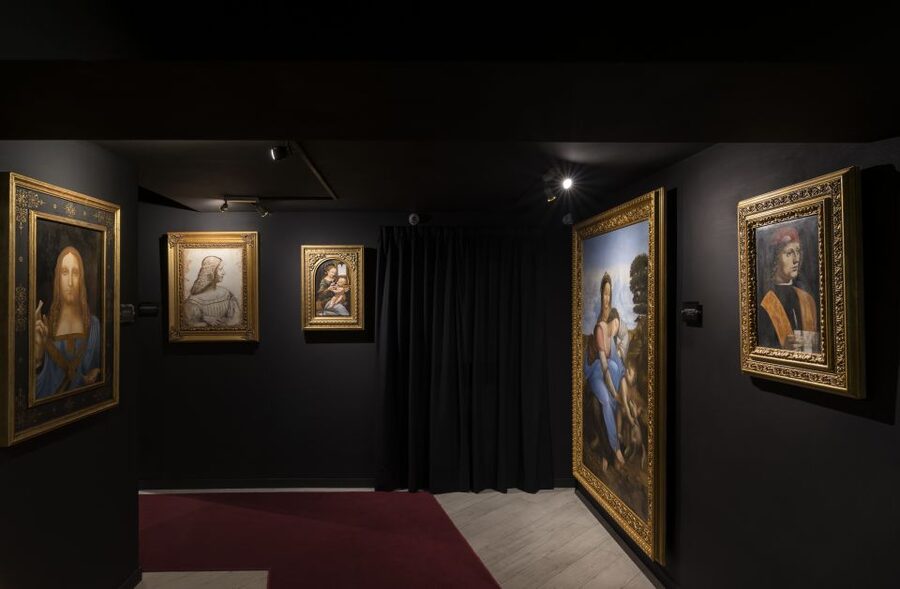
Leonardo’s inventions are only half the story. The Exhibition Gallery presents 20 certified reproductions painted by prominent Vatican Museum restoration artists.
You can see reproductions of both versions of Virgin of the Rocks, whose originals are in the Louvre and London’s National Gallery. Seeing the two versions together is useful because it lets you compare them without crossing Europe to visit two different museums.
The collection also includes Lady with an Ermine. This portrait is important for understanding Leonardo’s impact on portrait painting. Look closely at the pose, the turn of the head, and the relationship between the sitter and the animal. The display explains how Leonardo moved beyond the stiff, front-facing style common in earlier portraiture.
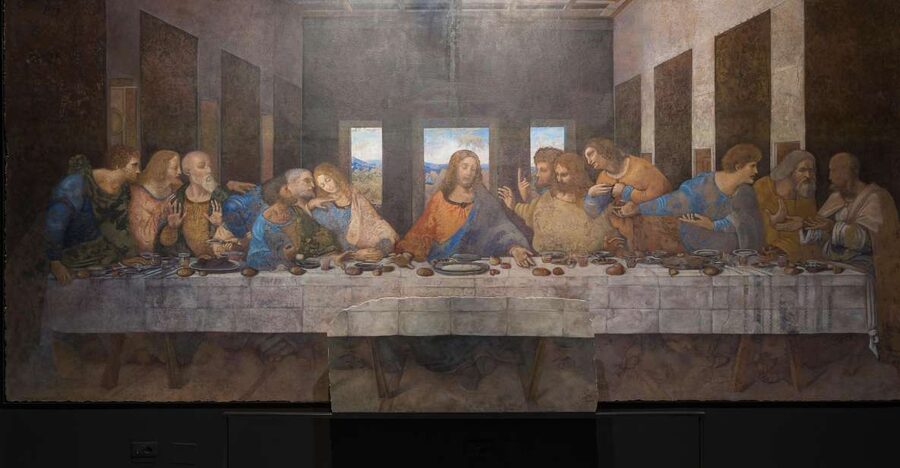
The full-sized reproduction of The Last Supper is the best-known art stop. It is not the original wall painting in Milan, and you should keep your expectations clear. The reproduction gives you a chance to study the arrangement of the figures, the gestures, and the drama of the scene without needing a separate trip to see the original.
The audio guide also addresses the mystery and controversy connected with The Last Supper, including the painting’s role in Dan Brown’s novel The Da Vinci Code. That connection may bring some people through the door, but the painting itself is worth attention beyond the novel. The scene shows Leonardo using gesture and grouping to tell a story, much as his machines use parts and movement to explain an idea.
How the audio guide shapes the visit
The audio guide is included, and it is one of the strongest reasons to book this experience rather than simply glance around. Without explanation, a room full of wooden machines can become a collection of unfamiliar shapes. With the guide, you learn what each model is meant to do and why Leonardo’s design mattered.
You can listen in English, Italian, French, German, Spanish, Portuguese, Russian, or Chinese. The guide supports a self-guided visit, so you are not tied to a group or a fixed speaking schedule.
Bring your own headphones. This is a small but useful tip, especially if you prefer your own earbuds or want to keep your hands free while moving between displays. The audio system may take a little time to get used to, but once you understand how it works, you can choose which sections deserve your attention.
The flexible format suits mixed groups. One person can spend time with the war machines while another listens to the painting explanation. Children can test the interactive displays without forcing the whole family to move at the same speed.
How long you should allow
The ticket is valid for one day, but the actual visit is much shorter than a full day. Most people should allow at least one hour.
If you listen to the main audio explanations and try several inventions, plan on 1.5 hours. If you read everything, pause at the paintings, build the bridge, and spend time in the Room of Mirrors, two to three hours is possible.
The compact size is both a strength and a weakness. It works well between a Vatican visit, lunch, or another appointment. It also means you can see the whole exhibition without exhausting yourself after a long day of Roman sightseeing.
I would visit earlier in the day if possible. The museum can have a wait at busier times, and arriving early gives you more room around the interactive displays. The air-conditioning also makes this a practical indoor break during Rome’s heat.
Location near St Peter’s Square
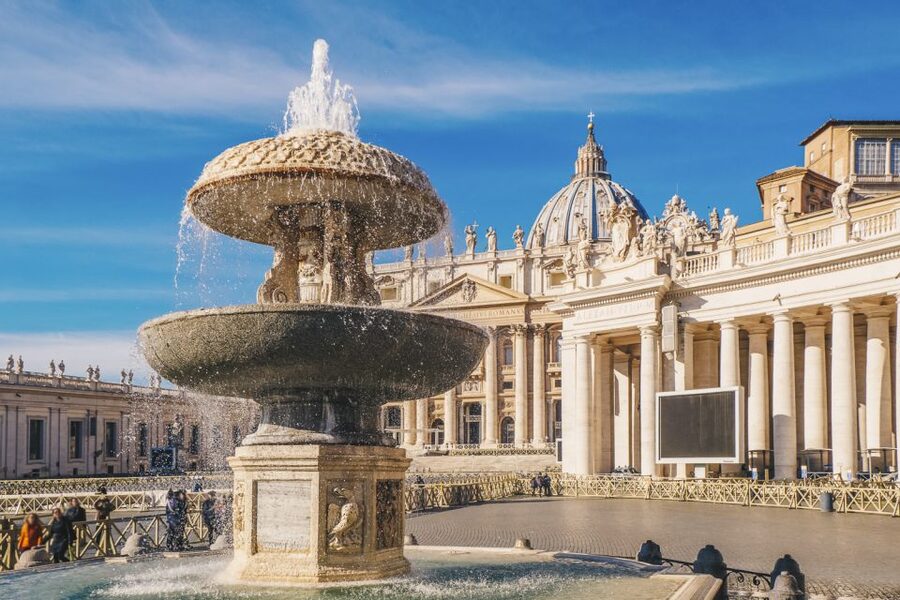
The entrance is at Via della Conciliazione 19, about 150 meters from St Peter’s Square. That makes it easy to combine with a Vatican-area itinerary.
The experience is not a substitute for the Vatican Museums, St Peter’s Basilica, or the Sistine Chapel. Those places offer original art, architecture, and far larger collections. This exhibition works better as a separate, focused stop before or after them.
If you are already near the Vatican and have an hour to fill, the location is hard to beat. You do not need to commit an entire morning, and the air-conditioned rooms offer a welcome pause from Rome’s streets.
Is the $18 ticket good value?
At about $18 per person, the ticket is reasonably priced if you enjoy interactive museums and use the audio guide. The value is strongest for families, curious adults, and anyone who wants more than a quick look at famous paintings.
The price feels less attractive if you expect original Leonardo works or a large museum. The exhibition is compact, and some visitors finish in around 45 minutes to an hour. In that case, you are paying for a concise educational experience rather than a full-day attraction.
You can improve the value by slowing down. Test the bridge, try the interactive machines, listen to the painting explanations, and spend time comparing the two versions of Virgin of the Rocks. If you rush through the halls, the ticket may feel high for the size of the space.
The free WiFi, restrooms, and full air-conditioning are useful extras, but they are not the main reason to visit. The real value comes from the combination of physical models, multilingual explanations, and the chance to connect Leonardo’s art with his work in engineering and science.
Who will enjoy this experience most?
Families with school-age children and teenagers are a natural fit. The machines give young visitors something to do, and the displays make it easier to talk about engineering without turning the visit into a formal lesson.
Adults who know Leonardo mainly for the Mona Lisa will also get a lot from it. The exhibition broadens the picture, showing his interest in flight, water, weapons, construction, light, and mechanical movement.
Art lovers should come with realistic expectations. The paintings are reproductions, not originals, but the selection gives you useful context and lets you see works held in different countries.
This is also a good choice for people who do not enjoy guided groups. You move at your own pace, pause whenever you like, and choose which audio stops to hear. If you prefer a large, silent museum filled with original objects, you may find the format too modest.
Booking is flexible, with cancellation allowed up to 24 hours before the visit for a full refund, and a reserve-now, pay-later option available. Check the available starting times when booking, and bring headphones.
Should you book the Leonardo da Vinci Experience?
Book it if you have a free hour near the Vatican, want an indoor activity, or are visiting with children who need more than paintings to hold their attention. The working models, bridge-building activity, Room of Mirrors, and audio guide give the visit real purpose.
Skip it if your Rome schedule is already packed with major museums and you only want original Leonardo works. This is a compact reconstruction museum, not a collection of authenticated originals.
For most visitors, I would call it a worthwhile add-on at $18, especially when you give it 1.5 to 2 hours instead of racing through. It offers a clear, hands-on look at the many sides of Leonardo, and it is close enough to St Peter’s Square to fit neatly into a Vatican day.
FAQ
Where is the Leonardo da Vinci Experience in Rome?
The entrance is at Leonardo da Vinci Experience, Via della Conciliazione 19, about 150 meters from St Peter’s Square.
How long does the visit take?
Plan on about one hour for a quick visit. With the audio guide, interactive machines, paintings, and Room of Mirrors, you may spend 1.5 to 3 hours.
Is the ticket valid for a full day?
Yes. The ticket is valid for one day, with starting times based on availability.
Is an audio guide included?
Yes. An audio guide is included in English, Spanish, French, Italian, German, Portuguese, Russian, and Chinese.
Should I bring headphones?
Yes. Headphones are listed as something to bring, and using your own can make the audio guide more comfortable.
Is this a guided tour?
No. The ticket provides entry and an audio guide, but it does not include a guided tour.
Is the exhibition suitable for children?
Yes. Several inventions are interactive, and children and teenagers can test or explore selected machines. The visit also includes models of bridges, flying machines, and engines.
Does the exhibition include original Leonardo paintings?
No. The Exhibition Gallery presents reproductions, including The Last Supper, both versions of Virgin of the Rocks, and Lady with an Ermine.
Can I cancel the booking?
Yes. You can cancel up to 24 hours in advance for a full refund. A reserve-now, pay-later option is also available.
Just added around Tuscany
- Florence Sunset Food Tour with Wine & Dine at a Tuscan farmhouse★ 5.0 · 194 reviews
- Wine Tasting Experience in Ponte Vecchio: Best Tuscany selection!★ 5.0 · 197 reviews
- Val d’Orcia Brunello Wine Tour with Montalcino and Montepulciano★ 4.5 · 359 reviews
- Wine Experience In Chianti Hills from Florence★ 4.5 · 195 reviews
- Tuscany Vespa Tour: Lunch & Wine Tasting, Countryside Roads★ 5.0 · 614 reviews
- Tuscany Vespa Tours Through the Hills of Chianti★ 5.0 · 515 reviews
- Tuscany Vespa Tour from Florence with Wine Tasting★ 5.0 · 425 reviews
- Tuscany Bike Tours Through the Chianti Hills with Wine Tasting★ 5.0 · 1,300 reviews
Entry Tickets in Tuscany, compared.
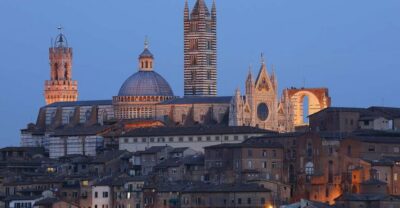
Siena Cathedral and Piccolomini Library Entry Ticket
Read our review →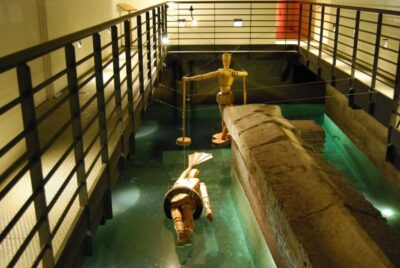
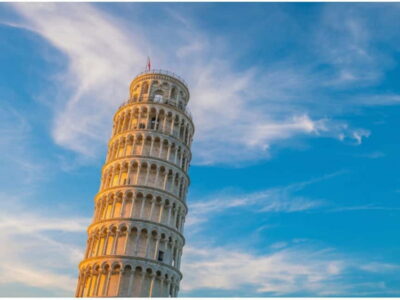
Leaning Tower & Cathedral Tickets with Timed Entry
Read our review →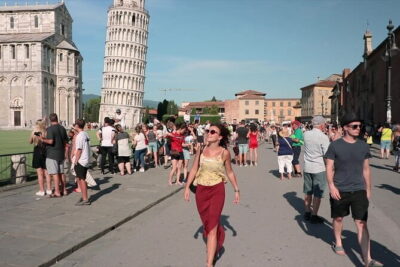
Pisa Excursion with optional Leaning Tower Entry Ticket
Read our review →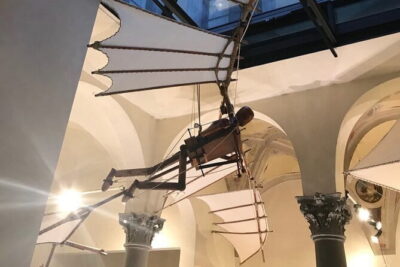

Cathedral Guided Tour & Optional Leaning Tower Ticket
Read our review →Browse the lists this tour appears in