
Reviewed · MUSEUMS
Milan: La Scala Theater & Museum Guided Experience
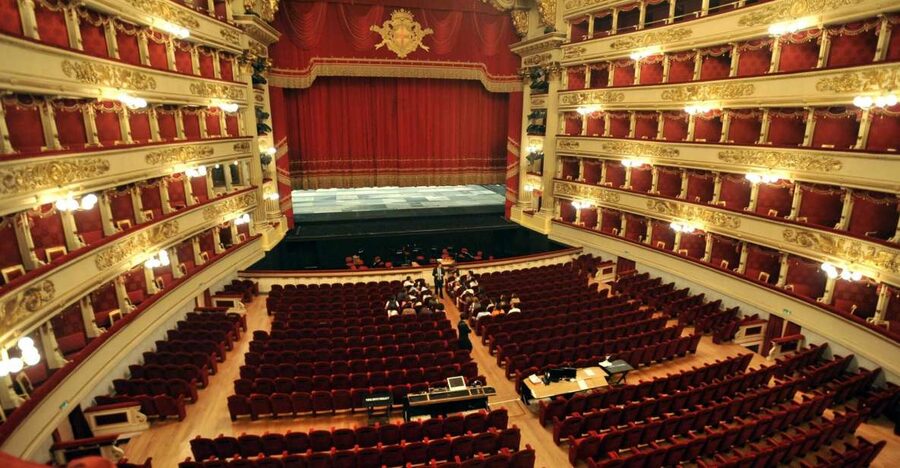
La Scala’s magic is easiest to grasp from a theatre box, looking down over the red-and-gold auditorium and its huge crystal chandelier. I like that this tour gives you that elevated view, then connects the building to composers and performers through the museum. I also like the one-hour length and the chance, with good timing, to hear or see a rehearsal in progress.
The main drawback is that access to the auditorium can change during rehearsals or special events. You may see only the theatre from the boxes, or you may briefly witness technicians, singers, musicians, or dancers at work. At $34, the tour costs more than the €12 entrance price noted for a self-guided visit, so its value depends on how much you want the guide’s stories and context.
Key points before you book
- The auditorium view is the star: You look into La Scala from the third-level boxes rather than walking freely through the stage area.
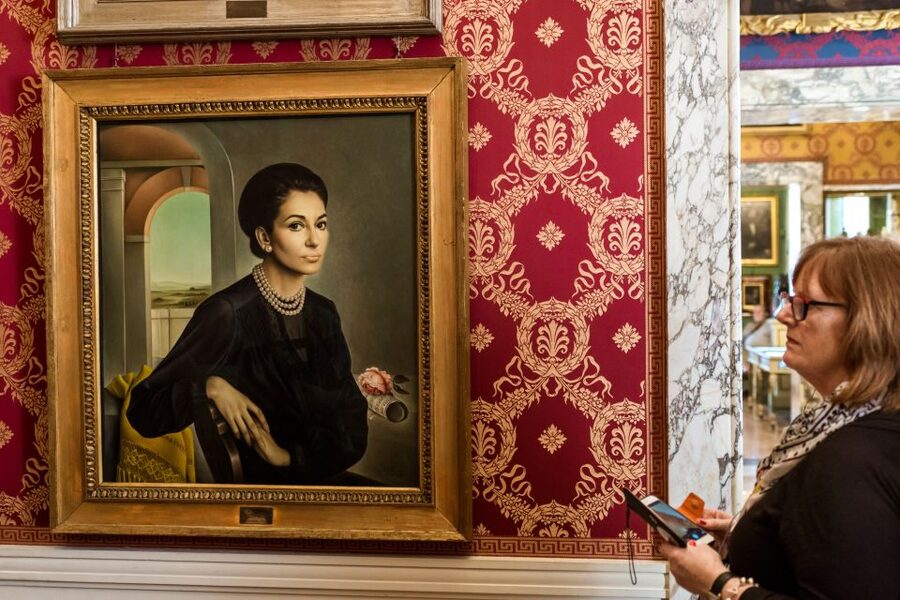
- The museum adds real context: Costumes, instruments, portraits, paintings, and musical objects turn a quick theatre visit into a lesson in opera history.
- Guiding makes a difference: Guides including Renata, Beatrice, Valentina, Claudia, and Samantha have been praised for clear explanations and engaging stories.
- Rehearsals can change the visit: You might see or hear part of a rehearsal, but theatre access and photography may be restricted.
- Plan your arrival carefully: Late entry is not allowed, and no refund is given if you miss the start.
- The tour works for non-opera fans too: You do not need a strong classical music background to appreciate the building, portraits, costumes, and backstage traditions.
Why La Scala is worth an hour in Milan
La Scala is not simply a handsome old theatre. It is one of the world’s leading opera houses, and its name is tied to major figures such as Giuseppe Verdi and Arturo Toscanini. A guide helps you understand why this particular stage matters instead of leaving you to admire the decoration without context.
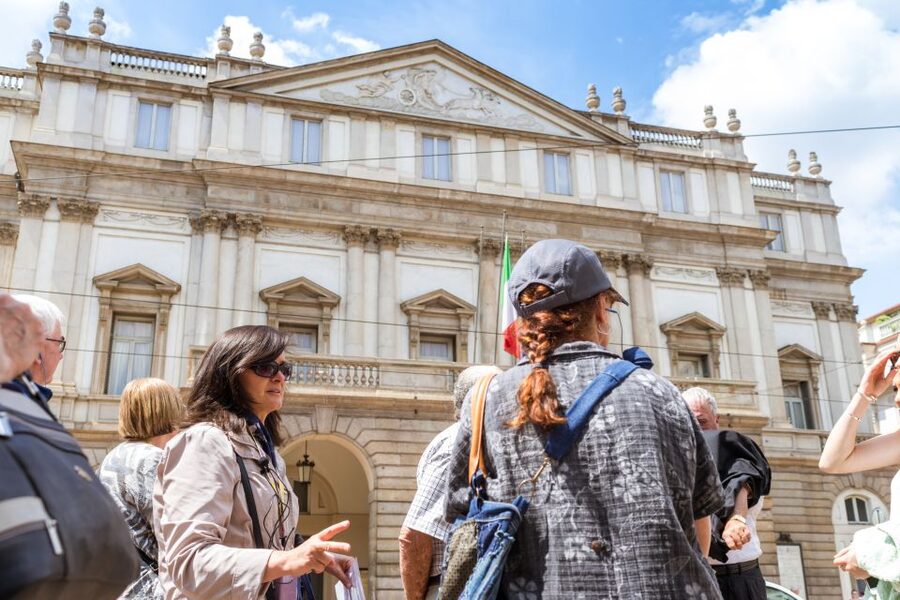
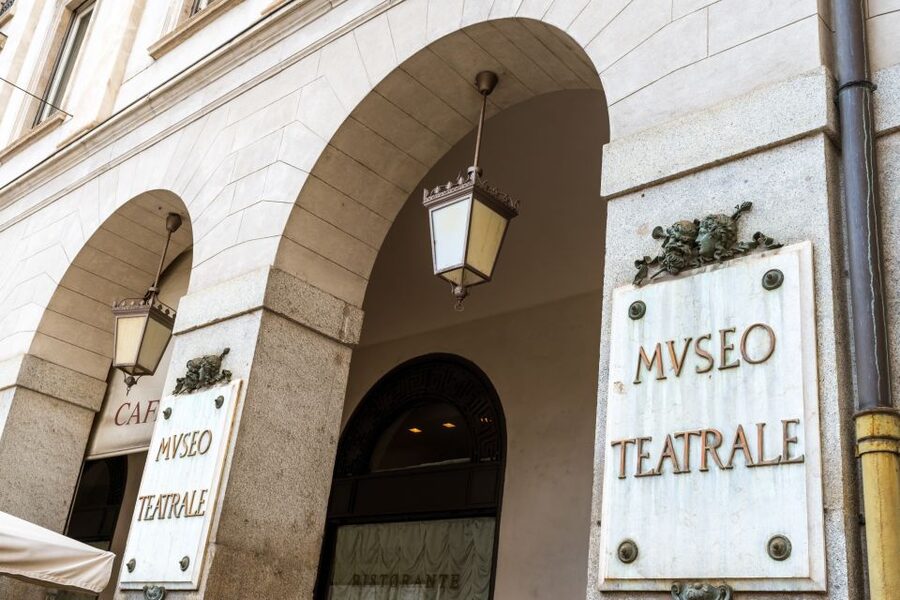
The tour begins at the La Scala Museum entrance, on the right side of the restaurant Il Foyer at Largo Antonio Ghiringhelli 1. The meeting point is close to Milan’s central sights, making this an easy addition to a day around the Duomo and Galleria Vittorio Emanuele II.
The experience lasts about 60 minutes. That is short enough to fit between major Milan sights, yet long enough to cover both the theatre and museum. I like this format for a first visit because it gives you a focused look without asking you to spend half a day on a subject you may know little about.
More Guided Tours in Milan
- Milan: Guided Walking Tour & Last Supper Visit with Ticket
★ 4.7 · 5,409 reviews - Milan: Fast-Track Milan Cathedral and Terraces Guided Tour
★ 4.7 · 5,240 reviews - Official San Siro Stadium and Museum Guided Tour
★ 4.4 · 3,573 reviews
Looking down from La Scala’s third-level boxes
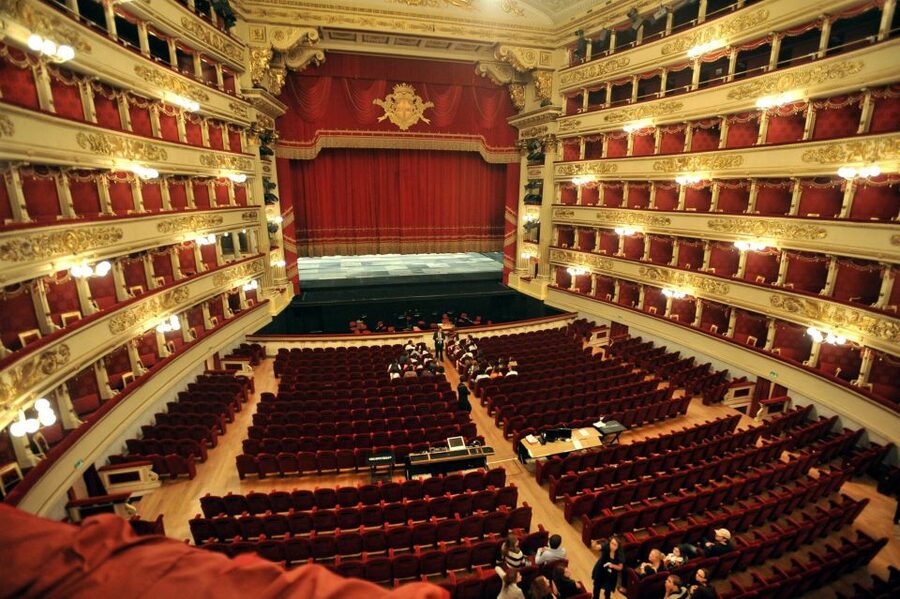
The most memorable part is usually the view into the auditorium. You are taken to the third-level boxes for a broad look across the theatre. From there, you can take in the neoclassical interior, the stage, the rows of boxes, and the monumental chandelier.
This viewpoint is useful because it shows how La Scala was designed as a social room as well as a performance space. You are not only looking toward the stage. You are also seeing the layered arrangement of boxes and the way the auditorium holds an audience around the performance.
Photography may be limited if a rehearsal is taking place. The theatre visit may also be adjusted or suspended during rehearsals and special events. That sounds like a nuisance, but it can lead to the most unusual part of the visit. Some tour groups have seen set movements, lighting work, ballet practice, or part of a performance.
One group could not enter the auditorium during a rehearsal but was called back after the rehearsal ended. That sort of flexibility is not guaranteed, but it shows why you should not treat the theatre portion as a fixed photo stop. The building remains active, working theatre space, not a museum set aside only for sightseeing.
The chandelier, stage, and working theatre
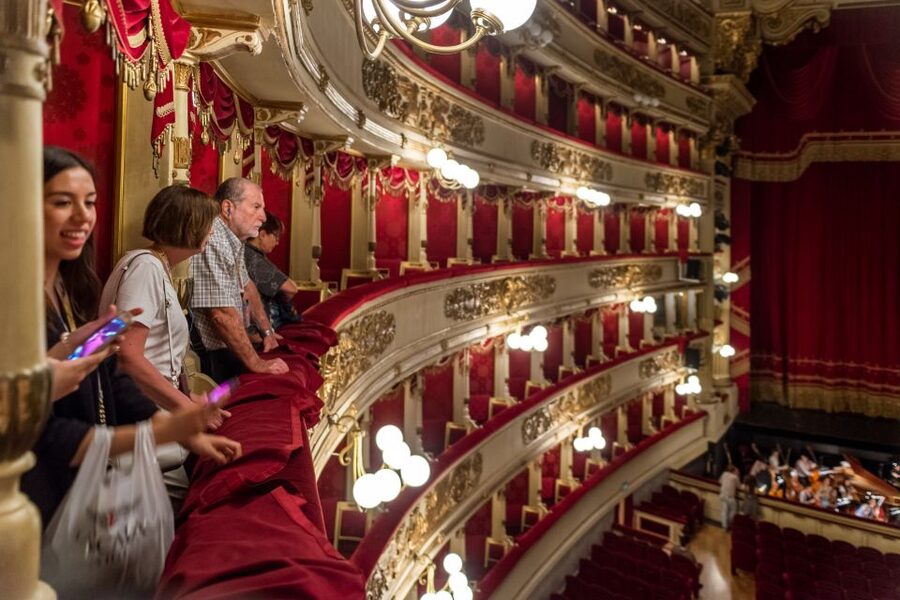
The crystal chandelier is an easy detail to overlook if you are rushing. Your guide can point it out and explain how the theatre’s appearance changes when the lights are lowered. One visitor particularly enjoyed seeing the lights turn down while technicians worked on stage.
You may also see the stage from the boxes, though the tour does not promise a backstage visit. Several people wished they could go farther behind the scenes. That is an important expectation to set: this is an auditorium and museum tour, not a technical theatre tour.
If you are lucky, you may hear a rehearsal. You might see musicians, singers, dancers, or stage crews working, but the exact experience depends on the schedule. The unpredictability is part of the charm, though it also means one departure can feel different from another.
For opera lovers, this possibility gives the tour extra appeal. For everyone else, it offers a glimpse of La Scala as a living institution rather than a silent historic room.
What you see in the La Scala Museum
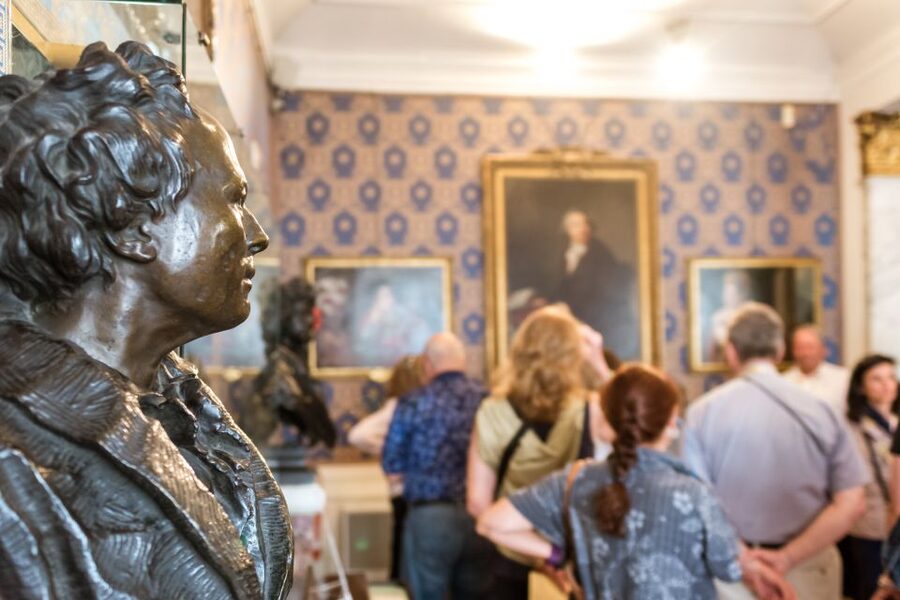
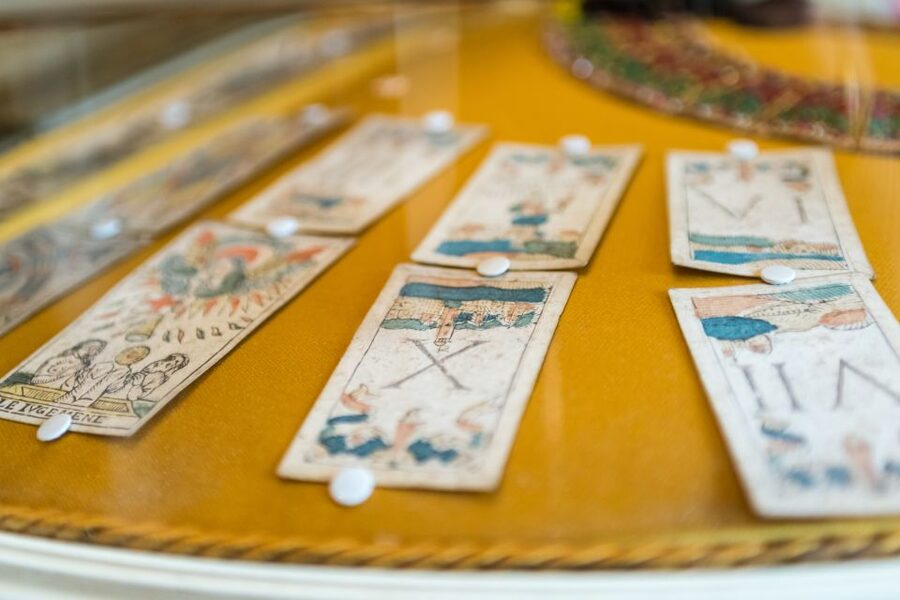
The museum is smaller than the theatre itself, and much of its display focuses on people connected with opera and classical music. You will see costumes, instruments, paintings, busts, portraits, and other musical objects.
The collection includes material connected with Giuseppe Verdi and Arturo Toscanini, along with other major artists. A guide can explain who these people were, how they worked, and why they mattered at La Scala. That background is especially helpful if names such as Barenboim, Toscanini, or Verdi are familiar but you do not know the full story.
The museum also puts faces to the building’s past. Instead of hearing only a list of famous composers, you can look at portraits and objects while the guide explains the personalities behind them. The best guides add anecdotes, which help break up the more formal music history.
Do not expect a vast museum with rooms of galleries. One visitor felt the museum was small and made up largely of portraits, while still finding the theatre itself beautiful. That is a fair assessment. The museum is most valuable as part of the guided visit, not as a separate destination that requires hours.
More Museum Tours in Milan
- Milan: Leonardo3 The World of Leonardo Museum Entry Ticket
★ 4.4 · 3,241 reviews - Milan: La Scala Theater and Museum Tour with Entry Tickets
★ 4.7 · 1,722 reviews - Milan: Cathedral, Archeological Area and Museum Ticket
★ 4.5 · 1,093 reviews - Casa Milan: Museum Entry Ticket
★ 4.6 · 969 reviews
How much the guide adds
This is where the $34 price needs a closer look. A self-guided visit can be cheaper, with a €12 entrance price noted for visiting without a guide. If you mainly want a quick look at the auditorium and a few photographs, paying more may not make sense.
If you want to understand what you are seeing, the extra cost is easier to justify. The guide explains the theatre’s past, identifies artists in the museum, points out details you might miss, and answers questions. One visitor who had previously visited La Scala without a guide found that the guided version made a major difference.
Guides have included Renata, Beatrice, Valentina, Claudia, Samantha, and others. Renata was praised for telling La Scala stories with energy, while Beatrice was noted for combining cultural background with an enthusiastic delivery. Valentina received credit for sharing plenty of information while keeping the 60-minute visit at a comfortable pace.
The quality of a live guide can vary, of course. Some guides speak softly, and one group found that more explanation was given in French than English because of the group’s language mix. Audio headsets have been provided on some visits and worked well, which helps in a room where several languages may be in use.
The advertised languages are English, Italian, German, Spanish, and French. Check the departure language when you book, especially if you want the guide to speak at length in a particular language.
Group size and the pace of the hour
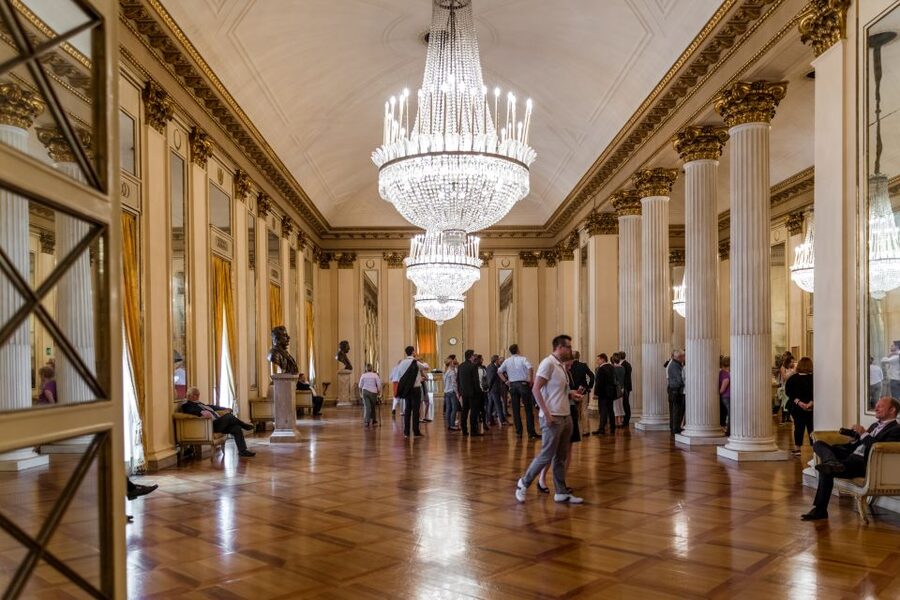
The experience is described as small group, but do not assume you will have a private visit with only a handful of people. One group had 24 participants. That is manageable, but it can feel crowded when everyone gathers in the boxes or smaller museum areas.
A strong guide matters here. The best approach is to stand where you can see both the guide and the object being discussed. The tour pace is generally steady, with time for explanations and questions rather than a hurried march from room to room.
The 60-minute length works well. You get the main theatre view, the museum highlights, and historical background without tiring of the subject. Some groups have also been allowed to stay afterward and look around on their own, including another visit to the theatre boxes. That extra time is a pleasant bonus, but you should not count on it as part of the guaranteed tour length.
Who will enjoy this most
I would choose this tour if you enjoy opera, classical music, theatre design, architecture, or cultural history. Opera fans will appreciate the chance to connect famous names with an actual stage. People who know little about opera can still enjoy the building and let the guide supply the missing context.
It is also a good choice for visitors who want a short indoor activity in central Milan. At one hour, it fits neatly into a busy sightseeing day. The theatre is accessible for wheelchair users, although the exact route and auditorium access can change during rehearsals or special events.
Families with older children may find the costumes and instruments more engaging than a conventional art museum. Young children who need a highly active visit may find the explanations slow, particularly if the group spends time on composer biographies.
If you are deciding between a performance and a tour, a tour is far easier to fit into a Milan itinerary. But it cannot replace sitting through an opera or ballet. The guide can explain the house and its traditions, while a performance lets you experience the theatre as it was built to function.
Practical details that matter
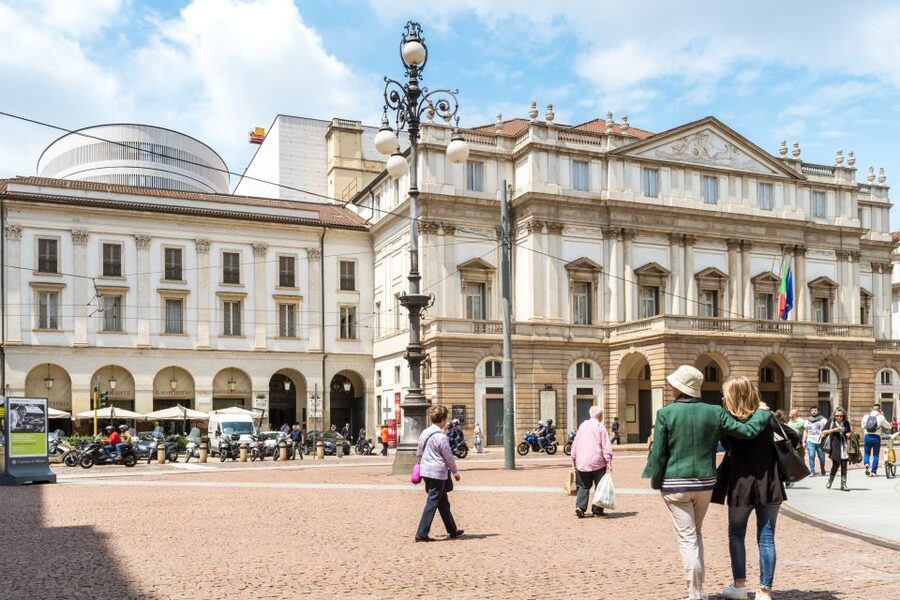
Meet at the entrance to the La Scala Museum, to the right of Il Foyer, at Largo Antonio Ghiringhelli 1 in Milan. Arrive early. This is not a place to cut things close, because late arrivals are not admitted and no refund is available.
Pets, food, drinks, luggage, and large bags are not allowed. Bring only what you need for the hour. A small personal bag is more practical than a suitcase or large daypack.
The experience includes admission to both the theatre and museum, plus a private guide for the tour. Food and drinks are not included, though the short duration makes that easy to handle before or after.
Free cancellation is available up to 24 hours before the scheduled start, and the reservation can be made with payment later. Those terms help if your Milan plans are still shifting, but they do not protect you from arriving late.
The theatre may not be fully available during rehearsals or special events. In some cases, you may be asked to wait, miss photography, or view the auditorium only from a restricted area. Treat the theatre access as subject to the building’s working schedule.
Is the $34 price fair?
The answer depends on your interests. Compared with the €12 self-guided entry mentioned for La Scala, $34 is a clear premium. You are paying for the guide, the organized access, the explanations, and the chance to ask questions.
I would call it fair value for someone who wants cultural context. The museum is not huge, and the visit is only an hour, so you are not buying a full-day museum experience. You are buying a focused introduction to one of Milan’s most important cultural buildings.
The value improves if you receive a lively guide and see a rehearsal. It is less compelling if you only want to take a quick look inside and do not care about the composers, performers, or theatre traditions.
The overall rating is 4.1 from 2,931 ratings, with especially strong praise for the guides, the theatre view, and the chance to see rehearsals. That pattern fits the experience: the building is the draw, but the guide determines how much you take away.
Should you book La Scala with a guide?
Book it if you want to know what you are looking at, especially if this is your first visit to La Scala. The third-level box view, crystal chandelier, museum objects, and stories about Verdi, Toscanini, and other artists make a compact and worthwhile Milan activity.
Skip the guided version if you only want the cheapest possible entrance or hope to explore backstage areas. The museum is relatively small, and auditorium access can be restricted by rehearsals or special events.
For most visitors, I would choose the tour over entering alone. A self-guided ticket saves money, but a good guide helps turn a beautiful room into a place with personalities, rivalries, performances, and working traditions. Arrive early, pack light, and treat any rehearsal you see as an unexpected extra.
FAQ
How long does the La Scala guided experience last?
The tour lasts one hour.
What does the ticket include?
It includes entrance to La Scala Theatre and La Scala Museum, along with a guided tour led by a private guide.
Where is the meeting point?
Meet at the entrance of La Scala Museum, to the right of the restaurant Il Foyer, at Largo Antonio Ghiringhelli 1 in Milan.
What languages are available?
Guides may conduct the tour in Italian, German, Spanish, English, or French.
Can I see the La Scala auditorium?
Yes. The standard visit includes a view of the theatre from the third-level boxes, giving you an overview of the auditorium.
Will I see a rehearsal?
You might. Rehearsals and special events can affect access, and the theatre portion may not be available at the usual time.
Can I visit backstage?
Backstage access is not included in the stated experience. The tour focuses on the auditorium, boxes, theatre areas, and museum.
Is the tour wheelchair accessible?
Yes, the activity is listed as wheelchair accessible.
Are food, drinks, pets, or large bags allowed?
No. Pets, food, drinks, luggage, and large bags are not allowed.
What happens if I arrive late?
Late entry is not allowed, and no refund is available if you miss the scheduled start. Arrive at the museum entrance early.
Just added around Milan
- Canyoning “Gumpenfever” – beginner Canyoningtour for everyone★ 5.0 · 391 reviews
- Bergamo: Digital guide made by a local for your walking tour★ 5.0 · 184 reviews
- Milan: City Highlights Walking Tour with The Last Supper★ 4.9 · 195 reviews
- Milan: The Milan Pass City Card★ 4.0 · 655 reviews
- Milan: Duomo & Rooftop Tour with Optional Hop-On Hop-Off Bus★ 4.5 · 262 reviews
- Milan: Skip-the-Line Guided Walk and “The Last Supper”★ 4.5 · 606 reviews
- Milan: Duomo and The Last Supper Skip-the-Line Guided Tour
- Milan: Leonardo’s Last Supper and Michelangelo’s Pietà Tour★ 4.6 · 559 reviews
Museums, compared.
Vatican: Museums & Sistine Chapel Entrance Ticket
Read our review →
Vatican Museums & Sistine Chapel Tour with Optional Basilica
Read our review →
Vatican Museums, Sistine Chapel & St Peter’s Basilica Guided Tour
Read our review →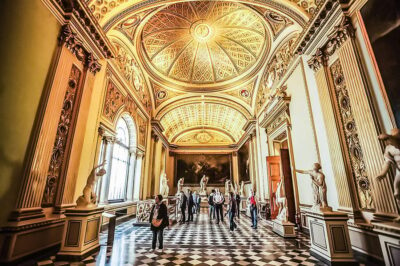
Skip-The-Line Uffizi Gallery Timed Entry Ticket
Read our review →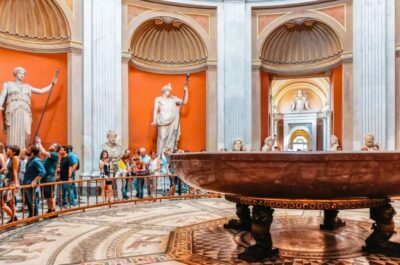
Vatican Museums, Sistine Chapel & Basilica Tour
Read our review →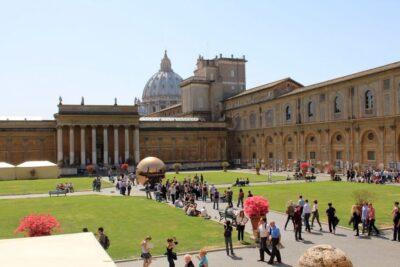
Vatican Museums & Sistine Chapel Skip-the-Line Entry Ticket
Read our review →Vatican Museums, Sistine Chapel & Basilica Tour
Read our review →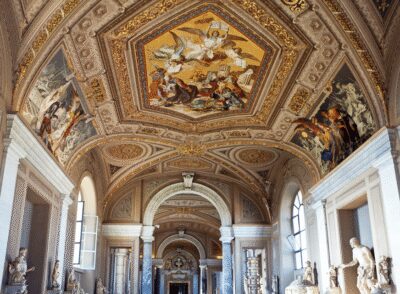
Vatican Museums & Sistine Chapel Guided Tour
Read our review →Browse the lists this tour appears in