
Reviewed · VENICE TOURS
Tour of The Real Hidden Venice
Venice feels most rewarding when you leave the main tourist routes. This two-hour walk begins near Santa Lucia Station and threads through Cannaregio, the Jewish Quarter, quiet canals, old workshops, and small squares before ending at Rialto Bridge and market. You get the city’s famous landmark at the finish, but the real pleasure is the less-traveled route that leads there.
I like the small group limit of 15, which gives you a fair chance to ask questions without being lost in a crowd. I also like the local focus: guides such as Nico, Sebastiano, Giovanni, and others bring in everyday topics such as water, transport, food, schools, and the practical problems of keeping Venice alive.
The main drawback is that the tour can involve long stops with a lot of explanation, and one group found the guide hard to hear despite having only six people. If you want constant walking or a brisk sightseeing pace, this may feel slow. The meeting point also requires care, especially if you are coming from a cruise ship or staying near St. Mark’s Square.
Key points to know before booking
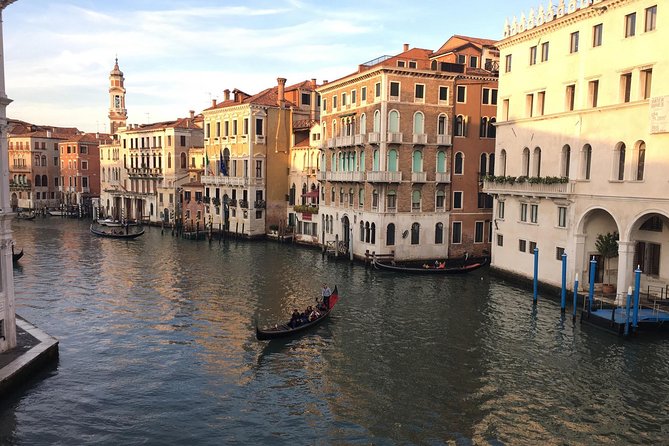
- Quiet Cannaregio route: See a calmer side of Venice before reaching the Rialto district.
- Maximum 15 people: The group size is small enough for questions and conversation.
- Local stories beyond monuments: Expect discussion of Venetian daily life, food, transport, water, and the city’s future.
- Historic Jewish Quarter: Learn about the area associated with the origin of the word ghetto.
- Several unusual sights: Look for the Camel House, a gondola workshop, Ponte Chiodo, and the original paving outside Madonna dell’Orto.
- Useful first-day orientation: The route helps you understand Venice’s districts and gives you a good starting point for further exploring.
Why this route gives you a better first look at Venice
Many first-time visitors experience Venice as a chain of famous stops: Santa Lucia Station, St. Mark’s Square, the Doge’s Palace, and Rialto Bridge. Those sights matter, but they do not explain much about how the city works.
This tour takes a different approach. You walk from the station area through Cannaregio, where the canals feel quieter and the streets less polished for mass sightseeing. Your guide connects buildings and bridges with stories about the people who lived there, the trades that supported Venice, and the daily challenges of life on a lagoon.
That local angle is the tour’s strongest feature. Guides have discussed water supply, public transport, school life, historic neighborhoods, restaurant customs, and even difficult periods in Venice’s recent past. Some guides also offer food suggestions and help with onward travel, including directions for reaching Murano by ferry.
The experience is offered in English, and you receive a city map. It lasts about two hours and ends near Rialto Bridge, so you can continue sightseeing, find lunch, or reach the market without retracing your steps.
A few more Venice half-days worth a look
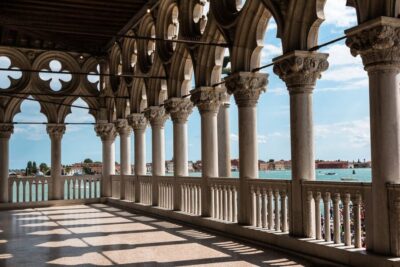
- Venice: Doge’s Palace Reserved Entry Ticket
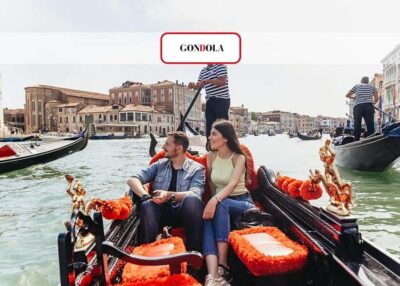
★ 4.6 · 42,716 reviews - Venice: Grand Canal Gondola Ride with App Commentary
★ 4.1 · 18,908 reviews - Boat Trip: Glimpse of Murano, Torcello & Burano Islands
★ 4.3 · 15,699 reviews
Starting at Campo San Geremia near Santa Lucia
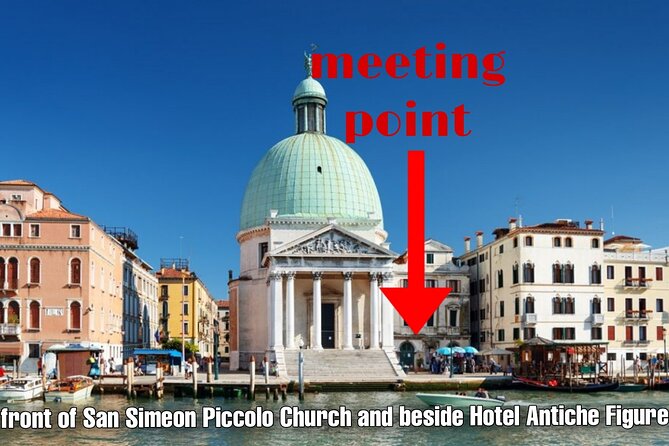
The advertised meeting point is in front of Hotel Antiche Figure at Fondamenta San Simeon Piccolo, near Venice Santa Lucia railway station. The tour begins at Campo San Geremia, a small square in Cannaregio.
Pay close attention to this detail. The meeting point is not a general hotel pickup service, and the tour does not include pickup or drop-off at your accommodation. If you arrive by train, this location is practical. If you are coming from St. Mark’s Square, allow plenty of time to cross Venice on foot or use public transport.
The opening stop is brief, about five minutes. Your guide explains the unusual and comic story connected with the campo, or Venetian square. It is a light way to begin, and it sets the tone for a walk that mixes architecture and history with stories about real people.
You also receive one city map per person. That is useful in Venice, where a map helps you see the six main districts and understand why a route that looks short can include several bridges and turns.
Entering the Jewish Quarter through Cannaregio
From Campo San Geremia, you cross quiet footbridges toward Venice’s historic Jewish Quarter, known in Italian as the Ghetto Ebraico. The visit takes about 15 minutes.
This is one of the most important parts of the route. The word ghetto is associated with Venice, and your guide explains the area’s origins and development. The stop is primarily an outdoor walk and talk, so expect historical explanation rather than a long museum visit.
This section can be especially useful if you want context for the city’s social history. It also requires patience. One account found the explanation interesting but felt the group spent too long standing in one place. If you arrive tired, or if the weather is poor, a stationary history talk may feel harder than walking.
The group size matters here. With no more than 15 people, the guide can take questions and adjust the explanation more easily than on a large city tour. A private option is also available if you want a more flexible pace or a more personal conversation.
Quiet canals and the everyday side of Cannaregio
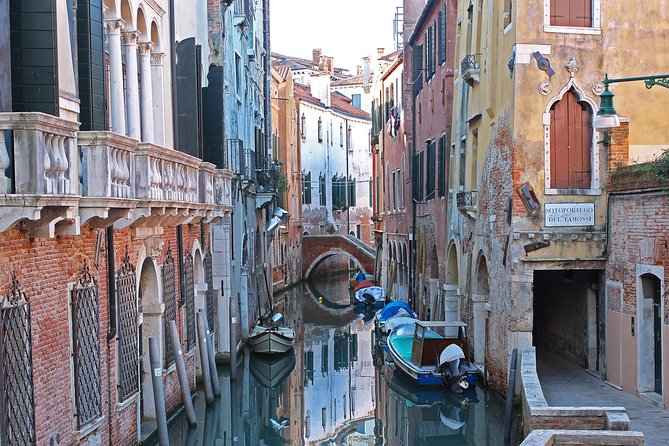
The tour then spends around 30 minutes in Cannaregio, following quieter canals and footbridges. This is where the route earns its title.
You are not simply being led to a famous building. You are given time to notice how Venice looks away from the busiest lanes: laundry, small passages, water-level doors, working boats, and canals that are used as part of daily transport. The information provided does not promise access to private homes or businesses, so think of this as a street-level look at local surroundings rather than a behind-the-scenes tour.
This portion also offers some of the best photo chances. The canals are less crowded, and you can pause without the pressure of a solid stream of visitors behind you. Several guides have also pointed out places to eat and drink that suit local habits, which can be more useful than another list of major sights.
The tradeoff is that the quality of this section depends heavily on the guide. Guides such as Nico, Sebastiano, and Thomas have been praised for adding personal details, humor, and practical recommendations. A less engaging guide could make the same streets feel like a standard orientation walk.
Same city, a completely different sort of day:
- Venice: Grand Canal by Gondola with Live Commentary
★ 4.1 · 13,681 reviews - Venice: La Fenice Opera House Entry Ticket with Audio Guide
★ 4.6 · 11,742 reviews - Doge’s Palace & St. Mark’s Basilica with Terrace Access Tour
★ 4.7 · 10,697 reviews - Venice: Burano, Torcello & Murano Boat Tour w/Glassblowing
★ 4.4 · 10,245 reviews
Madonna dell’Orto and Venice’s original paving
The route continues to the Church of the Madonna dell’Orto. The church is associated with Tintoretto paintings, making it an important art stop on an otherwise neighborhood-focused walk.
You will also see the original floor or paving in front of the church. This small detail helps you look down as well as up. Venice is famous for palaces and canals, but its paving, bridges, drainage, and water-level construction tell you a lot about how the city has adapted to its setting.
The listed church admission is not included, so confirm with your guide what you will see during the tour and whether entering requires a separate payment. The experience description says to step inside, while the itinerary notes that admission is not included. That means you should not assume all entry costs are covered in the $47.16 price.
The stop is scheduled for about five minutes, so this is not an extended art tour. If Tintoretto is a major reason for your visit, you may want to return independently with more time.
The Camel House and a working gondola tradition
At Palazzo Mastelli, also called the Camel House, your guide explains the legend behind the building’s unusual nickname. The stop lasts about five minutes and is free.
The building is a good example of why a local guide can improve a walk through Venice. You might pass it alone and notice the facade, but miss the story that makes it memorable. The focus is not only on grand palaces. It is on the small clues that help you read the city as you walk.
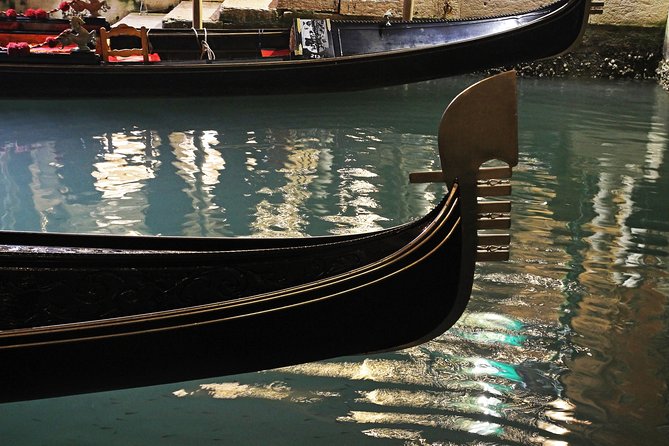
Next comes Squero dei Muti, described as an old gondola factory or workshop. You view it from the route rather than taking part in a boat-building activity. This is a valuable reminder that gondolas are working craft, not only romantic props for visitors.
The guide can explain how traditional trades fit into modern Venice. The stop is short, about five minutes, but it breaks up the historical material with something practical and visual.
Ponte Chiodo and the unusual bridges of Venice
Ponte Chiodo is another short stop. It is presented as an original bridge from the Venetian Republic and offers a chance to notice a bridge style that differs from the more familiar stone crossings.
Venice rewards close attention. A bridge is not just a way across a canal. Its shape, railings, steps, and relationship to nearby doors show how the city was built for movement on foot and by boat.
This is also a point where you should expect uneven walking conditions. The tour requires moderate physical fitness, and Venice’s bridges mean steps are part of the route. There is no stated accessibility arrangement, so anyone with mobility concerns should study the route and meeting point carefully before booking.
A cruise passenger gave up on the tour after finding the walk from St. Mark’s Square to the starting area too long for a companion with mobility problems. That is a useful warning: the route itself is not the only walking you must plan. Getting to the start can add a substantial distance.
Arriving at Rialto Bridge and Campo San Giacomo
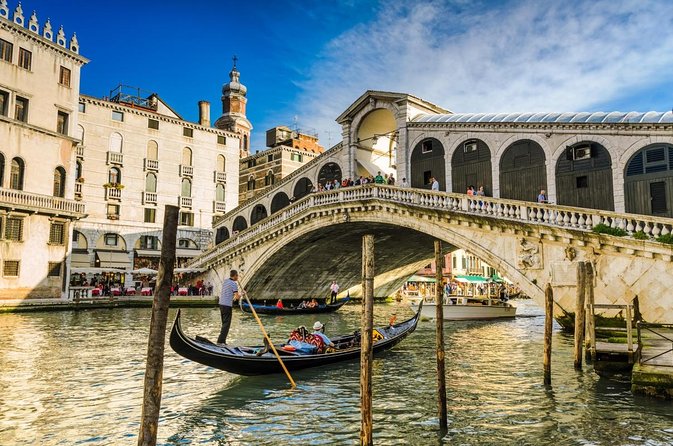
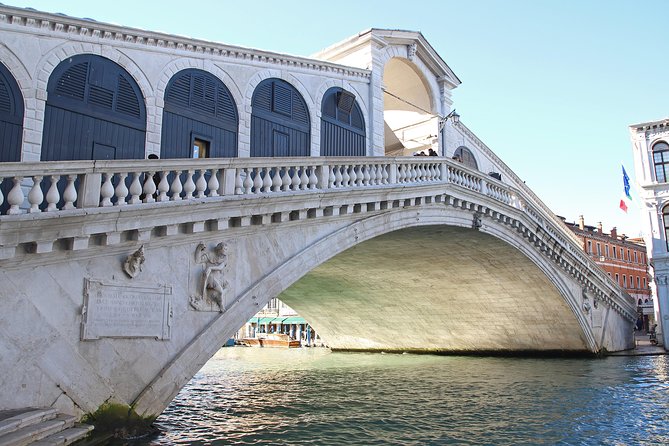
The final section brings you to Ponte di Rialto, the first bridge built across the Grand Canal. The stop lasts about 15 minutes.
Rialto is one of Venice’s busiest sights, but the guide gives it more meaning than a quick photo stop. You hear about traditions, legends, and the bridge’s place in the city’s development. After spending much of the tour in quieter streets, arriving here creates a clear contrast between local lanes and the city’s central stage.
The tour then continues to Campo San Giacomo di Rialto, described as the first inhabited island of Venice. This adds another layer to the city’s origin story and gives you a useful geographic anchor.
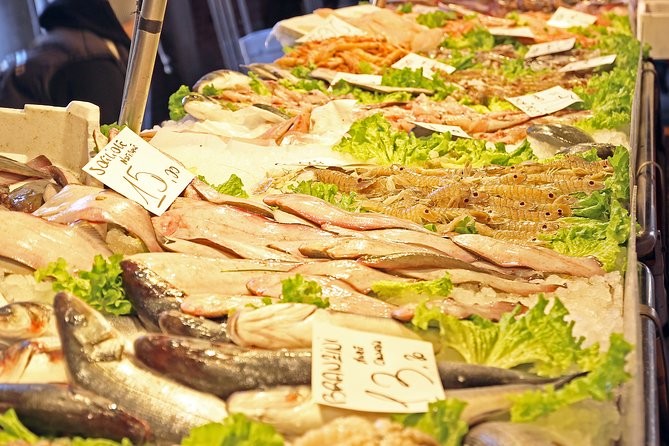
Finally, you reach the Rialto Market, once the central trading area of the Venetian Republic. The market stop is listed at about 15 minutes. Depending on the time and day, you might find the area active with trade or quieter than expected, but the important point is its role in Venice’s commercial life.
The official end is near Rialto Bridge. That makes the tour easy to combine with lunch, further market exploration, a vaporetto ride, or a walk toward San Marco.
What the $47.16 price gets you
At $47.16 per person, this is not the cheapest way to walk around Venice, since the streets, bridges, and public squares cost nothing to enter. You are paying for a local English-speaking guide, a planned route, explanations at each stop, a map, and the chance to ask questions in a small group.
I think the value is strongest if this is your first day in Venice. A good guide can save you time by explaining the city’s layout and pointing out areas you may want to revisit. Food advice and transport help can also prove useful during the rest of your stay.
The value is less clear if you already know Cannaregio well or prefer to explore at your own speed. The route includes several short stops, and some guides may spend a long time talking before moving on. A private tour costs more than the advertised group rate, but it may suit families or couples who want to control the pace and ask more questions.
The tour has a 4.9 rating from 2,006 reviews, with 97 percent of customers recommending it. Those numbers suggest a strong record, but you should still match the style to your interests. This is a walking and storytelling experience, not a museum tour, food tour, or gondola ride.
Timing, group size, and practical planning
The advertised duration is about two hours. Plan for steady walking over bridges and around canals, with several pauses for explanation. Wear shoes that handle hard paving and steps, and allow extra time to reach the starting point.
The maximum group size is 15. That is small enough for a personal feel, though hearing can still be an issue if the group gathers in a noisy square. Stay close to the guide and ask to move nearer if needed.
The tour requires good weather. If poor weather forces cancellation, you are offered another date or a full refund. You can also cancel for a full refund up to 24 hours before the start time. Changes or cancellations made inside that window are not accepted.
On certain dates, day visitors staying outside Venice may need to pay a €5 access fee. Check the official Venice access-fee website before your visit, since the rule depends on the date and exemptions may apply.
Who should book The Real Hidden Venice?
I would choose this tour for a first or second visit, especially if you want a clearer sense of Venice beyond St. Mark’s Square. It suits curious walkers, families with older children, and anyone who enjoys local stories more than a rapid checklist of monuments.
It is also a good choice for travelers who want to begin with orientation. The route introduces several districts, ends in a useful central area, and can leave you with ideas for restaurants, bars, museums, and ferry trips.
I would think twice if you have limited mobility, dislike bridge steps, or are arriving from a cruise ship with little time between docking and the start. I would also skip it if your priority is seeing the inside of major museums or spending long periods with Tintoretto’s art.
Should you book it?
Book this walk if you want quiet canals, local context, and a small-group guide before tackling Venice’s busiest sights. Its best moments are the ordinary ones: crossing a quiet bridge, spotting a gondola workshop, hearing why a palace is called the Camel House, and learning how the city works today.
The practical choice is to book it early in your stay, arrive at the meeting point with time to spare, and treat the tour as an introduction rather than the final word on Venice. For most first-time visitors who can manage two hours of walking, the $47.16 price is fair, especially when a strong local guide turns streets you might overlook into part of the story.
FAQ
Where does the tour start?
It starts near Campo San Geremia, at the meeting point in front of Hotel Antiche Figure on Fondamenta San Simeon Piccolo, near Santa Lucia railway station.
Where does the tour end?
The tour ends near Rialto Bridge in central Venice.
How long does the tour last?
The walking tour lasts about two hours.
What language is the tour offered in?
The tour is offered in English.
How large is the group?
The group tour has a maximum of 15 travelers. A private tour option is also available.
Is hotel pickup included?
No. Pickup and drop-off at your hotel are not included. The included meeting arrangement is in front of Hotel Antiche Figure.
Is admission to Madonna dell’Orto included?
The church admission is not included. Check the entry details with your guide when you arrive.
Is the tour suitable for children?
Children may join, but they must be accompanied by an adult.
Does the tour require much walking?
Yes. You should have a moderate level of physical fitness and be prepared to cross Venetian footbridges and walk through several districts.
Can I cancel for a refund?
You can cancel at least 24 hours before the start time for a full refund. If poor weather or an insufficient number of participants cancels the experience, you are offered another date or a full refund.
Just added around Venice
- Boat Tour at Devil’s Saddle: 4 Swim Stops, Snorkeling & Prosecco★ 5.0 · 263 reviews
- Catamaran tour stops bathing and snorkeling toast with prosecco★ 5.0 · 214 reviews
- St Mark’s Basilica and Doge’s Palace Priority Entry Ticket★ 4.2 · 885 reviews
- Venice: Lords of the Night Prison’s Palace Cells & Tortures★ 4.0 · 1,067 reviews
- Venice: Hard Rock Cafe with Set Menu for Lunch or Dinner★ 4.4 · 1,102 reviews
- Venice: Doge’s Palace and St. Mark’s Basilica Guided Tour★ 4.6 · 458 reviews
- Venice: Walking tour, Doge Palace, & St. Mark’s Basilica★ 4.5 · 884 reviews
- Punta Sabbioni: Murano, Burano & Torcello Guided Boat Tour★ 4.3 · 236 reviews
Venice Tours, compared.
Grand Canal Gondola Ride with App Commentary
Read our review →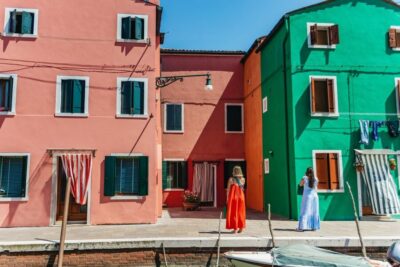
Boat Trip: Glimpse of Murano, Torcello & Burano Islands
Read our review →
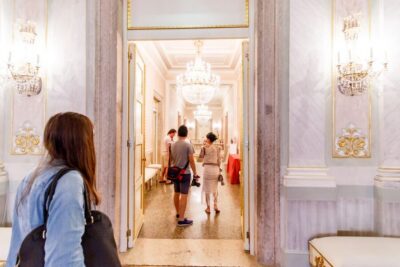
La Fenice Opera House Entry Ticket with Audio Guide
Read our review →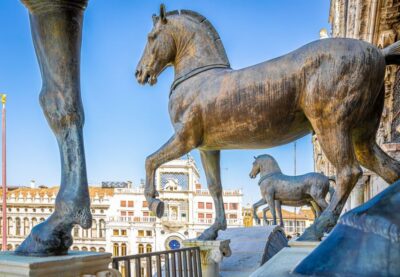
Doge’s Palace & St. Mark’s Basilica with Terrace Access Tour
Read our review →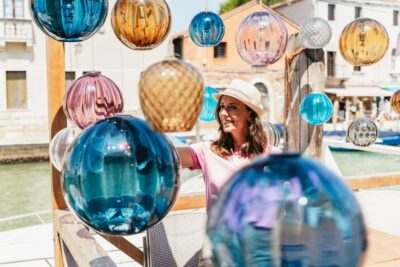
Murano and Burano Boat Tour with Glass Factory Visit
Read our review →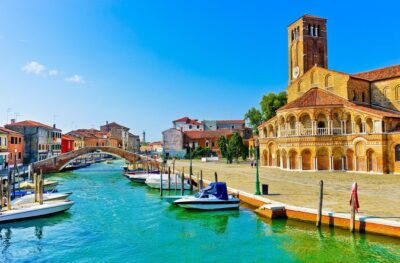
Murano, Burano and Torcello Half-Day Sightseeing Tour
Read our review →Browse the lists this tour appears in