

Reviewed · ACCADEMIA GALLERY TOURS
Skip-the-Line Accademia Tour – See Michelangelo’s David!
Florence’s Accademia Gallery is small, but its main attraction is enormous: Michelangelo’s David rises more than five meters above you in a quiet, purpose-built hall. This one-hour tour gets you through a separate entrance and adds an English-speaking guide who explains the statue, the unfinished Prisoners, and the museum’s less famous works.
I like the small groups of up to nine and the clear focus on David and Michelangelo. I also like the guide’s use of audio equipment, especially when the gallery fills with visitors. Guides such as Julia, Elizabeth, Francesca, Elia, and Francesco have been praised for lively storytelling and strong art knowledge.
The main drawback is timing. A one-hour visit is efficient rather than leisurely, and the skip-the-line entrance may still involve a short wait. At $70 per person, you are paying for access, organization, and interpretation, not simply admission.
Key points to know before booking
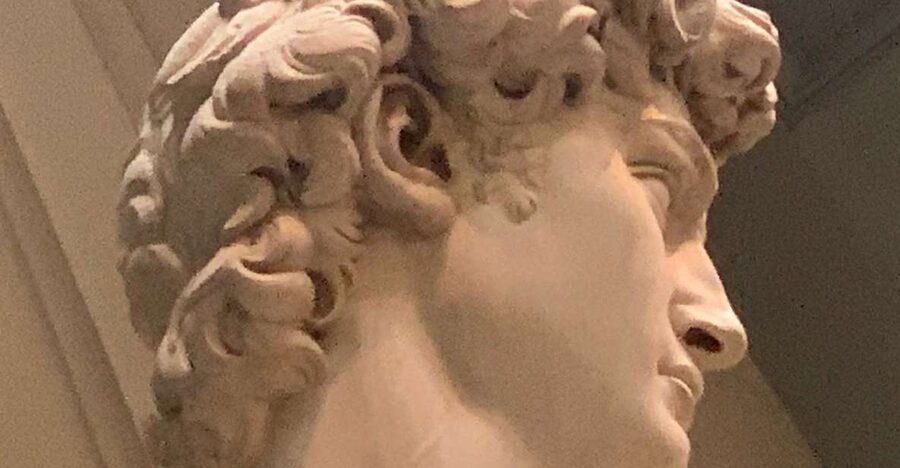
- David is the centerpiece: You get close to Michelangelo’s most famous sculpture and learn about its symbols, commission, and place in Florence.
- The Prisoners reveal the process: These unfinished figures show how Michelangelo’s forms appear to emerge from the marble.
- A short tour with useful structure: The guide covers the gallery’s main rooms in about 55 minutes.
- The queue advantage matters: Accademia lines can stretch along the narrow street, especially at busy times.
- The group is limited to nine: This makes it easier to hear explanations and ask questions.
- You may stay after the guided portion: The tour ends inside the gallery, allowing you to look around on your own.
Why the Accademia queue changes the visit
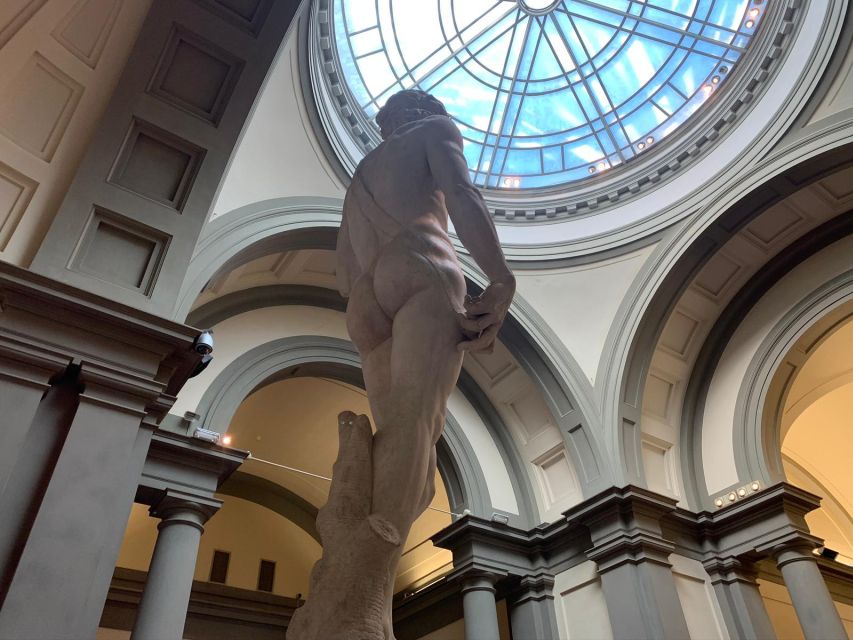
The Accademia is one of Florence’s most popular stops because David is not tucked away in a corner. He is the reason many people come to the museum at all. Public ticket lines can be long, and the street outside offers little shelter or entertainment while you wait.
This tour meets at Via Cavour 21 red, near the operator’s office. In Florence, red street numbers are separate from black numbers, so look specifically for the red 21 between black numbers 11 and 13. From there, you walk for about five minutes to the gallery.
The separate entrance is the practical heart of the experience. It does not always mean walking straight inside with no pause, since groups may wait briefly while tickets or entry arrangements are handled. Still, even a short wait is far better than losing a large part of your morning or afternoon in the public queue.
At busy times, organization matters. One guide helped a late-arriving participant catch up with the group, while another guide kept people together in the crowded approach to the museum. That kind of assistance is useful in Florence, where a missed meeting point or delayed entry can throw off the rest of your day.
More Skip-the-Line Tickets in Florence
- Florence: Skip-The-Line Uffizi Gallery Timed Entry Ticket
★ 4.5 · 27,832 reviews - Florence: Michelangelo’s David Skip-the-Line Entry Ticket
★ 4.5 · 12,764 reviews - Florence: Skip-the-Line Uffizi Small Group Tour
★ 4.6 · 5,926 reviews
Meeting the guides near Via Cavour
The tour begins outside the Florence Tours Enjoy Biking office. This is not a hotel pickup service, so you need to reach the meeting point yourself and arrive ready for a short walk.
The operator supplies audio equipment so you can hear the guide inside the gallery. This is a real advantage in crowded rooms. Guides including Elizabeth, Julia, Francesca, Elia, Irina, Laura, Rosa, Anna, and Francesco have been singled out for clear explanations, warmth, and enthusiasm for Florence and Michelangelo.
Guide quality is important here because the museum itself is not enormous. You are not booking hours of sightseeing. You are booking a well-shaped explanation of a small collection, with David as the main lesson. The best guides connect the sculpture to Florence’s politics, artistic traditions, and Michelangelo’s working methods.
The equipment is helpful, though it may not be perfect every time. One participant reported interference while listening. If you have trouble hearing, tell the guide at once rather than quietly missing half the explanation.
The Hall of Prisoners and Michelangelo’s unfinished figures
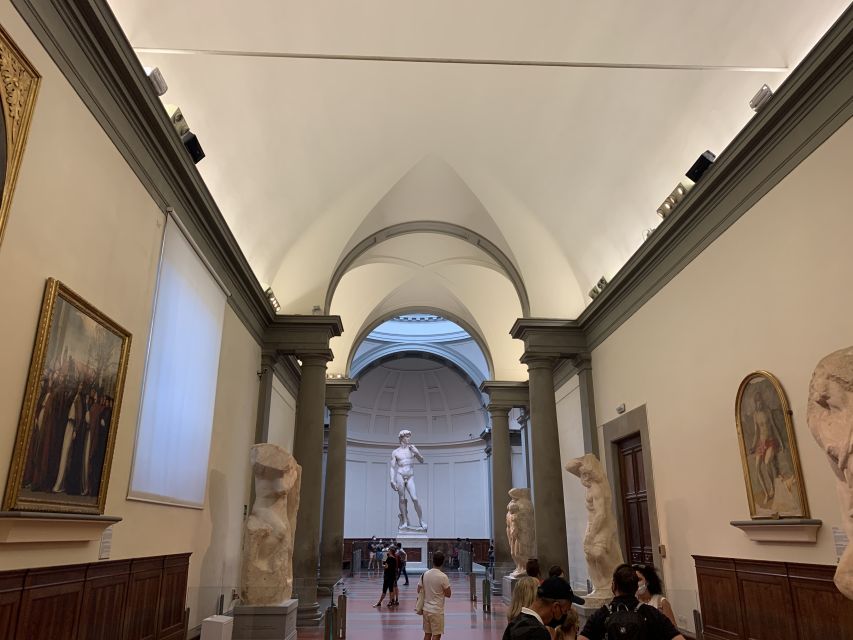
The Hall of Prisoners is usually the first major stop. It contains Michelangelo’s unfinished sculptures, often called the Prisoners or Slaves. Their rough surfaces and partly formed bodies offer something David cannot: a direct look at the artist’s process.
Your guide can point out how the figures seem to push forward from the marble. The unfinished stone is not just a lack of final polishing. It helps you think about the difference between a completed commission and a work still in progress.
This room gives the tour a strong beginning because it prepares you to look at David differently. You begin to notice the relationship between the block of stone and the finished human form. Guides also explain Michelangelo’s methods, influences, and the conditions in which he worked.
The room can feel crowded, so do not expect to examine every figure in complete quiet. The audio system helps, and the small group makes it easier to stay near the guide. You will likely have time to look again after the main explanation, but this is not a slow studio seminar.
David, seen close enough to read his expression
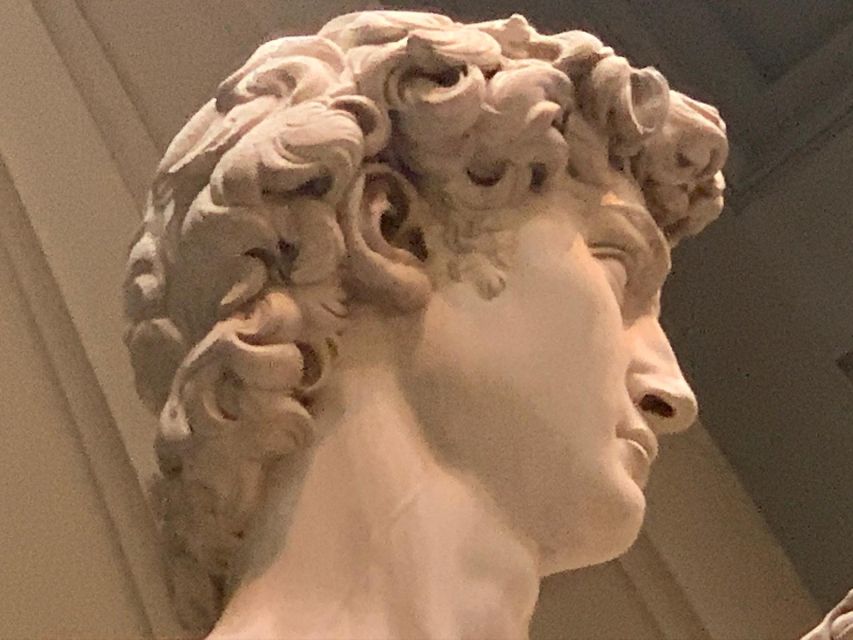
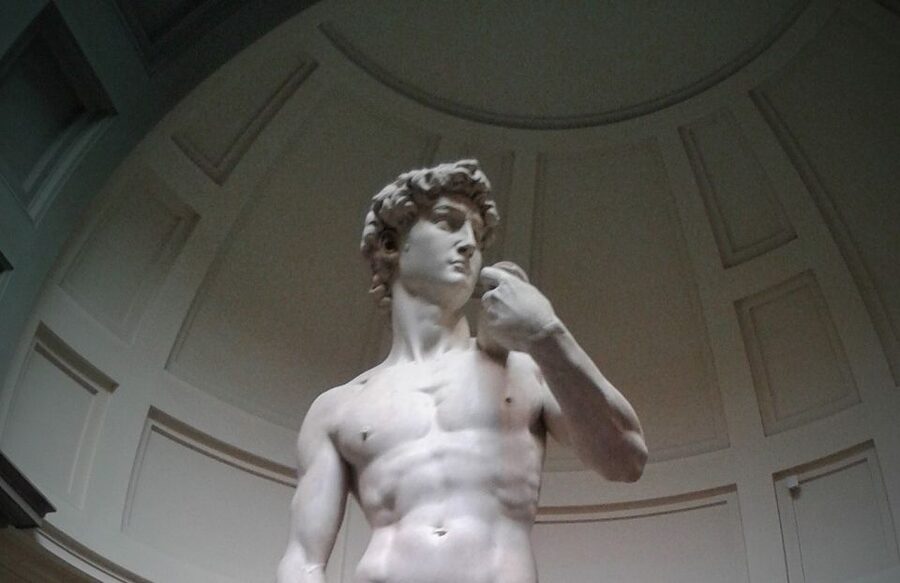
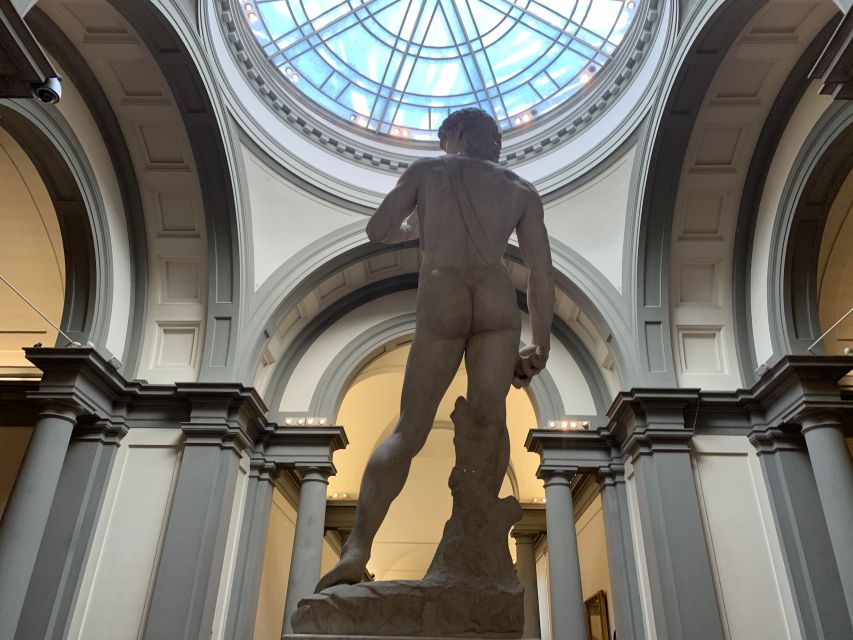
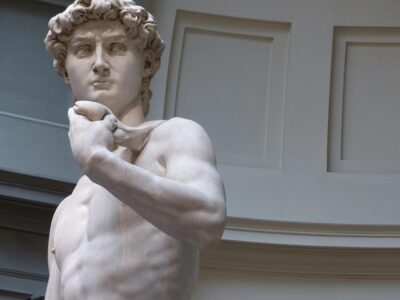
The gallery’s central reward is David. At more than five meters tall, the statue is much larger and more forceful than photographs suggest. Its scale changes your first reaction. You look up, then begin to notice the details in the face, hands, posture, and body.
A guide adds meaning to that first sight. You learn about the sculpture’s creation, its symbolism, and its role in Florence. The statue began as a biblical subject, but David also became a powerful symbol for the city. That context helps explain why the work mattered beyond its technical skill.
The famous figure is often praised as perfect, but a good explanation makes clear that the work is also about tension. David appears calm, yet his alert expression and stance suggest the moment before action. Your guide may point out details that are easy to miss when you are focused only on the overall shape.
You get time for photographs after the explanation, though the gallery is shared with other people. Do not expect to pose directly beside the sculpture or have an empty room around you. The benefit of the tour is that you arrive with a clearer way to look, not that you control the space.
The strongest guides make this section feel like a compact art lesson. Elizabeth has been praised for linking David to Michelangelo’s life and Florence’s past. Rosa’s background in art history and long experience discussing David made her explanations especially detailed. Francesca has been praised for making the subject engaging for both adults and children.
More ways to stand in front of the David:
- Florence: Timed Entrance Ticket to Michelangelo’s David
★ 4.6 · 16,983 reviews - Florence: Michelangelo’s David Priority Ticket & Audio App
★ 4.4 · 6,812 reviews - Florence Accademia Gallery Tour with Entrance Ticket Included
★ 4.5 · 6,148 reviews - Florence: Accademia Gallery Guided Tour
★ 4.6 · 4,156 reviews
Musical instruments from the Medici collection
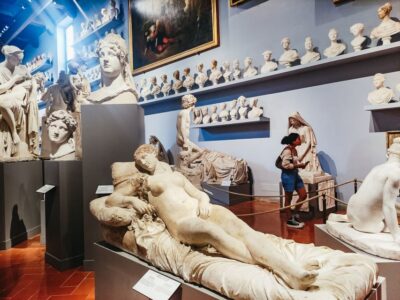
The tour continues to the Musical Instruments Museum, which adds variety after the marble figures. Here you see instruments connected to the Medici collection, including Stradivari violins and early pianos.
This section will appeal to you if you like court life, music, or the practical side of art history. The instruments show that Florence’s artistic world was not limited to painting and sculpture. Music, patronage, craftsmanship, and prestige all worked together in the city’s ruling circles.
The room is not as famous as David’s hall, so it can be easy to rush past it on your own. A guide gives the instruments a reason to matter. Elizabeth, in particular, has been praised for explaining the background of the instruments and their place in the collection.
Keep your expectations measured. The Accademia is a compact museum, and the instrument displays do not turn the tour into a separate music program. They are one chapter in a short visit, useful for showing the range of the museum and the interests of the Medici family.
Paintings that chart Florence’s changing style
The final part of the visit includes Byzantine influenced paintings and altarpieces from Florence’s medieval and Renaissance periods. After the muscular clarity of Michelangelo, these works can feel more formal and repetitive, especially if religious painting is not your main interest.
That does not make them filler. They help you see how Florentine art changed over time. The images show earlier conventions, religious themes, and the development toward the greater naturalism and human presence associated with the Renaissance.
This is where a guide makes the largest difference. Without context, you may see a series of similar altarpieces. With an explanation, you can compare composition, figures, color, and devotional purpose. The tour does not spend equal time on every painting, which is sensible given the one-hour limit.
If your main goal is David, you will not feel that the additional rooms take over the experience. If you love medieval art, you may wish you had more time afterward to inspect the paintings independently.
What one hour really gives you
The stated duration is one hour, with about 55 minutes inside the Accademia after the short walk from the meeting point. That is enough for the major rooms and a focused explanation, but it is not enough for a slow museum visit.
I see the short format as a benefit if you are building a busy Florence schedule. You can visit the gallery in the morning and still have time for the Duomo, the Uffizi, or an afternoon walk. It also works well for families and for anyone who wants a clear introduction without spending half a day indoors.
The limit becomes noticeable if you like to read every label, sketch, photograph each object, or return repeatedly to David. The guide leaves you in the gallery after the tour, so you may have a chance to continue looking, but the guided portion itself moves with purpose.
One participant wished the walking portion of a broader experience had come before the Accademia. For this one-hour visit, there is no extended city walk to worry about. The simple route from the office to the museum keeps the schedule easier to follow.
Is $70 good value?
At $70 per person, this is not the cheapest way to enter the Accademia. The value depends on what you want from the visit.
If you can secure a regular museum ticket and are happy to read about David on your phone, you may prefer to save the money. The gallery is small enough to visit independently, and the statue itself does not require a guide to impress you.
I think the price is easier to justify when public tickets are sold out, when you are visiting during a busy period, or when your Florence schedule is tight. The separate entrance can save substantial time, and the guide gives you context that admission alone does not provide.
A small group also improves the value. You are not one face in a large crowd struggling to hear. You can ask a question, stay close to the guide, and follow a clear route through the museum. The main complaint to keep in mind is that the same tour price may apply on dates when museum admission is free. If you are especially price-conscious, check the date and admission conditions before booking.
Who should book this Accademia tour?
I would choose this tour for a first visit to Florence, a short city break, or a last-minute attempt to see David after regular tickets disappear. It suits you if you want the famous statue explained rather than simply photographed.
It is also a good fit for families. Several guides have been praised for speaking clearly and keeping younger listeners interested. The one-hour length is manageable, and the small group makes it easier to keep children near the guide.
Art students, museum regulars, and people with a strong interest in Renaissance painting may want more time than the tour provides. You can still use the visit as an introduction, then remain inside to explore independently if permitted by the entry conditions.
The tour is wheelchair accessible, and hotel transportation, food, and drinks are not included. The tour is offered in English, with a live guide. Cancellation is free up to 24 hours before the start time, and you can reserve while paying later, which helps if your Florence schedule is still shifting.
My verdict: book for access and interpretation
Book this if you want to see David without gambling on a long public queue and you value a strong human explanation. The best part is not simply getting inside. It is hearing why the Prisoners matter, what makes David more than a beautiful body in marble, and how the surrounding collection fits Florence’s artistic story.
Skip it if you already have guaranteed museum entry, dislike guided visits, or want a slow and solitary look at every painting. For most first-time visitors, though, the combination of a small group, short route, and experienced English-speaking guides makes this a practical choice. You get the essential Accademia in one hour, then keep the rest of the day for Florence.
FAQ
How long does the Accademia tour last?
The tour lasts one hour. The itinerary includes about five minutes on foot from the meeting point and about 55 minutes at the Accademia Gallery.
Where is the meeting point?
Meet at Via Cavour 21 red, between black numbers 11 and 13. The red number is important because Florence uses separate red and black street numbering.
Does the tour include Accademia Gallery admission?
Yes. The price includes an Accademia Gallery entry ticket with skip the line access.
Is there a separate entrance for the tour?
Yes. The tour uses a separate entrance for skip the line access, though a short wait may still occur before entry.
Will I see Michelangelo’s David?
Yes. Seeing David is the main focus of the visit, and the guide explains its creation, meaning, and place in Florence.
What else does the guide explain?
The route includes the Hall of Prisoners, the Musical Instruments Museum, Byzantine influenced paintings, and altarpieces from the museum’s collection.
Is the tour given in English?
Yes. The tour includes a live English-speaking guide.
How large is the group?
The group is limited to nine participants.
Is audio equipment provided?
Yes. Audio equipment is included so you can hear the guide inside the gallery.
Can I cancel the booking?
You can cancel up to 24 hours before the tour for a full refund. The booking also offers a reserve now and pay later option.
Just added around Florence
- Walking Food Tour of Florence with Tastings and Wine★ 5.0 · 518 reviews
- Uffizi Gallery Timed Entry Admission Tickets★ 4.0 · 392 reviews
- Uffizi Gallery Small Group Tour with Guide★ 4.5 · 879 reviews
- Florence Accademia Guided Tour – Shared, Private & Combo Options★ 4.5 · 370 reviews
- Early Access Guided Uffizi Gallery Tour Skip-the-Line Small Group★ 4.5 · 707 reviews
- Uffizi and Accademia Small Group Guided Tour★ 4.5 · 449 reviews
- Florence Central Market Food Tour with Eating Europe★ 5.0 · 224 reviews
- Truffle Hunting Experience with Lunch in San Miniato★ 5.0 · 383 reviews
Accademia Gallery Tours, compared.

Michelangelo’s David Skip-the-Line Entry Ticket
Read our review →
Michelangelo’s David Priority Ticket & Audio App
Read our review →
Florence Accademia Gallery Tour with Entrance Ticket Included
Read our review →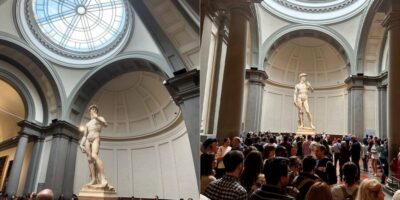
Timed Entry Ticket to Michelangelo’s David & eBook
Read our review →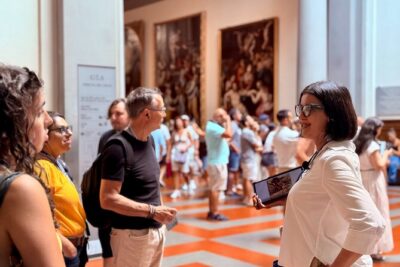
Skip the line: Uffizi and Accademia Small Group Walking Tour
Read our review →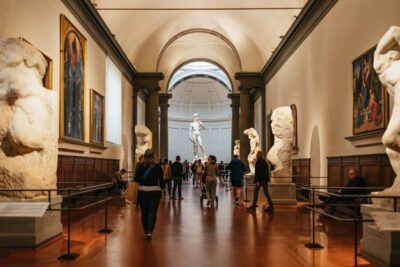
Accademia Gallery Guided Tour with Entry Ticket
Read our review →Browse the lists this tour appears in