

Reviewed · RAFTING & CANYONING
Rome: Tiber River Urban Rafting Tour with Roman Pizza
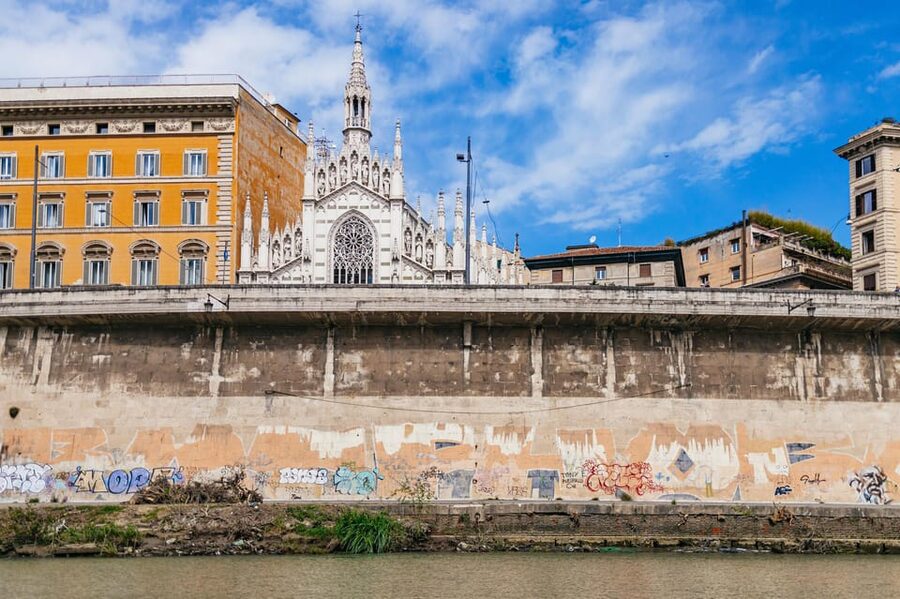
Rome’s Tiber River rafting trip gives you something the Colosseum and Vatican cannot: a low, moving view of the city. You float beneath bridges, pass Castel Sant’Angelo, stop near Tiber Island, and paddle through rapids close to Ponte Garibaldi. I especially like the fresh angle on Rome and the fact that the guides mix river skills with stories about the city.
I also like the practical price. At $47, the fee covers the raft, helmet, paddle, life jacket, certified guide, water, and pizza. The main catch is simple: you will get wet, and your shoes may be soaked. Bring spare clothes and shoes, and do not treat the final pizza as a full restaurant meal. It is generally a slice and a bottle of water.
Key points to know before booking
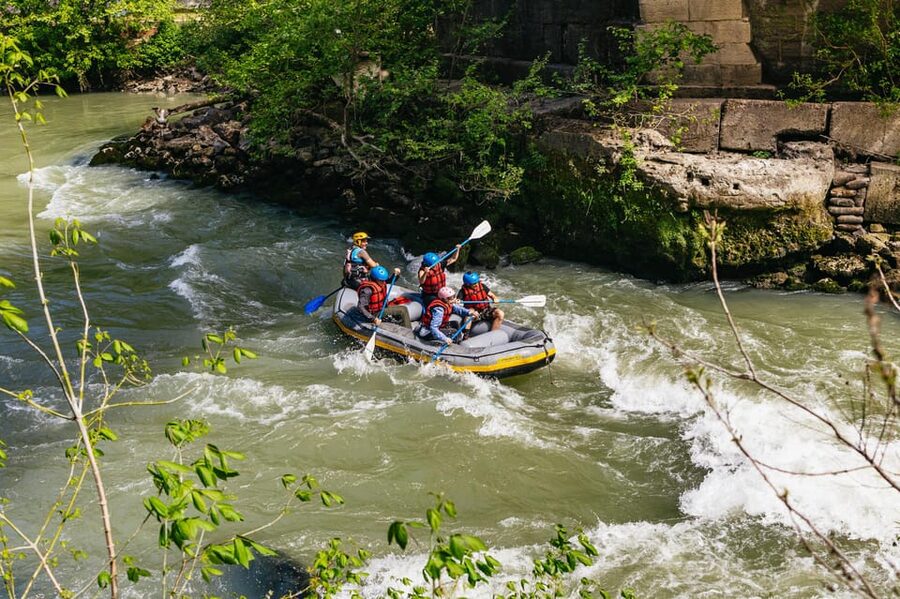
- See Rome from the Tiber: The river offers unusual views of Castel Sant’Angelo, bridges, Tiber Island, and central Rome.
- Expect gentle water plus rapids: Much of the trip is calm, with more action near Ponte Garibaldi.
- Guides make the difference: Facundo, Julia, Greg, Andrea, and others are praised for friendly instruction, safety, humor, and Roman stories.
- Pack a change of clothes: Several people ended up soaked, including their shoes.
- Pizza is a snack, not a meal: The included food is usually a Roman-style slice with water after the rafting.
- Best for active visitors: Pregnant people and those with mobility impairments should not book this activity.
Why rafting the Tiber changes your view of Rome
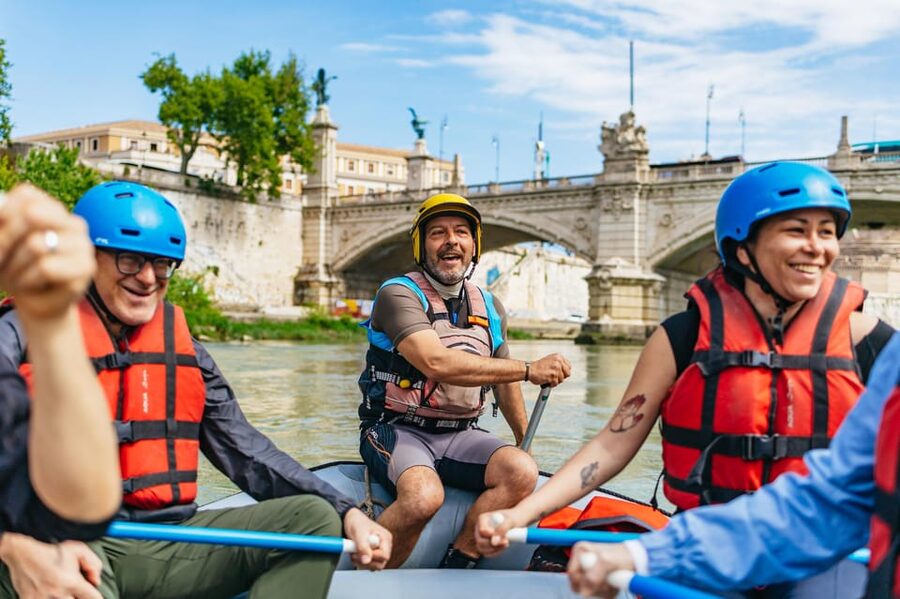
Rome is usually seen from crowded streets, museum halls, and church steps. On this trip, the river slows everything down. You look upward at bridges and embankments instead of across a road at another tour group. The city feels less like a set of famous monuments and more like a place shaped around its waterway.
The rafting is not a wilderness expedition. This is urban rafting, with Rome all around you. The river sections are mostly calm, according to the detailed trip descriptions, so you have time to look at the buildings and listen to the guide. The livelier section comes later, near Ponte Garibaldi, where you get a chance to handle small rapids in the center of the city.
That balance suits Rome well. You get a little physical fun without giving up the sightseeing. I would choose this after a day of museums or ancient sites, especially during a hot month when two hours beside the water sound better than another hour on sun-baked pavement.
The guides are a major part of the experience. Names appearing in the trip feedback include Facundo, Julia, Greg, Daniele, Andrea, Marley, and Connie. The most useful pattern is not a single guide’s personality, but the consistent praise for clear instructions, calm safety leadership, humor, and stories about Rome. Guides explain basic rowing and rafting skills, then point out landmarks and discuss the Tiber’s importance to the city.
More rafting and canyoning runs:
- Sicily: Etna and Alcantara Gorges Full-Day Tour with Lunch
★ 4.8 · 1,766 reviews - Rafting Family
★ 5.0 · 502 reviews - Rafting: Grand Canyon of Lao
★ 5.0 · 406 reviews
Meeting beneath Porta del Popolo
Your starting point is beneath Porta del Popolo, only about a three-minute walk from Piazza del Popolo metro station. Look for a guide wearing technical rafting clothing. This is a sensible meeting place because it is easy to reach from a central part of Rome, though one person had trouble finding it and needed help before rescheduling.
From the gate, you walk a short distance to Scalo de Pinedo, where the raft enters the river. There is no hotel pickup or drop-off, so you need to get to Porta del Popolo on your own. Allow enough time to find the guide, especially if you are unfamiliar with the square or are arriving with children.
At the river, the guide provides the required equipment: raft, helmet, paddle, and life jacket. A safety briefing takes about 20 minutes. This is not filler. You learn what to do on the raft, how to use the paddle, and how to approach the more active section later in the trip.
Do not arrive with luggage or a large bag. Alcohol and drugs are not allowed, and bulky belongings have no place on the raft. Keep your pre-rafting kit light and bring only what you can safely leave with the operator or carry in a suitable way.
Scalo de Pinedo to Castel Sant’Angelo

Once the briefing is over, the raft heads down the Tiber. The early section is mainly about settling into the boat and learning how the group moves together. If you have never rafted before, the guide’s instructions matter more than athletic ability here.
This part is a good time to look around. The river gives you a different view of Rome’s stone embankments, bridges, and historic buildings. Castel Sant’Angelo becomes one of the major sights along the route. Seen from water level, it feels removed from the usual approach along the busy streets near the Vatican.
The calm stretches are valuable because they let the guide talk. This is not a silent float with no context. The trip combines sightseeing and basic Roman history, including the importance of the Tiber and stories tied to the monuments along the banks. The amount of commentary can vary with the group and river conditions, but the guides are expected to speak Italian, English, or Spanish.
You should also use this early section to protect your phone. One guide may carry a bag where you can place it, and some people regret not bringing a phone for photos. Still, a phone is only useful if it stays dry. Ask the guide about storage before you launch, and do not assume your own pocket will protect it.
Tiber Island and the city’s river story
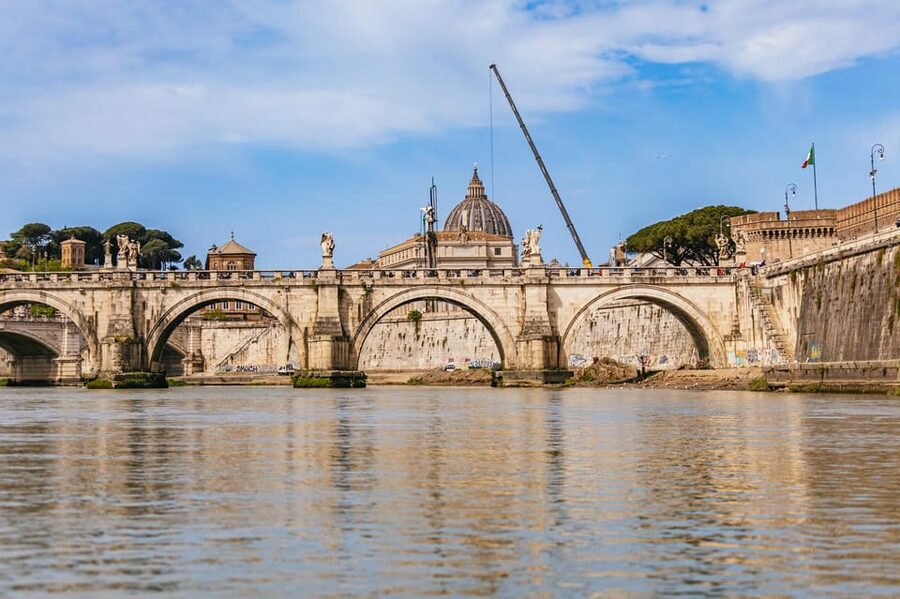
The raft continues toward Tiber Island, a small and historic feature in the middle of the river. The route includes a stop or break around the island, giving you time to hear about its place in Rome and take photographs.
Tiber Island is one of the more interesting parts of the route because it connects the river to the city’s long story. From the water, you can see how bridges and river crossings helped shape Rome’s center. You are not visiting the island as a conventional walking tour, but the guide adds context while the raft moves through the area.
This section is usually calmer and more scenic than dramatic. If you are booking mainly for white-water thrills, keep your expectations modest. Several people describe the trip as peaceful for much of its length, with the excitement arriving toward the end. That pacing works well for families and mixed-age groups, but serious rafting fans may wish the active part lasted longer.
Group atmosphere can also matter. The rafts hold about 10 people, according to one detailed account. A full raft can feel lively, especially when people are willing to paddle and talk together. If your group is small, you may be placed with other participants. That is part of the social nature of the activity, not a private ride.
A few more Rome half-days worth a look
- Vatican: Museums & Sistine Chapel Entrance Ticket
★ 4.5 · 144,003 reviews - Vatican Museums & Sistine Chapel Tour with Optional Basilica
★ 4.3 · 67,413 reviews - Colosseum, Roman Forum & Palatine Guided Tour
★ 4.7 · 63,148 reviews - Vatican Museums, Sistine Chapel & St Peter’s Basilica Guided Tour
★ 4.5 · 39,149 reviews
Ponte Garibaldi and the short burst of action
Near Ponte Garibaldi, the river becomes more active. This is where you get the chance to try real rapids in central Rome. The word real should still be read in context: these are urban river rapids, not a long mountain descent.
The guide teaches you how to handle the water and keeps the group together. This is the moment when the helmet, paddle, and life jacket stop feeling like formal equipment and become useful parts of the activity. You may paddle with more purpose, get splashed, and find that the river is less predictable than it looked from the quiet opening section.
The rapids are also the main reason to pack dry clothing. Several people specifically warn that they got soaked, while one older account says the water reached from the waist down. More recent comments repeatedly mention wet shoes. Wear clothing that dries quickly, and bring a complete change of clothes, including footwear.
Do not plan a formal museum visit immediately afterward in your wet clothes. A morning departure can be smart in summer because the activity helps you cool off before the hottest part of the day. Sunset departures are also appealing for softer light and photos, but the exact starting times vary, so check availability when booking.
What the pizza really adds
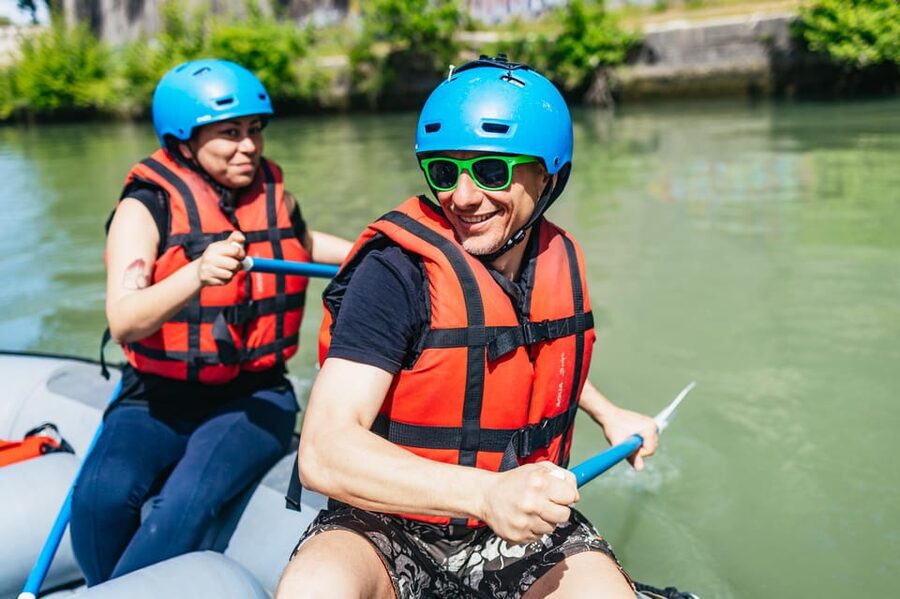
The included Roman pizza comes after the rafting, with water. It is a pleasant finish, particularly after paddling and getting wet, but you should understand what is included. This is generally a slice of pizza rather than a sit-down restaurant meal.
That distinction matters if you are hungry or planning the activity around lunch. Think of the pizza as a welcome snack and a quick taste of local food, not a full dining experience. You can easily add a proper meal later, especially if you continue into Trastevere or nearby central neighborhoods.
The finish is described near the Palatine Bridge and Trastevere area, while the route details also identify Tiber Island as the ending point. Because the exact disembarkation point can depend on the operating plan and river conditions, check the day’s final location with your guide. Either way, you finish in a useful part of central Rome rather than far outside the city.
One practical benefit is the chance to continue sightseeing nearby. The Jewish Quarter, Teatro di Marcello, and Trastevere are all suggested as good additions to the same day. If your route ends near the Palatine Bridge, you can build a walking plan around those areas instead of returning immediately to your hotel.
Price, timing, and what you receive
The listed price is $47 per person for about two hours. For Rome, that is fair value if you want an active experience rather than another standard walking tour. Equipment rental alone would add cost and effort, and the fee also includes a certified guide, water, and pizza.
The strongest value comes from the combination of activities. You are not paying only for transport on the river. You receive a safety lesson, basic rafting instruction, sightseeing, Roman commentary, a break around Tiber Island, a short rapid section, and food afterward.
The limitation is duration. The trip takes about two hours, but some people wished it lasted longer, especially because the rapids are brief. If you want a full-day outdoor adventure, this is not it. If you want a compact break between major Rome sights, the length is just right.
The operator is Canoa Kayak Academy, described as the only certified activity provider of this type in the city. The trip is offered in Italian, English, and Spanish. Weather can affect the outing, and the activity is fully refunded if bad weather makes it impossible to operate.
You can cancel up to 24 hours before the activity for a full refund, and a reserve-now, pay-later option is available. Those terms are useful when your Rome schedule is still shifting, but the more important planning point is weather. Have a backup plan for the day in case rain changes the river program.
Who should book this Rome rafting trip?
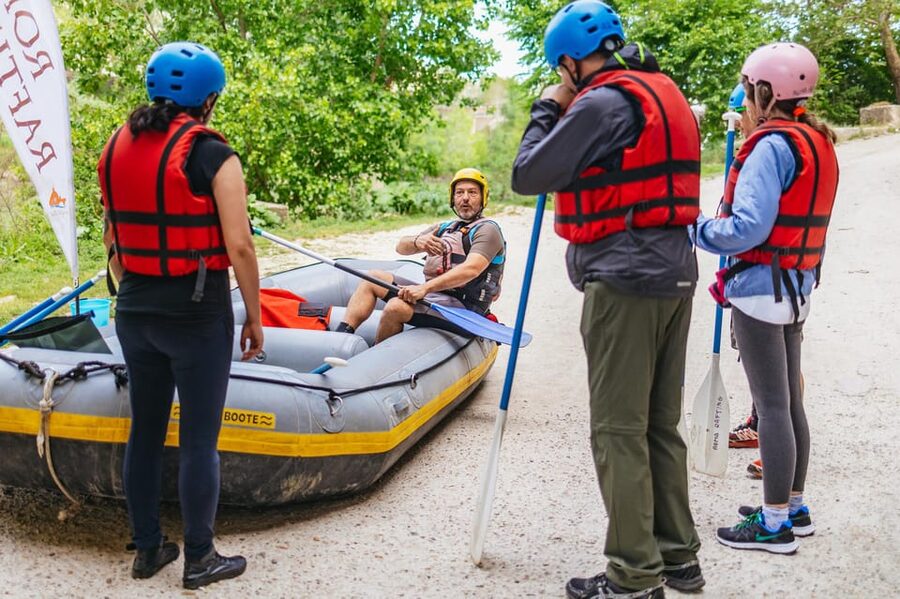
I would recommend it to families with older children and teenagers, couples who want something beyond churches and museums, and active people who enjoy a little uncertainty in their sightseeing. Several families with children and teenagers had a good time, and the guides are used to teaching beginners.
It also suits anyone who wants to cool down in summer. The river breeze and splashing water offer a real break from Rome’s heat. A morning trip can work especially well, leaving the afternoon for lunch, rest, or a neighborhood walk.
You should skip it if you dislike getting wet, need dry clothes immediately, or want a polished food experience. It is also not suitable for pregnant women or people with mobility impairments. Large bags are not allowed, so plan your clothing and belongings before leaving your hotel.
This is not the best pick for someone who wants uninterrupted monument commentary. The river views are unusual, but you will spend part of the time listening to safety instructions, paddling, and watching the water. The reward is a more active connection with Rome, not a complete substitute for the city’s major historical tours.
My verdict on the Tiber rafting experience
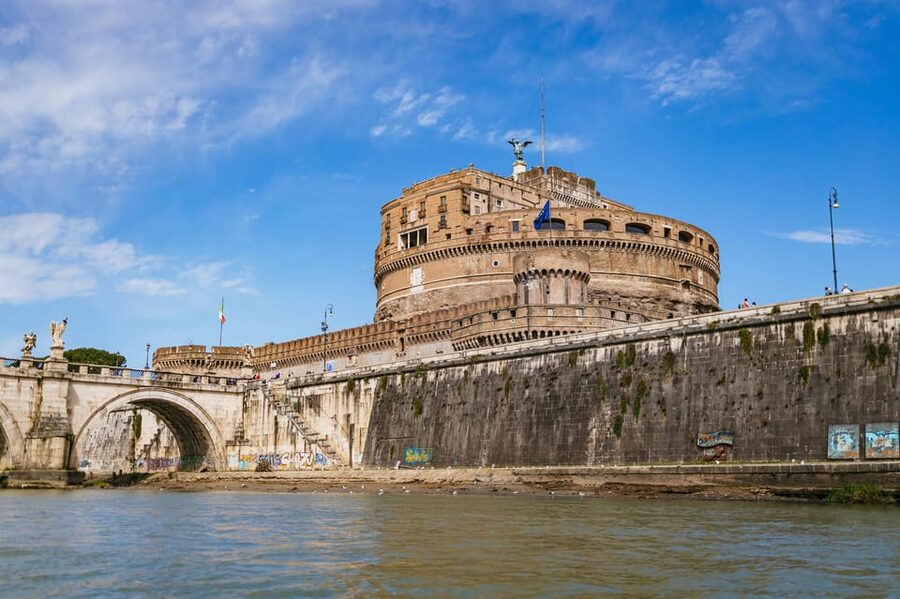
I would book this if I had already planned the Colosseum, Vatican Museums, and other major sights and wanted one fresh change of pace. The guides receive strong praise for safety, humor, and Roman stories, while the route gives you Castel Sant’Angelo, Tiber Island, bridges, and city rapids in one compact outing.
The decision comes down to your tolerance for water. Bring spare clothes and shoes, accept that the pizza is a simple slice, and treat the rapids as a short burst rather than a full white-water trip. Do that, and $47 buys an unusual, well-organized two hours in the heart of Rome.
FAQ
Where does the Tiber rafting tour meet?
Meet beneath Porta del Popolo, about a three-minute walk from Piazza del Popolo metro station. Look for the guide wearing technical rafting clothing.
How long does the activity last?
The advertised duration is two hours. The trip includes the walk to the river, a safety briefing, rafting, sightseeing, and pizza afterward.
What equipment is provided?
The activity includes a raft, helmet, paddle, and life jacket, along with a certified rafting guide.
Will I get wet?
Yes. You should expect to get wet, and your shoes may become soaked, especially during the rapids. Bring spare clothes and footwear.
Is pizza included?
Yes. Roman-style pizza and water are included. The pizza is generally a slice served after the rafting, not a full restaurant meal.
What languages do the guides speak?
The guides provide instruction in Italian, English, and Spanish.
Is hotel pickup included?
No. Hotel pickup and drop-off are not included. You must make your own way to Porta del Popolo.
Is the tour suitable for pregnant women or people with mobility impairments?
No. The activity is not suitable for pregnant women or people with mobility impairments.
What happens if the weather is bad?
The activity is fully refunded if bad weather prevents the tour from operating. You can also cancel up to 24 hours in advance for a full refund.
Just added around Rome
- Boat excursion to Gaeta with a stop for swimming and snorkeling 2 HOURS★ 5.0 · 240 reviews
- Palatine Hill and Roman Forum Tour with Fast-Track Entrance★ 4.2 · 417 reviews
- Tivoli: Villa D’Este & Villa Adriana Pass & App Audioguide★ 4.4 · 364 reviews
- Tivoli: Villa D’Este Entry Ticket and App Audio Guide★ 4.3 · 191 reviews
- From Rome: Villa D’Este & Villa Adriana Day Trip with Lunch★ 4.4 · 289 reviews
- Vatican Museums & Sistine Chapel Skip-the-Line Guided Tour★ 4.6 · 254 reviews
- Rome: Capitoline Museums and Centrale Montemartini Tickets★ 4.4 · 328 reviews
- Rome: The Three Tenors at St. Paul’s Church Concert Ticket★ 4.7 · 699 reviews
Rafting & Canyoning, compared.
Sicily: Etna and Alcantara Gorges Full-Day Tour with Lunch
Read our review →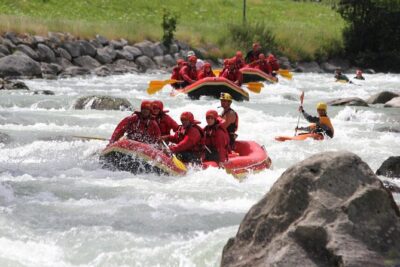
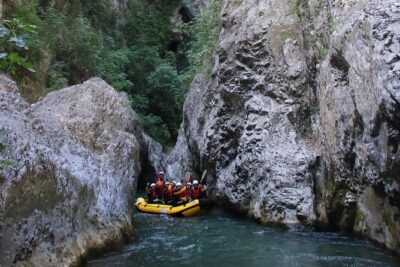
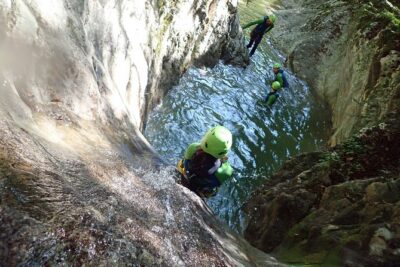
Canyoning “Gumpenfever” – beginner Canyoningtour for everyone
Read our review →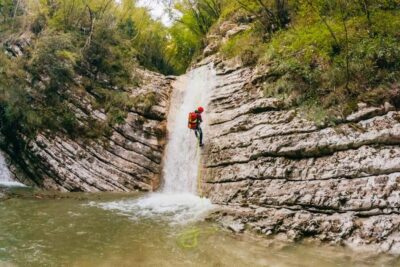
From Tignale, Lake Garda: Beginner-Friendly Canyoning Tour
Read our review →
Alcantara River and Gorges: Bodyrafting Experience
Read our review →
Browse the lists this tour appears in