
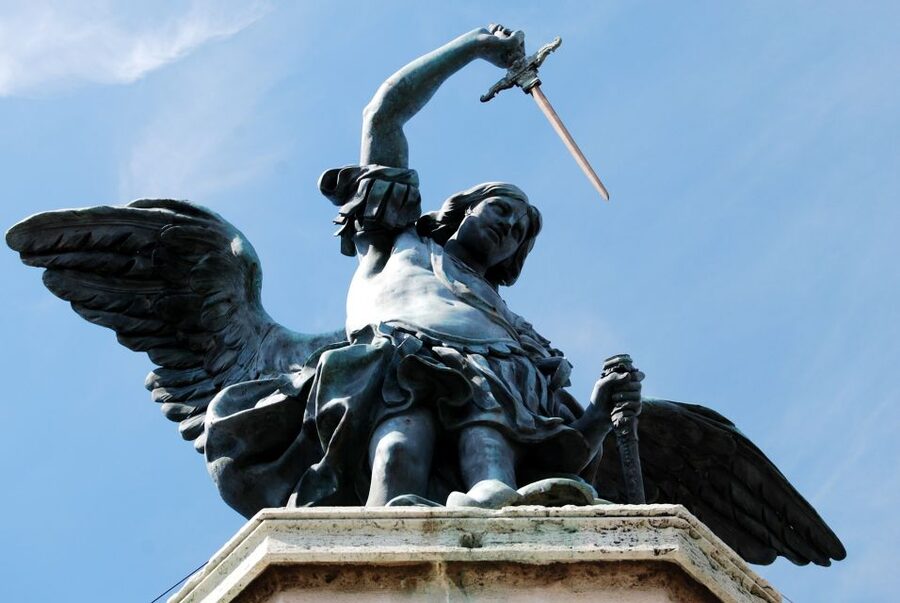
Reviewed · GUIDED TOURS IN ROME
Rome: Small Group Guided Tour of Castel Sant’Angelo
Castel Sant’Angelo is one of Rome’s most surprising buildings: an emperor’s tomb turned fortress, prison, papal refuge, museum, and rooftop viewpoint. This two-hour tour takes you through that entire transformation, from the dim chamber of ashes to the open terrace above the Tiber.
I like the small-group format, which gives you a fair chance to hear the guide and ask questions. I also like the way the tour connects the castle’s grand rooms with its darker corners, including the prison cells and fortified passageways. The main drawback is the climbing. You’ll walk a spiral ramp through five levels, so this is not a good choice if stairs and uneven surfaces are difficult for you.
Key points to know before booking
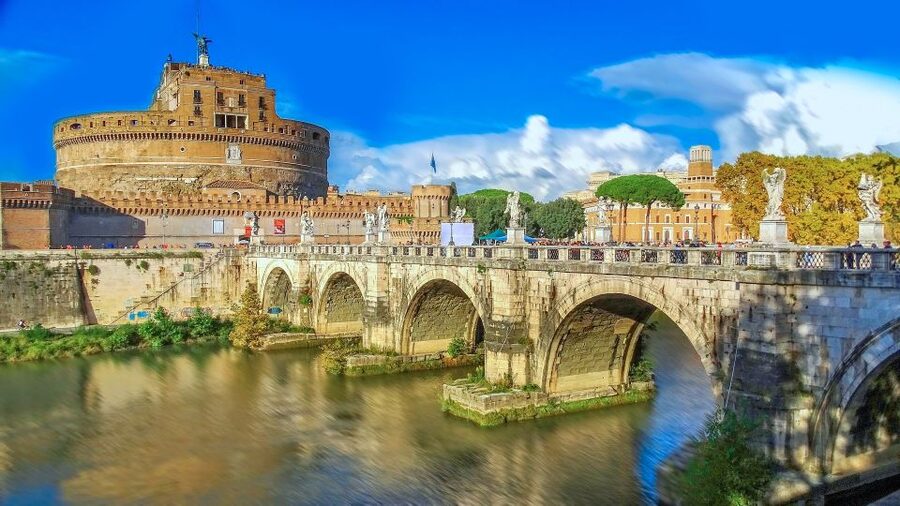
- Hadrian’s tomb is the starting point: You enter the monument at its oldest and most mysterious level.
- Five floors create a changing experience: The route moves from burial chamber to fortress, prison, papal residence, museum, and viewpoint.
- The rooftop terrace is the payoff: You get broad views of Rome and plenty of room for memorable photographs.
- Guides make the difference: Alec, Barbara, Silvia, Lorenzo, and Oleg have all been praised for clear explanations, humor, and an easy pace.
- The tour includes admission: The adult ticket value is €16, and admission is free for children under 18, though all participants need valid identification.
- You need to be ready to walk: Large bags, luggage, weapons, and sharp objects are not allowed, and the tour is not suitable for people with mobility impairments.
Why Castel Sant’Angelo is worth two hours
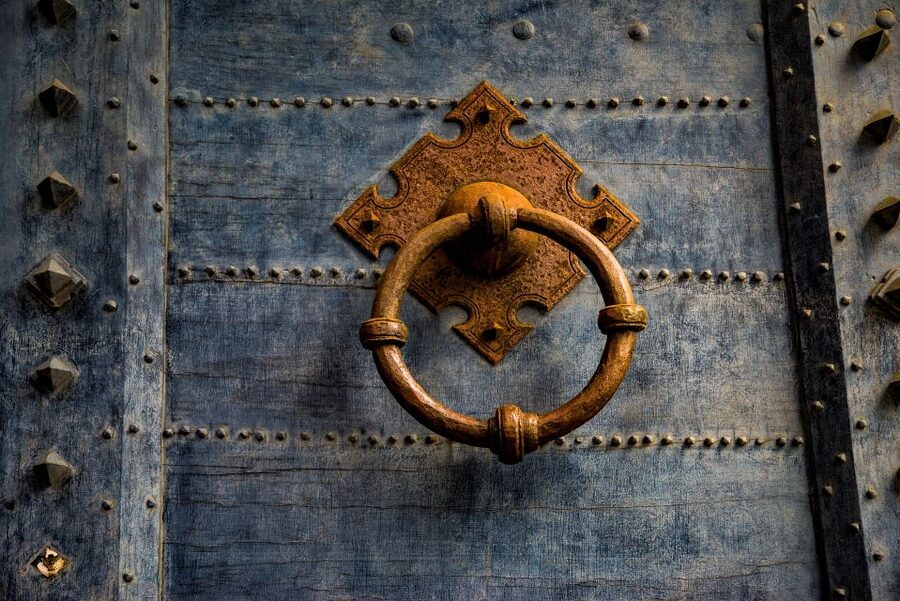
Rome has no shortage of ancient monuments, but Castel Sant’Angelo feels different from the Forum or Colosseum. It is not one building from one period. Instead, each generation altered it for a new purpose.
The core began as the mausoleum of Emperor Hadrian. Later, the structure became a military fortress. It also held prisoners, served as a papal residence, and formed part of the defensive route between the Vatican and the castle. That layered past is what makes a guided visit useful. Without explanation, you might see a large round fortress with impressive views. With a guide, you can follow how the building changed over centuries.
The tour also helps you connect the building to the people who used it. The cells held historical figures, while the upper rooms served popes and church officials. The contrast is striking: lavish decorated chambers above, harsh confinement below.
The experience is best for you if you want context, not just entry. You will hear stories, dates, and explanations as you move through the structure, rather than reading a label and moving on.
More Guided Tours in Rome
- Colosseum, Roman Forum & Palatine Guided Tour
★ 4.7 · 63,148 reviews - Vatican Museums, Sistine Chapel & St Peter’s Basilica Guided Tour
★ 4.5 · 39,149 reviews - Rome: Colosseum, Palatine Hill and Roman Forum Guided Tour
★ 4.8 · 32,814 reviews
Meeting the guide at the entrance
Your guide waits in front of the entrance with a City Walkers sign. Arrive with the correct names and birthdates for everyone in your party, because the castle tickets are issued in each participant’s name. Museum staff check the tickets at the entrance, and you must bring a valid passport or ID card.
That detail matters. A small error in a name or a forgotten ID could cause trouble before the tour even begins. Keep your identification easy to reach, not buried in a large bag.
The tour includes swift access and the admission ticket. It does not include hotel pickup, transportation, food, or drinks, so you make your own way to the meeting point and should plan accordingly.
The tour operates rain or shine. The terrace is an outdoor section, and the walk through the castle involves changing conditions from enclosed corridors to open upper levels. A light rain layer is sensible on unsettled days.
From Hadrian’s tomb to a fortified maze

The first part of the route takes you into the monument’s original purpose. You enter the tomb of Emperor Hadrian and walk through the structure’s heavy, fortified corridors.
The chamber of ashes is one of the most important stops. It gives you a direct link to the building’s first life as an imperial tomb. This is not simply an old room along the way. It explains why the castle has its massive circular form and why the earliest sections feel so different from the papal rooms above.
Your guide can also show how the building’s design supported later military use. The corridors and ramp help you understand how a burial monument could be adapted for defense. The route is physical, but it is not a fast march. The most successful guides use the walk between levels to explain what changed and why.
A small group helps here. You can usually stay close to the guide, hear the explanation, and ask about details that catch your attention. Headsets are available if needed, which can help when other people are nearby or when the group spreads out along the ramp.
Five levels, five different sides of the castle
The tour follows a spiral ramp through five floors. Each level adds another chapter to the building’s story.
At the lower levels, the setting feels defensive and severe. The fortified corridors and prison cells show the castle as a place of confinement and control. The cells are a reminder that this was not only a grand monument. People were imprisoned here, including figures tied to important moments in Roman and church history.
The route then moves upward into rooms that served as a papal residence. Here, the mood changes. The architecture and decoration are more refined, and the rooms reveal how the castle became a place of power as well as protection.
This shift is one of the tour’s strongest features. You are not looking at a collection of unrelated rooms. You are watching a building change its role as Rome changed around it. A guide can point out the difference between practical military areas and rooms intended for ceremony and residence.
The climb requires steady walking. If you have mobility limitations, this tour may be uncomfortable or unsuitable. The activity information specifically lists it as not suitable for people with mobility impairments, so take that warning seriously.
A few more Rome half-days worth a look
- Vatican: Museums & Sistine Chapel Entrance Ticket
★ 4.5 · 144,003 reviews - Vatican Museums & Sistine Chapel Tour with Optional Basilica
★ 4.3 · 67,413 reviews - Rome: Guided Tour of Colosseum, Roman Forum & Palatine Hill
★ 4.7 · 27,897 reviews - Rome: Colosseum & Forum with Audio Guide App -Optional Arena
★ 4.2 · 24,770 reviews
Renaissance frescoes and the papal apartments
The upper rooms contain some of Castel Sant’Angelo’s finest decoration. You’ll see Renaissance frescoes that have survived remarkably well, along with rooms connected to the papal residence.
These rooms add a human side to the castle. The lower passages suggest danger and restriction, while the decorated interiors show comfort, authority, and ceremony. I find that contrast more interesting than a tour focused only on military facts.
Look closely as you move through the rooms. The frescoes are not just attractive background decoration. They help show how the building’s owners wanted the space to feel. A guide can also explain the role these rooms played in the wider history of Rome and the Church.
The guides associated with this tour receive especially strong praise for their storytelling. Alec is repeatedly described as clear, funny, and able to explain difficult material without making it dull. Barbara is praised for taking time with questions and giving a thorough tour. Silvia Rossetti is noted for her enthusiasm and command of the subject, while Lorenzo is remembered for striking a good balance between detail and pace.
That range matters because a castle like this can easily become a list of dates. The best guides turn the dates into a sequence of people, decisions, dangers, and changes in power.
Weapons, prison rooms, and the darker side of the monument
The castle’s weapon collection gives the visit another practical angle. You see the tools connected to its military role rather than treating the building as a decorated palace alone.
The prison rooms are equally important. They show what the castle meant to people who had no power inside it. The route does not present only the polished papal rooms or the fine views. It also deals with confinement and the less comfortable parts of the building’s past.
That balance is one reason I would choose a guided visit over a quick independent walk through the museum. The castle contains several different types of space, and a guide can keep the story moving from one to the next. You are less likely to miss why the cells, weapons, corridors, and frescoes belong in the same visit.
The tour is also a good match for people who enjoy Rome’s political and religious history. You do not need to know the background in advance, but you should come ready to hear about emperors, popes, prisoners, and military defenses.
The terrace and Rome from above
The final climb brings you to the upper terrace. This is the visual reward of the tour, with wide views across Rome and a strong chance to take photographs.
The terrace gives you a useful sense of the city’s scale. After spending time inside the thick walls, you suddenly see Rome spread out around the monument. The change from dark interior corridors to open sky makes the final stop feel earned.
Bring your camera, but do not rush through this part. The guides are praised for maintaining a comfortable pace, and the terrace is the place to pause, look around, and take in the skyline.
The view is a major reason to book this tour, but it should not be the only one. You can find rooftop views elsewhere in Rome. What makes this terrace special is the route you take to reach it: tomb, fortress, prison, papal residence, museum, then viewpoint.
A two-hour pace with room for questions
The scheduled duration is two hours. That is enough time for a guided overview of the major sections without turning the visit into an all-day commitment.
The small group format matters most during the explanations. Several guides are praised for inviting questions and keeping the pace comfortable rather than rushing from room to room. A private group is also available if you want the guide’s attention focused entirely on your party.
You should still expect an active visit. This is a walking tour through five levels, not a seated lecture. Wear comfortable shoes and keep your hands free. Large bags and luggage are not allowed, and weapons or sharp objects are prohibited. Alcohol and drugs are also not allowed.
The tour is offered in English, French, Italian, and Spanish. If language is important to your booking decision, select carefully at the time of reservation.
Is $75 a fair price?
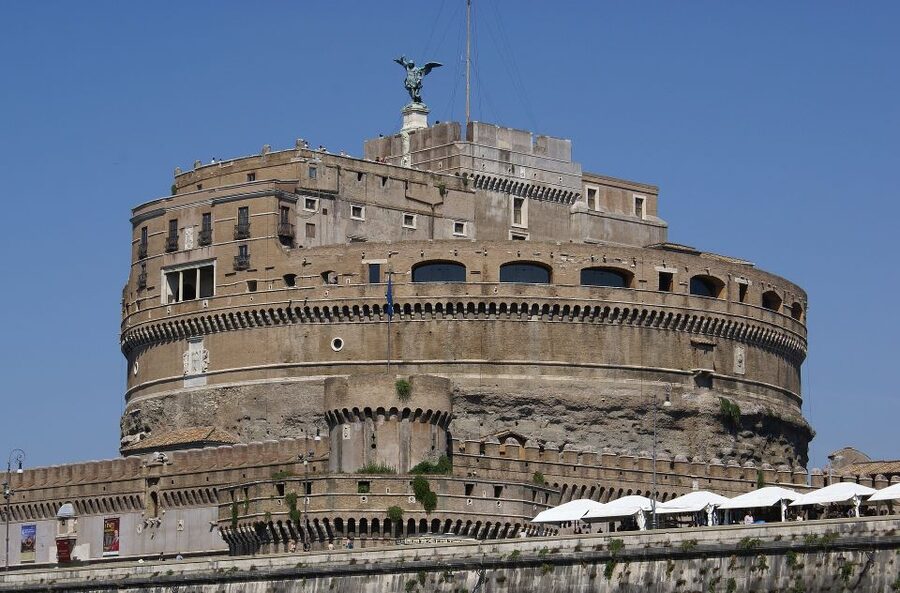
The listed price is $75 per person. That is more than the basic adult admission of €16, so the value rests in the guide, the small-group setting, the organized entry, and the way the visit is explained.
For a first visit to Castel Sant’Angelo, I think the added cost can make sense. The building has several identities and a complicated route. A good guide helps you understand the connection between the tomb, fortress, cells, papal rooms, frescoes, weapons, and terrace.
The value is strongest if you enjoy history or want to ask questions. It is less compelling if you prefer moving through museums alone at your own speed. You are paying for interpretation and structure, not simply access to the building.
Admission for children under 18 is free at the museum, but the tour price and booking rules still apply as presented. Check the final booking details for your group before assuming that a child’s place carries no charge.
Who should book this Castel Sant’Angelo tour?
I would recommend it to first-time Rome visitors who want one compact tour with several kinds of history. It also suits repeat visitors who have seen the main ancient sites and want a monument with a less predictable story.
History fans will appreciate the sequence from imperial tomb to papal residence. Families with older children may like the cells, ramp, weapons, and fortress setting, especially if a guide keeps the story lively. The humor used by guides such as Alec and Oleg can help younger participants stay focused.
You should think twice if you dislike guided pacing, have difficulty climbing, or want to spend a long time photographing every room. The tour lasts two hours, and the route is set by the guide.
The cancellation policy is flexible: you can cancel up to 24 hours in advance for a full refund. You can also reserve now and pay later, which helps if your Rome plans are still moving around.
Final recommendation
Book this tour if you want Castel Sant’Angelo to make sense rather than simply look impressive. The strongest reasons are the small group, the clear storytelling from guides such as Alec, Barbara, Silvia, Lorenzo, and Oleg, and the complete route through the monument’s five levels.
Skip it if stairs are a serious problem or if you prefer a slow, independent museum visit. For most able walkers who enjoy Rome’s layered past, the tour offers a useful mix of tomb, fortress, prison, papal rooms, art, weapons, and rooftop views in two well-used hours.
FAQ
How long is the Castel Sant’Angelo tour?
The guided walking tour lasts two hours.
What languages are available?
The live guide is available in English, French, Italian, and Spanish.
What is included in the price?
The price includes swift access to Castel Sant’Angelo, the entrance ticket, the two-hour guided tour, and headsets if needed.
Does the tour include hotel pickup?
No. Hotel pickup and drop-off are not included.
Do I need to bring identification?
Yes. Bring a valid passport or ID card. Tickets are issued in the names of participants, and museum staff check them at the entrance.
Is the tour suitable for people with mobility impairments?
No. The activity is listed as unsuitable for people with mobility impairments, and the route follows a spiral ramp through five floors.
Are children admitted free?
Admission to Castel Sant’Angelo is free for children under 18. The tour booking conditions should still be checked for the exact price of a child’s place.
Can I cancel the booking?
Yes. You can cancel up to 24 hours in advance for a full refund. Reserve now and pay later is also available.
Just added around Rome
- Boat excursion to Gaeta with a stop for swimming and snorkeling 2 HOURS★ 5.0 · 240 reviews
- Palatine Hill and Roman Forum Tour with Fast-Track Entrance★ 4.2 · 417 reviews
- Tivoli: Villa D’Este & Villa Adriana Pass & App Audioguide★ 4.4 · 364 reviews
- Tivoli: Villa D’Este Entry Ticket and App Audio Guide★ 4.3 · 191 reviews
- From Rome: Villa D’Este & Villa Adriana Day Trip with Lunch★ 4.4 · 289 reviews
- Vatican Museums & Sistine Chapel Skip-the-Line Guided Tour★ 4.6 · 254 reviews
- Rome: Capitoline Museums and Centrale Montemartini Tickets★ 4.4 · 328 reviews
- Rome: The Three Tenors at St. Paul’s Church Concert Ticket★ 4.7 · 699 reviews
Guided Tours in Rome, compared.

Colosseum, Roman Forum & Palatine Guided Tour
Read our review →
Vatican Museums, Sistine Chapel & St Peter’s Basilica Guided Tour
Read our review →
Colosseum, Palatine Hill and Roman Forum Guided Tour
Read our review →
Guided Tour of Colosseum, Roman Forum & Palatine Hill
Read our review →
Colosseum, Roman Forum and Palatine Hill Guided Tour
Read our review →
Colosseum, Palatine Hill & Roman Forum Guided Tour
Read our review →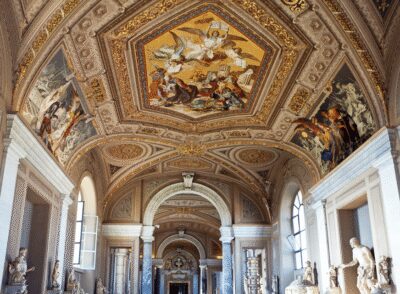
Vatican Museums & Sistine Chapel Guided Tour
Read our review →
Colosseum Arena, Palatine Hill & Forum Guided Tour
Read our review →Browse the lists this tour appears in