
Reviewed · COOKING CLASSES
Rome: Roman Master Chef Cooking Class with Wine
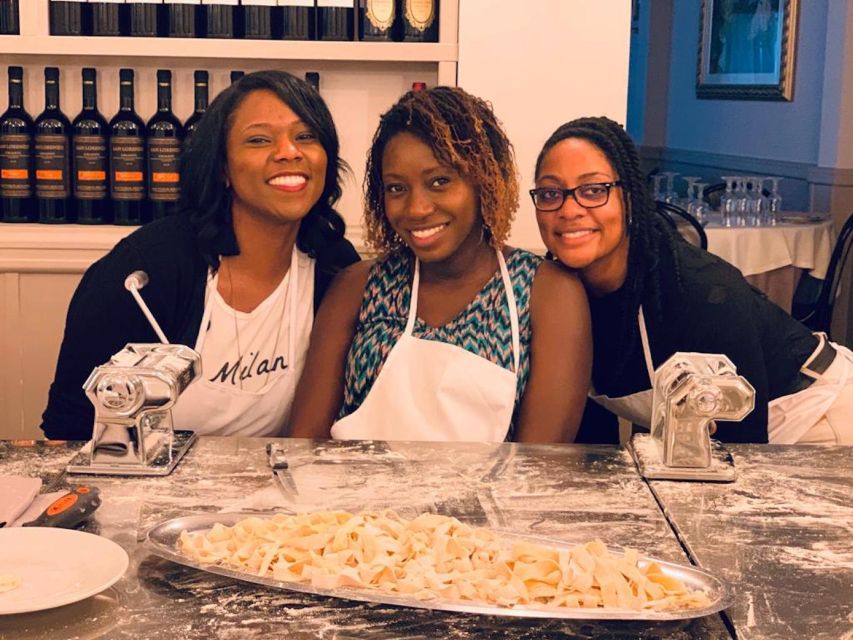
Making pasta by hand is the heart of this Roman cooking class, and you get to eat the results at the end. Inside a Roman restaurant, an English-speaking chef guides you through fresh fettuccine and tiramisu while wine, limoncello, coffee, and soft drinks keep the mood easy.
I like two things here: you cook from scratch, rather than simply watching a chef, and you leave with recipes you can use at home. The instructors, including Sid, Eleonor, Eddie, Giacomo, and Mathilde on different sessions, are praised for clear teaching and good humor. One consideration: some classes may start later than scheduled, so avoid booking a tight appointment afterward.
Key points to know before booking
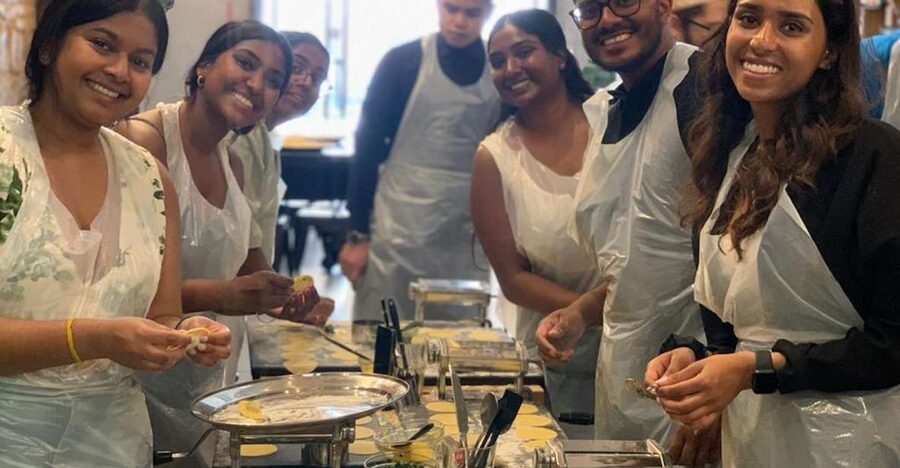
- Fresh pasta is the main event: You roll and prepare handmade fettuccine with direct help from the chef.
- Tiramisu is made from the beginning: You create the coffee-flavored dessert, layer it, and finish it with cocoa.
- The class takes place in a Roman restaurant: You cook in a working restaurant setting, then sit down to eat your meal.
- Drinks are part of the experience: Wine, limoncello, water, soft drinks, and coffee are included.
- The mood is social and lively: One reported class had about 12 people, with music, jokes, and plenty of interaction.
- Dietary needs can be supported: Vegetarian, vegan, lactose-free, and other requests should be given when you book.
Rolling pasta in the heart of Rome
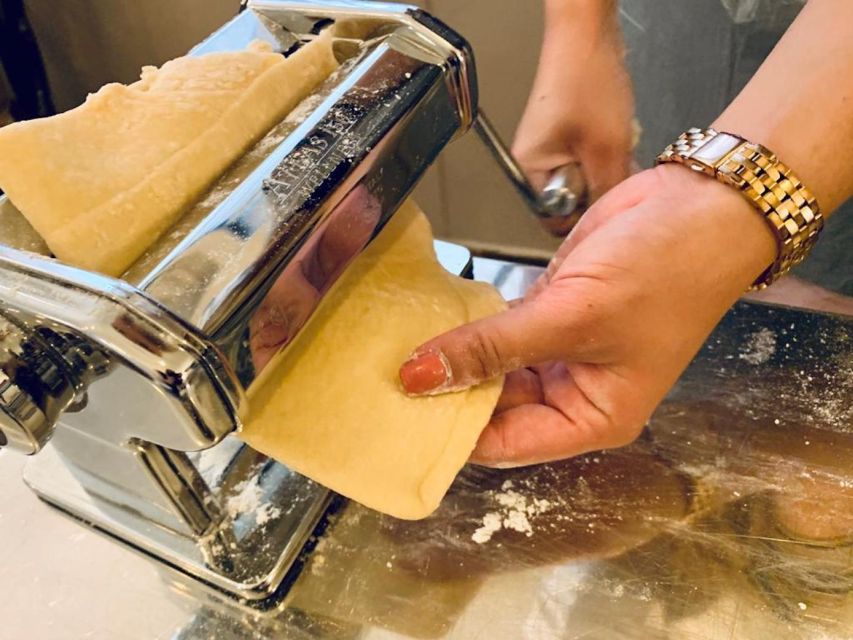
The class lasts about two and a half to three hours, which gives you enough time to make food without turning the afternoon into a cooking marathon. You meet at a location that can vary with the option booked, so check your confirmation carefully rather than assuming every session uses the same entrance.
Once gathered, you receive the tools and ingredients for the class. The chef explains the process in English, then takes you through the work step by step. This is useful if you have little kitchen experience. You are not expected to know how pasta dough should feel or how thin to roll it before you arrive.
The restaurant setting matters. You are not cooking in a formal culinary school with a stiff, technical feel. You work in a Roman food environment, surrounded by the sights, smells, and rhythm of a restaurant. That makes the lesson feel tied to Rome rather than like a generic pasta workshop that could happen anywhere.
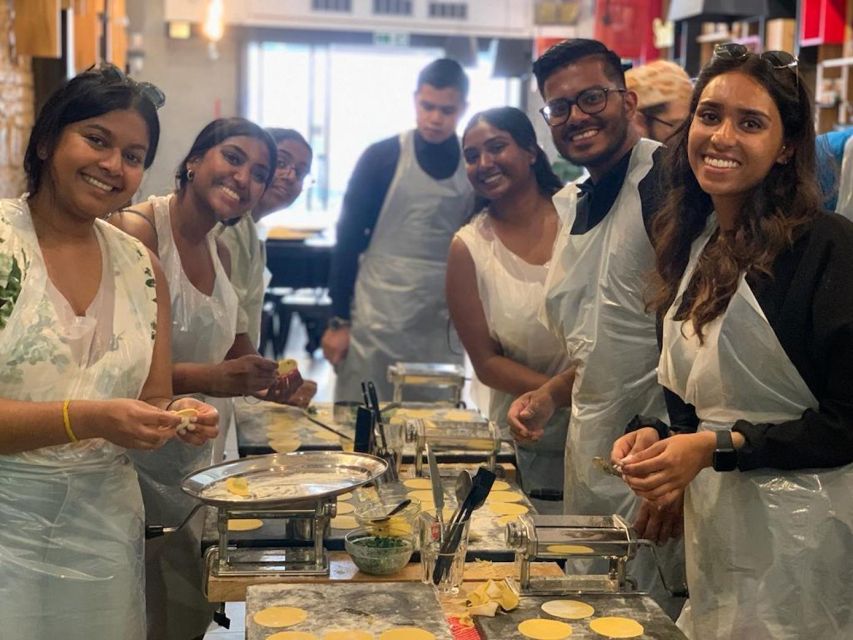
The class also has a social side. You share a table and cooking space with people from different countries, and the instructors keep the group involved. The strongest praise goes to the staff’s warmth, humor, and ability to make each person feel included. That can be especially helpful if you are traveling alone or want an easy way to meet people without committing to a full-day group tour.
More Cooking Classes in Rome
- 3 in 1 Cooking Class near Navona: Fettuccine, Ravioli & Tiramisu
★ 5.0 · 7,376 reviews - Rome: Pasta Making Class with Wine, Limoncello, and Dessert
★ 4.9 · 3,177 reviews - Rome: 3-in-1 Fettuccine, Ravioli, and Tiramisu Cooking Class
★ 4.9 · 2,704 reviews
Fettuccine from flour to fork
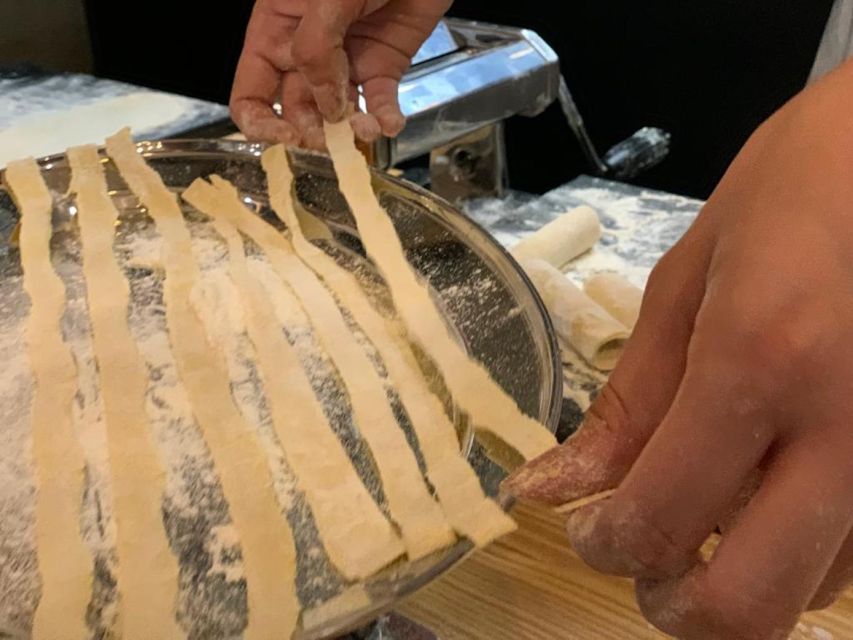
The pasta portion begins with the basic ingredients and tools. Your chef shows you how to bring the dough together, work it, and roll it out. You then cut the dough into fettuccine. The practical value is simple: once you understand the feel of the dough, you can repeat the process in your own kitchen.
This hands-on approach is much better than watching a demonstration from the back of a room. You handle the dough yourself, make small mistakes, and correct them with help. A good instructor can spot when the dough needs more work or when the sheets are not yet at the right thickness. The instructors here are repeatedly praised for explaining each step clearly and checking that everyone keeps up.
The class may include ravioli in some sessions as well as fettuccine. One class included both, and the ravioli became a favorite part of the meal. Since the main description centers on fettuccine and tiramisu, treat ravioli as a possible variation rather than a guaranteed part of every booking.
One useful point is that the focus is on the pasta itself, not necessarily on preparing every sauce from scratch. A participant specifically wished the class had included the excellent ravioli sauce. If you want a full lesson in sauces, ask before booking or choose a class that lists sauce preparation as part of its program.
Still, for a first Roman cooking experience, the format works well. You learn a core Italian technique, use it immediately, and sit down to eat pasta that you helped make. That is a more useful souvenir than another food photograph.
Tiramisu before the main course
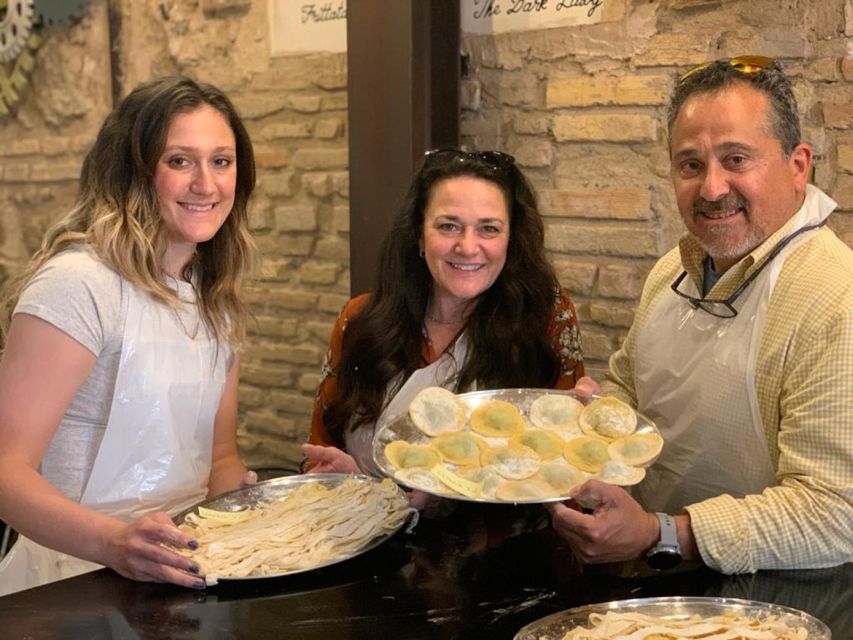
The dessert portion covers tiramisu, the familiar Italian dessert made with coffee flavors and cocoa. You prepare and layer it during the class, then let the finished dish become part of the meal.
Tiramisu is a smart choice for a group class. It does not require advanced pastry skills, but small details affect the final result. You learn the order of the layers and how the coffee flavor fits with the creamy mixture and cocoa finish. The chef’s guidance keeps the process manageable, even if you do not usually bake.
Several classes have received especially strong praise for the tiramisu. One participant called it the best tiramisu of the Rome visit, while another described the whole pasta and dessert lesson as both efficient and delicious. I would not treat those comments as a promise that every batch will be perfect, since your result depends partly on your own work, but the dessert is clearly more than a token extra.
Making tiramisu also balances the pasta lesson. You spend part of the class working with dough and part assembling a dessert. The change of pace keeps the three-hour session from feeling repetitive.
Wine, limoncello, and the meal at the end
Drinks are included throughout the experience. You can expect Italian wine, limoncello, water, soft drinks, and coffee. Some sessions may begin with prosecco or offer a preferred hot drink before the cooking gets underway.
This is not a wine-tasting tour, and the drinks are there to accompany the lesson rather than to teach formal tasting skills. Still, they add to the relaxed Roman restaurant atmosphere. If you do not drink alcohol, the inclusion of soft drinks, coffee, and water gives you alternatives.
After the hands-on work, you sit down in the restaurant or on an outdoor terrace, depending on the arrangement for your session. You eat the fettuccine and tiramisu you prepared. That final meal is important because it gives the class a clear payoff. You are not rushing away with a container of uncooked dough or a recipe card and no chance to taste the result.
The meal also turns the cooking lesson into a proper social outing. You have time to talk with the group, enjoy the drinks, and compare everyone’s pasta. The atmosphere can be lively, with music, jokes, and plenty of instructor interaction. If you prefer a quiet, highly formal class, this may feel energetic. If you want a fun evening or afternoon in Rome, it is likely a better match.
More Wine Tours in Rome
- Rome: Pasta & Tiramisu Class with Fine Wine by the Vatican
★ 4.9 · 4,852 reviews - Rome Food Tour: Unlimited Tastings with Fine Wine & Barolo
★ 5.0 · 3,365 reviews - Rome: Trastevere Food tour with Free-Flowing Fine Wine
★ 5.0 · 2,853 reviews - Learn to Make Pasta & Tiramisu with Wine and Limoncello Included
★ 5.0 · 2,345 reviews
What the instructors add
The chef is the main reason this type of class succeeds or fails. Here, several named instructors have drawn strong praise for being patient, funny, and attentive. Sid and Eleonor were singled out for an excellent session, while Eddie, Sid, and Giacomo were praised for combining strong instruction with humor. Mathilde was noted for explaining the process clearly and making sure everyone took part.
The names may vary by date, so do not book a particular session solely because you hope for one instructor. The useful point is that the staff style appears to be consistent: clear demonstrations, help at the worktable, and active contact with the whole group.
That last point matters. One class had about 12 people, yet the chef was still described as attentive to everyone. Group cooking can easily become a spectator activity for people at the far end of the table. Here, the teaching aims to keep each person involved.
The humor is another part of the value. You are learning a practical skill, but you are also spending several hours in a shared social setting. Jokes, music, and easy conversation can make the class feel less intimidating for beginners.
Timing, group size, and practical comfort
The listed duration is two and a half to three hours. Plan on using the full window, especially if you have a museum reservation, train departure, or dinner booking afterward. A class began later than expected, and that person was glad there were no plans immediately after it. That is a useful warning for anyone building a packed Rome schedule.
The group size is not fixed in the information provided, though a class of roughly 12 people is mentioned. That is large enough for a social atmosphere but still small enough for the chef to move around and offer help. Your actual group may differ.
The meeting point can vary depending on the option you select. Read the booking details closely and allow time to reach the correct restaurant. This is particularly important in Rome, where a short distance on a map can take longer on foot than expected.
Dietary support is available for vegetarian, vegan, lactose-intolerant, and other diets. Tell the activity provider when booking. Do not wait until you sit down at the table, since the kitchen needs advance notice to prepare suitable ingredients.
English is the teaching language. That makes the class practical for English-speaking visitors, with instructions given directly rather than relying on gestures or translation.
Is $32 good value in Rome?
At $32 per person, this is a strong value if you want a meal, drinks, and a practical activity in one booking. You receive the cooking class, chef and host, fettuccine, tiramisu, wine, limoncello, coffee, soft drinks, water, and recipes to take home.
The price is especially fair because the experience fills two and a half to three hours. A restaurant meal alone would not give you the cooking lesson or the social element. A higher-priced cooking school might offer more advanced instruction, a smaller group, or a longer menu, but this class focuses on two widely loved Italian staples and keeps the cost low.
The value is also personal. You can recreate the dishes later, which gives the experience a life beyond Rome. The recipes make the class more than a meal you forget once the plate is cleared.
There are limits. The class is not described as a complete Roman culinary course, and sauce preparation may not be included in every session. You should also expect a cheerful group experience rather than a private lesson. For many people, those are reasonable tradeoffs at this price.
Who should book this cooking class?
I would recommend it to first-time visitors who want a relaxed introduction to Italian food. It suits couples, families with older children, solo visitors, and friends who would rather do something active than spend another afternoon looking at monuments.
It is also a good choice if you want to meet people. The group format, shared table, drinks, and instructor humor make conversation easy. You do not need to be an experienced cook. The chef handles the technical guidance, while you take part at each stage.
Vegetarians, vegans, people avoiding lactose, and those with other dietary needs can also consider it, provided they share the details in advance. The provider specifically supports dietary options, but the class still needs that information before the day.
I would hesitate if you want a quiet, private, highly specialized course. I would also choose something else if your schedule cannot absorb a possible late start. And if your main goal is to learn several sauces, regional Roman dishes, or advanced pasta shapes, check the exact session details first.
Should you book it?
Book this class if you want to make fresh pasta, learn a straightforward tiramisu, enjoy Italian drinks, and eat in a Roman restaurant without spending a fortune. The strongest features are the hands-on work, friendly instruction, and the chance to take the recipes home.
Choose it with realistic expectations. You may share the room with a lively group, the exact meeting point and instructor can vary, and ravioli or sauce preparation may not appear in every session. For $32, though, the combination of food, teaching, drinks, and a three-hour social experience is hard to beat.
FAQ
How long does the Roman cooking class last?
The class lasts about two and a half to three hours. Starting times vary, so check availability for the date you want.
What food will I make?
You will make fresh fettuccine pasta from scratch and prepare tiramisu with coffee flavor and cocoa. Some sessions may also include ravioli, but fettuccine and tiramisu are the core dishes described.
Are drinks included?
Yes. Wine and limoncello are included, along with coffee, soft drinks, and water. Some sessions may also offer prosecco.
Is the class taught in English?
Yes. The listed instructor language is English.
Can dietary requirements be accommodated?
Vegetarian, vegan, lactose-intolerant, and other dietary options are supported. Tell the activity provider about your needs when booking.
Where does the class meet?
The meeting point can vary depending on the option booked. Check the specific booking details for the correct location.
Just added around Rome
- Boat excursion to Gaeta with a stop for swimming and snorkeling 2 HOURS★ 5.0 · 240 reviews
- Palatine Hill and Roman Forum Tour with Fast-Track Entrance★ 4.2 · 417 reviews
- Tivoli: Villa D’Este & Villa Adriana Pass & App Audioguide★ 4.4 · 364 reviews
- Tivoli: Villa D’Este Entry Ticket and App Audio Guide★ 4.3 · 191 reviews
- From Rome: Villa D’Este & Villa Adriana Day Trip with Lunch★ 4.4 · 289 reviews
- Vatican Museums & Sistine Chapel Skip-the-Line Guided Tour★ 4.6 · 254 reviews
- Rome: Capitoline Museums and Centrale Montemartini Tickets★ 4.4 · 328 reviews
- Rome: The Three Tenors at St. Paul’s Church Concert Ticket★ 4.7 · 699 reviews
Cooking Classes, compared.
3 in 1 Cooking Class near Navona: Fettuccine, Ravioli & Tiramisu
Read our review →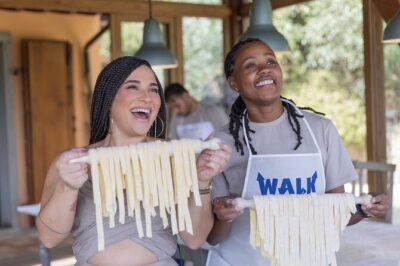
Florence Pizza or Pasta Class with Gelato Making at a Tuscan Farm
Read our review →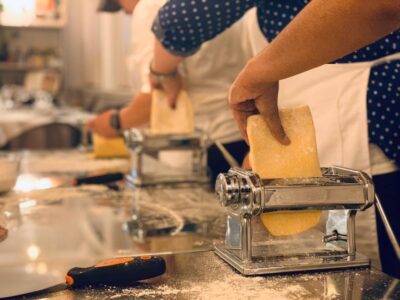
Pasta & Tiramisu Cooking Class with Unlimited Wine
Read our review →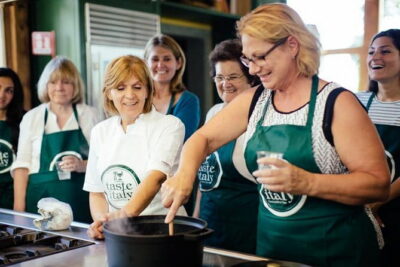
Cooking Class and Lunch at a Tuscan Farmhouse with Local Market Tour from Florence
Read our review →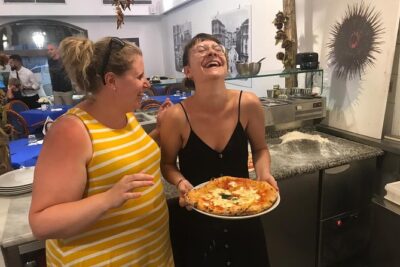
Authentic Pizza Making Class in Naples with Appetizers and Drink
Read our review →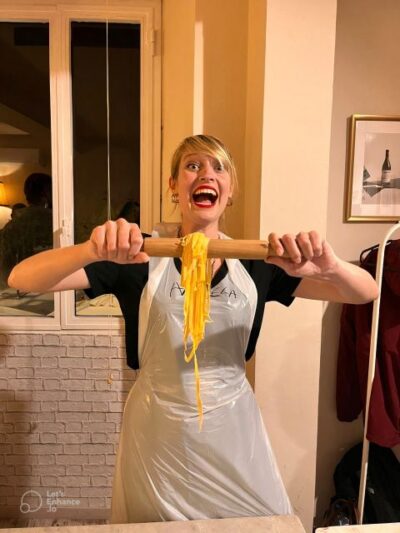
Pasta Making Class with Wine, Limoncello, and Dessert
Read our review →Browse the lists this tour appears in