Reviewed · ROME TOURS
Rome: Jewish Ghetto and Trastevere Tour
Rome’s Jewish Ghetto and Trastevere are close on a map, yet they tell very different stories. This walking tour links them through ancient ruins, Jewish history, Tiber Island, churches, and everyday Roman streets. The best feature is the storytelling, which connects more than 2,000 years of Roman life without treating the neighborhoods as museum pieces.
I like the route for two clear reasons: it covers a lot without rushing, and it gives you useful ideas for eating afterward. Guides such as Ben, Guido, Alethea, and Alithia are praised for humor, clear English, and the ability to explain difficult subjects in a lively way. The main limitation is that the synagogue is viewed from outside, so this is a street-history tour rather than a full religious-site visit.
Key points at a glance
- Theatre of Marcellus begins the story: Ancient Roman ruins provide the first lesson in how this part of the city changed over time.
- The Jewish Ghetto receives serious attention: Expect stories about the community’s endurance, hardship, traditions, and place in Rome.
- Tiber Island links the two districts: A short break here gives you time to rest and understand the river’s role in the city.
- Trastevere adds a different mood: Narrow lanes, ivy-covered houses, old churches, and lively streets show a more informal side of Rome.
- Guides make the difference: Ben, Guido, Alethea, Alithia, and others are praised for strong delivery, humor, and thoughtful answers.
- The $35 price is fair: For 2.5 hours of guided walking through several historic districts, this is a good-value introduction to central Rome.
Why this route gives you more than a neighborhood stroll
Many Rome walking tours focus on famous monuments. This one takes a different path. You still see ancient remains and handsome churches, but the real subject is how Rome’s communities lived beside one another across changing eras.
You begin near the Theatre of Marcellus, then move through the Jewish Ghetto and across Tiber Island before finishing in Trastevere. That sequence matters. It lets you see the city as a set of connected neighborhoods rather than a collection of separate sights.
I also like the scale. Two and a half hours is long enough for real context but short enough to fit beside a Vatican visit, a museum morning, or an evening meal. The route includes several pauses, so you are not walking continuously while trying to absorb a lecture.
The tone appears to be friendly and conversational. Guides are expected to explain, answer questions, and add anecdotes rather than simply recite dates. That helps with Rome, where nearly every street corner carries several layers of history.
A few more Rome half-days worth a look
- Vatican: Museums & Sistine Chapel Entrance Ticket
★ 4.5 · 144,003 reviews - Vatican Museums & Sistine Chapel Tour with Optional Basilica
★ 4.3 · 67,413 reviews - Colosseum, Roman Forum & Palatine Guided Tour
★ 4.7 · 63,148 reviews
Starting beside the Theatre of Marcellus
The meeting point is outside Santa Rita da Cascia in Campitelli, on Via Montanara, beside Antico Caffè del Teatro Marcello. Your guide carries a sign reading Jewish Ghetto & Trastevere Stroll. Arrive about 10 minutes early. The group cannot be guaranteed a wait for late arrivals, and Roman lanes can make a hurried catch-up awkward.
The Theatre of Marcellus is the first guided stop, with about 10 minutes devoted to it. It gives your guide a useful opening point: Rome’s ancient public life, later buildings, and the way old structures were absorbed into the living city.
You do not begin with a long formal lecture. Instead, the theater helps establish the method of the tour. Look at the remains, listen for the historical layers, and then watch those ideas carry into the streets ahead.
This is a good starting point for first-time visitors because it puts the Jewish Ghetto in a wider Roman setting. You are not asked to see the neighborhood as an isolated pocket. Its story is tied to the ancient city, the river, religious institutions, politics, war, and modern Rome.
Entering through the Portico d’Ottavia
The next stop is the Portico d’Ottavia, a short guided visit of about five minutes. The pause is brief, but the location helps you understand the physical center of the old Jewish quarter.
This is one of those places where a guide adds real value. Without context, ancient columns and weathered stone can blur into the background. With a clear explanation, you begin to see how Roman remains, medieval streets, and later community life occupy the same compact area.
The tour does not treat the ruins as a separate ancient-history stop. Instead, they help frame the Jewish Ghetto’s story. That blend is one of the strongest parts of the experience: you move from imperial Rome to Jewish Rome and then to modern city life within a few minutes.
The Jewish Ghetto, with time for difficult stories
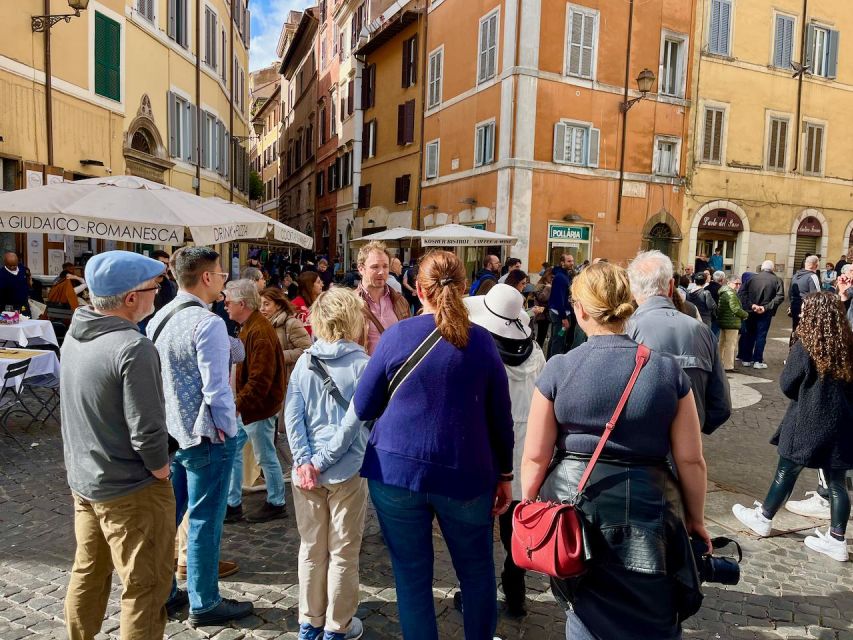
The main section of the tour gives about 30 minutes to the Jewish Ghetto, followed later by another 20-minute guided period in the same area. That total matters. You are not simply led through the quarter for a quick look and a photo.
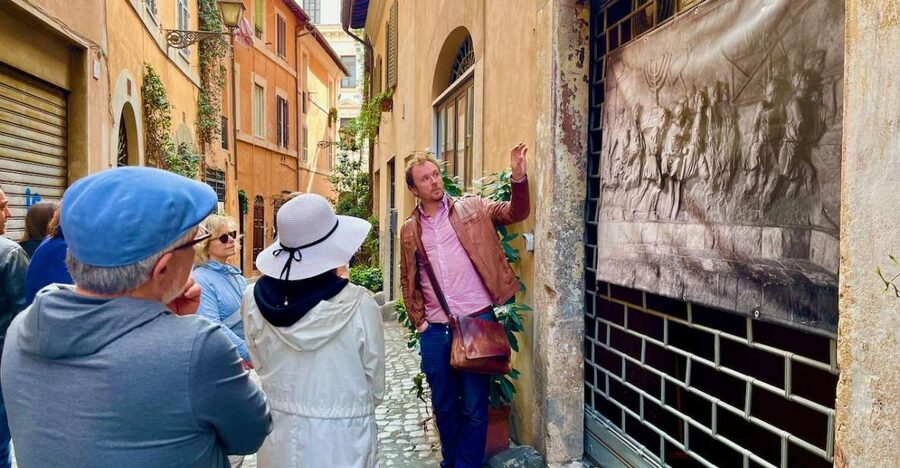
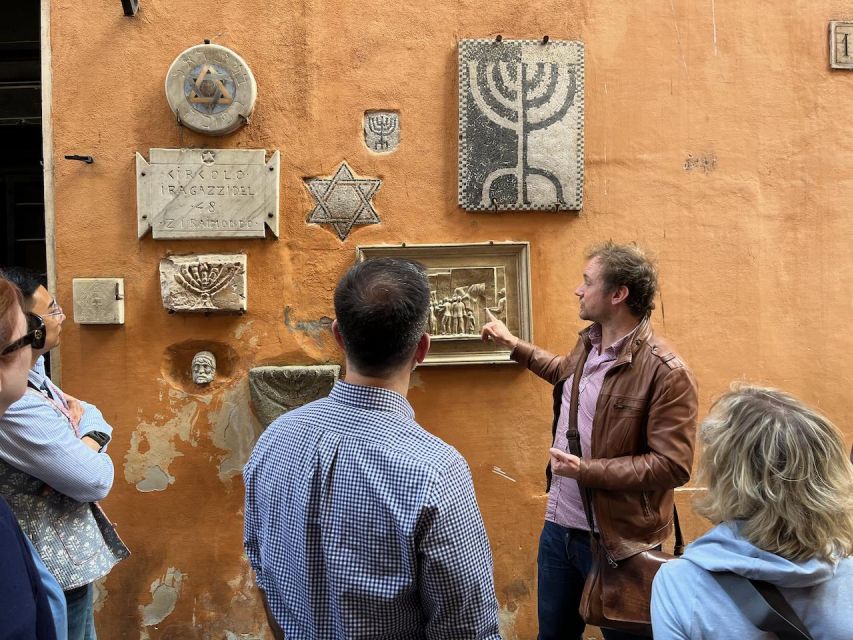
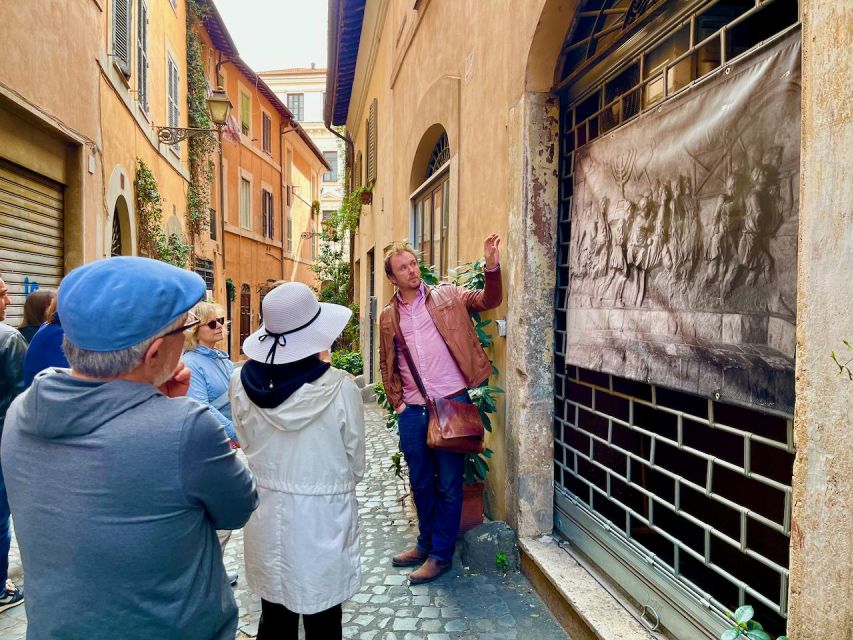
Expect winding cobblestone streets and a close look at the places connected with Rome’s Jewish community. The guide explains why this district matters, how the community endured, and how its story fits into the larger history of the city.
The subject includes painful chapters as well as examples of courage and human decency. Several guide descriptions emphasize a careful balance between tragedy and the positive forces that helped the community continue. That balance is important. The tour aims to inform without turning suffering into a dramatic show.
You will hear anecdotes that make the streets easier to read. Guides such as Ben have been praised for explaining a large span of history without firing too many facts at you at once. Alethea and Guido are also noted for combining solid historical detail with humor and an easy delivery.
The synagogue is seen from outside only. There is no synagogue entrance included, so you should choose this tour for its neighborhood history and outdoor interpretation, not for an interior religious visit.
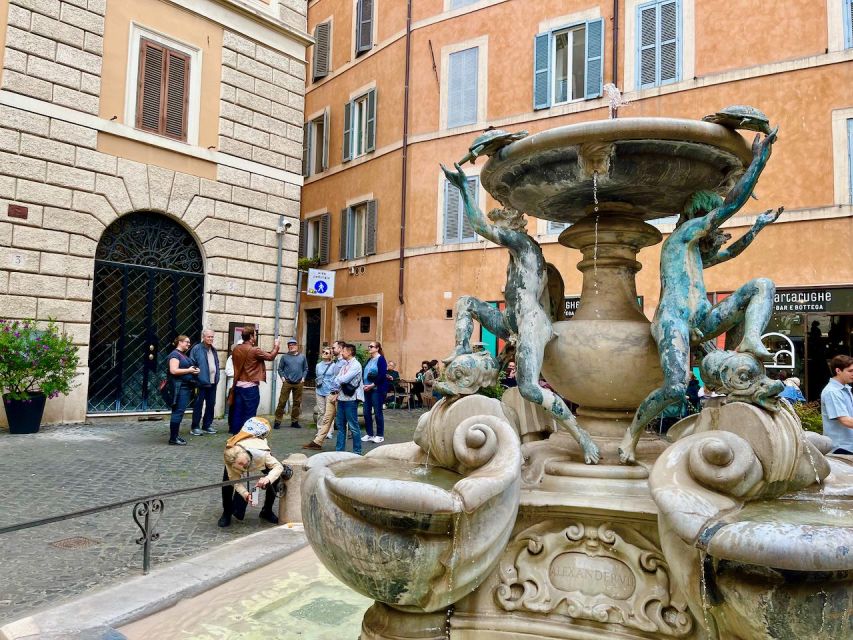
Piazza Mattei receives its own 10-minute guided stop. It gives the group a change of setting and another chance to discuss the quarter’s architecture and public spaces. The pause also breaks up the walking, which is helpful on a warm day or when you are traveling with older family members.
Same city, a completely different sort of day:
- Vatican Museums, Sistine Chapel & St Peter’s Basilica Guided Tour
★ 4.5 · 39,149 reviews - Rome: Colosseum, Palatine Hill and Roman Forum Guided Tour
★ 4.8 · 32,814 reviews - Rome: Guided Tour of Colosseum, Roman Forum & Palatine Hill
★ 4.7 · 27,897 reviews - Rome: Colosseum & Forum with Audio Guide App -Optional Arena
★ 4.2 · 24,770 reviews
Piazza Mattei and the value of a slower explanation
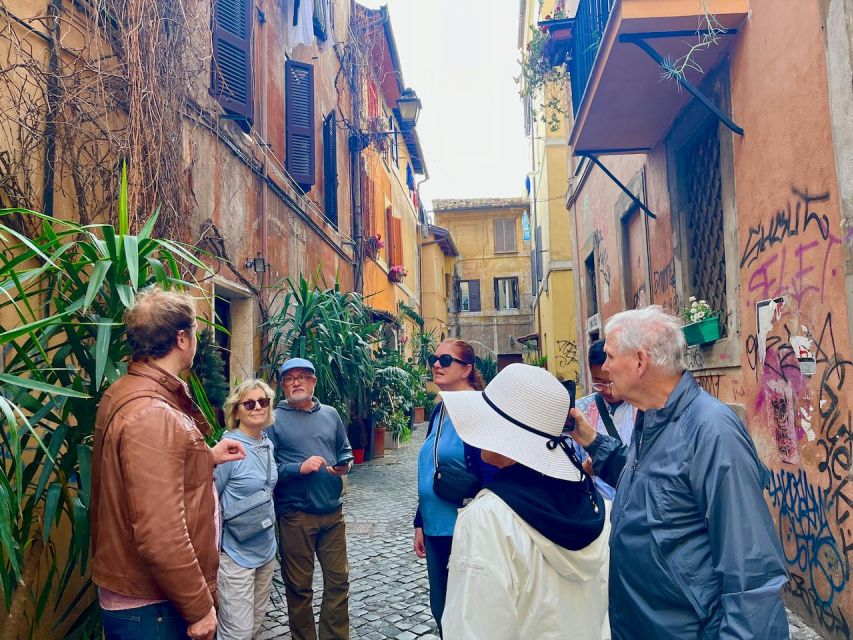
A short stop in a piazza can seem minor beside a major monument, but this is where a good guide earns the fee. You have time to look around, ask a question, and connect what you have already heard with the street in front of you.
The route returns to the Jewish Ghetto after Piazza Mattei. That may sound repetitive on paper, but it allows the guide to build the story in stages. You first get an introduction, then a wider Roman context, and then more detail once the group has seen how the quarter connects to the river and neighboring districts.
For you, the practical benefit is a better sense of place. You leave with more than a list of buildings. You understand why the Ghetto is located where it is, why its streets feel distinct, and why its past remains part of Rome’s present.
Crossing to Tiber Island
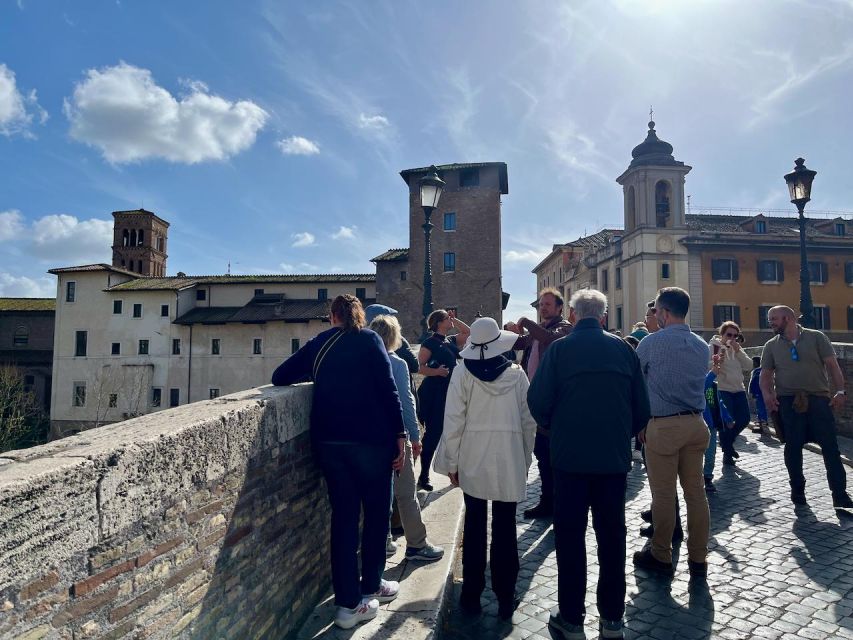
The tour then moves to Tiber Island for about 15 minutes of guided time, followed by a 10-minute break. This is the natural bridge between the Jewish Ghetto and Trastevere.
The island is small, but its position in the Tiber gives it importance in Rome’s story. Your guide explains its role in the city and in local society, helping you see the river as a connector rather than just scenery.
The break is a welcome practical touch. You can pause, refill water if needed, and let the earlier history settle before entering Trastevere. Food and drinks are not included, although the guide may make an optional stop at a gelateria or cafe.
Do not expect a long meal stop. This is a short walking-tour pause, not a food tour. If you want lunch or dinner in the area, save recommendations from your guide and return after the tour.
Trastevere’s lanes and churches
Trastevere receives about 30 minutes of guided exploration at first, followed by a 10-minute visit to Santa Maria in Trastevere, another 20 minutes in the district, and a final five-minute stop at Piazza Trilussa.
The neighborhood changes the mood. After the serious history of the Ghetto and the ancient remains around it, Trastevere feels more informal and residential. You walk through narrow lanes lined with old houses, ivy, small streets, and churches. The area offers a glimpse of the traditional side of Rome, while its restaurants and bars give it a lively evening character.
Santa Maria in Trastevere is the main church stop. The guide explains its place in the district and helps you notice details you might otherwise pass without a second look. Since the tour is focused on interpretation rather than a long interior visit, expect a concise explanation rather than an extended church tour.
The route then continues through Trastevere before ending at Piazza Trilussa. This is a useful finish because you are already in an area with places to eat and drink. Guides have offered restaurant suggestions, and several people have used those tips to continue their evening nearby.
The final piazza stop is only about five minutes, but it gives the walk a clear ending point. You are not left beside an isolated monument or sent back to the starting location. From Piazza Trilussa, you can continue exploring Trastevere on your own.
The guides are the heart of the experience
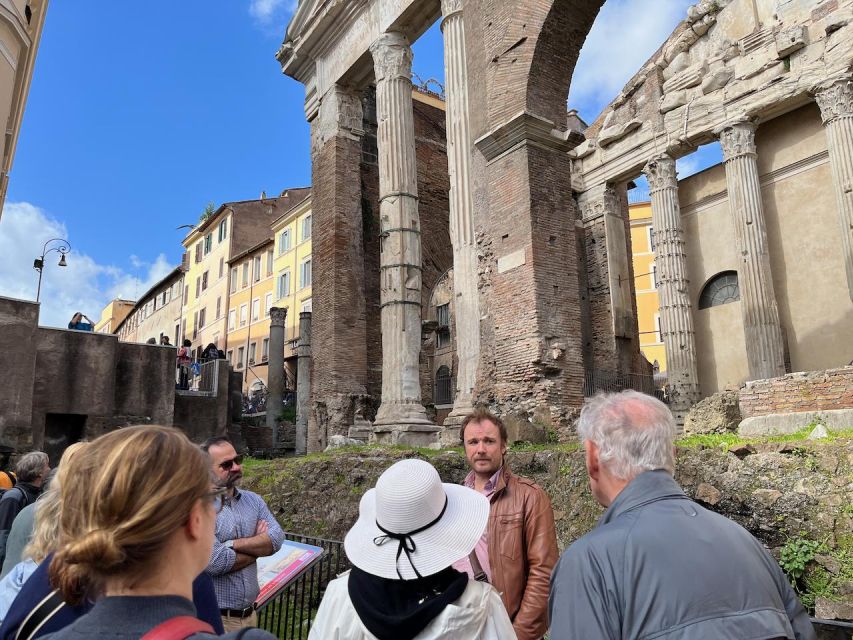
The route is worthwhile, but the guide determines how much you take away. The strongest guide reports focus on clear English, humor, patience, and the ability to answer questions without losing the group’s pace.
Ben is often praised for bringing the Ghetto’s stories to life while keeping the amount of information manageable. Guido receives similar praise for mixing history, architecture, and jokes. Alethea and Alithia are noted for energy, preparation, and helpful local suggestions.
That does not mean every guide will have the same personality. It does mean the tour is built around live storytelling rather than a fixed audio script. You can ask about a building, a historical period, or a restaurant, and the guide can respond to the group’s interests.
A small-group setting has also been praised as a benefit when it occurs. Smaller groups make it easier to hear on narrow streets and easier to ask questions. Group size is not specified as a guaranteed feature, so I would not book solely on that expectation.
What the $35 price gets you
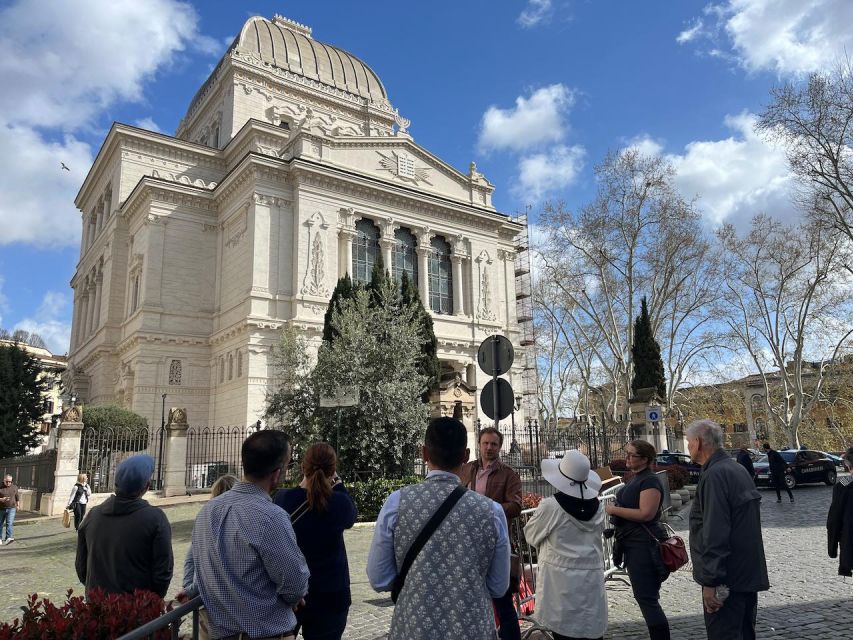
At $35 per person, this is a sensible buy if you want historical context in a short amount of time. You receive 2.5 hours with an English-speaking guide and a route that covers ancient ruins, the Jewish Ghetto, Tiber Island, Trastevere, and several major public spaces.
The value is strongest for first-time visitors who want a broad introduction before returning to one area later. It is also useful if you have already seen the Colosseum and Trevi Fountain but want a less predictable look at Rome.
The price does not include food, drinks, or entrance to the synagogue. You should also remember that this is a walking tour, so the fee pays for interpretation and route planning rather than admission tickets.
Free cancellation is available up to 24 hours before the start time, and you can reserve while paying later. The tour is wheelchair accessible, though cobblestones and narrow historic lanes may still affect comfort. Comfortable shoes are essential.
Weather, pace, and what to bring
The tour runs rain or shine. Bring a rain layer or other weather protection if the forecast is uncertain. In summer, carry water because the streets can feel warm, even with occasional fountains available for refills.
The pace is generally described as leisurely, with one guide-led walk taking just over two hours. The planned duration is 2.5 hours, so allow the full time rather than scheduling a tight museum booking immediately afterward.
Wear shoes that can handle uneven cobblestones. Avoid treating this as a polished sidewalk walk. The route passes through old districts where the surfaces are part of the setting, but they can be tiring.
English is the only listed tour language. If you need another language, this is not the right booking.
Who should book this Rome walk
I would choose this tour if you:
- Want Jewish history presented within the wider story of Rome
- Prefer a guide who tells stories instead of listing dates
- Have already seen the major ancient attractions and want different neighborhoods
- Like combining architecture, local streets, churches, and food suggestions
- Have about half a day and want a well-contained activity
- Appreciate a tour that includes difficult history without ignoring humor and everyday life
I would look elsewhere if your main goal is entering the synagogue, spending a long time inside churches, or taking a dedicated food tour. Those are not the focus here.
Families can also find this route useful. One guide’s ability to keep teenagers interested was specifically praised, and the mix of ruins, stories, streets, and jokes gives younger visitors more variety than a lecture-heavy museum visit.
Should you book the Jewish Ghetto and Trastevere Tour?
Yes, if you want a thoughtful introduction to two neighborhoods that are easy to visit but harder to understand on your own. The $35 cost is reasonable for 2.5 hours of guiding, and the strongest feature is the human delivery from guides such as Ben, Guido, Alethea, and Alithia.
Book it early in your Rome stay if possible. You can use the restaurant advice afterward, return to the Ghetto with a better eye, or spend the evening in Trastevere after the final stop at Piazza Trilussa.
Skip it only if you need synagogue access or prefer to explore silently at your own pace. For most visitors who enjoy history, street life, and a good story told clearly, this is a useful and well-priced walk.
FAQ
How long does the Jewish Ghetto and Trastevere Tour last?
The tour lasts 2.5 hours.
What language is the tour conducted in?
The tour is conducted in English with a live guide.
Where does the tour begin?
It begins outside Santa Rita da Cascia in Campitelli on Via Montanara, next to Antico Caffè del Teatro Marcello.
Where does the tour finish?
The tour finishes at Piazza Trilussa in Trastevere.
What sights are included on the route?
The route includes the Theatre of Marcellus, Portico d’Ottavia, Rome’s Jewish Ghetto, Piazza Mattei, Tiber Island, Trastevere, Santa Maria in Trastevere, and Piazza Trilussa.
Is the synagogue entrance included?
No. The synagogue is seen from the outside only.
Are food and drinks included?
No. Food and drinks are not included. An optional stop may be made at a gelateria or cafe.
Is the tour wheelchair accessible?
Yes, the activity is listed as wheelchair accessible.
What should I bring?
Bring comfortable shoes and suitable weather protection. In summer, bring a water bottle.
What happens if it rains?
The tour runs rain or shine, so you should bring appropriate protection for the weather.
Can I cancel the booking?
You can cancel up to 24 hours before the tour for a full refund.
Can I reserve now and pay later?
Yes. The activity allows you to reserve your place and pay later.
Just added around Rome
- Boat excursion to Gaeta with a stop for swimming and snorkeling 2 HOURS★ 5.0 · 240 reviews
- Palatine Hill and Roman Forum Tour with Fast-Track Entrance★ 4.2 · 417 reviews
- Tivoli: Villa D’Este & Villa Adriana Pass & App Audioguide★ 4.4 · 364 reviews
- Tivoli: Villa D’Este Entry Ticket and App Audio Guide★ 4.3 · 191 reviews
- From Rome: Villa D’Este & Villa Adriana Day Trip with Lunch★ 4.4 · 289 reviews
- Vatican Museums & Sistine Chapel Skip-the-Line Guided Tour★ 4.6 · 254 reviews
- Rome: Capitoline Museums and Centrale Montemartini Tickets★ 4.4 · 328 reviews
- Rome: The Three Tenors at St. Paul’s Church Concert Ticket★ 4.7 · 699 reviews
Rome Tours, compared.
Vatican: Museums & Sistine Chapel Entrance Ticket
Read our review →
Vatican Museums & Sistine Chapel Tour with Optional Basilica
Read our review →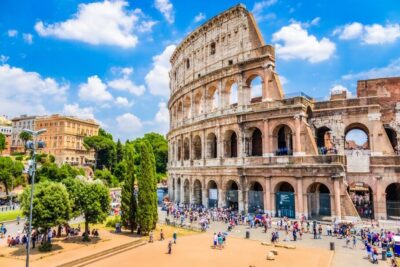
Colosseum, Roman Forum & Palatine Guided Tour
Read our review →
Vatican Museums, Sistine Chapel & St Peter’s Basilica Guided Tour
Read our review →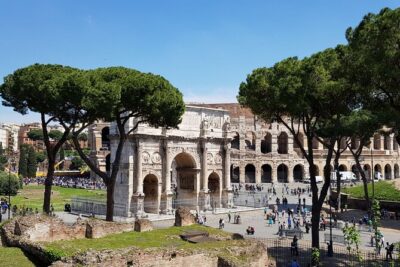
Colosseum, Palatine Hill and Roman Forum Guided Tour
Read our review →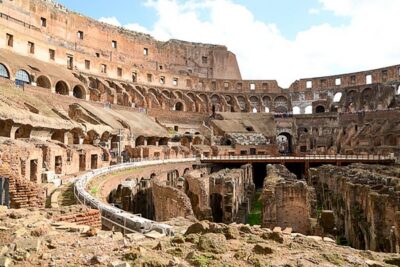
Guided Tour of Colosseum, Roman Forum & Palatine Hill
Read our review →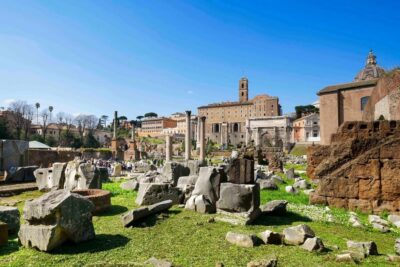
Colosseum & Forum with Audio Guide App -Optional Arena
Read our review →