Reviewed · ROME TOURS
Rome: Domus Aurea Guided Group Tour
Nero’s Golden House is one of Rome’s strangest time capsules: a buried palace beneath the city, reached by descending into an active archaeological site. I love the surviving frescoes and soaring vaults, and the virtual reality segment, which helps you picture the palace before later emperors buried it.
I also like the small-group feel and the chance to hear the story from an English-speaking archaeologist guide. Guides including Valentina, Brandon, Thomas, Monica, and Elena have been singled out for warm, clear explanations. The main drawback is that this is a walking visit over steps, staircases, and uneven surfaces, and some visitors have found it hard to hear guides clearly.
Key points
- A buried palace beside the Colosseum: Enter the remains of Nero’s Domus Aurea beneath Rome’s modern streets.
- A striking virtual reality reconstruction: See how the palace, rooms, grounds, and artificial lake may have looked in Nero’s day.
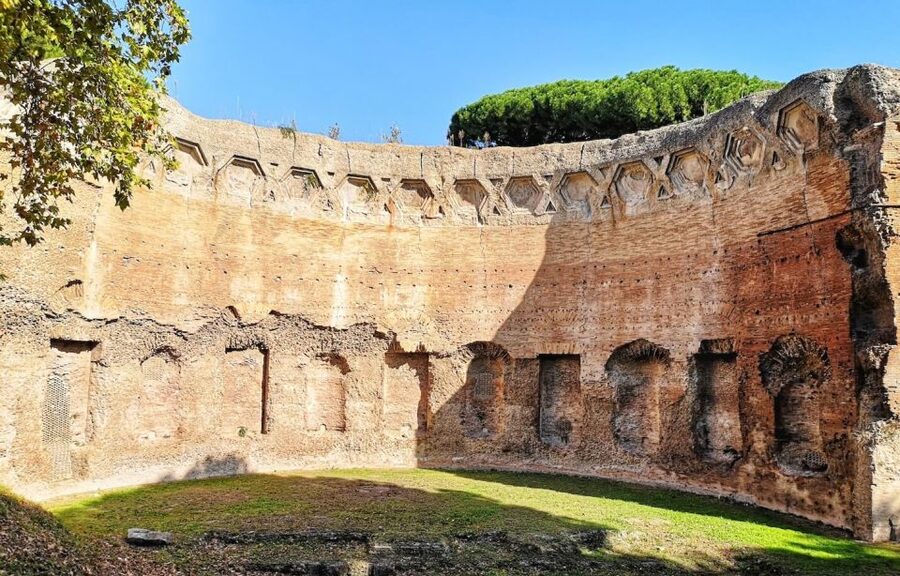
- Surviving Roman decoration: Look for frescoes, tiled floors, vaults, and the pavilion area.
- An active excavation site: Restoration and preservation work are still part of the setting.
- A focused two-hour visit: The tour gives you a strong introduction without taking up an entire day.
- A tour for curious history fans: The site adds useful context to the Colosseum, Roman emperors, and the Renaissance.
Entering Nero’s buried palace beneath Rome
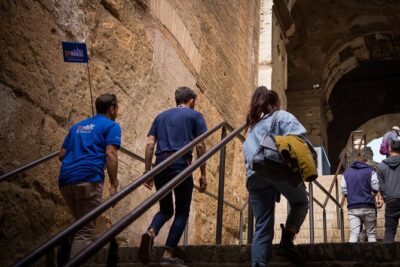
The Domus Aurea, or Golden House, is easy to miss. It sits near the Colosseum, yet the main experience happens below ground, in rooms that were buried by later Roman building projects. You meet your guide at Oppio Caffè, on the corner of Via Nicola Salvi and Via delle Terme di Tito, then make your way to the entrance.
This meeting point is useful if you are already visiting the Colosseum area. The exact address is Via delle Terme di Tito 72, and your guide should carry a Through Eternity sign or flag. Give yourself enough time to find the café and identify the group. One practical complaint has been that the first guide was not always easy to spot, so do not wait passively at a crowded corner.
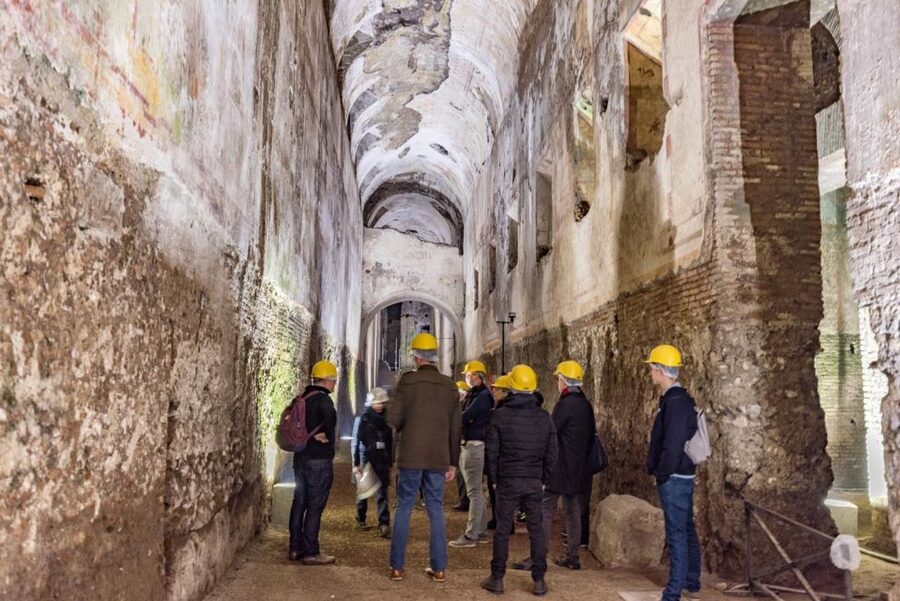
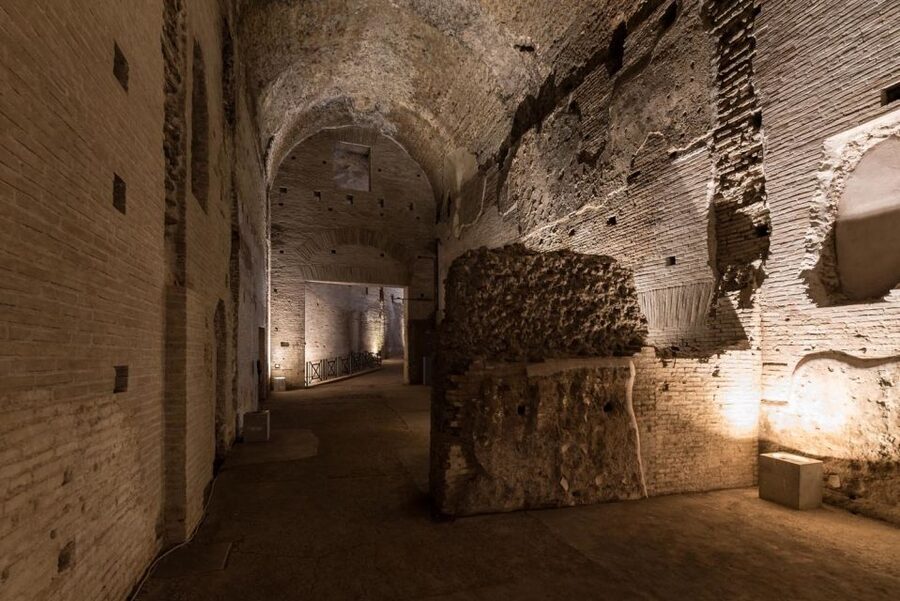
The descent changes the mood quickly. Above ground, Rome is noisy and open to the sun. Below it, the Domus Aurea feels enclosed, cool, and unfinished. That contrast helps you understand the site. You are not entering a polished monument with every surface restored. You are walking through a protected excavation where archaeologists are still working out how to preserve what remains.
A few more Rome half-days worth a look
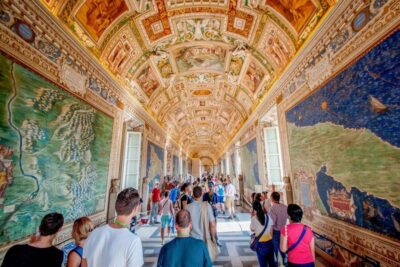
- Vatican: Museums & Sistine Chapel Entrance Ticket
★ 4.5 · 144,003 reviews - Vatican Museums & Sistine Chapel Tour with Optional Basilica
★ 4.3 · 67,413 reviews - Colosseum, Roman Forum & Palatine Guided Tour
★ 4.7 · 63,148 reviews
The palace Nero built after the fire of Rome
The story begins with the great fire of AD 64. After much of Rome burned, Emperor Nero ordered a vast residence built over the damaged center of the city. It was not simply a private house. The Domus Aurea was a sprawling imperial complex, designed to display wealth, power, art, and the emperor’s enormous sense of importance.
The palace once included lavish rooms, gardens, decorative surfaces, and an artificial lake. The most outrageous feature described on the tour is a rotating dining room open to the night sky. Even if little of that grand setting survives intact, these details make the remaining walls easier to read.
I find the political story just as interesting as the architecture. Nero’s building program made him look extravagant while ordinary Romans were still dealing with the effects of the fire. His rule ended in AD 68, when he was forced to commit suicide. His successors wanted to erase his memory, so they filled in the lake, covered the palace, and built over parts of the complex.
The Flavian Amphitheatre, now known as the Colosseum, rose where Nero’s artificial lake had been. That connection gives the two sites more meaning when visited together. The Colosseum was not placed randomly in the area. It helped replace an emperor’s private playground with a public arena.
Rooms, vaults, and fragile Roman frescoes
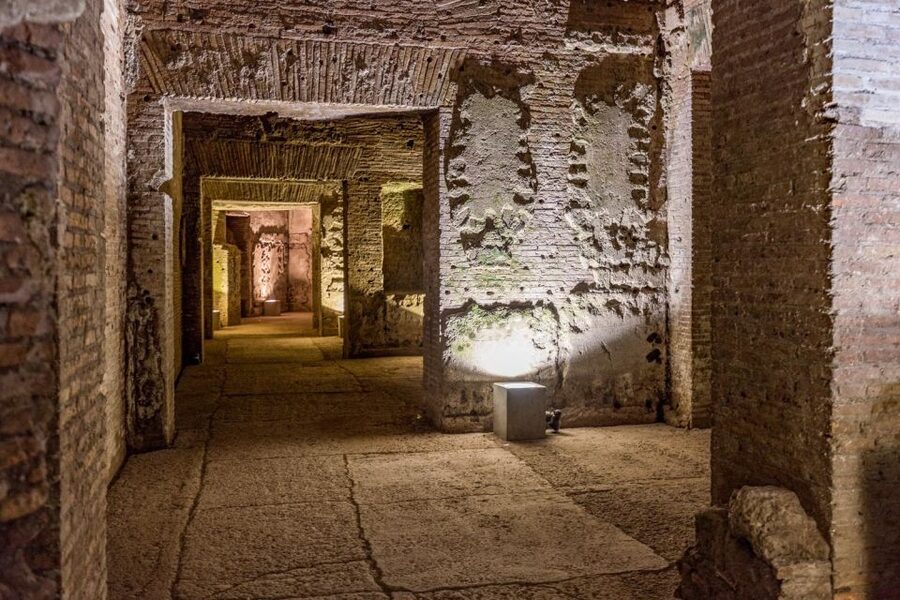
The heart of the tour is the walk through the excavated rooms. You can expect broad spaces, brickwork, high vaults, and a sense of scale that is difficult to grasp from photographs. The palace was built to impress, but it was also built with practical Roman engineering skill.
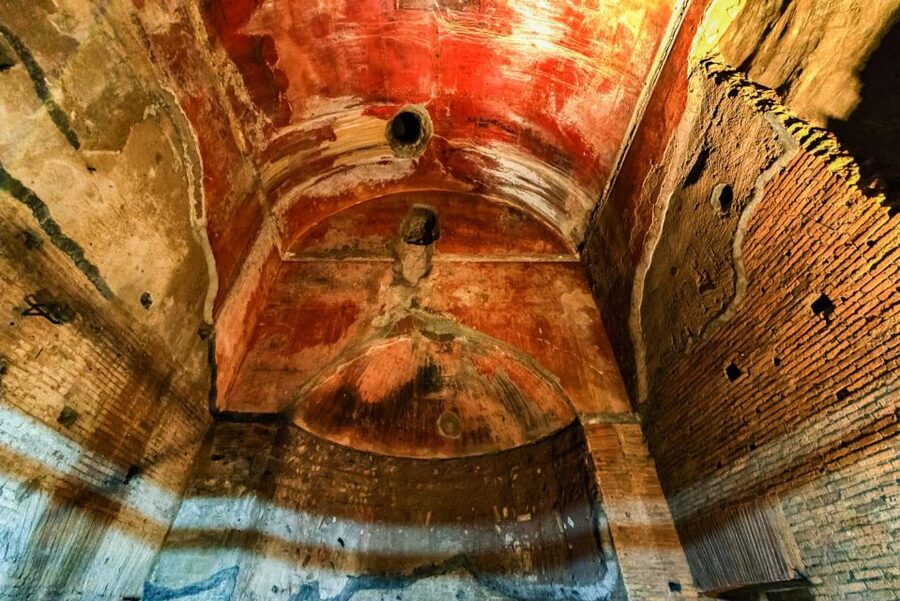
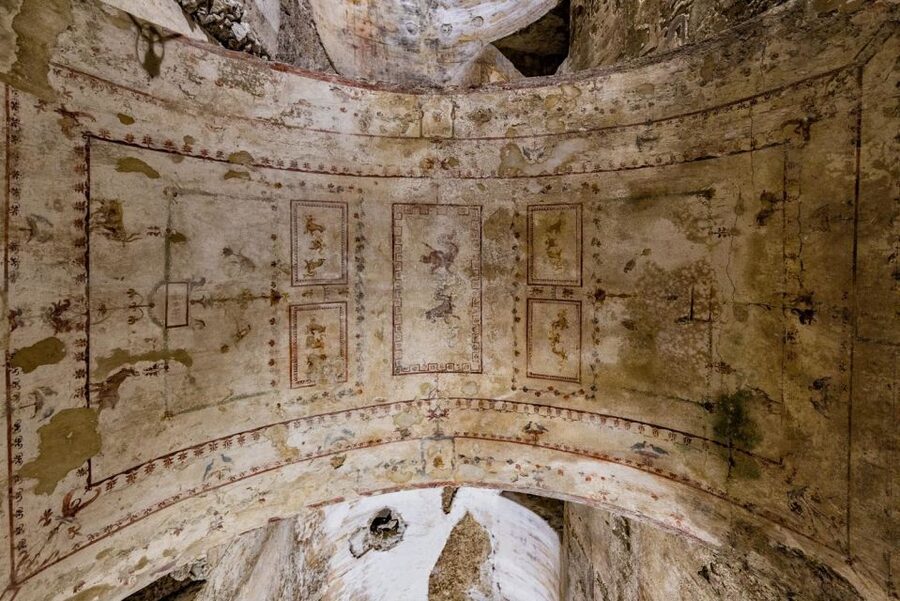
Look closely at the walls and ceiling surfaces. Some rooms still preserve painted decoration, including frescoes with delicate figures and ornamental patterns. Tiled floors and fragments of wall decoration add to the experience. The surviving work is not spread evenly through every room, so you should not expect a fully decorated imperial palace. What remains is precious precisely because so much was lost, buried, or damaged.
The pavilion area and surviving wall frescoes have drawn particular attention from past visitors. Your guide can help you notice details that would be easy to walk past, especially where colors, outlines, or small figures blend into the aged surface.
The preservation work is part of what you are seeing. Rooms may feel bare in places, and some surfaces are protected rather than displayed for close inspection. That can limit the visual impact, but it also gives you a more honest look at archaeology. This is not a reconstructed palace designed to look new. It is a fragile site being kept alive.
What the archaeologist guide adds
The tour includes an English-speaking archaeologist guide, and the best guides make a major difference. A room full of brick walls can seem abstract without explanation. With a strong guide, you learn how Nero’s palace fitted into Rome, why it was buried, how Renaissance artists encountered its decoration, and what modern preservation involves.
Valentina has been praised for combining clear historical detail with an easy sense of humor. Brandon and Thomas have also been noted for strong pacing and engaging explanations. Monica, Elena, Renata, Marco, and Federico are among the other guides who have received warm praise for their handling of the subject.
The guide arrangement may vary. The tour company guide can escort the group to the site, while an official Domus Aurea guide leads the interior visit. Some groups have found the official guide easy to follow, while others have had trouble with volume or accents, especially in larger rooms. If you have hearing concerns, stay near the guide and ask to be positioned where you can see and hear clearly.
This is one reason the small-group format matters. The site is not suited to a large crowd, and a smaller group makes it easier to pause near the walls without blocking other people. It also gives you a better chance to ask about a particular fresco or architectural feature.
Same city, a completely different sort of day:
- Vatican Museums, Sistine Chapel & St Peter’s Basilica Guided Tour
★ 4.5 · 39,149 reviews - Rome: Colosseum, Palatine Hill and Roman Forum Guided Tour
★ 4.8 · 32,814 reviews - Rome: Guided Tour of Colosseum, Roman Forum & Palatine Hill
★ 4.7 · 27,897 reviews - Rome: Colosseum & Forum with Audio Guide App -Optional Arena
★ 4.2 · 24,770 reviews
The virtual reality view of Nero’s Rome
The virtual reality experience is one of the strongest parts of the visit. The actual palace is underground, incomplete, and stripped of much of its original decoration. The digital reconstruction helps bridge the gap between the quiet excavation and Nero’s extravagant complex.
You can use it to picture the palace at its height, including the relationship between rooms, open spaces, and the surrounding grounds. It also helps explain the scale of the complex better than a verbal description alone. Several people have found the experience especially moving because it shows what has disappeared, not just what remains.
I would not treat the virtual reality segment as a gimmick. Here it performs a useful museum job. It gives you visual context without pretending that the original palace is still intact. You see the ruins first, then use the technology to imagine the finished building.
The technology also makes the tour easier for families and visitors who do not already know Roman architecture. Children may find the digital reconstruction more immediate than a long explanation about vaults and imperial planning. Adults can use it to connect the palace with nearby monuments, especially the Colosseum.
From Nero to the Renaissance
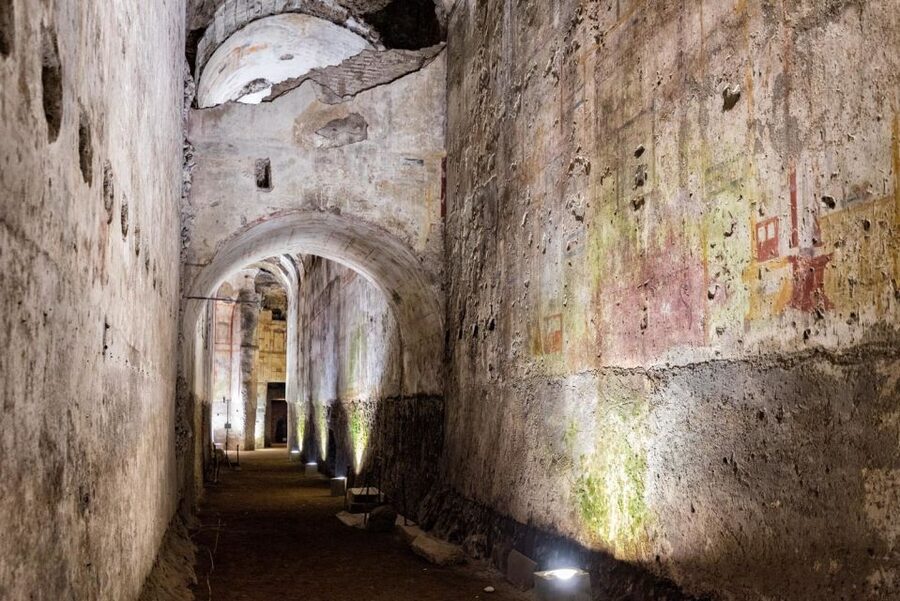
The Domus Aurea was not simply forgotten after Nero’s death. It was buried and then encountered again centuries later, when artists began entering the underground rooms. The painted decorations influenced Renaissance artists, who studied the unusual motifs they found below ground.
Your guide uses the site to explain this later chapter, which is one of the more rewarding parts of the visit. The palace is not only a record of Nero’s reign. It also shows how ancient Roman art returned to European attention and helped shape Renaissance decoration.
That connection can change the way you look at other Roman and Renaissance buildings. The tour gives you a useful link between imperial Rome and the artistic revival that followed many centuries later. One guide also connected the Domus Aurea with Egyptian influence and wider Roman cultural exchange, adding another layer to the story.
This section is especially valuable if you have already seen major Renaissance sights in Rome. You begin to understand that artists were not working from an abstract idea of antiquity. They were looking at actual ancient paintings, ornaments, and architectural forms uncovered beneath the city.
A cool, physical visit with real limits
The two-hour duration is well judged for the site. It is long enough to explain Nero, walk through the principal spaces, discuss the later history, and complete the virtual reality experience. It is short enough to fit around other major Rome sights.
The underground setting can be noticeably cooler than the streets, so bring a warm layer even on a hot day. Comfortable shoes are essential. You will encounter steps, staircases, and uneven surfaces, and this is not suitable for wheelchair users.
Large bags and luggage are not allowed. Pack lightly and bring water. If anyone in your group has mobility concerns, mention them during booking so the provider can discuss possible arrangements. The site cannot offer a normal flat, step-free museum route.
The tour is conducted in English. A valid student ID is required if you are booking a student discount. Without it, you may be charged the full entry price on the day.
Is $55 good value for two hours?
At $55 per person, this is not the cheapest ancient site visit in Rome. The price includes admission, reservation fees, the guided visit, and the virtual reality experience. It also saves you from trying to make sense of a complicated underground excavation alone.
I think the price is fair if you care about Roman history, archaeology, architecture, or the way ancient art influenced later Europe. The guide gives structure to a site that could otherwise feel like a series of dark rooms. The digital reconstruction adds something you cannot get from simply looking at the surviving walls.
The value is weaker if you want a grand, fully restored palace with broad collections and lots of objects in display cases. The Domus Aurea is a fragile ruin, and some rooms may feel sparse. You are paying for access, interpretation, and the chance to see a working archaeological site, not for a polished spectacle.
The non-refundable booking rule also matters. Choose your date carefully, especially if your Rome schedule is tight. Availability can be limited, so check starting times before building the rest of your day around it.
Who should take this tour?
I would recommend it most strongly to:
- People who have already seen the Colosseum and want to understand what stood nearby before it was built.
- Visitors who enjoy archaeology more than reconstructed attractions.
- Families who want a historical site with a strong visual technology component.
- Students of Roman art, architecture, and Renaissance history.
- Repeat visitors to Rome looking for something beyond the standard list.
- Anyone curious about Nero beyond the usual stories of cruelty and excess.
It may be less satisfying if you dislike enclosed spaces, have difficulty with stairs, or want to move at your own pace without a guide. The virtual reality portion is a plus, but it does not replace the physical limitations of the excavation.
Should you book the Domus Aurea tour?
Yes, if you want a focused, unusual look at Rome’s imperial past. The combination of buried rooms, surviving frescoes, Nero’s extravagant story, and virtual reality gives the visit a clear purpose. It also adds context to the Colosseum by showing what the Flavian emperors built over and replaced.
Book it knowing what you are getting: an active excavation with uneven footing, protected surfaces, and incomplete remains. Choose comfortable shoes, bring a light layer, arrive early at Oppio Caffè, and stay close to the guide so you do not miss the explanation.
For a first visit to Rome, this is a strong choice after the Colosseum rather than instead of it. For a repeat visit, it may be one of the most rewarding two-hour experiences in the city.
FAQ
Where does the tour meet?
The meeting point is on the corner of Via Nicola Salvi and Via delle Terme di Tito, in front of Oppio Caffè. The exact address is Via delle Terme di Tito 72. Your guide should have a Through Eternity sign or flag.
How long does the Domus Aurea tour last?
The guided visit lasts two hours.
What language is the tour in?
The tour is conducted in English.
Is a virtual reality experience included?
Yes. The virtual reality experience is included and helps you picture Nero’s palace, rooms, and grounds as they may have appeared in antiquity.
Is the tour suitable for wheelchair users?
No. The visit includes steps, staircases, and uneven surfaces and is not suitable for wheelchair users.
What should I bring?
Wear comfortable shoes, bring water, and take warm clothing because the underground site can be cool. Large bags and luggage are not allowed.
Can I receive a student discount?
Yes, but you must show a valid student ID on the day of the tour. If you cannot show valid identification, the full ticket price may be charged for entry.
Just added around Rome
- Boat excursion to Gaeta with a stop for swimming and snorkeling 2 HOURS★ 5.0 · 240 reviews
- Palatine Hill and Roman Forum Tour with Fast-Track Entrance★ 4.2 · 417 reviews
- Tivoli: Villa D’Este & Villa Adriana Pass & App Audioguide★ 4.4 · 364 reviews
- Tivoli: Villa D’Este Entry Ticket and App Audio Guide★ 4.3 · 191 reviews
- From Rome: Villa D’Este & Villa Adriana Day Trip with Lunch★ 4.4 · 289 reviews
- Vatican Museums & Sistine Chapel Skip-the-Line Guided Tour★ 4.6 · 254 reviews
- Rome: Capitoline Museums and Centrale Montemartini Tickets★ 4.4 · 328 reviews
- Rome: The Three Tenors at St. Paul’s Church Concert Ticket★ 4.7 · 699 reviews
Rome Tours, compared.
Vatican: Museums & Sistine Chapel Entrance Ticket
Read our review →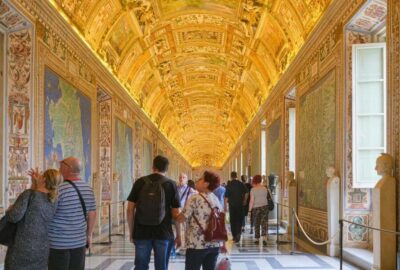
Vatican Museums & Sistine Chapel Tour with Optional Basilica
Read our review →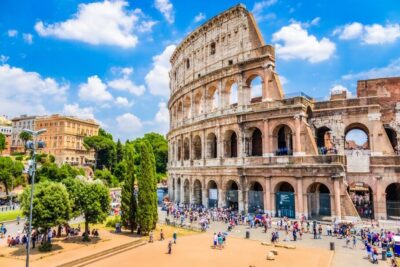
Colosseum, Roman Forum & Palatine Guided Tour
Read our review →
Vatican Museums, Sistine Chapel & St Peter’s Basilica Guided Tour
Read our review →
Colosseum, Palatine Hill and Roman Forum Guided Tour
Read our review →
Guided Tour of Colosseum, Roman Forum & Palatine Hill
Read our review →
Colosseum & Forum with Audio Guide App -Optional Arena
Read our review →