
Reviewed · 2-HOUR EXPERIENCES
Rome: 2-Hour Gladiator School
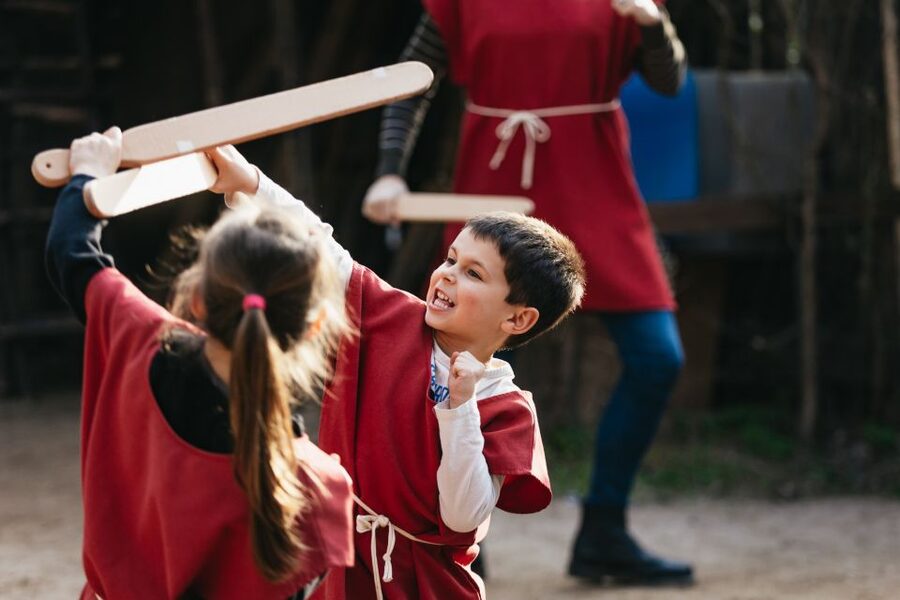
A Roman gladiator lesson on the Appian Way gives you something the Colosseum cannot: a chance to handle replica weapons, wear a tunic, learn basic fighting moves, and face your family in a safe arena battle. The two-hour session mixes a museum visit with history and plenty of physical activity, so it feels more like a game with substance than a standard lecture.
I like the balance of real Roman context and hands-on fun. I also like that parents can watch without buying a ticket if they do not take the course, while adults who join can have just as much fun as the children. The main drawback is value: at $135.94 per person, this is a costly activity, especially if several family members participate.
Gladiator School at a Glance
- Training on the Appian Way: You meet at the Gladiator School of Rome, away from the Colosseum crowds and close to the ancient Via Appia Antica.
- A short museum visit first: The introduction covers Roman history, weapons, armor, soldiers, and the life of a gladiator.
- Safe sword practice: You learn basic techniques with replica weapons before using foam swords in the final battle.
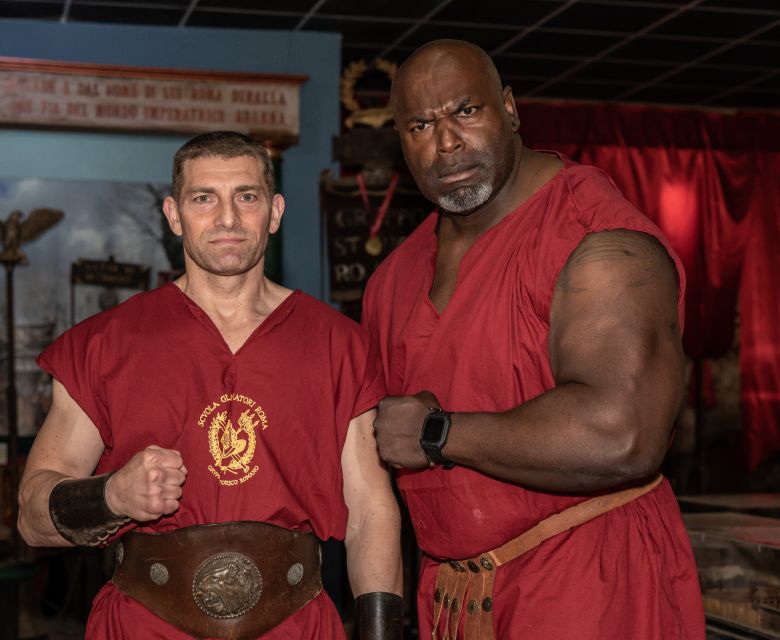
- A lively guide makes the difference: Instructors including Mirko, Cena, Marko, Sina, Patriccio, and Olympus have been praised for patience, humor, and energy.
- The whole family can take part: Children and adults train together, while nonparticipating parents or companions may watch for free.
- Practical extras are included: You receive drinks, a certificate, and a museum visit as part of the two-hour activity.
Why This Experience Works So Well for Families
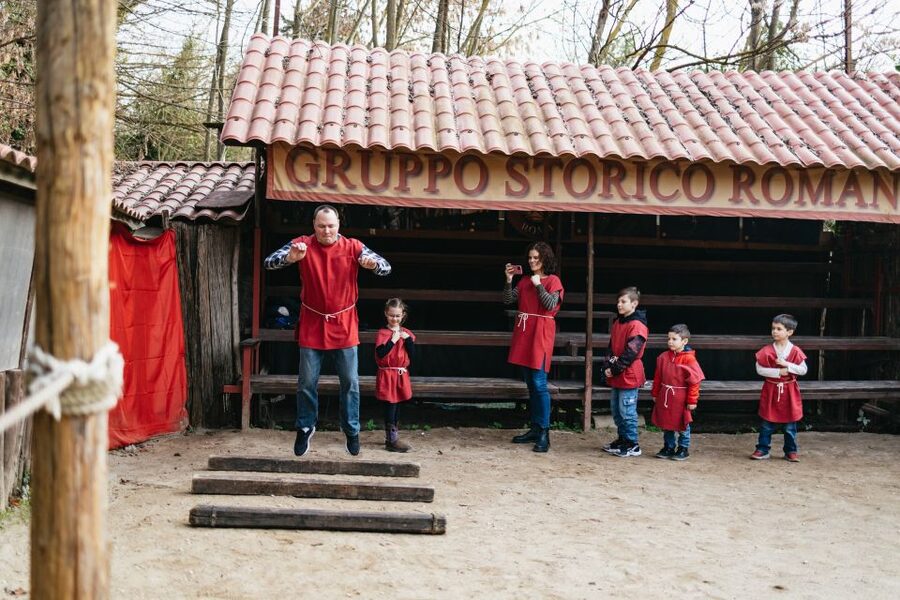
The best part is the steady change of pace. You do not spend two hours standing still while someone recites dates and names. The session begins with Roman history, then moves to objects and weapons, and finally gets you on your feet practicing sword movements.
That order matters. Once you hear about gladiators and see the equipment, the training has a clear purpose. You are not simply waving a plastic sword. You are learning how a Roman fighter might have trained, then using those ideas in a controlled game.
Children as young as five have taken part, and the activity has also worked for older children, teenagers, parents, and even a three-generation family with ages ranging from 11 to 76. That broad age range tells you something useful: the experience is designed around participation, not athletic skill.
The instructors also seem to understand that children need attention in small doses. Names such as Mirko, Cena, Marko, Sina, Patriccio, and Olympus come up in connection with patient teaching, jokes, encouragement, and personal attention. The guide is not just explaining a movement from the front of the room. He is moving around, correcting techniques, and helping children feel successful.
A few more Rome half-days worth a look
- Boat excursion to Gaeta with a stop for swimming and snorkeling 2 HOURS
★ 5.0 · 240 reviews - Lucca: 2-Hour City Center Walking Tour
★ 4.7 · 1,314 reviews - Milan Duomo and Rooftop 2-Hour Guided Tour
★ 4.6 · 1,076 reviews
The Museum and Roman Introduction
The first part includes a museum visit and an introduction to Roman history. The museum is described as small, but it contains objects connected to gladiators and Roman soldiers that you may not see in a regular museum visit.
This stop gives the activity more weight. You learn that gladiators were not simply the Hollywood image of grim warriors fighting until one man died. The session also looks at discipline, weapons, armor, and daily life. That distinction is useful after a visit to the Colosseum, where it is easy to remember the spectacle but miss the people who trained, fought, worked, and waited below the arena.
The museum section is especially helpful for children who need a story to connect the objects. The guides use humor and questions to keep younger participants involved, then point out details that make the weapons and armor easier to understand.
Do not expect a large national museum with room after room of displays. This is a compact introduction designed to support the training. I see that as a strength for families, since you are unlikely to lose an hour while tired children drift past long cases.
Learning Roman Sword Techniques
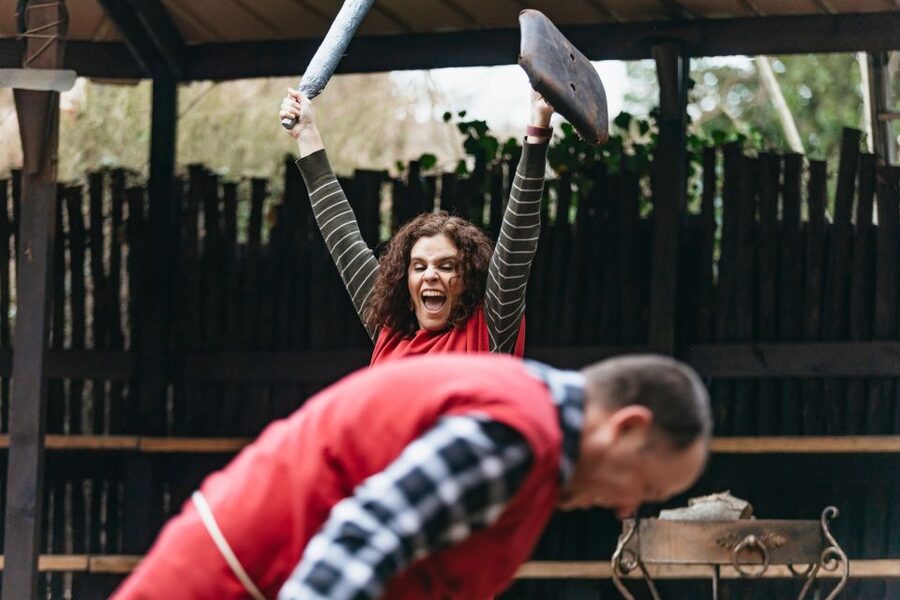
After the introduction, you put on a gladiator tunic and learn basic sword-fighting techniques. The activity is presented as safe, with the emphasis on control, movement, and following instructions rather than force.
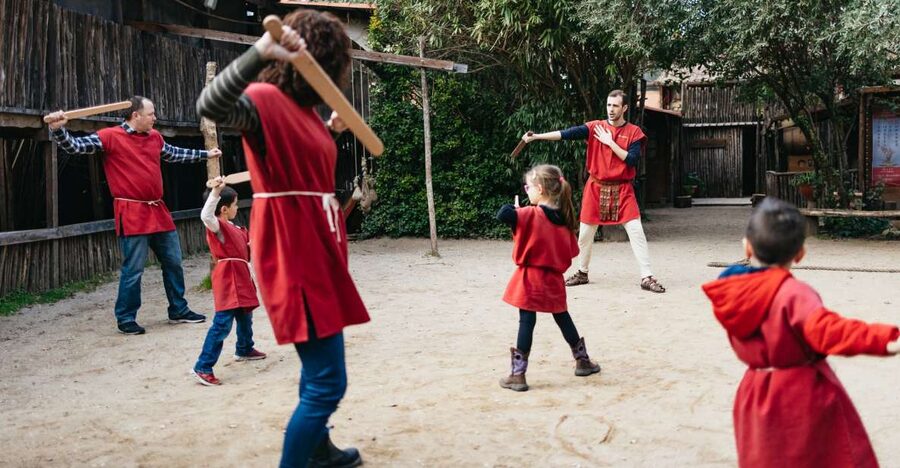
The practical lesson is one of the strongest parts. You get to try historical weapons and armor, learn how a gladiator might hold a sword, and practice the movements before the final contest. Since children and adults train together, the guide has to keep the exercises simple enough for beginners but interesting enough for older participants.
That makes this a good option after a morning at the Colosseum or Roman Forum. You may have spent hours looking at ruins and imagining public spectacles. Here, you use your body and attention in a way that makes those earlier sights easier to picture.
The final battles use foam swords. That detail matters. The activity has a theatrical side, but it is not presented as a serious combat lesson. You are playing a Roman fighter under supervision, with safety and fun taking priority.
The training can be active, especially in hot weather. Sessions have taken place on days above 95 degrees Fahrenheit, and the staff has provided cold water and encouraged participants to stay hydrated. Wear comfortable clothes and shoes, and consider insect repellent because mosquitoes have been a problem at the site.
The Arena Battle and Certificate
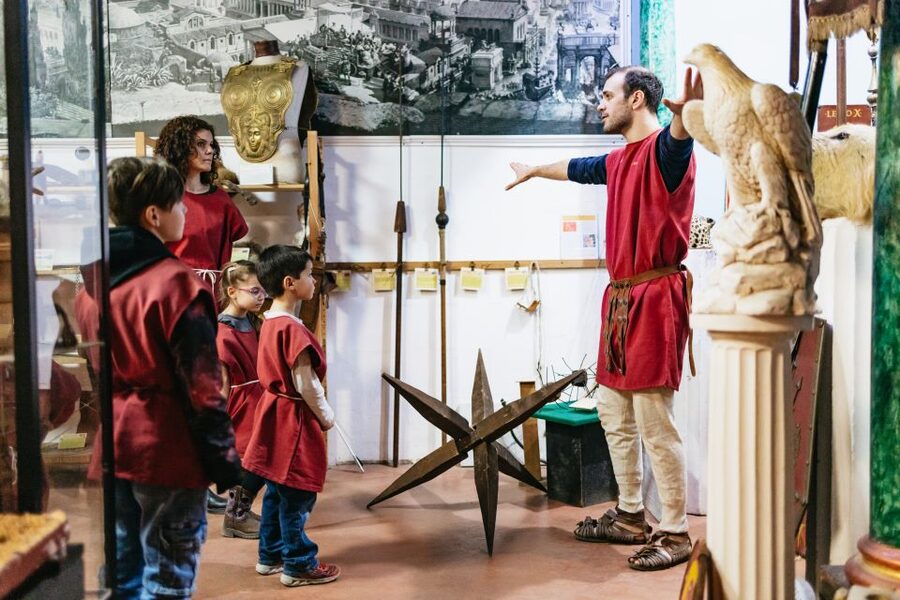
The closing battle is the part most likely to stay with your family. After practice, participants face one another in an arena setting, sometimes in front of an emperor figure. The spectacle gives the children a clear ending and lets them use the skills they have just learned.
It also creates good family comedy. Parents can fight their children, siblings can face one another, and adults can join the same activity instead of standing on the edge with a camera. One especially memorable feature is that parents may find themselves defeated by their own children in front of the group.
The battle is not a free-for-all. The training comes first, and the foam swords keep the contest suitable for children. You should still expect noise, movement, and excited participants. If your child dislikes active group games, this may not be the right choice.
A certificate follows the training. It is a small touch, but children like having something physical to take home. It turns the experience into more than a set of photographs and gives younger participants a sense that they completed a real course.
Same city, a completely different sort of day:
- Vatican: Museums & Sistine Chapel Entrance Ticket
★ 4.5 · 144,003 reviews - Vatican Museums & Sistine Chapel Tour with Optional Basilica
★ 4.3 · 67,413 reviews - Colosseum, Roman Forum & Palatine Guided Tour
★ 4.7 · 63,148 reviews - Vatican Museums, Sistine Chapel & St Peter’s Basilica Guided Tour
★ 4.5 · 39,149 reviews
How the Guides Shape the Experience

The guide is central here. A flat presentation would make the museum and history portion feel ordinary. A good instructor turns the same material into a story that children can follow.
Mirko has been singled out for holding children’s attention. Cena has led groups ranging from young children to older adults and brings a strong interest in Rome’s past. Patriccio has been praised for helping a child feel capable, while Marko has kept both children and older adults involved. Sina has led energetic English-language sessions, and Olympus has combined weapon training with detailed explanations of gladiators and Roman soldiers.
The names may change with your booking, and the activity is offered in English and Italian. Still, the pattern is clear: you want an instructor who can shift between history, demonstration, humor, and crowd control. That matters more than having a long formal lecture.
The sessions also bring together families from different countries. The final battle gives everyone a shared activity even when they do not speak the same first language. You may leave with photographs, a certificate, and a few new acquaintances from the training group.
Getting to the Appian Way
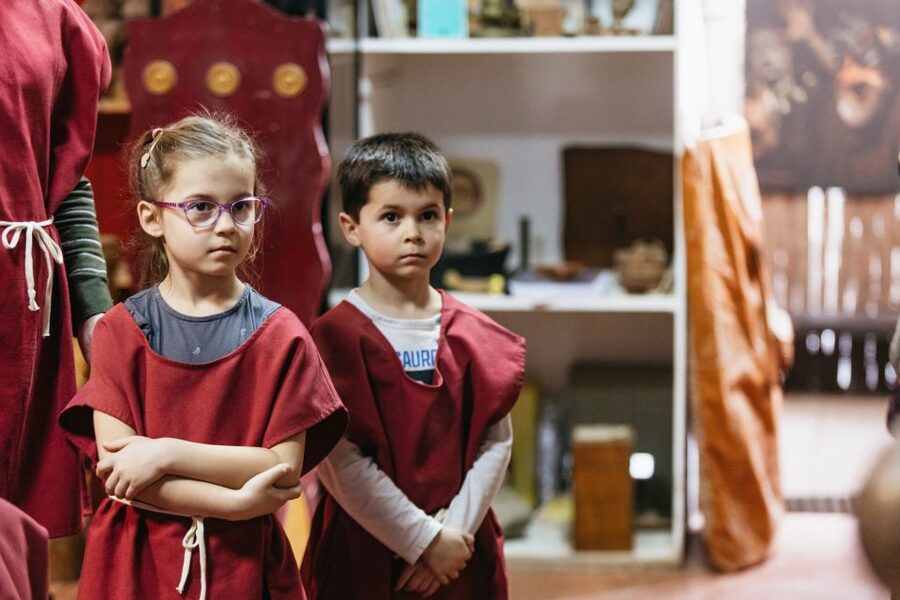
The meeting point is the Gladiator School of Rome on the ancient Appian Way. The nearest bus stop is Appia Antica-Travicella, served by bus lines 118 and 218.
This location is part of the appeal, but it does require planning. You are not meeting beside the Colosseum or at a central metro station. Check the route carefully and allow enough time to reach the school without rushing. The activity ends back at the same meeting point.
The Appian Way setting gives the lesson a stronger sense of place. You are training in the area of one of Rome’s oldest roads rather than inside a modern entertainment venue in the city center. The location also pairs well with a day focused on ancient Rome, although you should avoid packing too many fixed-time sights around the two-hour session.
The activity is wheelchair accessible. Starting times vary, so you need to check availability when booking rather than assume a particular morning or afternoon slot.
What the $135.94 Price Gets You
At $135.94 per person, this is not a cheap family activity. For one adult and one child, the total is substantial. For a larger family, the price can quickly rival a major museum visit or guided tour.
The value improves if you treat it as a two-hour program rather than a short photo opportunity. The price includes the museum visit, the history introduction, training, drinks, and a certificate. You are also paying for an instructor to manage the equipment, teach the techniques, supervise the battle, and keep different ages engaged.
There is a useful saving for families with spectators. Parents or companions do not have to buy a ticket if they do not attend the course. That allows one adult to watch younger children without paying the full participation price. On the other hand, the adults who join often enjoy the activity, so saving money means missing part of the fun.
I would book it for a special family day, particularly if your children already like Roman history or active role-play. I would hesitate if your budget is tight or if your family prefers quiet museums and walking tours.
Best Age Range and Group Fit
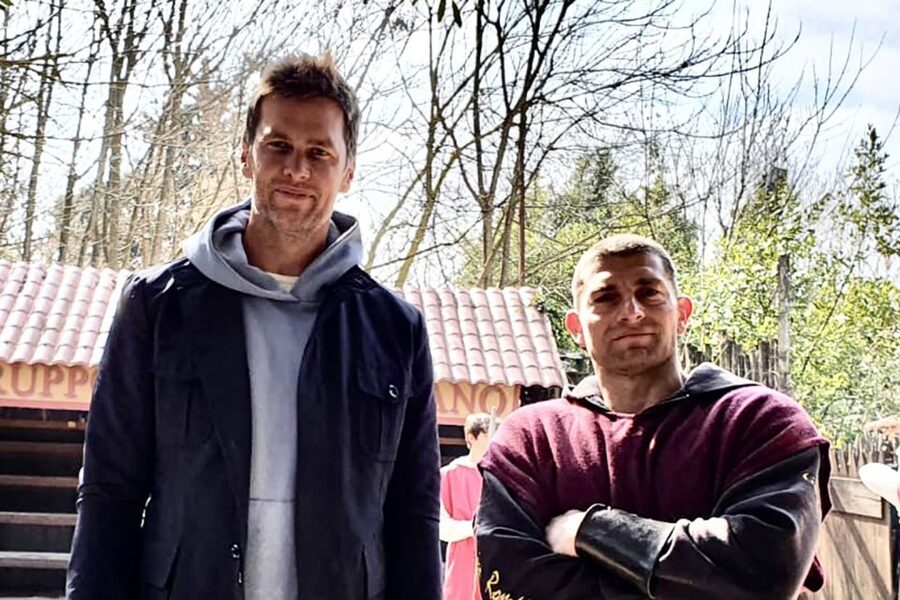
The school welcomes both adults and children, and the activity has worked well for children from about five years old through the teenage years. Younger children may need extra help following instructions, while older children can enjoy the technique and the competitive final battle.
The experience suits families with mixed ages because the activities do not depend on strength. A seven-year-old, a teenager, and a parent can all participate at their own level. The guide’s patience matters, especially when younger children become excited or lose focus.
Adults should not assume this is only for kids. Several families have joined together, and adults have enjoyed taking part in the training and the final fight. If you want to participate, wear clothes that allow movement and expect to be active for much of the session.
The activity also works well for a birthday. One family booked it for an eight-year-old’s birthday, and the occasion fit naturally with the certificate and final battle.
Pairing It With the Colosseum

This school works best as a companion to a Colosseum visit. At the Colosseum, you see the arena and learn about the public spectacle. At the school, you handle replica equipment and practice the movements associated with gladiatorial combat.
An underground Colosseum tour can add another useful connection by showing the spaces where gladiators and animals waited before entering the arena. The two activities are different, so they do not feel like duplicate tours. One is visual and archaeological; the other is active and theatrical.
I would not schedule both if the heat is severe and your day is already packed. The school involves movement, and the Colosseum can involve long walks and stairs. Give yourself time for water, food, and rest between the two.
Practical Tips for a Better Session
- Use bus 118 or 218: The Appia Antica-Travicella stop is the closest named bus stop, so check your route before leaving.
- Bring insect repellent: Mosquitoes have been a problem at the outdoor site.
- Plan for heat: Cold drinks are provided, but comfortable clothing, water, and sun protection still make sense.
- Decide who will participate: Nonparticipating parents and companions do not need to pay, but joining lets adults share the main event.
- Allow time for the full two hours: The museum, instruction, training, battle, and certificate all form one program.
- Book after checking the forecast: The activity is more enjoyable when you are ready for outdoor movement in Roman summer heat.
Free cancellation is available up to 24 hours before the activity for a full refund, and you can reserve now and pay later. Those terms help if your Rome schedule is still shifting, but you still need to confirm the starting time and transport plan.
Should You Book the Gladiator School?
Book this if you want a family activity that teaches through play, especially after visiting the Colosseum or another ancient Roman site. The strong mix of museum objects, Roman history, sword practice, foam-sword combat, drinks, and a certificate gives the two hours a clear shape.
I would also recommend it for adults who enjoy historical role-play. You do not need to be athletic, and you do not need prior knowledge of Roman weapons. The instructor provides the structure.
Skip it if you want a low-cost museum experience, a quiet historical walk, or a short activity with little physical movement. At $135.94 per participant, the price demands real participation. For the right family, though, the combination of learning, laughter, and a mock battle can become one of the most memorable parts of a Rome visit.
FAQ
Where does the gladiator school take place?
The activity begins and ends at the Gladiator School of Rome on the ancient Via Appia Antica in Rome.
How do I reach the meeting point?
The nearest bus station is Appia Antica-Travicella, served by bus lines 118 and 218.
How long does the activity last?
The gladiator school session lasts two hours. Starting times vary, so check availability when booking.
Is the activity offered in English?
Yes. Instruction is available in English and Italian.
Can children participate?
Yes. The activity is suitable for children and adults, and children as young as five have taken part.
Do parents have to buy a ticket if they only watch?
No. Parents or companions do not have to pay if they do not attend the course.
What is included in the price?
The price includes the museum visit, gladiator training, drinks, and a certificate.
Just added around Rome
- Boat excursion to Gaeta with a stop for swimming and snorkeling 2 HOURS★ 5.0 · 240 reviews
- Palatine Hill and Roman Forum Tour with Fast-Track Entrance★ 4.2 · 417 reviews
- Tivoli: Villa D’Este & Villa Adriana Pass & App Audioguide★ 4.4 · 364 reviews
- Tivoli: Villa D’Este Entry Ticket and App Audio Guide★ 4.3 · 191 reviews
- From Rome: Villa D’Este & Villa Adriana Day Trip with Lunch★ 4.4 · 289 reviews
- Vatican Museums & Sistine Chapel Skip-the-Line Guided Tour★ 4.6 · 254 reviews
- Rome: Capitoline Museums and Centrale Montemartini Tickets★ 4.4 · 328 reviews
- Rome: The Three Tenors at St. Paul’s Church Concert Ticket★ 4.7 · 699 reviews
2-Hour Experiences, compared.



2-Hour Guided Walking Tour of the Historical Center
Read our review →
Lake Como: 2h Shared Boat Tour with Wine Tasting
Read our review →
Browse the lists this tour appears in