
Reviewed · MURANO GLASS TOURS
Murano: Glass Blowing Demonstration with Optional Drinks
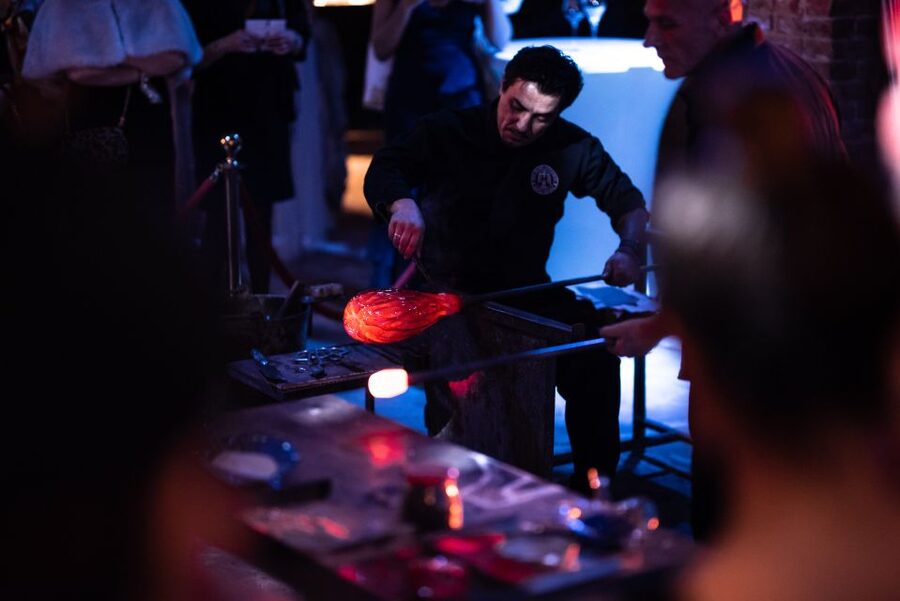
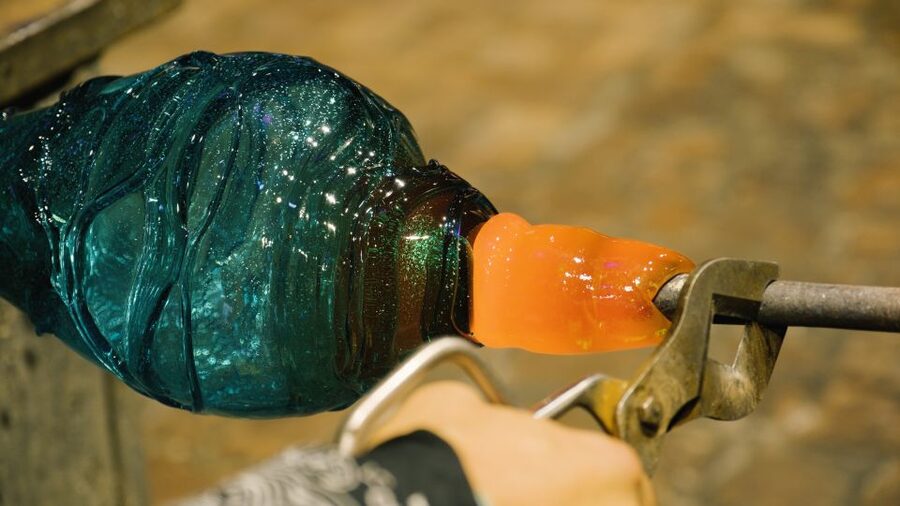
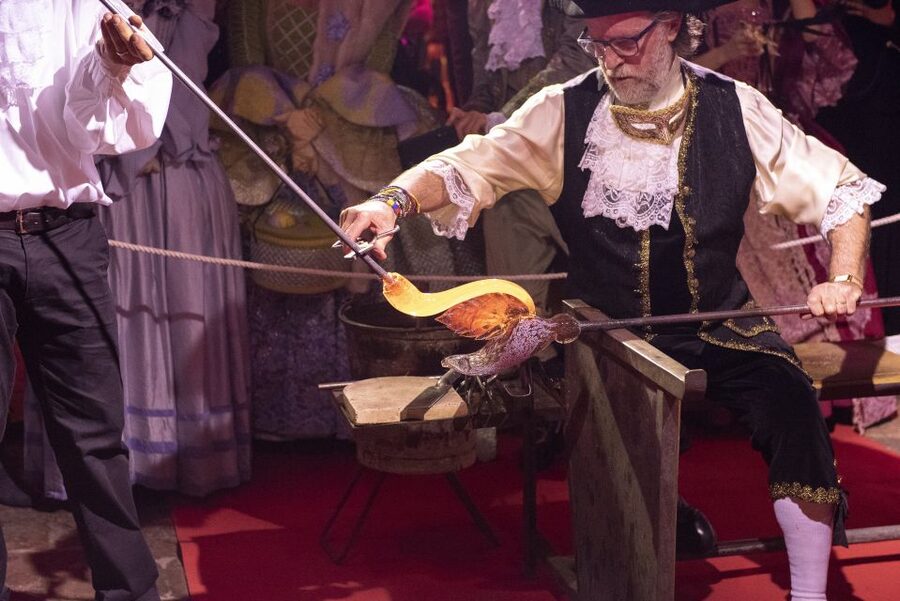
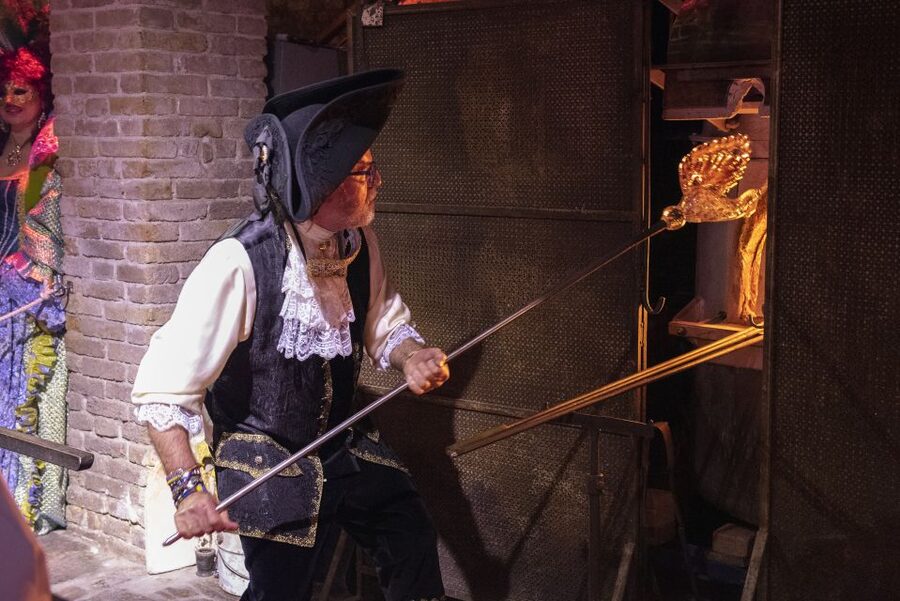
Murano glass is made in front of you here, not tucked behind a workshop window. In a 25-minute demonstration, a glass master heats, bends, blows, and sculpts the material into several finished forms, including the swan figure often highlighted by the presentation. The work moves from delicate shaping to bright, flashy effects.
I like the historic setting, a building associated with Murano’s glass tradition and dating back to the 12th century. I also like the practical format: seats are arranged so you can see the work, the presentation runs daily in morning and afternoon sessions, and you can add a glass of prosecco, wine, or another drink.
The main limitation is the short running time. Twenty-five minutes is enough to make this a lively introduction, but not enough for a full workshop lesson or a close look at every stage of Venetian glass production. Think of it as a focused cultural stop, not an all-day museum visit.
Key points to know before you go
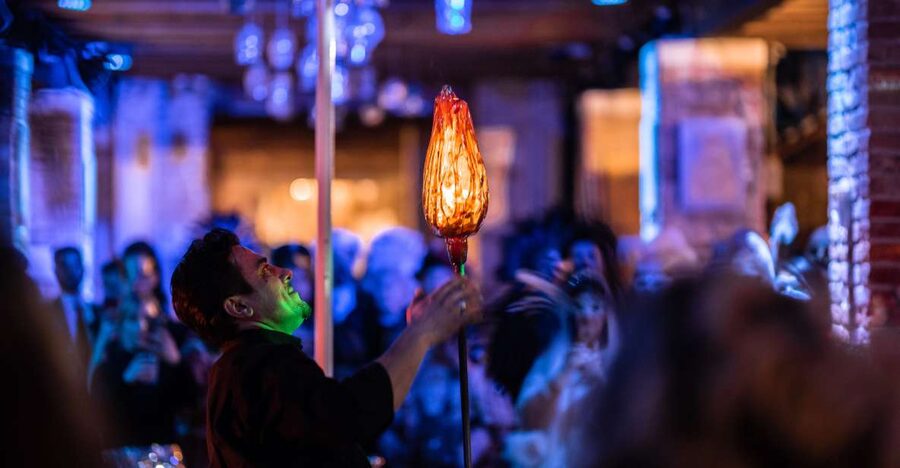
- Several glass pieces are made from start to finish: The master may create three or four objects, mixing fine detail with bold, theatrical shaping.
- The setting is part of the appeal: The Glass Cathedral provides a historic backdrop that adds weight to a short demonstration.
- The show is easy to fit into a Murano day: Morning and afternoon sessions make it useful between vaporetto connections and other island stops.
- Drinks are optional: Select a ticket with a drink if prosecco, wine, or a bar service would add to the occasion.
- The seating works well for families: Children as young as two and five have been able to follow the action, and the activity does not require a long attention span.
- The price is modest for a live craft display: At $16 per person before any drink upgrade, it offers a reasonable way to see Murano glass being made rather than only displayed.
Seeing Murano glass made before your eyes
Murano has been tied to glassmaking for centuries, but finished vases and sculptures in a shop window only tell half the story. This demonstration lets you see the material while it is still hot and workable. That changes how you look at the glass afterward. A delicate curve is no longer just a design choice. You have watched someone pull it into shape with heat, tools, breath, and timing.
The demonstration begins with a short introduction to Murano glass and its place in Venetian craft. The historical background is brief, which suits the format. You get enough context to understand why the island matters, then the attention shifts to the furnace and the working bench.
The glass master does not simply make one object and stop. The presentation can include three or four different pieces. That variety matters. You may see careful, delicate work followed by something more dramatic and playful, so the show does not feel like a repeated version of the same movement.
One of the figures associated with the demonstration is a swan. Watching a recognizable shape develop helps you follow the process. At first, the hot glass may look like a glowing lump. Within minutes, it begins to suggest a neck, body, or wing. The transformation is the heart of the visit.
More Murano glassblowing visits:
- Boat Trip: Glimpse of Murano, Torcello & Burano Islands
★ 4.3 · 15,699 reviews - Venice: Burano, Torcello & Murano Boat Tour w/Glassblowing
★ 4.4 · 10,245 reviews - Venice: Murano and Burano Boat Tour with Glass Factory Visit
★ 4.2 · 9,527 reviews
Inside The Glass Cathedral
The building gives this short activity much of its character. The venue is known as The Glass Cathedral, and the setting has a long connection to Murano. Its historic atmosphere makes the demonstration feel more rooted than a quick commercial presentation in an ordinary showroom.
You should allow a few minutes to appreciate the room itself before the glasswork starts. The setting has been described as an old church-like building dating to the early 1300s, while the activity information places the site’s roots in the 12th century. Either way, you are watching a traditional craft in a place with age and atmosphere, not in a plain modern hall.
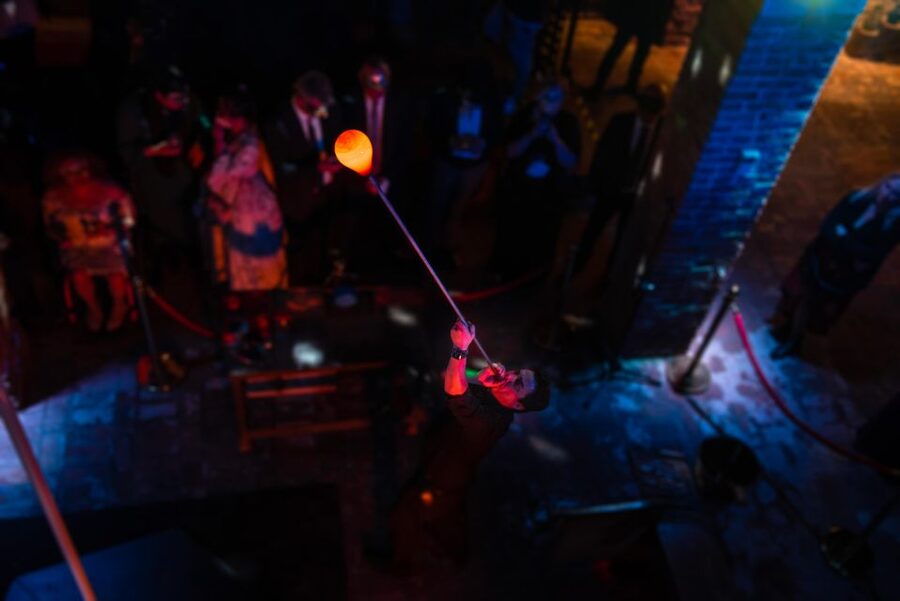
The seating is arranged so that the master’s work can be seen from different places in the room. That is important because glassmaking depends on small hand movements as much as big visual effects. A good seat lets you watch the tools, the turning of the glass, and the gradual change in shape.
The room is not being presented as a silent studio lesson. Music written specifically for the demonstration plays in the background. It adds ceremony without turning the event into a concert. If you prefer to hear every spoken word clearly, keep in mind that music and several languages may be used as part of the presentation.
A 25-minute sequence with plenty to watch
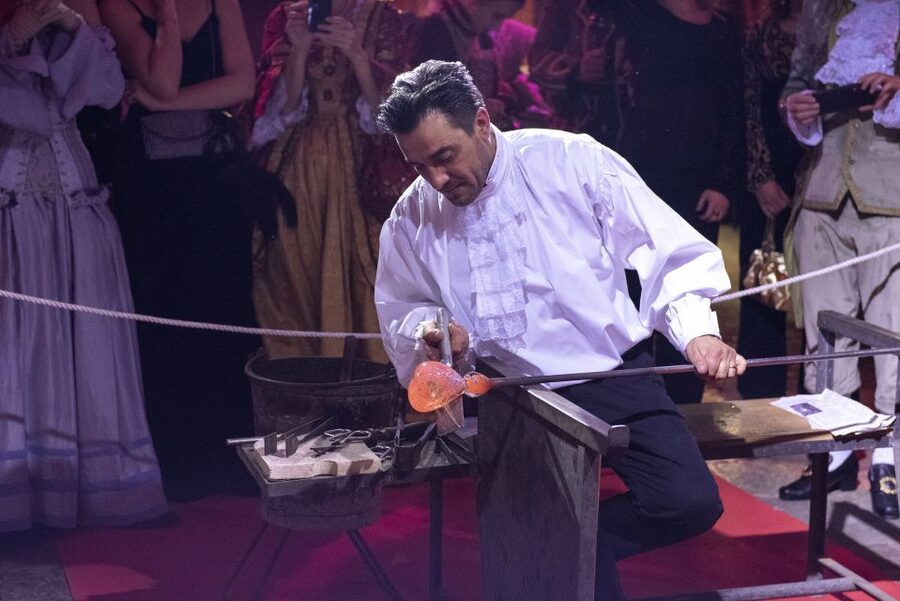
The short length is both the strength and the weakness of this activity. You can fit it into a packed day on Murano, but you should not expect a detailed technical course.
A typical presentation follows this basic rhythm:
- A brief introduction explains Murano glass and the tradition behind it.
- The master begins working the hot glass, showing how it is gathered, shaped, stretched, and sculpted.
- Several separate pieces are produced, often with both intricate and showy elements.
- The presentation ends with an invitation to explore The Glass Cathedral.
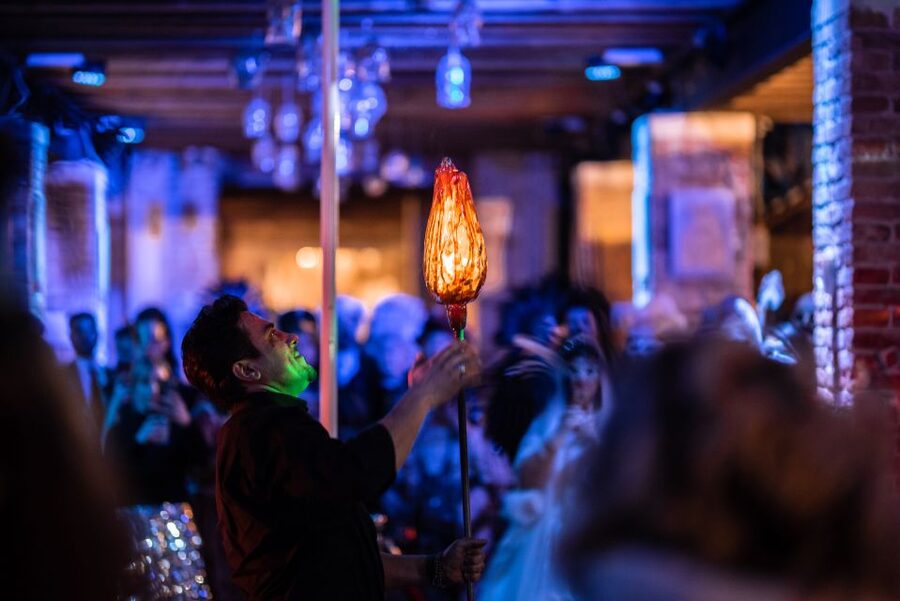
The material changes quickly. It is heated, turned, pulled, and formed while the master works with practiced control. You may not learn the name of every tool or technique, but you will see why this craft requires such precision. The glass must be shaped at the right moment, before it cools too much.
That speed also explains why the demonstration is entertaining for children. There is a clear visual payoff every few minutes. Families have found that children around two and five can stay interested, especially when a recognizable sculpture takes shape. You will still need to judge your own child’s patience, but this is easier to manage than a long museum talk.
Adults get something different from the same show. The presentation gives you a compact look at the physical skill behind Murano’s polished products. It is a useful correction to the idea that Venetian glass is simply decorative. The work is design, performance, and demanding manual craft at the same time.
The drink option and the Don Giovanni bar
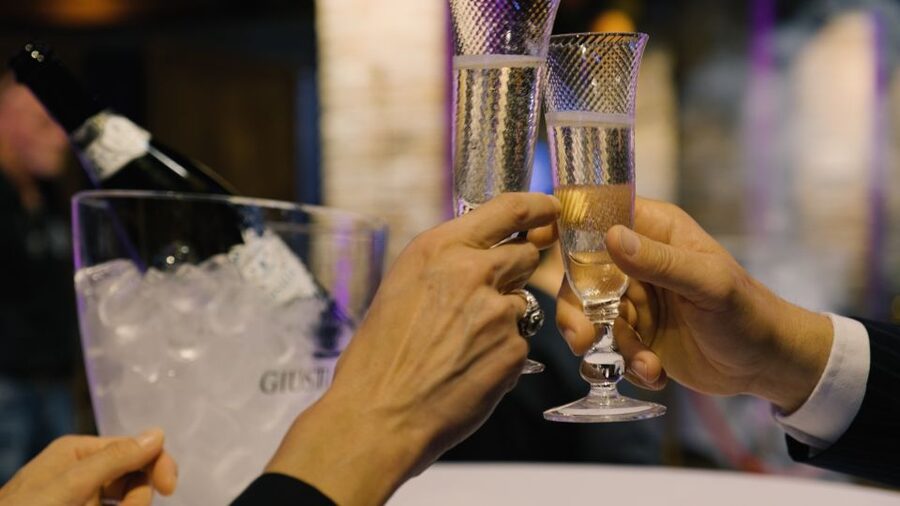
A drink is not required. The basic admission covers entry and the glass-blowing presentation, while selected options add a drink from the Don Giovanni bar. Depending on the ticket, that may be wine, prosecco, or another beverage.
I see the drink as a pleasant extra, not the reason to book. A glass of prosecco can make the setting feel more festive, and it is convenient to have a bar on site. The presentation already has enough visual interest to justify the visit without alcohol, especially if you are bringing children or prefer to keep the stop simple.
Check the exact option you select before booking. Drinks depend on the ticket choice, so do not assume every $16 admission includes one. Some people find the combined option good value, particularly because it lets you settle in with a drink while watching the master work.
The bar also gives you a little flexibility after the demonstration. You can spend time looking around The Glass Cathedral rather than rushing straight back to the next island stop. The activity is short, but the venue can stretch the visit into a more relaxed pause.
A few more Venice half-days worth a look
- Venice: Doge’s Palace Reserved Entry Ticket
★ 4.6 · 42,716 reviews - Venice: Grand Canal Gondola Ride with App Commentary
★ 4.1 · 18,908 reviews - Venice: Grand Canal by Gondola with Live Commentary
★ 4.1 · 13,681 reviews - Venice: La Fenice Opera House Entry Ticket with Audio Guide
★ 4.6 · 11,742 reviews
How the price compares with the experience
At $16 per person, this is priced as a short cultural activity rather than a full tour. The value comes from seeing live glassmaking in a historic venue, not from the amount of time alone.
If you are already planning to visit Murano, I think the price is fair. You are paying for a real demonstration, arranged seating, an introduction to the craft, and access to explore The Glass Cathedral afterward. The optional drink can improve the occasion, but you can keep the cost down by choosing admission without it.
The price also compares favorably with buying a glass object simply to understand the craft. A shop purchase may give you a lasting souvenir, but it will not show you how the piece was made. This activity lets you watch the difficult part before deciding if you want to buy anything.
One useful tip is to reserve ahead rather than assume the walk-up price will be better. A visitor who booked the night before found the online price lower than buying in person. The supplied rate is $16, but prices and options can change, so check the available ticket before you go.
Who will enjoy this Murano stop
This activity suits several kinds of visitors:
- First-time Murano visitors: You get a quick explanation of why the island is linked with glass.
- Families: The moving material and finished sculptures can hold children’s attention better than a long historical talk.
- Art and craft fans: You can watch form develop through heat, tools, breath, and hand control.
- Cruise or day-trip visitors: The 25-minute format is easy to place between other Murano plans.
- Couples and solo visitors: The historic room, music, and optional drink create an easy cultural break.
- Visitors with limited mobility: The activity is wheelchair accessible.
It may not suit you if you want to make your own piece, ask detailed technical questions throughout, or spend an hour studying one complex sculpture. The presentation is designed to show the craft, not to replace a longer workshop.
Language should be manageable for many international visitors. Host or greeter support is available in Spanish, English, French, Italian, and Korean. The introduction and information may also be presented through the venue’s multilingual audio system.
Practical timing in Murano
The demonstration takes place daily, with morning and afternoon sessions. Exact starting times vary, so check availability when you choose your date. That flexibility is useful because Murano visits often depend on water-bus connections and the timing of other island stops.
Show your voucher at the ticket counter before the presentation begins at The Glass Cathedral in Murano. The activity includes skip-the-ticket-line access, which can save a little time on a busy day. I would still arrive with enough time to find the building and check in without hurrying.
The location is in Murano, Venice, Italy. The supplied information does not give a detailed walking route from the vaporetto stop, so use the venue name and ticket details when planning your approach. Once inside, the organized seating should make it easier to settle before the glass master begins.
The short running time makes this a good filler, but do not treat that word as a dismissal. In Venice, a well-chosen 25-minute stop can be more useful than a large attraction that eats half your day. Here, you get a clear sense of the craft and still have plenty of time for Murano’s other sights and shops.
What you see after the demonstration
After the live presentation, you are invited to explore The Glass Cathedral. This gives the activity a second layer. The demonstration shows the process, while the building and displayed glass help you consider the finished work in a quieter setting.
Do not rush out as soon as the master puts down the tools. Look at the room, take in the historic details, and spend a little time with the glass displays. The venue itself was one of the most praised parts of the visit, and it helps the activity feel like more than a performance followed by a sales pitch.
The staff has also been described as friendly and engaged with children. That matters in a short family activity. A warm welcome and some attention from the staff can make the difference between children watching for 25 minutes and losing interest after five.
At the same time, keep your expectations sensible. This is not presented as a full museum collection or an extended guided visit through Murano’s workshops. The value lies in the combination of a live demonstration, an old setting, and a chance to look around afterward.
My verdict on The Glass Cathedral demonstration
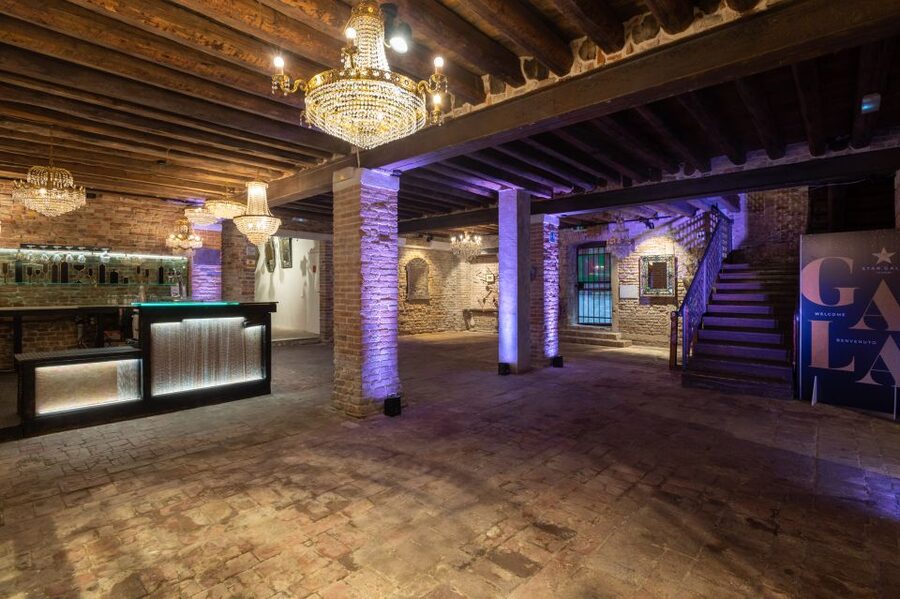
I would book this if you are spending time on Murano and want to see the island’s signature craft in action. The strongest reasons are the historic venue, the clear view of the working master, and the range of pieces made during a compact presentation. The swan and other sculptures give the show a satisfying visual finish.
I would skip it only if your schedule is so tight that even 25 minutes feels difficult, or if you want hands-on instruction rather than watching. For most visitors, the $16 price is a sensible way to add live craft and local context to a Murano visit. Choose the drink option if you like the idea of prosecco or wine in the old setting, but the demonstration itself is the main draw.
FAQ
Where does the glass-blowing demonstration take place?
It takes place at The Glass Cathedral in Murano, Venice, Italy.
How long does the activity last?
The demonstration lasts 25 minutes.
How much does admission cost?
The listed price is $16 per person. Drink-inclusive options may cost differently.
Is a drink included?
Drinks depend on the option selected. Available choices may include wine, prosecco, or another drink from the Don Giovanni bar.
When is the demonstration offered?
It is offered daily, with sessions in the morning and afternoon. You should check availability for the exact starting time.
Which languages are available?
Host or greeter support is available in Spanish, English, French, Italian, and Korean.
Is the venue wheelchair accessible?
Yes, the activity is wheelchair accessible.
Can I cancel for a full refund?
Yes. You can cancel up to 24 hours in advance for a full refund.
Just added around Venice
- Boat Tour at Devil’s Saddle: 4 Swim Stops, Snorkeling & Prosecco★ 5.0 · 263 reviews
- Catamaran tour stops bathing and snorkeling toast with prosecco★ 5.0 · 214 reviews
- St Mark’s Basilica and Doge’s Palace Priority Entry Ticket★ 4.2 · 885 reviews
- Venice: Lords of the Night Prison’s Palace Cells & Tortures★ 4.0 · 1,067 reviews
- Venice: Hard Rock Cafe with Set Menu for Lunch or Dinner★ 4.4 · 1,102 reviews
- Venice: Doge’s Palace and St. Mark’s Basilica Guided Tour★ 4.6 · 458 reviews
- Venice: Walking tour, Doge Palace, & St. Mark’s Basilica★ 4.5 · 884 reviews
- Punta Sabbioni: Murano, Burano & Torcello Guided Boat Tour★ 4.3 · 236 reviews
Murano Glass Tours, compared.
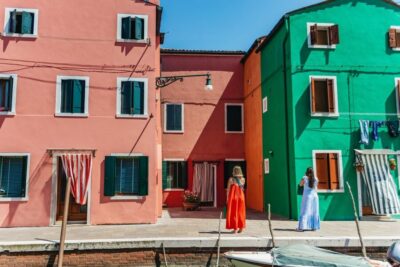
Boat Trip: Glimpse of Murano, Torcello & Burano Islands
Read our review →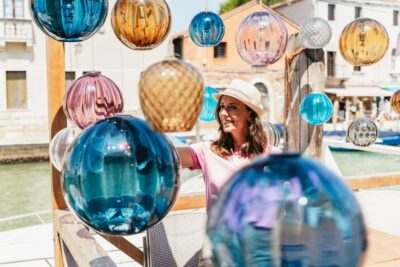
Murano and Burano Boat Tour with Glass Factory Visit
Read our review →
Murano, Burano and Torcello Half-Day Sightseeing Tour
Read our review →
Murano & Burano Islands Guided Small-Group Tour by Private Boat
Read our review →
Murano & Burano Panoramic Boat Tour w/ Glassblowing
Read our review →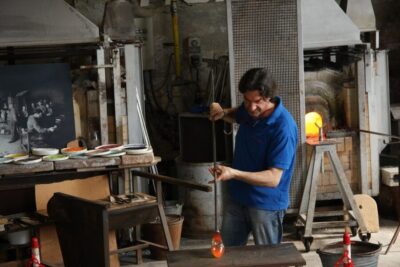
Murano, Burano, Torcello, and Glass Factory Tour
Read our review →
Venice Islands: Murano Glass & Burano Colors Guided Visit
Read our review →
From Venice: Murano & Burano Guided Tour by Private Boat
Read our review →Browse the lists this tour appears in