
Reviewed · COOKING CLASSES
Milan: Italian Cooking Class with Food and Wine
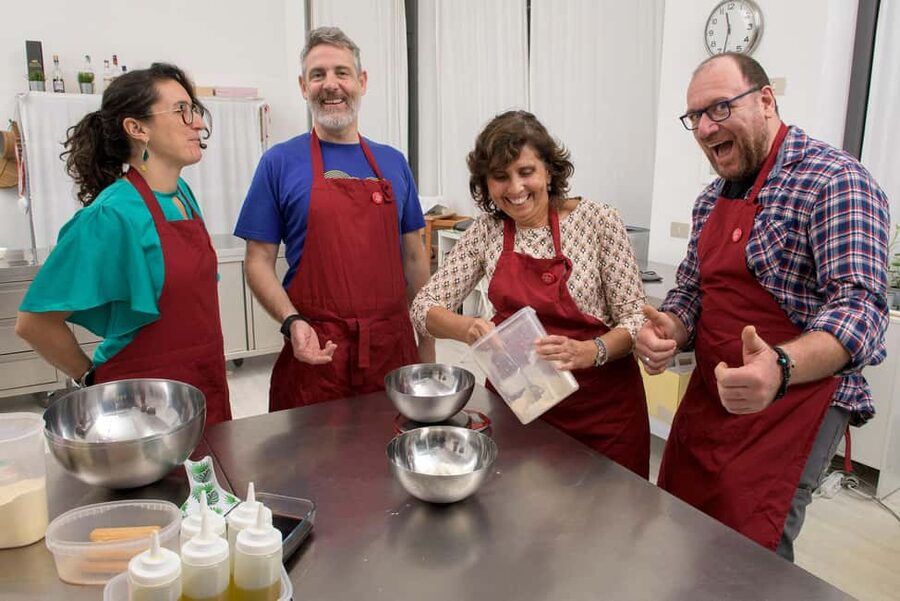
Fresh pasta is the star here, but the best part is that you do not simply watch a chef work. You mix, roll, shape, cut, and prepare food at your own station, then sit down to eat it with wine. Chef Ilaria brings humor, clear instruction, and useful Italian cooking rules, including why traditional carbonara contains no cream.
I especially like the small-group, social feel and the fact that you receive the recipes afterward. The snacks, coffee, wine, and complete meal make the $80 price fair for Milan. The main consideration is that the exact dishes can change, and some sauces may already be prepared because three hours is not enough for every long cooking process.
Key points to know before booking
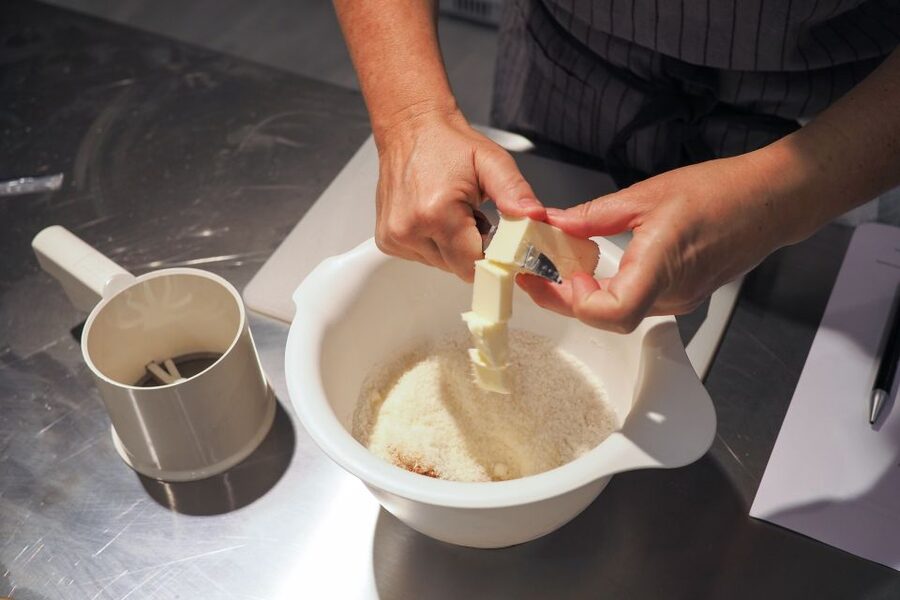
- Fresh pasta is hands-on: You may make tagliatelle, ravioli, gnocchi, or another pasta shape, often using a pasta machine.
- Three dishes fill the three-hour session: Common combinations include bruschetta, pasta, gnocchi, tiramisù, biscotti, or strudel.
- Chef Ilaria leads with practical rules: Expect tips on technique, food history, and traditional Italian cooking.
- You eat what you make: The class ends around a shared table with red and white wine.
- Recipes go home with you: The instructions are intended to be simple enough to repeat in your own kitchen.
- Come light and ready to work: Large bags, luggage, pets, smoking, and tasting food during preparation are not allowed.
What makes this Milan cooking class worth three hours
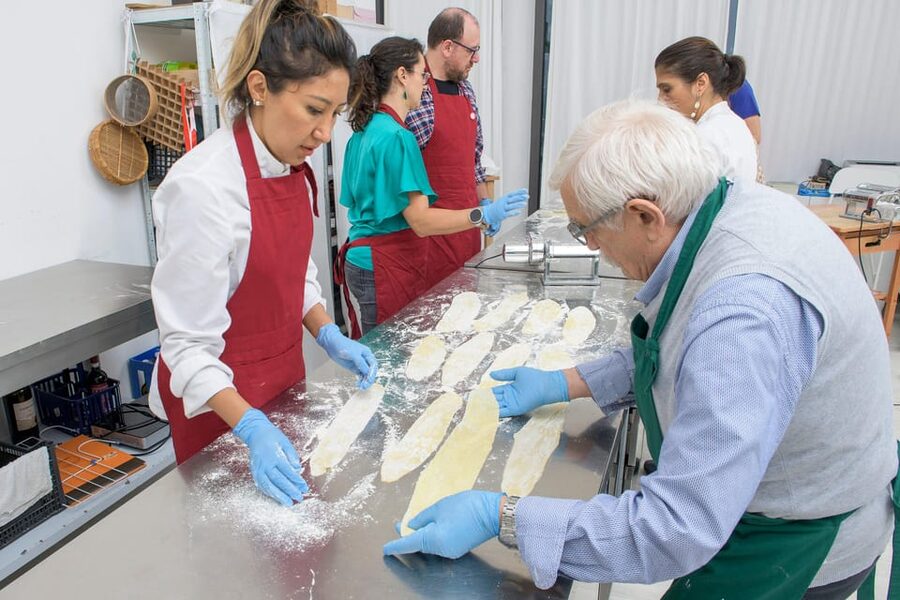
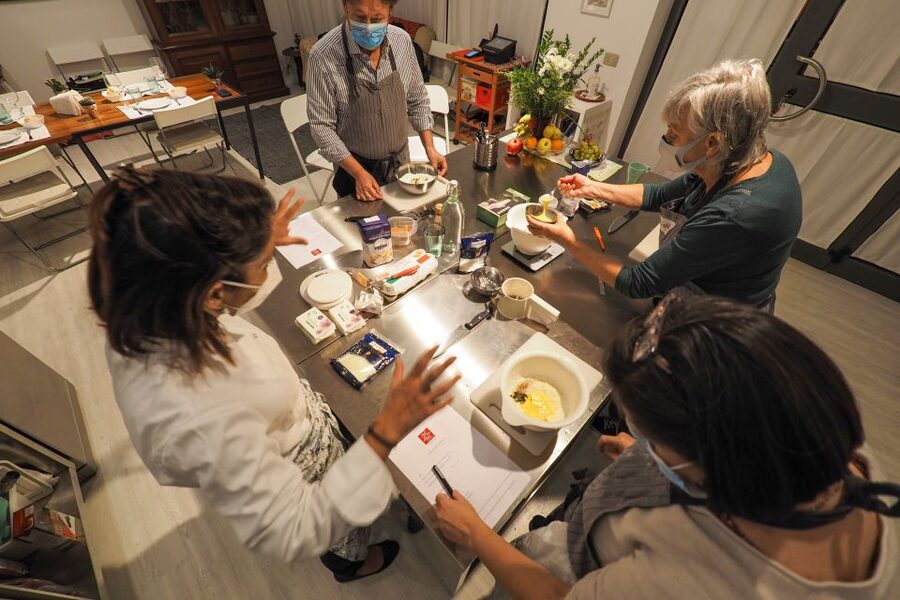
Many Italian cooking classes are pleasant demonstrations with a little stirring added on. This one is built around working at your own personal desk. That matters. You are not trying to see over someone’s shoulder while a chef rolls pasta. You have room for ingredients, utensils, and the dough in front of you.
The session takes place at Chef and the City, a street-level shop with three large windows and red signs above them. Ring the bell at the main windowed door when you arrive. This is a practical meeting point rather than a grand culinary school, so do not expect a formal restaurant setting. The appeal is the working kitchen and the chance to sit down together afterward.
At about $80 per person, the price covers food, cooking tools, gloves, an apron, beverages, and wine. You also receive the recipes. For Milan, that is solid value if you want an activity that includes both instruction and a full meal. You are paying for hands-on time, not just dinner.
More Cooking Classes in Milan
- Milan: Pasta and Tiramisu Cooking Class with Wine
★ 4.8 · 1,106 reviews - Milan: Pasta, Ravioli, and Gelato Class in a Glamorous Home
★ 4.9 · 268 reviews - Milan: Pasta & Tiramisu Cooking Class with Premium Products
★ 5.0 · 255 reviews
Meeting Chef Ilaria and settling into the kitchen
Chef Ilaria is the name that comes up most often in the experience, and her teaching style is a major part of the evening. She explains steps in clear English, keeps the mood relaxed, and adds stories about Italian food and the reasons behind each method. Fernando may assist with the class, and some sessions have also included Klara.
The tone is friendly rather than stiff. You can expect a mix of practical instruction and conversation with people from different countries. Solo visitors can fit in easily, since the meal is shared and the work naturally creates chances to talk. Couples and families can work together, but you should remember the minimum age is 10.
Before cooking, light snacks may be available, including cheese, dried tomatoes, mortadella, olives, cookies, biscuits, candies, coffee, tea, infusions, and water. These extras help make the class feel generous, but the kitchen rules are firm. You cannot eat or drink while you are cooking, and you cannot taste food during preparation. Tie back long hair, wear the provided apron and gloves as directed, and keep the work area orderly.
That rule may seem strict when you are eager to taste the sauce. It makes sense in a professional cooking lab, though, and it keeps the process clean and focused.
Making pasta from flour to plate
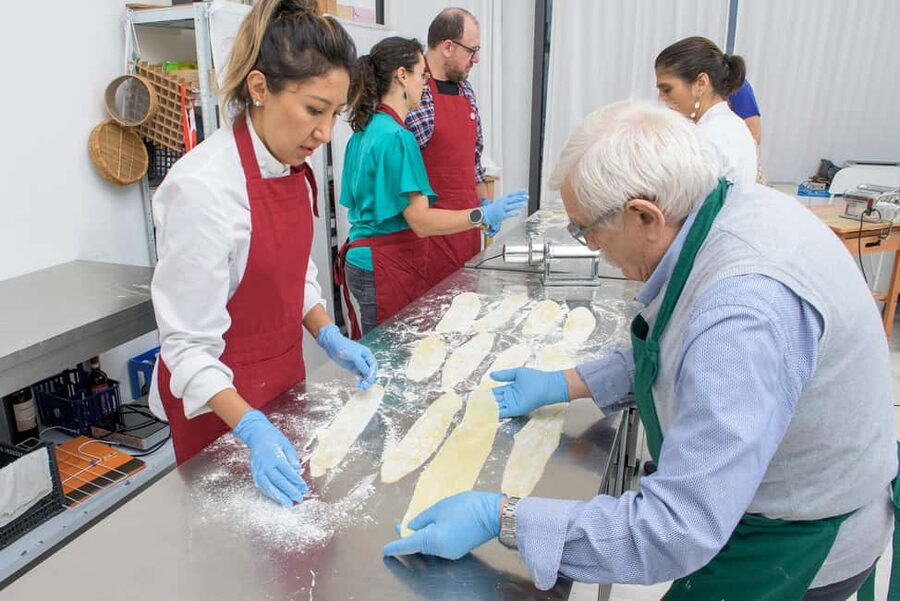
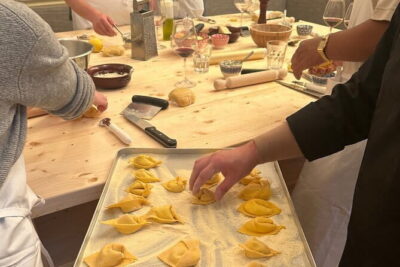
Fresh pasta is the most useful skill to take home. Depending on the session, you might make tagliatelle, ravioli, or another shape. Some classes include gnocchi instead. You work through the texture of the dough, learn how it should feel, and use a pasta machine when the recipe calls for one.
This is where the class feels most hands-on. You are not only told to follow a recipe. You learn how thin to roll the dough, how to shape it, and how small changes affect the finished pasta. Several people have found this part especially helpful because it turns fresh pasta from a restaurant specialty into something they can try in their own kitchens.
The exact menu is not fixed. Past sessions have included bruschetta, tagliatelle, ravioli, gnocchi with butter and sage, and other traditional dishes. That flexibility is useful if you plan to return to Milan, but it also means you should not book expecting one guaranteed combination from the long list of possible dishes.
The class description names dishes such as tagliatelle, gnocchi, ravioli, cacio e pepe, ragù, focaccia, eggplant parmigiana, bruschetta, and tiramisù. In practice, a three-hour class will use a manageable selection. You may prepare three courses, but not every item listed in the description on the same day.
Sauces, antipasti, and the limits of a three-hour class
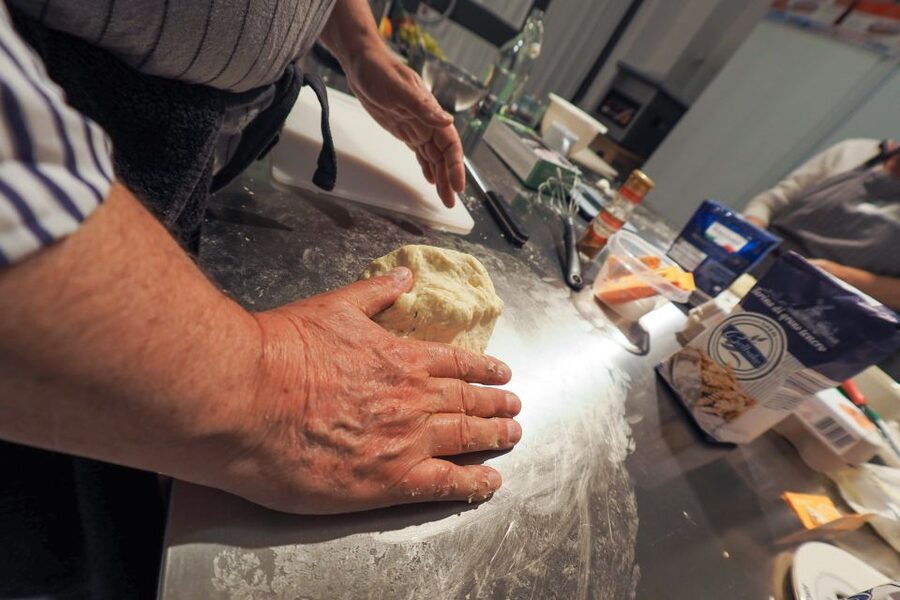
A useful detail is that some sauces can be prepared in advance. One class combination included fresh tagliatelle with homemade ragù and cacio e pepe sauces supplied by Chef Ilaria. The sauces take longer than the class allows, so the main lesson focused on the pasta while the finished sauces were ready to serve.
This is not a weakness, but it is worth knowing. If you want to learn every step of a slow ragù from raw ingredients to finished plate, this is not a full-day cooking course. If you want to learn fresh pasta and understand how traditional sauces fit with it, the format works well.
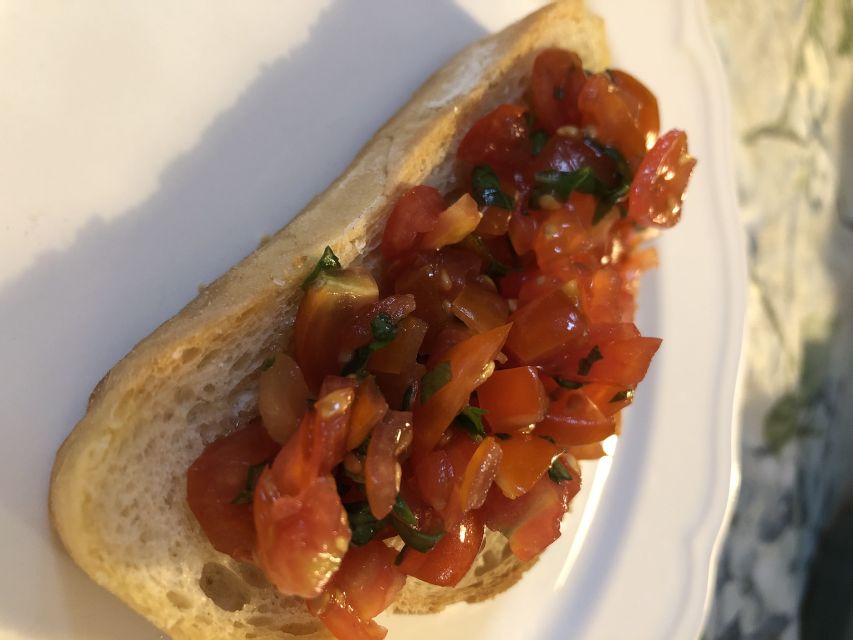
You might also prepare bruschetta as a starter. That gives you an easy home recipe with a good return for little effort. Fresh ingredients, proper seasoning, and careful handling make a simple dish taste much better than its short ingredient list suggests.
Other possible menus include gnocchi, tiramisù, biscotti, cantucci, apple strudel, or other desserts. One class included bruschetta, pasta, and biscotti. Another included gnocchi, bruschetta, and tiramisù. The variety keeps repeat visits interesting, though it makes the experience less predictable.
More Food Tours in Milan
- Milan: Guided Street Food Walking Tour with Food Tasting
★ 4.8 · 654 reviews - Milan: Sunset Navigli Food & Drinks Tour with a Local
★ 4.6 · 264 reviews
Learning the Italian rules behind the recipes
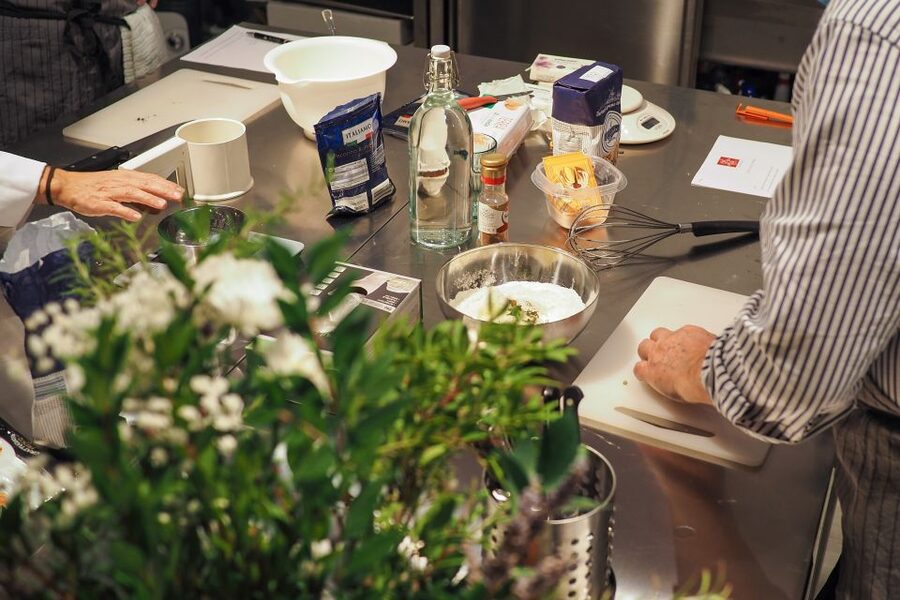
The most useful instruction goes beyond measurements. Chef Ilaria explains why a technique works, how a dish developed, and what Italians consider traditional. You learn the difference between following a recipe and understanding what the food needs.
Carbonara is a good example. The class takes the traditional position that cream does not belong in carbonara, and bacon is not the classic choice. You may cook according to your own taste at home, but the class helps you understand what makes a dish traditionally Roman rather than simply pasta with a creamy sauce.
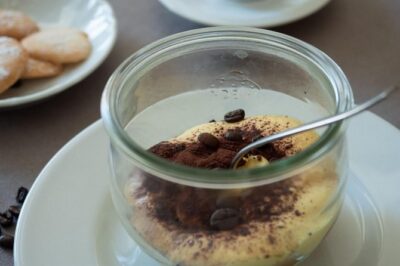
The same approach applies to tiramisù. One useful point covered in class is that traditional tiramisù does not require amaretto, despite its common use in some versions. Details like this are valuable because they give you a clearer sense of Italian food beyond the version often served outside Italy.
The cooking also follows a healthy, low-waste approach. That does not mean a restrictive meal. It means using ingredients carefully, avoiding needless waste, and showing how traditional food can be practical as well as flavorful.
Sitting down for the meal and wine
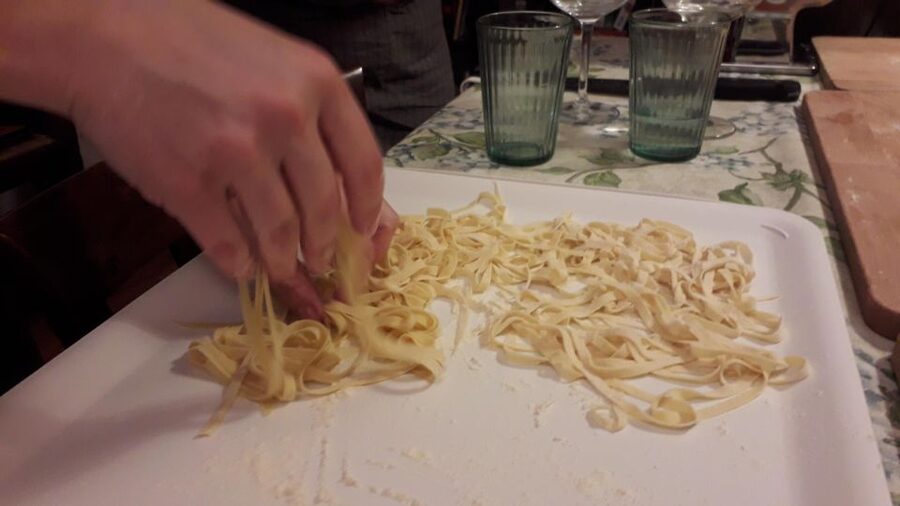
After the cooking, you move to the dining room and eat together. This is a key part of the experience. You are not handed a small sample and sent on your way. The group sits down with the dishes prepared during the class, along with wine.
Red and white wine are included, and the meal becomes a natural time to compare results, ask final questions, and talk with the people beside you. For many people, the social side is almost as important as the food. A cooking class can feel awkward if everyone works alone and leaves separately. Here, the shared meal gives the three hours a proper finish.
The amount of food appears generous, with snacks during breaks and a complete set of dishes at the end. Still, wine is part of the experience, so pace yourself. The cooking requires attention, and the class rules do not allow drinks during preparation.
The dining portion also shows the value of making the food yourself. A plate of pasta tastes different when you have mixed the dough, rolled it, and shaped it. You leave with a meal, but also with a clearer sense of the work behind it.
Group size, pace, and teaching style
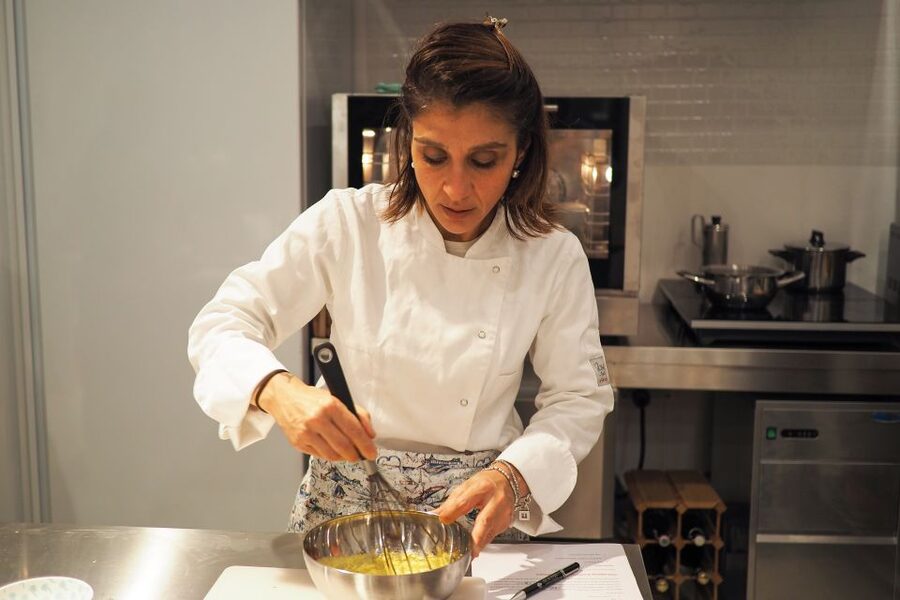
The experience works best when you enjoy a social class rather than a private lesson. Groups are described as small and personal, but the number can vary. One session had only two people, which gave it a more private feel but less group energy.
A larger group can be more lively, especially when people compare pasta shapes and cooking results. A smaller group gives you more direct time with the chef. You cannot choose the exact mix of people, so think of the group element as part of the evening rather than a guaranteed format.
The pace suits beginners. Instructions are broken into manageable steps, and the chef corrects mistakes as you work. You do not need advanced cooking skills. At the same time, experienced home cooks can pick up useful details about pasta texture, traditional combinations, and Italian kitchen habits.
English is available, along with Italian. The teaching style is practical and visual, so you can follow by watching the technique as well as listening to the explanation. If you have a food allergy or dietary restriction, tell the provider in advance. A gluten-free participant was accommodated without losing the hands-on character of the class, and dietary needs have been taken into account in other sessions.
What the $80 price really includes
The $80 fee looks reasonable because it covers more than ingredients. You get the food you prepare, cooking equipment, an apron, gloves, beverages, wine, and the recipes. You also get a three-hour activity that replaces a separate dinner and provides a skill you can use later.
The value is strongest if you care about participation. If you only want to eat Italian food, a restaurant may offer more menu choice for less effort. If you want a polished chef demonstration, another class may focus more on watching. This experience earns its price through the work, instruction, social meal, and take-home recipes.
The recipes are particularly important. A cooking class becomes a one-night memory if you cannot repeat anything afterward. Here, the instructions give you a practical way to make pasta, starters, and desserts at home. You may need a pasta machine for some shapes, but the technique is explained well enough to make the purchase feel worthwhile if fresh pasta becomes a new habit.
Who should book, and who should skip it
I would recommend this class to first-time pasta makers, couples, solo visitors who like meeting people, and families with children aged 10 or older. It is also a good choice if you want a break from museums and churches while still doing something closely tied to Italian culture.
You should book it if you like learning by doing. The best moments come from handling dough, making shapes, asking questions, and then eating the result. You should also enjoy a relaxed group setting, since the shared table and conversation are part of the design.
This may not suit you if you need wheelchair access or have mobility impairments. The experience is not wheelchair accessible. It is also not suitable for children under 10, and pets, smoking, luggage, and large bags are not allowed.
Bring an appetite, but arrive ready to follow kitchen rules. You may take photos and videos, but keep your phone out of the way while working. The shop does not provide private transportation, and there is no luggage storage, so plan your route and bag situation before arrival.
The practical booking details
The class lasts three hours, with starting times available depending on the date. You can cancel up to 24 hours ahead for a full refund, and the reserve-now, pay-later option lets you hold a place without paying immediately.
Look for Chef and the City at street level, marked by three large windows and three red signs with the business name. Ring the bell at the main windowed door when you arrive.
Because the menu can change, I would treat the advertised dishes as examples rather than a promise of one fixed meal. If a particular dish matters to you, ask before booking. The class may include pasta, gnocchi, bruschetta, tiramisù, biscotti, strudel, or another combination of three dishes.
Should you book this Milan cooking class?
Book it if you want to make fresh pasta, learn practical Italian kitchen habits, eat a full meal, and leave with recipes. Chef Ilaria’s warm teaching style, the personal workstations, and the wine-fueled shared table give the class a good balance of instruction and fun.
Skip it if you want a private class, a guaranteed menu, or a full lesson in long-cooked sauces from start to finish. For most people seeking an active Milan food experience at a fair price, this is a strong pick. The pasta will not roll itself, but that is exactly why the class is worth doing.
FAQ
How long does the Italian cooking class last?
The class lasts three hours. Check availability for the specific starting time when booking.
What dishes might I prepare?
The menu can vary, but possible dishes include fresh tagliatelle, ravioli, gnocchi, bruschetta, tiramisù, biscotti, cantucci, apple strudel, focaccia, eggplant parmigiana, cacio e pepe, and ragù.
Is wine included?
Yes. Food, beverages, and wine are included in the price. Red and white wine may be served with the meal.
Do I receive the recipes?
Yes. The chef provides copies of the recipes so you can recreate the dishes at home.
Is the class suitable for children?
The class is not suitable for children under 10. Children aged 10 or older may attend, subject to the booking details.
Is the experience wheelchair accessible?
No. The experience is not wheelchair accessible and is not suitable for people with mobility impairments.
More Wine Tours in Milan
- Milan: Pizza or Pasta and Gelato-Making Class with Wine
★ 4.9 · 864 reviews
Just added around Milan
- Canyoning “Gumpenfever” – beginner Canyoningtour for everyone★ 5.0 · 391 reviews
- Bergamo: Digital guide made by a local for your walking tour★ 5.0 · 184 reviews
- Milan: City Highlights Walking Tour with The Last Supper★ 4.9 · 195 reviews
- Milan: The Milan Pass City Card★ 4.0 · 655 reviews
- Milan: Duomo & Rooftop Tour with Optional Hop-On Hop-Off Bus★ 4.5 · 262 reviews
- Milan: Skip-the-Line Guided Walk and “The Last Supper”★ 4.5 · 606 reviews
- Milan: Duomo and The Last Supper Skip-the-Line Guided Tour
- Milan: Leonardo’s Last Supper and Michelangelo’s Pietà Tour★ 4.6 · 559 reviews
Cooking Classes, compared.
3 in 1 Cooking Class near Navona: Fettuccine, Ravioli & Tiramisu
Read our review →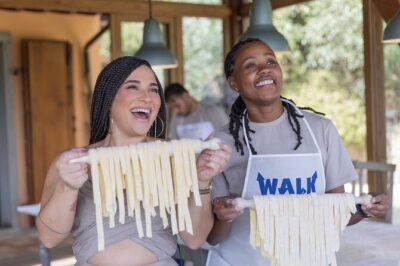
Florence Pizza or Pasta Class with Gelato Making at a Tuscan Farm
Read our review →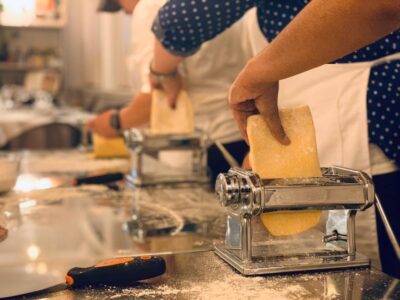
Pasta & Tiramisu Cooking Class with Unlimited Wine
Read our review →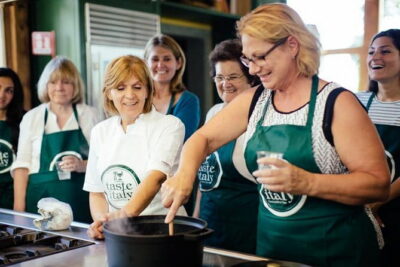
Cooking Class and Lunch at a Tuscan Farmhouse with Local Market Tour from Florence
Read our review →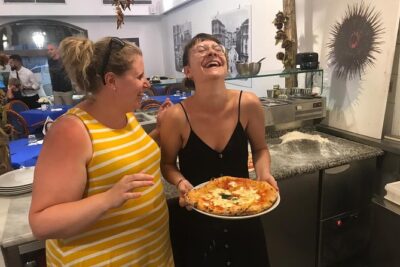
Authentic Pizza Making Class in Naples with Appetizers and Drink
Read our review →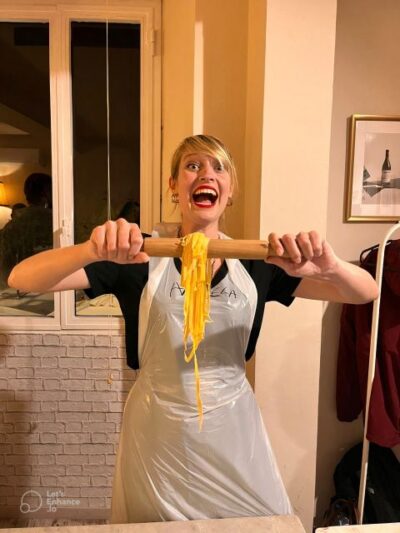
Pasta Making Class with Wine, Limoncello, and Dessert
Read our review →Browse the lists this tour appears in