
Reviewed · WALKING TOURS
Alternative Walking Tour of Rome’s City Center & Hidden Gems
Rome’s most interesting stories often hide behind familiar sights. This walk links Trajan’s Column, Trevi Fountain, the Pantheon, and Piazza Navona with tales of powerful Roman families, papal politics, scandals, and betrayal, then slips into churches and lesser-known corners that many visitors walk past.
I like two things in particular: the guides make history feel human, and the route gives you both headline sights and quieter stops. Guides such as Simone, Jacopo, Iris, and Jacob are praised for clear English, humor, energy, and thoughtful answers. The main consideration is the tip-based price: the booking amount is low, but you are expected to decide what the tour was worth afterward.
- Family power takes center stage: Follow the dynasties and personalities that shaped Rome.
- Famous sights with fresh context: See Trevi Fountain, the Pantheon, and Piazza Navona without getting only postcard facts.
- Real lesser-known stops: Visit churches, a monastery, and a secret stop that add depth to the route.
- Story-first guiding: Expect dark jokes, crime, corruption, war, art, and church politics.
- A useful first-day walk: The route helps you understand Rome before tackling larger museums and ruins.
Why this Rome walk feels different
This is not an ancient Rome tour built around the Colosseum. It is a city-center walk about how Rome was shaped by people, institutions, and competing families.
You still see major landmarks, but the guide’s job is to connect them. An obelisk is not just a striking piece of stone. A fountain is not just a place for a photograph. A church is not simply another ornate building. The point is to understand who paid for these things, why they were placed there, and how art and architecture helped powerful people make their mark.
That approach gives the walk a useful political edge. You hear about emperors and popes, but also about crime, murder, corruption, war, betrayal, and the private interests behind public monuments. The humor can be dark and politically incorrect, so this is best for adults who enjoy candid storytelling rather than a solemn lecture.
The tour is conducted in English or Spanish. Several guides receive particular praise for making complicated subjects easy to follow. Simone is described as energetic, funny, and strong on Roman political history. Jacopo is especially associated with stories about Rome’s ruling families. Iris is praised for warmth and humor, while Jacob is noted for clear English and an easy pace.
The guide can vary, so the exact personality and emphasis may change. That is worth keeping in mind if you are booking because of one particular guide.
Starting beside Trajan’s Column
Meet on the steps of Chiesa del Santissimo Nome di Maria al Foro Traiano, beside Trajan’s Column and Trajan’s Forum. Look for a guide holding a sign with the tour name.
This is a smart starting point. Trajan’s Column gives the guide a natural way to explain imperial Rome, military power, public memory, and the way rulers used monuments to control the story told about them. You are not beginning with a general orientation in a random square. You begin in the middle of Rome’s political heart.
The scheduled stop here lasts about 15 minutes. Expect a guided visit, photographs, and a short walk. The area can be busy, and Rome’s traffic and crowds may make it harder to hear at times. One useful detail from the experience is that the guides generally speak loudly and clearly, and some groups have enjoyed the direct conversation without using headsets.
If you arrive early, you can get your bearings around Trajan’s Column and the forum before the group sets off. The meeting point is central, but the church steps and surrounding streets can be crowded, so do not rely on a last-second arrival.
More Walking Tours in Rome
- Rome: Trastevere & Campo de Fiori Street Food Walking Tour
★ 4.9 · 2,768 reviews - Rome: Paranormal Night Walking Tour & Secret Backstreets
★ 4.9 · 1,921 reviews - Rome by Night Walking Tour – Legends & Criminal Stories
★ 4.5 · 1,003 reviews
Piazza Venezia and Rome’s public stage
The next brief stop is Piazza Venezia, a huge urban crossroads where several eras of Rome collide. You have about five minutes for a photo and a quick explanation.
This is not a long sightseeing visit. The value lies in seeing how Rome’s major roads and monuments fit together. The guide uses the square as part of the larger story of public power, changing regimes, and the way Rome has repeatedly rebuilt itself around old monuments.
Do not expect time to explore every side of the piazza. Think of it as a connecting chapter rather than a full stop.
The secret stop and the monastery
The route then moves to a secret stop and a monastery, with roughly five minutes at the first and 25 minutes at the second. These are likely to be the places that make the tour feel less like a standard city-center circuit.
The supplied details do not name the secret stop, which is part of the appeal. You should not book expecting a fixed list of every door or room. Access can depend on the day, the guide, and what is open. One especially memorable detail from the tour experience is a guide persuading a priest to allow the group to see a place not normally open to the public. That kind of access cannot be treated as guaranteed, but it shows why the quieter stops matter.
The monastery visit provides more time for architecture, religious history, and the influence of church institutions. Rome has an extraordinary number of churches, and this section helps explain why. The guide may point out symbols, inscriptions, family connections, and the long contest between spiritual authority and political influence.
This is also where the tour earns its alternative label. You are still in central Rome, but the focus shifts from famous façades to the stories and details you might miss while walking alone.
Trevi Fountain without the usual postcard treatment
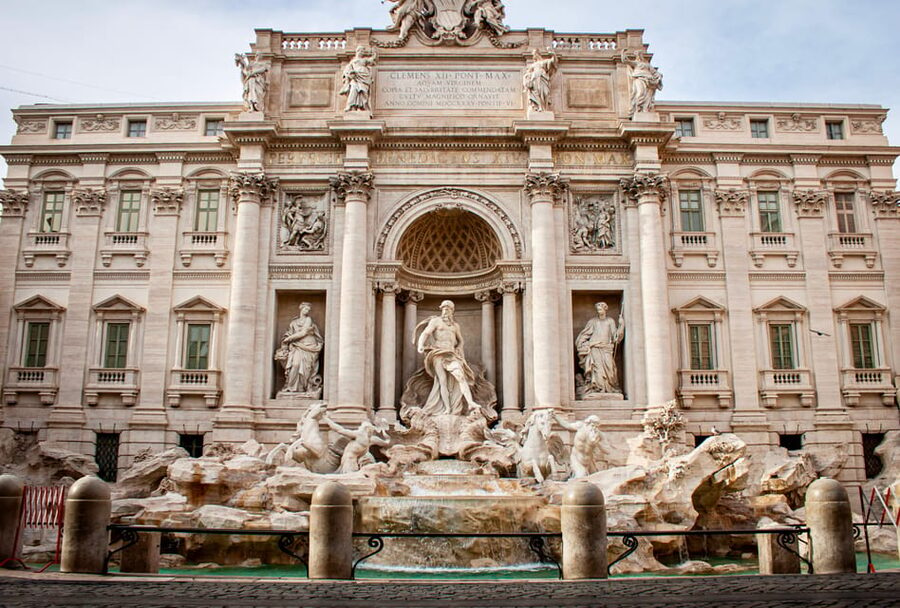
Trevi Fountain gets about 15 minutes, including a short break, photographs, guided commentary, and free time. The stop is compact, which is sensible because the fountain area can be packed.
You will hear more than the familiar coin-toss tradition. The guide connects the fountain to propaganda, patronage, urban planning, and the competition among Rome’s powerful families and popes. That context changes the way you look at the sculptures. Instead of seeing only theatrical Baroque decoration, you begin to read the fountain as a public statement about authority and control.
The free time is useful, but do not expect a quiet pause. Trevi is one of Rome’s most crowded sights, and the group may need to stay close together. Keep your phone and wallet secure in dense crowds, and listen for the guide’s meeting instructions before wandering off for photographs.
Same city, a completely different sort of day:
- Vatican: Museums & Sistine Chapel Entrance Ticket
★ 4.5 · 144,003 reviews - Vatican Museums & Sistine Chapel Tour with Optional Basilica
★ 4.3 · 67,413 reviews - Colosseum, Roman Forum & Palatine Guided Tour
★ 4.7 · 63,148 reviews - Vatican Museums, Sistine Chapel & St Peter’s Basilica Guided Tour
★ 4.5 · 39,149 reviews
Sant’Ignazio and the art of illusion
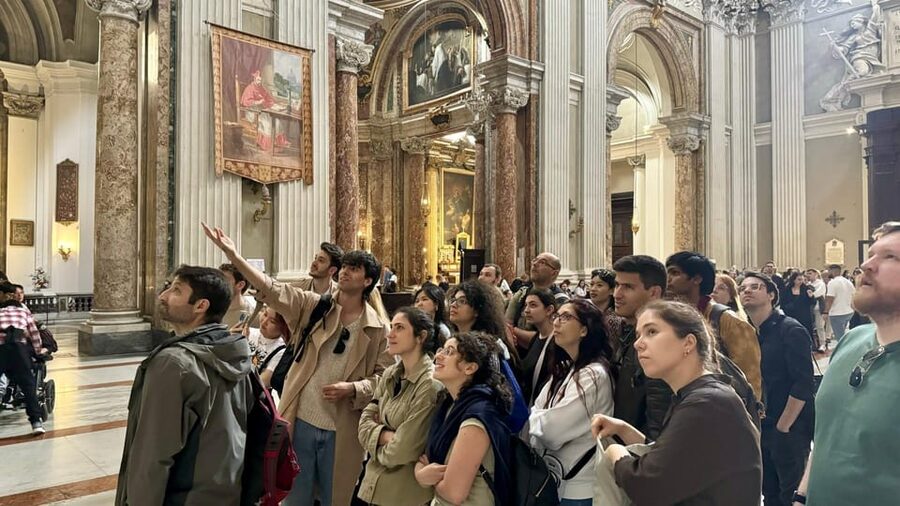
The Church of Sant’Ignazio di Loyola is one of the strongest stops for visitors interested in art. The scheduled visit lasts about 10 minutes, but the visual effect can hold your attention much longer.
The church is known for its impressive ceiling fresco, and the guide uses it to discuss art, faith, illusion, and the way churches communicated ideas to people who could not read. This is a good example of the tour’s broader method: the building becomes evidence of a larger contest for influence.
You may also hear about the Colonna district and the families tied to Rome’s religious and political life. One guide has been praised for translating Latin and Ancient Greek inscriptions, which can add an unusual layer to marble texts and church decoration. That ability depends on who leads your group, but the stop is designed to reward close looking.
The visit is brief, so you will not get a full art-history lecture. Still, a short explanation can make the ceiling and surrounding details far more memorable than a quick look on your own.
The Pantheon in a five-minute frame
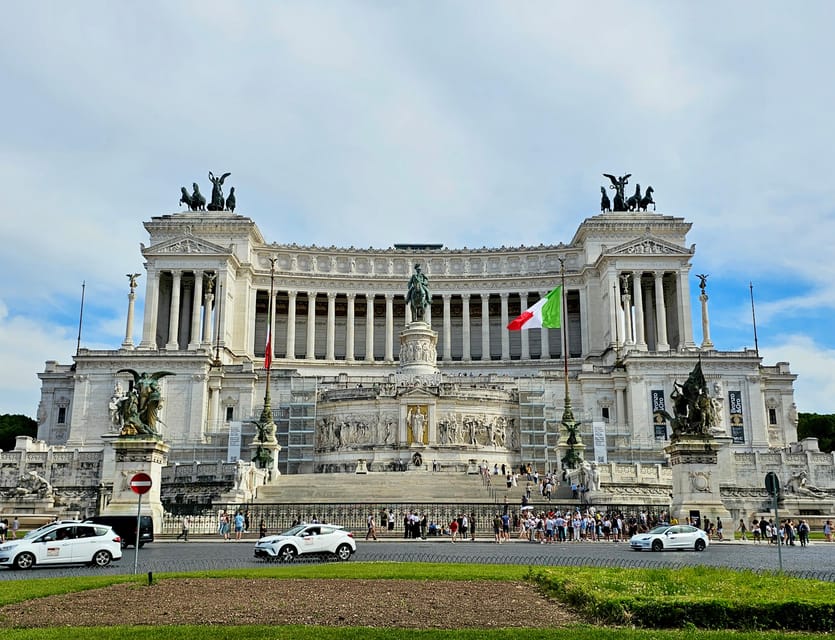
The Pantheon is listed as a five-minute stop, with photographs, a guided explanation, and a short walk. That is enough for orientation, not a full examination.
The guide’s role here is to place the building within Rome’s long sequence of ancient, Christian, artistic, and political change. You can expect an explanation of why the Pantheon matters and how it fits the city’s story, but you should plan a separate visit if you want extended time inside.
This is an important distinction when comparing tours. The walk gives you a strong introduction to the Pantheon, but it is not a dedicated Pantheon visit. If you want to study the interior, tombs, dome, and details at leisure, return later on your own.
Piazza Navona and the final lesson
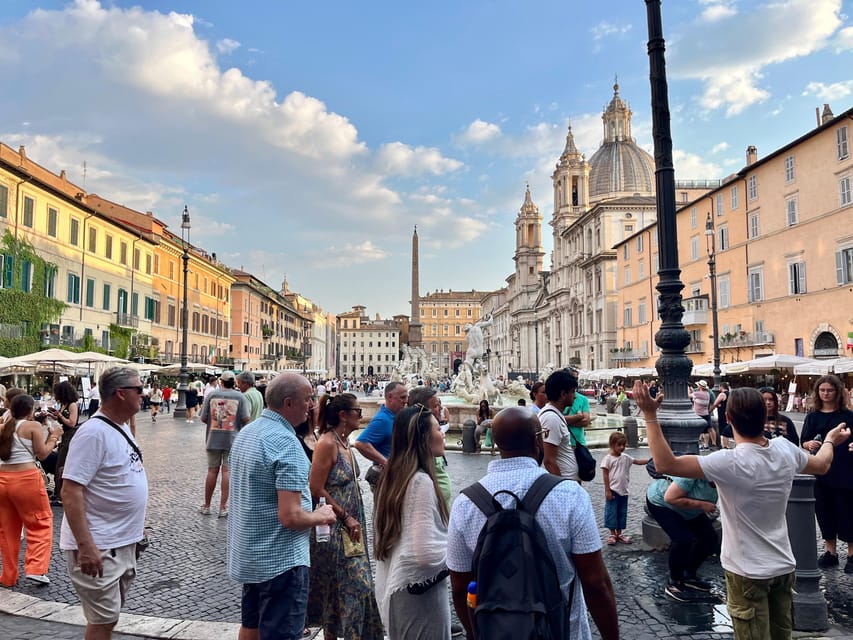
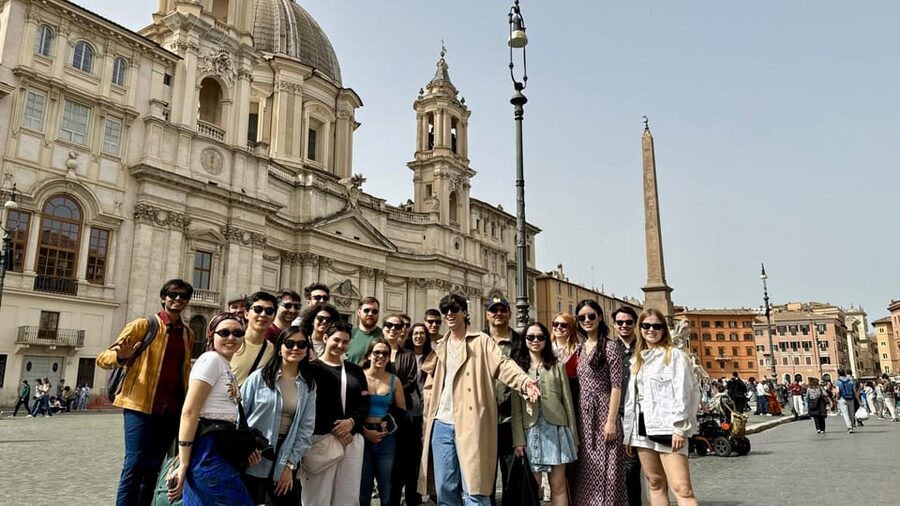
The tour ends in Piazza Navona after about 15 minutes of guided sightseeing and photographs. This gives the walk a fitting finish because the piazza is a showcase of Rome’s use of architecture, fountains, religion, and public space.
The guide explains why fountains became tools of prestige and propaganda, and how the square reflects the city’s layered past. You may also get suggestions for other places to visit, eat, or explore afterward. Several guides are praised for offering useful recommendations beyond the formal route.
Ending here is practical. Piazza Navona is an easy place to continue sightseeing, and the guide can help you connect the walk with the rest of your day. You are not left at an isolated meeting point.
The guides make or break the experience
The strongest feature of this tour is its guiding style. The best guides do not simply recite dates. They answer questions, adjust to the group, and use humor to keep the walk moving.
Simone is repeatedly associated with enthusiasm, strong historical detail, and an ability to make Rome’s powerful families understandable. Jacopo is praised for his command of ancient Rome and family history, as well as his friendly manner. Iris is described as animated and engaging. Jacob receives credit for a comfortable pace and clear delivery.
One group had the guide to themselves, while another described a small, intimate group. Group size can vary, but the feedback points to an experience that often feels more personal than a large headset tour. That matters in Rome, where narrow streets, traffic noise, and crowded squares can make a distant guide hard to follow.
The humor is part of the design. You will hear stories about scandal, crime, corruption, and betrayal, often with a sharp joke attached. If you prefer strictly formal history, the tone may not suit you. If you like a guide who treats Rome as a city of flawed people rather than marble heroes, it should work well.
What $3.77 really means
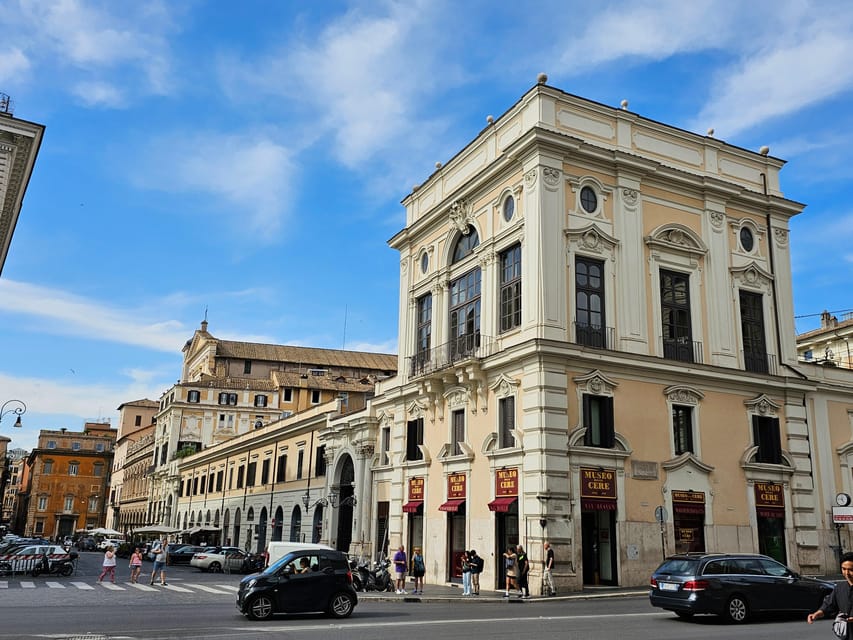
The advertised price of $3.77 per person is the reservation price, not the full expected cost. This is a pay-what-you-want tour, so the guide works mainly for tips.
The stated usual tip is between €10 and $50. That is a wide range, and you should decide your budget before you arrive. At the low end, the experience can be excellent value for a 2.5-hour introduction to central Rome. At the higher end, the final cost can approach that of a conventional paid walking tour.
The advantage is flexibility. You can judge the guide’s effort, the group experience, and the amount of access or detail you receive before deciding what to give. The drawback is uncertainty. Some people prefer to know the exact cost in advance, and this model may feel less comfortable if you are not used to tipping.
The tour includes a local guide, the walking route, city highlights, lesser-known locations, and admission to papal private gardens according to the supplied activity details. The itinerary itself does not clearly identify where that garden admission occurs, so confirm the exact inclusion when booking if that feature is important to you.
Pace, planning, and who should book
The walk lasts 2.5 hours and covers several central locations. Wear comfortable shoes, bring water, and expect stone streets, short walks between stops, and crowded public spaces.
This is a strong choice for a first visit because it gives you a framework for understanding Rome. Afterward, the Pantheon, Trevi Fountain, churches, and piazzas should feel less like disconnected sights. It also suits repeat visitors who have already seen the main monuments and want stories about families, politics, art, and less obvious places.
It may be less suitable if you want long interior visits, a quiet small-group museum experience, or a route focused on the Colosseum and Roman Forum. The Pantheon stop is short, Trevi Fountain can be crowded, and the exact hidden locations may vary.
Book with an open mind about the route. The title promises an alternative walk, but the tour still includes Rome’s best-known sights. The difference is the interpretation, not the complete absence of famous monuments.
Should you book this Rome walking tour?
I would choose it if you want Rome explained through people and power rather than a list of dates. The combination of Trajan’s Column, Trevi Fountain, Sant’Ignazio, the Pantheon, Piazza Navona, and quieter religious sites gives you a useful two-and-a-half-hour introduction.
Book it early in your Rome visit if you want help making sense of the city. Choose it later if you already know the main sights and want a fresh angle. Just remember that the low booking price comes with a tip expectation, and that the guide you receive may be Simone, Jacopo, Iris, Jacob, or another member of the team.
FAQ
How long does the Rome walking tour last?
The tour lasts 2.5 hours.
Where does the tour begin?
It begins on the steps of Chiesa del Santissimo Nome di Maria al Foro Traiano, beside Trajan’s Column and Trajan’s Forum.
Where does the tour finish?
The tour finishes in Piazza Navona.
Which sights are included?
The route includes Trajan’s Column, Piazza Venezia, a secret stop, a monastery, Trevi Fountain, the Church of Sant’Ignazio di Loyola, the Pantheon, and Piazza Navona.
What languages are available?
The tour is offered in English and Spanish.
Is the tour fully paid in advance?
No. It uses a pay-what-you-want model. The booking price is listed as $3.77 per person, and you are expected to tip the guide at the end. The usual stated tip is between €10 and $50.
Can I cancel the booking?
Yes. You can cancel up to 24 hours in advance for a full refund. You can also reserve now and pay later.
Just added around Rome
- Boat excursion to Gaeta with a stop for swimming and snorkeling 2 HOURS★ 5.0 · 240 reviews
- Palatine Hill and Roman Forum Tour with Fast-Track Entrance★ 4.2 · 417 reviews
- Tivoli: Villa D’Este & Villa Adriana Pass & App Audioguide★ 4.4 · 364 reviews
- Tivoli: Villa D’Este Entry Ticket and App Audio Guide★ 4.3 · 191 reviews
- From Rome: Villa D’Este & Villa Adriana Day Trip with Lunch★ 4.4 · 289 reviews
- Vatican Museums & Sistine Chapel Skip-the-Line Guided Tour★ 4.6 · 254 reviews
- Rome: Capitoline Museums and Centrale Montemartini Tickets★ 4.4 · 328 reviews
- Rome: The Three Tenors at St. Paul’s Church Concert Ticket★ 4.7 · 699 reviews
Walking Tours, compared.

Guided Walking Tour & Last Supper Visit with Ticket
Read our review →

Rialto Bridge & Offbeat Unusual Venice Walking Tour
Read our review →
Private 3 hrs Venice Tour: St Mark’s, Walking tour & Boat tour
Read our review →
Skip the line: Uffizi and Accademia Small Group Walking Tour
Read our review →Browse the lists this tour appears in