
Reviewed · VATICAN TOURS
Rome: Vatican Museums Skip-the-Line Ticket
The Vatican Museums save their biggest punch for the end: Michelangelo’s Sistine Chapel, where the Creation of Adam and The Last Judgment fill the ceiling and walls. Before that grand finale, you pass through ancient sculpture, Renaissance frescoes, golden church treasures, and the striking Gallery of Maps. I like the freedom to set my own pace, and I like that an optional audio guide lets you choose which parts deserve your attention.
The skip-the-line ticket is especially useful when the normal queue can stretch to two hours. The catch is that skip the line does not always mean walk straight in, since security screening, ticket checks, and busy-season congestion can still create a delay. This is a self-guided visit, not a guided tour, and St. Peter’s Basilica is not included.
Key points to know before you go
- Michelangelo’s Sistine Chapel comes with a major caveat: it can close for official events, including the closure announced for the Conclave beginning April 28, 2025.
- The ticket saves time at the ticket queue: you still need to pass security and have your ticket validated.
- You choose the pace: two to three hours is the stated duration, but one visitor found four and a half hours worthwhile with the audio guide and frequent stops.
- The audio guide is optional: it is useful if you want context without following a guide or group.
- This is not a Basilica tour: priority access to St. Peter’s Basilica is not included.
- Ticket delivery needs attention: official tickets usually arrive by WhatsApp or email one day before the visit, sometimes on the same day.
Entering the Vatican Museums without the two-hour queue
Your visit begins at the Vatican Museums entrance. There is no tour leader or formal meeting point, so you go directly to the entrance with the ticket sent to you by WhatsApp or email. That makes the visit simple, but it also puts the practical work on you. You need to identify the correct entrance, arrive on time, and have your documents ready.
The ticket is intended to move you ahead of the normal ticket-buying line. On a quiet day, that can mean a quick entry. During peak periods, even the ticket-holder queue can take time. Security screening is mandatory, and staff must validate the ticket in the entrance corridors. Arriving 20 to 30 minutes early gives you a sensible cushion.
The timing of ticket delivery deserves attention. Tickets generally arrive one day before the scheduled visit, though they may come on the same day. A delay of up to 30 minutes is possible, so do not wait until the last moment to check your messages. Keep an eye on both WhatsApp and email.
Each ticket carries the full name entered during booking. It cannot be changed, so check names carefully before you pay. Bring a passport or identity card. Children also need identification, while students aged 18 to 25 must show a valid student card.
More Entry Tickets in Rome
- Vatican: Museums & Sistine Chapel Entrance Ticket
★ 4.5 · 144,003 reviews - Rome: Pantheon Fast-Track Ticket and Official Audio Guide
★ 4.3 · 21,008 reviews - Rome:Hop-On Hop-Off Panoramic Open Bus Ticket 3 Circuits x 1
★ 4.0 · 15,405 reviews
Ancient collections before the Renaissance
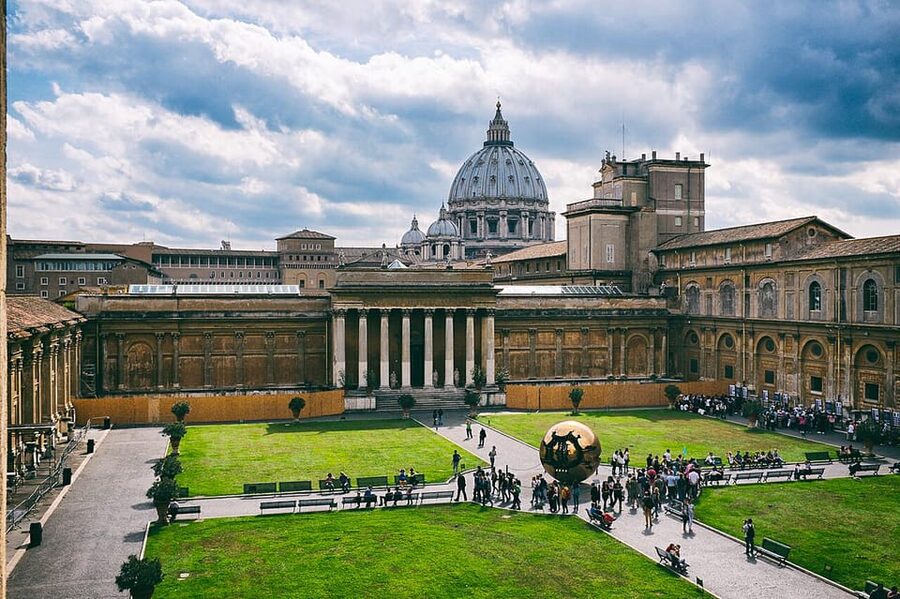
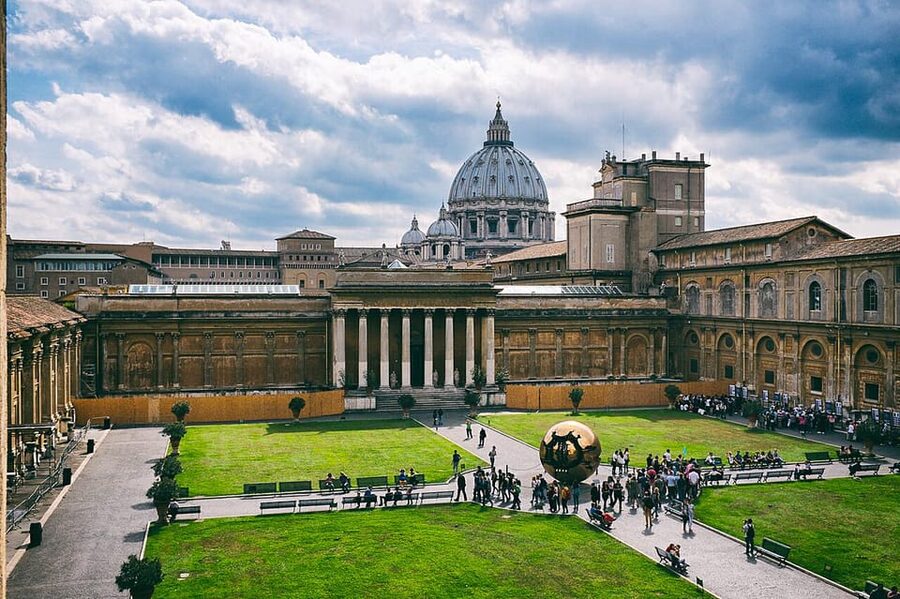
Once inside, you are free to choose your route and speed. The Vatican Museums are not a small gallery with a single room at the end. They are a vast collection shaped by centuries of church patronage, collecting, scholarship, and display.
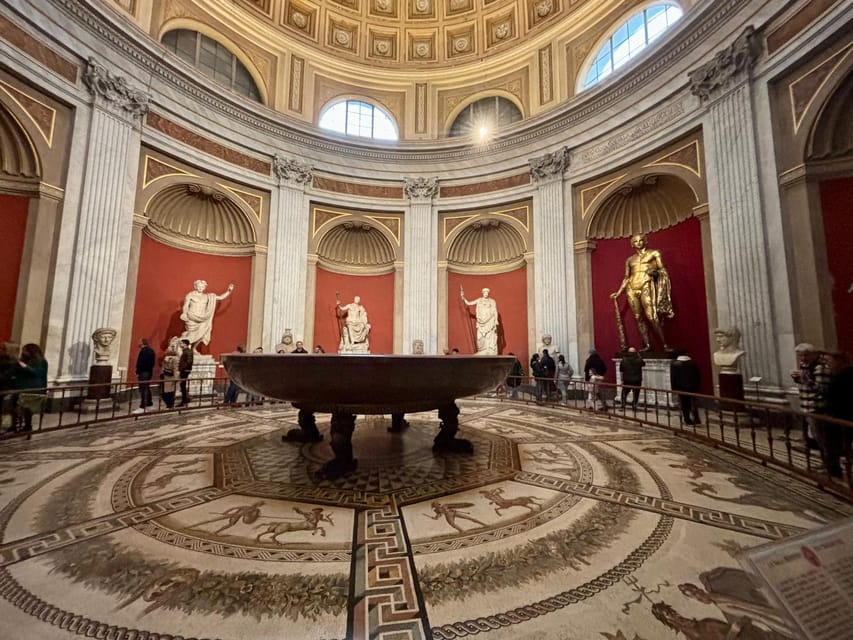
You might begin with ancient works before reaching the Renaissance rooms. This earlier material helps explain the artistic world that Renaissance painters studied and revived. Sculptures, religious objects, and decorative pieces show how the Vatican gathered art from many periods rather than focusing only on Michelangelo and Raphael.
The sheer scale is part of the reward and part of the problem. You can spend two or three hours seeing the major rooms, but that will not cover everything in detail. One particularly enthusiastic visitor spent about four and a half hours moving at a moderate pace, stopping for an audio explanation, photographs, restrooms, and a café break. That is a useful reminder: the stated duration is a planning guide, not a hard limit on how long the museum can hold your attention.
If you have a short afternoon, select a few rooms and accept that you will miss others. If you have more time, the self-guided format allows you to slow down when a painting, map, or object catches your eye.
Raphael’s Rooms and the Renaissance message
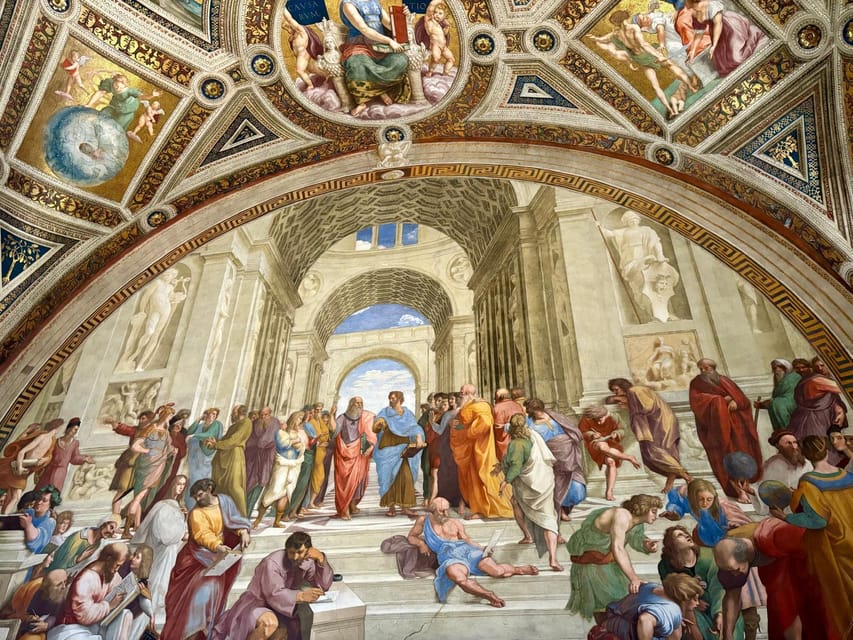
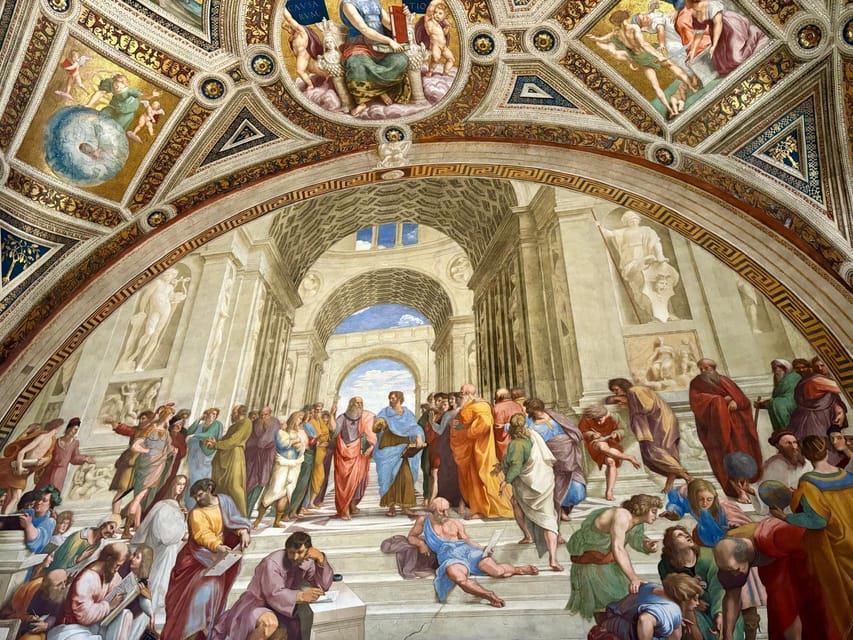
Raphael’s Rooms are among the essential stops. Raphael and his workshop created frescoes that helped define the visual language of the High Renaissance. The rooms are not simply pretty interiors. They show how art, theology, philosophy, and political power worked together inside the papal court.
An audio guide can help you read these frescoes instead of merely admiring their colors. The guide option is useful if you want a basic explanation of who appears in each scene and why the images mattered to the Catholic Church. It also lets you skip sections that do not interest you, unlike a fixed group tour that must keep moving.
The Renaissance changed more than painting technique. It brought renewed interest in classical art, careful study of the human body, perspective, and the use of large wall paintings to express ideas. In the Vatican, those artistic tools served religious teaching and papal authority. You can see that connection in the way important rooms combine grand architecture with carefully planned images.
The museum is especially well suited to independent visitors who enjoy choosing their own emphasis. You can focus on the artists, the religious meaning, the political message, or simply the visual impact. If you want a scholar-led explanation of every room, this ticket is not the right product. There is no guide included.
The Gallery of Maps and the Cabinet of Masks
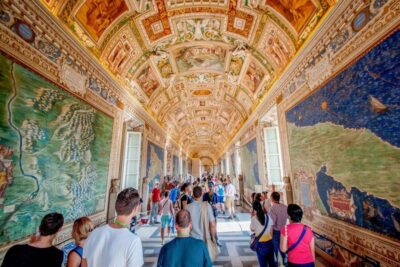
The Gallery of Maps is one of the most memorable stretches of the visit. Its long walls are covered with painted maps of Italy, while the ceiling adds another layer of decoration. The gallery communicates a sense of Italian unity through geography and art, even though modern Italy did not yet exist as a unified nation when the maps were made.
Look up as you walk. The ceiling can pull your attention away from the maps below, and it is easy to move through this gallery too quickly in the crowd. An audio guide may help you understand why the room was created and how its images support a larger idea of territory, order, and papal reach.
The Cabinet of Masks offers a different mood. Its name reflects the ancient mosaic masks displayed there, and it provides another reminder that the Vatican collection reaches far beyond Renaissance painting. These rooms help break up the famous fresco route and show the variety of objects held by the museums.
I like this range because it prevents the visit from becoming a single-artist pilgrimage. Michelangelo gets the headlines, but the Vatican experience depends on the contrast between ancient objects, painted maps, Renaissance rooms, decorated galleries, and newer art.
More Museum Tours in Rome
- Vatican Museums & Sistine Chapel Tour with Optional Basilica
★ 4.3 · 67,413 reviews - Vatican Museums, Sistine Chapel & St Peter’s Basilica Guided Tour
★ 4.5 · 39,149 reviews - Rome: Vatican Museums, Sistine Chapel & Basilica Tour
★ 4.3 · 13,872 reviews - Vatican Museums & Sistine Chapel Skip-the-Line Entry Ticket
★ 4.4 · 13,838 reviews
Modern and Contemporary Art inside the Vatican
The Collection of Modern and Contemporary Art may surprise anyone expecting only Renaissance and ancient works. It shows that the Vatican Museums are not frozen in the era of Michelangelo. The collection brings later artistic voices into a place long associated with religious art from earlier centuries.
This section can be especially useful if you have already seen major Renaissance galleries elsewhere in Italy and want a change of pace. It also gives you a chance to consider how artists in more recent periods approached faith, identity, and human experience.
The modern collection is one reason I would not treat the Sistine Chapel as the entire visit. The chapel is the dramatic climax, but the route to it contains a much broader picture of the Vatican’s artistic interests. You may find that a contemporary work stays with you longer than a familiar Renaissance masterpiece.
Michelangelo’s Sistine Chapel
The Sistine Chapel is the emotional high point for many people. Michelangelo’s ceiling presents scenes from Genesis, including the Creation of Adam. The Last Judgment covers the altar wall, with its powerful mixture of hope, fear, punishment, and salvation.
These paintings deserve more than a quick glance upward. If you can find a place to pause, take time to look at the scale, the crowded figures, and the way Michelangelo uses human bodies to express spiritual drama. The chapel is both a religious space and one of the most famous artistic achievements in Europe.
Silence rules apply inside the chapel, and the atmosphere is controlled by staff. You should expect a crowded room and limited freedom to stop wherever you wish. This is not a quiet private viewing. Still, seeing the frescoes in their actual setting gives them a force that photographs cannot match.
There is an important date-related warning. The Sistine Chapel may close to the public for official events or force majeure circumstances, with no refund. The announced closure beginning April 28, 2025, was connected to the requirements of the Conclave. Check the current status close to your visit instead of assuming the chapel will be open simply because your museum ticket is valid.
How long should you plan?
The advertised duration is two to three hours. That is enough for a brisk visit to the main highlights, especially if you arrive with a short list and do not stop everywhere.
I would allow extra time if you want to listen to the audio guide, study Raphael’s Rooms, pause in the Gallery of Maps, and browse the modern collection. The museum can also become tiring because of its size, crowds, and constant visual stimulation. A visit lasting four hours or more is realistic for someone who prefers a medium walking pace and regular breaks.
The freedom to stop for a coffee or use the restroom without losing a group is a real advantage. You can also return to a room that deserves another look. The tradeoff is that you must manage your own time and energy. With no guide leading you, it is easy to wander too long early in the visit and reach the Sistine Chapel feeling rushed.
Audio guide or ticket only?
The basic ticket suits visitors who already know what they want to see, prefer reading labels, or simply want entry without a formal tour. It gives you maximum independence and avoids the pressure of following someone else’s schedule.
The audio guide is worth considering if you want more background on the art and the church. It can be available in your native language, depending on the selected option. You listen only when a room interests you, which makes it more flexible than a live group tour.
I would choose the audio guide for a first visit unless you strongly prefer to explore without commentary. It helps connect the art to the Renaissance and the Catholic Church, two subjects that can otherwise remain vague beneath all the marble and paint.
Price, value, and the limits of the ticket
The listed price is $44.41 per person. That is not the same as a low-cost museum admission, so you should compare it with the official ticket price and other booking choices before paying. Some visitors have felt that reseller prices were far above the normal Vatican cost, especially for two people.
The extra cost can still make sense when regular tickets are sold out or when the normal queue is likely to consume a large part of your day. Time has value in Rome, particularly if you have only a few days. The convenience is strongest for a first-time visit during a busy period.
You are paying for entry arrangements, not a personal guide. St. Peter’s Basilica priority access is not included, and the ticket does not create a special route from the Sistine Chapel into the Basilica. Private guides may offer fast-track access between those places for an additional charge, but that is separate from this activity.
The non-refundable policy matters. Since exhibition areas can close unexpectedly and the Sistine Chapel may be unavailable for official reasons, book only after checking your dates and accepting that risk.
Dress, documents, and practical rules
The Vatican enforces a modest dress code. Shorts, short skirts, and sleeveless shirts are not allowed. Dress conservatively from the start so you do not lose time or face an awkward refusal at the entrance.
Bring your passport or identity card. A student aged 18 to 25 needs a valid student card. Children under seven enter free, but children still need identification.
The information provided for this activity says it is not suitable for wheelchair users. At the same time, practical experience inside the museum can vary, with elevators and helpful guards available in some areas. Access to the Vatican itself can be difficult, particularly from the street, so anyone using a wheelchair should confirm current arrangements directly before booking rather than relying on general assumptions.
Who should book this Vatican visit?
I would choose this experience if you want the main Vatican Museums highlights but do not want a fixed group tour. It suits independent visitors, couples, families with older children, and art lovers who may want to spend longer in one room and skip another.
It is also a good choice for someone who has already taken a guided Vatican tour and now wants to return at a slower speed. The audio option gives you structure without forcing you to move with a group.
I would hesitate if you need guaranteed Sistine Chapel access, personal interpretation from a guide, wheelchair arrangements that have been confirmed in advance, or a fully refundable booking. I would also compare prices carefully if your dates are flexible.
FAQ
Is a tour guide included?
No. This is a self-guided visit with no guide and no formal meeting point. An audio guide is included only if you select that option.
How long does the Vatican Museums visit take?
The stated duration is two to three hours. You can spend longer inside if you move slowly, listen to the audio guide, and take breaks.
Does the ticket include St. Peter’s Basilica?
No. Priority access to St. Peter’s Basilica is not included. Private guides may offer access from the Sistine Chapel to the Basilica for an extra charge.
Can the Sistine Chapel close?
Yes. Exhibition areas, including the Sistine Chapel, may close unexpectedly because of official events or force majeure circumstances. No refund is available for such closures. The chapel was scheduled to close from April 28, 2025, for the requirements of the Conclave.
When will I receive my ticket?
The official ticket is usually sent one day before the visit by WhatsApp or email. It may sometimes arrive on the same day, and delivery can occasionally be delayed by up to 30 minutes.
What should I bring and wear?
Bring a passport or identity card. Students aged 18 to 25 should bring a valid student card. Shorts, short skirts, and sleeveless shirts are not allowed.
Should you book it?
Book this ticket if saving queue time and exploring independently matter more to you than having a live guide. The Vatican Museums offer far more than one famous ceiling, and the self-guided format lets you give Raphael, the Gallery of Maps, ancient collections, and modern art the attention they deserve.
Before booking, check the total price against other options, confirm that the Sistine Chapel is expected to be open, and watch your email and WhatsApp for the named ticket. Arrive early, dress properly, and keep your plans flexible. For an independent visit to one of Rome’s great art collections, those small preparations make a big difference.
More Vatican and Sistine Chapel Entries
- Rome: Vatican Museums, Sistine Chapel & Basilica Tour
★ 4.7 · 13,217 reviews - Rome: Vatican Museums & Sistine Chapel Guided Tour
★ 4.3 · 12,117 reviews - Vatican Museums & Sistine Chapel Skip-the-Ticket-Line Tour
★ 4.3 · 10,486 reviews - Vatican Museums, Sistine Chapel & St Peter’s Basilica Tour
★ 4.6 · 10,222 reviews
More Skip-the-Line Tickets in Rome
- Skip-the-Line Group Tour of the Vatican, Sistine Chapel & St. Peter’s Basilica
★ 4.5 · 12,779 reviews - Rome: Vatican Museums & Sistine Chapel Skip-The-Line Ticket
★ 4.2 · 11,708 reviews - Vatican, Sistine Chapel & St. Peter’s Skip-the-Line Tour
★ 4.5 · 7,770 reviews - Skip-the-Line Vatican, Sistine Chapel & St. Peter’s | Small Group
★ 5.0 · 7,060 reviews
Just added around Rome
- Boat excursion to Gaeta with a stop for swimming and snorkeling 2 HOURS★ 5.0 · 240 reviews
- Palatine Hill and Roman Forum Tour with Fast-Track Entrance★ 4.2 · 417 reviews
- Tivoli: Villa D’Este & Villa Adriana Pass & App Audioguide★ 4.4 · 364 reviews
- Tivoli: Villa D’Este Entry Ticket and App Audio Guide★ 4.3 · 191 reviews
- From Rome: Villa D’Este & Villa Adriana Day Trip with Lunch★ 4.4 · 289 reviews
- Vatican Museums & Sistine Chapel Skip-the-Line Guided Tour★ 4.6 · 254 reviews
- Rome: Capitoline Museums and Centrale Montemartini Tickets★ 4.4 · 328 reviews
- Rome: The Three Tenors at St. Paul’s Church Concert Ticket★ 4.7 · 699 reviews
Vatican Tours, compared.
Vatican: Museums & Sistine Chapel Entrance Ticket
Read our review →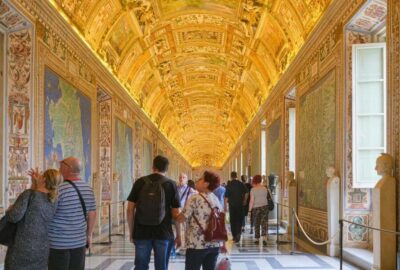
Vatican Museums & Sistine Chapel Tour with Optional Basilica
Read our review →
Vatican Museums, Sistine Chapel & St Peter’s Basilica Guided Tour
Read our review →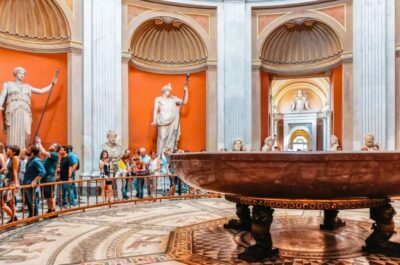
Vatican Museums, Sistine Chapel & Basilica Tour
Read our review →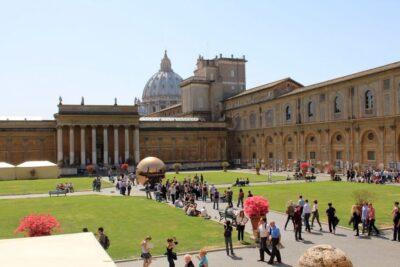
Vatican Museums & Sistine Chapel Skip-the-Line Entry Ticket
Read our review →Vatican Museums, Sistine Chapel & Basilica Tour
Read our review →
Skip-the-Line Group Tour of the Vatican, Sistine Chapel & St. Peter’s Basilica
Read our review →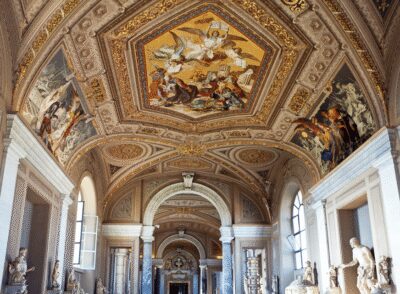
Vatican Museums & Sistine Chapel Guided Tour
Read our review →Browse the lists this tour appears in