Reviewed · ROME TOURS
Taste of Testaccio: Special 15 Year Anniversary Edition
Rome’s Testaccio neighborhood gives you something the city center often cannot: food where Romans actually shop and eat, along with a relaxed look at daily life. This 3.5-hour walk links a cheese shop, market stalls, traditional restaurants, ancient landmarks, and a century-old gelateria.
I like two things especially. First, you do more than sample prepared bites: you make your own bruschetta with market ingredients. Second, the food comes with useful context, from Roman quinto quarto cooking to the difference between real and fake gelato. Guides such as Luca, Katherine, Francesca, and Giuseppe are praised for making the walk friendly and conversational.
The main consideration is the price, about $131.81 per person. That is a serious lunch bill, though the amount of food, wine, beer, guide service, and small group size can make it fair value. It is also a walking tour in Rome, so hot weather and full portions may test your stamina.
Key points at a glance
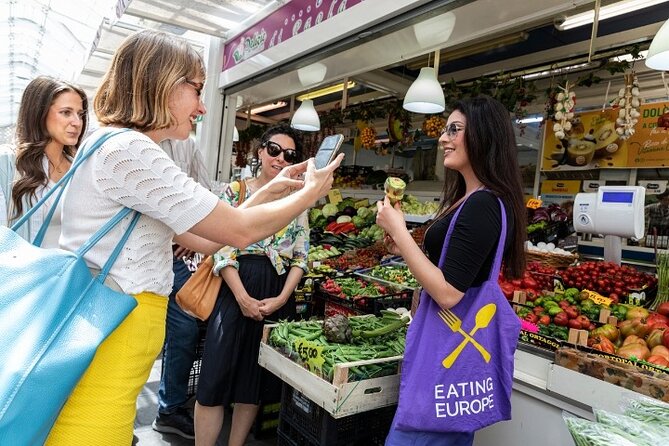
- Make bruschetta at Testaccio Market: Use tomatoes and other fresh ingredients bought from local vendors.
- Taste three Roman pastas: Try carbonara, amatriciana, and cacio e pepe in one sitting.
- See Rome’s Egyptian-style pyramid: The Pyramid of Cestius is about 2,000 years old and sits near the Protestant Cemetery.
- Eat beyond standard pizza and pasta: Supplì, trapizzino, buffalo mozzarella, cured meats, and artisanal cheeses fill out the menu.
- Finish with historic gelato: Giolitti has made gelato for more than 100 years and offers a lesson in spotting the real thing.
- Keep the group small: The maximum is 12 people, with the tour ending only a few blocks from the start.
Why Testaccio is a smart place for a food tour
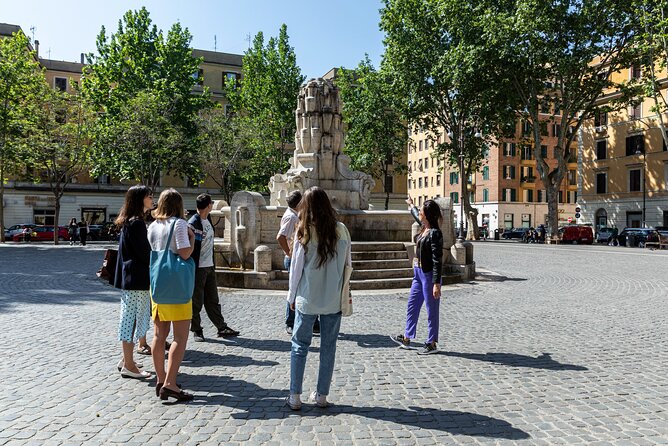
Testaccio is a working Roman neighborhood with strong ties to food. Its former slaughterhouse shaped local cooking, especially quinto quarto, the Roman tradition of using less celebrated cuts and parts of the animal. The district also grew around the ancient port area, where food supplies entered Rome and were stored, sold, and consumed.
That background makes the neighborhood a better setting for a food tour than a string of famous restaurants near the Trevi Fountain. You get a meal, but you also see the setting that helped shape Roman cuisine.
The tour begins at Piazza Testaccio, a useful central point in the neighborhood. From there, you walk between shops, market stalls, restaurants, and historic sights. It is not a museum-style presentation. The best guides, including Luca, Valter, Katherine, and Francesca, make the history part of a conversation about what is on your plate.
The experience is offered in English and normally carries a maximum of 12 people. That limit matters. A food market is much easier to handle with a small group, and you are more likely to hear explanations without standing at the back of a crowd.
A few more Rome half-days worth a look
- Vatican: Museums & Sistine Chapel Entrance Ticket
★ 4.5 · 144,003 reviews - Vatican Museums & Sistine Chapel Tour with Optional Basilica
★ 4.3 · 67,413 reviews - Colosseum, Roman Forum & Palatine Guided Tour
★ 4.7 · 63,148 reviews
Cured meats, cheese, and a celebratory opening
The first food stop is Salumeria Volpetti, one of Testaccio’s long-established specialty shops. You begin with Italian cured meats and artisanal cheeses, then add olive oil, balsamic vinegar, and a glass of crisp Prosecco.
Volpetti is home to around 150 cheeses, so this stop gives you a quick look at the scale of Italian regional food. It is also a useful lesson in how Italians build a meal. The focus is not on one oversized dish, but on several strong ingredients with different textures and levels of salt, sharpness, and richness.
The tasting lasts about 40 minutes. That is generous for an opening stop, and it helps explain why you should arrive hungry. You will eat steadily throughout the tour, not simply collect tiny samples.
The shop stop is also practical for anyone who wants to take food home. The tour itself does not promise shopping time, and you should not count on being able to browse at leisure, but a specialty shop like this can give you ideas for cheese, cured meat, oil, or vinegar to seek out later.
The Pyramid of Cestius and the Protestant Cemetery
After the first tasting, the route moves to one of Rome’s strangest sights, the Pyramid of Cestius. This Egyptian-style pyramid is roughly 2,000 years old, a reminder that ancient Rome borrowed ideas from across the Mediterranean when Egyptian culture became fashionable among wealthy Romans.
The stop lasts about 15 minutes. You should think of it as an outdoor history break rather than a full archaeological visit. The experience includes seeing and discussing the pyramid, not an extended interior tour.
Nearby is the Protestant Cemetery, associated with the graves of non-Catholics in Rome. The cemetery is known for the burial place of the English poet John Keats. These sights add welcome variety to the meal and help you understand Testaccio as more than a restaurant district.
This section does involve walking outdoors. On a hot day, the short stop can feel longer, especially after the opening food and wine. One person described completing the tour on a day near 100 degrees Fahrenheit, so bring water, wear comfortable shoes, and consider a morning departure if that option is available when you book.
Making bruschetta inside Testaccio Market
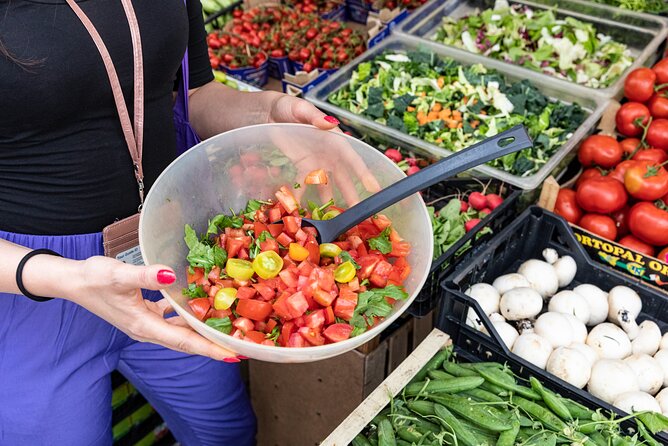
Testaccio Market is the heart of the tour. Here, you see fresh produce and speak with vendors before turning the ingredients into your own bruschetta.
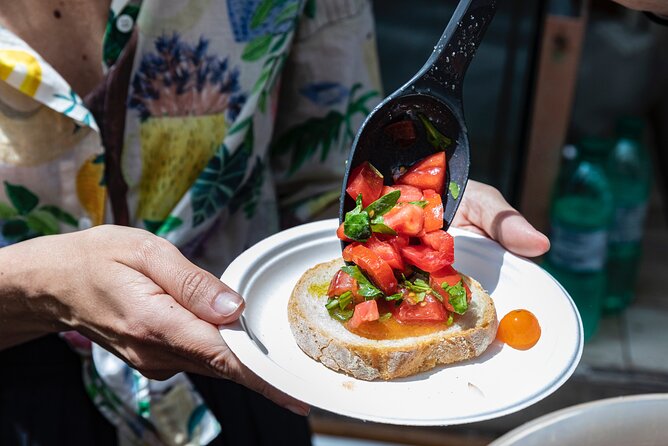
The activity is simple but valuable. You are not just handed a tomato toast and told it is local. You see the ingredients being selected, handle the bread and tomatoes, and learn how a few good products can carry a dish. The best part may be the tomatoes. One repeat visitor singled them out as the finest they had tasted.
The market tasting also includes buffalo mozzarella and caprese salad. Fresh mozzarella can be a revelation if you are used to rubbery supermarket versions. Its mild, milky character works well with tomatoes, and the combination shows why Italian food often depends more on freshness than on complicated preparation.
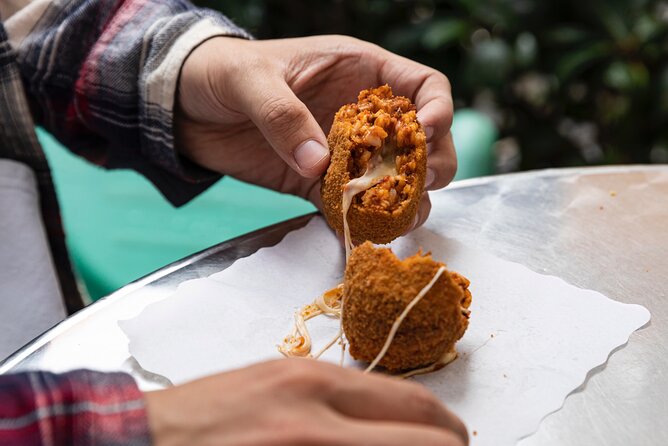
You will also taste classic fried food, including supplì. Supplì is Rome’s fried rice ball, often filled with mozzarella. It is related in spirit to arancini, but Roman versions have their own identity and are a key part of the city’s street-food tradition.
This is one of the strongest parts of the tour for anyone interested in ordinary food culture. Markets show you how people shop, what ingredients are treated as special, and how neighborhood vendors fit into daily life. The drawback is that market conditions and available products can change. Your exact samples may not match the printed menu, particularly by season.
Same city, a completely different sort of day:
- Vatican Museums, Sistine Chapel & St Peter’s Basilica Guided Tour
★ 4.5 · 39,149 reviews - Rome: Colosseum, Palatine Hill and Roman Forum Guided Tour
★ 4.8 · 32,814 reviews - Rome: Guided Tour of Colosseum, Roman Forum & Palatine Hill
★ 4.7 · 27,897 reviews - Rome: Colosseum & Forum with Audio Guide App -Optional Arena
★ 4.2 · 24,770 reviews
Quinto quarto, the old slaughterhouse, and Monte Testaccio
As you leave the market area, the guide points out Rome’s former slaughterhouse. The complex helped shape Testaccio’s food traditions, including quinto quarto, the local style of cooking with offal and other cuts that wealthier households once avoided.
You may not eat offal on this tour, but the explanation gives Roman dishes a social context. Carbonara, amatriciana, and cacio e pepe are not just famous names on a menu. They belong to a cooking tradition built around thrift, strong flavor, and ingredients that were available to working families.
The route also includes Monte Testaccio, an artificial hill made from fragments of millions of ancient olive oil amphorae. Ancient Romans used the hill as a dumping ground for broken shipping jars. It is a remarkable sight, and it connects food directly to the scale of the Roman Empire’s appetite for olive oil.
These two stops are especially useful if you want more than a restaurant crawl. The walking route explains why Testaccio tastes different from a generic Italian neighborhood, even though the food may seem familiar at first glance.
Supplì, trapizzino, and Roman street food
The next part of the meal moves toward street food. You may have another supplì and a local beer, followed by trapizzino at Trappizino.
Trapizzino is a pocket of pizza-like bread filled with Roman-style dishes. The filling mentioned for this experience is hunter-style chicken. It is hearty, portable, and very different from a neat restaurant plate.
This stop is a good reminder that Roman food is not limited to the three pasta dishes most visitors already know. Supplì and trapizzino are satisfying, inexpensive-feeling foods, even though they are part of a paid tasting menu here.
The exact order and location of the street-food stops can vary. The experience notes that tastings and venues may change by day or season. That is normal for a market-based tour, but it means you should book for the overall range of food rather than one guaranteed item.
Three Roman pastas at Flavio al Velavevodetto
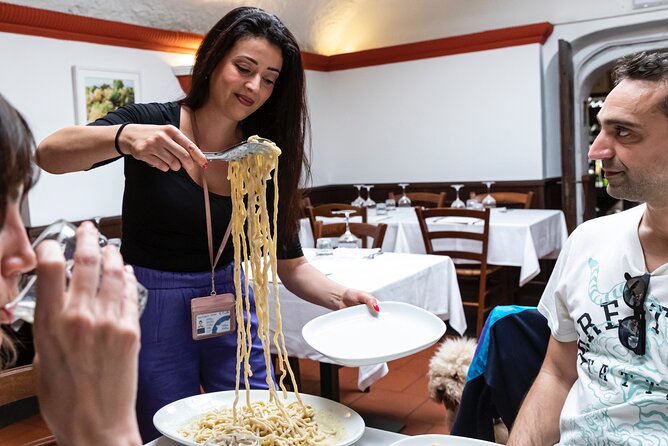
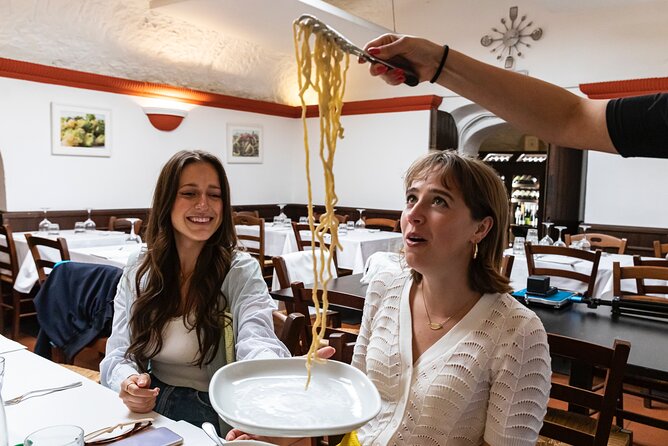
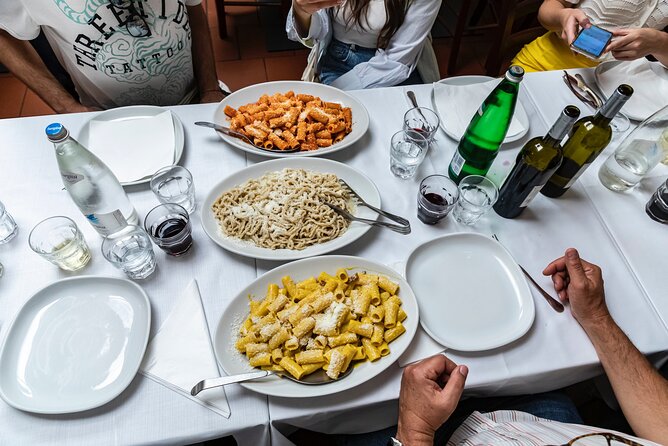
The main meal comes at Flavio al Velavevodetto, where you taste three classic Roman pastas: carbonara, amatriciana, and cacio e pepe. Local wine accompanies the meal.
This is the point where the tour’s value becomes easier to judge. At $131.81, you are not paying only for small samples. You are receiving a substantial meal, drinks, a guide, market tastings, and a carefully connected neighborhood walk.
Each pasta shows a different Roman technique. Carbonara depends on a creamy texture created without cream, traditionally through egg, cheese, and cured pork. Amatriciana brings tomato and cured pork with a sharper, more forceful flavor. Cacio e pepe looks simple but requires control of cheese, pepper, and pasta water to avoid a clumpy sauce.
Three pastas can be a lot after cheese, meat, bruschetta, caprese, fried food, and trapizzino. Come hungry, but do not eat a large breakfast or lunch beforehand. One person described the portions as generous enough to skip another meal, which is useful advice.
This stop may also be the least flexible for dietary needs. Vegetarian and gluten-free requests can be sent in advance, and the company says it will try to accommodate them. Still, severe or life-threatening allergies are not suitable for this experience, and the company does not accept responsibility for food allergies or intolerances.
Gelato at Giolitti
The last food stop is Giolitti Caffe and Gelateria, a historic shop that has made gelato for more than a century. You finish with an artisanal serving and a lesson on how to tell real gelato from industrial or poorly handled versions.
That advice is useful beyond this tour. Gelato piled into tall, stiff mountains and displayed in very bright colors can be a warning sign. The guide can explain what to look for, such as more natural color and a texture that is dense rather than inflated. The exact advice may depend on the flavors and shop setup that day.
Ending with gelato is also good planning. It gives your palate a cool, sweet finish after the salty foods and pasta. Several guides have been praised for making this final stop memorable, and one clear piece of advice is to save room for it.
The tour ends on Via Amerigo Vespucci, about a couple of blocks from the starting point. That makes it convenient to continue exploring Testaccio afterward, though the supplied information does not promise a specific recommendation for what to do next.
Price, group size, and practical value
At about $131.81 per person, this is not a bargain food walk. It costs more than buying street food independently, and you could eat a Roman pasta meal for less.
The price makes more sense if you value the full package. You receive cured meats and cheese, wine, Prosecco, market tastings, bruschetta, buffalo mozzarella, caprese, supplì, beer, trapizzino, three pastas, local wine, espresso, pastry, and gelato. You also receive an English-speaking guide for roughly three and a half hours.
The group limit of 12 is another part of the value. A smaller group makes it easier to interact with vendors and ask questions. Several guides, including Giuseppe and Francesca, have been praised for creating a casual atmosphere, especially when the group is small.
The tour requires at least two people to operate. If that minimum is not met, you will be contacted about rescheduling or receiving a refund. The standard cancellation rule allows a full refund if you cancel at least 24 hours before the start time. Changes or cancellations inside that window are not accepted for a refund.
Children under four can join free, but food is not included for children age three and under. Paid tickets with food are available from age four. Service animals are allowed, and the meeting point is near public transportation.
Who should book this Testaccio food walk?
I would choose this tour if you want to combine a serious amount of food with neighborhood history. It suits first-time visitors who have already seen the major sights and want a different side of Rome, as well as people who want help finding local specialties without guessing at menus.
It is also a good fit for solo participants. Guides such as Rishad and Giuseppe have been praised for making people feel included, and the small group format can make it easier to meet others.
You should think twice if you prefer a light tasting menu, dislike walking in warm weather, or need strict control over ingredients. The food is plentiful, the menu is largely traditional, and offerings can change. Vegetarians and people avoiding gluten should make requests at booking, but anyone with a severe allergy should choose a different activity.
Should you book it?
Book this tour if you want a full Roman meal, a market visit, and useful food knowledge in a neighborhood away from the city’s main sightseeing circuit. The Pyramid of Cestius, Monte Testaccio, the old slaughterhouse, and the Protestant Cemetery keep the walk from becoming one long lunch.
I would skip it only if the $131.81 price feels too high or if you want a short, flexible tasting. For everyone else, the strongest reason to book is the combination: you make bruschetta, taste three Roman pastas, learn how gelato should look, and see why Testaccio has such a strong food identity. Just arrive hungry, wear good shoes, and leave room for the final scoop.
FAQ
How long does the Taste of Testaccio tour last?
The tour lasts approximately 3 hours and 30 minutes.
Where does the tour begin?
The meeting point is Piazza Testaccio, 39, 00153 Roma RM, Italy.
Where does the tour end?
The tour ends at Via Amerigo Vespucci, 35, 00153 Roma RM, Italy, a couple of blocks from the starting point.
What food is included?
The tastings can include cured meats, artisanal cheeses, olive oil, balsamic vinegar, bruschetta, buffalo mozzarella, caprese salad, supplì, trapizzino, three Roman pastas, gelato, espresso, and a typical Italian pastry.
Which Roman pastas will I taste?
The planned pasta tasting includes carbonara, amatriciana, and cacio e pepe.
Is the tour offered in English?
Yes. The tour includes a local English-speaking guide.
How many people can join the tour?
The maximum group size is 12 people.
Can dietary requirements be accommodated?
Vegetarian, gluten-free, and other dietary requests can be shared by email or added during booking. Severe or life-threatening food allergies are not suitable for this experience, and the company cannot accept responsibility for food allergies or intolerances.
Can I cancel for a full refund?
Yes. You can cancel at least 24 hours before the local start time for a full refund. Cancellations or changes made less than 24 hours before the start time are not refunded.
Just added around Rome
- Boat excursion to Gaeta with a stop for swimming and snorkeling 2 HOURS★ 5.0 · 240 reviews
- Palatine Hill and Roman Forum Tour with Fast-Track Entrance★ 4.2 · 417 reviews
- Tivoli: Villa D’Este & Villa Adriana Pass & App Audioguide★ 4.4 · 364 reviews
- Tivoli: Villa D’Este Entry Ticket and App Audio Guide★ 4.3 · 191 reviews
- From Rome: Villa D’Este & Villa Adriana Day Trip with Lunch★ 4.4 · 289 reviews
- Vatican Museums & Sistine Chapel Skip-the-Line Guided Tour★ 4.6 · 254 reviews
- Rome: Capitoline Museums and Centrale Montemartini Tickets★ 4.4 · 328 reviews
- Rome: The Three Tenors at St. Paul’s Church Concert Ticket★ 4.7 · 699 reviews
Rome Tours, compared.
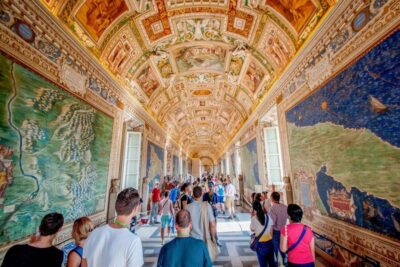
Vatican: Museums & Sistine Chapel Entrance Ticket
Read our review →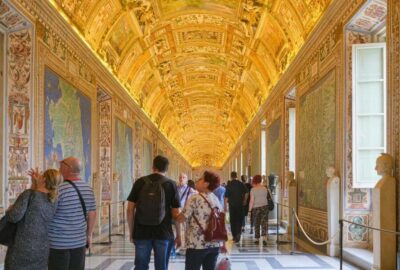
Vatican Museums & Sistine Chapel Tour with Optional Basilica
Read our review →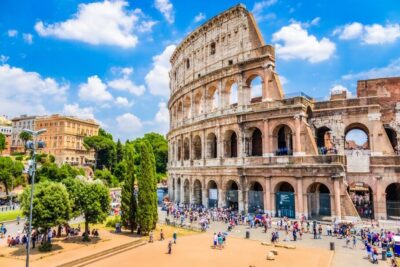
Colosseum, Roman Forum & Palatine Guided Tour
Read our review →
Vatican Museums, Sistine Chapel & St Peter’s Basilica Guided Tour
Read our review →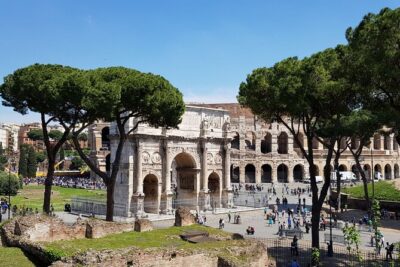
Colosseum, Palatine Hill and Roman Forum Guided Tour
Read our review →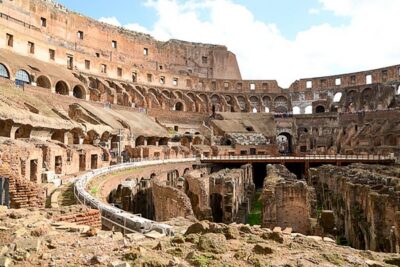
Guided Tour of Colosseum, Roman Forum & Palatine Hill
Read our review →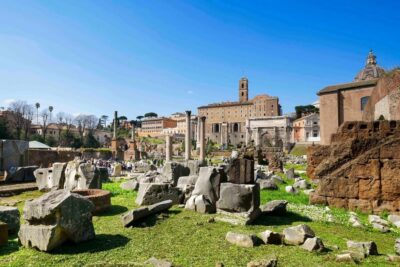
Colosseum & Forum with Audio Guide App -Optional Arena
Read our review →