
Reviewed · VATICAN TOURS
Vatican Museums Sistine Chapel Tour with access to St Peter
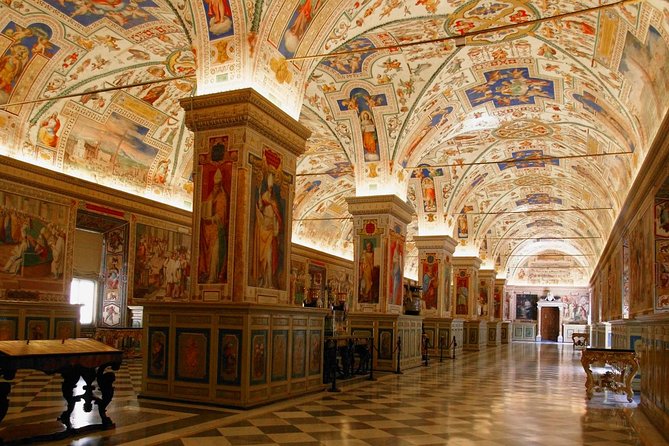
The great strength of this Vatican tour is its route through the art that most first-time visitors hope to see: the Vatican Museums, Raphael Rooms, Sistine Chapel, and possibly St. Peter’s Basilica. A guide helps you make sense of the vast collection instead of wandering past masterpieces without knowing what matters.
I like the small-group format, with no more than 20 people and smaller VIP options available. I also like the practical meeting point across from the museums, which keeps you away from the worst confusion at the main entrance. The main drawback is pace. Three hours is enough for the highlights, but you may feel hurried, and Basilica access can be changed by Vatican officials at the last minute.
Key points to know before booking
- The tour covers the Vatican’s essential sights in about three hours, including roughly 90 minutes in the museums and 30 minutes in the Sistine Chapel.
- The guide-led route is the real value, especially for first-time visitors who want context on Michelangelo, Raphael, Botticelli, and Perugino.
- Skip-the-line means faster ticket access, not instant entry, since everyone must pass through Vatican security and ticket checks.
- St. Peter’s Basilica is not guaranteed, and the direct passage from the museums may close for services, crowd control, or other Vatican decisions.
- Expect heavy crowds even in January, with headphones often supplied so you can hear the guide above the noise.
- You must cover your shoulders and knees, carry identification, and arrive at least 15 minutes early.
Why this three-hour Vatican route works
The Vatican Museums are too large to handle casually. You could spend an entire day here and still leave rooms unseen. A focused tour gives you a useful framework: ancient sculpture, Renaissance painting, papal apartments, the Raphael Rooms, and the Sistine Chapel.
I like this approach for a first visit because the guide selects major works rather than trying to explain every corridor. You get a broad look at the collection, then spend time on the pieces that shaped European art and Catholic history.
The tour is offered in English and uses an art historian or licensed guide. Guides named in guest feedback include Claudia, Giorgio, Elizabete, Elizabet, Manuel, and Debie. The quality of any group tour depends partly on the individual guide, but the strongest guides on this experience are described as clear, patient, engaging, and able to answer questions.
The group size matters. The standard group can reach 20 people, while VIP and top VIP options are listed at up to 20 and 12 people respectively. A smaller group makes it easier to stay near the guide and ask questions, though it will not remove the crowds around you.
More Museum Tours in Rome
- Vatican: Museums & Sistine Chapel Entrance Ticket
★ 4.5 · 144,003 reviews - Vatican Museums & Sistine Chapel Tour with Optional Basilica
★ 4.3 · 67,413 reviews - Vatican Museums, Sistine Chapel & St Peter’s Basilica Guided Tour
★ 4.5 · 39,149 reviews
Meeting near Caffè Vaticano
The meeting point is at Viale Vaticano 100, near Caffè Vaticano and across from the Vatican Museums. This is a sensible place to meet because the area around the official museum entrance can be confusing, packed with tour sellers, and full of people trying to decide which line is theirs.
Do not go directly to the museum entrance and wait on your own. Meet the guide first, then follow the group. The operator specifically warns against relying on street vendors in the area, since their directions may be incorrect.
Arrive at least 15 minutes before the scheduled start. That does not mean you will enter the galleries immediately. Security, ticket scanning, and crowd control can take up to 30 minutes. This is the part of the experience that often causes confusion around the phrase skip the line.
What skip-the-line access really means
The tour includes priority access compared with the regular ticket process, but it does not allow you to bypass Vatican security. Everyone must pass through screening, and the Vatican controls the flow of people into the museums.
On a quiet day, priority entry may take less than 10 minutes after the group reaches the entrance. At busy times, you may still wait close to an hour. The museum can also feel crowded once you are inside, since priority entry does not give you a private visit or a quieter route through the galleries.
This distinction matters when you compare the $83.88 price with a regular ticket or audio guide. You are paying not only for admission, but also for a scheduled place, a guide, and help navigating the entrance process. If your main goal is simply to enter as cheaply as possible, a self-guided option may cost less. If you value direction and interpretation, the added cost is easier to justify.
The Vatican Museums: 90 minutes of essential art
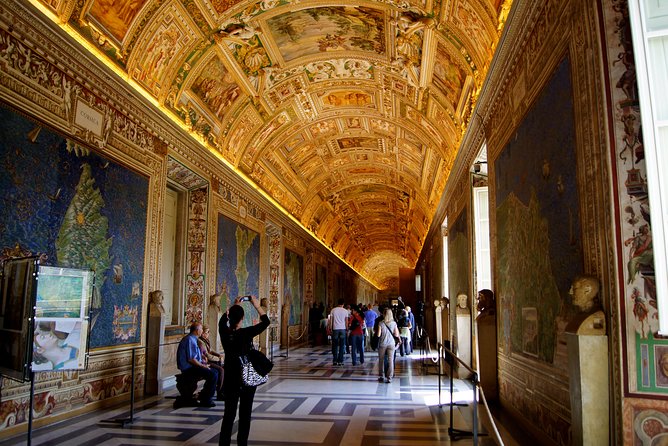
The first major section lasts about an hour and a half. The Vatican Museums hold sculpture, paintings, tapestries, maps, religious objects, and rooms decorated for the papacy. This tour concentrates on major highlights rather than attempting to cover every collection.
You may see works connected with Botticelli, Perugino, Raphael, and other Renaissance masters. The important benefit of the guide is not simply pointing out a famous painting. It is explaining why the work matters, who commissioned it, what you are looking at, and how it connects with the rooms around it.
The tradeoff is time. A guide may stop briefly, explain a work, and then move the group onward. You should not expect long periods alone in front of each painting. Several people found the pace too fast, especially when they wanted to study the details or ask more questions.
I suggest deciding in advance what matters most to you. If you care about Renaissance painting, tell the guide. If ancient sculpture or Vatican history interests you more, say so early. Guides such as Claudia were praised for adjusting their explanations to the interests of the group, but you need to speak up if you want that kind of attention.
The museums can be physically tiring. You will walk through large rooms and crowded corridors, often while standing to listen. The activity is not suitable for people with significant mobility difficulties.
More Vatican and Sistine Chapel entries:
- Rome: Vatican Museums, Sistine Chapel & Basilica Tour
★ 4.3 · 13,872 reviews - Vatican Museums & Sistine Chapel Skip-the-Line Entry Ticket
★ 4.4 · 13,838 reviews - Rome: Vatican Museums, Sistine Chapel & Basilica Tour
★ 4.7 · 13,217 reviews - Skip-the-Line Group Tour of the Vatican, Sistine Chapel & St. Peter’s Basilica
★ 4.5 · 12,779 reviews
The Raphael Rooms: a major bonus
The Stanze di Raffaello, or Raphael Rooms, are among the most important stops on the route. These papal rooms contain frescoes associated with Raphael and his workshop, including scenes that helped define High Renaissance painting.
The rooms are valuable because you see art in its original architectural setting. These are not isolated pictures in a modern gallery. The paintings were designed to work with the walls, ceilings, doors, and ceremonial purpose of the rooms.
The itinerary gives this section about 30 minutes. That is enough for an introduction and a look at key frescoes, but not enough for a slow study of every figure. The Raphael Rooms may also become the substitute visit if St. Peter’s Basilica is closed or the museum-to-basilica passage is unavailable.
That backup is worthwhile, but it can feel disappointing if you booked mainly for the Basilica. Check your priorities before paying. If the Raphael Rooms and Renaissance art appeal to you, the alternate plan still gives you a strong visit. If entering St. Peter’s is essential, you should leave extra time for a separate attempt.
The Sistine Chapel: 30 minutes with strict rules
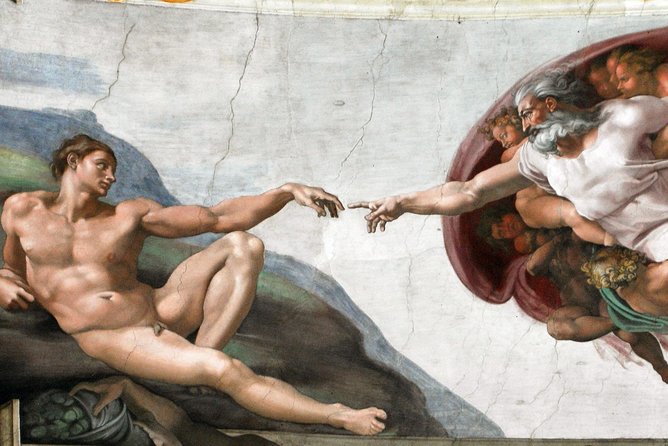
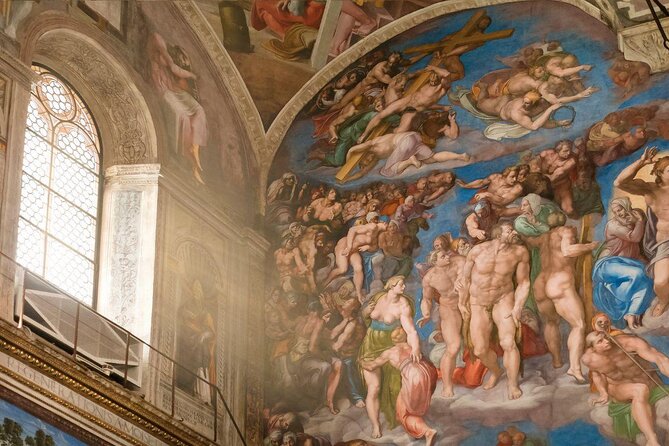
The Sistine Chapel is the emotional center of the tour. You will see Michelangelo’s ceiling and Last Judgment, along with work by other Renaissance artists, including Botticelli and Perugino.
The guide usually provides background before you enter because conversation inside the chapel is restricted. This is why some of the explanation may take place in a nearby area or garden before the group reaches the chapel. It can feel odd to discuss the ceiling before you see it, but it gives you a way to understand the scenes when the room itself must remain quiet.
You should expect about 30 minutes inside. That is enough to look upward, identify major scenes, and take in the scale of the work. It is not enough for a detailed art class.
The chapel can close early or become subject to special crowd controls. In that situation, the guide may have to shorten the route or move quickly. A late schedule change can affect the whole experience, so check messages from the operator before leaving your hotel.
Photography rules and chapel regulations are enforced by Vatican staff. Follow the guide’s instructions and be prepared for a quiet, tightly managed visit.
St. Peter’s Basilica and the passageway problem
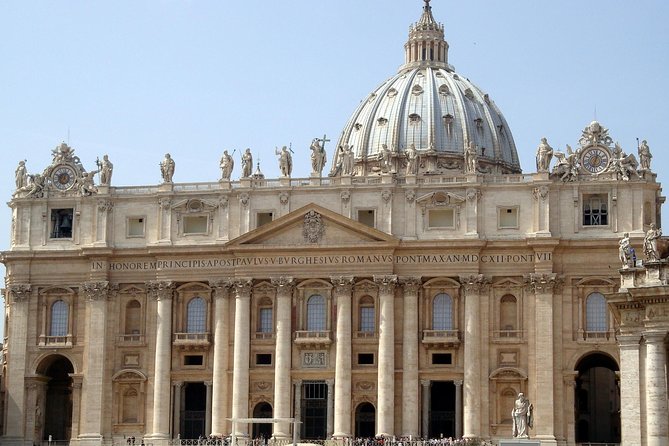
If the Basilica is open and the internal route is available, the tour finishes with access to St. Peter’s. The guide gives you about 30 minutes of introduction, then you can explore independently.
The Basilica itself is enormous. Highlights named for the route include Michelangelo’s Pietà, Bernini’s bronze baldachin over the high altar, and the Throne of St. Peter. St. Peter’s Square is also part of the experience, giving you a better sense of the scale of Vatican City.
The guide does not provide a full guided tour inside the Basilica. Think of the final portion as an orientation followed by free time. This suits you if you like to move at your own pace, but it may disappoint you if you expect detailed explanations at every monument.
The biggest practical warning concerns access from the Sistine Chapel to St. Peter’s. Vatican security controls the passageway and may close it without notice. If the passage is closed, you may need to use the Basilica’s main entrance, where another line and security check can apply. Clear instructions are important here, so confirm with the guide exactly where the group is going before you separate.
The Basilica can also close for private services or other official reasons. If that happens, the stated alternative is the Raphael Rooms. This is outside the guide’s control, but it changes the value of the tour if St. Peter’s was your main reason for booking.
The tour does not include climbing the dome. That is a separate experience and should not be expected as part of this package.
Crowds, headphones, and the pace of the guide
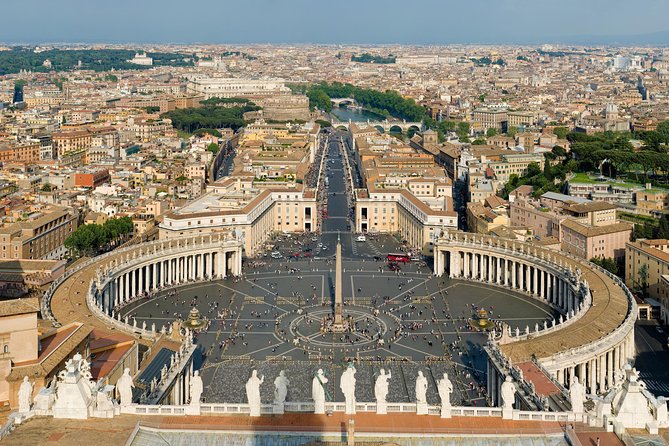
The Vatican is crowded almost every day. Even a January visit may involve heavy foot traffic, shoulder-to-shoulder galleries, and slow movement through the most famous rooms.
Headsets are supplied for the group, which is a major help. Several guides can speak while you stand a short distance away and still be heard. Headset connections can occasionally cut out, so tell the guide if you cannot hear rather than silently falling behind.
Guide quality can vary. The best guides on this tour are praised for clear explanations, patience, and practical crowd management. Claudia is noted for answering random questions and shaping the discussion around the group. Giorgio is described as keeping people together while offering historical and artistic detail. Elizabete and Manuel are also praised for friendly, well-organized presentations.
At the same time, some English-speaking guides may have strong accents or speak quickly. That can make a rushed tour harder to follow. If you are having trouble hearing or understanding, ask the guide to repeat the point or slow down. In a group of 20, it is reasonable to make that request.
What to wear and bring
The Vatican requires clothing that covers your shoulders and knees. This applies to all visitors, so dress for the rules rather than relying on last-minute fixes at the entrance.
Bring a copy of your passport, national identification card, or driving license. Identification is required to visit Vatican City. Keep it accessible, since ticket and security checks may take time.
Wear comfortable shoes. The route includes extensive walking and standing, and the museums can be tiring before you reach the Sistine Chapel. Pets and dogs are not allowed.
Do not schedule a tight dinner reservation immediately after the tour. The listed duration is about three hours, but security, crowd controls, and Basilica access can affect the finish. A little extra time protects you from having to leave before seeing the final stop.
Who gets the best value for $83.88
At $83.88 per person, this is not the cheapest way to enter the Vatican. The price makes the most sense if you want three things at once: priority ticket handling, a human guide, and a route through the major sights.
I think it suits a first visit especially well. The Vatican collection is too broad for most people to sort out without help, and a good guide can turn a long series of rooms into a connected story. It also works well for an older relative or someone who does not want to manage museum tickets and directions alone.
The value is less clear if you already know Renaissance art, prefer a slow pace, or want to spend hours with a small number of works. In that case, a self-guided visit may give you more freedom. You might also prefer a longer private tour if asking detailed questions is important.
Remember that the tour’s headline sights do not always receive equal time. The museums take about 90 minutes, the Raphael Rooms about 30 minutes, and the Sistine Chapel about 30 minutes. St. Peter’s receives an introduction and free time only if it is open and accessible through the permitted route.
Free cancellation is available up to 24 hours before the start time. Changes or cancellations inside that window are not refunded. If the operator cancels because too few people book or because of poor weather, you are offered another date or a full refund. Transport delays, train or flight problems, strikes, and taxi no-shows are not grounds for rescheduling or a refund.
Should you book this Vatican tour?
Book it if you want a guided first look at the Vatican’s essential art and you accept a busy, fast-moving visit. The combination of museum access, the Sistine Chapel, Raphael Rooms, and possible Basilica entry is useful, especially when a strong guide such as Claudia or Giorgio is leading the group.
Do not book it expecting a quiet museum visit, unlimited time at each painting, or guaranteed access to St. Peter’s Basilica. The best plan is to treat the Basilica as a valuable extra, not the sole reason for booking.
For most first-time visitors, I would consider this a sensible three-hour introduction. Arrive early, dress correctly, carry identification, wear good shoes, and keep your schedule flexible. If the Vatican is one of the main reasons you came to Rome, this tour can show you the essential works without leaving you to fight the entrance system alone.
FAQ
How long does the Vatican tour last?
The tour lasts approximately three hours. The planned route includes about 90 minutes in the Vatican Museums, 30 minutes in the Raphael Rooms, 30 minutes in the Sistine Chapel, and about 30 minutes connected with St. Peter’s Basilica if it is open.
Is St. Peter’s Basilica guaranteed?
No. St. Peter’s Basilica can close at short notice for private services or other Vatican decisions. The passage from the museums to the Basilica can also be closed. If access is unavailable, the guide takes the group to the Raphael Rooms instead.
Does the tour include a guided visit inside St. Peter’s Basilica?
No. The guide provides an introductory overview, after which you can explore the Basilica independently if it is open and accessible.
Does the tour include the Dome?
No. Climbing the dome is not included.
What does skip-the-line access include?
It provides priority access compared with the standard museum ticket process, but all visitors must still pass through Vatican security and ticket scanning. These checks can take up to 30 minutes or longer during busy periods.
What should I wear to the Vatican?
Your shoulders and knees must be covered. Clothing that does not meet this requirement may prevent entry.
What identification do I need?
You need a copy of your passport, identification card, or driving license to visit Vatican City.
Just added around Rome
- Boat excursion to Gaeta with a stop for swimming and snorkeling 2 HOURS★ 5.0 · 240 reviews
- Palatine Hill and Roman Forum Tour with Fast-Track Entrance★ 4.2 · 417 reviews
- Tivoli: Villa D’Este & Villa Adriana Pass & App Audioguide★ 4.4 · 364 reviews
- Tivoli: Villa D’Este Entry Ticket and App Audio Guide★ 4.3 · 191 reviews
- From Rome: Villa D’Este & Villa Adriana Day Trip with Lunch★ 4.4 · 289 reviews
- Vatican Museums & Sistine Chapel Skip-the-Line Guided Tour★ 4.6 · 254 reviews
- Rome: Capitoline Museums and Centrale Montemartini Tickets★ 4.4 · 328 reviews
- Rome: The Three Tenors at St. Paul’s Church Concert Ticket★ 4.7 · 699 reviews
Vatican Tours, compared.
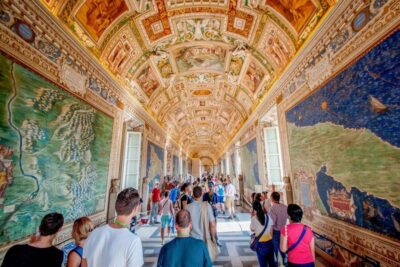
Vatican: Museums & Sistine Chapel Entrance Ticket
Read our review →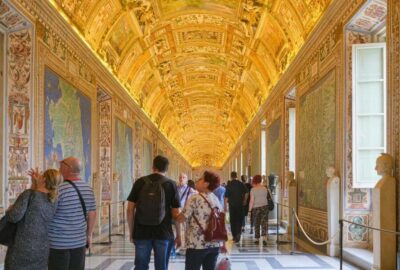
Vatican Museums & Sistine Chapel Tour with Optional Basilica
Read our review →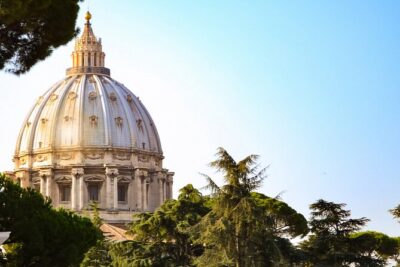
Vatican Museums, Sistine Chapel & St Peter’s Basilica Guided Tour
Read our review →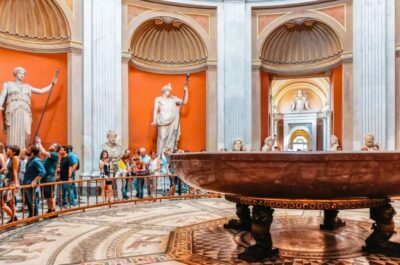
Vatican Museums, Sistine Chapel & Basilica Tour
Read our review →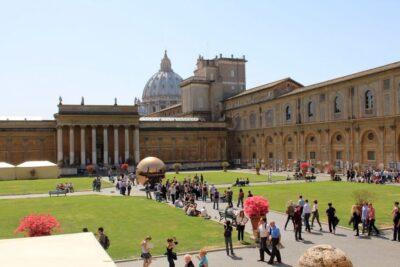
Vatican Museums & Sistine Chapel Skip-the-Line Entry Ticket
Read our review →Vatican Museums, Sistine Chapel & Basilica Tour
Read our review →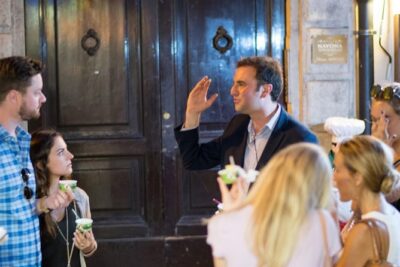
Skip-the-Line Group Tour of the Vatican, Sistine Chapel & St. Peter’s Basilica
Read our review →
Vatican Museums & Sistine Chapel Guided Tour
Read our review →Browse the lists this tour appears in