
Reviewed · FOOD & DRINK
Rome Street Food Tour with Local Guide
Rome makes a fine meal out of a walk. This small-group tour starts at Campo de’ Fiori, then leads you through the Jewish Ghetto and past ancient ruins while you sample cheese, cured meat, pizza, suppli, wine, beer, and gelato. It is sightseeing with a fork in hand.
I like the mix of classic Roman bites and local history, especially the stop at Largo Argentina, where Julius Caesar was assassinated. I also like the guide-led introductions to family-run food shops, with guides such as Ramona, Francesca, Matteo, and Mattia adding practical advice about eating and getting around Rome.
The main catch is that you spend much of the 2.5 hours standing and walking outdoors. Evening departures miss the Campo de’ Fiori market, and the tour cannot handle vegan, gluten-free, or dairy-free diets. Vegetarians can be accommodated only with advance notice.
Key points to know before booking
- The route connects six central Rome stops: Campo de’ Fiori, Passetto del Biscione, the Jewish Ghetto, Portico of Octavia, and Largo Argentina.
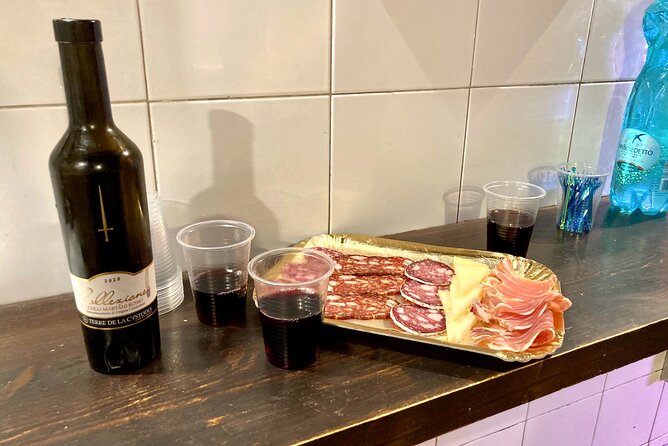
- The food is distinctly Roman: expect suppli, pizza, pastries, cheese, cured meat, seasonal produce, wine, beer, and artisanal gelato.
- The morning and evening versions differ: the market tastings are available only in the morning, while evening tours take place after the market has closed.
- The group is capped at 15 people: that keeps the guide’s explanations more manageable than a large bus-style food outing.
- The tour costs $54.42 per person: the value comes from combining a light meal, several tastings, a walking tour, and local food guidance.
- Plan for outdoor conditions: the tour runs rain or shine, seats are not guaranteed, and it is not suited to anyone with limited walking or standing ability.
Why this is a useful first taste of Rome
A good food walk should do more than hand you a few snacks. It should explain why those foods belong to the city and show you places you might otherwise pass without noticing. This tour does both.
You begin under the statue of Giordano Bruno in Campo de’ Fiori, an easy meeting point in central Rome. From there, the route links food with streets, ruins, religious history, and local customs. You are not spending two and a half hours at one restaurant. You are moving from one tasting to the next, with short stops to look around and hear the story of the neighborhood.
I especially like this format for your first day or two in Rome. You get an early lesson in Roman food, see several important sites from the outside, and can ask the guide where to eat later. Guides such as Ramona, Francesca, Matteo, Mattia, and Kristian have been praised for explaining both food and city life, including practical tips about drinking fountains, trains, and places to eat.
The food portions are tasting-size, not a long sit-down lunch. Still, the selection is meant to add up to a light meal. Do not eat a large meal beforehand, but do not expect a formal dinner either.
More Food Tours in Rome
- Winner 2025 Rome Twilight Trastevere Food Tour by Eating Europe
★ 5.0 · 5,157 reviews - Rome: Trastevere or Jewish Quarter Street Food Tour
★ 4.8 · 3,839 reviews - Rome Food Tour: Unlimited Tastings with Fine Wine & Barolo
★ 5.0 · 3,365 reviews
Starting among the stalls at Campo de’ Fiori
The tour begins in Piazza Campo de’ Fiori, beneath the statue in the center of the square. In the morning, this is also the first food stop. The market has operated here for centuries, and the tour uses its stalls to introduce you to everyday Italian ingredients.
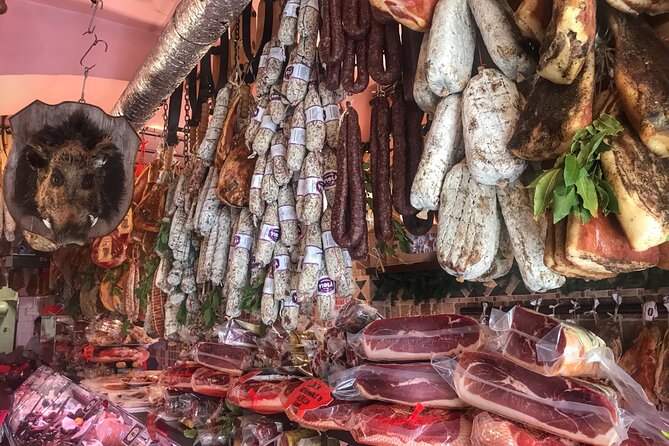
You might taste cheese, cured meats, wine, seasonal fruit, and other market goods. This is a useful opening because it gives you a way to think about Roman food before you reach the hot dishes. You can compare simple products, notice how local ingredients are presented, and ask the guide about the foods you are trying.
There is an important timing detail here. The market tastings are available only in the morning. If you choose the evening departure, the market will be closed, so the route and food sequence will differ. The tour still includes its other planned tastings, but the market atmosphere is not part of that version.
Campo de’ Fiori is also a busy public square, so this first stop may feel less relaxed than a private food shop. You will be standing, sharing space with other people, and eating in the open air. That is part of the point, but it may not suit you if you prefer a seated meal.
A short passage through Passetto del Biscione
From the square, the route continues through Passetto del Biscione. This brief stop offers a change of pace from the market. You get a look at a narrow, atmospheric part of central Rome while tasting another local street food item.
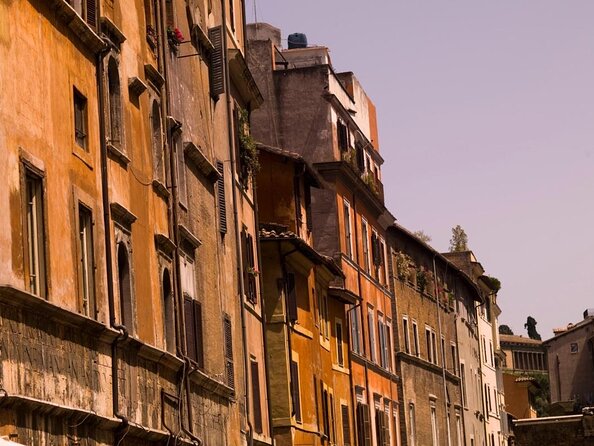
The appeal here is not a major monument or a long museum visit. It is the contrast between the food in your hand and the old streets around you. Rome rewards this kind of wandering. A passage that might seem like a shortcut becomes part of the story when your guide explains what you are seeing.
Keep your expectations sensible. The stop lasts about 15 minutes, so it is a quick look rather than a full historical visit. The food and the setting work together, but you will not have time to explore the area at your own speed.
Roman Jewish food in the old Ghetto
The walk then reaches the former Jewish Ghetto, an area with a difficult past and a strong food identity. Your guide explains how the Ghetto was created under Pope Paul IV to segregate Jewish residents. You also see the area around Rome’s synagogue.
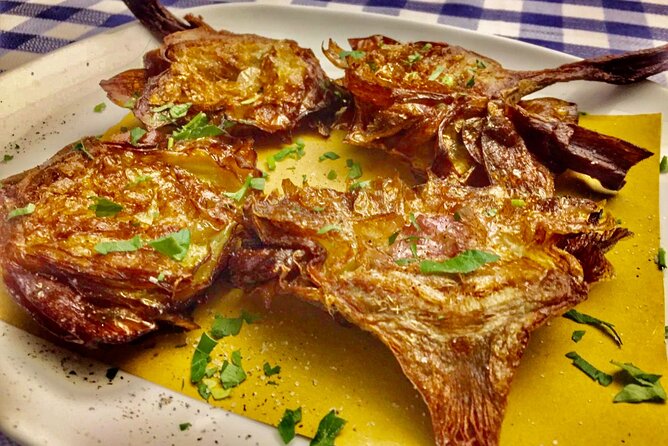
This is one of the tour’s most worthwhile sections because the food is tied to the community and its history. You taste a Roman-Jewish specialty, with the exact item subject to the season and the day’s arrangements. Fried artichoke is among the foods associated with this part of Rome, though you should not assume every departure will serve the same dish.
The tour uses food as a way into a complicated subject. You get context without spending the whole afternoon in a museum or lecture. Guides also point out how the neighborhood’s architecture and ruins fit into the wider city.
There is a small practical warning here. Fried foods can be heavy, especially on a hot day, and one participant reported becoming ill after the tour. That does not establish a general problem with the food, but it is a reminder to pace yourself, drink water, and tell the guide about allergies or dietary needs before you start.
More Guided Tours in Rome
- Colosseum, Roman Forum & Palatine Guided Tour
★ 4.7 · 63,148 reviews - Vatican Museums, Sistine Chapel & St Peter’s Basilica Guided Tour
★ 4.5 · 39,149 reviews - Rome: Colosseum, Palatine Hill and Roman Forum Guided Tour
★ 4.8 · 32,814 reviews - Rome: Guided Tour of Colosseum, Roman Forum & Palatine Hill
★ 4.7 · 27,897 reviews
Pizza and suppli, Rome’s quick classics
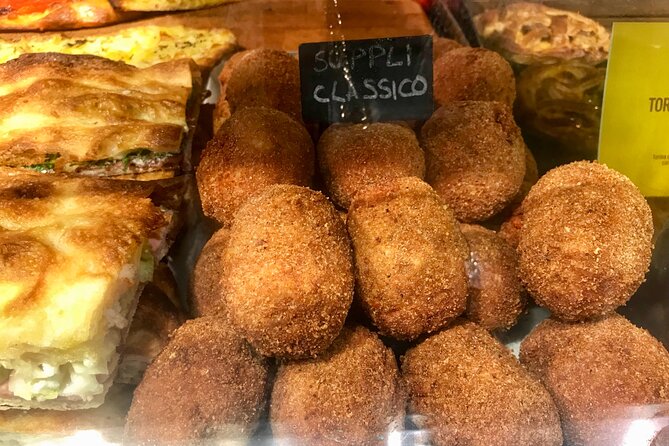
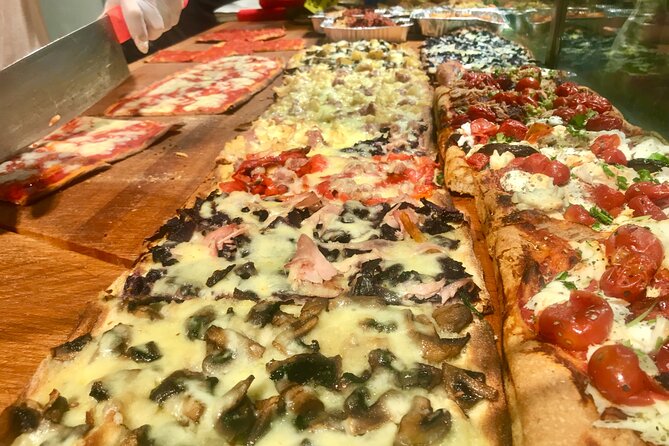
The tour’s hot food stops focus on two Roman favorites: pizza and suppli. Roman pizza can vary by shop and style, but the point here is to taste a local version as part of the walking route rather than sit down for a full restaurant meal.
Suppli is a fried ball of rice with tomato and mozzarella at its center. When it is served hot, the melted cheese can stretch as you bite into it. It is filling, inexpensive, and easy to eat on the move, which explains why it belongs to Rome’s street-food tradition.
I like this part of the tour because it introduces food you might otherwise overlook. Pizza is familiar to nearly everyone, but suppli may be new to you. The guide explains what you are eating and how it fits into Roman habits, so you leave with more than a list of dishes.
The exact tastings can change with the season. You may also find that a food sample is smaller than you expected. That is normal for a tasting walk, where variety matters more than one large serving. If you arrive hungry, the combined portions should work as a light meal, but anyone wanting a full lunch should plan another meal later.
Portico of Octavia and ancient Rome around you
At Il Portico di Ottavia, the food walk pauses beside ruins dating to the first century BC. This is where the tour makes its sightseeing promise most clearly. You are not just walking between shops. You are stopping beside remains of ancient monuments while your guide connects the area to Rome’s past.
The Portico of Octavia is particularly effective in this setting because it appears as part of the neighborhood rather than as an isolated attraction. You can look at the ruins, hear the explanation, and then continue toward the next bite. The guide’s commentary gives shape to what might otherwise be a quick photo stop.
Do not expect a full archaeological tour. The stop lasts about 30 minutes, but some of that time includes tasting and moving through the area. If you want detailed architectural study, you will need to return on your own.
Finishing at Largo Argentina with gelato
The final major stop is the Area Sacra di Largo Argentina, the archaeological site linked to Julius Caesar’s assassination. It is a striking place to end the route because the story is famous, the ruins are visible from the street, and the site sits within ordinary modern Rome.
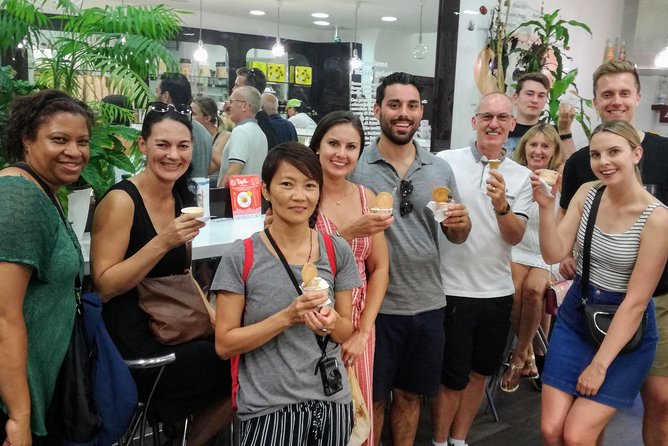
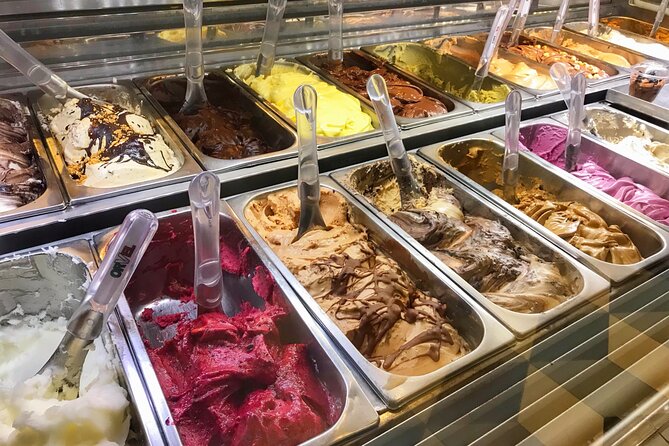
Nearby, you visit a family-run gelateria for artisanal gelato. The owner explains how gelato is made, giving you a look at the craft behind the dessert rather than simply handing you a cup. This is a pleasant finish after the savory foods, and the cool sweetness is welcome on a warm afternoon.
Gelato is often treated as a simple dessert stop, but this one adds a short lesson about production and technique. The shop visit also gives the tour a more personal feel than a series of anonymous counters.
Again, the precise flavor selection may vary. Tastings change with the season, and you should tell the organizer about allergies in advance. Nut cross-contamination is possible, so anyone with a serious nut allergy needs to consider that risk carefully.
What you actually get for $54.42
At $54.42 per person, this is not the cheapest way to buy a slice of pizza and a gelato. You are paying for a package that includes several food samples, local wine and beer, a guide, and a route through some of central Rome’s most interesting districts.
The value depends on how you use it. If you only want a large meal, this is not the right product. If you want to learn what to order in Rome, sample several staples, and get a short introduction to the city at the same time, the price is easier to justify.
A guide also saves you from guessing which foods matter locally. You taste suppli, Roman-Jewish specialties, pizza, market goods, and gelato in one outing. You also get recommendations for later meals, which can make the tour more useful beyond its own two and a half hours.
Wine and beer are included, but extra drinks are not. Keep that in mind if you are expecting a drink at every stop. The tour is best viewed as a series of samples with a few included beverages, not an unlimited food and drink crawl.
Group size, pace, and outdoor comfort
The maximum group size is 15 people. That is small enough for a guide to speak to the group without a microphone, though the experience will still feel social rather than private. You may be eating beside people you have just met and sharing comments as you walk.
The route takes about 2 hours and 30 minutes. One account described the pace as good and the distance as manageable, while another noted that much of the experience takes place outside. Both points matter. You do not cover all of Rome, but you walk enough to need comfortable shoes and a willingness to stand.
Seats are not guaranteed. This is a poor choice if you need regular rests or have limited walking capacity. Most people can take part, but you should be realistic about the combination of uneven city pavement, outdoor stops, and standing at food counters.
The tour operates rain or shine. Bring clothing suited to the forecast, particularly for a chilly or wet evening. On a hot day, water matters. Rome has public drinking fountains, and guides may point out useful local habits, but the tour does not include extra drinks.
Dietary limits you should take seriously
Vegetarians can be accommodated, but you must advise the organizer in advance. The tour does not accommodate vegans, gluten-free diets, or dairy-free diets. Nut allergies also require caution because cross-contamination is possible.
One guide made extra effort to find gluten-free food for a participant, and another arranged suitable options for a group member. That is encouraging, but it should not be treated as a guarantee. The stated limits are clear, so anyone with celiac disease or a serious allergy should contact the provider before booking and decide if the risk is acceptable.
If you have no major restrictions, the variety is a strength. You get salty foods, fried foods, sweets, fruit, wine, and beer rather than several versions of the same dish. Seasonal changes keep the menu from being completely fixed.
Lunch or dinner, and the best time to go
Choose the morning or lunch version if the Campo de’ Fiori market is important to you. You will see the stalls operating and receive the market tastings described for that time. This is the better choice if you want the fullest food-market portion of the experience.
Choose dinner if you prefer an evening walk through central Rome. The market will be closed, so you will miss that part of the route. In return, you get a food-focused stroll at the end of the day, with the same general sights and core tastings subject to seasonal changes.
I would take this tour early in your stay. The route gives you food ideas, neighborhood context, and practical advice you can use for the rest of your visit. It also works well for families with older children and teenagers, since the bites break up the history and the walk.
Who should book this Rome food walk
You should consider booking if you enjoy tasting several foods instead of ordering one large dish, like learning local history in short pieces, and want a guide to help you understand what you are eating.
It is also a good fit for families, couples, solo visitors, and friends who want a social activity. The group size is limited, and the food gives people an easy topic of conversation. Guides such as Ramona, Francesca, Matteo, Mattia, and Kristian have been praised for warmth, city knowledge, and useful recommendations.
You should skip it if you need a seated meal, cannot stand or walk comfortably, have strict dietary restrictions, or want a detailed interior tour of Rome’s monuments. You may also prefer exploring independently if you dislike fixed tasting schedules or shared group activities.
Free cancellation is available if you cancel at least 24 hours before the start time. Cancellations inside that window are not refunded, and the activity may be rescheduled or refunded if the minimum number of participants is not reached.
Should you book it?
For most people who want an easy introduction to Roman food, yes. The strongest reason to book is the combination of familiar and less familiar dishes, from pizza and gelato to suppli and Roman-Jewish specialties, all tied to a walk through Campo de’ Fiori, the Ghetto, Portico of Octavia, and Largo Argentina.
Book the morning version for the full market experience. Tell the provider about vegetarian needs well ahead of time, and do not book if you require vegan, gluten-free, or dairy-free food. Wear comfortable shoes, leave room for several small tastings, and treat the tour as a guided sampler rather than a full restaurant meal.
FAQ
How long does the Rome street food tour last?
The tour lasts approximately 2 hours and 30 minutes.
Where does the tour begin?
The meeting point is Piazza Campo de’ Fiori, under the statue of Giordano Bruno in the middle of the square.
Where does the tour end?
The tour ends at Piazza di Sant’Eustachio.
What foods are included?
Tastings can include cheese, cured meat, seasonal produce, pizza, suppli, pastries, Roman-Jewish specialties, and artisanal gelato. The exact selection can change with the season.
Are wine and beer included?
A taste of local wine and beer is included. Extra drinks are not included.
Is the Campo de’ Fiori market open during every tour?
No. The market tastings are available only in the morning. The market is closed during evening tours.
Can vegetarians take this tour?
Yes, the tour can accommodate vegetarians if you advise the provider in advance.
Can the tour accommodate vegan, gluten-free, or dairy-free diets?
No. The tour does not accommodate vegan, gluten-free, or dairy-free diets. Nut cross-contamination is also possible.
How many people can join the tour?
The maximum group size is 15 people.
Just added around Rome
- Boat excursion to Gaeta with a stop for swimming and snorkeling 2 HOURS★ 5.0 · 240 reviews
- Palatine Hill and Roman Forum Tour with Fast-Track Entrance★ 4.2 · 417 reviews
- Tivoli: Villa D’Este & Villa Adriana Pass & App Audioguide★ 4.4 · 364 reviews
- Tivoli: Villa D’Este Entry Ticket and App Audio Guide★ 4.3 · 191 reviews
- From Rome: Villa D’Este & Villa Adriana Day Trip with Lunch★ 4.4 · 289 reviews
- Vatican Museums & Sistine Chapel Skip-the-Line Guided Tour★ 4.6 · 254 reviews
- Rome: Capitoline Museums and Centrale Montemartini Tickets★ 4.4 · 328 reviews
- Rome: The Three Tenors at St. Paul’s Church Concert Ticket★ 4.7 · 699 reviews
Food & Drink, compared.
Small-Group Wine Tasting Experience in the Tuscan Countryside
Read our review →
Tuscany & Montepulciano Day Trip with Lunch & Wine Tasting
Read our review →
Winner 2025 Rome Twilight Trastevere Food Tour by Eating Europe
Read our review →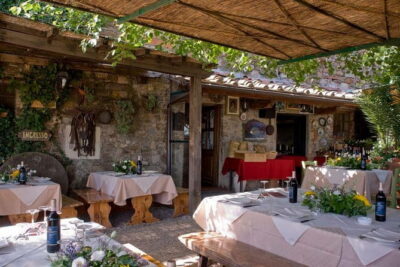
SMALL-GROUP Wine Safaris: Tuscan Wine Tasting Tours from Florence
Read our review →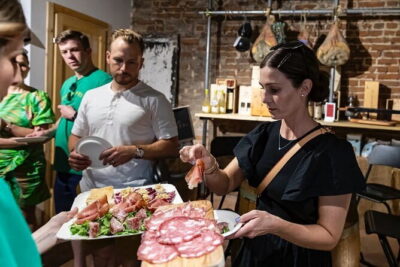
Winner 2025 Florence Sunset Food & Wine Tour by Eating Europe
Read our review →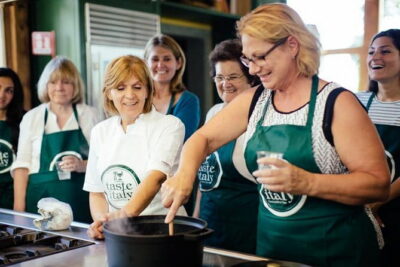
Cooking Class and Lunch at a Tuscan Farmhouse with Local Market Tour from Florence
Read our review →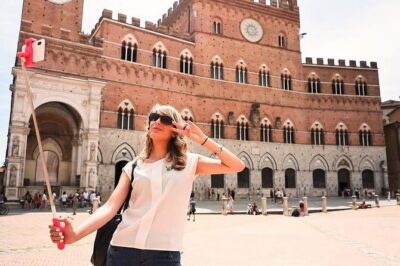
San Gimignano, Siena, Monteriggioni, Chianti Day Trip with Lunch & Wine Tasting
Read our review →Browse the lists this tour appears in