

Reviewed · AUDIO TOURS
Tivoli: Villa D’Este Entry Ticket and App Audio Guide
Villa d’Este is the kind of place where water does most of the talking. Fountains tumble down the hillside, grottoes hide among the gardens, and a water-powered organ creates audible effects without modern machinery. The gardens are the main event, but the palace adds painted rooms and a useful dose of Renaissance context.
I like the freedom of a one-day ticket and the option to explore with an app audio guide rather than follow a fixed group. I also like the price, about $23 per person, which is fair for access to a UNESCO World Heritage Site, extensive gardens, fountains, and the historic villa. The main drawback is the lack of a live guide, and there is no proper café for a leisurely meal, only vending machines in a plain area.
Key points to know
- Water-powered music: See an organ that uses water to create sound effects.
- Renaissance garden design: Pirro Ligorio’s plan took more than 20 years to complete.
- Palace and gardens together: Your ticket covers both the painted villa and the outdoor fountains.
- Explore at your pace: The app audio guide lets you set your own rhythm instead of joining a group.
- Easy day-trip planning: The ticket is valid for one day, with entry through the Villa d’Este ticket office.
- A thoughtful extra: You can send a digital photo as a real postcard to someone anywhere in the world.
Why Villa d’Este is more than a garden visit
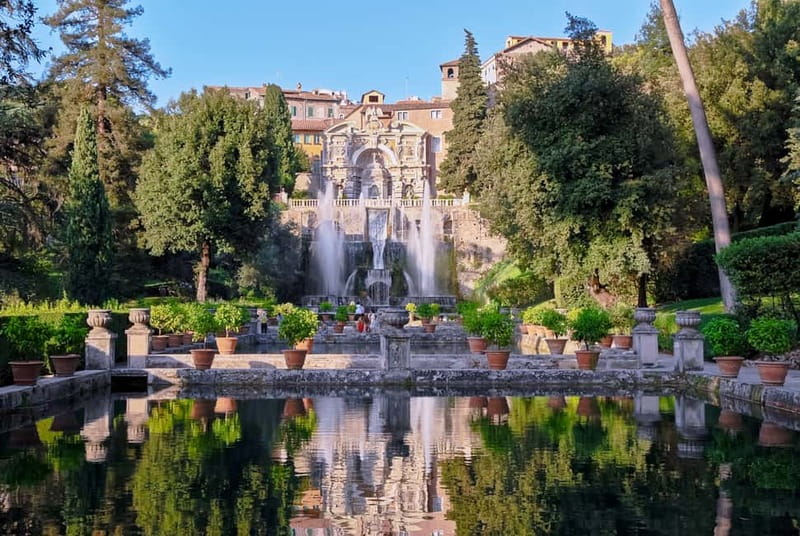
Villa d’Este was created for Ippolito II d’Este, and the entire complex reflects the grand ambitions of a powerful Renaissance patron. Architect Pirro Ligorio designed both the palace setting and the gardens, a project that took more than two decades to finish.
That long construction period matters when you walk through the grounds. This is not simply a pleasant park with a few decorative fountains. The water, architecture, plants, terraces, grottoes, and views were planned as one large composition.
I find the place most rewarding when you pay attention to how the water shapes your route. You move from one fountain or terrace to another, with each section offering a different sound and visual effect. Some areas feel formal and carefully ordered, while others feel cooler and more enclosed around grottoes and pools.
The UNESCO designation gives the visit useful context, but the site does not depend on its title to make an impression. The fountains and gardens work on a simple level: you hear moving water, see flowers and water lilies, and find shaded architectural details as you walk.
More Audio Guide Tours in Rome
- Rome: Colosseum & Forum with Audio Guide App -Optional Arena
★ 4.2 · 24,770 reviews - Rome: Pantheon Fast-Track Ticket and Official Audio Guide
★ 4.3 · 21,008 reviews - Rome: St. Peter’s Basilica & Dome Entry Ticket & Audio Tour
★ 4.2 · 7,537 reviews
Entering through the Villa d’Este ticket office
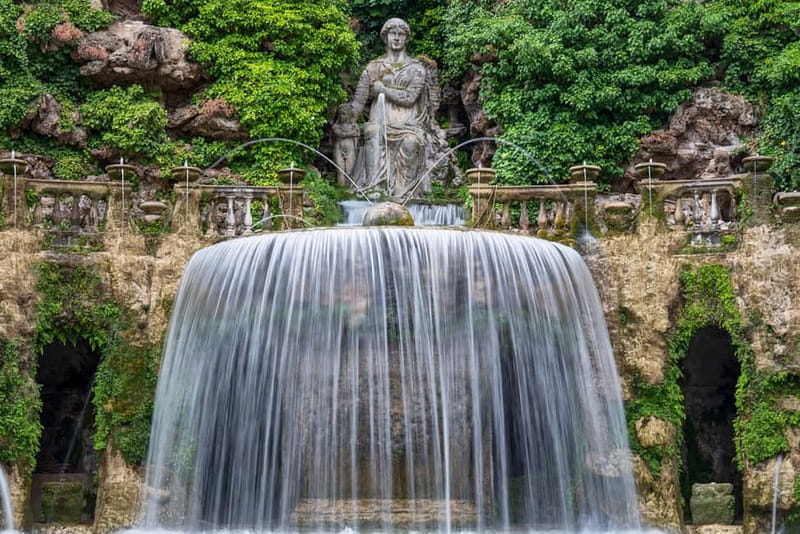
You begin by exchanging your voucher at the Villa d’Este ticket office. Bring an ID card, though a copy is accepted. You will also pass through a security check before entering, so allow a little patience at the start of your visit.
The ticket is valid for one day, and you can check availability for the possible starting times. This is not a guided tour with a fixed departure and return time. Once inside, you can spend your time according to your interest in the gardens, palace, photography, or audio commentary.
The last entry is 45 minutes before closing. That cutoff is important because the complex is too substantial for a rushed final visit. If you arrive late in the day, you may see the main highlights, but you will have less time to pause by the fountains or listen to the audio guide.
The villa is open until 10:45 PM on August 14 and 15. Those late hours can change the feel of the visit, especially if you prefer a quieter evening stroll, but check the available entry information before making firm plans.
The palace built for Ippolito II d’Este
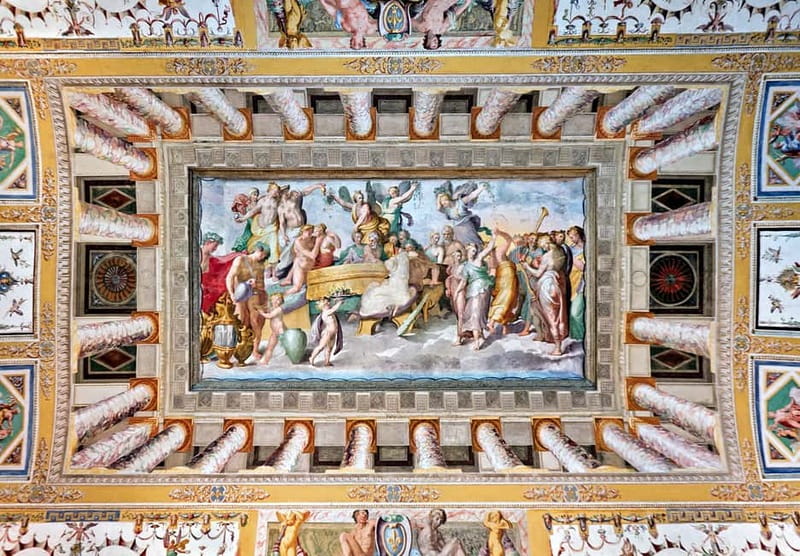
The palace gives you the human and political side of Villa d’Este. It was built for Ippolito II d’Este and decorated by famous artists, so the indoor rooms are not merely an introduction to the gardens. They explain the ambition behind the whole project.
I recommend giving the palace proper attention before or after the outdoor walk. Painted rooms can be easy to rush through when the fountains are waiting outside, but the interior helps you understand who commissioned the complex and why its design is so elaborate.
The palace is also a useful break if the weather is hot. The gardens contain many open paths and terraces, so moving indoors gives your visit a change of pace. The supplied information does not specify the exact rooms or artists included on the audio guide, so use the app to see which palace details are covered during your visit.
Do not expect a full museum itinerary with a large collection of movable objects. The appeal here comes from the relationship between the building and its grounds. The palace sets the stage, and the gardens carry the main visual force.
The fountains that make the visit memorable
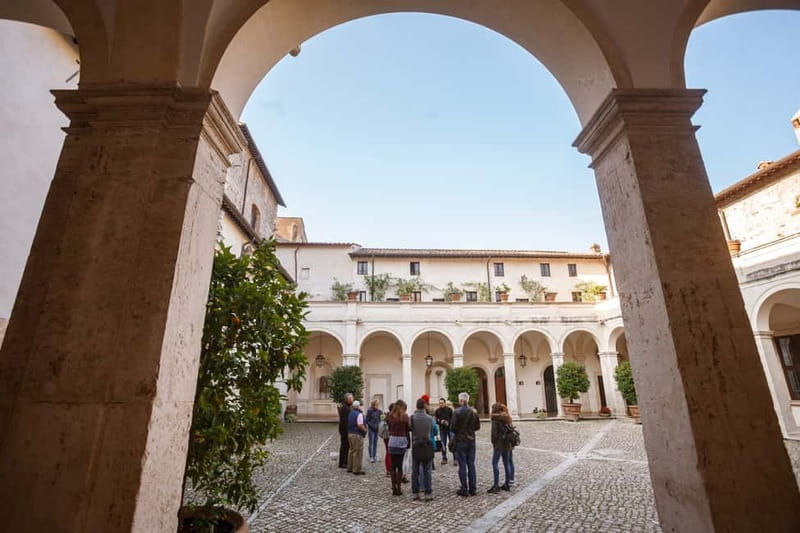
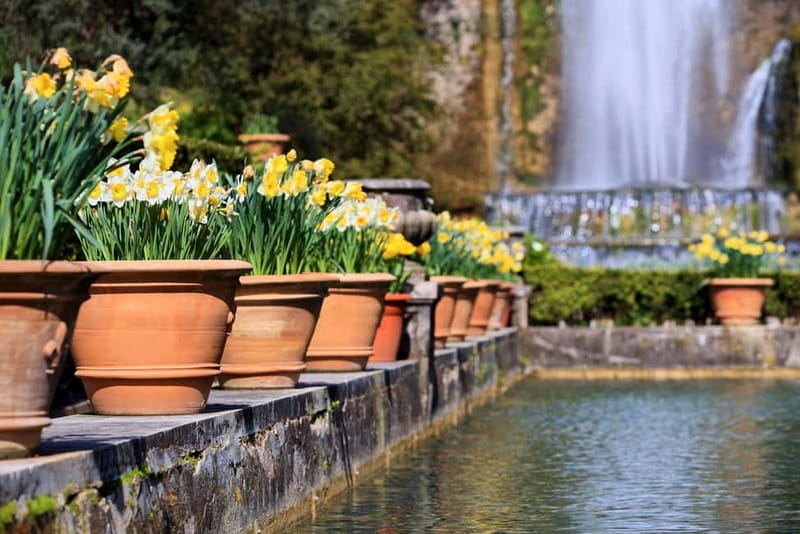
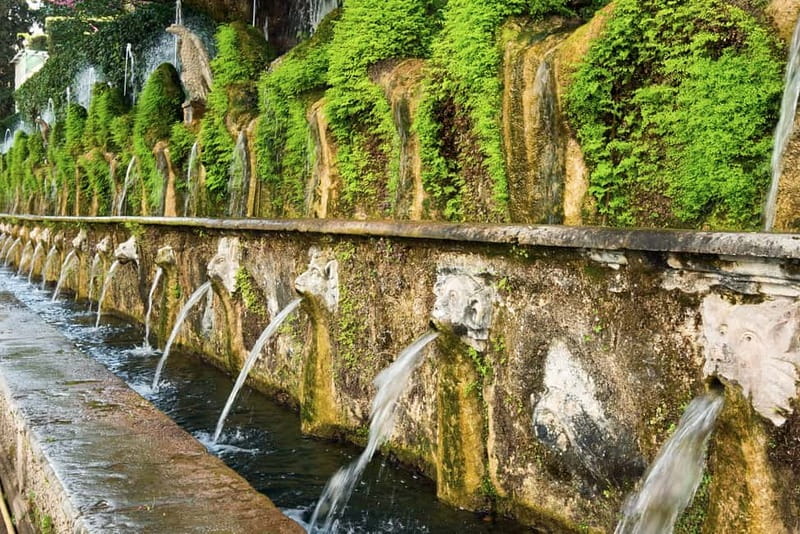
The fountains are the reason most people will remember Villa d’Este. Water lilies, grottoes, flowers, and running water appear throughout the grounds, with each feature adding another texture to the walk.
Some fountain areas are formal and grand, while others feel tucked into the garden. The changing sound matters as much as the sight. A quiet pool creates a different mood from a fast-moving cascade, and the combination makes the visit unusually calming.
One of the strongest aspects of the experience is the chance to slow down. You are not being moved from one stop to another by a guide, so you can pause when a fountain catches your attention. I would use the audio guide for context, then put the phone away for a few minutes and listen to the water itself.
The gardens have also been praised as a peaceful place away from Rome’s crowds. That does not mean you should expect total solitude, but the setting can feel far removed from the pressure of a busy city. For anyone feeling worn out by a packed sightseeing schedule, a few hours here can provide a welcome change.
Families can enjoy the visit too. The fountains and water features give children something immediate to look at, while the palace and garden design offer more for adults. Keep in mind that this is still a historic complex, not a playground, so children will need supervision around water and architectural features.
More Entry Tickets in Rome
- Vatican: Museums & Sistine Chapel Entrance Ticket
★ 4.5 · 144,003 reviews - Rome:Hop-On Hop-Off Panoramic Open Bus Ticket 3 Circuits x 1
★ 4.0 · 15,405 reviews - Vatican Museums & Sistine Chapel Skip-the-Line Entry Ticket
★ 4.4 · 13,838 reviews - Rome: Vatican Museums & Sistine Chapel Skip-The-Line Ticket
★ 4.2 · 11,708 reviews
Pirro Ligorio’s garden design
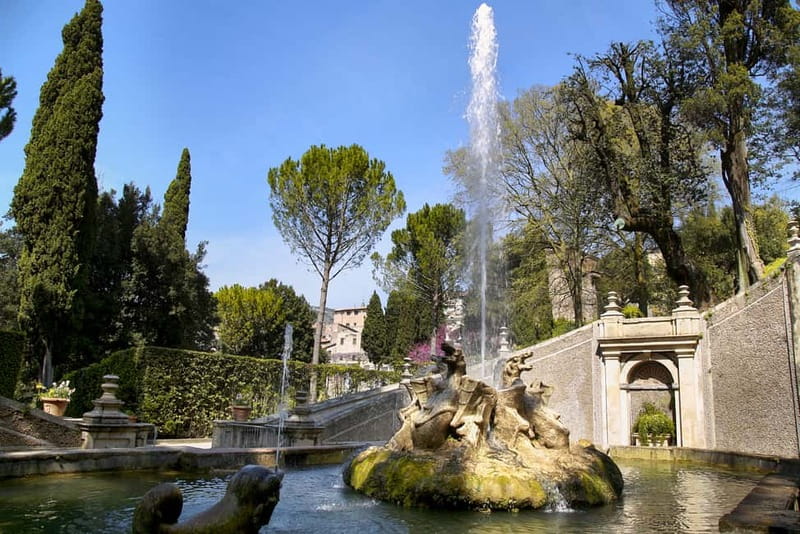
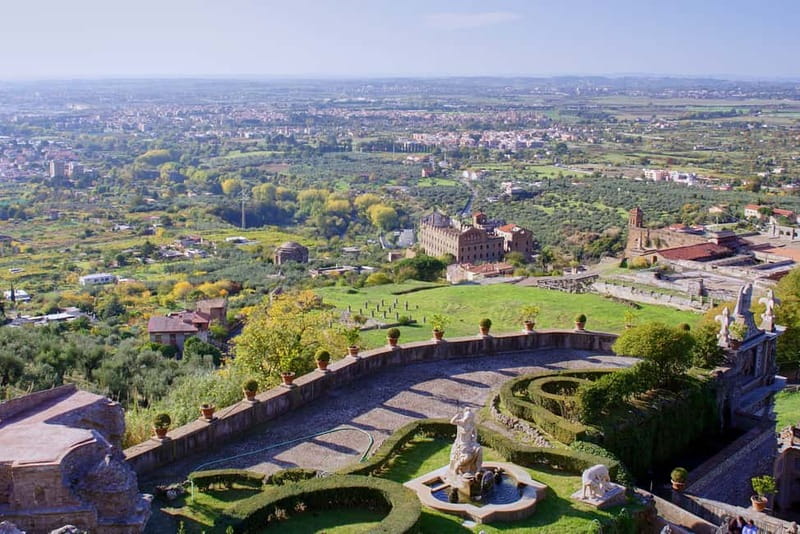
Pirro Ligorio’s contribution is easiest to understand when you look at the whole site rather than one isolated fountain. The garden was planned as a large sequence of terraces, water features, natural elements, and built spaces.
The design creates discovery through movement. You may first notice a fountain, then spot a grotto, then realize that a path leads to another terrace or view. The grounds reward curiosity, but you do not need to study Renaissance architecture to enjoy them.
I especially like that the design has both spectacle and detail. Large fountains provide the grand moments, while flowers, water lilies, and smaller architectural touches give you reasons to keep looking. A short visit can cover the main highlights, but a slower visit gives the garden design time to make sense.
The gardens took more than 20 years to complete. That fact is worth remembering as you walk, because it explains why the complex feels so deliberate. The builders were not adding decorations at random. They were creating a controlled setting in which water, plants, sound, and architecture worked together.
The water-powered organ
The organ is one of Villa d’Este’s most unusual details. It produces audible effects through water, giving you a glimpse of Renaissance engineering as well as garden design.
This is a good example of why the ticket offers more than pretty scenery. The fountains are not only decorative. Water drives part of the experience, from the movement you see to the sound you hear and the mechanism behind the organ.
The exact timing and presentation of the organ may depend on the site’s operation, so do not build your entire schedule around hearing a long performance. Still, make a point of finding it and use the audio guide to understand its role.
For children, the organ can be especially useful. It turns an abstract piece of old technology into something they can connect with immediately: water makes sound. For adults, it adds a clever engineering detail to a visit that might otherwise seem focused only on art and plants.
Using the smartphone audio guide
Your ticket includes a digital audio guide on your smartphone. This is a self-guided experience, not a live tour, and no personal guide is included.
That setup suits you if you prefer to stop when you want, take photographs, or linger at a fountain without holding up a group. It also means you are responsible for managing your own route and listening. If you want a continuous story with someone answering questions in real time, this ticket will feel limited.
The audio guide should be treated as a helpful layer rather than the entire visit. Listen for information about Ippolito II d’Este, Pirro Ligorio, the palace, the fountains, and the water-powered organ. Then look up from the screen and give the site your full attention.
Because the guide is on your phone, check your battery before entering. The supplied details do not state whether a separate audio device, headphones, or on-site phone charging is provided, so do not count on those extras.
A fair price for a flexible visit
At about $23 per person, this is a good-value ticket if you want both the villa and its gardens. You are paying for access to a major historic site, not just a brief look at one building.
The value increases if you use the full day well. The ticket does not offer transport, a meal, or a live guide, so you are paying mainly for entry and the self-guided interpretation. That keeps the cost lower than a private or fully guided visit, but you need to arrange your own way to the ticket office and plan your own breaks.
I would choose this option for an independent visit, especially if you already know you dislike rigid schedules. You can spend extra time at the fountains, move through the palace quickly, or return to a favorite garden area without being tied to a group.
The price is less attractive if you expect an expert-led explanation throughout the complex. In that case, you may prefer to compare it with a guided option. Here, the main strength is freedom rather than personal commentary.
Food, breaks, and the practical reality
Plan your refreshments before or after the visit. There is no proper café where you can sit with food and a drink while looking out over the gardens. Vending machines are available in a plain corner of a room, but they do not replace a real meal or a pleasant garden terrace.
That small limitation can affect your timing. If you want to spend several hours at Villa d’Este, eat beforehand or arrange a meal elsewhere. A snack and water can make the visit more comfortable, but the supplied information does not specify food or drink rules, so check locally if you plan to bring anything inside.
The site is wheelchair accessible, which is useful information when planning with a mobility concern. The complex includes gardens, fountains, palace spaces, and changing levels, so ask on arrival about the most suitable accessible route if you need specific help. The available details confirm accessibility, but they do not describe every path or fountain area.
A security check is required, and you should bring an ID card or accepted copy. These are small points, but handling them before arrival keeps the entry process simple.
Who will enjoy this ticket most
This experience is a strong fit for you if you like historic gardens, fountains, architecture, and the freedom to set your own pace. It also works well for families, couples, photographers, and anyone who wants a calm break from Rome’s more crowded sights.
Couples may find the setting particularly appealing. The fountains and quiet corners create memorable moments, and the gardens have been used for personal celebrations, including a proposal in front of one of the fountains. You can send a digital photo as a real postcard anywhere in the world, a charming extra if you want to share the visit with someone at home.
You may want a different format if you need constant storytelling, transport, or a planned meal. This ticket does not include a tour guide, and the audio guide cannot respond to questions or adjust its explanation to your interests.
Should you book Villa d’Este with the app guide?
Book it if you want a beautiful, unhurried visit built around fountains, water, gardens, and Renaissance design. The $23 price is reasonable, the one-day validity gives you flexibility, and the audio guide adds useful context without forcing you into a group schedule.
Go in with realistic expectations: the palace is important, but the gardens are the main attraction; the app is convenient, but it is not a live guide; and refreshments are basic. Bring identification, allow time for security, and arrive at least 45 minutes before closing if you want more than a quick look.
For a peaceful half-day in Tivoli, Villa d’Este is an easy choice. The water-powered organ, grottoes, palace rooms, and terraced gardens give you enough variety to make the visit feel substantial, while the quiet pace lets you enjoy the site on your own terms.
FAQ
How long is the Villa d’Este ticket valid?
The ticket is valid for one day. Check availability for the possible starting times when booking.
Where do I exchange the voucher?
Exchange your voucher at the Villa d’Este ticket office before entering.
Is a live tour guide included?
No. The ticket includes entry and a digital audio guide on your smartphone, but not a live tour guide.
What identification should I bring?
Bring an ID card. A copy is accepted.
Is Villa d’Este wheelchair accessible?
Yes, the activity is listed as wheelchair accessible.
What time is the last entry?
Last entry is 45 minutes before closing. On August 14 and 15, the villa is open until 10:45 PM.
Just added around Rome
- Boat excursion to Gaeta with a stop for swimming and snorkeling 2 HOURS★ 5.0 · 240 reviews
- Palatine Hill and Roman Forum Tour with Fast-Track Entrance★ 4.2 · 417 reviews
- Tivoli: Villa D’Este & Villa Adriana Pass & App Audioguide★ 4.4 · 364 reviews
- From Rome: Villa D’Este & Villa Adriana Day Trip with Lunch★ 4.4 · 289 reviews
- Vatican Museums & Sistine Chapel Skip-the-Line Guided Tour★ 4.6 · 254 reviews
- Rome: Capitoline Museums and Centrale Montemartini Tickets★ 4.4 · 328 reviews
- Rome: The Three Tenors at St. Paul’s Church Concert Ticket★ 4.7 · 699 reviews
- St. Peter’s Dome Climb, Basilica and Vatacombs Tour★ 4.7 · 230 reviews
Audio Tours, compared.

Colosseum & Forum with Audio Guide App -Optional Arena
Read our review →
Pantheon Fast-Track Ticket and Official Audio Guide
Read our review →
La Fenice Opera House Entry Ticket with Audio Guide
Read our review →
St. Peter’s Basilica & Dome Entry Ticket & Audio Tour
Read our review →
Cathedral & Brunelleschi’s Dome Ticket & Audio App
Read our review →
Michelangelo’s David Priority Ticket & Audio App
Read our review →
Uffizi Priority Ticket & Masterpieces Audio App
Read our review →Browse the lists this tour appears in