
Reviewed · PASTA
Rome: Traditional Pasta Making Class with Wine & Gelato
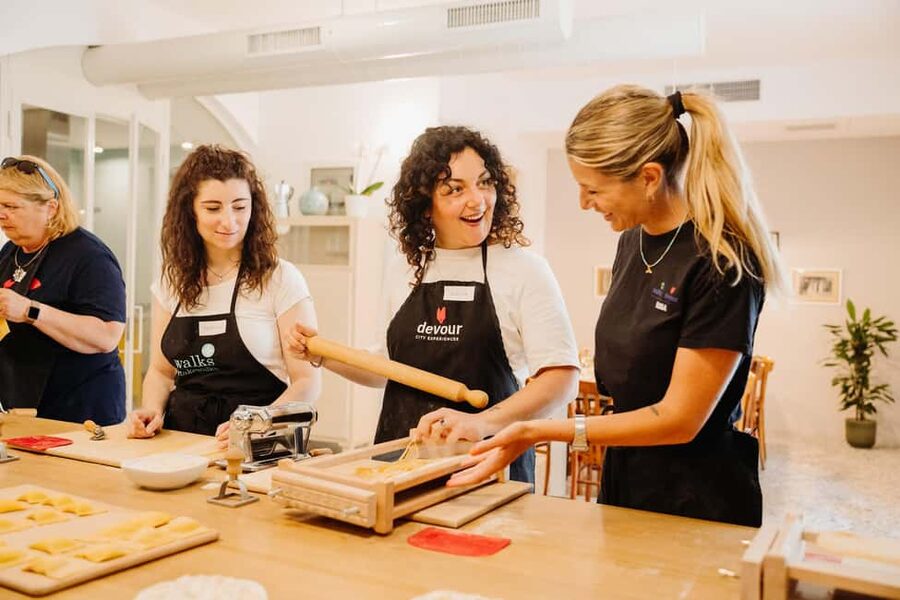
Fresh pasta is the heart of this three-hour experience in Rome’s Trastevere neighborhood. You’ll start with prosecco, cured meats, and cheese, then work beside an Italian chef to make fettuccine and ravioli before sitting down to eat what you made.
I like two things right away: you learn the sauces as well as the pasta, and the setting is a private cooking school rather than a crowded restaurant. The class also works well for families, solo participants, and couples. The main consideration is that the menu changes with seasonal ingredients, so your ravioli filling and sauces may not be exactly what you expect.
Key points to know
- Two pasta dishes from scratch: Make fettuccine and ravioli, then eat both with traditional Roman sauces.
- A proper aperitivo first: Prosecco, cured meats, and cheese give the class a relaxed Italian start.
- Sauces vary by the market: Your chef may prepare amatriciana, puttanesca, gricia, or cacio e pepe.
- English-speaking instruction: Chefs explain each step and answer questions about Roman food and culture.
- Good for families and solo visitors: Children, adults, and solo participants have all been included in the classes.
- Three hours and about $66.84: That covers the chef, ingredients, drinks, pasta, and gelato, with no transport included.
Starting with aperitivo in Trastevere
You meet at Piazza di San Giovanni della Malva, in front of the San Giovanni della Malva church. Arrive 15 minutes early and look for a red bag or Devour Tours sign. The class ends back at this same meeting point, so you do not need to arrange a taxi or navigate to a second location afterward.
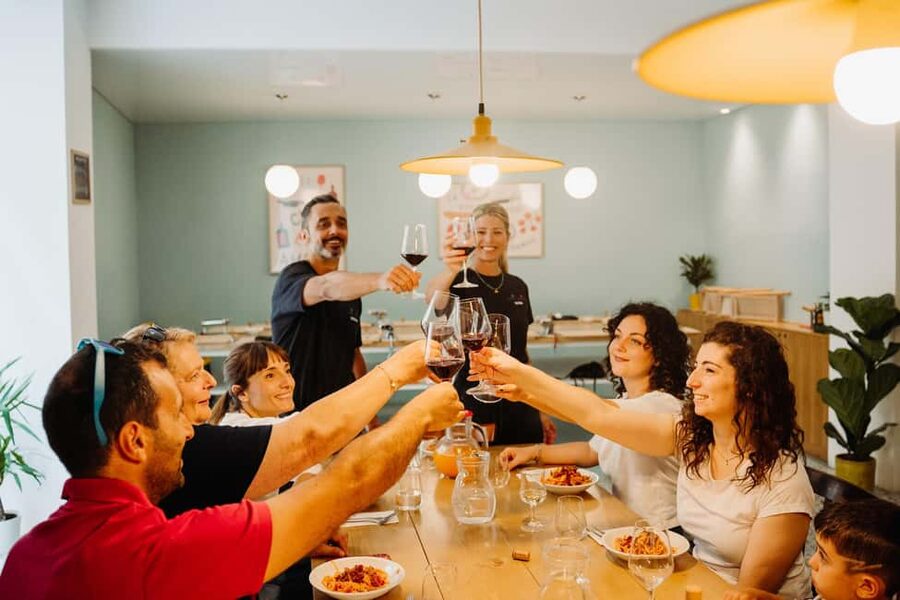
The first part feels less like a formal lesson and more like being welcomed into an Italian kitchen. You receive prosecco and a plate of cured meats and cheese, the classic aperitivo combination that lets everyone settle in before the flour appears.
That opening matters. You have time to meet the chef and, in a shared class, introduce yourself to the other participants. The drinks also give the experience a social rhythm. You are not rushed straight from the street to a worktable.
A private option gives your group more control over the pace and conversation. The shared option can be more sociable, and it has worked well for people traveling alone as well as families and mixed groups. If you enjoy meeting people over food, I would choose the shared class. If you want focused instruction for a special occasion, the private option is worth considering.
More Cooking Classes in Rome
- 3 in 1 Cooking Class near Navona: Fettuccine, Ravioli & Tiramisu
★ 5.0 · 7,376 reviews - Rome: Pasta Making Class with Wine, Limoncello, and Dessert
★ 4.9 · 3,177 reviews - Rome: 3-in-1 Fettuccine, Ravioli, and Tiramisu Cooking Class
★ 4.9 · 2,704 reviews
Making fettuccine and ravioli by hand
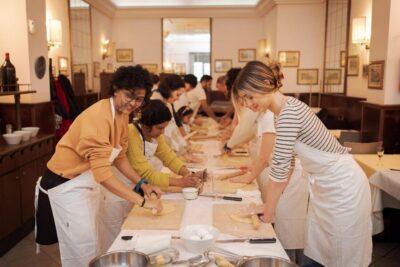
The main lesson covers two familiar Italian shapes: fettuccine and ravioli. You work with the dough rather than simply watching a chef perform the task, which is the difference between a cooking demonstration and a useful class.
The chefs guide you through the process step by step. That is especially helpful if you have never made pasta before, since dough can feel simple until you have to judge its texture and thickness yourself. The teaching team has included Luca, Elisa, Stefano, Manuela, Federica, Asia, Jamila, Jeanmarie, Fernanda, Giulia, and others. The exact chef depends on the scheduled class, but the instruction is conducted in English.
I like the practical nature of the lesson. You can ask why a step matters, how the dough should feel, and what to do when you make pasta at home. The strongest teaching moments go beyond a recipe and explain the logic behind the cooking.
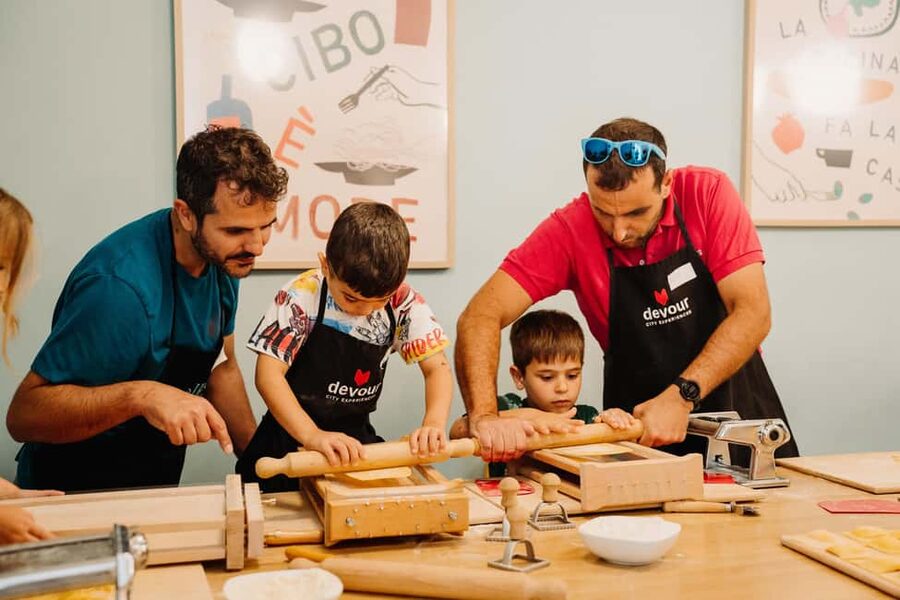
Children can take part, too. A six-year-old has successfully enjoyed the class, and families with children around elementary and middle-school age have found the process manageable and fun. Still, remember that this is a hands-on kitchen activity, not a sightseeing stop designed around children. Young participants need to stay engaged at the worktable.
The class is held in a charming cooking school reserved for the group. The space has been described as clean, spacious, modern, and comfortable. That makes a difference when several people are rolling, shaping, and filling pasta at once.
Roman sauces with a seasonal twist
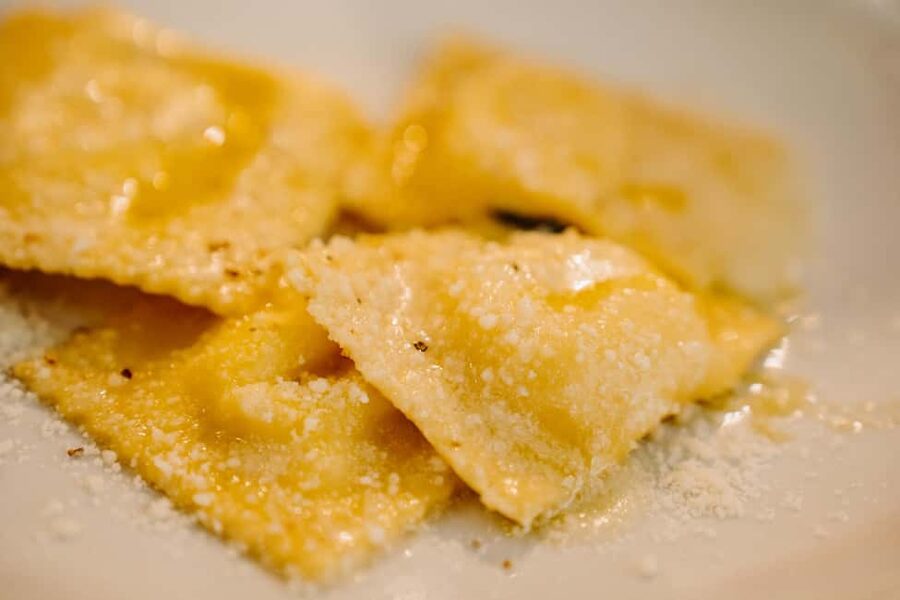
The pasta is only half the point. You also learn about the sauces that give Roman cooking its character. Depending on seasonal ingredients, the chef may prepare amatriciana, puttanesca, gricia, or cacio e pepe.
These sauces cover a useful range. Amatriciana brings tomato and cured pork, puttanesca adds a sharper combination of Mediterranean flavors, gricia relies on the savory force of cured pork and cheese, and cacio e pepe shows how much can be made from a few carefully handled ingredients.
The seasonal element is worth noting before you book. You are not promised one fixed sauce or one specific ravioli filling. The chef chooses what makes sense with ingredients available from local markets, so the menu can vary.
That flexibility is part of the Italian cooking lesson, but it can also create a small surprise. One participant expected cheese and spinach ravioli and found the filling mild. If you want a particular filling or sauce, ask before the class, but understand that the kitchen may follow the ingredients available that day.
The class can adapt to most dietary needs, except celiac requirements. You must contact the operator before attending if you have dietary restrictions so food can be arranged. Do not wait until you arrive, since the preparation depends on advance notice.
Eating the meal you prepared
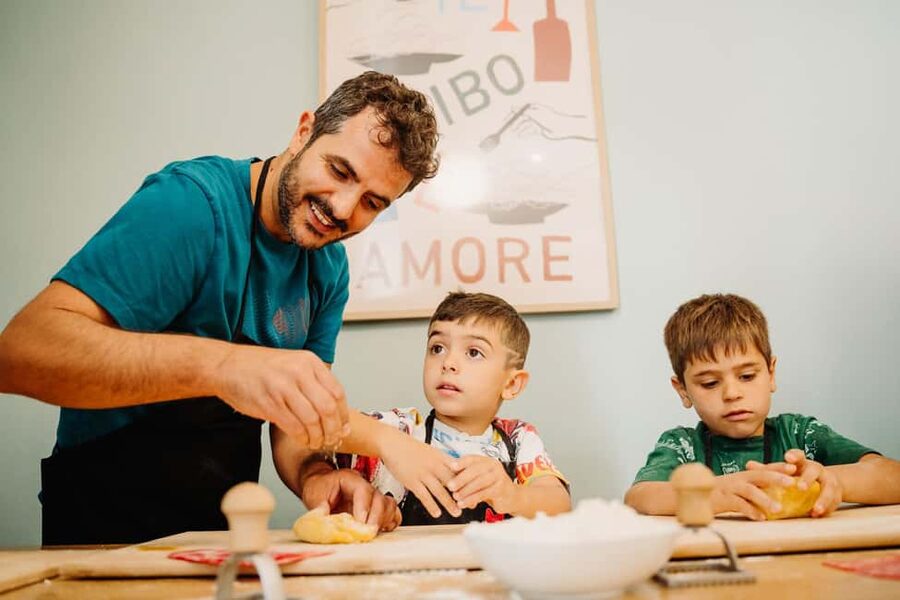
After the work is finished, you sit down to eat the two homemade pasta dishes with wine. This is not a class where you leave with uncooked dough and a list of instructions. Your meal is the payoff, and it lets you judge the texture and sauces while the cooking is still fresh in your mind.
The meal has been a strong part of the experience for families, couples, and solo participants. Several class combinations have been praised for food that tastes far better than expected from a first attempt. That makes sense: the chef handles timing, cooking temperatures, and final adjustments while you supply the hands-on preparation.
The portions and exact presentation are not specified, so I would not book this as a substitute for a long Roman dinner. Think of it as a generous tasting meal built around the pasta you made, with wine and gelato included.
The homemade gelato finishes the class on a sweet note. It is prepared by the chef and included in the experience, rather than being an extra stop at a nearby shop. If you are comparing this class with pasta-only options, the gelato adds a pleasant final course without extending the evening into another reservation.
Additional food and drinks may be available after the class if you want to remain at the location. Those extras are not included in the listed price.
More Wine Tours in Rome
- Rome: Pasta & Tiramisu Class with Fine Wine by the Vatican
★ 4.9 · 4,852 reviews - Rome Food Tour: Unlimited Tastings with Fine Wine & Barolo
★ 5.0 · 3,365 reviews - Rome: Trastevere Food tour with Free-Flowing Fine Wine
★ 5.0 · 2,853 reviews - Learn to Make Pasta & Tiramisu with Wine and Limoncello Included
★ 5.0 · 2,345 reviews
What the chefs add beyond the recipe
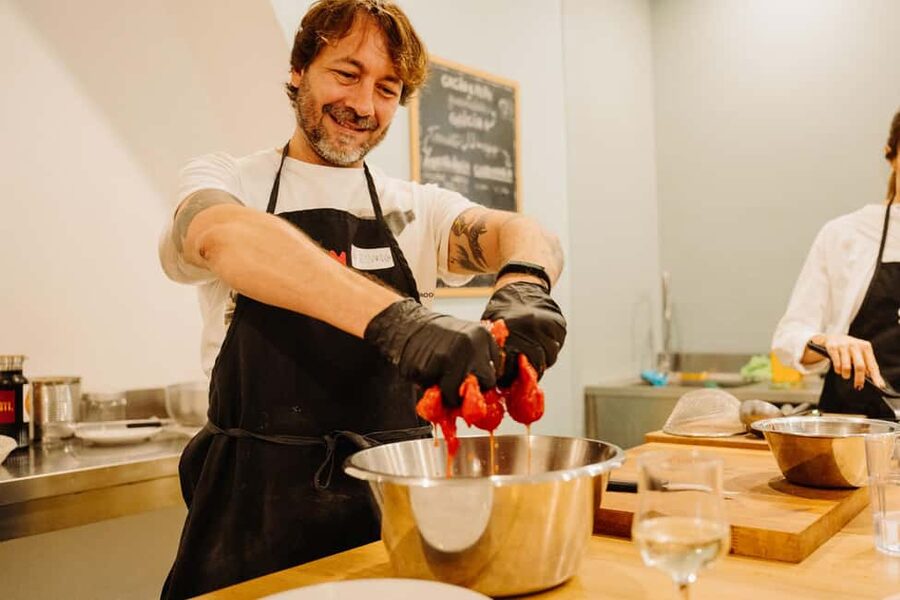
The best reason to take this class is not simply learning to fold ravioli. It is the chance to ask an Italian chef how food fits into daily life in Rome.
The chefs explain Roman cooking and culture while you work. You can ask about the sauces, local ingredients, restaurants, and how to spot a good gelateria. Some instructors have also shared restaurant suggestions in different parts of the city, which is useful if you still have meals to plan after the class.
The teaching style is consistently described as patient, funny, encouraging, and energetic. Names such as Stefano and Luca have been associated with lively classes, while Federica has been especially good at explaining the reasons behind each step. Elisa has led classes that families found warm and easy to follow.
That does not mean every class will have the same personality. Your instructor and group will shape the mood. But the format gives the chef plenty of room to talk with you, rather than delivering a fixed speech and sending you away.
If you are nervous about attending alone, the shared class is a reasonable choice. A solo participant has found it easy to join in, and the practical work gives you an automatic way to talk with the people beside you. If you prefer not to socialize, a private class avoids that element.
Is $66.84 a fair price?
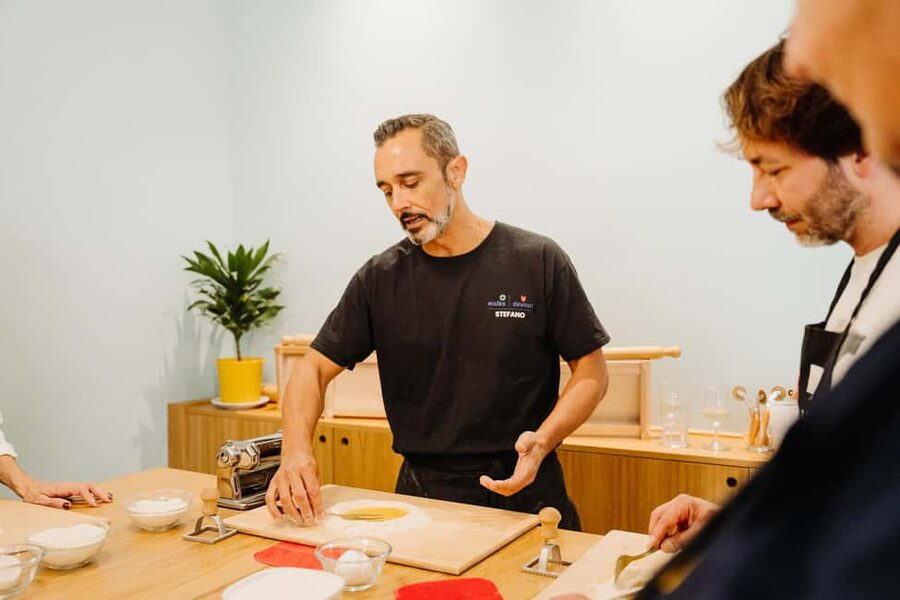
At about $66.84 per person, this is a fair price for a three-hour food experience in central Rome, provided you value participation more than a simple meal.
The fee includes the English-speaking chef, appetizers, all ingredients, a private or shared class depending on your selection, two homemade pastas and sauces, prosecco, wine, and gelato. You are paying for instruction, food, drinks, and access to a dedicated cooking space.
I see particular value for first-time pasta makers. You leave with skills you can use at home, not just a pleasant meal that disappears when the plate is cleared. The recipes and advice can help you repeat the experience in your own kitchen, and some participants have gone home ready to buy a pasta machine.
The price is less compelling if you only want to eat. Rome has plenty of good pasta restaurants, and a restaurant meal requires less time and effort. This class earns its cost through the hands-on work, social setting, and direct access to the chef.
A private booking may be a better choice for a birthday, anniversary, or family group that wants the chef’s full attention. A shared class is the better value if you enjoy a group atmosphere and want to keep the price down.
Small drawbacks to consider
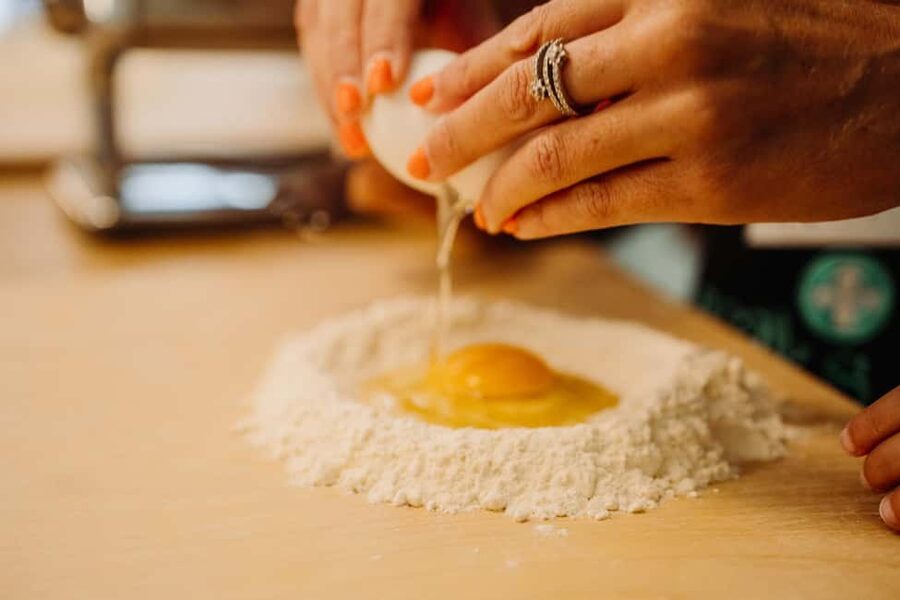
The menu is not fully fixed. Seasonal cooking is a strength, but it means you may not receive the exact ravioli filling or sauce you had in mind.
There is also no mention of a side salad, and the meal centers on pasta, wine, and gelato. If you prefer a lighter or more varied lunch, keep that in mind. One participant wished for a small green salad, while another found a ravioli filling less flavorful than expected.
The class is not suitable for wheelchair users, people with mobility impairments, or strollers. The meeting point is in Trastevere, but pickup and drop-off are not included, so you must make your own way to Piazza di San Giovanni della Malva.
Photography is another minor point. You may want pictures of the dough-making process, but the class does not promise a dedicated photographer. If photos matter to you, ask another participant or staff member to take a few while your hands are covered in flour.
Finally, the class is conducted in English. That is helpful for most international visitors, but it is not the right choice if you need instruction in another language.
Who should book this pasta class?
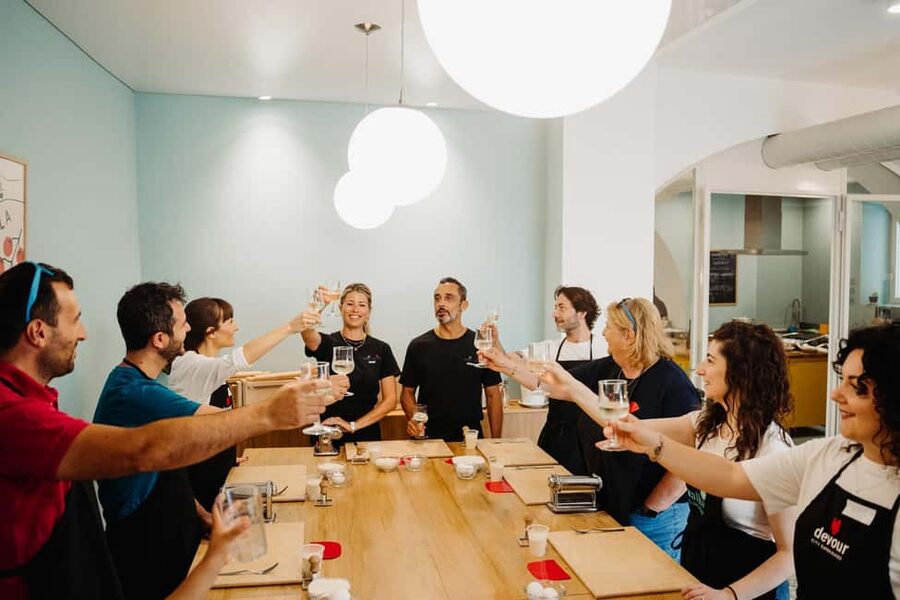
I would recommend it to couples who want a relaxed evening, families looking for an activity beyond monuments, and solo participants who enjoy meeting people through food. It also suits anyone who wants a concrete Roman cooking skill to take home.
The class is particularly good for first-time pasta makers because the chefs explain the process clearly and help you correct mistakes. Experienced home cooks may still enjoy it, especially for the Roman sauce lesson and the chance to compare their own methods with a professional chef’s approach.
I would be more cautious if you have celiac disease, need a wheelchair-accessible activity, dislike group participation, or want a guaranteed menu. The private option can solve the group issue, but it cannot change the accessibility limits or the basic seasonal approach to ingredients.
Cancellation is free up to 24 hours before the activity for a full refund, and you can reserve now and pay later. Those terms are useful when your Rome schedule is still changing.
Should you book it?
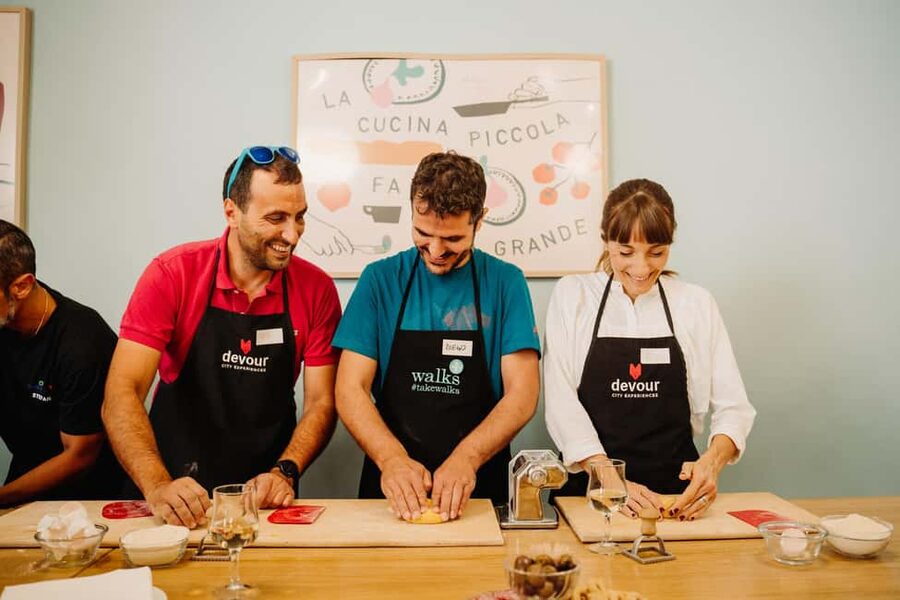
Book this class if you want to do something with Roman food rather than simply order it. The combination of aperitivo, hands-on pasta making, local sauce instruction, wine, and gelato gives you a full three-hour experience at a reasonable price.
I would choose the shared class for a friendly, social evening and the private class for a family celebration or focused lesson. Just confirm dietary needs ahead of time, expect the sauces and ravioli filling to follow the season, and arrive early at the Trastevere meeting point.
For a first visit to Rome, this is a strong choice when you want one meal to come with a story, a skill, and a recipe you can try again at home.
FAQ
How long does the pasta-making class last?
The activity lasts three hours. Starting times vary, so check availability when booking.
Where does the class meet?
It meets at Piazza di San Giovanni della Malva, 00153 Roma RM, in the square in front of the San Giovanni della Malva church.
How early should I arrive?
Arrive 15 minutes before the scheduled start time. Look for a red bag or Devour Tours sign.
Where does the class finish?
The activity ends back at the original meeting point.
Is the class taught in English?
Yes. The instructor language is English.
What pasta will I make?
You will make fettuccine and ravioli from scratch.
Which sauces will be prepared?
The chef may prepare traditional Roman sauces such as amatriciana, puttanesca, gricia, or cacio e pepe. The selection depends on seasonal ingredients.
Are drinks and dessert included?
Yes. The experience includes prosecco, wine, and homemade gelato, along with appetizers.
Can dietary restrictions be accommodated?
Most dietary needs can be accommodated except celiac requirements. Contact the operator before the class so arrangements can be made.
Is the class wheelchair accessible?
No. The activity is not suitable for wheelchair users, people with mobility impairments, or strollers.
More Pasta-Making in Rome
- Rome: Fettuccine Pasta Cooking Class in Rome’s City Center
★ 4.8 · 2,414 reviews - Rome: Traditional Pasta with Cocktails Cooking Class
★ 5.0 · 2,374 reviews - Become a Masterchef in Rome: Pasta, Ravioli and Tiramisù Class
★ 5.0 · 2,156 reviews - Pasta Cooking Class Near the Colosseum with 3 Spritz Cocktails
★ 5.0 · 1,686 reviews
Just added around Rome
- Boat excursion to Gaeta with a stop for swimming and snorkeling 2 HOURS★ 5.0 · 240 reviews
- Palatine Hill and Roman Forum Tour with Fast-Track Entrance★ 4.2 · 417 reviews
- Tivoli: Villa D’Este & Villa Adriana Pass & App Audioguide★ 4.4 · 364 reviews
- Tivoli: Villa D’Este Entry Ticket and App Audio Guide★ 4.3 · 191 reviews
- From Rome: Villa D’Este & Villa Adriana Day Trip with Lunch★ 4.4 · 289 reviews
- Vatican Museums & Sistine Chapel Skip-the-Line Guided Tour★ 4.6 · 254 reviews
- Rome: Capitoline Museums and Centrale Montemartini Tickets★ 4.4 · 328 reviews
- Rome: The Three Tenors at St. Paul’s Church Concert Ticket★ 4.7 · 699 reviews
Pasta, compared.
Florence Pizza or Pasta Class with Gelato Making at a Tuscan Farm
Read our review →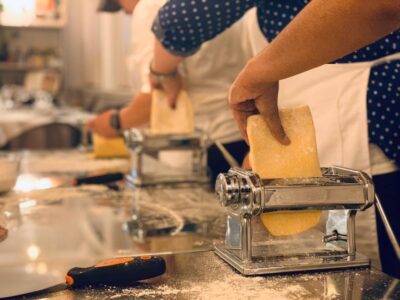
Pasta & Tiramisu Cooking Class with Unlimited Wine
Read our review →
Pasta & Tiramisu Class with Fine Wine by the Vatican
Read our review →
Pasta Making Class with Wine, Limoncello, and Dessert
Read our review →
Fettuccine Pasta Cooking Class in Rome’s City Center
Read our review →Browse the lists this tour appears in