Reviewed · ROME TOURS
Rome: La Traviata at St. Paul’s Within the Walls
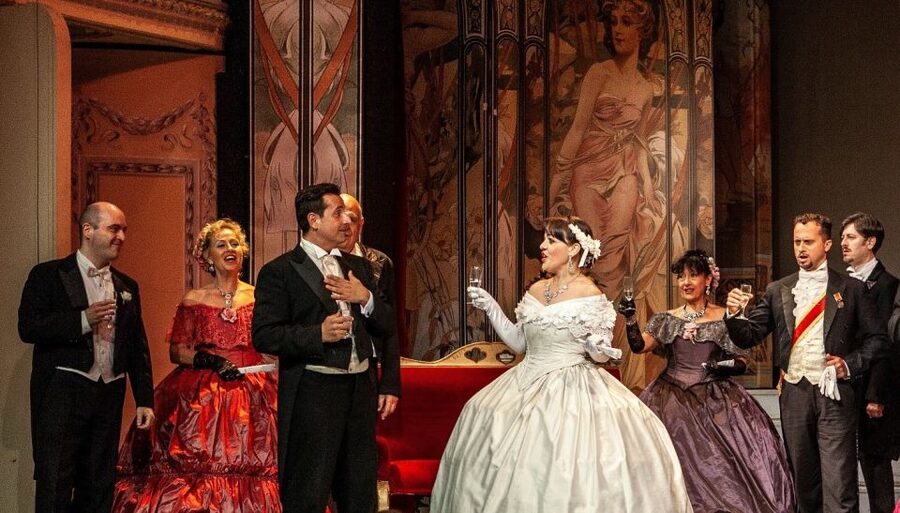
Rome’s La Traviata at St. Paul’s Within the Walls trades the grand opera house for an intimate church. You hear Verdi’s tragic love story with live musicians, professional singers, costumes, and scenery beneath the church’s arches. The acoustics can be beautiful, though the reverberation sometimes softens the words and lets the orchestra overpower the voices.
I like the way this experience brings a serious piece of Italian opera within reach at about $47 per person. I also like the setting: St. Paul’s Within the Walls gives the evening a distinctly Roman character, and the compact space can make the singers feel close enough to read their expressions.
The main catch is the seating. The rows are on one level rather than rising toward the back, and the wooden seats may feel hard during a 130-minute performance. Pay extra for a front or VIP section if seeing the stage clearly matters to you.
Key points to know before booking
- A complete three-act La Traviata: Hear Verdi’s famous opera with costumes and scenery rather than a shortened concert version.
- A church instead of a theater: St. Paul’s Within the Walls supplies striking architecture and strong acoustics, but it does not offer the sightlines or comfort of a traditional opera house.
- Professional Italian musicians: The Orchestra I Virtuosi dell’opera di Roma is made up of professors from leading Italian conservatories.
- Front seats are worth considering: The flat floor can make the action difficult to see from the rear, and even some front-corner seats may have blocked views.
- A friendly entry price: At roughly $47, this is a lower-cost way to hear live opera in central Rome, especially if you do not need a full theater production.
- Plan for the full evening: The performance lasts 130 minutes, and seats may become uncomfortable before the final act.
Why La Traviata works so well in Rome
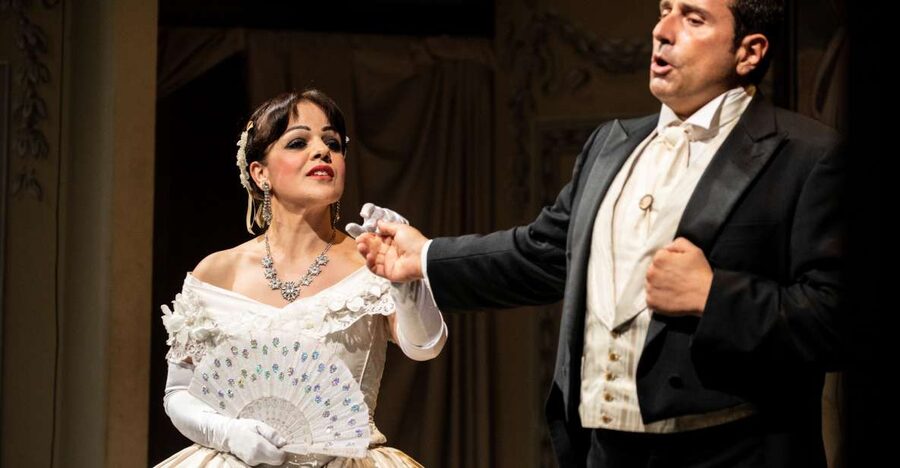
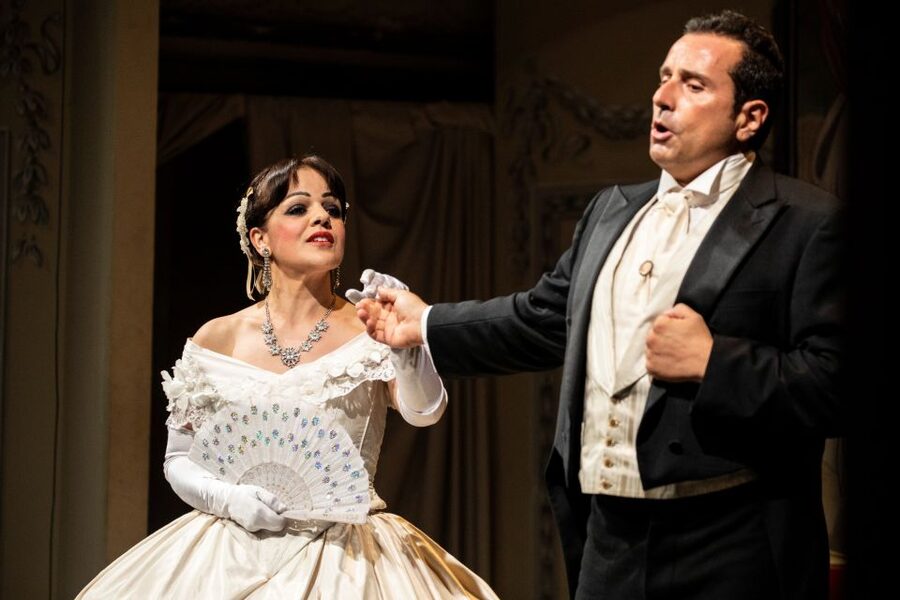
La Traviata tells the story of Violetta, a famous courtesan in Paris, and Alfredo, a young nobleman. Their love is sincere, but social pressure, sacrifice, and illness push the relationship toward tragedy.
You do not need to arrive as an opera expert. The story is direct, emotionally clear, and filled with familiar themes: love, reputation, family duty, and loss. Even if you do not understand Italian, the acting, music, and basic plot make the drama easy to follow. A little preparation helps, though. Read a short plot summary before you go, especially if this is your first opera.
The production presents the opera in three acts, with singers, orchestra, costumes, and scenes. That is important for judging the price. This is not simply a few famous arias performed in a church. You receive a full performance of one of Verdi’s best-known works, though the physical setting remains more modest than a major opera house.
The Orchestra I Virtuosi dell’opera di Roma supplies the music. The ensemble specializes in the Italian lyrical tradition, and its members are professors from prestigious Italian conservatories. The sound has real weight, particularly in the better-balanced parts of the performance, although the church acoustics can create a tradeoff between power and clarity.
A few more Rome half-days worth a look
- Vatican: Museums & Sistine Chapel Entrance Ticket
★ 4.5 · 144,003 reviews - Vatican Museums & Sistine Chapel Tour with Optional Basilica
★ 4.3 · 67,413 reviews - Colosseum, Roman Forum & Palatine Guided Tour
★ 4.7 · 63,148 reviews
Entering St. Paul’s Within the Walls
You begin by taking your voucher to the ticket counter at St. Paul’s Within the Walls. Do not go straight to a seat with only the phone voucher in hand. The instructions require you to exchange it before the performance begins.
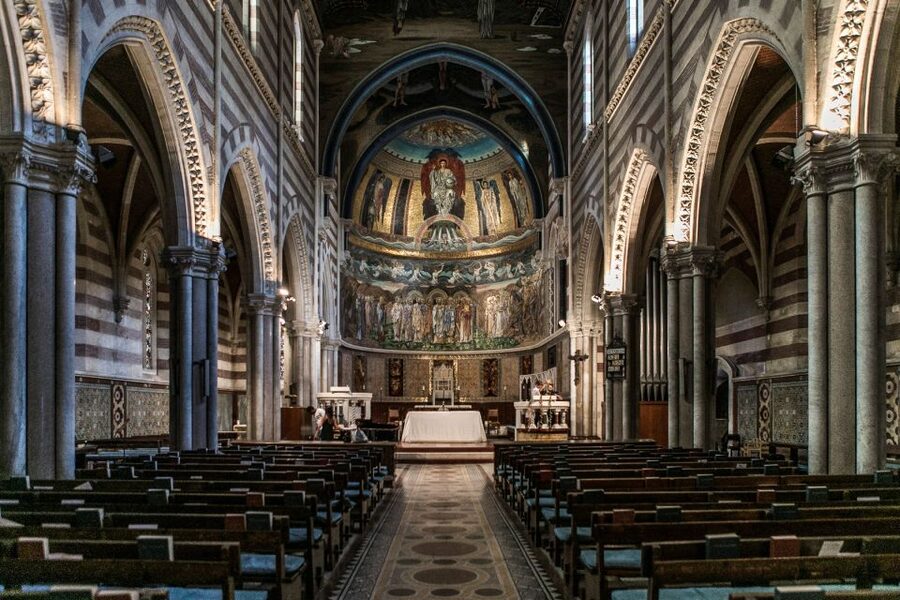
The church is in central Rome and gives the evening an immediate sense of place. Its architecture is one of the main reasons to choose this performance over a more conventional concert. You are not walking into a black-box theater or a standard tourist auditorium. You are sitting in a historic church with high interior spaces, decorative details, and a naturally resonant sound.
That setting creates the event’s strongest atmosphere. The church feels intimate enough to keep the singers connected to the audience, yet grand enough to make the opening music feel ceremonial. Lighting and the church interior help provide some of the visual drama that a standard stage set might usually supply.
There is a tradeoff. A church is not built around theater sightlines. The performers and audience sit on the same level, and the rear rows do not rise above the front. If the singer moves behind another performer, the piano, or part of the scenery, you may lose the view even when the sound remains clear.
The orchestra and vocal performance
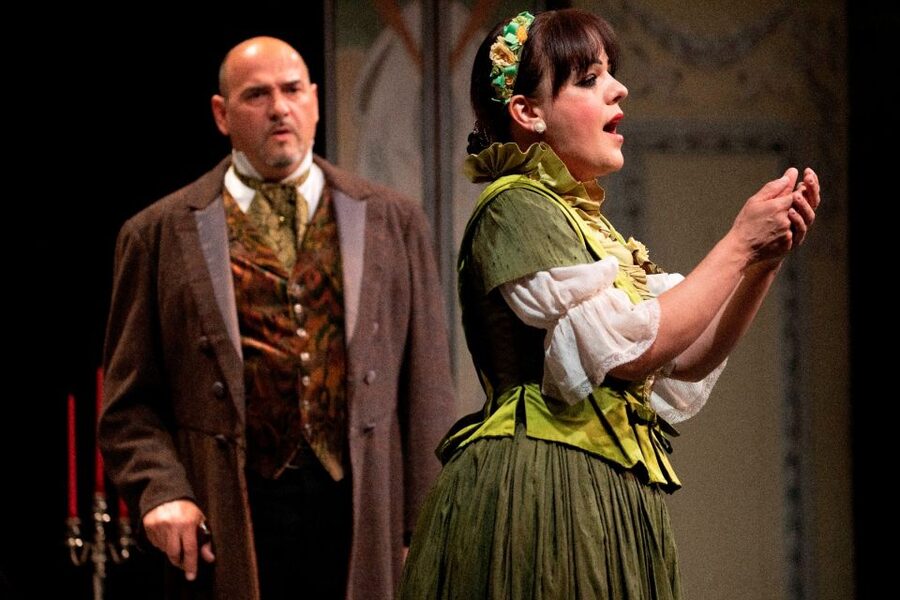
The musicians are a major part of the evening. The orchestra performs from the front of the church, and the close setting lets you watch the players at work, particularly from the first few rows. This is one reason the front sections receive so much praise.
The singers carry the emotional center of La Traviata. Violetta and Alfredo need to move quickly between flirtation, tenderness, conflict, and grief. The cast performs with operatic projection and theatrical acting, so the piece does not feel like a static recital.
The church’s acoustics can help the voices fill the room without apparent effort. At its best, the result is thrilling: strong voices, live strings and winds, and a sense that the music is reaching every corner of the church.
Still, sound quality is not perfectly consistent from every seat. Several parts of the performance can become less crisp because of the church’s reverberation. Some passages may also find the orchestra louder than the singers, especially when you are seated in a position with less direct sound. If you care most about hearing every word, choose a forward central section rather than the cheapest rear category.
The language is Italian. The activity information identifies Italian as the language available, and no subtitle system is specified. I would therefore treat a basic plot summary as essential preparation. You can follow the emotion without translating every line, but knowing what each act is trying to achieve makes the performance much more satisfying.
What the three-act format feels like
The full 130-minute running time gives the story room to develop. You see the relationship between Violetta and Alfredo change rather than jumping from one famous aria to the next. Costumes and scenery add context, while the church provides the main visual frame.
The first act introduces Violetta’s public life and her meeting with Alfredo. The mood begins with social energy and gradually turns toward private feeling. This contrast is central to the opera: Violetta is admired by society, yet her connection with Alfredo asks her to live differently.
The second act shifts the relationship into conflict. Love runs into family expectations and social judgment. Here, the acting matters as much as the singing, since the tension depends on what the characters choose not to say as much as what they sing.
The final act brings the story to its tragic end. By this point, the music and plot have established the cost of the characters’ decisions. The compact church setting can make the final scenes feel close and exposed rather than distant and grand.
Some performances include pauses between sections, and the length can feel significant after a full day of sightseeing. If you are tired, the seats become an important issue. A 130-minute performance is manageable for most people, but it is not a quick evening stop.
Same city, a completely different sort of day:
- Vatican Museums, Sistine Chapel & St Peter’s Basilica Guided Tour
★ 4.5 · 39,149 reviews - Rome: Colosseum, Palatine Hill and Roman Forum Guided Tour
★ 4.8 · 32,814 reviews - Rome: Guided Tour of Colosseum, Roman Forum & Palatine Hill
★ 4.7 · 27,897 reviews - Rome: Colosseum & Forum with Audio Guide App -Optional Arena
★ 4.2 · 24,770 reviews
Seating: the most important booking decision
The seating category may matter more here than at a conventional theater. The church floor is flat, so you do not get the natural lift that allows a rear-row audience to see over people in front.
If you choose a rear or lower-priced section, arrive early and take the best position available within that zone. The booking information does not promise a raised stage or tiered seating, and the flat arrangement means a tall person or an object onstage can affect your view.
Front-row and VIP tickets cost more, but the extra money can be sensible. You may see the performers’ faces more clearly, follow their acting, and watch the musicians at close range. For a first opera experience, that visual connection can make the difference between feeling involved and simply listening from a distance.
Do not assume every front seat is perfect. One position at the front left had a piano blocking much of the stage, and other seating areas can have awkward angles. If you have a choice, a forward central position is the safest bet. The exact seating layout can vary, so ask staff at the ticket counter if you are unsure where your category is located.
The benches and wooden chairs are another practical concern. Some seats have cushions, but they may not feel especially comfortable over two hours. Bring the expectation of a church performance, not a plush theater seat.
How much value do you get for $47?
At about $47, the performance offers good value if your goal is to hear professional opera in a memorable Roman setting. You receive a live orchestra, trained singers, a complete three-act work, costumes, and scenery. Comparable opera experiences in a major theater can cost much more, especially for a central seat.
The lower price also explains some limits. You are not paying for a large production with elaborate stage machinery, tiered seating, or the polished comfort of a purpose-built opera house. The church supplies much of the atmosphere, while the production keeps the scale relatively compact.
I see the value in three parts:
- Music: A live orchestra and professional vocal cast provide the core experience.
- Setting: The church gives you something distinctly different from a standard theater.
- Access: The price makes a famous Italian opera practical for visitors who may not want to spend heavily on formal opera tickets.
VIP seating can change the calculation. If you are already choosing this as a special evening, spending a little more for better visibility may be wiser than saving money and spending the performance looking around someone’s shoulder.
Food and drinks are not included. Do not expect a dinner or drinks service as part of the ticket. Plan to eat before or after the opera, and remember that the church venue is the focus of the evening.
The audience and church etiquette
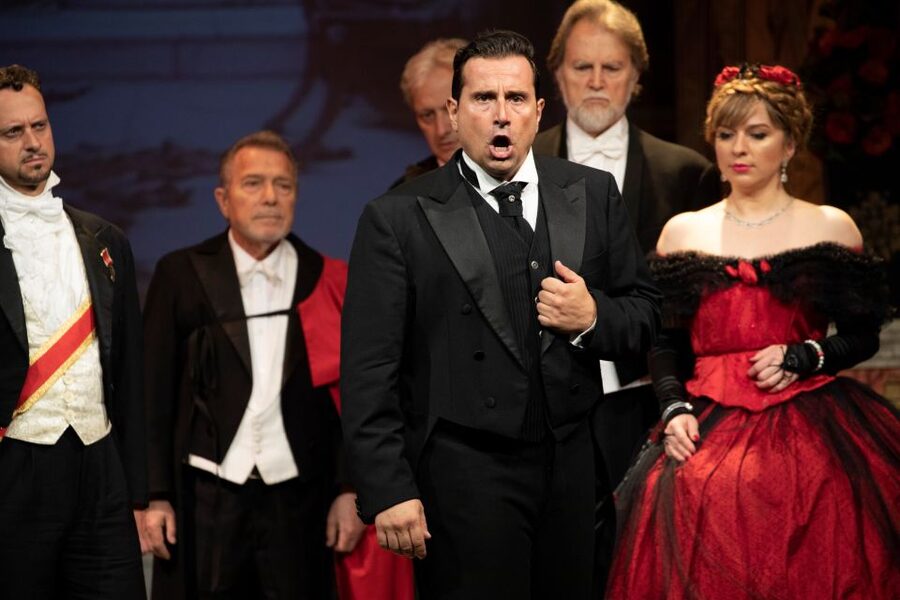
Opera depends on concentration, and this performance is no exception. Phones, conversation, and movement are especially noticeable in a small church. Staff ask the audience not to use video or flash photography, but some people still ignore the rule.
You can help protect the atmosphere by silencing your phone and keeping it away during the performance. Flash photography is distracting to the singers and everyone around you. The setting is beautiful, but it is not a reason to turn the show into a personal recording session.
The audience can also affect how much you hear. A quiet room lets the church’s acoustics work in your favor. A noisy one makes the reverberation and balance problems more obvious.
Staff have been described as helpful, including with directions to the meeting point. Since you must exchange your voucher at the church counter, allow enough time to find the entrance and complete that step before the performance starts.
Who should choose this opera experience?
I would recommend it most strongly to:
- First-time opera visitors who want a manageable introduction
- Music lovers looking for live Italian opera at a moderate price
- Couples seeking an atmospheric evening in central Rome
- Visitors who value an unusual venue as much as a polished production
- People willing to read the plot in advance and accept Italian-language singing
It may be less suitable if you need perfect sightlines, soft seating, or theater-level stage production. Anyone with back problems should think carefully about the 130-minute duration and the church seating. If you rely heavily on subtitles, confirm what language support is available before booking, since Italian is the stated performance language and subtitles are not specified.
The performance is wheelchair accessible, which makes the venue more practical for some visitors. Pets are not allowed.
Booking, timing, and cancellation
The duration is 130 minutes, and starting times vary, so check the available schedule before choosing a date. The host or greeter is Italian-speaking, and the activity information lists Italian as the available language.
You can reserve now and pay later, which helps if your Rome plans are still changing. Cancellation is available up to 24 hours in advance for a full refund. These policies are useful, but the bigger planning point is to avoid placing the performance after an exhausting day if you expect to use the cheaper seating.
Should you book La Traviata at St. Paul’s Within the Walls?
Book it if you want real live opera in an unusual Roman setting and can accept a few practical compromises. The singers and musicians are the main attraction, while the church adds atmosphere that a standard venue cannot match. At about $47, it is a fair way to hear Verdi without committing to an expensive opera-house evening.
Choose VIP or front seating if the budget allows. A clear view of the performers will help you follow the story, appreciate the acting, and avoid the most common complaint about this venue.
Skip it if comfortable seating, tiered rows, crisp acoustics, and elaborate scenery matter more to you than atmosphere and price. For everyone else, especially a first-time opera visitor, this is a thoughtful and memorable way to spend two hours in Rome.
FAQ
How long does La Traviata at St. Paul’s Within the Walls last?
The performance lasts 130 minutes.
How much does the experience cost?
The listed price is $47 per person.
What is included in the ticket?
The ticket includes entrance to the opera performance. Food and drinks are not included.
Where do I exchange my voucher?
You must exchange your voucher at the St. Paul’s Within the Walls ticket counter before the performance begins.
Is the performance wheelchair accessible?
Yes, the activity is listed as wheelchair accessible.
Can I cancel the booking?
Yes. You can cancel up to 24 hours in advance for a full refund. You can also reserve now and pay later.
Just added around Rome
- Boat excursion to Gaeta with a stop for swimming and snorkeling 2 HOURS★ 5.0 · 240 reviews
- Palatine Hill and Roman Forum Tour with Fast-Track Entrance★ 4.2 · 417 reviews
- Tivoli: Villa D’Este & Villa Adriana Pass & App Audioguide★ 4.4 · 364 reviews
- Tivoli: Villa D’Este Entry Ticket and App Audio Guide★ 4.3 · 191 reviews
- From Rome: Villa D’Este & Villa Adriana Day Trip with Lunch★ 4.4 · 289 reviews
- Vatican Museums & Sistine Chapel Skip-the-Line Guided Tour★ 4.6 · 254 reviews
- Rome: Capitoline Museums and Centrale Montemartini Tickets★ 4.4 · 328 reviews
- Rome: The Three Tenors at St. Paul’s Church Concert Ticket★ 4.7 · 699 reviews
Rome Tours, compared.
Vatican: Museums & Sistine Chapel Entrance Ticket
Read our review →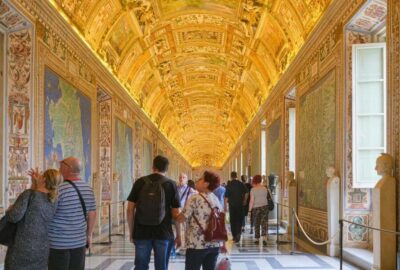
Vatican Museums & Sistine Chapel Tour with Optional Basilica
Read our review →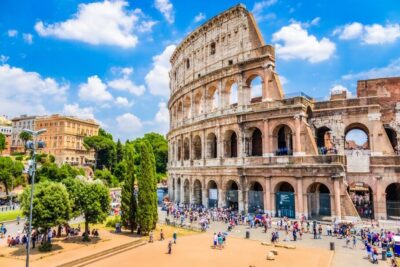
Colosseum, Roman Forum & Palatine Guided Tour
Read our review →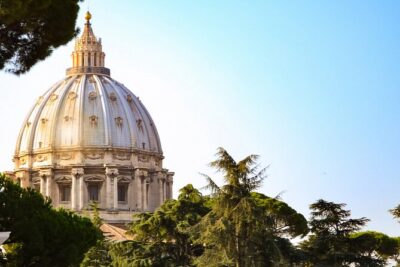
Vatican Museums, Sistine Chapel & St Peter’s Basilica Guided Tour
Read our review →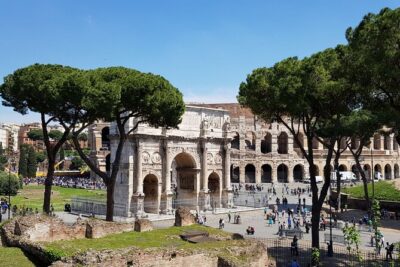
Colosseum, Palatine Hill and Roman Forum Guided Tour
Read our review →
Guided Tour of Colosseum, Roman Forum & Palatine Hill
Read our review →
Colosseum & Forum with Audio Guide App -Optional Arena
Read our review →