
Reviewed · SKIP THE LINE
Rome: Santa Maria Maggiore Upper Areas Skip-the-Line Ticket
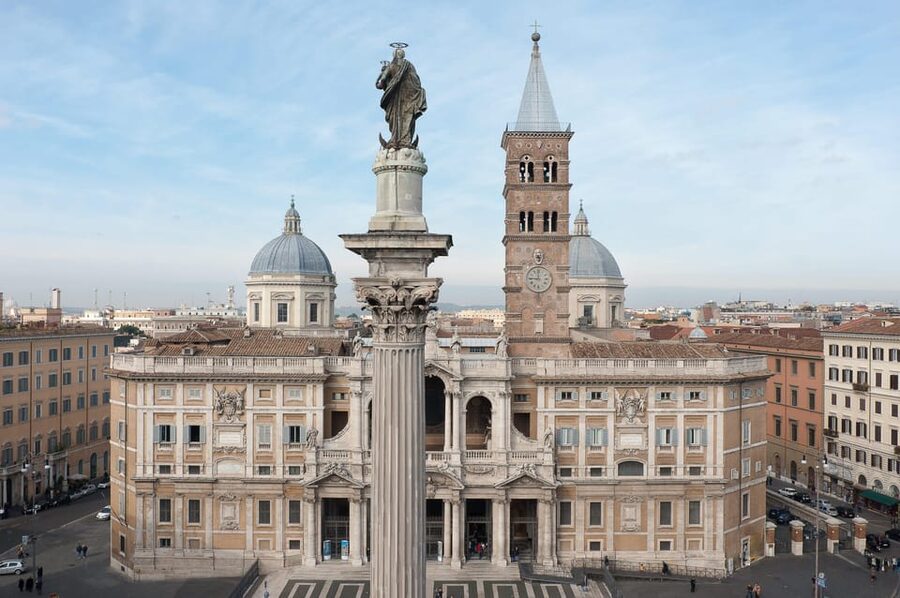
Santa Maria Maggiore’s Upper Areas give you a different view of one of Rome’s great basilicas. You’ll see medieval mosaics from the Loggia of Blessings, portraits in the Popes’ Hall, Bernini’s graceful staircase, and the Liberian Historical Museum. I like the freedom to visit anytime on your chosen day, and I like that the ticket reaches parts of the basilica many visitors miss.
The main catch is value. At $21, this makes sense when you want the upper rooms and museum, but not always if you only want to step inside the church. The skip-the-line benefit can also be modest during quiet periods, and the voucher exchange at the desk is an important extra step.
Key points to know before you go
- The ticket is open-time: Choose a date and visit during the listed opening hours, even if the booking screen asks you to select a time.
- The upper areas come first: After security, exchange your voucher at the desk on the right, then visit the upper areas before entering the main church.
- Rusuti’s mosaics are the visual highlight: The Loggia of Blessings offers medieval artwork and a view over the square below.
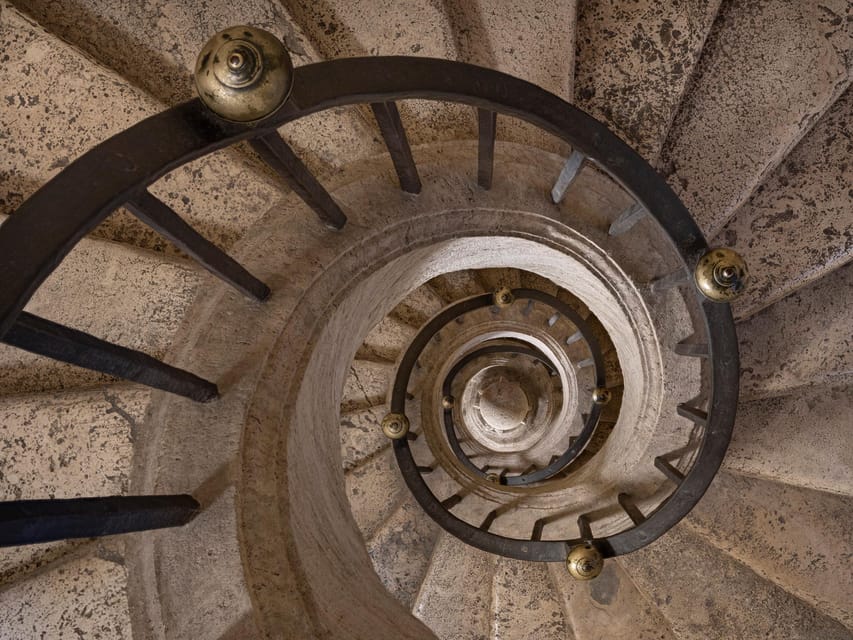
- Bernini’s staircase is part of the route: The travertine spiral provides a graceful architectural moment rather than a separate attraction.
- Sunday hours begin at 12:30 p.m.: Morning access is affected by Mass, so Sunday planning requires care.
- There is no guide or escort: You explore independently, and each person needs a named ticket plus identification.
What this Santa Maria Maggiore ticket actually gives you
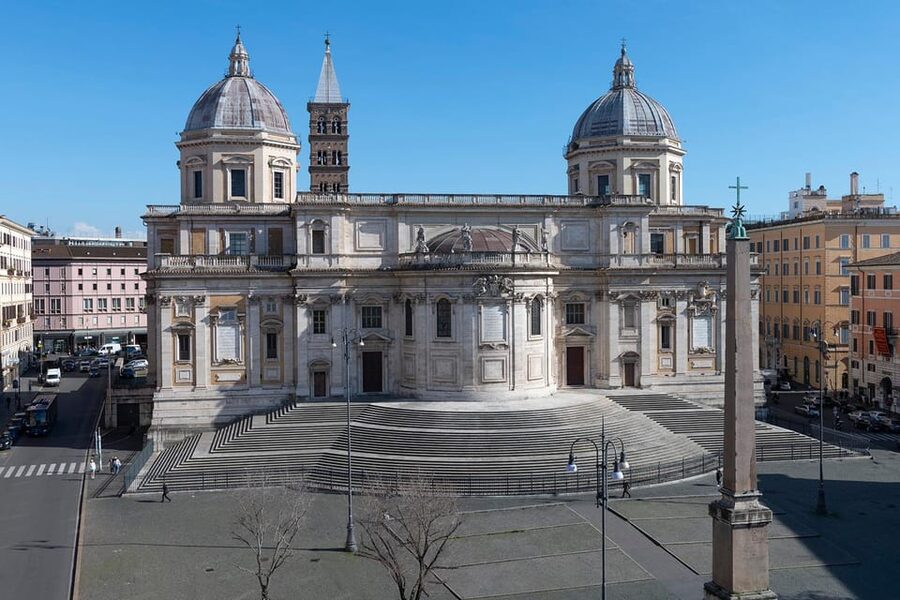
Santa Maria Maggiore is one of Rome’s four major papal basilicas. The regular church interior is already a worthwhile stop, but this ticket is aimed at the spaces above and around it.
You are paying for priority access to the Upper Areas, not for a guided tour. The route includes the Loggia of Blessings, the Hall of the Popes, the Bernini Staircase, and the Liberian Historical Museum. You can take the visit at your own pace during one calendar day.
The ticket costs about $21 per person. That is not a huge price for a Rome attraction, but it is more than a simple church donation or a standard walk through the basilica. The value depends on your interest in artwork, papal history, and spaces that are not part of a normal church visit.
If your plan is only to admire the gold ceiling, mosaics, and chapels inside Santa Maria Maggiore, you may find the ticket unnecessary. If you want a fuller visit and prefer to avoid committing to a fixed entry time, the open-time format is useful.
More Entry Tickets in Rome
- Vatican: Museums & Sistine Chapel Entrance Ticket
★ 4.5 · 144,003 reviews - Rome: Pantheon Fast-Track Ticket and Official Audio Guide
★ 4.3 · 21,008 reviews - Rome:Hop-On Hop-Off Panoramic Open Bus Ticket 3 Circuits x 1
★ 4.0 · 15,405 reviews
Finding the entrance and exchanging the voucher
Arrive at Santa Maria Maggiore and go through the security check first. After that, head to the desk on the right. This is where an operator converts your digital or printed voucher into the actual ticket for the upper areas.
Do not skip this step. Showing the voucher alone does not complete the entry process. The instructions specifically require the voucher exchange, and the upper areas must be visited before you enter the main church.
The process is not difficult, but it is easy to misunderstand if you expect to walk straight through with a phone barcode. Give yourself a few extra minutes to locate the desk and have your identification ready.
Each person must present a personal, named ticket along with an ID showing the first and last name. A passport or ID card is accepted, and a copy is also listed as acceptable. Keep the names and documents consistent.
The priority feature mainly helps with access through security and the ticket process. It does not mean every part of the basilica will be empty. During quieter periods, there may be only one line for everyone, so the time saved can be small.
The Loggia of Blessings and Rusuti’s medieval mosaics
The Loggia of Blessings is the first major artistic reward on the route. From here, you can admire medieval mosaics associated with Filippo Rusuti, an important Roman mosaic artist.
These mosaics are not just decoration above a doorway. They connect to the basilica’s foundation story, including the famous legend of snow falling in August to mark the place where Santa Maria Maggiore should be built. From the loggia, you can also look down toward the square and connect the artwork with the city outside.
I like this part because it gives you both art and a change in viewpoint. From the main floor, you experience the basilica as a grand worship space. From above, you see how the entrance, facade, and square work together.
Take your time here rather than treating it as a passage to the next room. The mosaics reward a closer look, and the view below helps explain why the basilica has remained such a visible part of this neighborhood.
The access route may involve stairs, though the activity is listed as wheelchair accessible. If you need step-free access, confirm the route with staff when you exchange the voucher. The available information does not describe the exact accessibility arrangements for every part of the upper areas.
The Hall of the Popes and its portraits
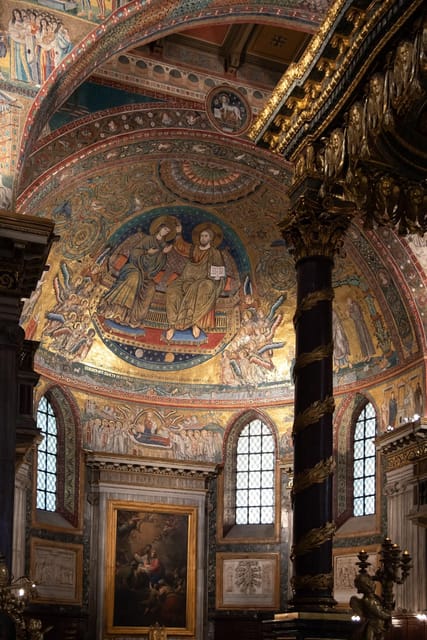
The Hall of the Popes presents portraits and memorabilia connected with popes, cardinals, and the Spanish royal family. This room shifts the focus from medieval religious art to the people and institutions linked with the basilica.
You will find a gallery-like setting rather than a full guided explanation. That matters because you need to read and interpret the displays for yourself. The attraction provides access, but not an escort or spoken commentary.
The hall works best for visitors who enjoy portraits, church history, and the political connections of major religious buildings. It may feel less important if your main interest is architecture or painting.
I would not rush through it. Look for the way the display reflects the basilica’s role over time. Santa Maria Maggiore was not only a place for prayer. It also had close links to popes, church officials, and royal patrons, and this room makes those connections visible.
Because there is no guide, consider reading any posted labels carefully. A self-guided visit can be wonderfully flexible, but the experience depends on how much attention you bring to each room.
More Skip-the-Line Tickets in Rome
- Vatican Museums & Sistine Chapel Skip-the-Line Entry Ticket
★ 4.4 · 13,838 reviews - Skip-the-Line Group Tour of the Vatican, Sistine Chapel & St. Peter’s Basilica
★ 4.5 · 12,779 reviews - Rome: Vatican Museums & Sistine Chapel Skip-The-Line Ticket
★ 4.2 · 11,708 reviews - Vatican, Sistine Chapel & St. Peter’s Skip-the-Line Tour
★ 4.5 · 7,770 reviews
Climbing Bernini’s travertine staircase
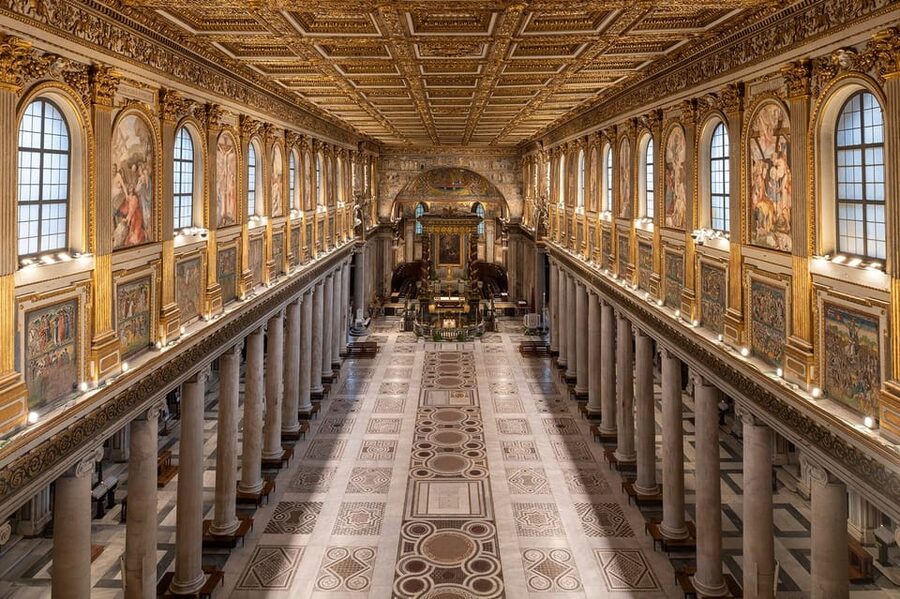
The Bernini Staircase is one of the most distinctive parts of the visit. It is a spiral staircase made from travertine, designed as a graceful upward movement toward light.
This is not a grand Bernini sculpture in the way many visitors expect from Rome. The interest lies in the shape, material, and symbolism of the stairway. It turns a practical route between levels into part of the architecture.
The staircase also gives the visit a welcome change of pace. After looking at mosaics and portraits, you move through a sculptural space where the building itself becomes the exhibit.
Wear comfortable shoes. That advice is especially useful for a visit involving stairs, standing, and a full basilica route. The site also asks for modest clothing, so plan for covered shoulders and knees from the start.
If you have mobility concerns, ask staff about the available route before beginning. The activity is advertised as wheelchair accessible, but the details of the staircase and upper-area access are not specified.
The Liberian Historical Museum
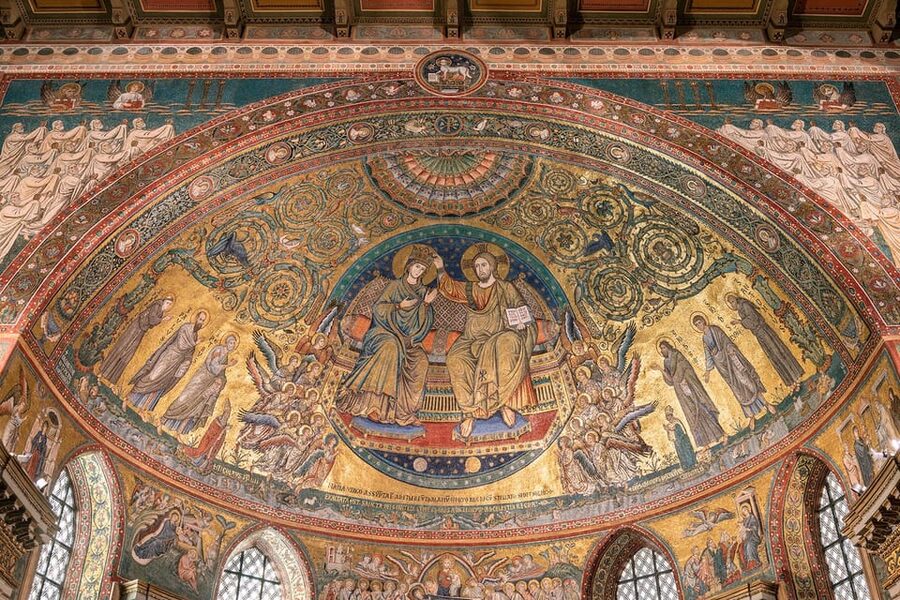
The final part of the route is the Liberian Historical Museum. It contains art, old musical manuscripts, and sacred relics connected with the basilica.
This museum gives the visit a quieter, more object-focused ending. The mosaics show the public face of the basilica, while the museum lets you look at items linked to worship, music, and religious practice.
The ancient musical manuscripts are particularly useful for understanding how music formed part of church life. The sacred relics offer another connection to devotion and pilgrimage. You should expect a compact cultural collection rather than a large museum with rooms of unrelated art.
At this point, you have seen several kinds of material: wall mosaics, portraits, architecture, manuscripts, and relics. That variety is the real strength of the ticket. It does not focus on one single masterpiece. Instead, it builds a picture of Santa Maria Maggiore through several smaller encounters.
The museum may be less rewarding for someone who wants a fast church visit. It is better suited to you if you like taking time with objects and reading the story of a religious institution through what it preserves.
The open-time format and the best day to visit
Although the booking process may ask you to select a time slot, the ticket is described as valid at any time on your chosen date, subject to opening hours and availability. You can arrive earlier or later than the selected booking time.
That flexibility is handy in Rome, where plans often change because of meals, transport, weather, or a longer stop at another sight. You do not need to build your entire day around a tightly fixed appointment.
The basilica and upper areas are listed as open Monday through Saturday from 8:00 a.m. to 6:30 p.m. On Sunday, the upper areas open from 12:30 p.m. to 5:30 p.m.
Sunday deserves special attention. The basilica is open in the morning for Holy Mass, and access during the service is free and open to all. The paid upper-area visit begins only after Mass, from 12:30 p.m.
For the widest choice of timing, Monday through Saturday is simpler. Sunday can work well if you already plan to be near Santa Maria Maggiore in the afternoon, but do not arrive expecting to visit the upper areas in the morning.
Dress, bags, and practical rules
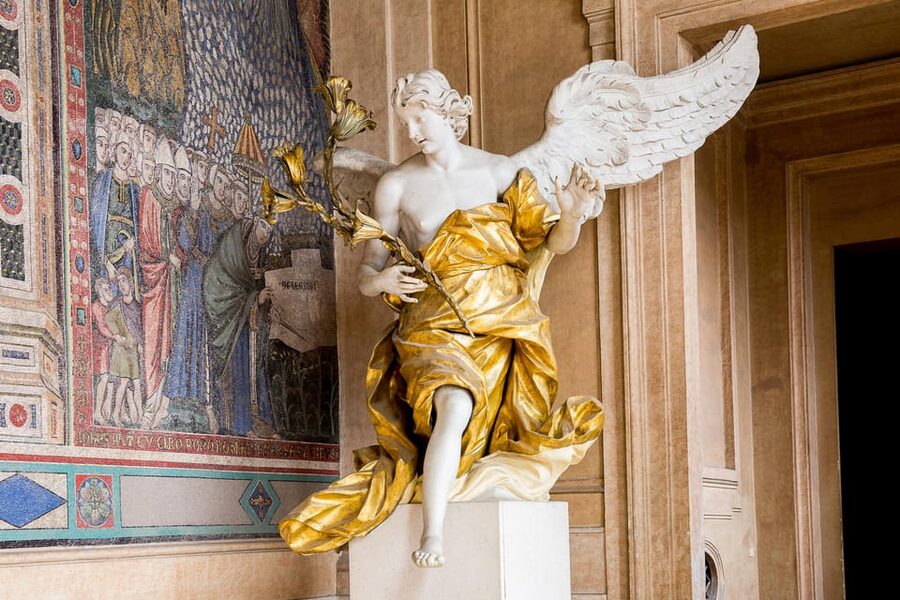
Santa Maria Maggiore requires covered shoulders and knees. Shorts, short skirts, sleeveless shirts, and see-through clothing are not allowed. A long-sleeved shirt and long pants are specifically recommended.
Dress respectfully even on a hot Rome day. A light shirt with sleeves and trousers or a longer skirt will save you from being denied entry or having to find a cover-up at the last minute.
Large bags and luggage are not allowed. This is one of the most important practical points. Do not arrive with a suitcase, oversized backpack, or large shopping bag and expect to store it inside.
Pets, smoking, alcohol, drugs, and food-related or disruptive behavior are also prohibited. Comfortable clothes and shoes are the sensible choice, especially because the route includes the Bernini Staircase.
The site can close parts of the basilica or museum because of circumstances beyond its control. Such closures do not create an automatic refund. Tickets are also described as non-refundable and unchangeable in the important information, so check the conditions carefully before finalizing your plans.
There is a conflicting flexibility message in the booking details: the activity information says cancellation up to 24 hours in advance is available, while the site notes say tickets purchased for Santa Maria Maggiore are non-refundable and cannot be modified. Because of that conflict, read the exact terms attached to your booking before paying.
Is the $21 price fair?
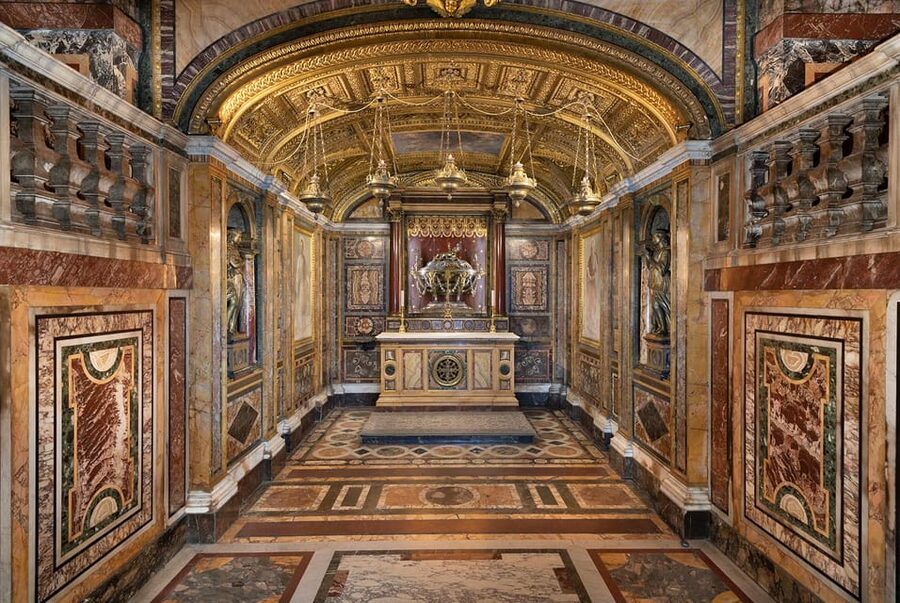
At $21, the ticket is fairly priced if you plan to see every included area. You receive access to the upper rooms, medieval mosaics, the Papal Hall, Bernini’s staircase, and the museum, with an open-time visit rather than a rigid appointment.
The value drops if you are buying only for the word skip-the-line. In a quiet season, the regular entry process may already move quickly. One account describes a wait of roughly ten minutes and no separate priority line, making the extra payment less useful at that time.
The ticket also does not include a guide. That keeps the visit flexible, but it means you will not receive context from an expert as you move between the rooms.
I see this as a specialist ticket rather than a must-buy Rome pass. Art lovers, church-history enthusiasts, and repeat visitors who have already seen the main basilica will get more from it. A first-time visitor with limited time may prefer to enter the church itself and spend the $21 elsewhere.
The activity has an overall rating of 3.8 out of 5 from 223 ratings. That suggests a mixed but generally workable experience, with the main concerns involving price, timing, and entry procedures rather than the basic beauty of the basilica.
Who should book this experience?
I would choose it for a self-guided visitor who wants flexibility and does not need a tour leader. It also suits anyone who enjoys looking closely at artwork and religious objects instead of moving quickly through famous sights.
It can work well for a return visit to Rome. Once you have seen the main interior of Santa Maria Maggiore, the upper areas add another layer without requiring a long, organized excursion.
Families can use the open-time format to fit the visit around their day, but the dress code, no-large-bag rule, and staircase access require planning. People with mobility needs should confirm the route with staff despite the wheelchair-accessible listing.
I would be more cautious if you are visiting during a quiet period and care mainly about saving time. In that case, priority access may not save much. I would also avoid booking if you expect a guided explanation, since this is an independent visit.
Should you book Santa Maria Maggiore’s Upper Areas?
Book it if the Rusuti mosaics, Papal Hall, Bernini Staircase, and museum sound more appealing than a quick look inside the church. The open-time ticket is convenient, and the upper areas offer a different side of Santa Maria Maggiore.
Skip it if your budget is tight, you are visiting in a quiet season, or you mainly want the basilica’s regular interior. Arrive with covered shoulders and knees, no large bag, your named ticket, and identification. Most important, exchange the voucher at the desk on the right after security, then visit the upper areas before entering the church.
FAQ
Is the Santa Maria Maggiore upper-area ticket guided?
No. The ticket includes priority access to the upper areas, but no guided tour or escorted entrance.
Can I visit at a different time from the slot selected during booking?
Yes. The ticket is described as open-time and can be used at any time on your selected date, according to opening hours and availability.
What are the opening hours?
Monday through Saturday, the listed hours are 8:00 a.m. to 6:30 p.m. On Sunday, the upper areas are open from 12:30 p.m. to 5:30 p.m.
Where do I exchange the voucher?
After going through security, go to the desk on the right. An operator will convert your voucher into the ticket for the upper areas.
Do I need identification?
Yes. Each person needs a personal, named ticket and an ID showing the first and last name. A passport or ID card, including a copy, is listed as acceptable.
What clothing and bags are allowed?
You must cover your shoulders and knees. Shorts, short skirts, sleeveless shirts, and see-through clothing are not allowed. Large bags and luggage are not permitted.
Just added around Rome
- Boat excursion to Gaeta with a stop for swimming and snorkeling 2 HOURS★ 5.0 · 240 reviews
- Palatine Hill and Roman Forum Tour with Fast-Track Entrance★ 4.2 · 417 reviews
- Tivoli: Villa D’Este & Villa Adriana Pass & App Audioguide★ 4.4 · 364 reviews
- Tivoli: Villa D’Este Entry Ticket and App Audio Guide★ 4.3 · 191 reviews
- From Rome: Villa D’Este & Villa Adriana Day Trip with Lunch★ 4.4 · 289 reviews
- Vatican Museums & Sistine Chapel Skip-the-Line Guided Tour★ 4.6 · 254 reviews
- Rome: Capitoline Museums and Centrale Montemartini Tickets★ 4.4 · 328 reviews
- Rome: The Three Tenors at St. Paul’s Church Concert Ticket★ 4.7 · 699 reviews
Skip the Line, compared.
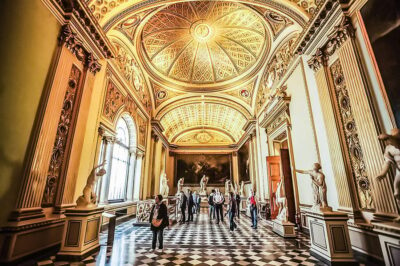
Skip-The-Line Uffizi Gallery Timed Entry Ticket
Read our review →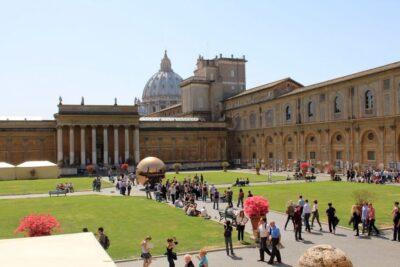
Vatican Museums & Sistine Chapel Skip-the-Line Entry Ticket
Read our review →
Skip-the-Line Group Tour of the Vatican, Sistine Chapel & St. Peter’s Basilica
Read our review →
Michelangelo’s David Skip-the-Line Entry Ticket
Read our review →
Vatican Museums & Sistine Chapel Skip-The-Line Ticket
Read our review →
Vatican, Sistine Chapel & St. Peter’s Skip-the-Line Tour
Read our review →
Skip-the-Line Vatican, Sistine Chapel & St. Peter’s | Small Group
Read our review →
Vatican: Vatican Museums Sistine Chapel Skip-the-Line Ticket
Read our review →Browse the lists this tour appears in