
Reviewed · GELATO & TIRAMISU CLASSES
Rome: Pasta & Tiramisu Cooking Class near the Spanish Steps
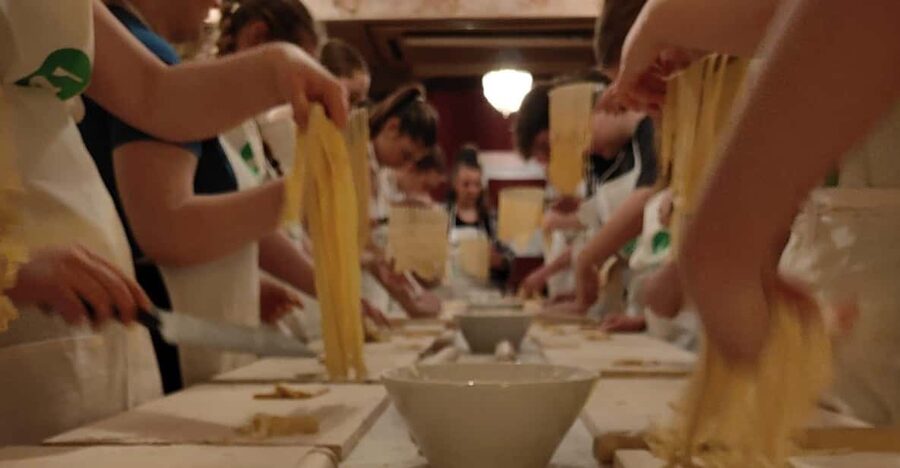
Making pasta by hand in a 17th-century building a short walk from the Spanish Steps gives this two-hour class a lot going for it. You work with just flour and egg, shape your own fettuccine, prepare tiramisu, then sit down to eat what you helped make.
I like the social, friendly format, which works especially well for solo visitors, families, and couples who want more than another restaurant meal. I also like the setting: air conditioning, original 19th-century wall paintings, and a central Rome address at Trattoria Amici. The main thing to understand is that this is a group class, not a private cooking lesson. The pasta is cooked collectively, sauces come from the restaurant kitchen, and the tiramisu cream is prepared as a group.
Key points at a glance
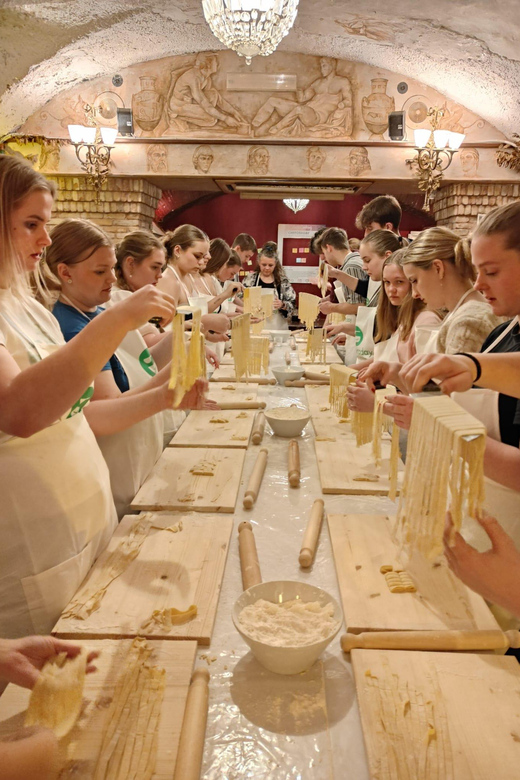
- Fresh pasta from two basic ingredients: You mix egg and flour by hand, roll the dough, and cut it into fettuccine.
- Tiramisu with a personal touch: The cream is made together, but each person assembles an individual dessert.
- A social evening near the Spanish Steps: You eat at shared tables with classmates after the cooking.
- Several popular guides: Lucas, Ricardo, Andrea, Irene, and Gabi are among the instructors praised for clear teaching and good humor.
- A meal, drinks, recipes, and certificate included: You receive pasta with tomato and basil, pesto, or Alfredo sauce, plus wine or a soft drink, limoncello, and recipes.
- A few limits matter: The class is not suitable for vegans or wheelchair users, and late arrivals may be refused entry.
A practical Rome food activity near the Spanish Steps
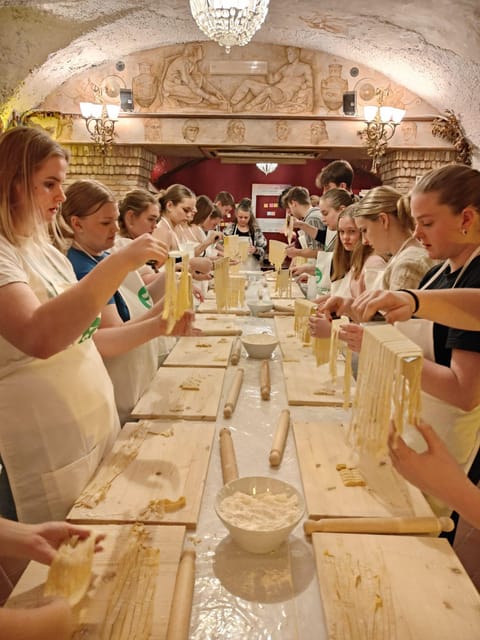
The class meets inside Trattoria Amici. Go into the restaurant and ask for the cooking class room, rather than waiting outside for a guide with a sign. You should arrive at least 15 minutes early. That advice matters here because late arrivals may not be accepted and may need to move to another session, with a €15 rescheduling fee per person.
The location is useful if you are already sightseeing around the Spanish Steps, Piazza di Spagna, or Via del Corso. You do not need to give up half a day for the activity. The class lasts two hours, so it can fit into an afternoon or evening without taking over your Rome schedule.
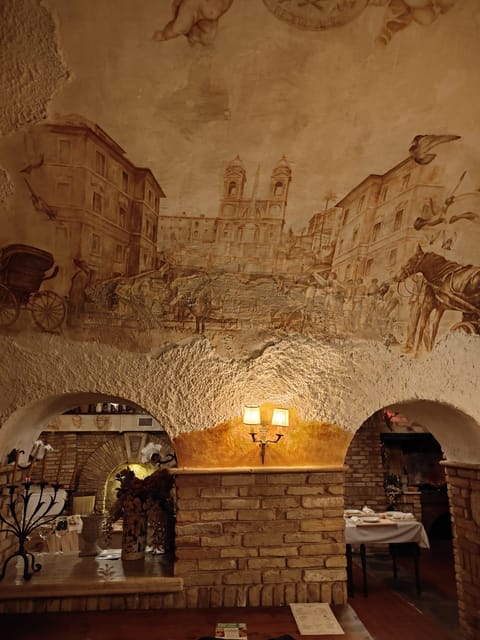
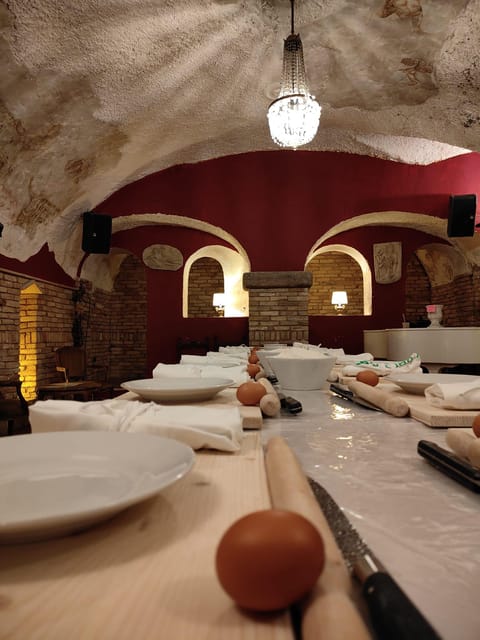
Inside, the cooking room has air conditioning, a real help during Rome’s warmer months. The original 1800s wall paintings add a pleasant sense of place. You are not cooking in a modern studio designed only for demonstrations. You are working inside an old Roman building that has been adapted for a restaurant and class.
That setting does not turn the lesson into a museum visit. The paintings are background rather than a separate attraction. Still, they make the meal feel more connected to Rome than a generic cooking school in a new commercial space.
More Cooking Classes in Rome
- 3 in 1 Cooking Class near Navona: Fettuccine, Ravioli & Tiramisu
★ 5.0 · 7,376 reviews - Rome: Pasta Making Class with Wine, Limoncello, and Dessert
★ 4.9 · 3,177 reviews - Rome: 3-in-1 Fettuccine, Ravioli, and Tiramisu Cooking Class
★ 4.9 · 2,704 reviews
What you actually make with egg and flour
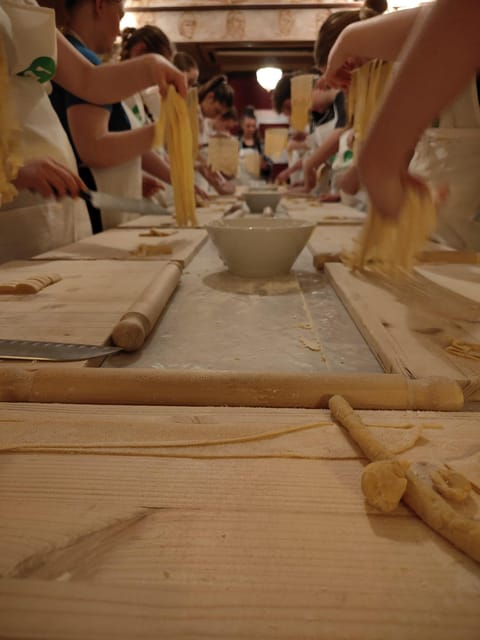
The pasta lesson begins with the basics: egg and flour. You mix the dough with your hands, work it until it comes together, roll it, and cut it into long strips. The goal is fettuccine, though one class participant described the finished shape as somewhere between tagliatelle and spaghetti. That is a fair expectation for a first attempt.
The value is in learning the feel of the dough. A recipe can tell you quantities, but it cannot fully explain how the mixture changes as you work it. The instructor demonstrates each step, then walks around to help at individual workstations.
Several instructors receive particular praise for making beginners comfortable. Lucas is described as patient, funny, and active around the room. Ricardo is noted for clear demonstrations and regular help. Irene focuses on the correct method and gives careful instruction. Andrea and Federico have also been praised for creating a relaxed atmosphere, while Gabi has handled a class in both English and Spanish.
The class is taught in English or Spanish. If you have never made pasta, you do not need to arrive with special skills. The instructions are designed for beginners, and the teachers help when the dough or cutting becomes awkward.
There is one important limit: your pasta is not cooked entirely as an individual portion. The class cooks the pasta collectively, then divides it according to the selected sauces. This keeps the timing manageable for a group, but it means you should not expect a private chef to prepare your exact portion from start to finish.
Choosing tomato, pesto, or Alfredo sauce
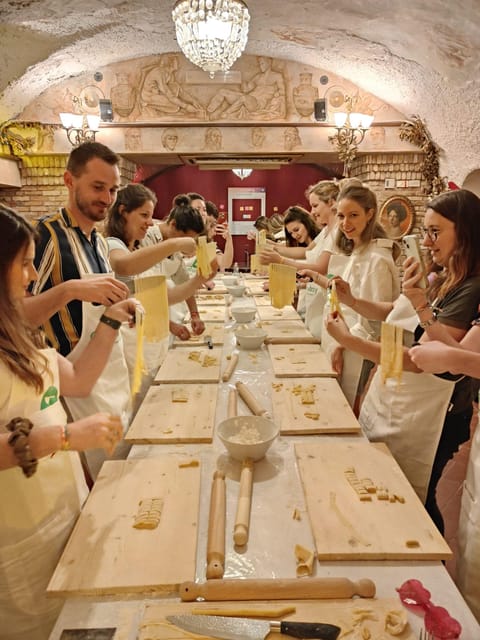
You can choose tomato and basil, pesto, or Alfredo sauce for the pasta. The restaurant kitchen prepares the sauces. That is convenient and ensures the food is ready for everyone at roughly the same time, but it reduces the amount of cooking you personally do.
This distinction matters if you are comparing the class with a longer, more technical Italian cooking course. Here, the main hands-on lesson is the pasta dough. You are not making every sauce from raw ingredients.
The finished dish is served as part of the meal, along with a glass of red or white wine, or a soft drink. Water is available throughout the class. The food is not presented as a formal tasting menu. It is a simple meal made from the work completed in the room, and that is part of its appeal.
Some people may find the pasta merely good rather than the best plate of pasta they eat in Rome. That is a reasonable tradeoff. You are paying for the instruction, social setting, and pleasure of eating something you shaped yourself, not only for a restaurant dish.
The wine helps turn the class into a shared dinner. You sit with the group, talk with classmates, and get a chance to relax after the practical work. For a solo visitor, this is one of the strongest reasons to book. You have a built-in table of people to meet without needing to arrange a dinner companion.
Making tiramisu as a group
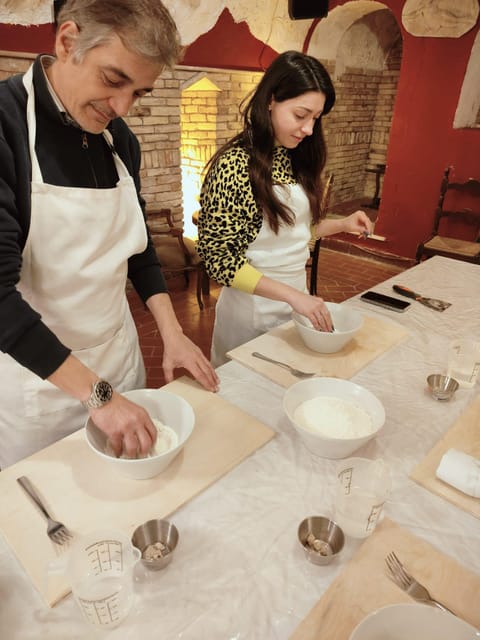
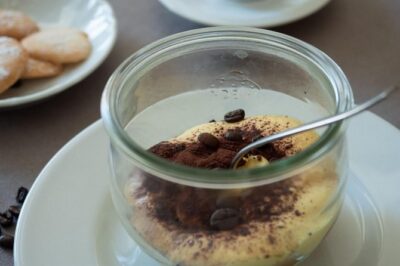
The tiramisu portion is simpler than the pasta, but it gives you a dessert you can repeat at home. The cream is prepared as a group. Each participant then makes an individual tiramisu, following the instructor’s directions.
This setup gives you both a shared task and a personal result. You are not starting every element from scratch, but you do assemble your own dessert. It also keeps the class moving, which is important when the entire activity must fit into two hours.
The tiramisu has been one of the most consistently praised parts of the meal. You will receive the dessert you made, eat it at the table, and get the recipe afterward so you can try it again at home.
If you are choosing between the two activities based on technical challenge, pasta requires more hands-on work. Tiramisu is easier, but it may be the more dependable home recipe. The pasta takes practice to repeat perfectly. The dessert gives you a quick win.
More Gelato & Tiramisu Classes in Rome
- Rome: Pasta & Tiramisu Class with Fine Wine by the Vatican
★ 4.9 · 4,852 reviews - Learn to Make Pasta & Tiramisu with Wine and Limoncello Included
★ 5.0 · 2,345 reviews - Become a Masterchef in Rome: Pasta, Ravioli and Tiramisù Class
★ 5.0 · 2,156 reviews - Rome: Fettuccine and Tiramisu Cooking Class with Wine
★ 4.8 · 2,013 reviews
The people make the class work
The cooking itself is only half the point. The instructors set the tone, and the strongest classes appear to depend on teachers who keep the room moving without making beginners feel clumsy.
Lucas is repeatedly singled out for humor, patience, encouragement, and a lively playlist. Ricardo is described as clear, funny, and helpful. Irene is praised for focusing on proper technique. Other instructors, including Andrea, Federico, Gabi, and Tim, are associated with warm service and steady support around the room.
The class can include English and Spanish speakers together. Gabi has been praised for explaining the steps clearly in both languages. If you are not fully confident in your English or Spanish, the demonstrations and physical nature of the tasks still give you another way to follow along.
You should expect a group atmosphere rather than quiet concentration. People talk, laugh, compare pasta shapes, and help create the tiramisu cream. That makes the evening lively, but it also means the room may feel busy and the pace can seem quick at points.
One participant found the class a little fast-paced, though the instructor helped everyone keep up. If you prefer slow, detailed, one-on-one coaching, this may not be the right format. If you enjoy learning while meeting people, the pace is more likely to feel energetic than stressful.
Is $58 a good value in central Rome?
At $58 per person, this is not the cheapest meal you can find in Rome. It is also not simply a meal. The price covers a two-hour class, ingredients, equipment, instruction, your pasta, your tiramisu, water, a glass of wine or soft drink, a limoncello toast, recipes, and a participation certificate.
The value is strongest if you would otherwise spend money on dinner near the Spanish Steps. You get an activity, a meal, and a social evening in one booking. One participant compared the price favorably with what two people might spend on an ordinary restaurant meal, especially when the food and instruction are counted together.
The value is weaker if your only goal is eating the finest pasta in Rome. The pasta is a product of a group lesson, and the sauces are made by the kitchen. You are paying for the process as much as the plate.
I would also count the location as part of the value. A central class can save time and make it easy to combine with sightseeing. You are not traveling across the city for a two-hour activity.
Wine, limoncello, and the small extras
The included drink is a glass of red or white wine, or a soft drink. You can drink water throughout the class. Additional drinks cost extra, as does any extra food.
The evening ends with a limoncello toast. Take-away limoncello is not included, so think of it as a final shared drink rather than a bottle to bring home. One participant also mentioned the option of a personalized limoncello bottle with your face on it, but that should be treated as an optional extra rather than part of the standard package.
The certificate is a small touch, not a serious culinary qualification. It works well as a souvenir, especially for children and teenagers. The recipes are more useful. They give you a real chance to repeat the pasta and tiramisu once you are back home.
Who will enjoy this class most?
This class suits families, couples, groups of friends, and solo visitors. Children under seven can join free, but they must share a workstation with an accompanying adult. Families with teenagers have found the hands-on format easy to enjoy, particularly on a rainy day when outdoor sightseeing is less appealing.
It is also a good choice if you want an evening activity that is not another guided walk. You learn a practical skill, eat dinner, and meet people in a short time.
Solo visitors get a natural social setting. You sit with classmates for the meal, and the instructors actively involve the room. You do not need to be outgoing, though a willingness to talk makes the shared format more rewarding.
The class is not suitable for vegans. You should report allergies and dietary restrictions in advance. The team will try to help, but a fully allergen-free environment and the absence of cross-contamination cannot be guaranteed.
The activity is also not suitable for wheelchair users. The supplied information does not provide details about group size, so you should ask before booking if the size of the class is important to you.
Timing, cancellation, and what to bring
The duration is two hours, with different starting times depending on availability. Check the time carefully when booking and allow enough time to reach Trattoria Amici. The Spanish Steps area can be crowded, and a rushed arrival is a poor way to start a class that requires an early check-in.
You can cancel up to 24 hours in advance for a full refund. Reserve now and pay later is available, which is useful when your Rome plans are still shifting. The class requires a minimum number of participants. If that minimum is not reached, you will be offered another date or a full refund.
You do not need to bring cooking equipment or ingredients. Those are supplied. Bring an appetite, arrive early, and tell the provider about allergies before the class begins.
Should you book the Spanish Steps pasta class?
Book it if you want a friendly, hands-on dinner activity in central Rome, especially if you are traveling with children, meeting new people, or looking for a break from monuments. The pasta and tiramisu are simple enough for beginners, and the recipes give the class value after the meal is over.
Skip it if you want a private lesson, a serious chef-training session, or a fully vegan menu. The collective pasta cooking and kitchen-prepared sauces limit the technical depth.
For most visitors, $58 is a fair price because it combines instruction, dinner, drinks, and an easy-to-reach location. The best reason to go is not that you will make perfect restaurant pasta on your first try. It is that you will spend two lively hours learning something useful, eating your own work, and leaving with a recipe you can try again at home.
FAQ
Where does the cooking class meet?
Go inside Trattoria Amici near the Spanish Steps and ask for the cooking class room.
How long does the class last?
The cooking class lasts two hours. Starting times vary, so check availability when booking.
What food and drinks are included?
You make fresh fettuccine and tiramisu. The pasta comes with tomato and basil, pesto, or Alfredo sauce. The package includes water, a glass of red or white wine or a soft drink, and a limoncello toast.
Are the sauces made during the class?
The restaurant kitchen prepares the sauces. The class cooks the pasta collectively and divides it according to the selected sauces.
Can children join the activity?
Children under seven may join free, but they must share a workstation with an accompanying adult.
Is the class suitable for vegans or wheelchair users?
No. The activity is not suitable for vegans or wheelchair users. You should also report allergies and dietary restrictions in advance, although a completely allergen-free environment cannot be guaranteed.
More Pasta-Making in Rome
- Rome: Fettuccine Pasta Cooking Class in Rome’s City Center
★ 4.8 · 2,414 reviews - Rome: Traditional Pasta with Cocktails Cooking Class
★ 5.0 · 2,374 reviews - Pasta Cooking Class Near the Colosseum with 3 Spritz Cocktails
★ 5.0 · 1,686 reviews - Enjoy Spritz and Pasta Making in Piazza Navona
★ 5.0 · 1,681 reviews
Just added around Rome
- Boat excursion to Gaeta with a stop for swimming and snorkeling 2 HOURS★ 5.0 · 240 reviews
- Palatine Hill and Roman Forum Tour with Fast-Track Entrance★ 4.2 · 417 reviews
- Tivoli: Villa D’Este & Villa Adriana Pass & App Audioguide★ 4.4 · 364 reviews
- Tivoli: Villa D’Este Entry Ticket and App Audio Guide★ 4.3 · 191 reviews
- From Rome: Villa D’Este & Villa Adriana Day Trip with Lunch★ 4.4 · 289 reviews
- Vatican Museums & Sistine Chapel Skip-the-Line Guided Tour★ 4.6 · 254 reviews
- Rome: Capitoline Museums and Centrale Montemartini Tickets★ 4.4 · 328 reviews
- Rome: The Three Tenors at St. Paul’s Church Concert Ticket★ 4.7 · 699 reviews
Gelato & Tiramisu Classes, compared.
3 in 1 Cooking Class near Navona: Fettuccine, Ravioli & Tiramisu
Read our review →
Florence Pizza or Pasta Class with Gelato Making at a Tuscan Farm
Read our review →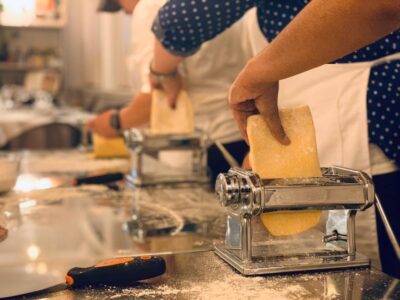
Pasta & Tiramisu Cooking Class with Unlimited Wine
Read our review →
Pasta & Tiramisu Class with Fine Wine by the Vatican
Read our review →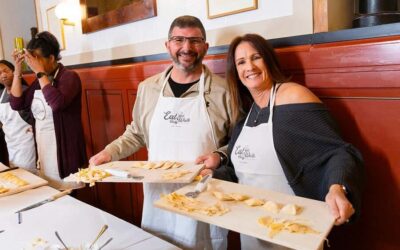
3-in-1 Fettuccine, Ravioli, and Tiramisu Cooking Class
Read our review →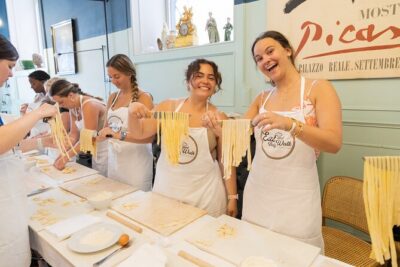
Learn to Make Pasta & Tiramisu with Wine and Limoncello Included
Read our review →
Cooking Class Pasta & Tiramisu Making Unlimited Wine
Read our review →
Become a Masterchef in Rome: Pasta, Ravioli and Tiramisù Class
Read our review →Browse the lists this tour appears in