Reviewed · FULL-DAY
From Civitavecchia: Full-Day Panoramic Bus Tour of Rome
Rome in one day is a tall order, but this $64 full-day tour from Civitavecchia gives you a practical way to tackle it. You ride into the city by coach, walk between major sights with a tour leader, and use the bus for longer stretches. It is built for first-time visitors who want the big Roman picture rather than a slow look at one neighborhood.
I especially like the strong mix of guided walking and panoramic driving, plus the chance to see both ancient monuments and Baroque Rome in one outing. Guides including Daniel, Andrea, Andre, and Maurice have been singled out for clear explanations, good humor, and careful timing. The tradeoff is pace: large groups, crowded streets, and a lot of walking can make the day tiring, particularly in hot weather or for older visitors.
Key points to know before booking
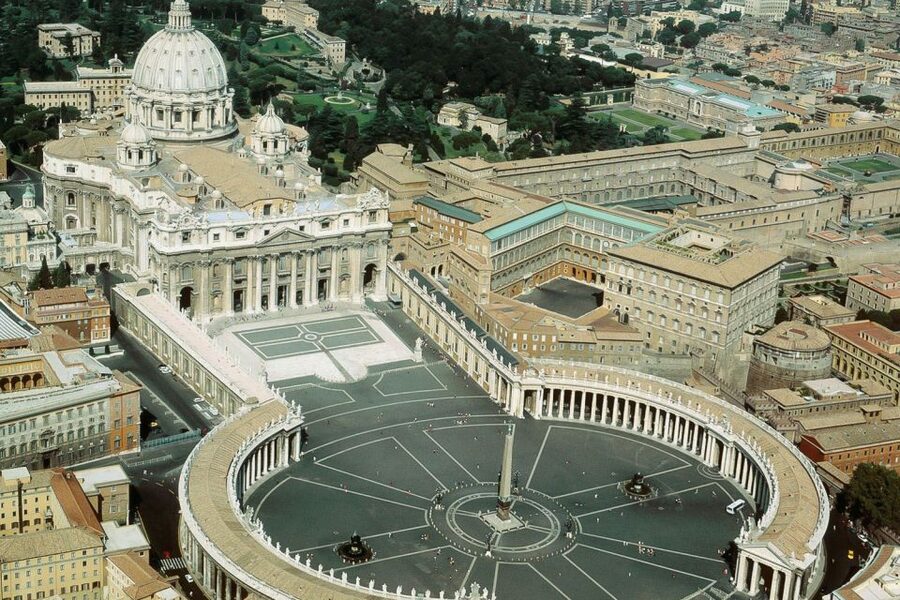
- St. Peter’s is an exterior visit: You see the basilica, square, and Bernini’s colonnade, but priority entry inside is not included.
- The Colosseum is a 20-minute photo stop: Admission to the Colosseum and Roman Forum is not part of the tour.
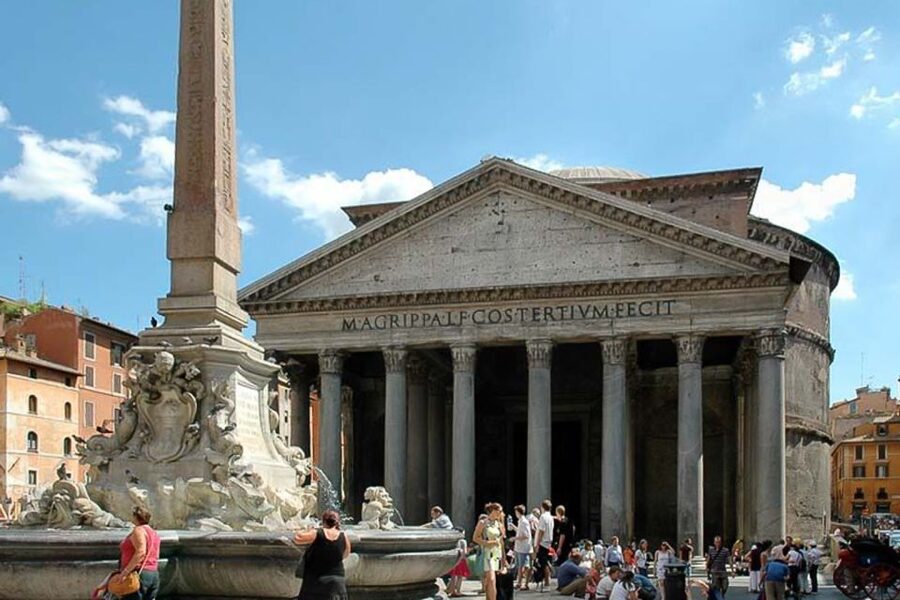
- The Pantheon is an interior stop: You can see its huge dome and tombs, including those of Victor Emmanuel II and Raphael.
- The bus saves your legs: Longer sections between Castel Sant’Angelo, the Baths of Caracalla, the Colosseum, and central Rome are made by coach.
- Expect a multilingual group: English, French, Spanish, and German are offered, and the tour may be bilingual.
- Plan for a brisk day: Comfortable shoes are essential, and the route is not suitable for wheelchair users or people with mobility impairments.
What this Civitavecchia to Rome tour is really designed to do
This is a sightseeing sampler, not a deep visit to each monument. In eight hours, you get a guided introduction to Rome’s most famous sights, with a few stops for photographs, short walks, and independent time.
That approach makes good sense when your ship is in port for only one day. Civitavecchia lies well outside Rome, so simply getting into the city and back takes a sizable part of your schedule. The air-conditioned coach removes the stress of arranging trains, taxis, and city transport on your own.
The tour also gives you a guide who can explain what you are seeing as the city passes by. That matters in Rome, where a plain-looking street corner may conceal an ancient forum, imperial road, or Baroque church. Guides such as Daniel and Andrea have been praised for giving historical context without losing control of the clock.
You should not expect long museum visits or a leisurely lunch. The day is about coverage. You see a great deal, but Rome’s traffic, crowds, uneven paving, and large walking group mean the schedule can feel tight.
More Full-Day Tours in Rome
- Tivoli Full Day Trip from Rome: Hadrian’s Villa and Villa D’Este
★ 4.5 · 1,730 reviews - Rome: Full-Day Colosseum, Vatican Museums & City Center Tour
★ 4.8 · 563 reviews - Appia Antica: Full Day Bike Rental with Customizable Routes
★ 4.6 · 419 reviews
From Civitavecchia to Castel Sant’Angelo
Your tour leader meets you at the port before you board a spacious, air-conditioned coach. The exact meeting point can vary by booking option, so check your confirmation carefully rather than assuming every departure uses the same location.
The drive to Rome gives you a chance to rest before the walking begins. Past experience on this route has included occasional delays while passengers from different ships gather, so do not expect the coach to leave the instant you arrive. Once underway, the coach is one of the tour’s most useful features, especially compared with trying to reach Rome independently during a port day.
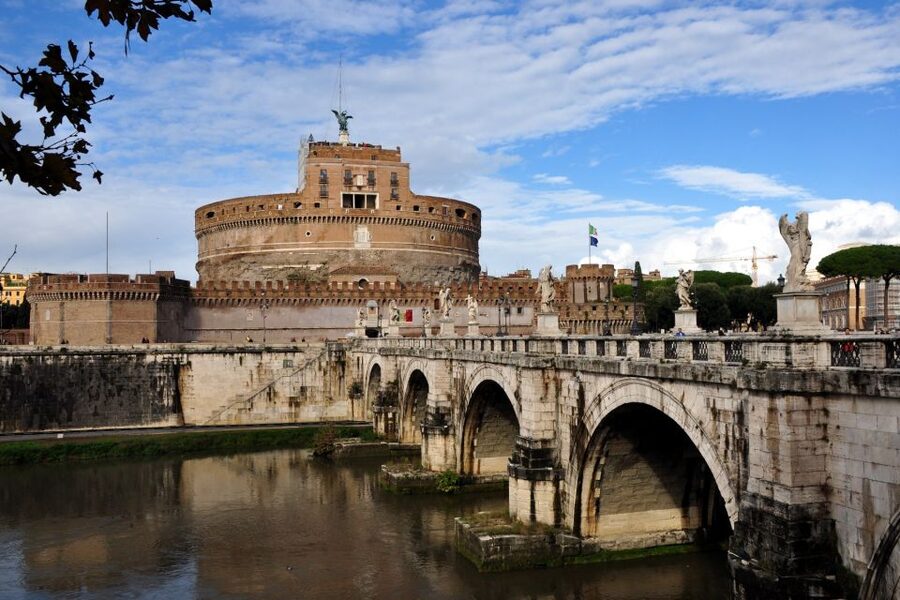
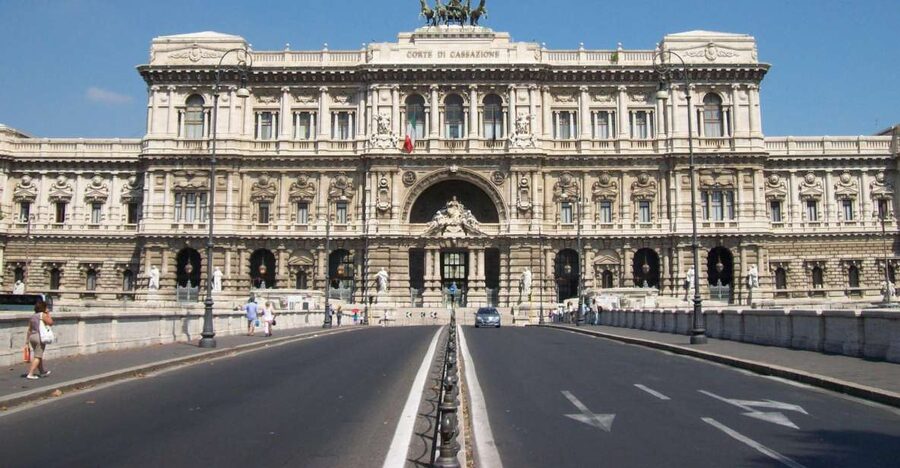
The first Roman stop is near Piazza dei Tribunali and the Palace of Justice, often called the Palazzaccio. From here, the tour moves toward Castel Sant’Angelo, the massive cylindrical fortress beside the Tiber.
Castel Sant’Angelo began life as the mausoleum of Emperor Hadrian before taking on military and papal roles. You do not enter it on this tour, but the exterior is an impressive opening sight. Its thick walls and high round form look very different from the elegant churches and fountains you will see later.
St. Peter’s Square from Via della Conciliazione
The route continues toward St. Peter’s Basilica along Via della Conciliazione. This broad approach gives you a strong view of the basilica’s dome and facade before you reach the great square.
The main stop is outside. You can admire St. Peter’s Basilica and Bernini’s enormous semicircular colonnades, built in the seventeenth century to frame the square. The colonnades are one of Rome’s best examples of Baroque theater: they guide your eye toward the basilica and make the open space feel enclosed.
Be clear about what is and is not included. You do not receive priority admission to St. Peter’s, and the tour does not promise an interior visit. That is not a small distinction during busy periods, when entering the basilica can require security checks and a separate wait.
For a first visit, the exterior still delivers a memorable view. You get time for photographs and an explanation of the square’s design without risking a long line that could disrupt the rest of the day.
A panoramic ride past Rome’s ancient monuments
After the Vatican-area visit, you meet the tour leader at a designated point for the next part of the day. The coach then takes over for a panoramic circuit through Rome.
You cross the Tiber near Tiber Island and pass the Pyramid of Cestius, an unusual white pyramid built as a tomb in ancient Rome. It is one of those sights you might easily miss on foot because it sits beside a modern road and cemetery walls.
The coach also passes the Baths of Caracalla, the second largest Roman baths. These ruins once formed a huge public complex with bathing rooms, exercise areas, gardens, and decoration. You see them from outside rather than touring the site.
This bus section is valuable because it links areas that are far apart. It also lets you hear more of the city’s story without spending every minute crossing Rome on foot. The drawback is that traffic can reduce the time available at later stops. Rome is not a city where a coach can always move quickly.
Same city, a completely different sort of day:
- Vatican: Museums & Sistine Chapel Entrance Ticket
★ 4.5 · 144,003 reviews - Vatican Museums & Sistine Chapel Tour with Optional Basilica
★ 4.3 · 67,413 reviews - Colosseum, Roman Forum & Palatine Guided Tour
★ 4.7 · 63,148 reviews - Vatican Museums, Sistine Chapel & St Peter’s Basilica Guided Tour
★ 4.5 · 39,149 reviews
The Colosseum photo stop
The Colosseum is scheduled as a 20-minute photo stop. You get an exterior view of the world’s largest amphitheater and time to take pictures from the best available position.
That is enough for a first impression, but it is not enough for an archaeological visit. Admission to the Colosseum and Roman Forum is excluded, so you cannot walk through the arena or explore the ancient civic center as part of the $64 price.
This arrangement keeps the tour moving and avoids the long entry process that can consume a port day. Still, if the Colosseum is your main reason for visiting Rome, you may find the stop too brief. The tour is better for seeing the monument and getting a photograph than for studying its construction, underground levels, or nearby Forum ruins.
Keep your group close here. Rome’s crowds can separate a large party quickly, and guides may walk fast to stay on schedule. A guide such as Andrea may point out the best photo angles, but you still need to listen carefully for the meeting time.
Capitoline Hill and the Altar of the Fatherland
The coach continues to Via Petroselli, near the Theatre of Marcellus. From here, you reach Capitoline Hill and see the Cordonata, the broad stairway designed by Michelangelo that leads toward Piazza del Campidoglio.
The hill is tied to ancient Roman government and religion, while the square above shows Renaissance planning at its most controlled. Even a brief visit helps you understand how Rome layers different periods on top of one another.
The route then brings you to the Altar of the Fatherland in Piazza Venezia. This enormous white monument honors Victor Emmanuel II, the first king of unified Italy. Locals have never been entirely fond of its scale, but it is hard to ignore. Its broad steps and bright stone make a strong photographic subject, especially against the darker buildings and ruins around Piazza Venezia.
From this area, you can also look along Via dei Fori Imperiali toward the Colosseum. The road cuts through the former imperial center and gives you a sense of the scale of the ancient city.
Trajan’s Forum and the Trevi Fountain
The tour continues past Trajan’s Forum, one of the most impressive imperial complexes in Rome. The remains include the famous Trajan’s Column, carved with a spiral record of the emperor’s military campaigns.
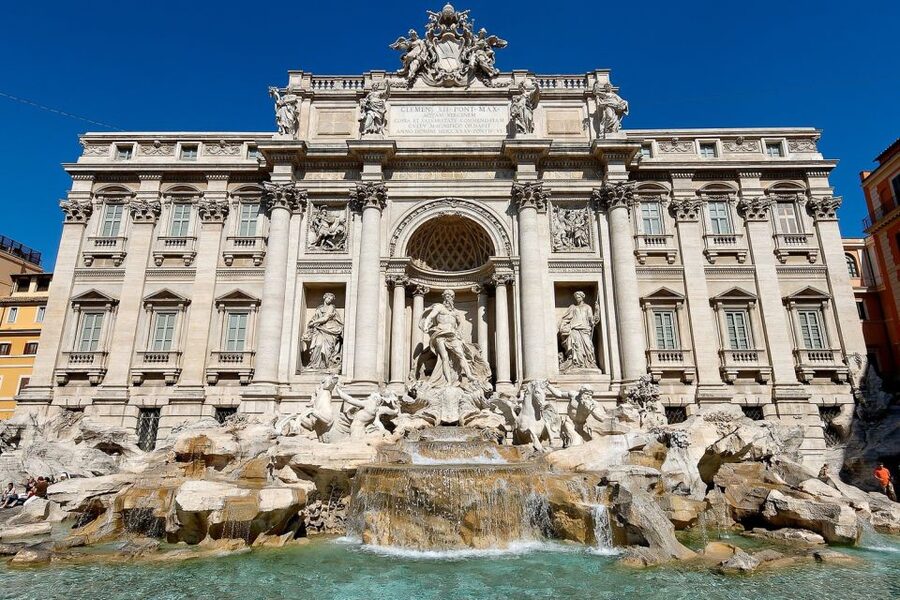
You then reach the Trevi Fountain, where you have time to toss in a coin. The custom says a coin tossed with the right hand over the left shoulder helps ensure a return to Rome. The fountain itself is a Baroque showpiece, filled with movement, carved figures, and water.
This is one of the stops where crowd levels can make a real difference. You may need patience to reach the front edge for a clear photograph. Stay aware of the guide’s instructions and do not wander too far, since the next part of the route depends on the group leaving together.
A short break for lunch or gelato fits into this section of the day. You pay for food yourself, and the time is limited. One useful tip is to eat around the middle of the tour rather than waiting until the final stop. A quick meal keeps the afternoon more comfortable, while gelato offers an easy option when you do not want to lose time in a restaurant.
Inside the Pantheon
The Pantheon is one of the strongest stops on the route because you go inside. Its concrete dome remains the main attraction, with the central oculus opening to the sky.
The building began as a Roman temple and later became a Christian church. Inside, you can see the tomb of Victor Emmanuel II and the tomb of Raphael. The Pantheon’s power comes from its proportions and engineering, not just its age. Looking up from the floor gives you a clear sense of how the dome changes the whole interior.
Allow your attention to shift from the dome to the walls and side chapels. The building has survived because it was reused rather than left as an abandoned ruin. That makes it a particularly useful stop for understanding how Rome’s ancient structures continued into later centuries.
The Pantheon visit may be one of the day’s most satisfying moments, but it also reinforces the tour’s limits. You receive an introduction, not an extended architectural study. If you want to linger, you may need to accept less time at another stop.
Piazza Navona and the Four Rivers Fountain
The final major stop is Piazza Navona, a long, elegant square built over the shape of an ancient Roman stadium. Its centerpiece is Bernini’s Fountain of the Four Rivers, with figures representing four great rivers of the world known in Bernini’s time.
Piazza Navona is a good place to end because it feels more open and relaxed than the Trevi Fountain area. You can look at the fountain, take photographs, and absorb the Baroque character of central Rome before returning to the coach.
The day ends with the journey back to Civitavecchia. Timing is the key concern. Traffic can be heavy, and the coach must return to the port on schedule, so you should not treat the final free time as flexible. The tour’s purpose is to get you back safely for your ship, not to extend your evening in Rome.
How much walking and waiting should you expect?
You should be comfortable walking on stone streets and uneven paving. The tour covers several separate areas, and you may walk quickly between meeting points, monuments, and photo locations.
Heat makes a major difference. A September visit was described as very hot, with busy streets and a fast pace. Rain can also make the day harder, though the itinerary continues in poor weather. Wear comfortable shoes and bring weather protection appropriate to the season.
There are limited opportunities for restroom stops, so use facilities when the chance appears. The tour is not suitable for wheelchair users or people with mobility impairments, and it is a poor fit if you need frequent rests.
Large groups are another practical issue. Some departures have approached 100 people, and the tour may combine English with another language. Earphones can help, but background noise may still make the guide difficult to hear in crowded areas. If you are joining a bilingual group, expect explanations to take longer and the walking pace to remain firm.
Guide quality, languages, and group size
The guide can make or break a fast Rome tour. Daniel has been praised for handling large groups, speaking clearly through earphones, and explaining the main monuments. Andrea and Andre have also been noted for humor, organization, and strong local knowledge. Maurice has been described as energetic and fit, though that energy may require you to keep up.
English, French, Spanish, and German are available. The panoramic tour can be bilingual, so confirm the language arrangement before booking if detailed commentary matters to you.
The best guides do more than list dates. They point out useful photo spots, explain why a monument matters, and keep the group moving. The weak point is rarely the subject matter. It is usually the size of the group and the noise around it.
Is $64 good value from a cruise port?
At $64 per person, the price is attractive for a full day that includes port pickup and drop-off, coach transport, a tour leader, onboard commentary, and several guided stops.
The value is strongest if you are a first-time visitor and want to see the main sights without paying for a private car or arranging several separate transfers. You also avoid the risk of navigating from Civitavecchia to Rome on your own during a limited port call.
The price does not cover lunch, drinks, Colosseum admission, Roman Forum admission, or priority entry to St. Peter’s. Those exclusions are reasonable for a panoramic tour, but they matter if you expect entry to every major monument.
Compared with the often higher price of cruise-line excursions, this tour can be a solid bargain. The savings come with a larger group and a faster pace. I would pay the price gladly for a first overview, but I would choose a smaller or entry-focused tour for a return visit.
Who should book this day in Rome?
You are a good match if you:
- Have one port day and want to see the famous sights
- Prefer a guide and coach rather than managing public transport
- Are comfortable with several hours of walking
- Want the Pantheon interior but can accept exterior visits at St. Peter’s and the Colosseum
- Value a low price and broad coverage over long visits
- Can keep track of meeting times in a large group
You may want another option if you want to enter the Colosseum, spend hours at the Roman Forum, visit the Vatican Museums, or move at a relaxed pace. You should also reconsider if heat, uneven streets, crowded squares, or fast walking are difficult for you.
Should you book it?
Book this tour if you want a well-priced first look at Rome from a cruise port. The route covers an impressive number of major sights, and the coach makes a sprawling city manageable in one day.
Do not book it expecting an intimate tour or a complete archaeological visit. You will spend more time seeing and photographing Rome than entering its monuments. For a single day, that is a fair trade, provided you wear good shoes, stay close to the group, and accept that the city will feel rushed.
The best way to think of it is as a strong opening chapter. You see St. Peter’s, the Colosseum, Trevi Fountain, the Pantheon, Piazza Navona, and several ancient sites. If Rome catches you, you will know exactly where to return for a slower visit.
FAQ
Is the Colosseum included inside the tour?
No. The tour includes a 20-minute exterior photo stop at the Colosseum. Admission to the Colosseum and Roman Forum is not included.
Can I enter St. Peter’s Basilica?
Priority admission to St. Peter’s Basilica is not included. The tour views the basilica, St. Peter’s Square, and Bernini’s colonnade from outside.
Does the tour enter the Pantheon?
Yes. The itinerary includes an interior visit to the Pantheon, where you can see the dome and the tombs of Victor Emmanuel II and Raphael.
What languages are available?
The live tour guide is offered in English, French, Spanish, and German. The panoramic portion may be bilingual.
Is lunch included?
No. Lunch and drinks are not included. You receive time to buy a quick meal or gelato during the day.
Is the tour suitable for wheelchair users?
No. The tour is not suitable for wheelchair users or people with mobility impairments. Comfortable shoes are recommended because the itinerary involves substantial walking.
Just added around Rome
- Boat excursion to Gaeta with a stop for swimming and snorkeling 2 HOURS★ 5.0 · 240 reviews
- Palatine Hill and Roman Forum Tour with Fast-Track Entrance★ 4.2 · 417 reviews
- Tivoli: Villa D’Este & Villa Adriana Pass & App Audioguide★ 4.4 · 364 reviews
- Tivoli: Villa D’Este Entry Ticket and App Audio Guide★ 4.3 · 191 reviews
- From Rome: Villa D’Este & Villa Adriana Day Trip with Lunch★ 4.4 · 289 reviews
- Vatican Museums & Sistine Chapel Skip-the-Line Guided Tour★ 4.6 · 254 reviews
- Rome: Capitoline Museums and Centrale Montemartini Tickets★ 4.4 · 328 reviews
- Rome: The Three Tenors at St. Paul’s Church Concert Ticket★ 4.7 · 699 reviews
Full-Day, compared.
From Naples: Sorrento, Positano and Amalfi Full-Day Tour
Read our review →
From Sardinia: La Maddalena Archipelago Full-Day Boat Tour
Read our review →
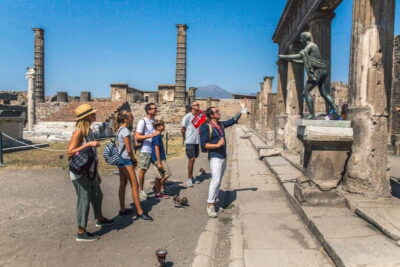
Naples or Sorrento: Full-Day Pompeii and Mount Vesuvius Tour
Read our review →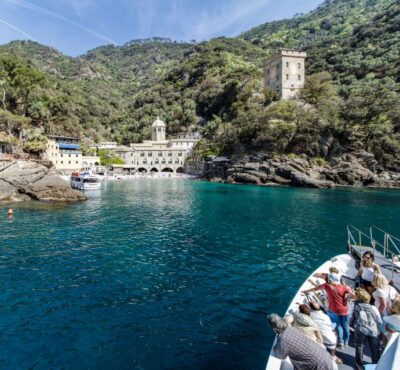
Full-Day Tour to Camogli, San Fruttuoso & Portofino
Read our review →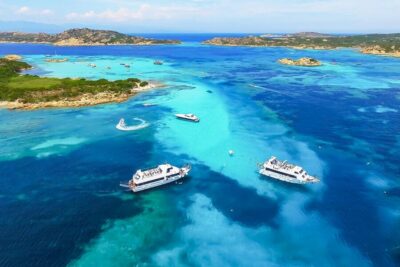
Sardinia: La Maddalena Archipelago Full-Day Trip by Boat
Read our review →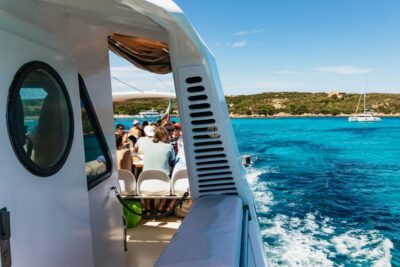
From Palau: La Maddalena Islands Full-Day Trip by Boat
Read our review →