
Reviewed · WINE TOURS
Rome: Food & Wine Tour of Campo de Fiori, Ghetto, Trastevere
Rome’s best food lesson may come one bite at a time. This walking tour links Campo de’ Fiori, the Jewish Ghetto, and Trastevere, pairing Roman classics with the stories behind them. You’ll sample pizza bianca with mortadella, mozzarella, supplì, fried artichoke, codfish, pasta, wine, and gelato.
I like the small group size of 15 and the way food leads you into neighborhoods you might otherwise pass through too quickly. I also like that guides such as Natasha, Lisa, Mariel, and Valeria add practical advice about ordering, shops, and restaurants, not just a list of dates and monuments.
The main drawback is that this is a substantial amount of food, not a light tasting walk. You’ll also need comfortable walking shoes, and the tour is not suitable for wheelchair users, vegans, or people with food allergies. Vegetarians may be accommodated, but you should not assume every restriction can be handled.
Key points to know before booking
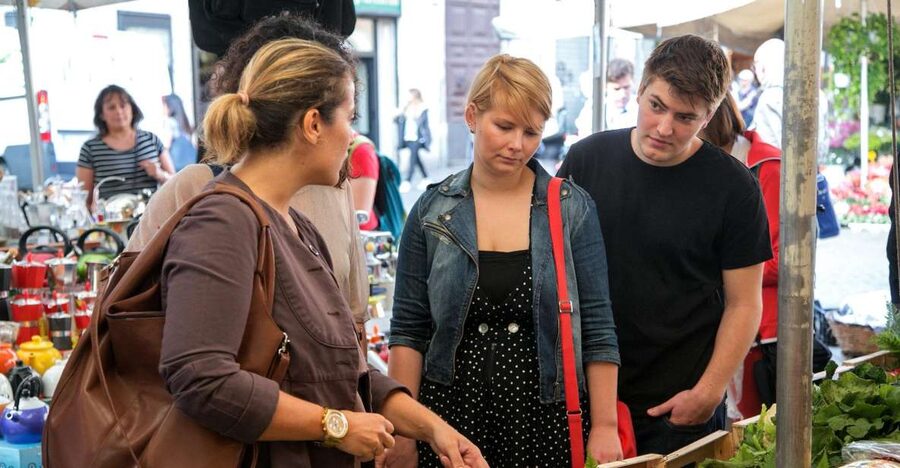
- Roman classics in one sitting: Expect pizza bianca with mortadella, supplì, fried artichoke, codfish, pasta, cheese, salami, wine, and gelato.
- Three central neighborhoods: The route connects Campo de’ Fiori, the Jewish Ghetto, and Trastevere through food and local history.
- Morning and afternoon routes differ: The morning option visits Campo de’ Fiori Market. Afternoon tours replace it with a grocery shop and aperitif.
- Come hungry: Several people found the portions generous enough to feel like a full meal.
- A good first-day activity: The tour helps you learn Roman food customs and gather restaurant ideas for the rest of your stay.
- Plan for weather and walking: The tour runs in all weather, and luggage or large bags are not allowed.
A Roman food tour with a full meal hiding inside
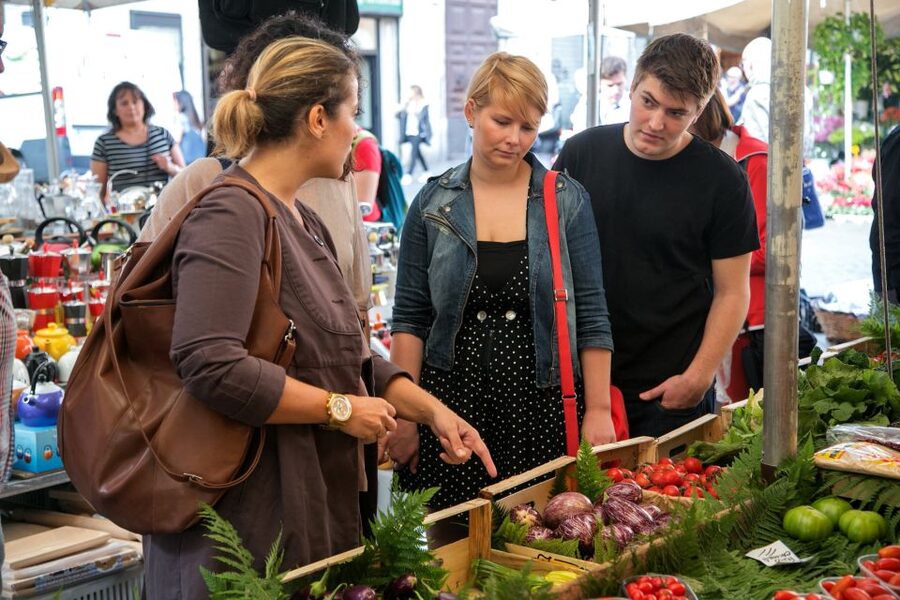
At $81 per person, this tour costs more than simply ordering a plate of pasta and a gelato. The difference is the guided route, the number of tastings, the neighborhood context, and the chance to ask questions as you go.
You are not paying only for food. You are paying for a three-and-a-half-hour introduction to how Romans shop, snack, order pasta, and think about traditional dishes. The tour can run from two to three and a half hours depending on the option booked, so check the exact duration and meeting point before you reserve.
I would place this near the start of a Rome visit. You’ll learn what pizza bianca is, how to spot serious gelato, which Roman snacks deserve your attention, and where you may want to return for a longer meal. Several guides also share restaurant suggestions, recipes, and advice on local customs.
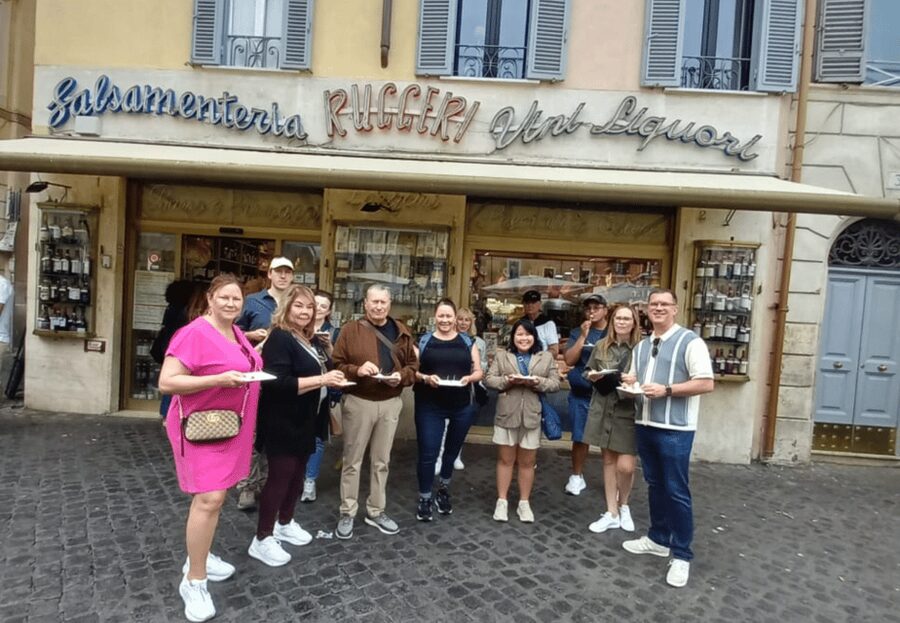
The group limit matters. With no more than 15 people, you should be able to hear the guide and ask questions without turning every stop into a crowd-management exercise. Guides including Natasha, Lisa, Mariel, Gloria, Federica, and Valeria have been praised for combining warmth with clear explanations, though your guide will depend on the date and option.
More Food Tours in Rome
- Winner 2025 Rome Twilight Trastevere Food Tour by Eating Europe
★ 5.0 · 5,157 reviews - Rome: Trastevere or Jewish Quarter Street Food Tour
★ 4.8 · 3,839 reviews - Rome Food Tour: Unlimited Tastings with Fine Wine & Barolo
★ 5.0 · 3,365 reviews
Campo de’ Fiori: start with the market, when the stalls are open
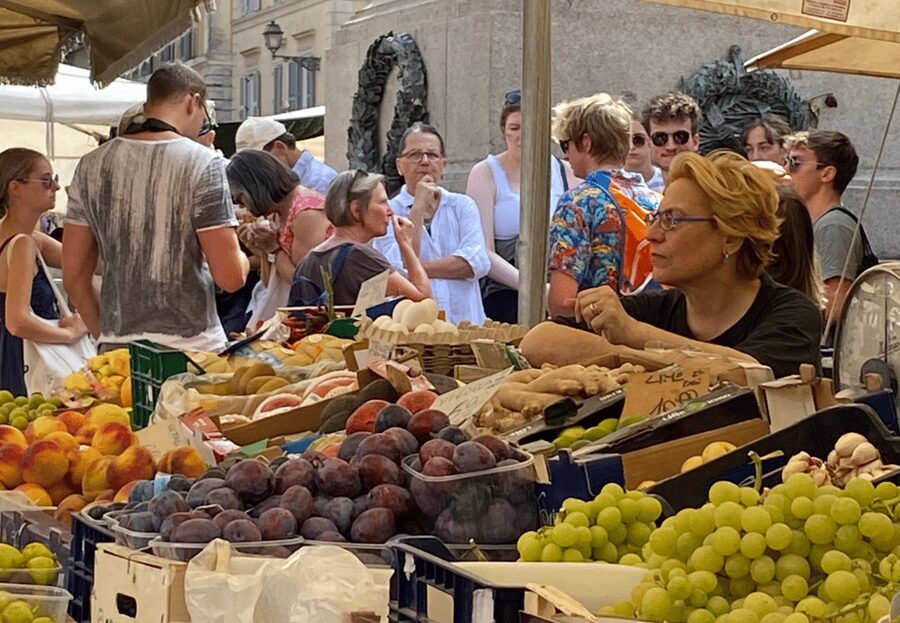
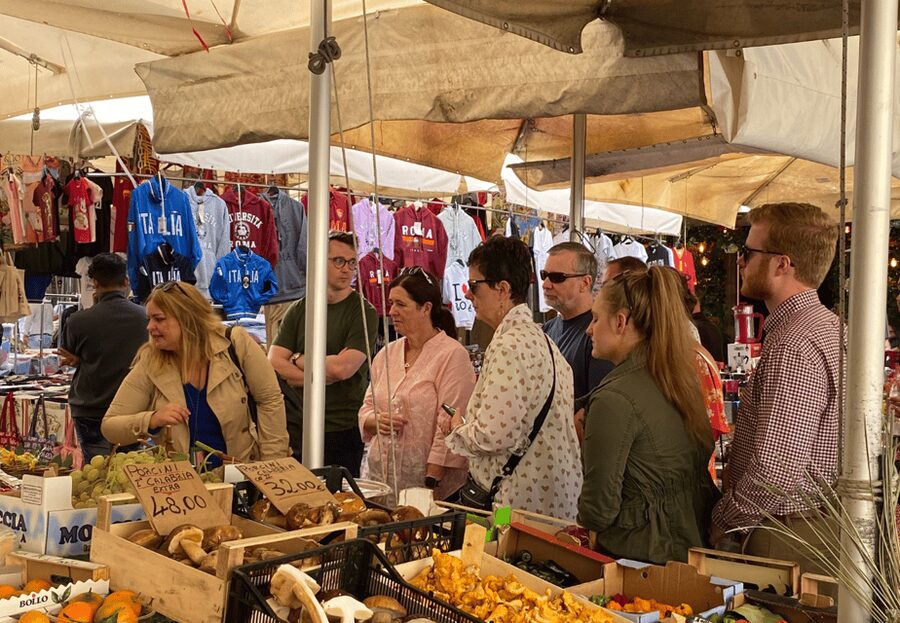
The morning tour begins at Campo de’ Fiori Market. This is the best time to see the square as a food stop rather than only a famous Roman photo location.
You might find brightly displayed fruits and vegetables, spices, cheeses, cured meats, and other ingredients used in Italian cooking. The value here is not simply taking a few pictures. A good guide can explain how ingredients fit into Roman meals and why Italian food culture pays close attention to quality and seasonality.
The market visit also sets up the tastings that follow. You’ll begin to recognize the relationship between simple ingredients and the finished foods served in bakeries, shops, and restaurants.
The market is not part of the afternoon route because of its opening hours. Instead, the later tour visits a typical grocery shop and includes an aperitif. That substitute still gives you a look at everyday food shopping, but it is not the same experience as seeing Campo de’ Fiori Market in operation. If the market is important to you, choose the morning option.
Pizza bianca and mortadella: Rome’s practical snack
One of the early food lessons is pizza bianca with thin slices of mortadella. This is not a loaded American-style pizza. It is a soft, airy Roman bread with a crisp surface, used as a simple carrier for savory mortadella.
The combination makes sense as a Roman snack because it is portable, filling, and built around a few good ingredients. You’ll get more from it if you pay attention to the texture of the bread and the salt and spice of the meat rather than expecting a complicated dish.
The tour also includes a mozzarella tasting with Roman salami. This is a useful comparison point. You can taste the cheese on its own, then see how it works beside cured meat and bread. The guide may also explain what to look for when buying cheese and how food shops differ from places aimed mainly at tourists.
The tastings are not tiny decorative samples. The repeated advice from past participants is clear: skip or reduce breakfast before a morning tour. Even if you have a hearty appetite, the sequence adds up quickly.
The Jewish Ghetto: food shaped by community and custom
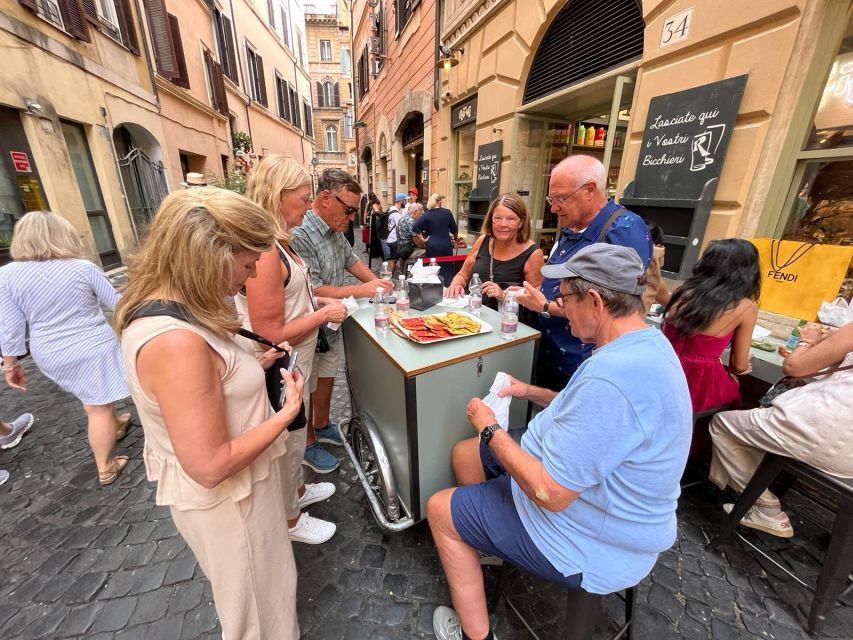
The Jewish Ghetto is one of the strongest parts of the route because the food connects directly with the character of the neighborhood. You’ll visit food shops and try typical Roman dishes, with fried artichoke, supplì, and fried codfish among the listed possibilities.
The fried artichoke is especially tied to Roman Jewish cooking. Its appeal is straightforward: a crisp exterior, a tender center, and a dish that rewards careful frying. Artichokes are seasonal, so the exact version may vary during your visit. If you travel outside artichoke season, you may not get the same preparation.
Supplì is another essential Roman bite. It is a fried rice ball with tomato-seasoned rice and a center of melted mozzarella. The contrast is the point: browned crust outside, soft rice inside, and warm cheese in the middle.
You may also try fried codfish, another traditional choice in the area. These dishes help explain why Roman food is not limited to pasta and pizza. Frying, preserved foods, vegetables, cheese, and simple grains all have a place in the city’s cooking.
The neighborhood portion includes history as well as food. Guides such as Lisa and Mariel have been praised for explaining the area’s past while keeping the pace easy. That combination is useful because the Ghetto can otherwise become a quick walk between major sights, with little sense of how its food traditions developed.
More Wine Tours in Rome
- Rome: Pasta & Tiramisu Class with Fine Wine by the Vatican
★ 4.9 · 4,852 reviews - Rome: Pasta Making Class with Wine, Limoncello, and Dessert
★ 4.9 · 3,177 reviews - Rome: Trastevere Food tour with Free-Flowing Fine Wine
★ 5.0 · 2,853 reviews - Learn to Make Pasta & Tiramisu with Wine and Limoncello Included
★ 5.0 · 2,345 reviews
Trastevere: pasta, shops, and a proper finish with gelato
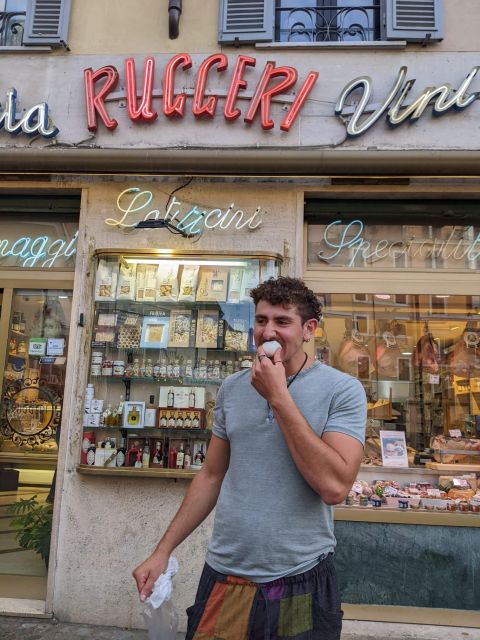
The route continues to Trastevere, where you’ll visit traditional restaurants, specialty food stops, and a gelateria. The pasta tasting is a chance to focus on one of Rome’s most important subjects: why some pasta feels better than the rest.
The guide may discuss texture, cooking, ingredients, and the habits that shape a good Roman pasta dish. The specific pasta preparation can vary, but the lesson is practical. You’ll be better prepared to judge a plate by its texture and balance instead of assuming a famous name guarantees a good meal.
You’ll also have opportunities to taste regional wine at the food stops. This is not presented as a separate wine education course, but the wine helps turn the series of samples into a shared meal. If you do not drink alcohol, confirm what alternatives are available when booking.
The final stop is gourmet gelato in Trastevere. It is a smart finish because the cool, sweet serving gives the tour a change of pace after salty food, fried dishes, bread, cheese, and pasta.
The guide can also explain how to choose gelato. One practical point is to pay attention to quality and preparation rather than only the size of the display. Your walk through Trastevere gives you time to compare the neighborhood’s food shops and restaurants with the market and grocery stops earlier in the tour.
A walking route that works best before your main sightseeing
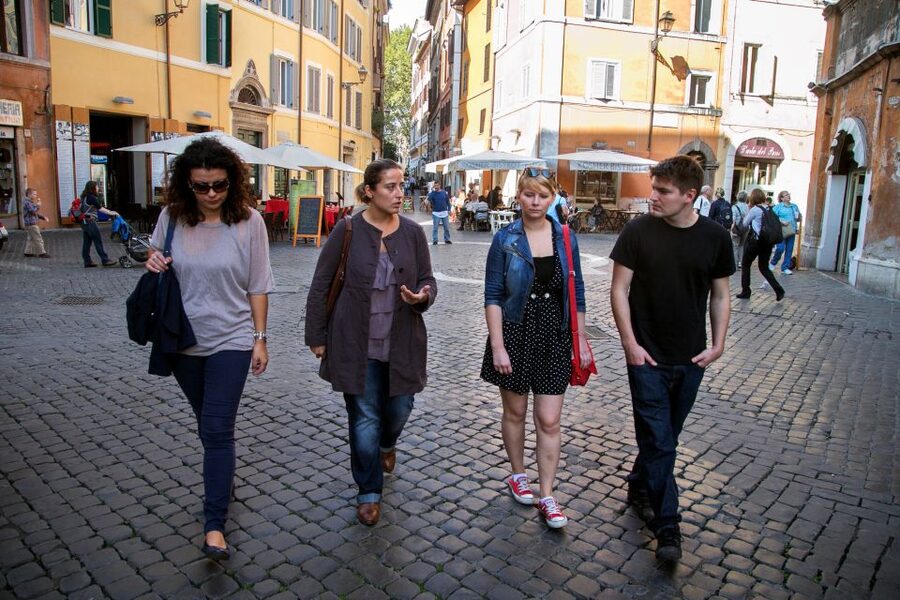
This is a walking tour through central neighborhoods, not a seated food class. You’ll move between stops, plazas, side streets, bakeries, restaurants, and shops. The walking itself is manageable for many people, but the route is not suitable for wheelchair users, and you should expect uneven city surfaces and outdoor exposure.
Bring comfortable shoes, sunglasses, a sun hat, sunscreen, and an umbrella. The tour operates in all weather, so do not assume rain or strong sun will cancel it. Since luggage and large bags are not allowed, leave your suitcase at your accommodation.
The tour works well on your first day because it gives you a practical introduction to Rome. It also works near the end of a trip if you want a final meal of Roman staples and a few ideas to take home. I would avoid placing it immediately after another large lunch or dinner.
The afternoon option may suit you if you prefer a later start, but remember the market change. The morning route offers the more direct look at Campo de’ Fiori Market, while the afternoon route offers a grocery visit and aperitif instead.
Food restrictions and the level of flexibility
You should approach the food list honestly. The tour is not suitable for vegans or people with food allergies, and the provider cannot guarantee accommodations for special dietary restrictions.
A vegetarian guest was accommodated successfully on one occasion, but that does not mean the standard menu is vegetarian. Mozzarella, cheese, vegetables, pasta, fried artichoke, and gelato may offer some options, yet the route also includes mortadella, salami, codfish, and other animal products.
If you have a mild preference rather than a medical restriction, contact the provider before booking. If you have a serious allergy, this is probably not the right format because the tour moves among several shops and restaurants with a fixed tasting plan.
The guides make the difference
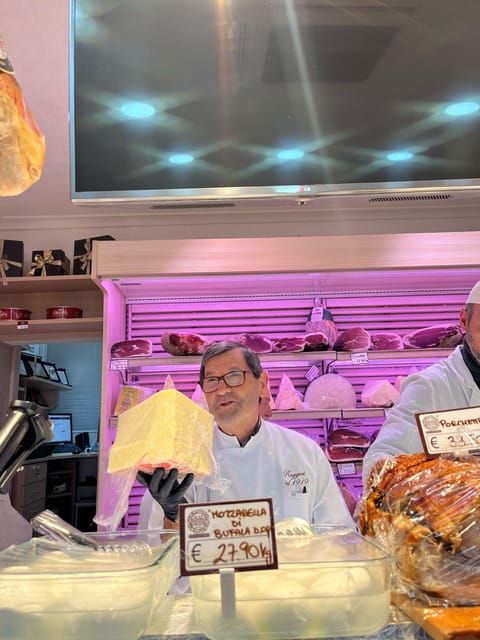
The guide is central to the experience. Food tastes better when you understand what you are eating, and the neighborhood walk has more value when someone can connect a dish with local habits and city history.
Natasha has been singled out for keeping people engaged and adding a large amount of useful information without making the tour feel like a lecture. Lisa is described as warm and accommodating, with strong food and history knowledge. Mariel has been praised for managing restaurant relationships, keeping the group together, and making solo participants feel included.
Other guides named for this experience include Valeria, Gloria, Federica, Chiara, Luca, Anastasia, and Benebetta. The tone may vary from one guide to another, but the repeated pattern is a friendly, personal approach with room for questions.
Solo visitors can benefit especially from the group format. You’ll have company at the tastings, a guide to handle the food choices, and a natural way to meet people without committing to a full-day group excursion.
Is $81 good value?
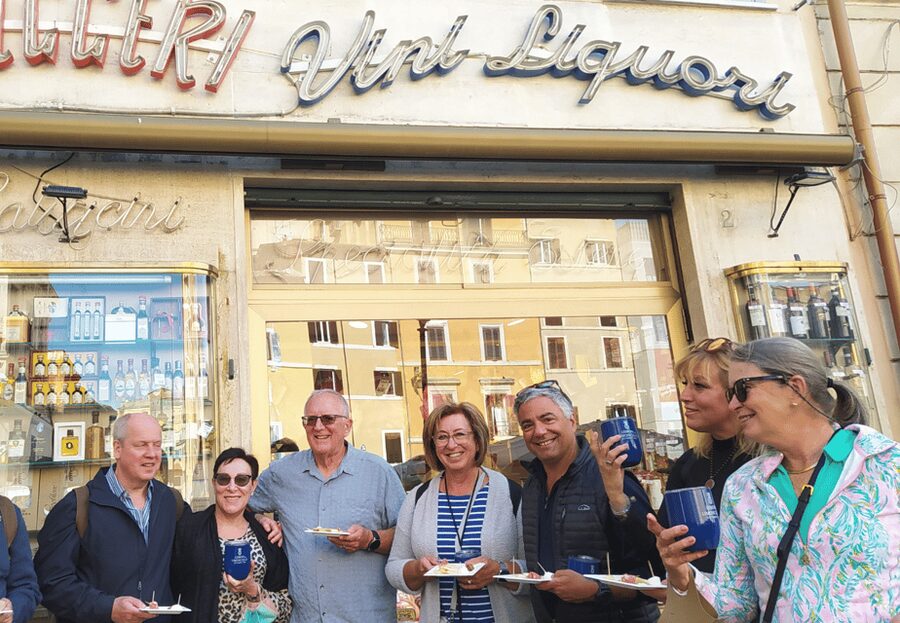
I think the price is reasonable if you treat the tour as a meal, neighborhood walk, and food lesson combined. The included list covers a broad range: market or grocery stop, bread and meat, cheese, Roman fried foods, pasta, wine, and gelato.
You could spend less by choosing individual snacks on your own. You would not get the same sequence, explanations, or access to a guide who can help you make sense of Roman food traditions. You would also need to find the stops yourself and risk choosing places based on location rather than quality.
The tour is less useful for someone who already knows Rome’s food scene and has a carefully planned list of restaurants. It is also a poor fit if you want a quiet sit-down meal, a wine-focused class, or a tour built around one dietary need.
For most first-time visitors who enjoy trying several foods, the value is strong. The food is plentiful enough that you may not need a separate meal afterward, especially on the morning route.
Should you book the Campo de’ Fiori, Ghetto, and Trastevere food tour?
Book it if you want a generous introduction to Roman food, prefer learning while walking, and like the idea of tasting your way through three distinct neighborhoods. I would choose the morning option if Campo de’ Fiori Market matters to you, and schedule it early in your stay so the restaurant tips can shape later meals.
Skip it if you need strict allergy control, follow a vegan diet, use a wheelchair, or dislike large amounts of food. Also skip it if your main goal is a slow, formal dinner rather than a moving series of tastings.
For everyone else, this is a practical and enjoyable way to get oriented. Come hungry, wear good shoes, and leave room for the gelato.
FAQ
How long does the food tour last?
The tour lasts between two and three and a half hours, depending on the option booked. Check the available starting times and the exact duration for your selected option.
What food is included?
The included tastings are pizza bianca with mortadella, mozzarella with Roman salami, fried artichoke, supplì, codfish, pasta, regional wine, and gourmet gelato. The route also includes a market or grocery visit.
Does every tour visit Campo de’ Fiori Market?
No. The morning tour includes Campo de’ Fiori Market. The afternoon tour replaces the market visit with a typical grocery store and aperitif because of market opening hours.
Is the tour suitable for vegetarians?
The provider cannot guarantee accommodations for special food restrictions. One vegetarian participant was accommodated, but the standard tastings include meat and fish, so ask before booking.
Is the tour suitable for vegans or people with food allergies?
No. The activity is specifically listed as unsuitable for vegans and people with food allergies.
What should I bring?
Bring comfortable shoes, sunglasses, a sun hat, sunscreen, and an umbrella. The tour operates in all weather, and luggage or large bags are not allowed.
Just added around Rome
- Boat excursion to Gaeta with a stop for swimming and snorkeling 2 HOURS★ 5.0 · 240 reviews
- Palatine Hill and Roman Forum Tour with Fast-Track Entrance★ 4.2 · 417 reviews
- Tivoli: Villa D’Este & Villa Adriana Pass & App Audioguide★ 4.4 · 364 reviews
- Tivoli: Villa D’Este Entry Ticket and App Audio Guide★ 4.3 · 191 reviews
- From Rome: Villa D’Este & Villa Adriana Day Trip with Lunch★ 4.4 · 289 reviews
- Vatican Museums & Sistine Chapel Skip-the-Line Guided Tour★ 4.6 · 254 reviews
- Rome: Capitoline Museums and Centrale Montemartini Tickets★ 4.4 · 328 reviews
- Rome: The Three Tenors at St. Paul’s Church Concert Ticket★ 4.7 · 699 reviews
Wine Tours, compared.

Tuscany Day Trip from Florence: Siena, San Gimignano, Pisa and Lunch at a Winery
Read our review →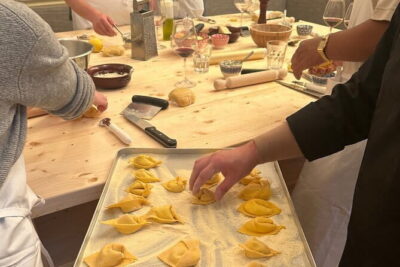
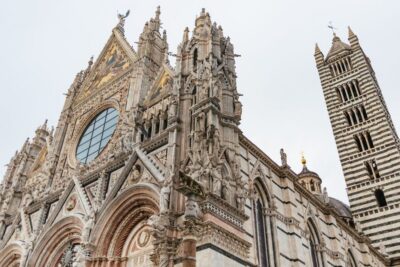
Pisa, Siena, San Gimignano, and Chianti Experience
Read our review →
Small-Group Wine Tasting Experience in the Tuscan Countryside
Read our review →
Pasta & Tiramisu Cooking Class with Unlimited Wine
Read our review →
Pisa, Siena and San Gimignano Day Trip with Lunch & Wine Pairing
Read our review →Browse the lists this tour appears in