
Reviewed · COLOSSEUM TOURS
Rome: Colosseum, Palatine Hill, and Roman Forum Tour
The most useful thing about this tour is its three-site route through Ancient Rome. You enter the Colosseum, climb Palatine Hill, and walk the Roman Forum with a guide who explains what you are seeing instead of leaving you to decode piles of stone. Guides such as Francesco, Giovanna, Julia, Tiziana, and Mauricio have been praised for clear storytelling, humor, and strong command of Roman history.
I like the timed entrance and the radio system, which can spare you a long ticket queue and help you follow the commentary. I also like the view across the Forum and Circus Maximus from Palatine Hill. The main caution is simple: this is a hot, busy, walking-heavy tour, and skip-the-line does not mean walk straight in during peak periods.
Key points to know before booking
- Three major sites in 2.5 hours: You see the Colosseum, Palatine Hill, and Roman Forum in one guided outing.
- Meet 30 minutes early: Check in at the Souvenir Colosseo Shop on Via di San Giovanni in Laterano, 14.
- Security can still cause delays: Timed entry helps, but the Colosseum’s security checks may create a queue.
- Guides make the difference: Francesco, Giovanna, Julia, Tiziana, Mauricio, and others have been praised for lively, detailed explanations.
- Bring ID and sturdy shoes: A passport or ID card is required, and the route includes uneven ground and a moderate amount of walking.
- Leave bags behind: Suitcases, large bags, pets, and baby strollers are not allowed, and there is no cloakroom.
Why this three-stop tour works in Rome
The Colosseum is the headline act, but the Forum and Palatine Hill explain how the city functioned around it. I like this tour because it gives you the basic Roman story in the right order: spectacle, power, religion, politics, and daily life.
At $89.50 per person, the price is not the cheapest way to enter the monuments. You are paying for reserved admission to all three sites, a certified guide, and a radio system, as well as the convenience of having the route explained. The value is strongest if this is your first visit to Rome or if you want someone to connect the ruins into a readable story.
The tour is less useful for someone who wants to linger at one monument, take many photographs, or explore entirely at their own pace. The schedule is tight. One person reported a tour lasting about three and a half hours, but the stated duration is 2.5 hours, so allow extra time in your day.
More ways into the Colosseum and the Forum:
- Colosseum, Roman Forum & Palatine Guided Tour
★ 4.7 · 63,148 reviews - Rome: Colosseum, Palatine Hill and Roman Forum Guided Tour
★ 4.8 · 32,814 reviews - Rome: Guided Tour of Colosseum, Roman Forum & Palatine Hill
★ 4.7 · 27,897 reviews
Meeting at the Arch of Constantine
The tour begins at the Arch of Constantine, the large triumphal arch beside the Colosseum. You meet first at the Souvenir Colosseo Shop at Via di San Giovanni in Laterano, 14, and you should arrive 30 minutes before departure.
That early arrival matters. One person arrived only five minutes before the scheduled start and was turned away, then had to return another day. Rome’s monument area is crowded, and finding the shop, checking in, receiving the radio equipment, and joining the right group can take time.
You will need a passport or ID card. Site staff can refuse entry without valid identification, so do not treat this as an optional extra. You also pay a €10 deposit for the radio device before the tour, refunded when you return it.
The Arch of Constantine gives the group a useful first landmark. It was built to celebrate Emperor Constantine’s victory and is one of Rome’s best-preserved triumphal arches. From here, the guide organizes the group before leading you toward the Colosseum entrance.
Entering the Colosseum with timed admission
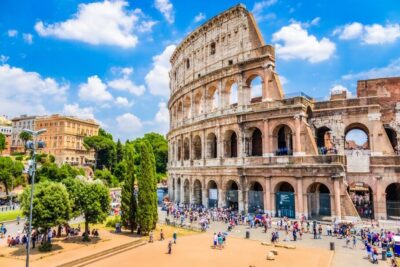
The Colosseum is the first major stop, and the reserved entrance is the tour’s clearest practical benefit. On a normal day, it can save you from buying an on-site ticket and from standing in the longest general admission line.
Do not read skip the line too literally. Every visitor must pass through security, and the amphitheater can have a queue even with reserved tickets. During peak periods, intense security checks may delay the whole group. One person spent about 50 minutes waiting, but found the guide kept the time useful with stories and explanations.
That is where a good guide earns the fee. Inside, you learn how the amphitheater was organized, how gladiatorial contests worked, and how difficult the performers’ lives could be. The aim is not simply to point at arches. The guide helps you picture the building as a working venue filled with crowds, officials, fighters, animals, and strict social rules.
The radio system should make the commentary easier to follow in a noisy setting. Still, check that you receive one before setting off. One group reported not having radios and found it hard to hear when crowds grew large. A guide who speaks clearly helps, but a radio is especially useful when several groups are moving through the same spaces.
The Colosseum portion can feel brief if you want long stretches for photos or quiet observation. One person wanted more free time inside and felt the visit moved quickly. That is a fair criticism of a short group tour. You see the important areas, but you are not buying an unhurried study visit.
Palatine Hill and the story of Rome’s beginnings
After the amphitheater, the route continues to Palatine Hill, traditionally linked with the founding of Rome. Here the guide explains the story of Romulus and Remus, the twin brothers whose rivalry became part of Rome’s origin legend, and how Romulus founded the city.
The hill matters because it connects myth with imperial power. You see remains of elite residences, garden areas, and palace buildings, including the House of Augustus and the Hippodrome associated with the Palace of Domitian. Frescoes in the House of Augustus are among the more delicate details on the route, while the sunken Hippodrome shows the scale and taste of imperial private life.
I like Palatine Hill most for the views. You can look toward the Circus Maximus and across the valley of the Roman Forum, which helps you understand how the monuments fit together. The view from the Capitoline Hill area over the Forum is also highlighted as part of the sightseeing experience.
Palatine Hill is not a polished museum. Much of what you see is fragmentary, and some areas may look like small ruins without a guide to explain the original buildings. If you expect intact rooms at every turn, this stop may feel underwhelming. If you enjoy using ruins, maps, and reconstruction stories to picture a vanished city, it becomes far more rewarding.
Plan for sun here. Rome can be extremely hot, and much of the route is exposed. Guides have helped by keeping groups in shade when possible, offering water-related assistance, and even handing out small candies on especially hot days. Still, bring water, wear a hat, and do not count on shade at every stop.
A few more Rome half-days worth a look
- Vatican: Museums & Sistine Chapel Entrance Ticket
★ 4.5 · 144,003 reviews - Vatican Museums & Sistine Chapel Tour with Optional Basilica
★ 4.3 · 67,413 reviews - Vatican Museums, Sistine Chapel & St Peter’s Basilica Guided Tour
★ 4.5 · 39,149 reviews - Rome: Colosseum & Forum with Audio Guide App -Optional Arena
★ 4.2 · 24,770 reviews
Walking the Roman Forum’s Sacred Way
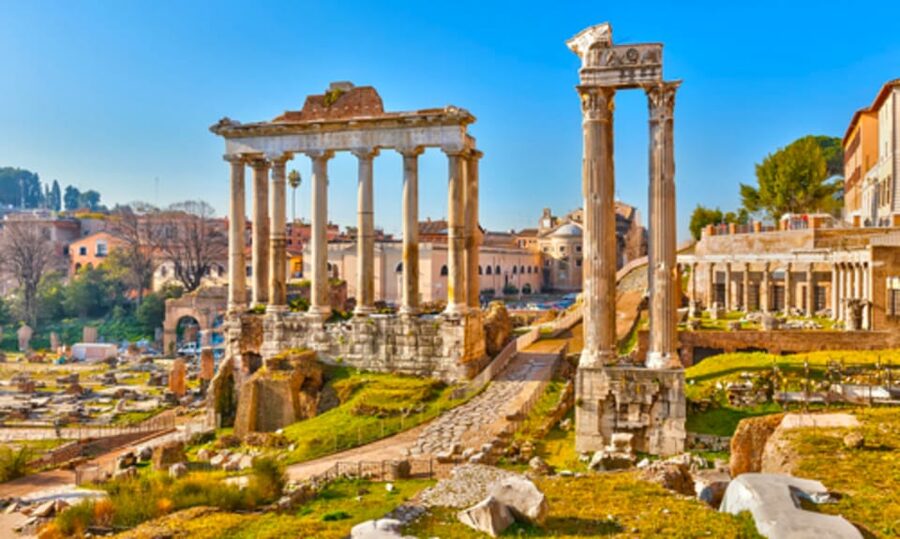
The Roman Forum is the final major section and, for many people, the most satisfying. This was the center of public life in Ancient Rome, a place for politics, religious ceremonies, business, legal matters, and major processions.
The guide leads you past some of the Forum’s most important remains. The Temple of Julius Caesar marks the place where Caesar was cremated. The Arch of Titus records a Roman victory and offers a strong example of imperial propaganda. You also see the House of the Vestal Virgins, the Senate House, and the Basilica of Maxentius.
The Sacred Way, also called the Via Sacra, gives the ruins a sense of movement. This was a ceremonial road used for triumphal processions. Instead of seeing isolated columns, you begin to understand how leaders, priests, soldiers, merchants, and ordinary citizens moved through the center of Roman public life.
The Forum rewards patient explanation because its main problem is visual confusion. A column base, broken wall, or low platform rarely tells you its purpose on its own. The guide’s job is to supply the missing shape, function, and story. Guides such as Francesco, Mauricio, Giovanna, Julia, and Tiziana have been praised for making the history easy to follow, adding humor, and answering questions.
The final section may leave you wanting more time. One person had only about 20 minutes to explore parts of the Forum independently at the end. If you want a longer look, schedule a separate return visit only if your admission arrangements allow it, or keep the rest of your day open rather than booking another rushed sight immediately afterward.
Guide quality and group communication
The guide is the part of this tour you cannot fully predict in advance, but it matters greatly. A strong guide turns the route into a clear story and adjusts to heat, crowds, and the pace of the group.
Francesco has been praised for answering questions and connecting Roman history to other parts of Italy. Giovanna has been described as friendly, insightful, and lively. Julia and Tiziana have received praise for detailed explanations, while Mauricio has been valued for his command of the subject.
The best guides do more than recite dates. They explain why a ruin mattered, use humor when the group is flagging, and find shade when possible. One guide helped fill water bottles, another used a map to suggest places for food, and others kept the commentary going through very hot conditions.
English and Spanish tours are available. The radio system is included, but the equipment requires a refundable €10 deposit. If the group is large or the site is noisy, stay close enough to the guide for visual signals as well as sound. Even with equipment, crowds can make it difficult to catch every word.
Heat, walking, and what to carry
This is a moderate walking tour, not a gentle stroll. You move through large archaeological areas with uneven surfaces, steps, open ground, and limited shade. Comfortable shoes are essential.
Summer heat is a serious factor. Several tours were described as very hot, including one day at 34 degrees Celsius. Guides may manage the pace and seek shade, but you should carry water and protect yourself from the sun. The route is harder when you are already tired from sightseeing elsewhere in Rome.
Bring:
- A passport or ID card
- Comfortable walking shoes
- Water
- Sun protection
- A small bag that meets site rules
Do not bring a suitcase or large bag. There is no cloakroom at the attractions, and entry can be refused if your luggage is too large. Pets, baby strollers, and unaccompanied minors are not allowed. The tour is not suitable for wheelchair users.
Is $89.50 a fair price?
I consider $89.50 reasonable if you want all three sites explained by a live guide and prefer reserved admission to arranging each piece yourself. The Colosseum, Palatine Hill, and Forum are among Rome’s most important sights, and a poor route or missed entry time can waste a large part of your day.
The price is less attractive if you mainly want admission and plenty of free time. You will be part of a guided group, follow its pace, and spend much of the visit listening rather than wandering alone. The tour also does not include hotel pickup, transportation, food, drinks, or access to the Colosseum Arena Floor and Underground.
I would compare this cost with your priorities. If you have only one day in Ancient Rome, the guide and reserved tickets can be worth it. If you have several days and enjoy reading signs, planning entries, and exploring independently, you may prefer to buy admission separately.
Who should book this tour?
I recommend it for first-time visitors who want a firm introduction to Ancient Rome without spending hours figuring out the site layout. It also suits anyone who values stories and context more than quiet, independent wandering.
Families with older children may appreciate the gladiator stories and the clear route, but the walking and heat can be tiring. Bring no stroller, and note that unaccompanied minors are not accepted.
History fans should like the Forum and Palatine Hill, especially if they want to understand how temples, government buildings, ceremonial roads, and imperial homes related to one another. Photographers and repeat visitors may find the schedule too tight.
The tour is non-refundable, and there is a possibility of cancellation if the minimum number of participants is not reached. In that case, an alternative or full refund is offered. Keep that in mind before booking an activity for the final hours of a tightly planned Rome visit.
My booking verdict
Book this tour if you want the Colosseum, Palatine Hill, and Roman Forum handled in one organized visit, with a guide who can turn scattered ruins into a readable story. The reserved entry is useful, and the best guides add real value with humor, detail, and practical care in the heat.
Skip it if you want long stretches alone, need wheelchair access, carry large luggage, or dislike fixed group schedules. Arrive 30 minutes early, wear good shoes, bring ID and water, and expect security delays even with timed admission. For many first visits to Rome, this is a sensible way to cover the essentials without missing the story behind them.
FAQ
How long does the tour last?
The stated duration is 2.5 hours. Starting times vary, so you need to check availability when booking. Some tours may run longer because of entry delays, group pace, or time spent at the sites.
Where does the tour start?
The meeting point is the Souvenir Colosseo Shop at Via di San Giovanni in Laterano, 14, 00184 Rome. You should arrive 30 minutes before departure.
Which sites are included?
The tour includes the Colosseum, Palatine Hill, and Roman Forum. Each site has a reserved entrance ticket included.
Is skip-the-line entry guaranteed?
No. Timed admission helps reduce ticket-line waiting, but security checks at the Colosseum can still cause delays, especially during peak periods.
Which languages are available?
The live tour is available in English and Spanish.
Do I need to bring identification?
Yes. You must bring a valid passport or ID card. Site staff can refuse entry without valid identification.
Is access to the Arena Floor or Underground included?
No. Tickets and reservations for the Arena Floor and Underground are not included in this tour.
Just added around Rome
- Boat excursion to Gaeta with a stop for swimming and snorkeling 2 HOURS★ 5.0 · 240 reviews
- Palatine Hill and Roman Forum Tour with Fast-Track Entrance★ 4.2 · 417 reviews
- Tivoli: Villa D’Este & Villa Adriana Pass & App Audioguide★ 4.4 · 364 reviews
- Tivoli: Villa D’Este Entry Ticket and App Audio Guide★ 4.3 · 191 reviews
- From Rome: Villa D’Este & Villa Adriana Day Trip with Lunch★ 4.4 · 289 reviews
- Vatican Museums & Sistine Chapel Skip-the-Line Guided Tour★ 4.6 · 254 reviews
- Rome: Capitoline Museums and Centrale Montemartini Tickets★ 4.4 · 328 reviews
- Rome: The Three Tenors at St. Paul’s Church Concert Ticket★ 4.7 · 699 reviews
Colosseum Tours, compared.
Colosseum, Roman Forum & Palatine Guided Tour
Read our review →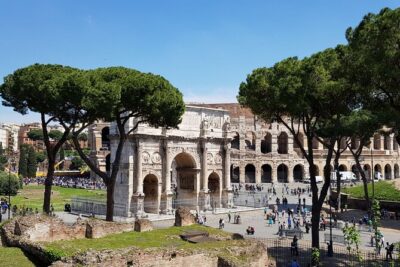
Colosseum, Palatine Hill and Roman Forum Guided Tour
Read our review →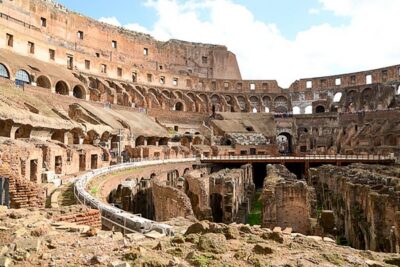
Guided Tour of Colosseum, Roman Forum & Palatine Hill
Read our review →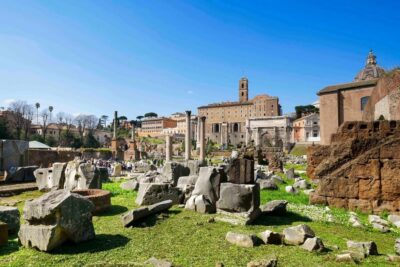
Colosseum & Forum with Audio Guide App -Optional Arena
Read our review →
Colosseum, Roman Forum and Palatine Hill Guided Tour
Read our review →
Colosseum, Forum & Palatine Hill Tour & Optional Arena
Read our review →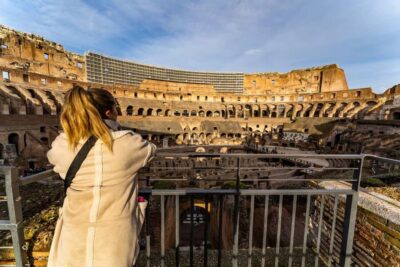
Colosseum, Roman Forum, Palatine with Multimedia Video
Read our review →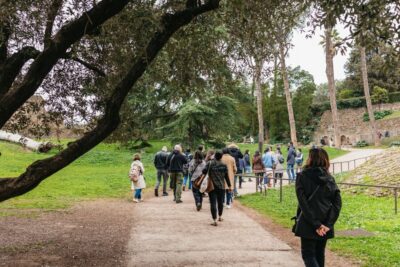
Colosseum, Palatine Hill & Roman Forum Guided Tour
Read our review →Browse the lists this tour appears in