
Reviewed · SKIP THE LINE
Rome: Castel Sant’Angelo Skip-the-Line Guided Tour
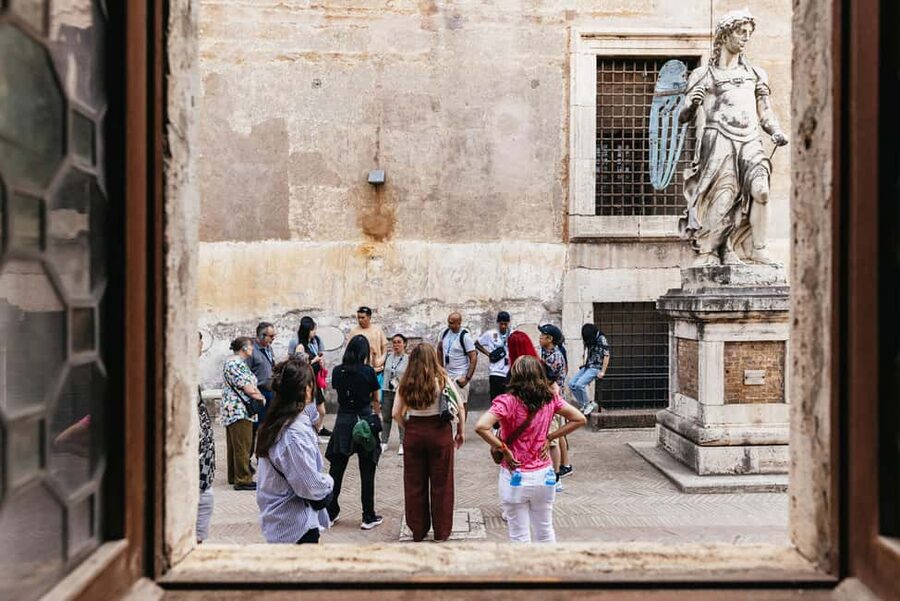
Castel Sant’Angelo is more than a handsome round fortress beside the Tiber. Inside, you move through a Roman emperor’s tomb, papal apartments, prison rooms, a treasury, and spaces tied to executions. The route also reaches the Olearie and historical prisons, areas many independent visitors do not see.
I like this tour for two clear reasons: the guide gives the building a human story, and the terrace ties Rome together from above. Guides including Alec, Alicia, Donatella, and Oleg have been praised for clear English, humor, patient answers, and strong storytelling. The main drawback is practical: you must climb stairs, and the tour is not suitable for wheelchair users.
Key points at a glance
- See rooms beyond the usual castle circuit: The route includes the Olearie, historical prisons, and the theater of Clemente VII.
- Follow the building through several lives: Learn how Hadrian’s tomb became a fortress, papal residence, state treasury, prison, and execution site.
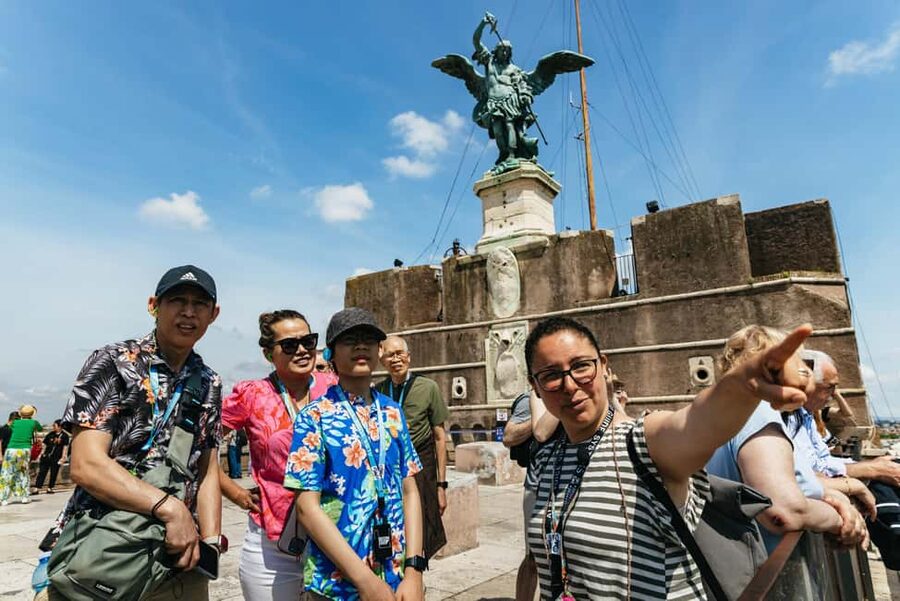
- Reach Rome’s skyline from the terrace: The final climb rewards you with broad views over the city and surrounding monuments.
- Save time at the entrance: Skip-the-line admission uses a separate entrance, useful when your sightseeing day is tightly planned.
- Expect an active English tour: Comfortable shoes matter, and stairs are part of the experience.
- Add an aperitivo if you want: A traditional drink and snack stop at a nearby bar can be added after the visit.
Why Castel Sant’Angelo feels different from other Rome sights
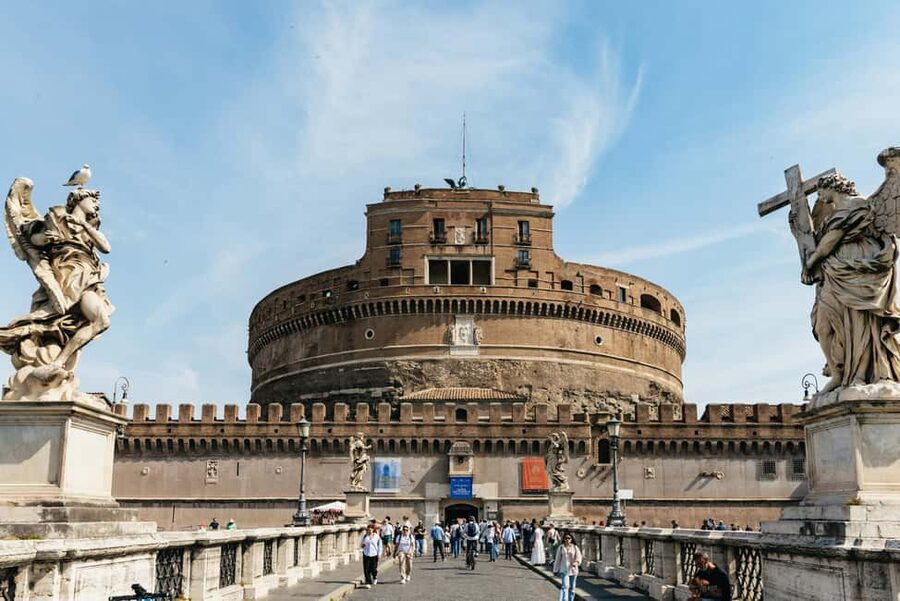
Many of Rome’s major monuments have one dominant identity. The Colosseum is tied to gladiatorial spectacles. The Pantheon is known for its ancient dome. Castel Sant’Angelo keeps changing as you walk through it.
The building began as the mausoleum of Emperor Hadrian. That starting point matters because the fortress still carries the shape of a monumental tomb, even after centuries of military and papal changes. Your guide explains how the structure was adapted for defense and political power rather than left as a quiet burial place.
You then see the castle as a papal residence, a treasury, a prison, and a public execution site. Those uses can feel disconnected when you read about them separately. A live guide helps connect them to the rooms, corridors, artwork, and defensive spaces around you.
I find that especially useful here. Castel Sant’Angelo is not a simple walk from one famous statue to another. It is a layered building, and the same walls served very different purposes over time.
More Guided Tours in Rome
- Colosseum, Roman Forum & Palatine Guided Tour
★ 4.7 · 63,148 reviews - Vatican Museums, Sistine Chapel & St Peter’s Basilica Guided Tour
★ 4.5 · 39,149 reviews - Rome: Colosseum, Palatine Hill and Roman Forum Guided Tour
★ 4.8 · 32,814 reviews
Meeting the guide beside Lungotevere Castello
The meeting point is in front of the main entrance on Lungotevere Castello. Look for a representative holding a Loving Rome flag. Arrive early. Late arrivals and no-shows are not accommodated or refunded, so this is not the place to cut your Rome transport connection close.
The tour is offered in English, with an English live guide. Headsets are supplied if needed, which makes a real difference in a stone building where a guide’s voice can easily get swallowed by echo and nearby groups. One guide even received special praise for using headsets that made the commentary easy to hear.
Bring your passport or another valid ID. The full name of each participant must be entered during booking exactly as it appears on the passport or valid ID, and the same document is required for verification on the day. Tickets apply only to the selected date and time slot.
The activity lasts about one to two hours. That range gives the guide room to explain the building without forcing every stop into a rushed march. Some tours may run longer, especially when the group has questions, but you should still plan the rest of your day with the stated time range in mind.
Entering Hadrian’s tomb and the fortress beyond it

Skip-the-line entry is one of the useful features here. You use a separate entrance rather than waiting in the standard admission line. It does not mean you skip every delay inside, since the group still moves through a public museum site, but it helps you start on time.
The first major idea to grasp is the original purpose of the building. Emperor Hadrian commissioned it as his tomb. Your guide sets that ancient beginning against the later fortifications, showing how a burial monument gained a new military role.
This is where a guided visit earns its fee. Without context, the massive circular structure can feel like a sequence of ramps, rooms, and views. With an explanation of its changing purpose, each section has a reason for being there.
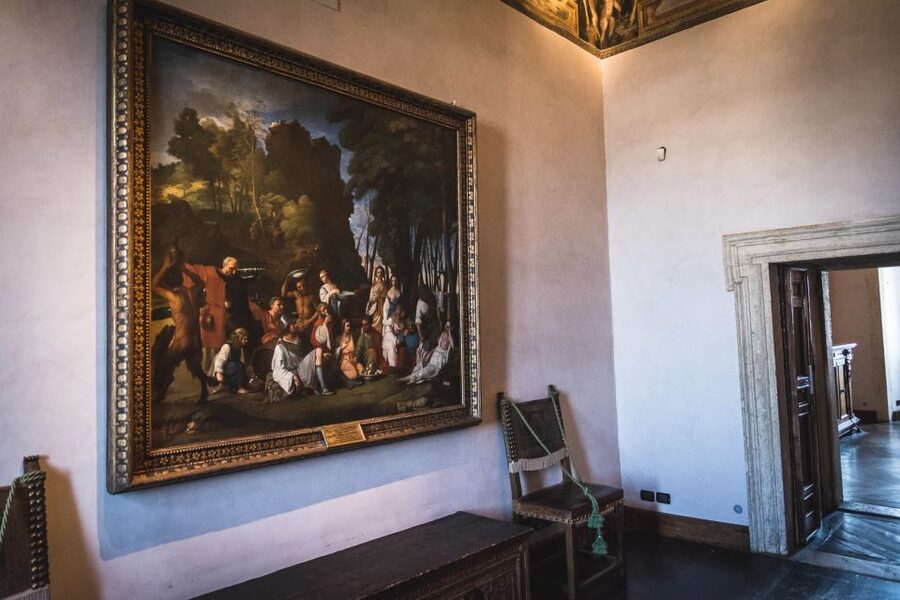
The tour also points out sculpture and paintings around the castle. These are not just decoration. They help show how popes and other powerful residents used the building as a place of ceremony, residence, and control.
The Olearie, prisons, and Clemente VII’s theater
The special appeal of this experience is the access to areas generally closed to the public. The route includes the Olearie, the historical prisons, and the theater of Clemente VII.
The Olearie is one of the less familiar names on the itinerary. That is part of its value. You are not simply ticking off the same central rooms that every independent visitor sees. Your guide can explain what these spaces were used for and how they fit into the castle’s larger working life.
The historical prisons add a darker note. Castel Sant’Angelo was not only a papal home or an attractive viewpoint. It held prisoners and served as a site of punishment. Walking through these areas gives the building a more serious edge, especially when set against the decorated rooms and open views later in the tour.
The theater of Clemente VII offers another change of mood. Its inclusion helps show the castle as a place where papal life involved ceremony and performance as well as defense. The room names can pass quickly when you visit alone. A guide keeps the sequence clear and explains why each space matters.
You may want to ask questions as you go. Guides have been praised for answering questions directly and for keeping a good pace. Alec, in particular, is often described as funny and clear, with a knack for explaining complicated points in plain English. That kind of delivery helps when several centuries of Roman history arrive in the same hour.
More Skip-the-Line Tickets in Rome
- Vatican Museums & Sistine Chapel Skip-the-Line Entry Ticket
★ 4.4 · 13,838 reviews - Skip-the-Line Group Tour of the Vatican, Sistine Chapel & St. Peter’s Basilica
★ 4.5 · 12,779 reviews - Rome: Vatican Museums & Sistine Chapel Skip-The-Line Ticket
★ 4.2 · 11,708 reviews - Vatican, Sistine Chapel & St. Peter’s Skip-the-Line Tour
★ 4.5 · 7,770 reviews
Papal apartments, treasury, and the building’s darker side
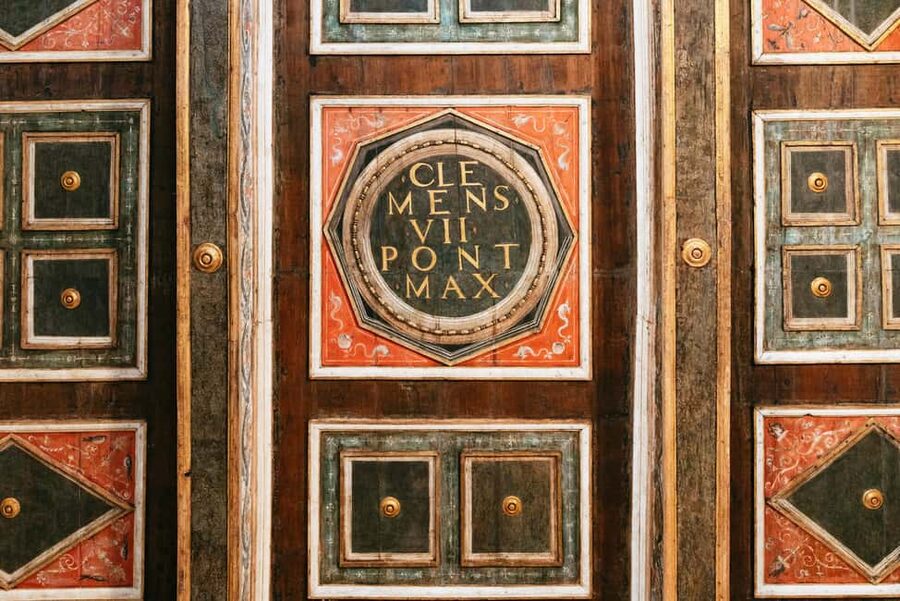
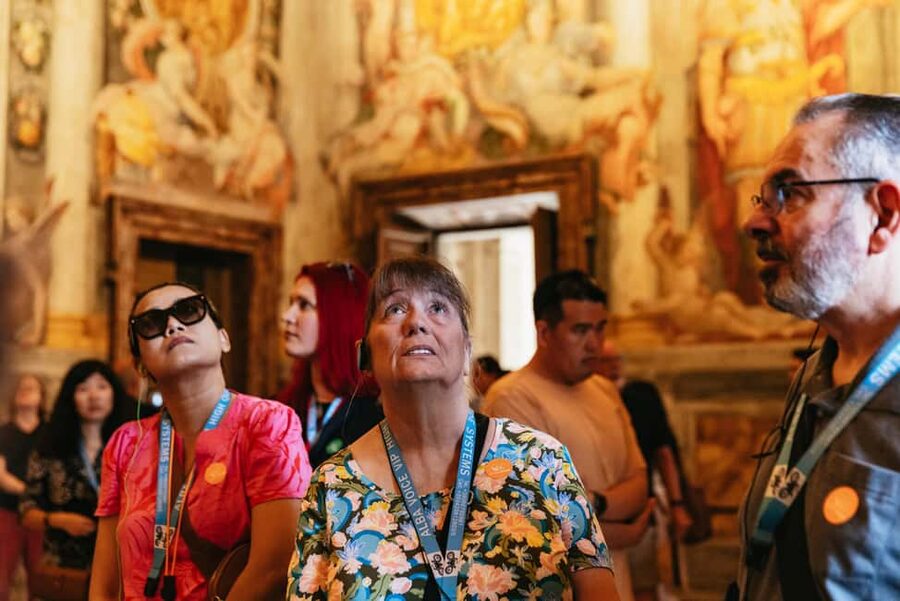
The route includes the pope’s apartment and the treasury room. These stops show the contrast between private comfort and institutional power inside the fortress.
The papal rooms help you picture Castel Sant’Angelo as a residence, not merely a defensive shell. Paintings, sculpture, and the arrangement of the rooms reveal a more formal and decorated side of the building.
The treasury offers a different kind of story. Here, the castle functioned as a place to safeguard wealth and important goods. Together, the apartment and treasury explain why the site mattered to the papacy beyond its thick walls and military position.
Your guide also covers the castle’s role as a prison and public execution site. That is important context, even if it makes the visit less lighthearted. Rome’s monuments often mix beauty with violence, religion with politics, and ceremony with fear. Castel Sant’Angelo puts all of those themes under one roof.
I would not choose this tour if you want only a quick photo stop and a rooftop view. The building’s appeal is the story of its changing uses. The guide’s commentary is the main reason to spend the extra time inside.
Climbing to the terrace for the Rome view

The tour ends with a climb to the panoramic terrace. You will need to use a series of stairs, so wear comfortable shoes and consider your stamina before booking. The activity is not suitable for wheelchair users.
The payoff is a broad view of Rome from above. The terrace lets you connect the castle to the city around it, rather than viewing the monument as an isolated round building. From here, you can admire the surrounding landmarks and get a better sense of how the Tiber, streets, and major sights relate to one another.
The view is especially useful after the indoor route. You have just heard how the building changed over time, and now you can see why its position mattered. One strong aspect of the terrace is its ability to help you get your bearings in Rome.
Timing can shape this final moment. An afternoon or final session may provide beautiful late light, while an earlier visit gives you more flexibility afterward. Starting times vary, so check availability rather than assuming a particular hour.
Bring your camera, but leave the large bag at your accommodation. Luggage and large bags are not allowed, and food and drinks cannot be brought inside. A compact day bag is the sensible choice if it meets the attraction’s rules.
What the $66.05 price means
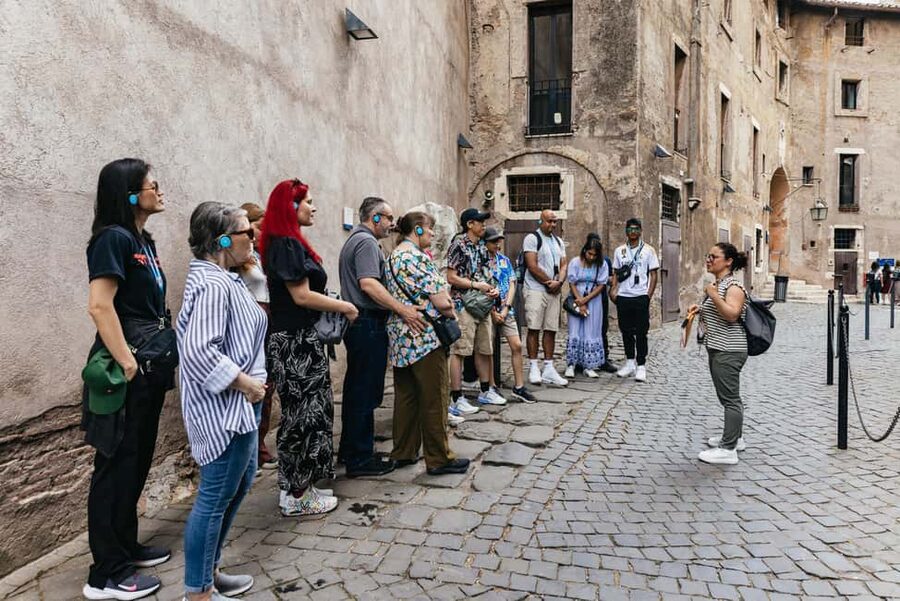
At $66.05 per person, this is not the cheapest way to enter Castel Sant’Angelo. You are paying for more than admission: skip-the-line access, an English-speaking guide, headsets when needed, and a route that includes areas generally unavailable on a standard visit.
The value depends on how you like to see historic sites. If you read every sign, move slowly, and enjoy building your own story, independent admission may suit you better. If you want the castle’s Roman, papal, military, and prison chapters explained in one visit, the guided format makes the price easier to justify.
I think the strongest value comes from the restricted areas. A basic entrance ticket may get you inside, but it does not necessarily give you the same access or a clear explanation of the Olearie, old prisons, and Clemente VII’s theater.
The guides also appear to be a major part of the experience. Alec is repeatedly singled out for humor, clear English, and strong command of the subject. Alicia is praised for explaining the castle’s art, sculpture, and changing uses. Donatella is noted for patience with a large and tricky group. Those details matter because a tour inside a complex fortress can become tiring if the guide loses the group.
A traditional aperitivo at a nearby bar can be added after the tour. That option works well if you want to turn the visit into a relaxed early evening stop, but it is not essential to the castle experience. The main value is inside the fortress and on the terrace.
Who should book this Castel Sant’Angelo tour?
I would recommend it to first-time Rome visitors who want the building explained rather than merely photographed. It also suits repeat visitors who missed Castel Sant’Angelo before and want a different side of Rome’s past.
History fans will appreciate the way the route moves from Hadrian’s tomb to papal apartments, prisons, treasury rooms, and the terrace. The tour also works for families with older children who can manage stairs and stay engaged with a serious historical setting.
It is a good match for anyone who values a strong guide. Clear storytelling matters here more than flashy presentation. The most praised guides use humor, answer questions, and explain details without making the tour feel like a lecture.
You may want to skip it if you have limited mobility, dislike stairs, or have only a short window between other timed attractions. The site is not wheelchair accessible for this activity, and strict time slots mean you need to arrive at the correct place on time.
Book at least one day ahead if your plans are firm, since cancellation is free up to 24 hours before the activity and you can reserve now while paying later. Still, read the entry conditions carefully. Your ticket is tied to the selected date and time, and a late arrival is not refunded.
Should you book it?
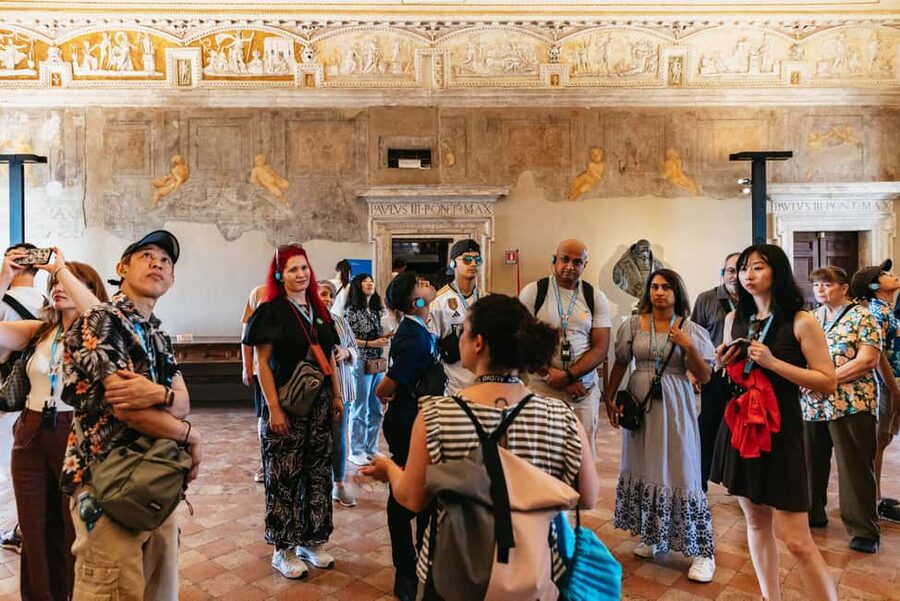
Book this tour if you want the full story of Castel Sant’Angelo, including rooms that are generally closed to the public, and if a guide can help you make sense of several centuries in one visit. The terrace view is a fine finish, but the Olearie, prisons, theater, papal rooms, and treasury are the real reason to choose this option.
Skip it if you only want a fast exterior photo or if stairs will make the visit uncomfortable. For most visitors who can manage the climb, the combination of special access, clear English commentary, and a panoramic finale makes $66.05 a reasonable price for a focused Rome experience.
FAQ
How long does the Castel Sant’Angelo tour last?
The activity lasts approximately one to two hours. Starting times vary, so check availability for the date you want.
Where is the meeting point?
Meet in front of the main entrance to Castel Sant’Angelo on Lungotevere Castello. Look for a representative holding a Loving Rome flag.
What language is the guided tour?
The live tour guide speaks English. An English audio guide is also available as an option.
Does the tour include skip-the-line entry?
Yes. The ticket includes skip-the-line admission through a separate entrance.
Do I need to bring identification?
Yes. Bring your passport or a valid ID for verification. The full name of each participant must be entered during booking exactly as it appears on the document.
Is the tour suitable for wheelchair users?
No. The activity is not suitable for wheelchair users, and reaching the panoramic terrace requires climbing a series of stairs.
Just added around Rome
- Boat excursion to Gaeta with a stop for swimming and snorkeling 2 HOURS★ 5.0 · 240 reviews
- Palatine Hill and Roman Forum Tour with Fast-Track Entrance★ 4.2 · 417 reviews
- Tivoli: Villa D’Este & Villa Adriana Pass & App Audioguide★ 4.4 · 364 reviews
- Tivoli: Villa D’Este Entry Ticket and App Audio Guide★ 4.3 · 191 reviews
- From Rome: Villa D’Este & Villa Adriana Day Trip with Lunch★ 4.4 · 289 reviews
- Vatican Museums & Sistine Chapel Skip-the-Line Guided Tour★ 4.6 · 254 reviews
- Rome: Capitoline Museums and Centrale Montemartini Tickets★ 4.4 · 328 reviews
- Rome: The Three Tenors at St. Paul’s Church Concert Ticket★ 4.7 · 699 reviews
Skip the Line, compared.
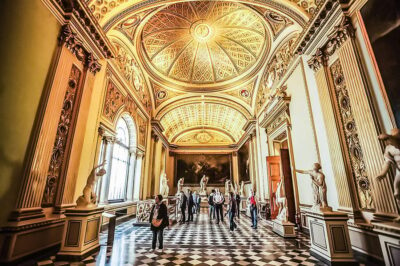
Skip-The-Line Uffizi Gallery Timed Entry Ticket
Read our review →
Vatican Museums & Sistine Chapel Skip-the-Line Entry Ticket
Read our review →
Skip-the-Line Group Tour of the Vatican, Sistine Chapel & St. Peter’s Basilica
Read our review →
Michelangelo’s David Skip-the-Line Entry Ticket
Read our review →
Vatican Museums & Sistine Chapel Skip-The-Line Ticket
Read our review →
Vatican, Sistine Chapel & St. Peter’s Skip-the-Line Tour
Read our review →
Skip-the-Line Vatican, Sistine Chapel & St. Peter’s | Small Group
Read our review →
Vatican: Vatican Museums Sistine Chapel Skip-the-Line Ticket
Read our review →Browse the lists this tour appears in