
Reviewed · ENTRY TICKETS IN ROME
Rome: Bioparco di Roma Zoological Garden Entry Ticket
Rome’s Bioparco gives you a proper change of pace from ruins and crowded piazzas. Inside the old Villa Borghese estate, you’ll find more than 1,200 animals spread across 42 acres, with the Reptile House, brown bears, elephants, giraffes, big cats, and free-roaming peacocks among the main draws.
I like the easy-to-follow layout and the green setting. I also like that most animal signs are written in Italian and English, so you can learn as you go without guessing what you’re looking at. The main drawback is that some enclosures are more modest than you may expect, and a few animals may be sleeping, hidden, or inactive when you pass by.
Key points to know before you go
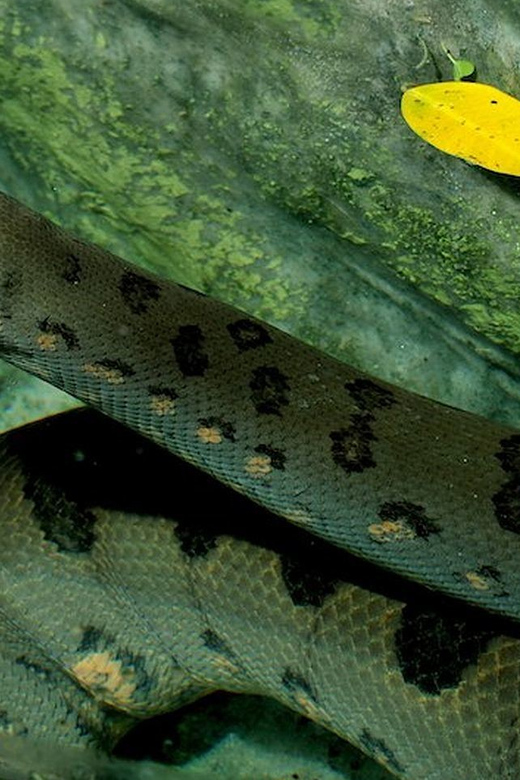
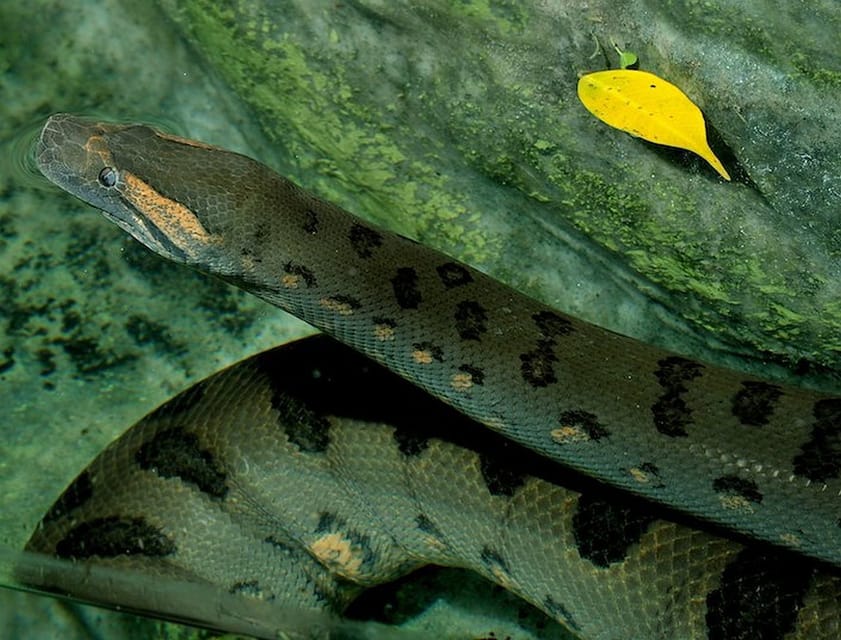
- The Reptile House is a highlight, with iguanas, snakes, and lizards from different parts of the world.
- Plan on two to four hours, though families with young children can easily make a full day of it.
- Weekday mornings are usually the calmest, while hot afternoons can feel tiring on the open paths.
- The ticket costs about $25 per person and uses a separate entry line, which is useful at busy times.
- Children’s prices are based on height, not simply age: under 1 meter is free, while children over 1 meter and up to age 10 need the child rate.
- Bring a picnic and water if you can, since the food selection inside is practical but limited.
A city zoo inside Villa Borghese
Bioparco is not tucked away on the edge of Rome. It occupies part of the original Villa Borghese estate, putting a sizeable zoological garden close to one of the city’s best-known green areas.
That location matters. You can pair the zoo with a walk through Villa Borghese and make a slower day of it, instead of treating the visit as another quick stop between major monuments. One useful route is to combine the park with a trip toward the Trevi Fountain, although the walk can become surprisingly long. One visitor measured a full six miles from Trevi Fountain to the zoo and back through the city.
The zoo itself covers 42 acres. That is large enough to feel like a real outing, but still manageable on foot. You will not need to rush from one end to the other, and the paths are laid out so you can generally keep moving forward instead of repeatedly doubling back.
I would allow at least two hours for a brisk visit. Three hours is a more comfortable target if you want to read the signs, stop for photographs, and wait for animals to appear. Families may stay longer because of the play areas, shaded stopping places, and food breaks.
More Entry Tickets in Rome
- Vatican: Museums & Sistine Chapel Entrance Ticket
★ 4.5 · 144,003 reviews - Rome: Pantheon Fast-Track Ticket and Official Audio Guide
★ 4.3 · 21,008 reviews - Rome:Hop-On Hop-Off Panoramic Open Bus Ticket 3 Circuits x 1
★ 4.0 · 15,405 reviews
Following the animal route
Once inside, you can follow the park map around a broad selection of mammals, birds, reptiles, and amphibians. The route includes animals from five continents, so the appeal is variety rather than one single star exhibit.
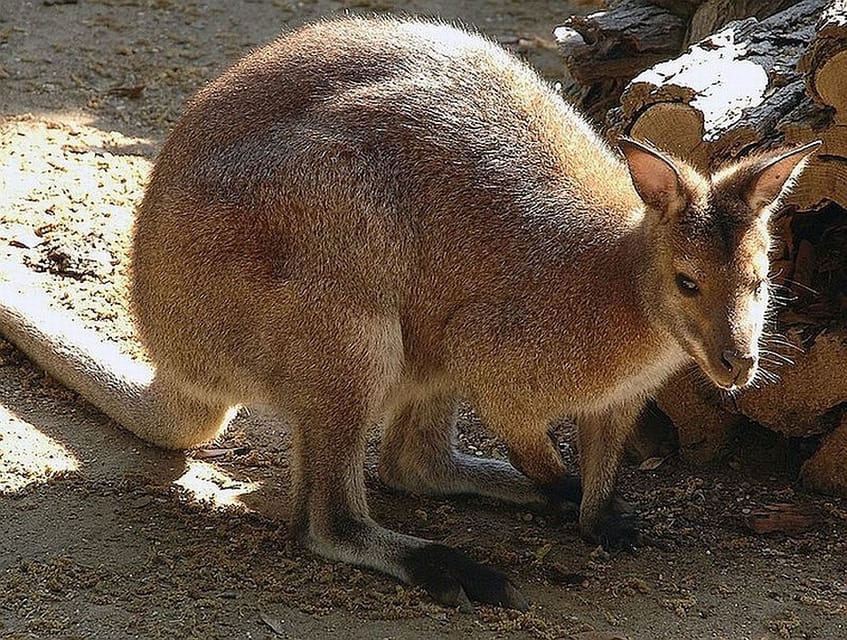
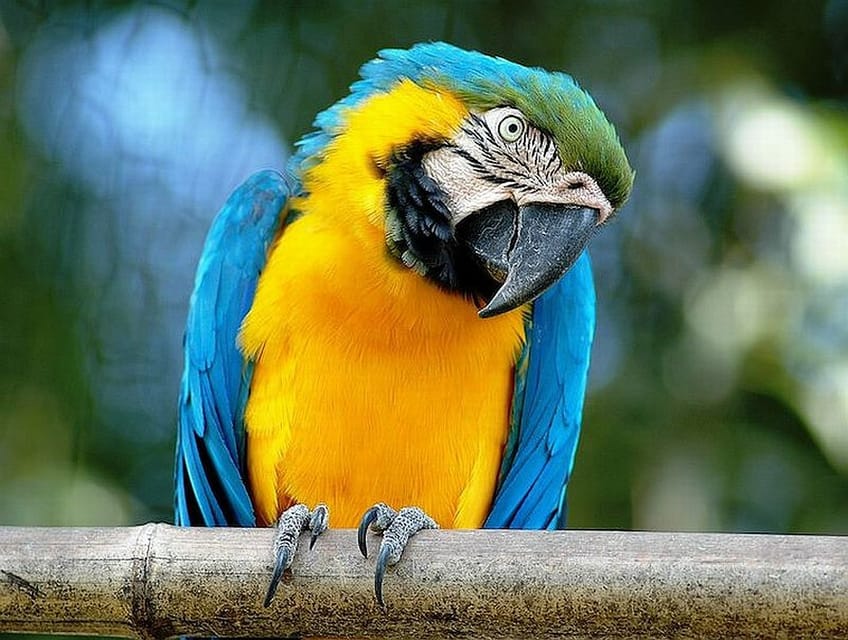
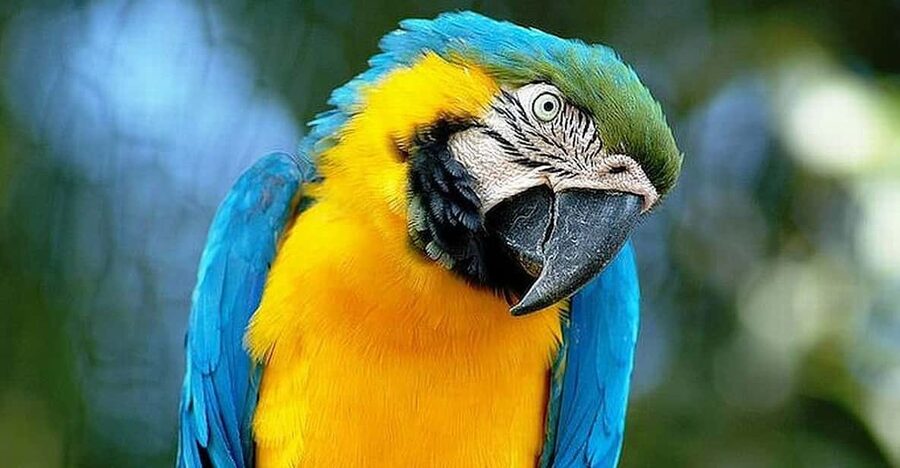
You may see lemurs and chimpanzees, tigers and bears, elephants and giraffes, wolves, birds, and smaller species that are easy to miss if you hurry. Peacocks also move freely around parts of the grounds, adding a bit of unexpected motion between the formal exhibits.
The layout works well for families. You can keep children moving without needing to retrace every path, and there are places to sit when small legs need a break. Several toilets are spread around the grounds, which is useful if you are visiting with a toddler.
The animal signs are one of the better details. Most are in both Italian and English, with information about the species and its natural setting. That turns the visit into more than a simple viewing trip, especially for older children and teenagers who are willing to stop and read.
The Reptile House deserves extra time
The Reptile House is the part I would not skip. It holds a varied collection of iguanas, snakes, and lizards, and it gives you a break from the wide outdoor paths.
Reptiles are often easier to see than larger mammals because they are contained in smaller viewing areas. You can take your time comparing shapes, colors, and movement rather than walking past a large enclosure hoping an animal comes into view.
The indoor setting also helps on a hot day. Rome’s summer sun can make the zoo tiring, and the Reptile House gives you a cooler stop in the middle of the visit. It is also useful in wet weather, although much of the experience remains outdoors, so bring suitable clothing if rain is forecast.
Brown bears, elephants, and big cats
The larger animals provide the moments most children are waiting for. The brown bear area has viewing points toward the water, including a lower angle where you may see the bears swimming or playing. If the bears are active, this can be one of the most rewarding stops in the park.
Elephants and giraffes are also major draws. The size of the zoo gives you a fair chance to see animals that may not appear in smaller city collections, though no zoo can guarantee that every animal will be out when you arrive.
Big cats are more complicated. Tigers and lions are impressive, but some visitors feel that certain enclosures could provide more room and stimulation. You should approach these exhibits with sensible expectations. Bioparco works on conservation, education, and scientific research, but that does not mean every enclosure will feel spacious by modern wildlife-park standards.
You may also encounter animals that are asleep, staying out of sight, or simply not in the mood to perform. Go early if seeing active animals is important to you. Morning feeding periods can bring more movement, and a quiet opening hour gives you a better chance of watching without a crowd pressed against the viewing rail.
A few more Rome half-days worth a look
- Vatican Museums & Sistine Chapel Tour with Optional Basilica
★ 4.3 · 67,413 reviews - Colosseum, Roman Forum & Palatine Guided Tour
★ 4.7 · 63,148 reviews - Vatican Museums, Sistine Chapel & St Peter’s Basilica Guided Tour
★ 4.5 · 39,149 reviews - Rome: Colosseum, Palatine Hill and Roman Forum Guided Tour
★ 4.8 · 32,814 reviews
Conservation is part of the visit

Bioparco describes its work through three main areas: conservation of endangered species, environmental education, and scientific research. The value of that work is easy to miss if you only count how many animals you saw, so take time to read the signs.
The educational side is particularly useful for children. The bilingual boards explain what makes each animal vulnerable and why habitat protection matters. You may leave with a clearer sense that the visit is not only about unusual species, but also about the pressure those species face.
The quality of animal areas is mixed. Many are clean and well maintained, and several visitors felt the staff cared for the animals. At the same time, some enclosures may look dated or limited, particularly around certain sea lions, tigers, and lions. You can appreciate the conservation message while still forming your own opinion about the space available to each animal.
That balance is important. I would not present Bioparco as a perfect modern safari park. I would describe it as a substantial city zoo with a strong educational purpose, a broad collection, and some areas that would benefit from improvement.
How long should you stay?
The practical answer depends on your pace.
If you are visiting without children and mainly want to see the main species, two to three hours may be enough. Several people found that three hours covered the zoo comfortably, while others spent four hours or more because they stopped at most exhibits.
With young children, allow extra time for the play areas, toilets, snacks, and repeated stops at favorite animals. The zoo is also a good morning activity before returning to Rome’s historic center. One parent found it a useful way to let a toddler use up energy before visiting historical sites.
You can make a full day of it if you bring a picnic and combine the zoo with Villa Borghese. There are green areas and places to sit, and the park is designed for strolling rather than a quick indoor attraction. Just remember that the walking adds up. Comfortable shoes are more useful here than smart city footwear.
Food, water, and picnic planning
Food is available inside, with cafés and snack stations serving familiar items such as burgers, hot dogs, chicken nuggets, soft drinks, ice cream, and ice lollies. The selection is convenient, but it is not the strongest reason to visit.
Prices are described as typical for a zoo: higher than buying food outside, but not wildly excessive. Drinks can cost more at snack counters, and vending machines may offer a cheaper option. If you want a proper lunch or you are feeding a family, I would buy food before entering or pack a picnic.
The supplied information lists several locations connected with tramezzino pickup between 11:00 AM and 5:00 PM: Bar Ninfeo, Ristorante Mascagni, Chiosco Oasi del Lago, and Bar Voliera. Since the admission ticket itself lists only entry as included, check exactly what your booking covers before relying on this as your lunch plan.
Bring water, especially from late spring through summer. A hot afternoon can make the paths feel much harder, and one visitor found the heat overwhelming. An early start or late afternoon visit is a better choice on very warm days, but check the opening hours for your date because closing times can vary.
Is the $25 ticket good value?
At about $25 per person, the ticket is reasonable if you plan to spend several hours inside. You are paying for access to a large, central zoo with around 200 species, not for a short animal exhibit that takes 45 minutes.
The value improves if you use the whole day. A family can combine the zoo with Villa Borghese, picnic time, and children’s play areas. An adult couple or group of friends may find two or three hours enough, especially if the main goal is to see animals not commonly found in British or northern European zoos.
The separate entry line is a practical bonus. It does not guarantee a huge time saving on a quiet weekday, when the regular queue may be short. On weekends or during busier periods, walking straight to the separate ticket entrance can make the online ticket more worthwhile.
The ticket is non-refundable, so check your date and weather before buying. Entry is wheelchair accessible. People with a certified disability at 100 percent, and one companion, can receive free admission through the Bioparco ticket office by showing the required documents.
Getting there and choosing your time
No hotel pickup or drop-off is included. You need to make your own way to Bioparco, and the zoo’s position inside Villa Borghese means you can approach it as part of a wider park visit.
Taxis are another option, but check the fare and route carefully. One booking reported a taxi from the Best Western Universo costing about 10 to 14 euros each way. If you use a taxi in Rome, agree on the destination and use a trusted booking method rather than accepting an unsolicited ride.
Weekdays are usually the best choice if you want a calmer visit. The paths and viewing areas are easier to manage, and you can spend more time at popular enclosures. Weekends may have longer opening hours on some dates, but they can also bring more families and busier viewing areas.
The child ticket rule matters
Do not select a child ticket by age alone. Bioparco uses height for this price category.
Children under 1 meter enter free. Children over 1 meter and up to 10 years old should use the child rate. Staff measure children at entry, and any difference must be paid on site.
This rule caught some families by surprise, particularly when a three-year-old was taller than the free-entry limit. Measure your child before booking if you are close to 1 meter, and bring the correct documents for any disability-related free admission.
Who will enjoy Bioparco most?
I would recommend Bioparco to families, animal lovers, and anyone who wants a quieter Rome day after several intense museum or monument visits. It works especially well for children who need open space, movement, and a clear sequence of things to see.
Teenagers and adults can enjoy it too. The range of species, the Reptile House, bilingual information, and peaceful setting give the visit more substance than a simple playground stop.
I would be more cautious if you expect every enclosure to match a newly built wildlife park. Some areas are less spacious, and animal activity varies. If your priority is modern enclosure design above all else, you may notice those limitations.
Should you book the Bioparco ticket?
Book it if you want a flexible half-day or full-day break from Rome’s ancient center, especially if you have children or enjoy zoological collections. The separate entry line, central setting, broad animal range, and reasonable $25 price make it a useful addition to a Rome itinerary.
Choose a weekday morning, wear comfortable shoes, carry water, and pack lunch if you want to keep costs down. Give yourself at least three hours, and do not judge the experience by one quiet animal or one closed enclosure.
If you have already seen Rome’s major sights and want a calmer day among trees, animals, and open paths, Bioparco is a sensible choice. If your Rome schedule is very short, place the Colosseum, Forum, and Vatican ahead of it.
FAQ
How long is the Bioparco ticket valid?
The ticket is valid for one day. Check availability for the starting times offered on your chosen date.
How much does Bioparco di Roma cost?
The listed price is about $25 per person. The value is strongest if you spend several hours at the zoo and combine it with time in Villa Borghese.
What animals can I see at Bioparco?
The zoo has more than 1,200 animals representing about 200 species from five continents. The collection includes lemurs, chimpanzees, tigers, bears, elephants, giraffes, birds, reptiles, and amphibians.
What is the Reptile House like?
The Reptile House contains iguanas, snakes, and lizards. It is a popular stop and provides an indoor break during a hot or rainy day.
Are children under 1 meter free?
Yes. Children under 1 meter enter free. Children over 1 meter and up to 10 years old should use the child ticket rate.
Is the zoo wheelchair accessible?
Yes, the activity is listed as wheelchair accessible.
Is food available inside Bioparco?
Yes. Cafés and snack stations sell items such as burgers, hot dogs, chicken nuggets, drinks, ice cream, and ice lollies. You can also bring a picnic, and food prices may be higher than outside the zoo.
Is the Bioparco ticket refundable?
No. The activity is non-refundable.
Just added around Rome
- Boat excursion to Gaeta with a stop for swimming and snorkeling 2 HOURS★ 5.0 · 240 reviews
- Palatine Hill and Roman Forum Tour with Fast-Track Entrance★ 4.2 · 417 reviews
- Tivoli: Villa D’Este & Villa Adriana Pass & App Audioguide★ 4.4 · 364 reviews
- Tivoli: Villa D’Este Entry Ticket and App Audio Guide★ 4.3 · 191 reviews
- From Rome: Villa D’Este & Villa Adriana Day Trip with Lunch★ 4.4 · 289 reviews
- Vatican Museums & Sistine Chapel Skip-the-Line Guided Tour★ 4.6 · 254 reviews
- Rome: Capitoline Museums and Centrale Montemartini Tickets★ 4.4 · 328 reviews
- Rome: The Three Tenors at St. Paul’s Church Concert Ticket★ 4.7 · 699 reviews
Entry Tickets in Rome, compared.

Vatican: Museums & Sistine Chapel Entrance Ticket
Read our review →
Pantheon Fast-Track Ticket and Official Audio Guide
Read our review →
Hop-On Hop-Off Panoramic Open Bus Ticket 3 Circuits x 1
Read our review →
Vatican Museums & Sistine Chapel Skip-the-Line Entry Ticket
Read our review →
Vatican Museums & Sistine Chapel Skip-The-Line Ticket
Read our review →
Vatican Museums & Sistine Chapel Skip-the-Ticket-Line Tour
Read our review →
Catacombs of San Gennaro Entry Ticket & Guided Tour
Read our review →
St. Peter’s Basilica & Dome Entry Ticket & Audio Tour
Read our review →Browse the lists this tour appears in