
Reviewed · GENOA TOURS
Guided Tour of Rolli Palaces UNESCO Site, Genoa
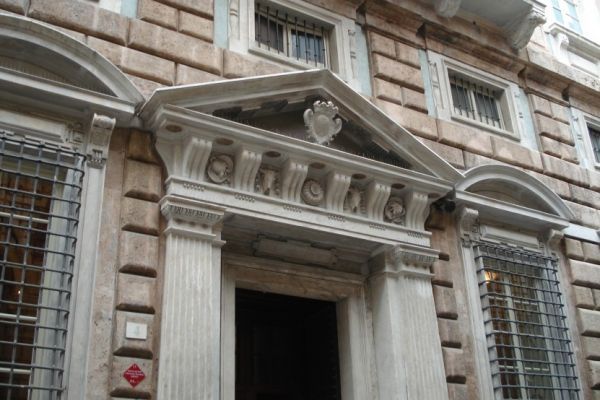
Genoa’s Rolli Palaces turn a walk through the old city into a look inside the homes that once hosted cardinals, princes, viceroys, and ambassadors. You’ll enter Palazzo Rosso, admire the Golden Room at Palazzo Tobia Pallavicino, search out a concealed fresco in Palazzo Lomellino, and climb the grand stairs of Palazzo Imperiale. I like the mix of art and civic history, and I like that the tour opens doors to four noble residences for just $16. The main tradeoff is the bilingual format: every explanation is given in Italian and English, so the pace can feel slow.
Guides have included Ana, Marina, Manuela, Fausta, Barbara, and Christina, and the strongest tours seem to depend on a guide who can keep both languages moving. You should also expect plenty of steps, including open staircases and the magnificent staircase at Palazzo Imperiale. Comfortable shoes and patience will serve you well.
Key points to know before you book
- Four palaces in 2.5 hours: The route includes Palazzo Rosso, Palazzo Lomellino, Palazzo Tobia Pallavicino, and Palazzo Imperiale.
- A working system of aristocratic hospitality: The Rolli palaces were assigned by lottery to host visiting state dignitaries.
- Palazzo Rosso brings art into the tour: You’ll visit rooms in one of the Strada Nuova museums.
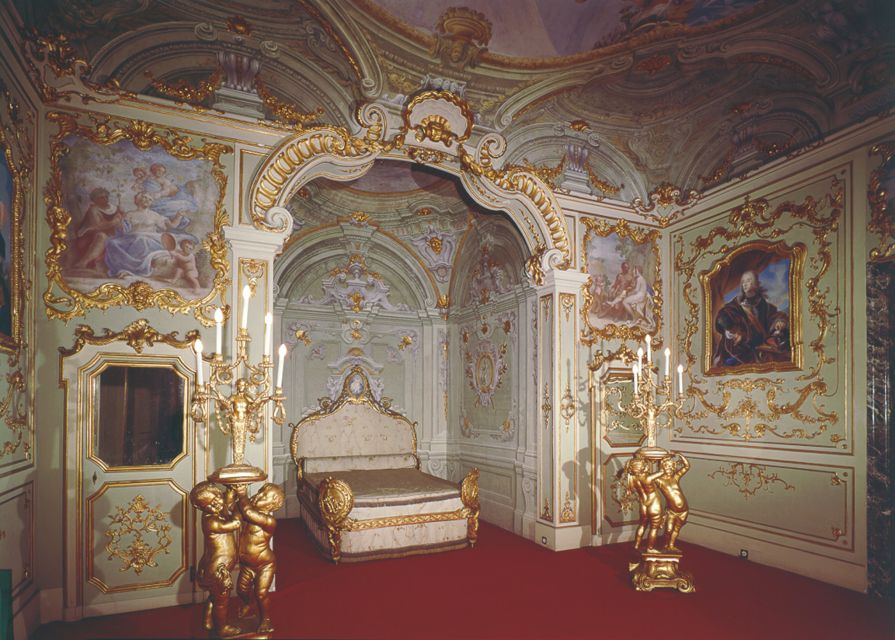
- Look for the Golden Room: Palazzo Tobia Pallavicino provides one of the tour’s most memorable interiors.
- The bilingual format takes time: English and Italian speakers tour together with one guide.
- Strong value at $16: The price includes the guide and admission to the named palaces.
Why Genoa’s Rolli Palaces matter
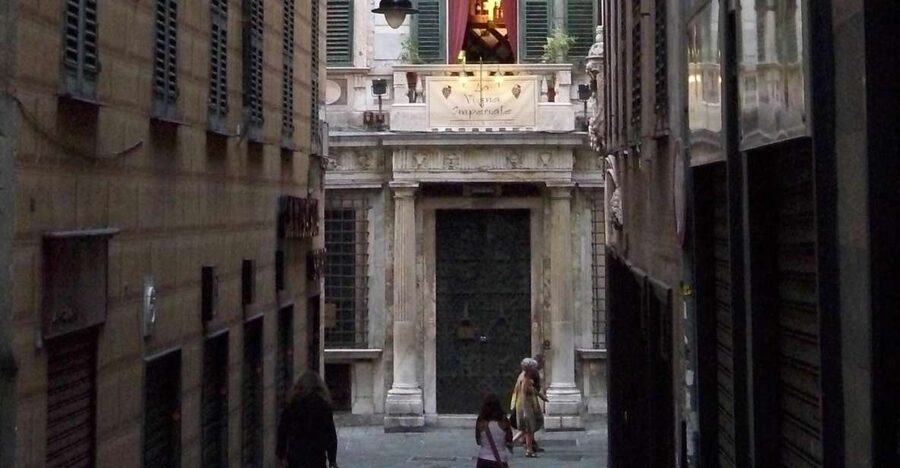
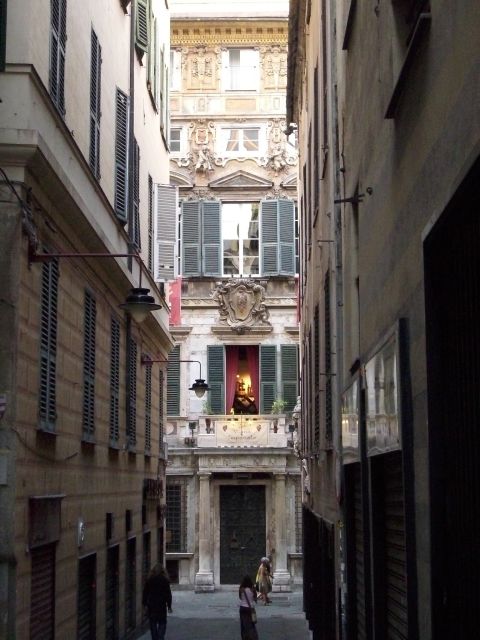
Genoa’s grandest residences were not built as a single palace complex. They line the city streets, often packed closely into the historic center, and together form the Rolli system.
During Genoa’s Secolo d’Oro, or Golden Century, aristocratic families built lavish homes between the 16th and 17th centuries. These families did not simply display their wealth for private pleasure. In 1576, the Senate of the Republic of Genoa created a formal system for receiving important state visitors.
The palaces were written onto parchment rolls, which explains the name Rolli. They were placed into three balloting lists, called bussoli, based on size and splendor. A lottery then decided which family had the privilege, and the burden, of hosting a visiting dignitary.
The first list was reserved for cardinals, princes, and viceroys. The second was for major landowners, and the third for lesser princes and ambassadors. It was an early European form of organized state hospitality, with private residences serving a public purpose.
That background makes the tour more than a parade of decorated rooms. You begin to see Genoa as a maritime republic where political influence, family wealth, architecture, and public duty were closely linked.
UNESCO added the Rolli Palaces to its World Heritage list in 2006. The recognition covers the system as a whole, not only one famous building. That is important: the appeal comes from seeing several residences and understanding how they worked together.
A few more Genoa half-days worth a look
- Genoa: Aquarium of Genoa Entry Ticket
★ 4.5 · 10,075 reviews - Genoa: Full-Day Tour to Camogli, San Fruttuoso & Portofino
★ 4.4 · 3,295 reviews - Genoa: Hop-on Hop-off Tour Ticket
★ 4.0 · 1,524 reviews
Starting on Via Garibaldi
The tour begins at the Tourist Information Centre at Via Garibaldi 12 red. This street, historically known as Strada Nuova, is the natural setting for the experience, since several of Genoa’s most important aristocratic palaces line it.
Expect the guide to gather the group before leading you into the palaces. The group may be small, depending on the departure, and the tour is conducted in English and Italian by a bilingual guide.
The route is mainly on foot and has been described as easy to manage overall, though it includes stairs. You will not spend the whole time walking across Genoa. The focus is on entering buildings, moving between rooms, and hearing how the residences fit into the city’s political and artistic life.
The guide matters here. A strong bilingual guide does more than repeat each sentence in two languages. Guides such as Ana and Manuela have been praised for making the explanations clear and lively, while Fausta was noted for keeping both languages moving without making the presentation feel tiring. That skill can make a real difference.
Palazzo Rosso and the Strada Nuova museums
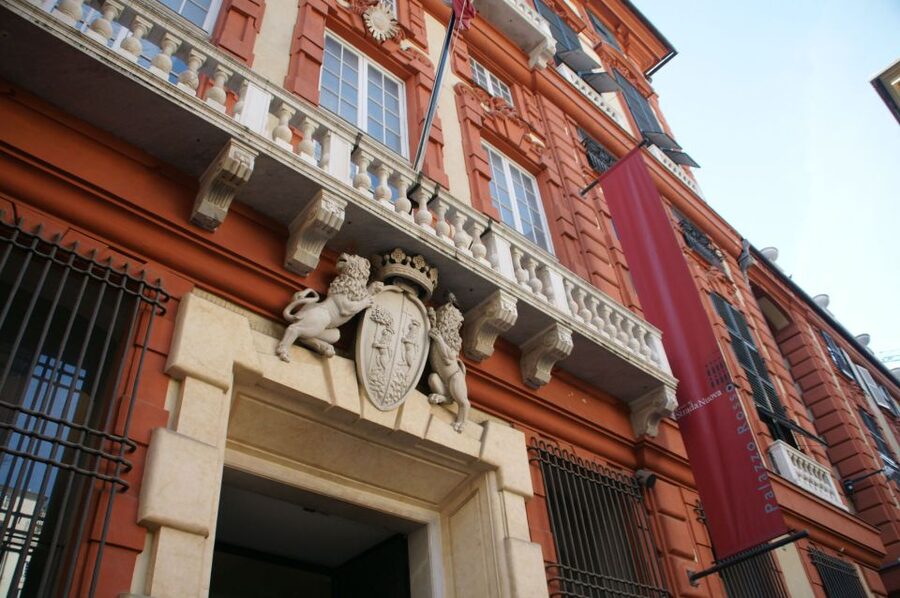
Palazzo Rosso is one of the tour’s main interior visits. It forms part of the Strada Nuova museum group and gives you a chance to see the sort of rooms created for Genoa’s ruling families.
The name suggests a red exterior, but the real appeal is inside: decorated rooms, works of art, and the sense of a private residence designed to impress political and social visitors. The palace helps connect the Rolli story to the city’s art collections.
You should pay attention to the relationship between the rooms and the building’s role. These were not bare meeting halls. They were homes, reception spaces, and statements of family power. Frescoes, ornate decoration, and formal layouts were part of the message.
One earlier visitor also appreciated a 360-degree view from the top of Palazzo Rosso. The supplied tour details do not guarantee that this viewpoint is part of every departure, so treat it as a possible bonus rather than a promised stop. If it is available, it gives useful context for Genoa’s tight urban form and layered streets.
The visit may cover only certain rooms or a particular floor rather than every part of the building. That is a sensible limitation on a 2.5-hour tour, but it is worth knowing if you prefer a slow, room-by-room museum visit.
Palazzo Tobia Pallavicino and the Golden Room
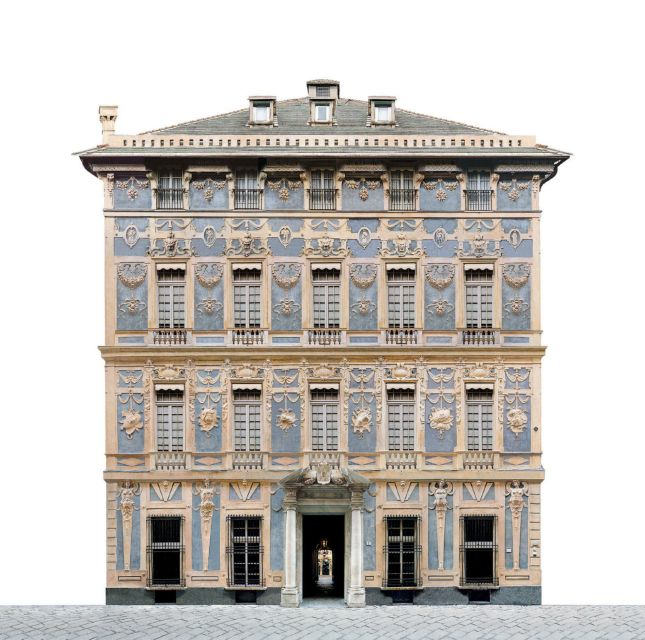
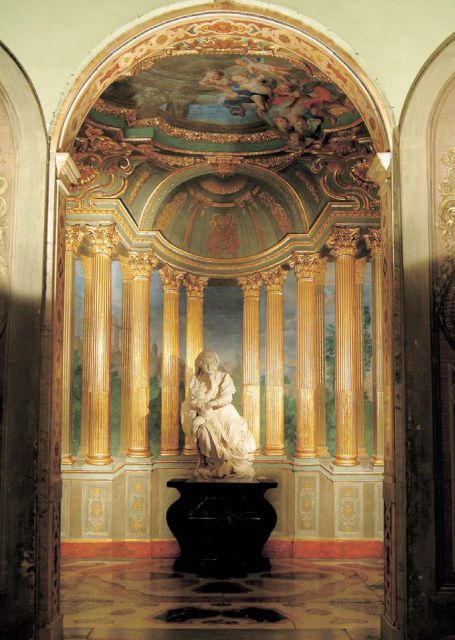
Palazzo Tobia Pallavicino supplies one of the clearest visual highlights: the Golden Room.
The name tells you what to watch for. This is an interior made to catch the eye, with decoration that reflects the wealth and confidence of the family who commissioned it. The room helps explain why the Rolli palaces were chosen for state visits. A dignitary entering such a space would immediately understand the status of the household.
The Golden Room is also useful for comparing private noble architecture with the public image of the republic. Genoa’s political system depended on powerful families, and their homes acted as stages for diplomacy.
Your guide can give the decoration a purpose beyond simple admiration. Listen for links between architecture, family prestige, and the city’s role in international trade. The tour is at its best when it explains not just what you are looking at, but why someone in 16th or 17th-century Genoa thought it mattered.
More Guided Tours in Genoa:
- Genoa: 2-Hour Guided Walking Tour of the Historical Center
★ 4.2 · 605 reviews - Genoa: Historic Guided Tour of Christopher Columbus’ House
★ 4.4 · 186 reviews - Colosseum, Roman Forum & Palatine Guided Tour
★ 4.7 · 63,148 reviews - Vatican Museums, Sistine Chapel & St Peter’s Basilica Guided Tour
★ 4.5 · 39,149 reviews
Palazzo Lomellino and the concealed fresco
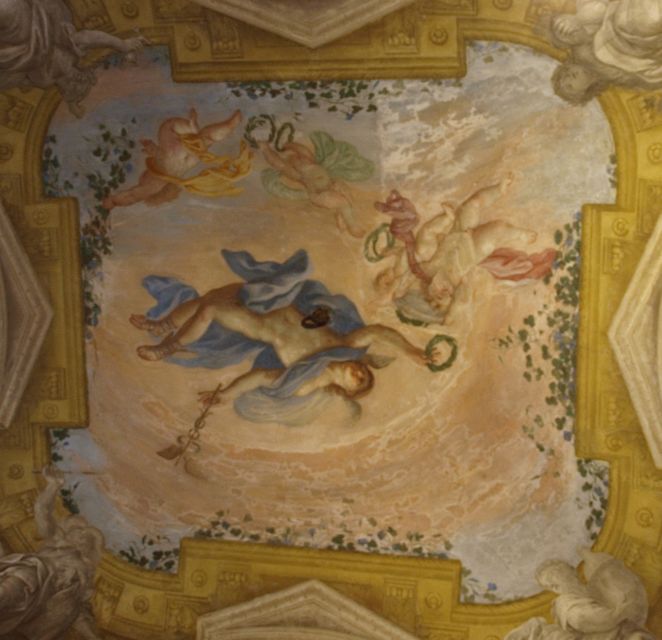
Palazzo Lomellino adds an element of discovery. The palace is known on this route for a concealed fresco, a detail that rewards close attention.
This stop also shows how varied the Rolli residences can be. The tour is not only about large formal halls. Courtyards, loggias, gardens, and decorated passages are part of the system, and the buildings often rise at different levels.
A particularly enjoyable part of this visit can be the garden. One tour included a surprise garden, and that unexpected change from enclosed rooms to an outdoor space became a highlight. The tour information describes the Rolli palaces as having courtyards, open staircases, and loggias looking onto gardens, so keep an eye out for these transitions.
Palazzo Lomellino is a good reminder that Genoa’s historic center can conceal open, airy spaces behind dense street fronts. You might walk past the entrance without guessing what lies beyond it.
The stairs of Palazzo Imperiale
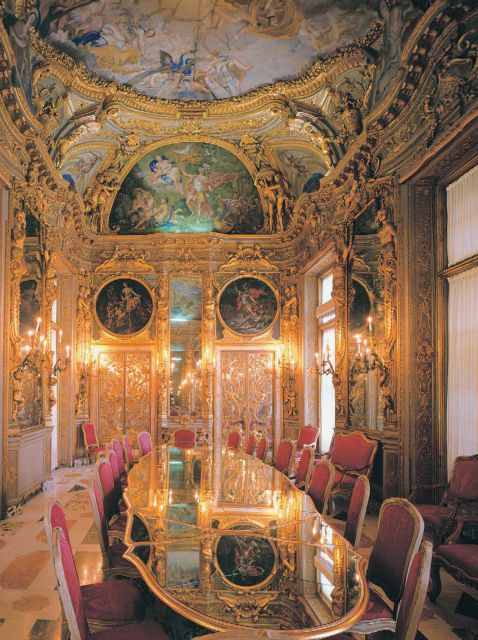
Palazzo Imperiale brings the route back to architecture on a grand scale. The included entrance lets you see its magnificent stairs, a feature that makes the building’s vertical design especially clear.
Genoa was built on uneven ground, and the Rolli palaces often use changes in level as part of their design. Stairs are not an afterthought here. They lead from street to courtyard, from courtyard to reception rooms, and from public approach to private residence.
This is also the point where practical comfort matters most. One visitor specifically advised being ready for lots of steps, while another found the walking route less tiring than expected. Both observations can be true. The route is not a strenuous hike, but you should be comfortable with repeated stairs and changing levels.
The reward is architectural. Open staircases, landings, loggias, and courtyards show how the palaces were designed as a sequence of impressive arrivals. The movement through the building was part of the experience for an invited dignitary.
What the bilingual tour feels like
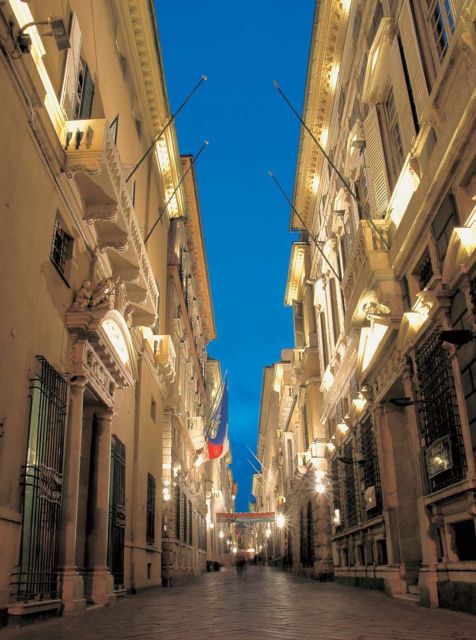
The guide speaks in both Italian and English. This makes the tour useful for mixed-language groups, but it also affects the rhythm.
At its best, the bilingual format is smooth. Fausta was praised for presenting both languages without tiring the group, and other guides have been able to involve English speakers while maintaining the Italian presentation. A lively guide can even use the two languages to keep the group engaged.
At other times, the same explanation must be given twice. If you booked an English-only experience, you may find the Italian sections slow the pace. One practical effect is that a tour that might feel brisk in one language can take the full 2.5 hours when both languages are included.
This is not a problem with the buildings or the guides. It is simply the structure of the departure. If you are traveling with Italian speakers, the arrangement may suit you especially well. If you want a fast English-only visit, check the language details carefully before booking.
The best guides also make room for questions. Ana was described as patient and good-humored, while Manuela was praised for generous explanations and a strong command of English. You might also hear local details beyond the formal palace story, such as references to Genoa’s historic shops and the wider life of the old center.
The $16 price and what it covers
At $16 per person, this tour offers strong value if all four palace visits operate as planned. The cost includes the guided tour, entry to Palazzo Imperiale, Palazzo Rosso, Palazzo Lomellino, and Palazzo Tobia Pallavicino.
Buying separate admissions and trying to connect the buildings yourself could take more planning. More important, you would lose the thread connecting the residences to Genoa’s Rolli system. The guide turns separate rooms into one story about wealth, diplomacy, and civic duty.
The value is greatest for a first visit to Genoa, especially if you want context rather than only photographs. Art lovers will appreciate Palazzo Rosso and the frescoes. Architecture fans will notice the stairs, courtyards, loggias, and changing levels. History-minded visitors will get the clearest picture of how the republic used private homes for public occasions.
The tour is less suitable if you dislike scheduled visits or prefer to linger in one museum. The fixed 2.5-hour format means you will move on before studying every painting or room in detail.
Free cancellation is available up to 24 hours before the tour, and you can reserve now and pay later. Check the available start times when booking, since the duration is fixed but the departure time can vary.
Who should take this tour?
I would choose this tour if you are visiting Genoa for the first time and want a clear introduction to the city’s aristocratic center. It is also a good pick for anyone who might walk past the palaces without realizing what is inside.
Art and architecture fans should find plenty to hold their attention, particularly at Palazzo Rosso and Palazzo Tobia Pallavicino. The tour also suits visitors who like political history, since the Rolli system shows how a republic organized hospitality through its leading families.
Families with older children may enjoy the variety of rooms, stairs, art, and gardens. The experience has more movement than a standard museum visit, though the steps may not suit everyone.
I would hesitate if you need a fully English-only tour, cannot manage stairs, or want unrestricted time for photography and close inspection. The bilingual format and scheduled route are central parts of the experience.
Should you book the Rolli Palaces tour?
Book it if you want to see several of Genoa’s noble residences in one morning or afternoon and understand why they belong together. The Golden Room, Palazzo Rosso’s art, Palazzo Lomellino’s concealed fresco, the garden, and Palazzo Imperiale’s stairs give the tour a good range of sights.
The strongest reason to go is the combination of access and explanation. For $16, you get four palace visits and a guide who can connect decorative details to Genoa’s Golden Century.
Go in with two expectations: the tour uses both Italian and English, and you will climb stairs. If those points work for you, this is an affordable, focused way to see Genoa through the homes of the families who shaped it.
FAQ
Where does the Rolli Palaces tour meet?
The tour starts at the Tourist Information Centre, Via Garibaldi, 12 red, 16124 Genova GE, Italy.
How long does the tour last?
The tour lasts 2.5 hours.
What languages are used?
The tour is conducted in English and Italian with a bilingual guide.
Which palaces are included?
The tour includes Palazzo Rosso, Palazzo Lomellino, Palazzo Tobia Pallavicino, and Palazzo Imperiale.
Is admission to the palaces included?
Yes. The tour includes entry to Palazzo Imperiale, Palazzo Rosso, Palazzo Lomellino, and Palazzo Tobia Pallavicino.
How much does the tour cost?
The listed price is $16 per person.
What can I see at Palazzo Rosso?
You can visit the beautiful rooms of Palazzo Rosso, one of the Strada Nuova museums. A 360-degree view from the top has also been offered on a past visit, but it is not stated as a guaranteed feature of every tour.
What is special about Palazzo Tobia Pallavicino?
The tour includes a visit to its Golden Room.
Are there many stairs?
Yes. The palaces feature open staircases, and Palazzo Imperiale is known on this route for its grand stairs. You should be prepared for repeated steps.
Can I cancel for a refund?
You can cancel up to 24 hours before the tour for a full refund. You can also reserve now and pay later.
Just added around Genoa
- City Sightseeing Genoa Hop-On Hop-Off Bus Tour★ 3.0 · 259 reviews
- Genoa: Impossible Museum Entry Ticket★ 4.2 · 226 reviews
- Genova: Segway Tour★ 4.9 · 275 reviews
- Genoa: Aquarium, Galata Museum and Submarine Entry Tickets★ 4.6 · 190 reviews
- Genoa: The City of Children and Young Museum Entry Ticket★ 4.1 · 303 reviews
- Genoa: Biosfera Entrance Ticket★ 3.9 · 283 reviews
- Genoa: Food and Wine Tasting Walking Tour★ 4.9 · 215 reviews
- Genoa: Historic Guided Tour of Christopher Columbus’ House★ 4.4 · 186 reviews
Genoa Tours, compared.

Full-Day Tour to Camogli, San Fruttuoso & Portofino
Read our review →



Cetacean Watching Cruise with Marine Biologist Guide
Read our review →
2-Hour Guided Walking Tour of the Historical Center
Read our review →Browse the lists this tour appears in