
Reviewed · HISTORICAL TOURS
Genoa: 2-Hour Guided Walking Tour of the Historical Center
Genoa’s caruggi, a maze of narrow medieval lanes, are easiest to understand with a guide who can point out what you would otherwise walk past. This tour links those lanes with the grand Rolli palaces, San Lorenzo Cathedral, San Matteo Square, and Via Garibaldi.
I like the way the tour gives you both a useful city orientation and same-day museum admission. I also like the modest $16 price, especially because it includes the Strada Nuova and Sant’Agostino museums. The main drawback is the bilingual format: the guide speaks in English and Italian, so the walking route may take longer and explanations are repeated.
Key points at a glance
- The caruggi tell Genoa’s story: Follow narrow lanes, small squares, old gates, and grand buildings in the city’s historic core.
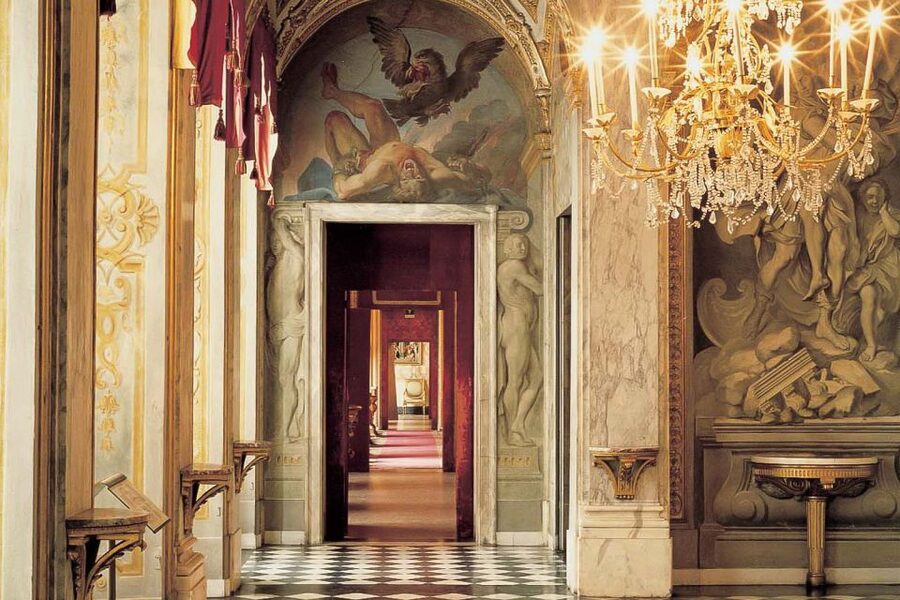
- Rolli palaces add aristocratic scale: Via Garibaldi reveals the elegant homes once used to host important visitors.
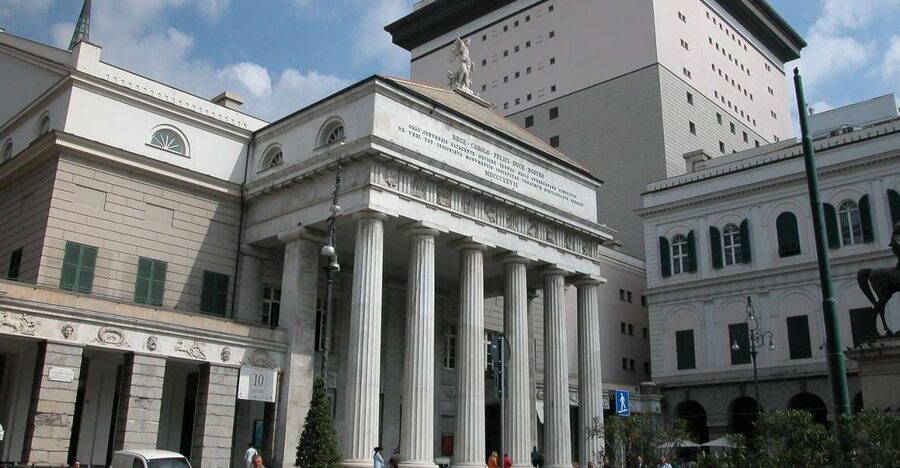
- The tour covers major landmarks: Expect San Lorenzo Cathedral, the Doge Palace, the Opera House, San Matteo Square, and Strada Nuova.
- Museums are included: Continue independently to the Strada Nuova and Sant’Agostino museums on the same day.
- The guide speaks two languages: English and Italian are used throughout, with the explanation repeated for both groups.
- The value is unusually strong: At $16, you get two hours with a guide plus museum access.
Why Genoa’s old center is best seen on foot
Genoa is not a city that gives itself away from a single broad avenue. Its historic center is a dense network of caruggi, the narrow lanes that wind between tall buildings and open suddenly into small squares.
That close-up scale is the point of this tour. You are not simply looking at a cathedral from across a plaza. You are moving through the old center, seeing how Genoa’s medieval streets fit beside aristocratic palaces, churches, civic buildings, and traces of the port city’s powerful past.
The route is useful for first-time visitors because it helps you get your bearings. Several people who took similar walks found that the tour showed them corners they would have had trouble finding alone. Afterward, you can return to the places that caught your eye, now with a better sense of where they fit.
The center is also a place where it pays to slow down. A short distance may take time because the guide stops to explain a façade, square, church, or local story. This is not a high-mileage tour designed to cover every district of Genoa. Its strength is the amount of context packed into the historic core.
More History Tours in Genoa:
- Genoa: Historic Guided Tour of Christopher Columbus’ House
★ 4.4 · 186 reviews - Venice: St. Mark Basilica Ticket, Audioguide+History Gallery
★ 3.9 · 4,780 reviews - Venice’s Best: Basilica, Doge’s Palace, Gondola & History Gallery
★ 4.5 · 2,478 reviews
Meeting at Via Garibaldi 12red
The tour begins at the Tourist Information Center at Via Garibaldi 12red. This is a practical starting point because Via Garibaldi, also called Strada Nuova, is one of the most important streets on the route and one of Genoa’s major cultural areas.
Arrive ready to walk rather than expecting a coach-style city tour. The old center has narrow lanes and uneven urban surfaces, and the experience depends on moving through them at street level. The pace has generally been described as comfortable, including for people who need a slower rhythm, but you should still wear sensible shoes.
The walk lasts two hours. Some tours may run slightly longer when the guide is answering questions or explaining the two languages fully. That can be a benefit if you want more background, though it leaves less room for an immediate museum visit afterward.
If you are visiting from a cruise ship, the starting point is within walking distance of the port area according to the supplied directions from past participants. Allow extra time if you are walking with children or managing a fixed ship departure. The tour itself does not include transport back to the port.
Strada Nuova and the Rolli palaces
Via Garibaldi is one of the tour’s most rewarding stretches. Its historic name, Strada Nuova, reflects a planned aristocratic street lined with grand residences from the 16th and 17th centuries.
These are the Palazzi dei Rolli, the palaces placed on official lists for hosting distinguished visitors to Genoa. They were private aristocratic homes, but their public role gave the street unusual importance. The group of palaces is recognized as a UNESCO World Heritage Site.
Look up as you walk. The scale of the buildings can be easy to miss if you focus only on the narrow street. A guide helps explain why this one corridor carries so much weight in Genoa’s story and how the city’s leading families used architecture to show wealth and influence.
The tour introduces the Strada Nuova Museums, which occupy several of these historic palaces. You do not remain with the guide for a full museum tour. At the end of the walking route, the guide introduces the museums, and you continue inside independently using the included admission.
That arrangement is worth understanding before you book. You receive access, but not a guided art tour through every room. I like the freedom because you can set your own pace and concentrate on the paintings that interest you. If you want detailed interpretation of each work, plan to read the museum information as you go.
The collection covers Italian and foreign art from the 15th through the 19th centuries, with notable examples from Genoese and Flemish schools. For an art lover, this is more than an extra ticket. For someone mainly interested in streets and architecture, it is a useful option rather than a compulsory second tour.
San Matteo Square and the Doria connection
San Matteo Square offers a change of mood. Compared with the long palaces of Via Garibaldi, this is a more contained historic space associated with the Doria family, one of Genoa’s most powerful families.
A guide can make the square meaningful by connecting the church, surrounding buildings, and family influence to the wider story of the republic. Without that explanation, you might see a handsome medieval square and move on without understanding why it matters.
This is one reason I prefer taking the walk early in a Genoa visit. You get a series of reference points that help during the rest of your stay. If you later pass through the square alone, it will feel less like an attractive backdrop and more like part of the city’s political story.
The route also brings out Genoa’s unusual mix of grandeur and compression. A great family’s power appears in stone, yet the surrounding lanes remain tight and sometimes confusing. The contrast is central to the character of the old center.
More Walking Tours in Genoa:
- Taste Genoa: A Full Meal Walking Food Tour by Do Eat Better
★ 5.0 · 509 reviews - Genoa: Food and Wine Tasting Walking Tour
★ 4.9 · 215 reviews - Milan: Guided Walking Tour & Last Supper Visit with Ticket
★ 4.7 · 5,409 reviews - Naples: Street Food Walking Tour with Local Guide
★ 4.8 · 4,256 reviews
San Lorenzo Cathedral and the city’s religious treasures
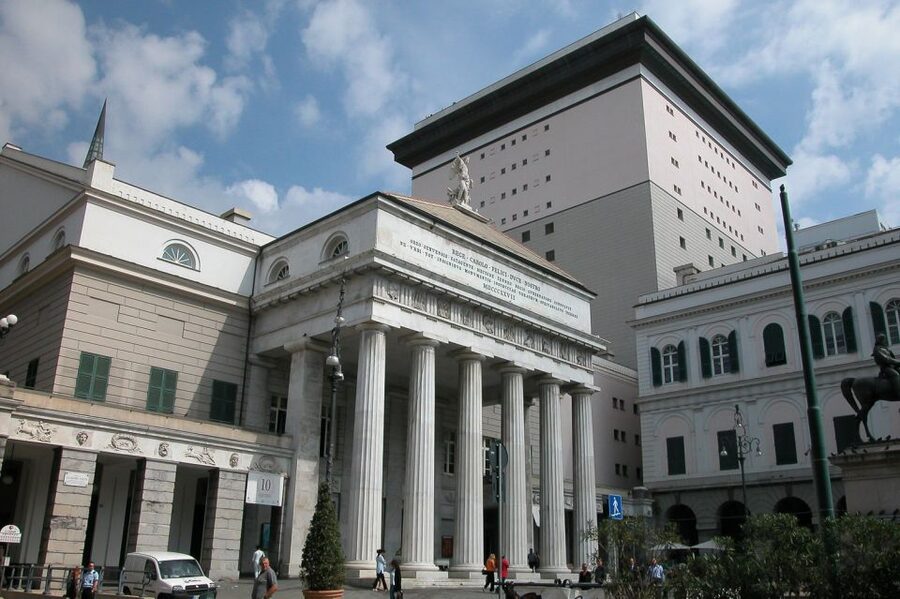
San Lorenzo Cathedral is another major stop. Its Gothic architecture gives the tour a strong visual anchor, and the church houses important religious objects connected with Genoa’s long history.
The supplied material specifically highlights relics associated with Saint John the Baptist. A guide can explain why these objects matter and how Genoa’s trading and maritime links helped bring prized religious treasures into the city.
The cathedral is best appreciated from both outside and inside, if the visit conditions allow. The tour’s focus is interpretation of the city rather than a guaranteed extended interior visit, so keep your expectations practical. You will receive historical context, but the exact time spent at each sight can depend on the group, the pace, and what is open that day.
The walk also places Genoa’s religious buildings beside civic and commercial landmarks. That combination helps you understand the city as a port, political center, and place of worship, rather than as a collection of isolated monuments.
The Doge Palace, Opera House, and medieval city
The itinerary includes the Doge Palace and Opera House, adding civic and cultural landmarks to the palaces and churches. These stops help round out the picture of Genoa beyond its medieval lanes.
You should not expect a full interior tour of every building named along the route. The experience is a guided walk through the historic center, with explanations from the street and selected stops. That makes it a good introduction, not a substitute for a full day of museum and palace visits.
The route also touches old city gates and lesser-known corners of the medieval center. These details are easy to miss on a hop-on, hop-off bus because buses cannot enter the narrowest streets. A walking guide can show you the physical structure of old Genoa in a way that a vehicle cannot.
Some past participants found the tour particularly useful for spotting places to revisit later, including cafés, ice cream shops, and other local stops. You may also receive food suggestions from the guide, although the itinerary does not include tastings or a meal.
What the bilingual format feels like
The guide conducts the tour in English and Italian. This is important to know before booking, especially if you want a fast, tightly timed English-only walk.
The bilingual format can lengthen each stop. The guide explains a point in one language, then repeats it in the other. Several guides have been praised for giving both groups equal attention, and named guides including Irene, Roberta, Daniel, Barbara, Marina, Anna, and Paola have received especially warm personal comments over the years. The guide assigned to your departure may be different.
The quality of the experience depends partly on group size and where you are standing. In a larger group, stay close enough to hear clearly, especially in busy lanes. Some past participants wished for a microphone or earpieces. Others preferred the quieter, slower approach without audio equipment.
I see the bilingual structure as a fair trade if you are comfortable with a two-hour introduction rather than a rapid checklist. You can take photos during the Italian explanation, then listen during the English section. If you speak neither language, this is not the right tour.
The included museums after the walk
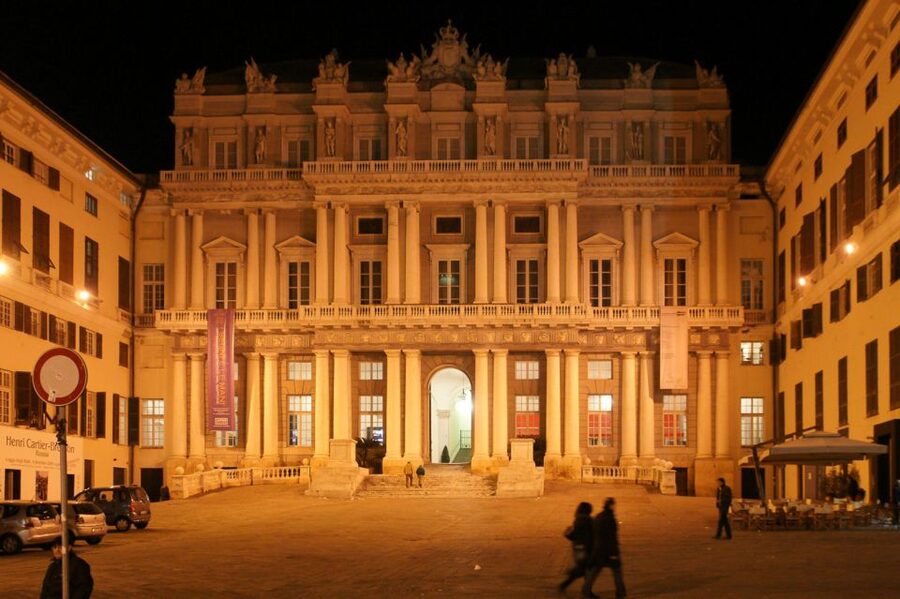
The museum admission is one of the strongest reasons to choose this tour over a basic orientation walk. Your ticket covers the Strada Nuova Museums and the Sant’Agostino Museum, and both visits should be completed on the same day as the walking tour.
The Strada Nuova Museums are Genoa’s main museum center, spread through historic palace spaces on Via Garibaldi. Their holdings include works from the 15th to the 19th centuries, with important representation from Genoese and Flemish artists. The palace interiors matter too, since the setting helps explain the wealth behind the art.
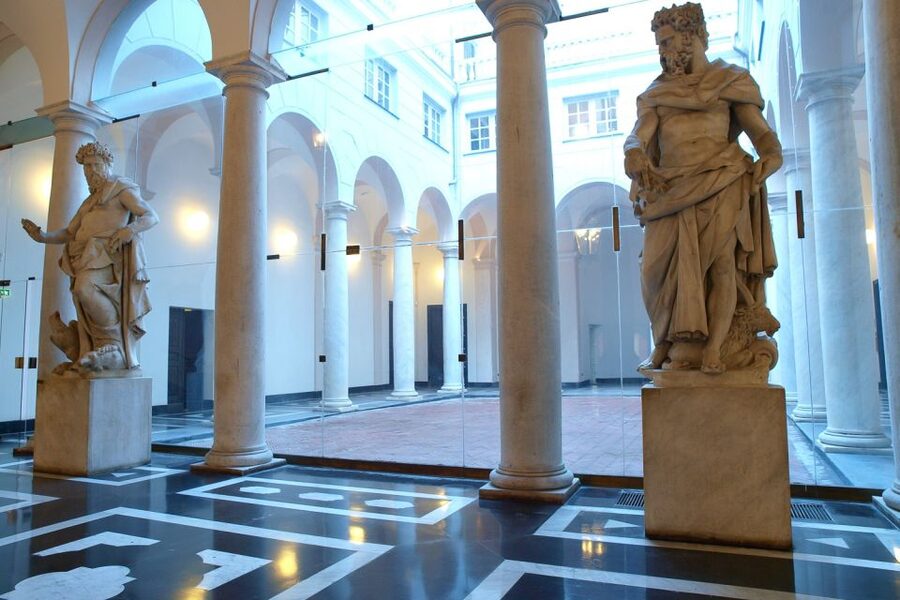
Sant’Agostino offers a different experience. It occupies the spaces of a triangular cloister and the largest preserved Gothic church in the complex. Its collection focuses on significant medieval works connected with Genoa.
The museums are visited independently after the guide finishes. Plan your energy and schedule accordingly. Two hours of walking followed by two museum visits can make for a full half-day, especially if you like to read labels and pause with the art.
You do not have to rush through both collections. If your time is limited, ask the guide where the entrance is and choose the museum that best matches your interests first. The important practical point is that the free admission is tied to the same day, so do not assume you can save it for tomorrow.
Price, pace, and practical value
At $16 per person, this is a strong value. A basic two-hour guided walk at that price would already be reasonable in a historic European city. Here, the cost also includes admission to two museum centers.
The value is highest if you use the museum tickets. If you only join the walk and skip the museums, you are leaving a meaningful part of the package unused. Build the museum time into your plan rather than treating the tickets as a vague extra.
The tour has earned a 4.2 rating from 605 bookings, which suggests a generally dependable experience rather than a flawless one. The most consistent strengths are the guides’ command of Genoa’s history, their willingness to answer questions, and a manageable walking pace.
Potential weaknesses are equally clear. The bilingual presentation takes time, sound may be harder to follow in a larger group, and you do not receive a guided museum visit. These are manageable concerns, but they matter if you want a private, fast, or highly specialized tour.
Free cancellation up to 24 hours before the start and the option to reserve now and pay later make the booking less rigid. Check the available starting time before committing, since the exact departure schedule is not fixed in the tour description.
Who should book this Genoa walk?
I would choose this tour for a first visit to Genoa, especially if you want a quick historical framework before exploring alone. It suits cruise passengers, couples, solo visitors, and families who can manage two hours on foot.
It is also a good match for travelers interested in architecture, city history, art, and local stories in equal measure. The route gives you a little of each without requiring a full day.
You may want something else if you dislike bilingual tours, need a private guide, or want extended interior visits at each monument. Those visitors would probably prefer a shorter English-only walk or a private specialist tour, if available.
FAQ
How long does the Genoa walking tour last?
The guided walking portion lasts two hours. The museum visits afterward are independent, so your total time depends on how long you spend inside.
What languages does the guide speak?
The live guide speaks English and Italian. The tour takes place in both languages with a bilingual guide.
Where does the tour start?
The meeting point is the Tourist Information Center at Via Garibaldi 12red.
What sights are included on the walking route?
The route includes the Palazzi dei Rolli, San Matteo Square, San Lorenzo Cathedral, the Doge Palace, the Opera House, the historic caruggi, and Strada Nuova, also called Via Garibaldi.
Is museum admission included?
Yes. Admission to the Strada Nuova Museums and Sant’Agostino Museum is included.
Are the museum visits guided?
No. At the end of the walk, the guide introduces the Strada Nuova Museums, and you continue through the museums independently.
Can I visit the museums on another day?
No. The included visits to the Strada Nuova Museums and Sant’Agostino Museum should take place on the same day as the walking tour.
What is the cancellation policy?
You can cancel up to 24 hours before the tour for a full refund. You can also reserve now and pay later.
Should you book it?
Book this tour if you want an affordable first look at Genoa’s old center, value clear historical explanation, and plan to use the two included museum admissions. The combination of caruggi, Rolli palaces, San Lorenzo Cathedral, and independent museum time gives you a solid half-day introduction for $16.
Skip it if you want an English-only experience, a private guide, or a museum specialist leading you from painting to painting. For most first-time visitors who are happy to walk at a measured pace and share the guide with an Italian-speaking group, this is a practical and well-priced way to begin in Genoa.
More 2-Hour Experiences in Genoa
- Lucca: 2-Hour City Center Walking Tour
★ 4.7 · 1,314 reviews - Milan Duomo and Rooftop 2-Hour Guided Tour
★ 4.6 · 1,076 reviews - Florence: 2-Hour Guided Sightseeing Bike Tour
★ 4.5 · 1,004 reviews - Alberobello: 2-Hour Guided Trulli Tour
★ 4.6 · 727 reviews
Just added around Genoa
- City Sightseeing Genoa Hop-On Hop-Off Bus Tour★ 3.0 · 259 reviews
- Genoa: Impossible Museum Entry Ticket★ 4.2 · 226 reviews
- Genova: Segway Tour★ 4.9 · 275 reviews
- Genoa: Aquarium, Galata Museum and Submarine Entry Tickets★ 4.6 · 190 reviews
- Genoa: The City of Children and Young Museum Entry Ticket★ 4.1 · 303 reviews
- Genoa: Historic Guided Tour of Christopher Columbus’ House★ 4.4 · 186 reviews
- Genoa: Biosfera Entrance Ticket★ 3.9 · 283 reviews
- Genoa: Food and Wine Tasting Walking Tour★ 4.9 · 215 reviews
Historical Tours, compared.
St. Mark Basilica Ticket, Audioguide+History Gallery
Read our review →
Venice’s Best: Basilica, Doge’s Palace, Gondola & History Gallery
Read our review →
Historic Milan Tour with Skip-the-Line Last Supper Ticket
Read our review →

Ancient History and Colosseum Underground Tour
Read our review →
Forbidden History Walking Tour & Pub Crawl with Drinks
Read our review →Browse the lists this tour appears in