
Reviewed · LAST SUPPER TOURS
Milan: Da Vinci’s Last Supper and Guided Walking Tour
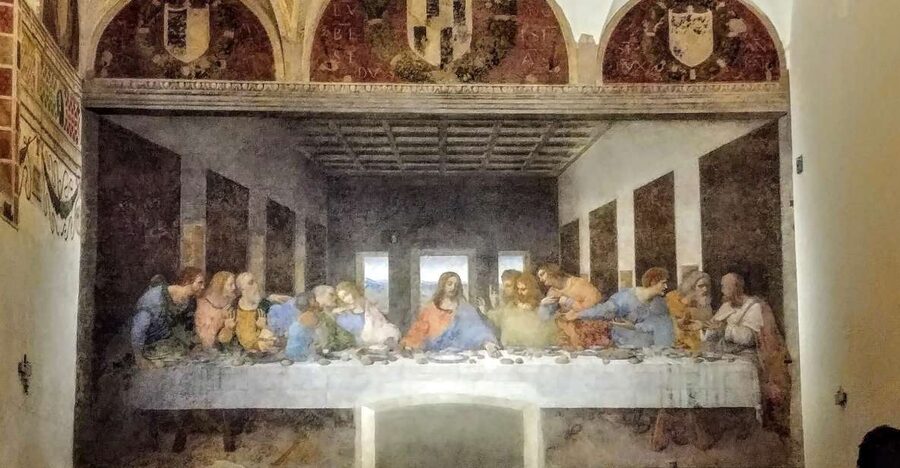
Leonardo da Vinci’s Last Supper is the star here, and this tour gives you the hard-to-get viewing time without making you fight through a long ticket line. After the painting, you walk across central Milan, passing Sforza Castle, La Scala, the Galleria Vittorio Emanuele II, and the Duomo.
I like the way the tour joins a major art visit with a useful first look at Milan. I also like the guides’ reputation for telling stories rather than simply pointing at buildings. Guides such as Sylvia, Simon, David, and Eddie have been praised for clear explanations, humor, and good pacing.
The catch is that three hours on foot can feel demanding, especially in summer or if your Last Supper time is late in the day. The Duomo is viewed from outside only, so you will need a separate ticket if you want to enter the cathedral or visit its terraces.
Key points to know before booking
- The Last Supper is limited to 15 minutes: The short viewing time is designed to protect Leonardo’s fragile mural, so arrive ready to focus.
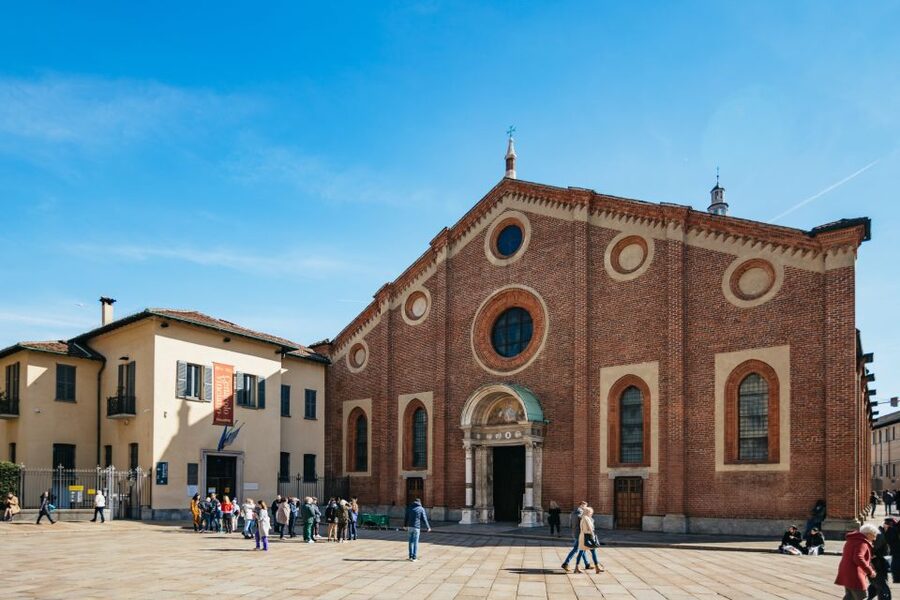
- The tour links west and central Milan: You begin at Santa Maria delle Grazie and finish around Piazza Duomo, with Sforza Castle, La Scala, and the Galleria along the way.
- The Duomo visit is exterior only: You see the marble façade, statues, and spires, but entrance is not included.
- The guide makes the difference: English-speaking guides including Sylvia, Simon, David, Jose, and Eddie have been praised for lively art and city history.
- Comfortable shoes matter: The route lasts three hours, follows city streets, and keeps a fairly brisk pace.
- Bring official identification: Your passport, ID card, or driving license is required to enter the Last Supper.
Why the Last Supper makes this tour worth considering
Milan has plenty of famous sights, but Leonardo’s Last Supper is the one that requires the most planning. Access is controlled, viewing times are short, and the mural is protected with strict limits on how many people can enter. A guided visit takes away much of the ticket-hunting and timing trouble.
You meet the guide in front of the entrance to Santa Maria delle Grazie, in the church square. Pay close attention to the meeting instructions. The meeting point can feel vague if you arrive late or if the square is crowded. One useful safeguard is to have WhatsApp available and the tour company’s phone number saved, since the operator has helped late arrivals find the group.
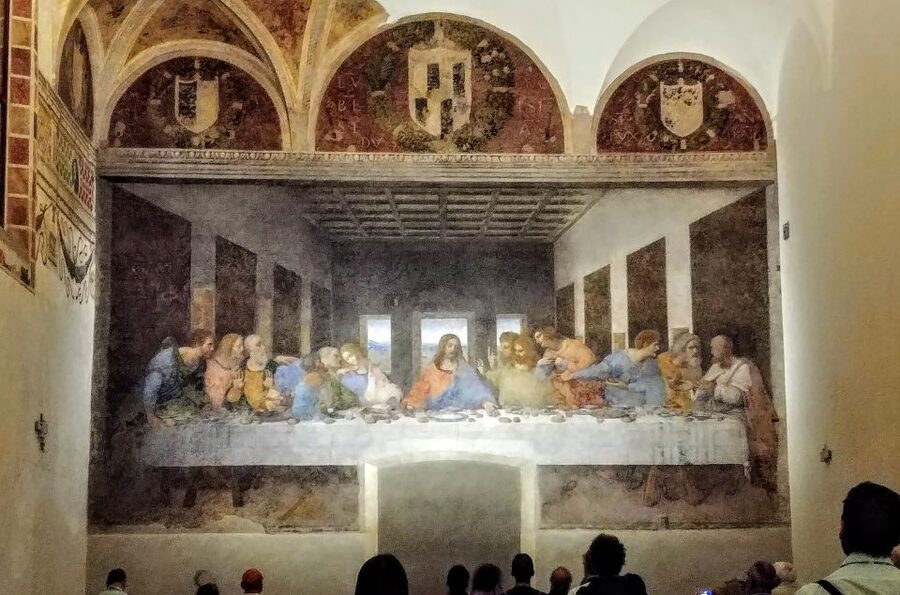
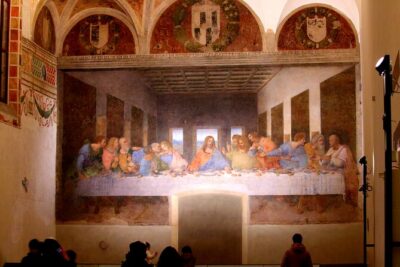
Inside, expect a focused visit rather than a leisurely museum stop. The Last Supper can be viewed for a maximum of 15 minutes. That sounds brief, but the time is enough to see the composition, study Leonardo’s arrangement of the figures, and listen to the guide explain what to look for.
Your guide can help you notice how Leonardo organized the apostles around Christ, how gesture and expression carry the drama, and why the work is more than a famous religious scene. The best part of the visit is not simply getting close to a celebrated image. It is learning how to look at it.
You must bring a passport, ID card, or driving license. Large bags and luggage are not allowed, so avoid arriving with a suitcase or an oversized day bag. Pets and smoking are also not allowed.
More Guided Tours in Tuscany
- Milan: Da Vinci’s Last Supper Guided Tour
★ 4.7 · 10,143 reviews - Milan: Guided Tour of Leonardo da Vinci’s ‘The Last Supper’
★ 4.6 · 1,281 reviews - Da Vinci’s Last Supper Express Semi-Private Guided Tour
★ 4.8 · 427 reviews
Santa Maria delle Grazie and Leonardo’s fragile mural
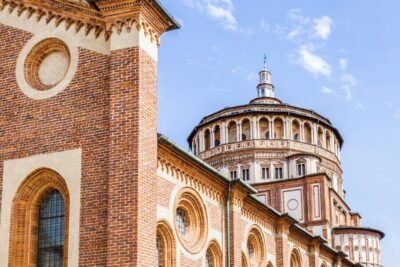
Santa Maria delle Grazie gives the visit a fitting setting. The church is closely tied to Leonardo’s Milan, and the tour begins here before moving into the wider city.
The Last Supper itself is not a traditional fresco in the strict sense. Leonardo used an experimental technique on the wall, which contributed to the painting’s long conservation problems. You do not need to be an art specialist to appreciate the result, but the mural rewards close attention to its faces, hand movements, and carefully arranged reactions.
This is where a good guide earns the fee. The strongest guides on this tour, including Sylvia, Simon, David, and Jose, are praised for making art approachable and for adding small facts about Leonardo’s life and Milan. Some guides use humor, while others focus more on technique and historical detail. The exact style depends on who leads your group.
Keep your expectations realistic. This is not a private, open-ended art lesson. The viewing is timed, the room is controlled, and the group must move on. Still, the visit is a strong use of 15 minutes because the guide gives you a way to see more in that short window.
Walking from Sforza Castle into Milan’s political past
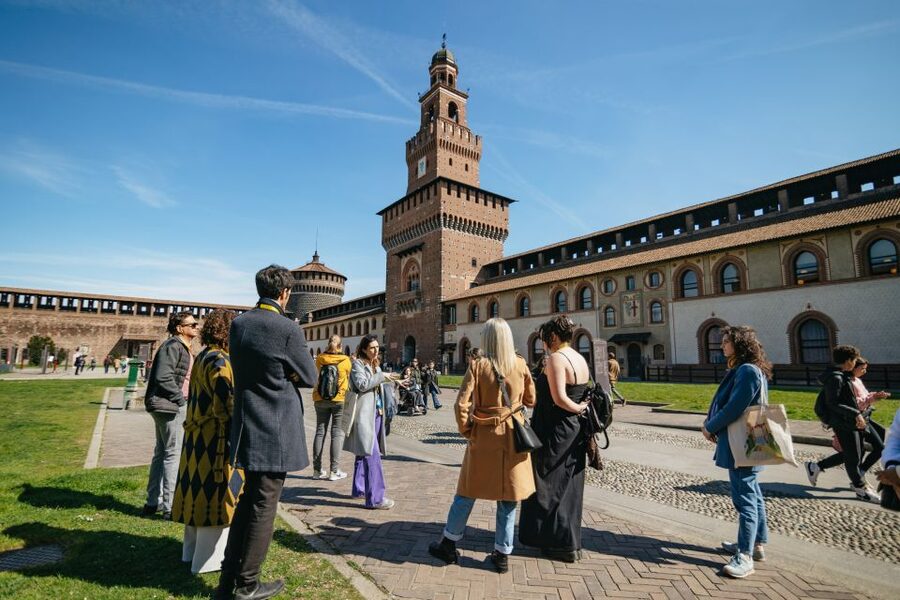
After the Last Supper, the route continues toward Sforza Castle. This change of scale works well. You move from a single painted wall to one of Milan’s great public monuments.
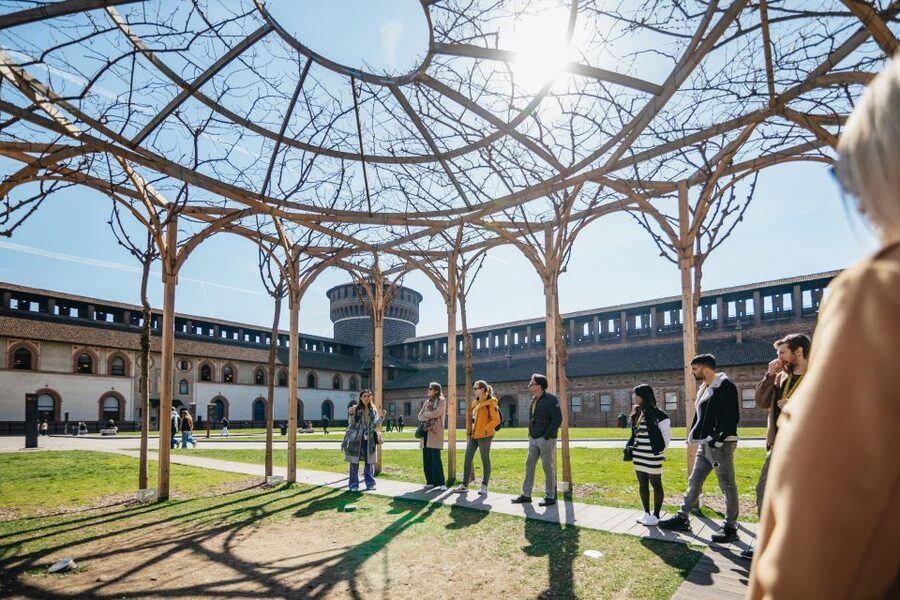
Sforza Castle carries you back to the city’s medieval and Renaissance power struggles. Its large walls and courtyards once marked the political center of Milan. Your guide explains how the castle fits into the city’s development and connects it with Leonardo’s time in Milan.
The castle is one of the most satisfying stops on the walking route because it gives you a sense of Milan beyond fashion, shopping, and the Duomo. You see how power was displayed in stone and how the city’s rulers shaped its public spaces.
Do not expect a full museum visit here. The tour is about the castle’s setting, history, and place in Milan’s story. If you want to explore collections inside Sforza Castle, you will need more time on your own.
The walk between stops is part of the experience. You are not being driven from monument to monument. You see streets, squares, and the changing feel of the city as the route heads toward the center.
La Scala and Piazza della Scala
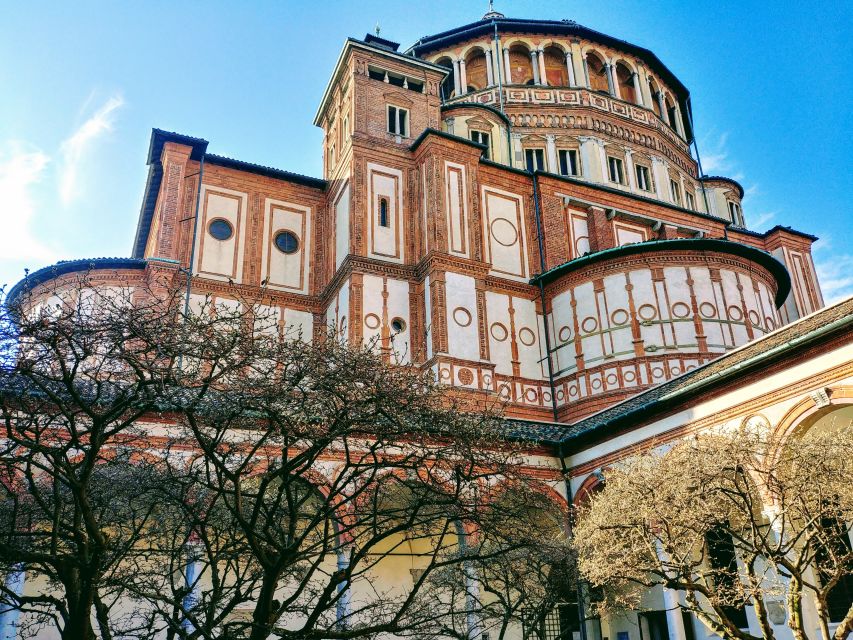
Piazza della Scala offers a compact lesson in Milan’s cultural life. From the square, you can admire the façade of Teatro alla Scala, one of the world’s best-known opera houses.
The guide points out the theater and the figures associated with its stage, including Toscanini, Puccini, Verdi, and Maria Callas. Even if opera is not your main interest, the stop helps explain Milan’s place in European music and performance.
The square also gives you views of the monument to Leonardo da Vinci and Palazzo Marino. This is a good example of why a walking guide adds value. You are not just seeing a theater façade. You are learning how the square connects art, city government, and Milan’s long cultural life.
The stop is brief, so do not expect to enter La Scala. You are getting an outdoor introduction and a chance to orient yourself in the historic center.
More Walking Tours in Tuscany
- Lucca: 2-Hour City Center Walking Tour
★ 4.7 · 1,314 reviews - Siena: Walking Tour and Skip-the-Line Duomo Tickets
★ 4.8 · 1,116 reviews - Livorno: Florence Optional Walking Tour and Accademia Entry
★ 4.3 · 671 reviews - Florence: Food Walking Tour with Local Steak and Tuscan Wine
★ 4.9 · 529 reviews
The Galleria Vittorio Emanuele II and the road to the Duomo
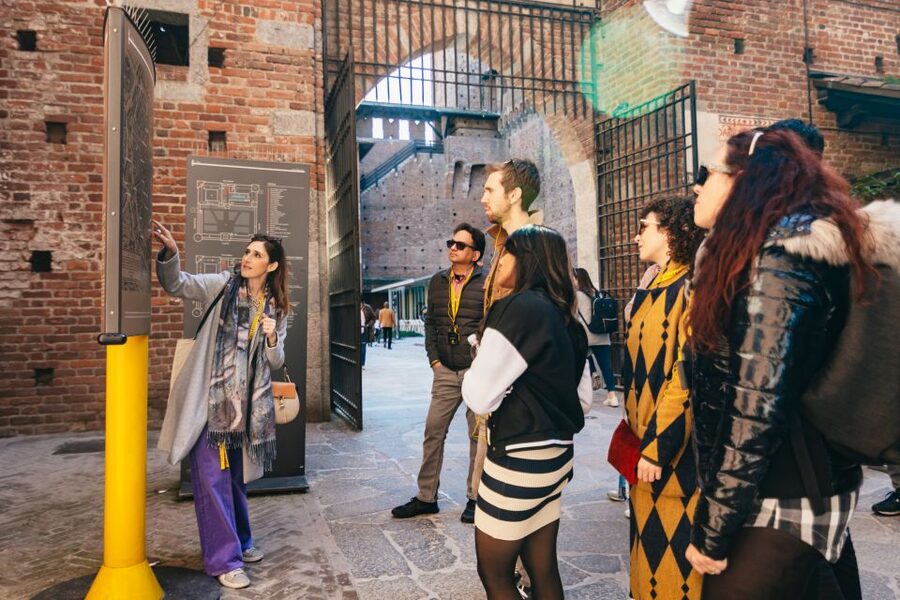
From Piazza della Scala, you enter the Galleria Vittorio Emanuele II. This grand 19th-century shopping arcade is one of Milan’s most elegant public spaces, with glass overhead and ornate architectural details.
The Galleria is still a working shopping passage, not simply a preserved monument. You will see cafés and shops alongside the decorative structure. It is a useful reminder that Milan’s historic center remains part of everyday city life.
The arcade also provides a natural lead-in to Piazza Duomo. After the enclosed elegance of the Galleria, the open square and cathedral façade arrive with real visual force.
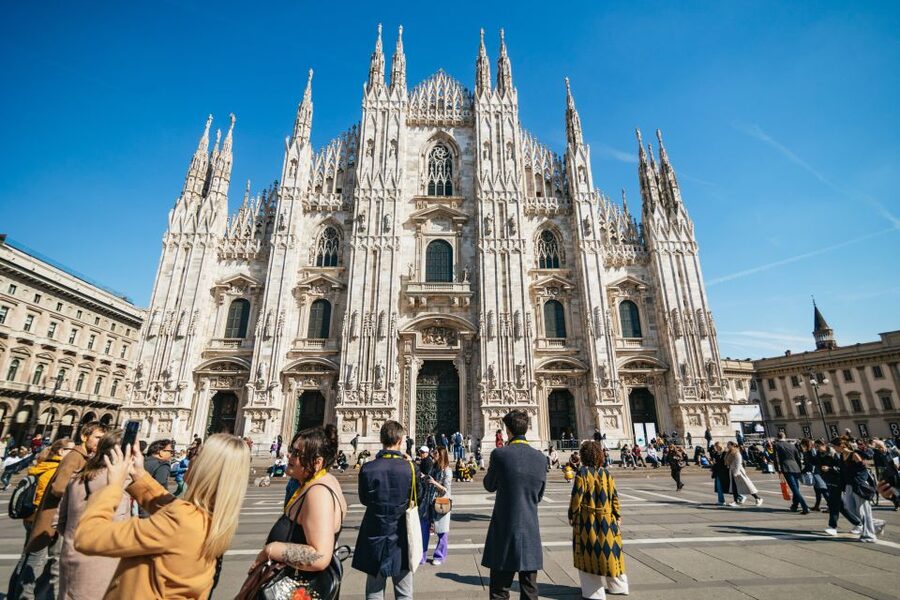
Your guide can help you read the Duomo rather than merely photograph it. Look for the pale marble, the thousands of statues, and the forest of spires. The building is huge, detailed, and easy to underestimate in a quick look. From street level, you can appreciate the façade’s scale and decoration, though you will not see the interior or terraces on this tour.
The tour information is clear about this limitation: due to the long lines, the Duomo is viewed from outside. Entrance is not included. If you want to go inside, plan a separate visit and allow extra time.
What the three-hour pace feels like
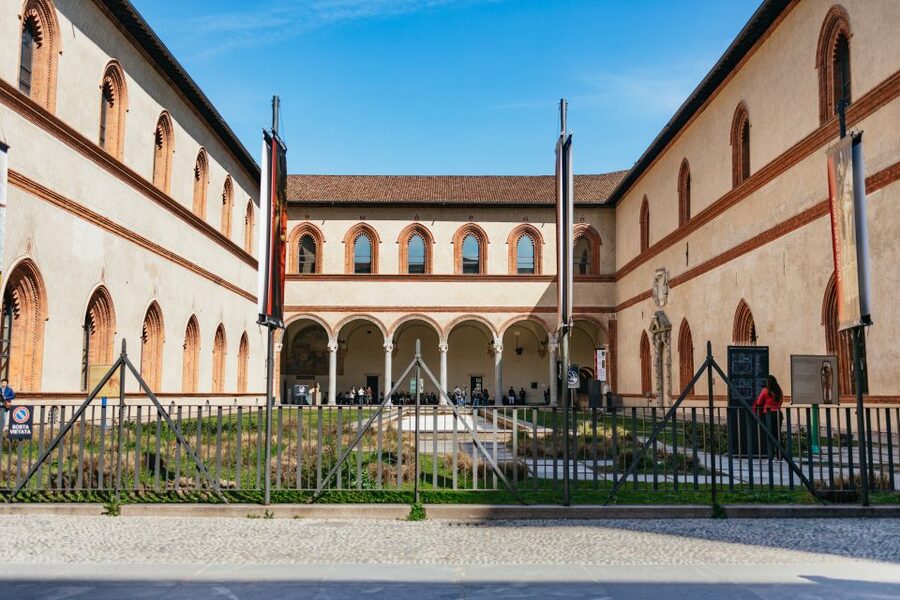
This is a walking tour, not a gentle café-to-café stroll. You cover several important areas in about three hours, and the schedule is designed to finish on time.
The pace has received praise because good guides adjust for the group. Simon has been noted for waiting for slower walkers, while Joseph and other guides have made time for breaks. Several guides have also adapted to hot weather by finding shade and allowing water stops.
That said, you should still prepare for steady walking. Wear comfortable shoes, carry water, and think carefully about the time of day. A late-afternoon or early-evening start can be pleasant, especially when the Duomo is lit, but it may follow a full day of sightseeing. One visitor found the 5 p.m. start tiring after a long day, and that is a fair warning.
The route may suit you less if you have limited stamina or want long, unhurried stops. It can suit you very well if you have only one day in Milan and want a structured introduction to the city.
The experience is listed as wheelchair accessible, but the route still involves a substantial amount of movement through city streets. If you have specific mobility needs, contact the provider before booking and confirm how the walking pace and stops will work for you.
The guide is the main variable
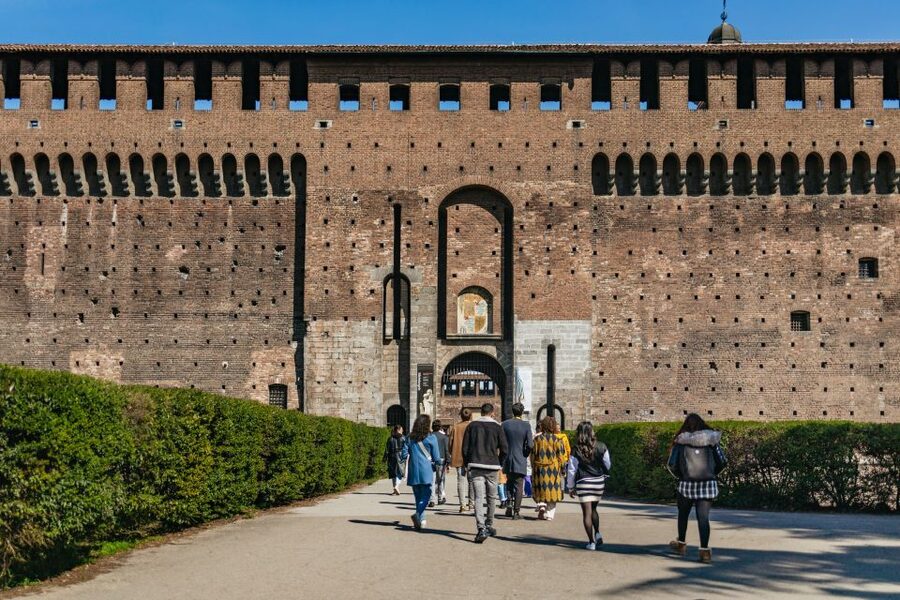
The tour has a set route, but the character of the experience depends heavily on the guide. The strongest feedback centers on guides who explain art clearly, keep the group moving, and add practical advice.
Sylvia and Silvi are praised for warmth, patience, and an ability to read the group. Simon is described as especially strong at explaining Milan’s buildings and past. David is praised for being concise and engaging, while Eddie is noted for passion and useful suggestions about places to visit.
You might get a guide who leans toward Leonardo and art history, or one who focuses more on Milan’s political and architectural past. Both approaches can work. The best result comes when the guide balances facts with stories and does not overload you with dates.
Headsets are included, which is useful in noisy squares and along busy streets. One practical warning: the supplied earphones may feel uncomfortable to some people. You might prefer to bring your own compatible earphones if the equipment allows it, but the tour does provide headsets so you can hear the guide while walking.
Is $70 a fair price?
At $70 per person, this is not the cheapest way to see Milan’s monuments. You are paying for the Last Supper ticket, a licensed English-speaking guide, headsets, and the convenience of combining the art visit with a three-hour city route.
The value is strongest when you have limited time. Buying access to the Last Supper can be difficult, and arranging a separate city walk takes more effort. This tour gives you one fixed plan that begins with the most restricted sight and then carries you toward the Duomo.
The value is weaker if you already have a Last Supper reservation, know Milan well, or prefer to explore at your own speed. The Duomo entrance is not included, and the castle, La Scala, and Galleria are viewed as outdoor stops.
I would think of the $70 as a fee for access and structure, not simply admission to a painting. The guide’s explanations, the route planning, and the saved time matter most. A guide such as Sylvia, Simon, David, or Eddie can make the price feel worthwhile, but the exact experience depends on who leads your group.
Who should book this Milan walking tour?
I would recommend it for a first visit, a short stay, or a day trip when you want to cover Milan’s main sights without working out the route yourself. It is especially useful if the Last Supper is high on your list and you want context instead of a quick standalone viewing.
It also suits anyone who enjoys city history in small pieces. You get Leonardo, medieval power, opera, architecture, shopping culture, and the Duomo in one connected walk.
Families with older children may find the varied route easier than a long museum visit, though younger children may struggle with the pace and the short, quiet viewing rules at the Last Supper. Infants under one year old go free.
I would hesitate if you want to enter the Duomo, browse Sforza Castle’s collections, or spend a long time at each stop. This is an overview with a strong art centerpiece, not a set of full monument visits.
Free cancellation is available up to 24 hours before the tour, and you can reserve now and pay later. Those options help if your Milan schedule is still changing, but the key practical matter remains the timed Last Supper entry. Arrive early, bring identification, and avoid large bags.
Should you book it?
Book this tour if seeing Leonardo’s Last Supper is a priority and you want a clear introduction to Milan in the same morning or afternoon. The combination is efficient, the route includes the city’s essential outdoor sights, and a good guide can add far more meaning than a quick self-guided walk.
Skip it if you want a slow day, full interior visits, or complete control over your schedule. For most first-time visitors with only a few hours, though, $70 is a reasonable price for a timed Last Supper visit plus a well-organized walk from Santa Maria delle Grazie to the Duomo.
FAQ
How long does the Milan Last Supper and walking tour last?
The tour lasts three hours, including the Last Supper visit and the walking route through central Milan.
Where does the tour meet?
Meet your guide in front of the entrance to Leonardo’s Last Supper at Santa Maria delle Grazie Square.
Is the Last Supper ticket included?
Yes. A skip-the-line ticket to The Last Supper is included.
How long can I view The Last Supper?
Viewing is limited to a maximum of 15 minutes to help protect the mural.
Do I need identification for The Last Supper?
Yes. You must bring a passport, ID card, or driving license to enter.
Does the tour enter Milan Duomo?
No. The Duomo is viewed from outside because of the long lines. Entrance to the cathedral is not included.
Is the tour conducted in English?
Yes. The tour has a live English-speaking guide.
What should I wear?
Wear comfortable shoes because the experience includes three hours of walking. Carrying water is also sensible, particularly in hot weather.
Can I cancel the tour?
Yes. You can cancel up to 24 hours in advance for a full refund. You can also reserve now and pay later.
More Last Supper Viewings
- Milan: Guided Walking Tour & Last Supper Visit with Ticket
★ 4.7 · 5,409 reviews - Milan’s Must See: Half-Day Tour of Last Supper, Duomo & La Scala
★ 4.0 · 4,193 reviews - Milan: Last Supper Guided Visit
★ 4.7 · 2,854 reviews - Milan Duomo & The Last Supper Skip-the-Line Small Group Tour
★ 4.5 · 2,761 reviews
Just added around Last Supper
- Milan: City Highlights Walking Tour with The Last Supper★ 4.9 · 195 reviews
- Milan: Skip-the-Line Guided Walk and “The Last Supper”★ 4.5 · 606 reviews
- Milan: Duomo and The Last Supper Skip-the-Line Guided Tour
- Milan: Leonardo’s Last Supper and Michelangelo’s Pietà Tour★ 4.6 · 559 reviews
- Milan: Guided Tour of The Last Supper★ 4.7 · 664 reviews
- Milan: Leonardo’s Last Supper Guided Tour★ 4.6 · 685 reviews
- Milan: The Last Supper & Sforza Castle Guided Tour★ 4.6 · 610 reviews
- Milan: Last Supper Guided Tour and Entry Ticket★ 4.7 · 1,171 reviews
Last Supper Tours, compared.
Guided Walking Tour & Last Supper Visit with Ticket
Read our review →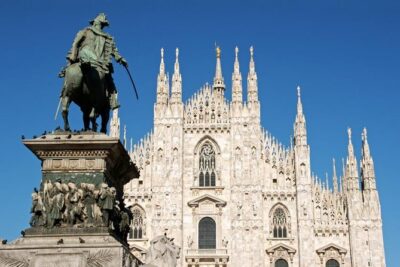
Milan’s Must See: Half-Day Tour of Last Supper, Duomo & La Scala
Read our review →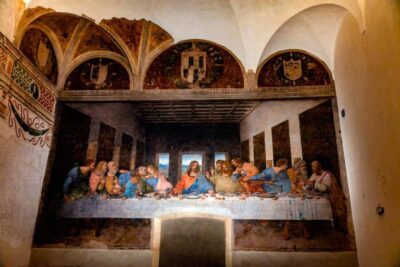
Milan Duomo & The Last Supper Skip-the-Line Small Group Tour
Read our review →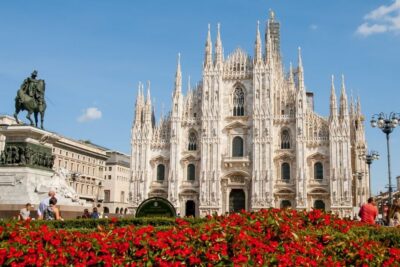
Da Vinci’s Last Supper & Milan Sightseeing Tour
Read our review →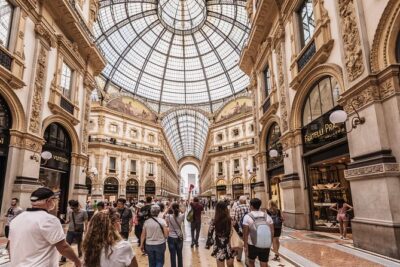
Historic Milan Tour with Skip-the-Line Last Supper Ticket
Read our review →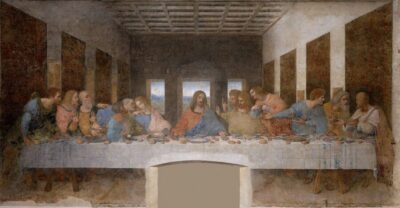
Browse the lists this tour appears in