
Reviewed · PUGLIA TOURS
Lecce guided tour with underground discoveries
Lecce’s most surprising feature is not only its ornate Baroque stonework, but what lies below it. This two-hour walk links grand piazzas and carved churches with the Faggiano Archaeological Museum, where underground rooms and excavated remains reveal an older, more ordinary side of the city. I especially like the strong architectural focus and the fact that museum admission is included.
The tour also earns points for its guides. Fabio Grasso is praised for explaining architecture and city planning in clear English, while Elena, Ilenia, Francesca, Antonella, and Fabrizio are described as warm, patient, and engaging. The main thing to watch is the title: the underground portion comes at the museum near the end, and the walking tour itself is largely above ground.
Key points at a glance
- Piazza Duomo sets the Baroque scene: See Lecce Cathedral, its bell tower, and the dramatic square.
- Santa Croce rewards close attention: A guide helps you read the figures and details carved into its facade.
- The Faggiano Museum adds a different layer: Archaeological remains and underground chambers show what existed beneath modern Lecce.
- The walk is useful on a short visit: In two hours, you cover several central landmarks with historical context.
- Guides are a major strength: Fabio Grasso, Elena, Ilenia, Francesca, Antonella, and Fabrizio receive especially warm praise for clarity and enthusiasm.
- Budget for optional church visits: Paid church entry is not part of the $41 price.
Why Lecce’s Baroque is easier to understand with a guide
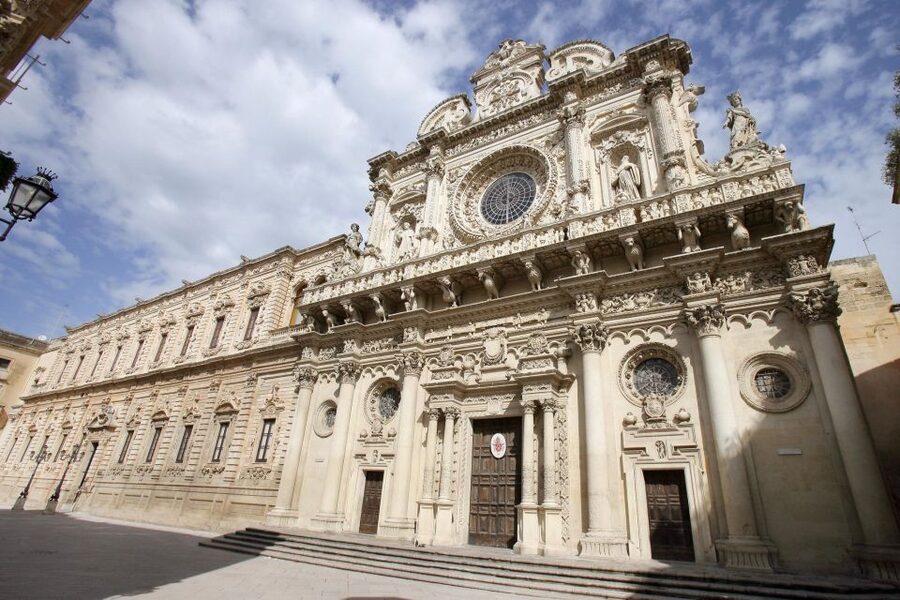
Lecce can look almost too decorative at first. Facades are crowded with columns, angels, saints, masks, flowers, animals, and curling stonework. Without context, it is easy to admire the surfaces and miss the reasons behind them.
That is where this tour earns its keep. Instead of simply pointing out attractive buildings, the guide explains how religious art, noble families, local craftsmanship, and urban design shaped the old center. The best guides also help you notice small details that you might pass without a second glance.
I would not choose this experience if you want a long museum visit or a slow, specialized study of Baroque sculpture. But for a first look at Lecce, it offers a useful structure. You move through the city rather than spending two hours in one building, and the underground museum gives the itinerary a welcome change of pace.
The price is $41 per person. That is not the cheapest way to walk around Lecce, but the value is reasonable if you want an English-speaking guide and a clearer explanation of the city’s architecture. Since the Faggiano Museum ticket is included, part of the cost goes toward an actual admission rather than only the guiding service.
A few more Puglia half-days worth a look
- Polignano a Mare: Speedboat Cruise to Caves with Aperitif
★ 4.8 · 3,382 reviews - Polignano a Mare: Cave Boat Tour with Aperitif
★ 4.7 · 1,891 reviews - Polignano a Mare: Boat Trip, Swim & Cave with Aperitif
★ 4.8 · 1,300 reviews
Piazza Duomo and the grand entrance to Lecce
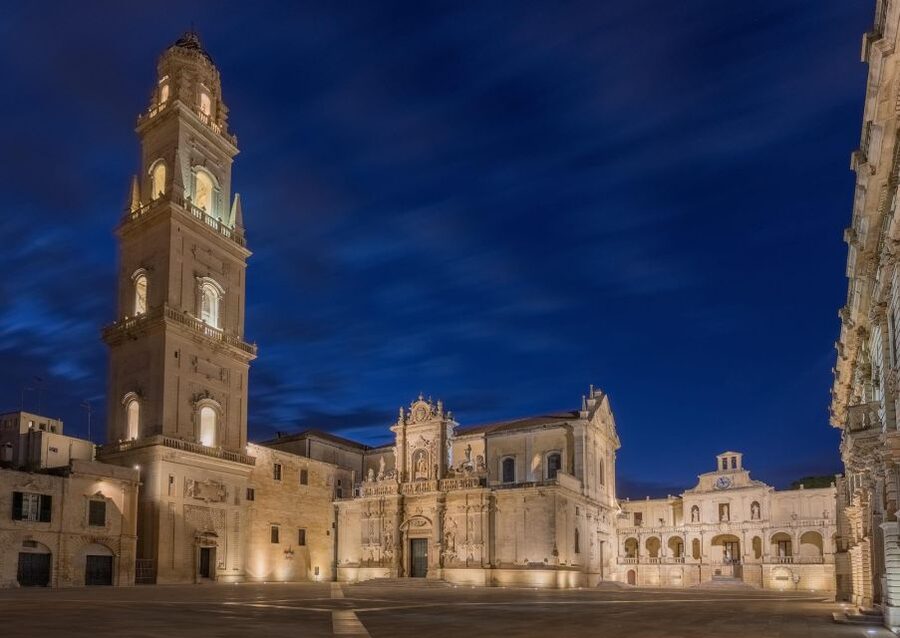
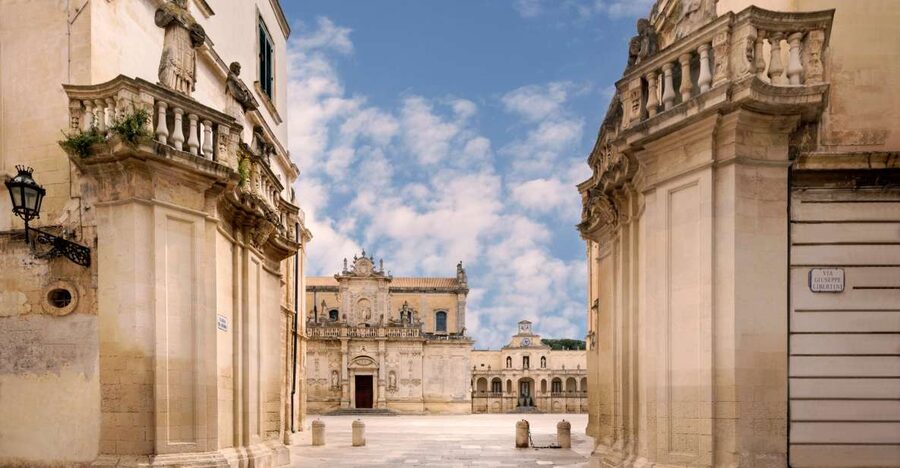
The tour begins in the historic center, where cobbled streets lead toward Piazza Duomo. This is one of the most memorable urban spaces in Lecce because the cathedral complex feels enclosed and theatrical. The square frames Lecce Cathedral, its bell tower, and other religious buildings in a way that makes you pause before moving on.
Your guide should give you the basic orientation here: what you are looking at, how the cathedral complex developed, and why Lecce became so closely linked with its local Baroque style. The bell tower is particularly useful for understanding the scale of the city center. Even from street level, it helps you see how religious buildings shaped the old town.
I like starting here because it gives the rest of the walk a visual reference point. Later, when you pass another carved facade or ornate church, you already have a sense of the materials and style being used. You also begin to understand that Lecce’s Baroque is not confined to one famous building. It runs through the streets.
Keep in mind that the tour does not include entry to every paid church. You can admire important exteriors and receive explanations from outside, but an interior visit may require an additional ticket. If entering a particular church matters to you, ask the guide about the current arrangement before the walk begins.
Corso Vittorio Emanuele and the city between the monuments
From Piazza Duomo, the route continues through central streets including Corso Vittorio Emanuele. This part of the walk matters because it connects the formal monuments with the everyday shape of Lecce.
You will see palaces and church facades set into the street fabric, with Baroque details appearing at different heights and levels of decoration. A guide can point out how noble residences presented status from the street and how religious buildings used carved stone to communicate ideas to people passing by.
I find this kind of walking especially useful in Lecce. A photograph of Santa Croce may show you one facade, but walking between churches and palaces helps you understand the city as a whole. The architecture is not a series of isolated sights. It is part of the route people still use to cross the center.
The cobbled streets also affect the pace. This is a walking tour, not a hop-on, hop-off visit, so comfortable shoes are sensible. The route is short enough to fit easily into a morning or afternoon, but you should not expect to sit often. In summer, exposed streets can feel hot. One participant noted that the guide continued clearly even as the day warmed, while another felt that a rainy, windy day called for more sheltered stopping points.
That is a fair consideration. The quality of an outdoor tour depends partly on the weather, and a fixed two-hour route leaves limited room for major changes. On a pleasant day, the walking format is a strength. In poor weather, the open-air explanations may be less comfortable.
Piazza Sant’Oronzo and Lecce’s public face
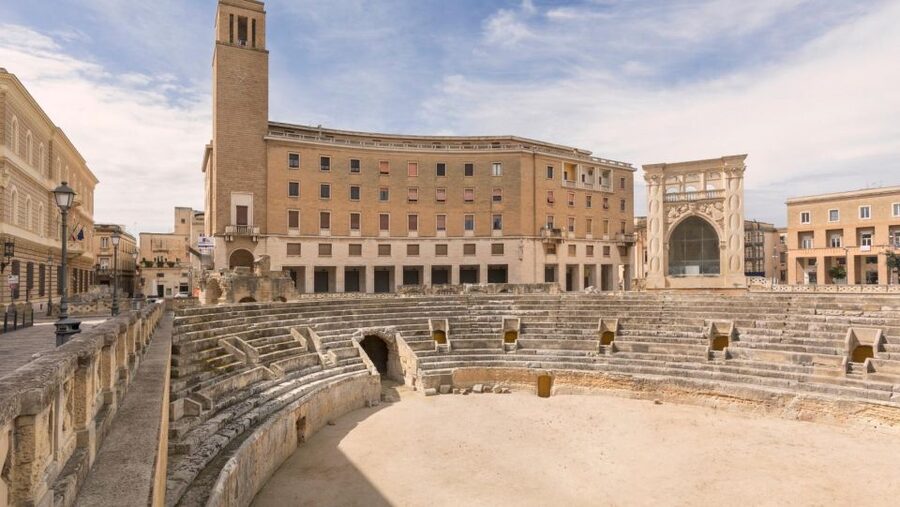
Piazza Sant’Oronzo brings you into another major part of the old center. It is a more open urban space than Piazza Duomo and gives the guide room to explain Lecce’s civic side, not only its church architecture.
The stop helps balance the tour. Piazza Duomo shows religious grandeur, while Piazza Sant’Oronzo connects monuments, public life, and the city’s long development. You can expect the guide to use the surrounding buildings and visible remains to explain how different periods overlap in the center.
This is also where a good guide can make a major difference. The strongest feedback centers on clarity, enthusiasm, and the ability to answer questions without losing the group. Fabio Grasso is repeatedly praised for his command of architecture, monuments, and the design of the historic center. Elena is described as cheerful and passionate, and Francesca is praised for being responsive and clear.
Guide assignments can vary, so you cannot book a particular person based on these names. Still, the pattern is useful: this experience appears to depend heavily on the individual guide. If your guide is as strong as Fabio, Elena, Ilenia, Antonella, Francesca, or Fabrizio, you will get much more than a list of dates and building names.
More Guided Tours in Puglia:
- Bari: Guided Walking Tour
★ 4.7 · 744 reviews - Lecce: City Highlights Guided Tour by Bike
★ 4.8 · 362 reviews - Lecce: City Highlights Guided Tour by Rickshaw
★ 4.8 · 236 reviews - Colosseum, Roman Forum & Palatine Guided Tour
★ 4.7 · 63,148 reviews
Santa Croce, where the details matter most
The Basilica of Santa Croce is one of the tour’s clearest opportunities to see why guided explanation helps. Its facade is crowded with carved figures and decorative forms. From a distance, it can look like a grand piece of ornament. Up close, it becomes a collection of separate details competing for your attention.
The guide can help you read the facade in sections. Look for the figures, symbols, animals, and plant forms rather than trying to absorb everything at once. One guide was specifically praised for explaining the meaning behind the facade’s details, which is exactly the kind of help this stop needs.
You may also hear about the local stone and the way Lecce’s craftsmen worked it into soft, elaborate forms. The point is not simply that the facade is beautiful. It is that the material allowed an unusually expressive style, and that the finished church reflects the religious and social ambitions of the period.
The limitation is that a busy square or passing pedestrians can make it hard to study every feature. Stay close enough to hear, and do not wander off while looking upward. One lighthearted observation from a participant was that the guide always knew when someone had drifted away. That is good advice for you too. A compact group makes these stops easier, and one reported group of 10 to 12 people was considered comfortable. Larger groups would make facade explanations and questions harder to manage.
Chiese and palazzi beyond the headline sights
The route is not limited to the four named stops. It also introduces churches and palaces around the historic center. These buildings help fill in the spaces between the major monuments and give you a better feel for Lecce’s streets.
This portion is valuable if you like architecture but do not want a technical lecture. You can ask about a doorway, a balcony, a carved emblem, or the difference between a religious facade and a noble residence. Several guides are praised for welcoming questions, which makes the walk more flexible than a strict speech delivered at fixed points.
I would use this time to ask about whatever catches your eye. You might want to know how the city developed, why certain buildings are so ornate, or how the old center was planned. The guide can also provide wider context about Salento, the region around Lecce. One especially helpful guide went beyond the monuments with suggestions for street food, local purchases, and dinner.
Those recommendations are not guaranteed as part of every departure, but they show why a local guide can be useful beyond the formal itinerary. If you have only a short stay, ask for practical ideas before the tour ends.
The Faggiano Archaeological Museum and its underground rooms
The Faggiano Archaeological Museum is the unusual part of this experience. Rather than looking only at finished buildings, you go inside a site where archaeological remains and traces of earlier daily life appear beneath the modern city.
The museum includes underground spaces, ancient corridors, chambers, artifacts, and remnants from different periods. The appeal is the change in scale. Above ground, Lecce presents polished facades and public monuments. Below ground, you encounter the less formal record of how spaces were used, altered, buried, and reused over time.
I like this pairing because it prevents the tour from becoming a pure Baroque architecture walk. The museum gives you a glimpse of the physical layers below the streets and helps explain that Lecce was not created all at once. The city you see today rests on older structures and earlier patterns of life.
Be precise about what you are booking, though. The title may lead you to expect a long guided underground exploration. Based on the available details, the two-hour route is mainly an above-ground city walk, with the museum and underground discoveries coming near the end. A four-star assessment described the museum experience as offering only a limited look into the underground findings, and said the guide left the group at the museum.
That does not make the museum worthless. It simply means you should set your expectations correctly. The ticket is included, and the archaeological section adds something genuinely different. If your main goal is an extensive subterranean tour with a guide throughout, this may feel too brief.
How much history fits into two hours
Two hours is a sensible length for a first visit. It is long enough to cover the main central sights without turning into an exhausting half-day lecture. It also leaves room for you to explore independently afterward, perhaps by returning to a church or spending more time at the museum.
The tradeoff is depth. You will receive a broad introduction rather than a specialist study of every building. The guide must keep the group moving, and some stops will receive more attention than others.
For a short stay in Lecce, I think that balance works well. The tour can give you a mental map of the center and help you decide where to return. If you already know Lecce well, or if you have spent time studying its Baroque churches, you may prefer a narrower subject-focused visit.
English and Italian are available. Clear delivery matters here because much of the value comes from listening while standing in open squares. The strongest guide comments focus on English that was easy to follow, clear projection, patience, and the willingness to pause for questions.
Price, group feel, and practical value
At $41, this is best judged as a guided orientation with one included museum admission. You are paying for access to a local explanation of Lecce, not simply for entry to a single attraction.
The price is easier to justify if you:
- Have only a day or two in Lecce
- Want architectural background rather than independent sightseeing
- Prefer an English-speaking guide
- Plan to visit the Faggiano Museum anyway
- Enjoy asking questions about buildings and city design
It is less compelling if you want a long underground expedition, private guiding, or entry to several churches. Paid church tickets are extra, and the museum portion may feel short if archaeology is your main interest.
The cancellation terms also reduce some of the risk. You can cancel up to 24 hours ahead for a full refund, and you can reserve now and pay later. Starting times vary, so you need to check availability for your date. These details are useful when you are fitting the tour around train arrivals, meals, or a hot afternoon.
Who should book this Lecce walking tour?
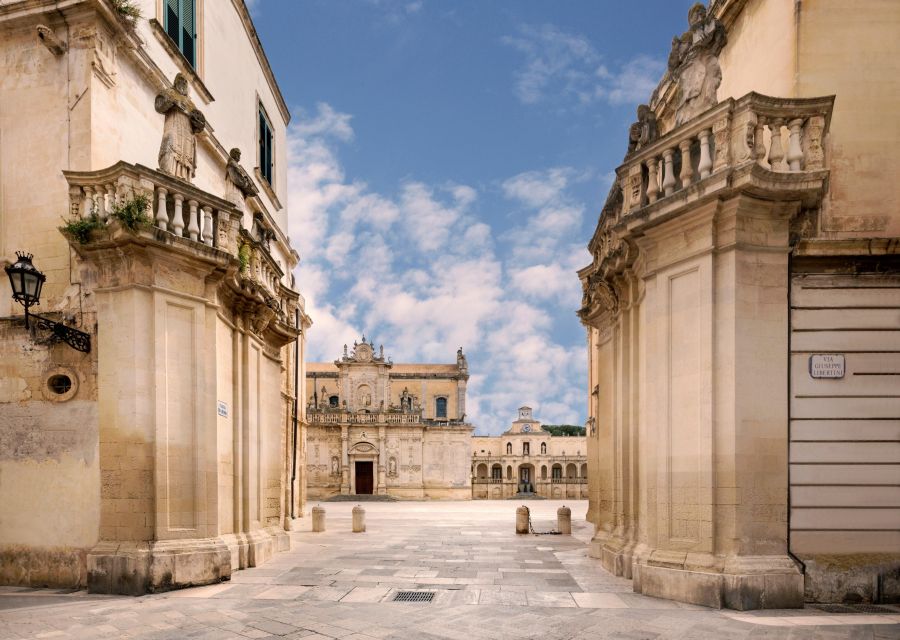
I would recommend it most strongly to first-time visitors who want Lecce to make sense quickly. The mix of Piazza Duomo, Santa Croce, Piazza Sant’Oronzo, Corso Vittorio Emanuele, churches, palaces, and the Faggiano Museum gives you a well-rounded introduction.
It also suits visitors who enjoy history delivered by a person rather than read from a guidebook. The repeated praise for Fabio Grasso, Elena, Ilenia, Francesca, Antonella, and Fabrizio points to a strong guiding team, though your exact guide may vary.
I would think twice if you have mobility concerns with cobbled streets, although the supplied details do not specify accessibility arrangements. I would also reconsider if you are booking mainly for an underground adventure. The museum is the underground highlight, but the larger experience is a guided Baroque walk above street level.
Should you book it?
Book this tour if you want a clear, lively introduction to Lecce and value the stories behind the stonework. The guides appear to be the real strength, and the included Faggiano Museum ticket gives the two-hour route a welcome archaeological finish.
Skip it if you want to explore at your own pace, enter several churches, or spend most of your time below ground. For everyone else, $41 is a fair price for a compact orientation that combines Lecce’s grandest Baroque sights with a glimpse of the city beneath them.
FAQ
How long is the Lecce guided tour?
The tour lasts two hours.
What places are included?
The route includes Piazza Duomo, Corso Vittorio Emanuele, Piazza Sant’Oronzo, churches and palaces in Lecce’s historic center, and the Faggiano Archaeological Museum with its underground areas.
Is the Faggiano Museum ticket included?
Yes. The ticket for Museo Faggiano is included in the tour price.
Are church entry tickets included?
No. Entry to paid churches is not included.
What languages are available?
The tour is offered in English and Italian.
Who are some of the guides?
Guides named in the available information include Fabio Grasso, Elena, Ilenia, Antonella, Francesca, and Fabrizio. The assigned guide can vary.
Can I cancel the booking?
Yes. You can cancel up to 24 hours in advance for a full refund. You can also reserve now and pay later.
Just added around Puglia
- Private Tour of the Medieval Village of Ostuni by Tuk Tuk★ 4.5 · 278 reviews
- Bari Vecchia Group Tour in Italian★ 5.0 · 241 reviews
- The Original Street Food Walking Tour in Bari★ 4.5 · 226 reviews
- Boat trip to the Polignano a Mare caves★ 5.0 · 395 reviews
- Bari Rickshaw Tour★ 5.0 · 233 reviews
- Bari Walking Tour with Pasta Experience★ 4.5 · 270 reviews
- Bari Walking City Tour★ 4.5 · 511 reviews
- Bari Bike Tour★ 5.0 · 266 reviews
Puglia Tours, compared.
Polignano a Mare: Speedboat Cruise to Caves with Aperitif
Read our review →
Polignano a Mare: Cave Boat Tour with Aperitif
Read our review →
Polignano a Mare: Boat Trip, Swim & Cave with Aperitif
Read our review →
Bari’s Ultimate Street Food Tour – Small Group by Do Eat Better
Read our review →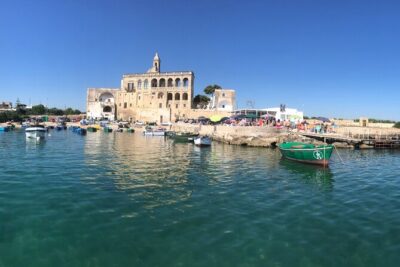
Polignano a Mare boat tour emotions, caves, diving and appetizers
Read our review →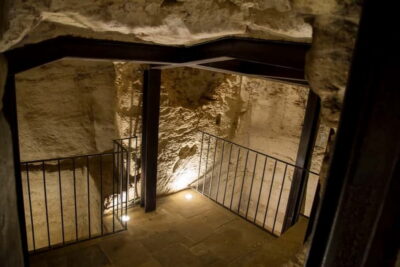
Baroque Architecture and Underground Walking Tour
Read our review →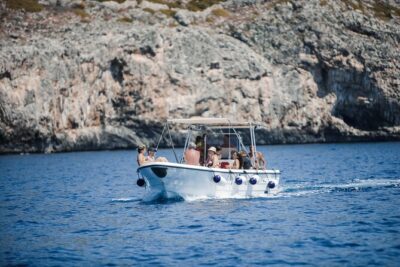
Small group tour of the caves of Santa Maria di Leuca
Read our review →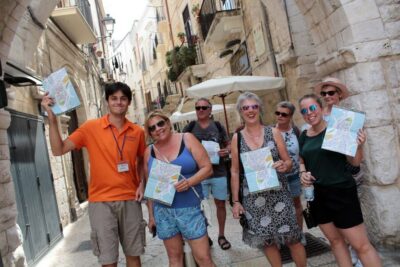
Browse the lists this tour appears in