
Reviewed · PASTA
Catania: Pistachio Ravioli, Pasta Home Cooking Class w/ Wine
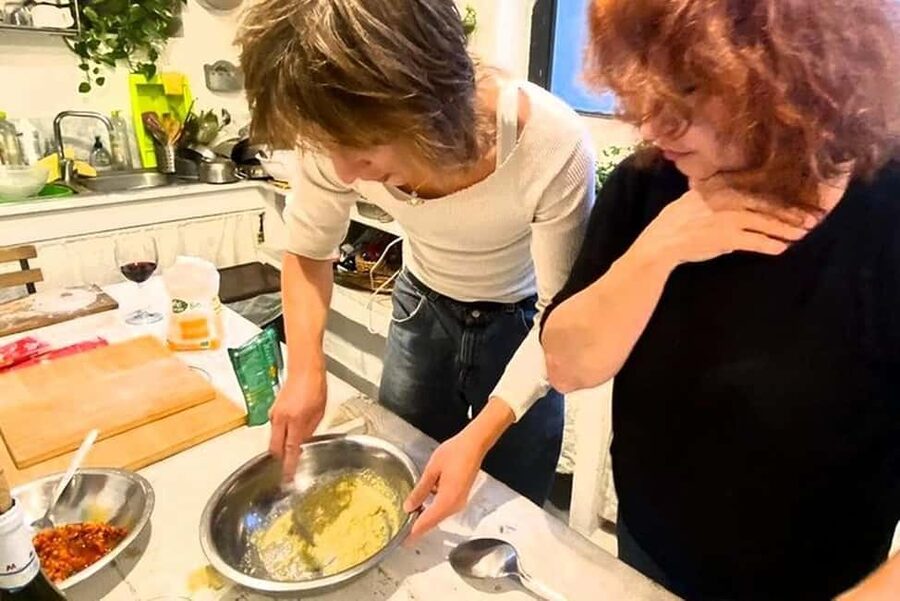
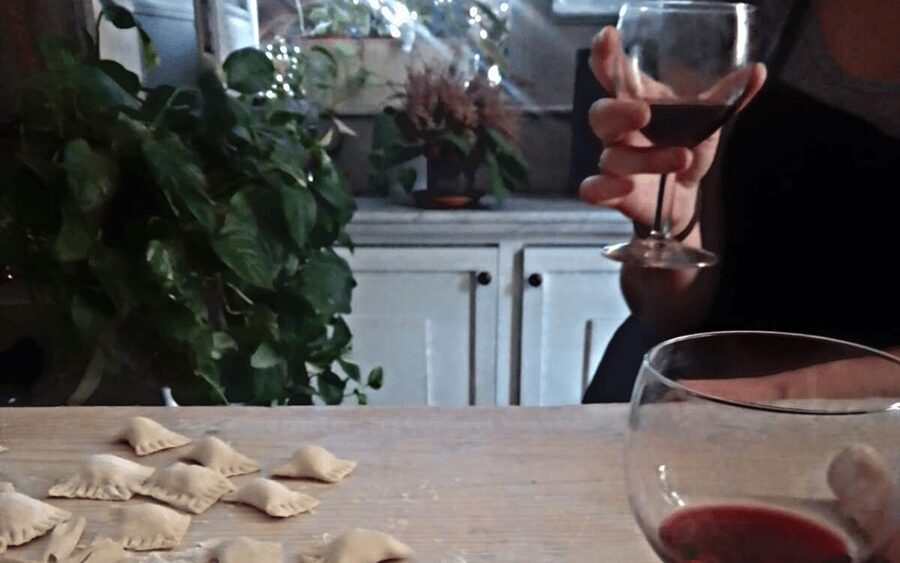
Pistachio ravioli is the star here, but the real treat is learning it in Angela’s home rather than watching a chef work behind a restaurant counter. You make the dough, filling, and ravioli yourself, then sit down to a three-course Sicilian meal with wine. I like the small group of no more than eight, and I like the warm, funny teaching style that has made Angela a favorite host.
The main consideration is communication. English and Italian are offered, but Angela may speak limited English, so Victor or a phone translator can be part of the evening. The class is listed at three hours, though you should leave room for it to run closer to four.
Key points at a glance
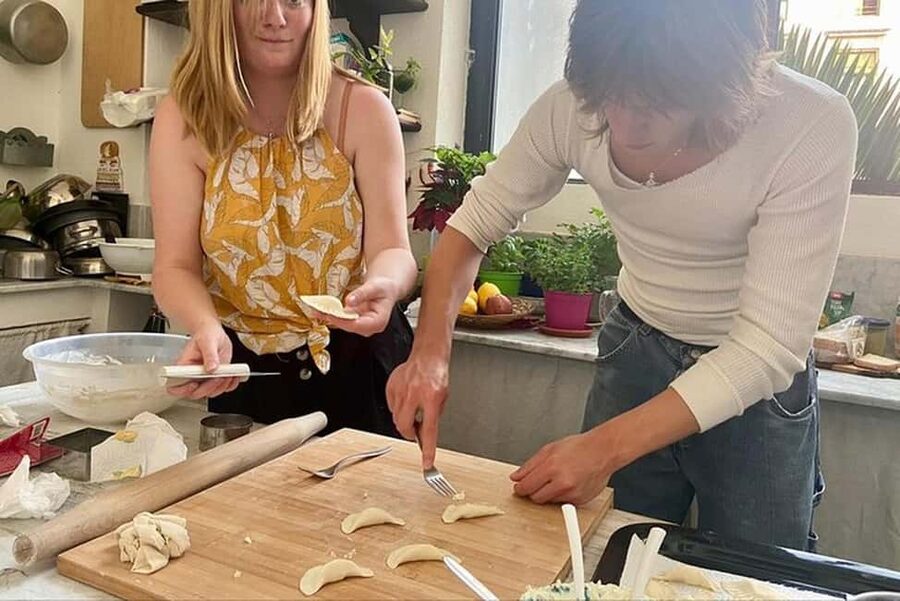
- Make pistachio ravioli from scratch: Prepare the dough, creamy filling, and shapes by hand rather than simply watching a demonstration.
- Learn about Bronte pistachios: Hear why Sicily’s famous green pistachios matter in local cooking.
- Eat a full Sicilian meal: The evening includes bruschetta, ravioli, dessert, wine, water, and coffee.
- Cook in Angela’s apartment: This is a home-based experience with a personal, informal feel.
- Expect a very small class: The maximum group size is eight, making it easier to get hands-on help.
- Allow extra time: The advertised three hours can stretch to about four when the meal and conversation run long.
Why pistachio ravioli makes a good Catania cooking class
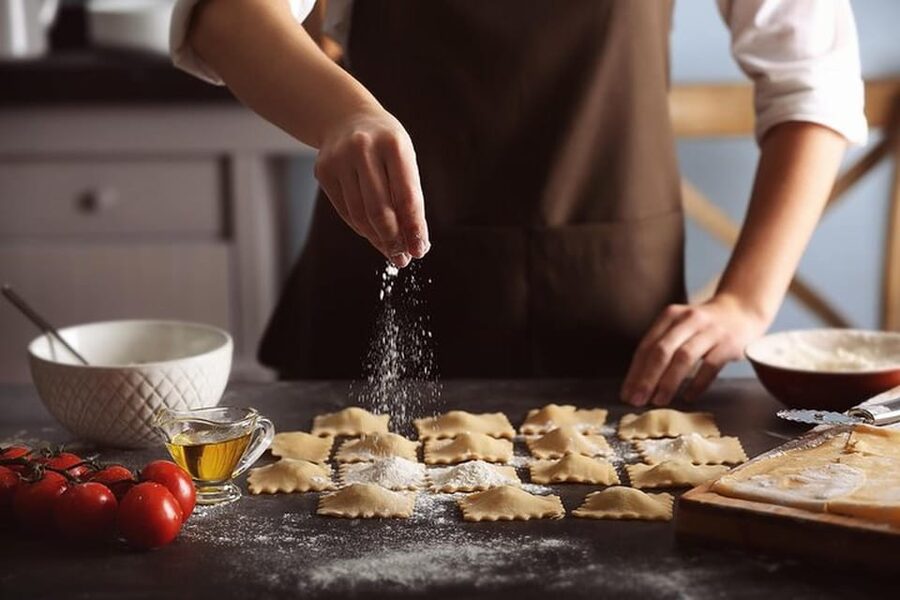
Sicily is famous for pistachios, especially those grown around Bronte on the slopes of Mount Etna. These nuts are often used in sweets, sauces, spreads, and savory dishes. Here, the pistachio becomes the filling for fresh ravioli, giving you a dish that feels distinctly Sicilian rather than a generic pasta lesson.
I like this choice because ravioli teaches several useful skills at once. You learn how pasta dough should feel, how thin to roll it, how much filling to use, and how to press out air before sealing each piece. Those small steps matter. Too much filling can split the pasta, while too little leaves you with a bland mouthful.
The class also gives you something practical to take home. You may not reproduce Angela’s exact dish on your first attempt, but you will understand the basic method well enough to try fresh ravioli in your own kitchen. Several participants have specifically wanted to make the dish for family after returning home, which is a good sign for anyone seeking more than a one-night meal.
More Cooking Classes in Sicily
- Palermo: Pizza and Gelato Cooking Class with Dinner and Wine
★ 4.9 · 951 reviews - Taormina: Half-Day Pizza Making Class
★ 4.8 · 353 reviews - Taormina: Arancino Making Class with Drinks
★ 4.8 · 215 reviews
Arriving at Angela’s home in Catania
The meeting point is at the provided address. Ring the bell for Vignolo, then go inside and head up to the apartment. This detail matters because the setting can look less obvious from the outside than a restaurant or cooking school. One useful improvement would be clearer signage at the entrance, so arrive with the address open on your phone and give yourself a few extra minutes.
Inside, the tone changes quickly. The apartment is described as beautiful, clean, and comfortable, with a kitchen set up for a small group. You are not entering a polished cooking studio with rows of workstations. You are stepping into a local home, sitting around the kitchen table, and sharing the room with other people who have come to cook.
That home setting is a major part of the experience. It can feel slightly unfamiliar at first, especially if you expected a commercial kitchen. Once everyone starts working with the dough, the arrangement becomes part of the fun. You can watch the host closely, ask questions, laugh over mistakes, and get to know the people beside you.
Meeting Angela and handling the language
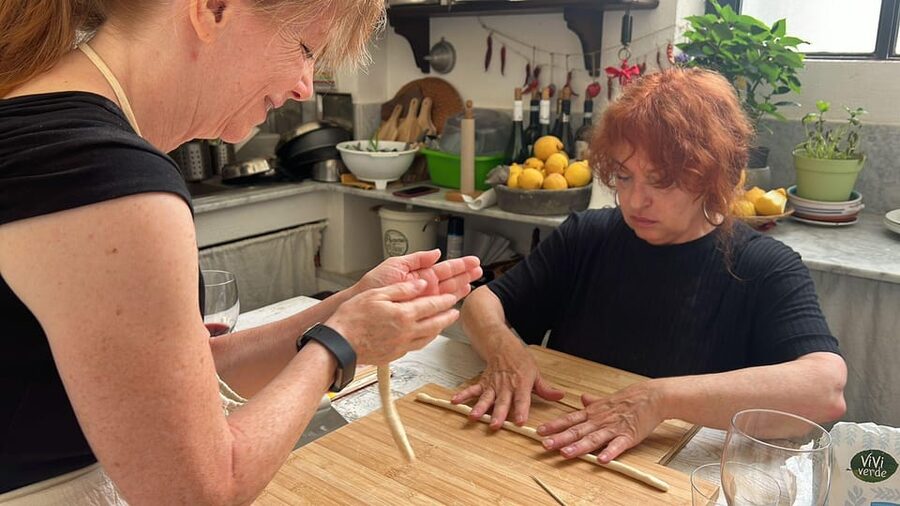
Angela leads the class, and her teaching style is warm, lively, and playful. She is patient when people struggle with rolling or shaping the pasta, but she also pays attention to technique and corrects mistakes. That balance is useful: the evening stays relaxed without turning into a demonstration where you are left to guess what to do.
The experience is listed in English and Italian. In practice, Angela may speak only limited English, and translation can be handled by Victor, her son, when he is present. Google Translate or another phone translation app may also help. This is not necessarily a problem, but you should know what to expect if precise cooking instructions matter to you.
You will have the clearest experience if you watch closely as well as listen. Pasta making is visual and physical. Angela can show you how the dough should look, how to place the filling, and how to seal the edges even when a word or two gets lost in translation.
If you want a written recipe, bring a way to take notes or photographs of the process. A recipe card is not guaranteed. That is one area where the experience could be improved for home cooks who want to repeat the dish exactly.
Rolling dough and shaping the ravioli
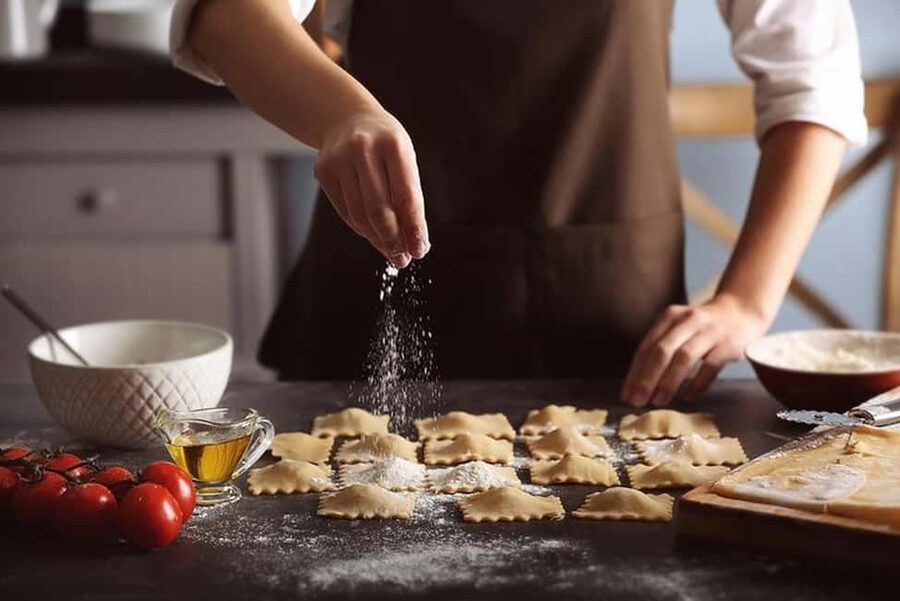
The hands-on work begins with fresh pasta dough. You help prepare it from scratch, then work it until the texture is right. The dough needs time to rest, and that pause gives the evening a natural rhythm rather than forcing every stage into a rush.
Next comes the pistachio filling. The exact recipe is not fully specified in the activity details, but it is described as creamy and centered on Sicily’s pistachios. The lesson also places the filling in a wider local context, explaining the importance of Bronte pistachios, sometimes called Sicily’s green gold.
The most rewarding part is shaping the ravioli. You place the filling, fold or cover the pasta, press the seams, and cut the individual pieces. Angela keeps an eye on the technique, which is helpful for beginners. You will learn why clean edges and controlled pressure matter, and you will probably produce a few pieces that look less tidy than the host’s.
That is exactly why this kind of class works better than a restaurant meal. Your imperfect ravioli becomes part of the evening, and you can taste the difference between something you assembled yourself and a dish that simply arrives at the table.
More Wine Tours in Sicily
- Etna, Wine and Alcantara Tour – From Taormina
★ 5.0 · 464 reviews - Tour Etna & Wine Tasting
★ 5.0 · 317 reviews - Mt Etna and Wine tasting tour from Catania
★ 5.0 · 282 reviews - From Taormina: Full-Day Etna, Wine & Alcantara Canyons Tour
★ 4.9 · 390 reviews
The pear and cheese bruschetta break
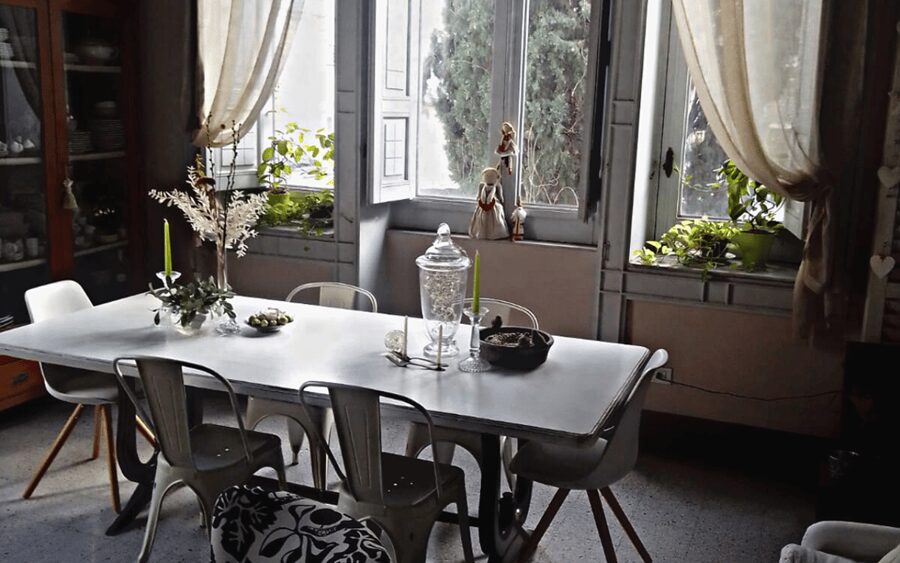
While the dough rests, Angela serves a bruschetta that gives you something to eat before the pasta is ready. The topping combines cheese, pear, walnuts, and chestnut honey. It sounds simple, but the appeal is the contrast between creamy, salty, sweet, and nutty flavors.
This is a smart part of the meal. You are not standing around waiting for the next instruction, and the break lets the group relax before returning to the pasta. It also shows a side of Sicilian home cooking beyond the main dish, where fruit, cheese, nuts, and honey can work together in a single course.
The bruschetta is not a throwaway snack. It is presented as part of the three-course dinner, and some versions of the meal have included carefully arranged toppings and a formal table setting. If you enjoy food presentation as well as cooking, this course adds a little ceremony to an otherwise casual evening.
Sitting down to the homemade meal
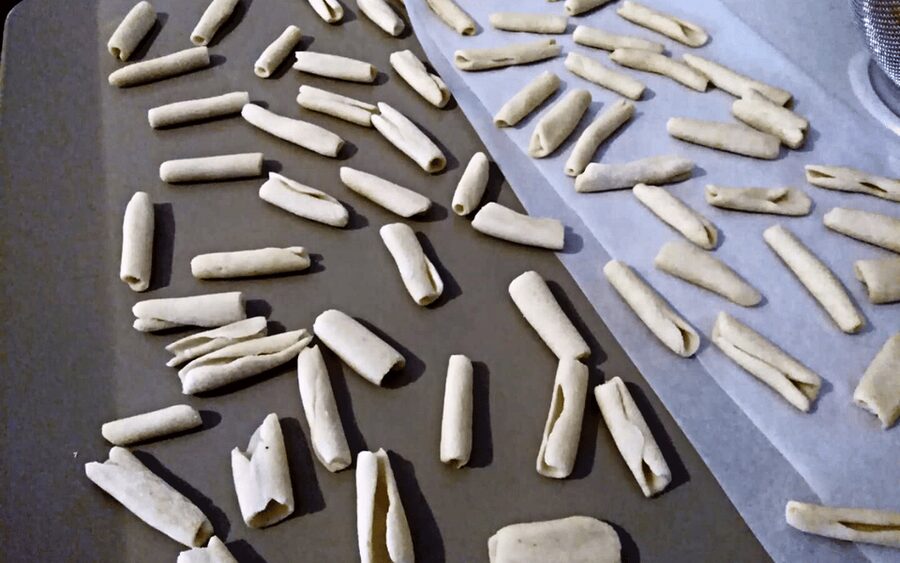
Once the ravioli is ready, it is cooked and served as the main course. The activity description pairs it with a white sauce and Sicilian wine, while the meal also includes water and coffee. The pasta is the payoff for the work, but it is also a chance to judge your technique: well-sealed ravioli should hold together, and fresh pasta has a soft texture that dried pasta cannot match.
The class includes dessert as part of the three-course meal. Depending on the menu, dessert has included tiramisu or a ricotta and strawberry preparation. The exact sweet course may vary, so I would not book this expecting one specific dessert. The important point is that you are getting a complete dinner rather than paying separately for every plate.
Wine is included, and the shared table encourages conversation. This can be a good evening choice for couples, solo visitors, and families with older children who enjoy participating. It is less suited to anyone who wants a quick class, a silent meal, or a highly formal restaurant service.
What the three-hour schedule really means
The advertised duration is three hours, but you should not plan a tight appointment immediately afterward. One class ran about four hours once cooking, eating, and conversation were included. That extra time is not a problem if you want a social evening, but it matters if you have a show, train, or late dinner reservation.
A typical flow looks like this:
- Arrival at the apartment and introductions
- Preparation of the pasta dough
- Explanation and preparation of the pistachio filling
- Shaping the ravioli by hand
- Bruschetta and wine while the dough rests or the pasta is prepared
- Cooking and eating the ravioli
- Dessert, coffee, and more conversation
The pacing is part lesson and part dinner party. You will not spend all three hours actively rolling pasta. Some time goes to eating, watching, translating, and talking with the host and the other participants.
The maximum group size is eight. That is large enough to create a social atmosphere but small enough for Angela to watch each person’s technique. A class of seven, for example, can work around the kitchen table without feeling like a crowd. If you prefer private instruction, this is not advertised as a private class, so check the booking conditions for your date.
Is $100 a fair price?
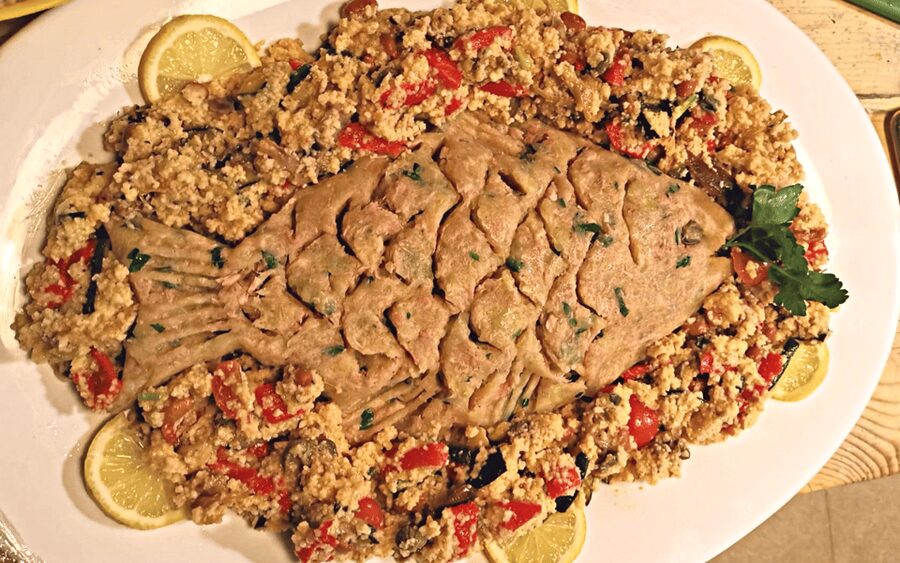
At $100 per person, this is not the cheapest way to eat pasta in Catania. It is also not just a meal. The fee covers the cooking lesson, a three-course dinner, wine, water, and coffee, all in a small group with a local host.
I see the strongest value in the combination of instruction and hospitality. A restaurant meal may cost less, but it will not teach you how to make ravioli or give you the same access to a Sicilian home kitchen. A formal cooking school may offer more polished equipment, while this class gives you a more personal setting.
The value depends on your priorities. If you want a memorable food activity, enjoy meeting people, and expect to eat what you make, the price is reasonable. If you mainly want a large meal or a professional chef demonstration, you may find better value elsewhere.
The included wine and dessert also help. You are not paying $100 for a short pasta lesson followed by an extra bill. You receive an entire evening of food, although the amount of wine and the exact dessert should not be treated as unlimited or fixed beyond what is stated.
Who should book this experience
I would choose this class if you fit one or more of these descriptions:
- You want a hands-on food activity in Catania.
- You enjoy home cooking more than polished tourist venues.
- You have never made fresh ravioli and want patient guidance.
- You like meeting other people around a shared table.
- You are interested in pistachios and Sicilian food traditions.
- You want a memorable evening rather than another standard restaurant dinner.
It is especially good for couples and small groups of friends. Solo participants can also fit in well because the class naturally creates conversation. The maximum of eight keeps the group manageable, and the host’s humor helps people relax when their first ravioli looks uneven.
I would be more cautious if you need full wheelchair access, since the activity is not suitable for wheelchair users. I would also think twice if you dislike home-based experiences, need exact English instruction at every stage, or have a strict end time.
Small details that can make the evening easier
Keep the meeting address handy and look for the Vignolo bell. Since the entrance may not be immediately obvious, do not assume you are at the wrong place simply because the building does not look like a cooking school. A clearer sign would help, but careful attention to the meeting instructions should prevent most confusion.
Bring patience for translation and for the pace of a real home meal. If you want to recreate the ravioli later, take notes during the class because a printed recipe card may not be provided.
Cancellation is free up to 24 hours before the activity for a full refund, and you can reserve now and pay later. The class is offered with English and Italian instruction. It is worth checking the starting time carefully and leaving the rest of your evening open.
Should you book the Catania pistachio ravioli class?
Book it if you want to cook, eat, and spend time with a local host rather than simply watch a chef perform. Angela’s humor, hands-on corrections, and welcoming apartment are central to the experience, and the combination of pistachio ravioli, pear and cheese bruschetta, dessert, and wine makes the $100 price easier to justify.
Skip it if you need a fully accessible venue, a guaranteed three-hour finish, or a formal English-language lesson with a printed recipe. For everyone else, this is one of the more personal ways to connect food with daily Sicilian life in Catania. Plan for a relaxed evening, expect a little translation, and come ready to make imperfect ravioli that may turn out to be the best meal you cook on your trip.
FAQ
How long does the Catania cooking class last?
The listed duration is three hours. Allow extra time, since the full evening can run to about four hours when cooking, dinner, and conversation are included.
What will I learn to cook?
You will learn to make fresh pistachio-filled ravioli from scratch. The class covers pasta dough, the creamy pistachio filling, and shaping the ravioli.
What food is included?
The experience includes a three-course dinner. The meal includes pistachio ravioli, bruschetta with cheese, pear, walnuts, and chestnut honey, dessert, wine, water, and coffee. Desserts have included tiramisu and ricotta with strawberries.
Is wine included in the price?
Yes. Wine, water, and coffee are included with the meal.
What languages are spoken during the class?
The activity is offered in English and Italian. Angela may speak limited English at times, and Victor or a phone translation app may help with communication.
How many people can join the class?
The class is limited to eight participants, making it a small-group experience.
Is the class suitable for wheelchair users?
No. The activity is not suitable for wheelchair users.
More Pasta-Making in Catania
- Florence: Pasta Cooking Class with Unlimited Wine
★ 4.9 · 10,285 reviews - Florence Pizza or Pasta Class with Gelato Making at a Tuscan Farm
★ 5.0 · 6,801 reviews - Florence: Pasta & Tiramisu Cooking Class with Unlimited Wine
★ 4.9 · 6,708 reviews - Florence: Pasta Cooking Class with Unlimited Wine
★ 5.0 · 6,413 reviews
Just added around Catania
- Syracuse, Ortigia and Noto walking tour from Catania★ 5.0 · 273 reviews
- The Godfather Movie Tour★ 5.0 · 275 reviews
- Tour Etna & Wine Tasting★ 5.0 · 317 reviews
- Etna, Wine and Alcantara Tour – From Taormina★ 5.0 · 464 reviews
- The Original Catania Street Food and Market Tour by Streaty★ 5.0 · 345 reviews
- Etna and Alcantara Gorges Excursion★ 4.5 · 256 reviews
- Etna Tour in 4×4★ 5.0 · 583 reviews
- Etna Morning Jeep Tour★ 4.5 · 241 reviews
Pasta, compared.
Florence Pizza or Pasta Class with Gelato Making at a Tuscan Farm
Read our review →
Pasta & Tiramisu Cooking Class with Unlimited Wine
Read our review →
Pasta & Tiramisu Class with Fine Wine by the Vatican
Read our review →
Pasta Making Class with Wine, Limoncello, and Dessert
Read our review →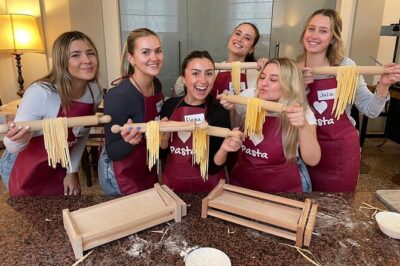
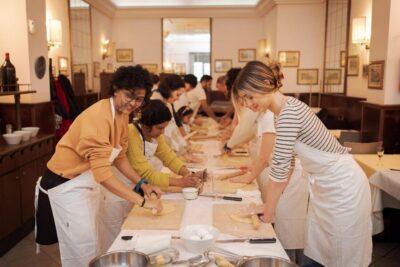
Fettuccine Pasta Cooking Class in Rome’s City Center
Read our review →Browse the lists this tour appears in