
Reviewed · WINE TOURS
Verona: Montresor Winery Visit with Wine Tasting and Snacks
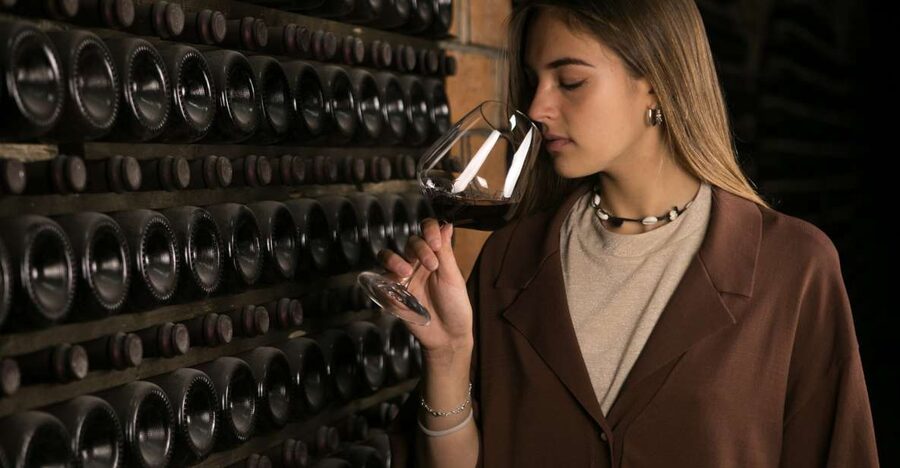
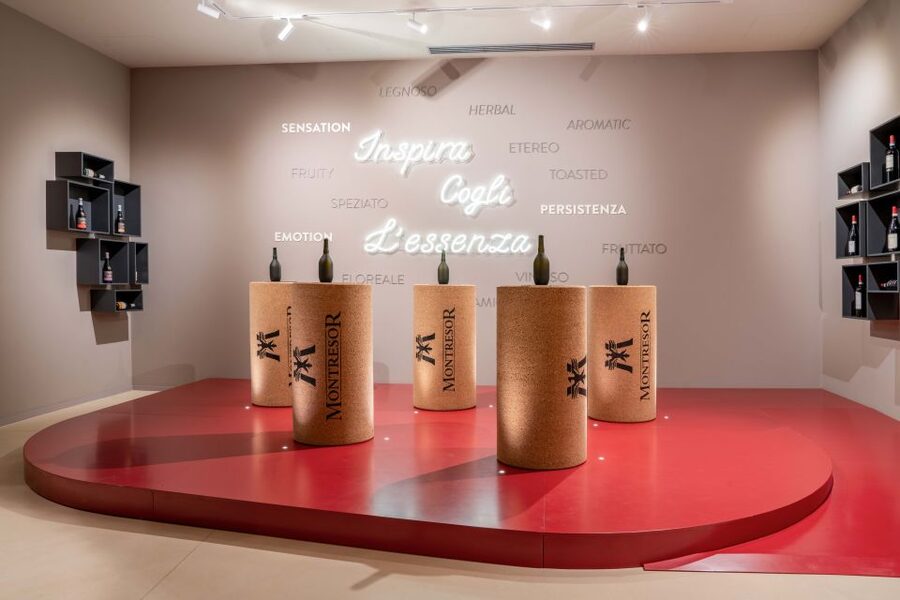
Montresor Winery turns a wine tasting into a small history lesson. You move from old tools and family stories to the grape-drying rooms behind Amarone, then sit down with a sommelier for four or five glasses. The sensory room and full-wall cellar mural give the visit more shape than a simple pour-and-swallow session.
I like the choice between powerful Valpolicella reds and fresher Lake Garda whites. I also like the easy bus access, indoor setting, and chance to buy bottles at a discount or arrange shipping home. The main caution is that the snack service may vary: the published details list bread, olive oil, soppressa, and cheese, while some recent visits received only breadsticks.
Key points at a glance
- Amarone takes center stage: See grapes at different drying stages and taste wines that show why appassimento matters.
- Two tasting routes: Pick five Valpolicella reds, possibly reaching Amarone Riserva, or four elegant Lake Garda whites.
- A real museum, not just a shop: Original tools and Verona-related displays connect the winery to the city’s past.
- The aroma quiz adds fun: Test your nose against scents linked to the wines before tasting them.
- Allow travel time from central Verona: The winery is about 15 minutes from the center by car or taxi, with buses 21 and 93 stopping nearby.
- Good value at $34: The 90-minute visit includes the tour, guide, tasting, snacks, and a bottle-purchase discount.
Why Montresor makes sense beyond central Verona
Many Verona wine tastings take place at a bar or restaurant in the old center. Montresor gives you something different: a working winery setting just outside the main sightseeing zone, with its own museum, barrel rooms, and production story.
The winery is easy to reach from Castelvecchio Castle. Bus 21 or 93 runs from the area opposite the castle entrance, and a stop is right outside the winery according to one visitor’s practical account. A taxi or car is simpler if you are short on time. Parking is available on site.
The journey matters because this is a 90-minute activity, not a full-day vineyard excursion. You are not heading into the countryside for broad views of grape rows. Instead, you are seeing how a long-established producer presents its wines in an urban-edge setting. That makes it a useful choice during a hot afternoon or rainy morning, since the visit takes place indoors with controlled conditions.
I would allow extra time on either side of the appointment. The advertised duration is short, but a delayed start has happened before, and one visit began about an hour late. That may be unusual, but it is worth remembering if you have an opera ticket, train, or timed museum entry afterward.
More Food Tours in Verona
- From Verona: Valpolicella and Amarone Wine Tasting Tour
★ 4.9 · 560 reviews - Verona: Wine Tasting with Snacks and Panoramic Views
★ 4.8 · 494 reviews - Guided Food Tour with Wine Tasting in Verona
★ 4.3 · 229 reviews
The museum links Verona to the Montresor family
Your visit begins in the winery museum. The displays connect Verona from the late 1800s to the present with the Montresor family and the company’s changing methods.
This is more useful than a quick speech about a family name. You see original winemaking tools and learn how the business kept its identity while dealing with major historical events. The museum helps explain why wine in this part of Italy is tied to place, work, family, and local trade.
The presentation is modern and carefully designed, with displays that make the walk-through easy to follow. It is not a large national museum, so do not expect hours of independent browsing. The guided format keeps things moving, but you may wish for a little extra time to read every panel and examine each object.
That tradeoff is worth knowing. If you want a long, quiet museum visit, the pace may feel brisk. If you prefer a clear story before the tasting, the format works well. The guides have also used humor and short quizzes to keep the history from becoming a lecture.
Understanding Valpolicella, Ripasso, and Amarone
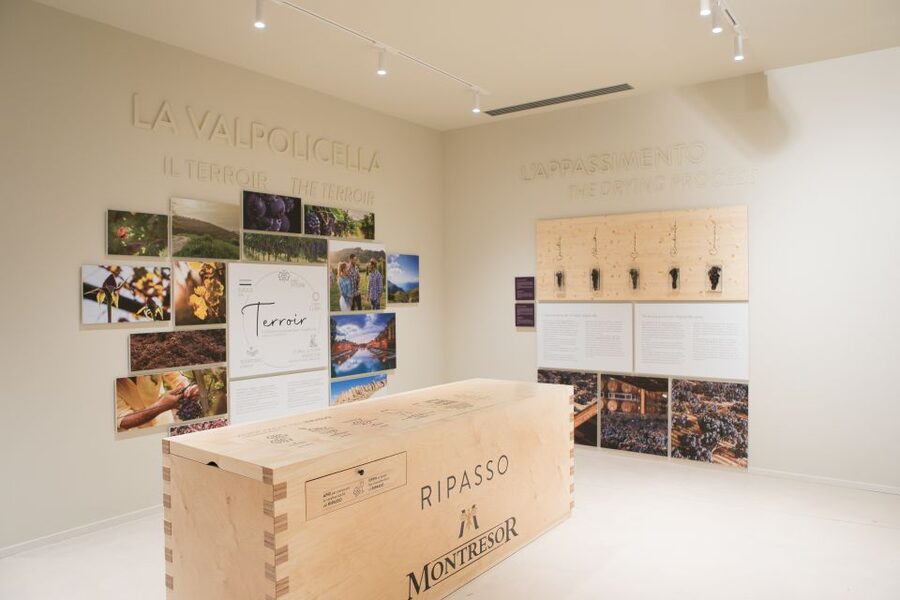
The central wine lesson concerns Valpolicella. You learn how the local territory shapes several styles, including Valpolicella Classico, Ripasso, and Amarone.
The useful part is the comparison. Rather than treating Amarone as simply a stronger red, the visit explains the process behind it. Grapes are shown at stages from harvest to drying, introducing the appassimento method that gives Amarone its concentrated character.
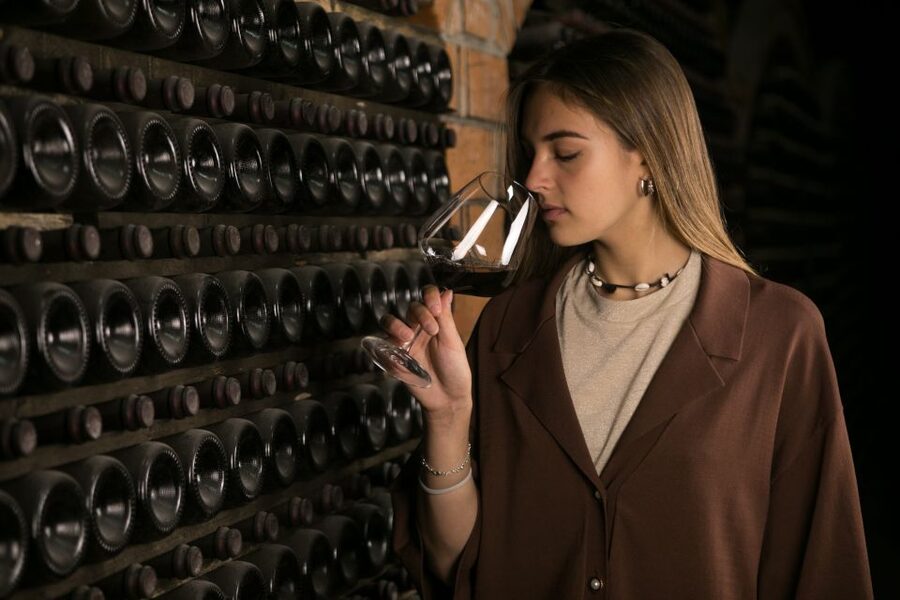
You then see where wines age in large casks. Passing beneath the historic barrel into the aging room is one of the more memorable transitions of the tour. A full-wall historical mural adds visual interest and gives the cellar a sense of place without turning the room into a staged photo stop.
For me, this is where the experience earns its price. You are not only tasting expensive wine and guessing what you like. You are given a reason for the differences in the glass. When you later taste Ripasso or Amarone, you can connect the flavor to the grape treatment and aging process.
The production displays are also useful for people who already know a bit about wine. You can ask how the wines differ, why the grapes are dried, and how the winery handles aging. Guides such as Emma, Leonardo, Silvia, and Emmanuele have been praised for making these explanations clear and lively, though your guide will depend on the date and language of your visit.
The aroma room turns tasting into a game
Before the glasses arrive, you enter an interactive aroma room. Here you try to identify scents associated with the wines.
This is not a serious exam, and you do not need wine-tasting experience. It gives you a practical way to think about the nose of a wine before the group starts discussing it. The quiz format also helps break the ice if you have arrived with people you do not know.
I like this feature because it takes pressure off the tasting. You do not need to use grand wine terms or pretend to find a note that you cannot smell. You can simply compare your impression with the guide’s explanation.
The room is especially helpful for first-time tasters. You start with familiar aromas in a playful setting, then see how those ideas relate to the wines. It is a small part of the visit, but one of the most distinctive.
More Wine Tours in Verona
- Verona: Pasta and Tiramisu Cooking Class with Fine Wine
★ 4.8 · 633 reviews - Verona: Pasta and Tiramisu Cooking Class With Free Flowing Wine
★ 5.0 · 575 reviews
Choosing reds or Lake Garda whites
The booking choice affects the final tasting. The Valpolicella red option includes five glasses and focuses on wines leading up to Amarone Riserva. The Lake Garda option includes four white wines, described as fresh and elegant.
Pick the reds if you want the full lesson in the area’s best-known style. This route gives you the clearest connection to the grape-drying process and the cellar displays. It is also the better fit if Amarone is difficult or expensive to find where you live.
Pick the whites if you prefer lighter wines or already know you do not enjoy full-bodied reds. The Lake Garda selection provides a different picture of Veneto wine, with more freshness and delicacy rather than the weight associated with Amarone.
The guide leads you through each glass, explaining the wine as you taste. The best part is the chance to ask questions while the wine is in front of you. You can compare the glasses instead of trying to remember a description from a display.
The five-glass red option appears to offer particularly strong value at $34, especially when Amarone is included. Still, do not book the red route just because it has one more glass. The white tasting is a sensible choice for your own palate, and four well-explained wines are enough for a focused 90-minute session.
Snacks, bottle buying, and practical value
The tasting comes with food. The published inclusion lists bread, olive oil, soppressa salami, and cheese. However, several past visits received breadsticks instead, sometimes described as a small bag rather than a full plate of pairings.
I would treat the food as a light accompaniment, not lunch. If you need a substantial meal, eat before or after the visit. The snack is meant to support the wine and give you something simple between glasses.
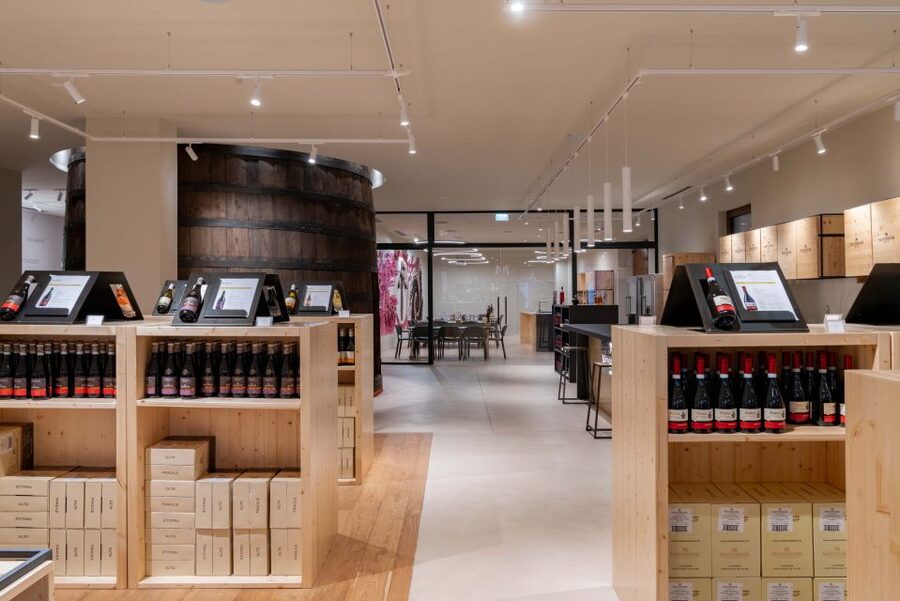
The winery shop is part of the appeal. You receive a discount on bottle purchases, and shipping is available. Bottles have been shipped internationally without reported problems, though customs charges may apply. You can also buy bottles to carry as luggage.
This can change the value calculation. At $34, the activity already includes the museum, guide, cellar route, aroma room, tasting, and snacks. If you plan to buy a bottle of Amarone or another wine you cannot easily find at home, the discount and shipping option make the visit more useful than a standard restaurant tasting.
Just set a spending limit before you enter the shop. The tasting is designed to help you understand the range, and the shop gives you a chance to continue the experience. That is convenient, but it also makes extra purchases tempting.
How the 90 minutes usually feels
The visit has a clear rhythm:
- You meet inside the Montresor winery and begin with the museum.
- The guide explains the family and winery story using original equipment and displays.
- You learn about Valpolicella styles and the appassimento process.
- You test aromas in the interactive sensory room.
- You pass into the barrel and aging areas, including the mural.
- You finish in the tasting room with four white wines or five reds.
- You can browse the shop and use the bottle discount afterward.
The experience is guided throughout, so it is not a free-roaming museum tour. That is good if you want context and answers. It is less ideal if you prefer to move at your own pace.
A strong guide makes a clear difference. Emma has led the historical and aroma sections, with Leonardo taking guests through the cellar and tasting. Other visits have been led by Silvia or Emmanuele. The consistent thread is an informal teaching style, with room for questions and humor.
The published score is 4.6 from 217 ratings, and the most strongly praised features are the guides, the clear wine explanations, the museum design, and the chance to taste Amarone. The only recurring cautions are the distance from the center, occasional delays, and inconsistent snack portions.
Who should book Montresor Winery
I would recommend this for:
- First-time wine tasters who want an easy introduction.
- Couples and small groups looking for an indoor Verona activity.
- Anyone curious about how Amarone is made.
- Wine lovers who want to compare Valpolicella styles.
- People visiting during very hot or wet weather.
- Visitors who want to buy and ship Italian wine home.
It is less suitable if you want a rural vineyard walk, a long meal, or a quiet self-guided museum visit. It is also not suitable for children under 18, pregnant women, vegans, or unaccompanied minors. Minors must be with an adult, and alcohol-focused activities are not a good fit for every family.
Some areas may not be easy to reach for people with reduced mobility or other disabilities. Ask before booking if access is important for you, since the route includes several parts of the winery and the available information does not promise full accessibility.
The tour is offered in English and Italian. It requires at least two participants to operate. You can cancel up to 24 hours before the start for a full refund, and reserve now while paying later, which helps if your Verona plans are still shifting. Severe weather or unexpected events may be handled case by case rather than guaranteeing a refund.
Is the $34 price worth it?
Yes, for the right kind of wine visit. The price covers more than four or five pours. You get a guided museum visit, production displays, the sensory room, cellar areas, a sommelier-led tasting, snacks, and a discount at the shop.
The value is strongest if you care about the explanation behind the wine. A basic tasting may cost less, but it will not necessarily show you the drying process or connect the wine to Verona’s history.
The value is weaker if you want a full meal or a countryside estate. You are paying for interpretation and tasting, not a long day among vineyards. Also keep the variable snack service in mind. The wines and guide are the main event.
Final call: book it if Amarone interests you
Book Montresor if you want to understand Verona’s wines rather than simply sample them. The museum gives the visit a local frame, the aroma room keeps the teaching light, and the cellar explains why appassimento matters. The red route is my pick for most wine-focused visitors, especially if Amarone is rarely available at home.
Choose the Lake Garda whites if you prefer fresher wine. Use a taxi if you want the least hassle, or take bus 21 or 93 from Castelvecchio. Keep the rest of your day flexible in case the start runs late, and treat the snacks as a small pairing rather than lunch.
At $34, this is a well-priced, practical addition to a Verona stay, with enough substance to justify leaving the historic center for 90 minutes.
FAQ
Where is Montresor Winery?
The winery is just outside Verona’s historic center. You can reach it by taxi from the Arena, or by bus 21 or 93 from Castelvecchio Castle. Parking is available at the winery.
How long does the visit last?
The activity lasts about 1.5 hours, including the museum, sensory room, winery areas, and tasting.
How many wines are included?
The Valpolicella red option includes five glasses. The Lake Garda white option includes four glasses.
Can I choose between red and white wines?
Yes. You can select the Valpolicella red tasting or the Lake Garda white tasting when booking.
What wines are included in the red tasting?
The red route focuses on Valpolicella wines, including Valpolicella Classico, Ripasso, and wines leading up to Amarone Riserva.
What food comes with the tasting?
The published inclusions list bread, olive oil, soppressa salami, and cheese. Some past visits received breadsticks instead, so the exact snack service may vary.
Is the tour available in English?
Yes. The live guide options are English and Italian.
Can children join the activity?
Children under 18 are not permitted, and minors must be accompanied by an adult. Unaccompanied minors are not allowed.
Can I cancel the booking?
You can cancel up to 24 hours in advance for a full refund. In cases of severe weather or unexpected extreme events, the provider examines refunds case by case.
Just added around Verona
- Guided Food Tour with Wine Tasting in Verona★ 4.3 · 229 reviews
- From Milan: Venice and Verona Full-Day Tour by Train★ 4.1 · 217 reviews
- Verona: Hands-on Fresh Pasta and Tiramisù Cooking Class★ 4.9 · 295 reviews
- Verona: Wine Tasting with Snacks and Panoramic Views★ 4.8 · 494 reviews
- Verona: Arena di Verona Opera Ticket★ 4.6 · 721 reviews
- Verona: Classic and Hidden Gems Bike Tour★ 4.9 · 577 reviews
- From Verona: Valpolicella and Amarone Wine Tasting Tour★ 4.9 · 560 reviews
- Highlights and hidden gems Verona Bike Tour★ 5.0 · 393 reviews
Wine Tours, compared.
Tuscany Day Trip from Florence: Siena, San Gimignano, Pisa and Lunch at a Winery
Read our review →
Pisa, Siena, San Gimignano, and Chianti Experience
Read our review →
Small-Group Wine Tasting Experience in the Tuscan Countryside
Read our review →
Pasta & Tiramisu Cooking Class with Unlimited Wine
Read our review →
Pisa, Siena and San Gimignano Day Trip with Lunch & Wine Pairing
Read our review →Browse the lists this tour appears in