
Reviewed · GUIDED TOURS IN TURIN
Turin: Underground Tunnels Guided Tour
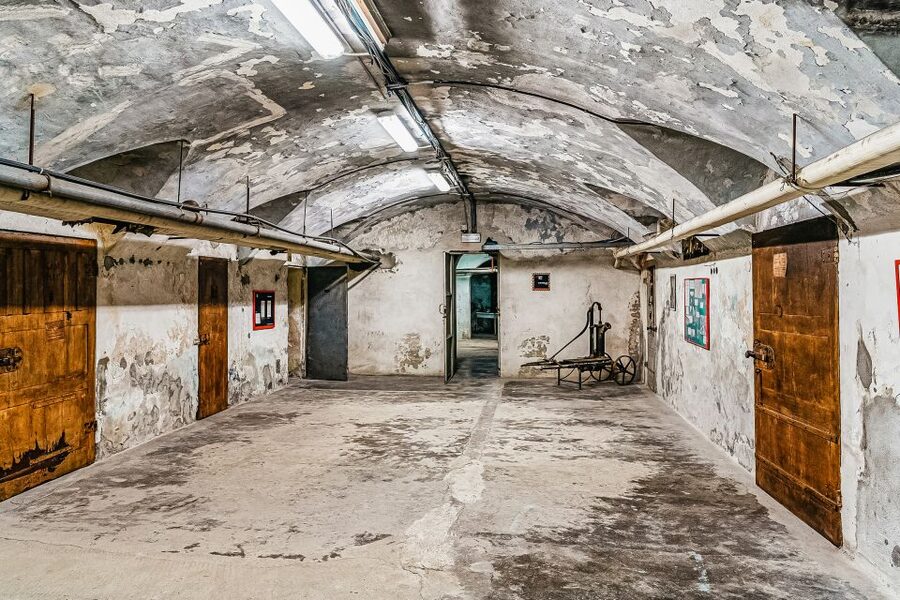
Turin has a second city below its elegant streets. On this three-hour tour, you descend about 50 feet underground to see 18th-century tunnels and a World War II air raid shelter. It is a sharp change from Turin’s grand squares and palaces, and it shows how the city’s lower levels once protected people above.
I like the mix of military history and wartime shelter life, and I like that the tour gives you access through an exclusive opening rather than simply pointing out an entrance from the street. The main drawback is practical: the underground route is not suitable for people with mobility impairments, and enclosed spaces may not suit everyone.
Key points about Turin below street level
- Two very different periods underground: See 18th-century tunnels and a World War II air raid shelter during one visit.
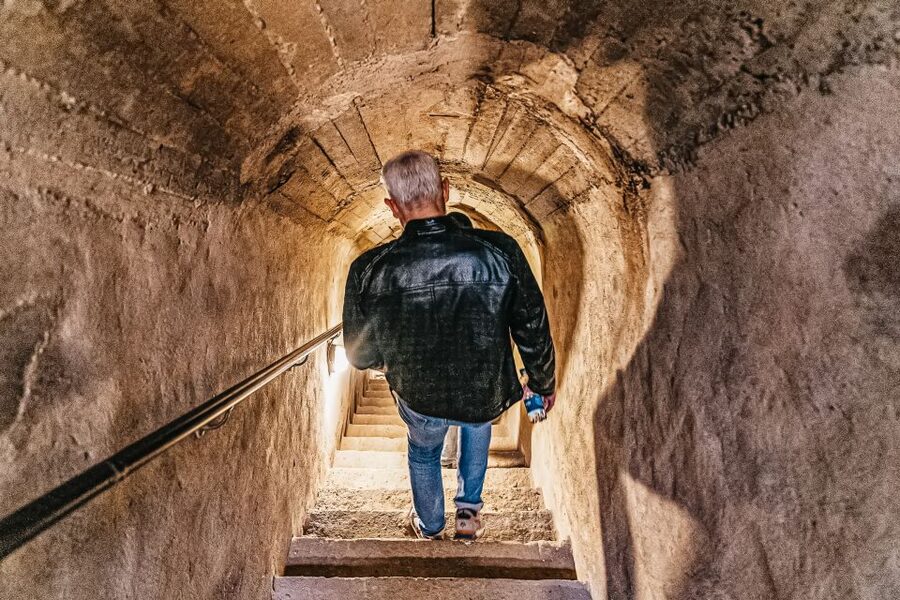
- A 50-foot descent: The route takes you well below Turin’s streets and into areas most city sightseeing never reaches.
- Three hours with a live guide: The guide supplies the context that makes bare tunnels and shelter rooms meaningful.
- Meet at the Pietro Micca Museum: The museum provides a clear starting point and connects the experience to Turin’s military past.
- Several language options: Tours are offered in Italian, English, German, Spanish, French, and Japanese.
- Best for history-minded visitors aged six and older: The tour is suitable from age six, but not for people with mobility impairments.
Turin’s second city, 50 feet below the streets
The most interesting part of this experience is the change in viewpoint. Above ground, Turin is known for orderly avenues, royal buildings, cafés, and broad public spaces. Below ground, you encounter a less polished side of the city, one shaped by defense, danger, and the need for shelter.
The route descends about 50 feet, which gives the experience a real sense of place. You are not simply looking at an old room behind glass. You are moving through the underground spaces themselves, with a guide explaining how they fit into Turin’s past.
The tour centers on two types of sites. The first is the network of 18th-century tunnels. The second is a World War II air raid shelter. These places belong to different periods, but they share one purpose: protecting the people above.
That connection gives the tour its main idea. Turin’s underground was not just empty space beneath the city. At different points, it helped defend the city and shelter its residents. The tour presents the city downstairs as a working part of Turin’s story.
More Guided Tours in Turin
- Turin: Magic Guided Tour
★ 4.6 · 1,447 reviews - Turin: Egyptian Museum Small Group Skip-the-Line Guided Tour
★ 4.8 · 1,332 reviews - Turin: Egyptian Museum Priority Access Guided Tour
★ 4.8 · 1,247 reviews
Entering the tunnels from the Pietro Micca Museum
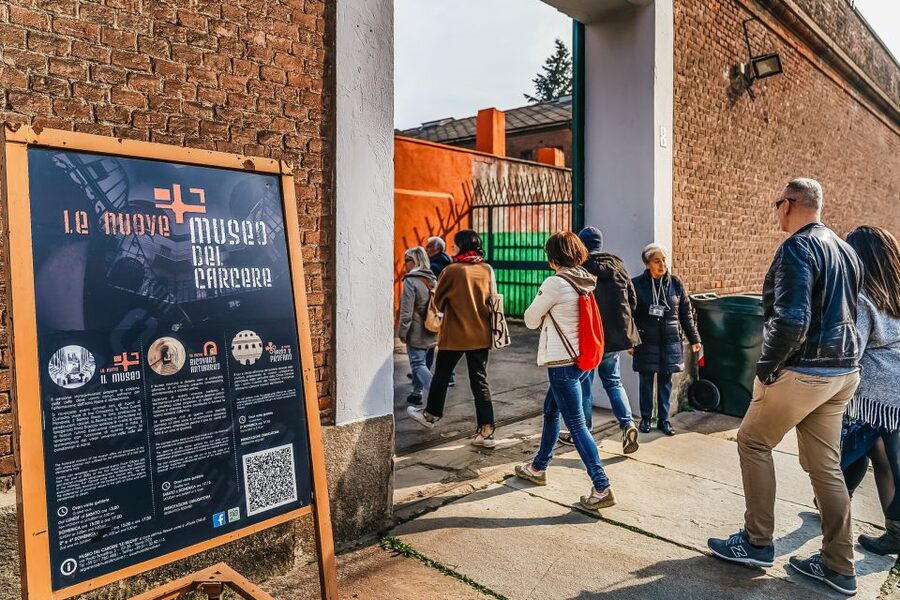
You meet your guide in front of the Pietro Micca Museum. That is useful for two reasons. First, it gives you a precise meeting point in a city where underground entrances may not be obvious. Second, it sets the tone before you even begin, since Pietro Micca is closely linked with Turin’s military past.
From there, the guide leads you underground. The 18th-century tunnels are the first major part of the visit, and they offer a physical reminder that Turin’s defenses were built in layers. You can expect passages and underground spaces rather than a conventional museum display.
The guide matters here. Tunnels can look like a string of dark corridors if you do not know what you are seeing. A good explanation helps you understand why they were built, how they belonged to the city’s defenses, and why their location beneath Turin mattered.
The available languages are Italian, English, German, Spanish, French, and Japanese. When booking, check that your preferred language is available at the time you want. A private group option is also available, which may suit families or companions who want a more personal pace.
Guides associated with this experience include Antonio, Silvia, and Donatella. Antonio is praised for making the visit memorable, while Silvia is described as a particularly strong guide. Donatella is also noted for her handling of the underground route. The exact guide depends on the date and language, but these names give you an idea of the level of personal guiding attached to the experience.
What the 18th-century tunnels reveal
The tunnels give you a closer look at Turin as a defended city. You are seeing infrastructure built for practical reasons, not decoration. That makes the visit different from a palace tour, where the focus is often on rulers, art, and ceremony.
Here, the setting itself carries much of the story. You walk below the streets and see how military planning shaped the city. The underground spaces make Turin’s past feel physical. Instead of only hearing about defensive systems, you enter one.
The route is also a good choice if you have already seen Turin’s main sights and want something less familiar. The city’s squares and museums explain its public identity. The tunnels show a more concealed side, one tied to conflict and survival.
Do not expect a vast underground city open in its entirety. The experience visits particular sections, and the value comes from the guide’s interpretation as much as from the architecture. If you prefer grand rooms, elaborate decoration, or a large collection of objects, this may feel restrained. If you enjoy places where the walls and passages are the main evidence, it should hold your attention.
The underground setting also affects comfort. You may find the route dark, enclosed, or physically demanding. The official information says it is not suitable for people with mobility impairments, so consider that carefully before booking.
The World War II air raid shelter
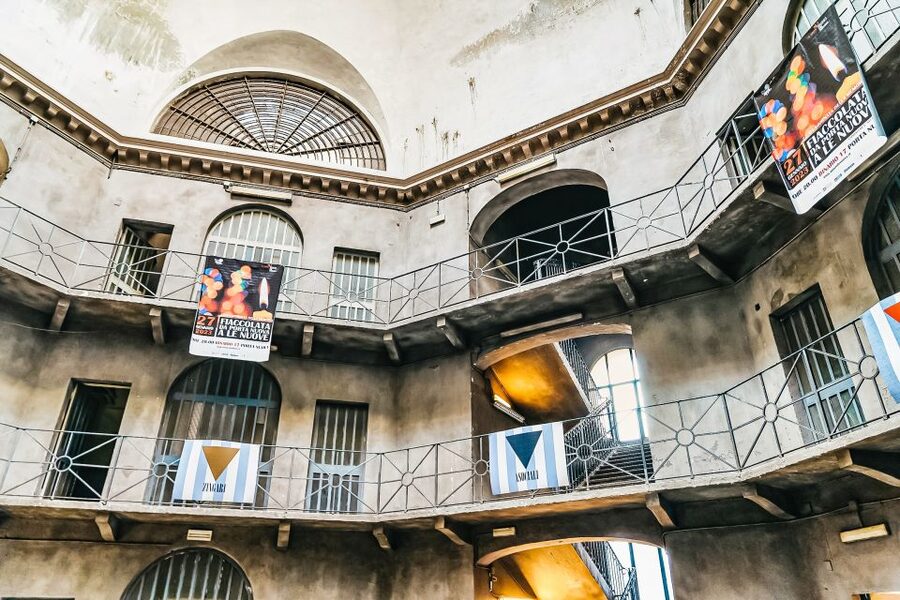
The second major stop shifts the story from 18th-century defense to civilian protection during World War II. The air raid shelter gives the tour a more immediate human angle. It was a place where people could seek safety while danger threatened the city above.
This part helps explain why the underground mattered across different generations. The same broad idea remained: when the surface became unsafe, the lower levels offered protection. The shelter is not simply another old space. It connects the city’s past to the experience of ordinary people facing wartime danger.
The contrast between the two sections is one of the tour’s strengths. The 18th-century tunnels relate to military planning and defense. The World War II shelter relates more directly to public safety and survival. Together, they show how Turin’s underground spaces changed purpose over time.
Your guide provides the narrative link between these sites. Without that link, the tunnels and shelter could feel like separate stops. With it, you get a clear picture of a city repeatedly relying on what existed below its streets.
The shelter also gives the tour emotional weight without needing a large display. A plain room can say a great deal when you understand why it was there and who needed it. I would pay close attention during this section, since the guide’s explanation is likely to be more important than any single visual feature.
A few more Turin half-days worth a look
- Turin: Torino+Piemonte 2-Day City Card
★ 4.6 · 1,837 reviews - Turin: Guided Egyptian Museum Tour
★ 4.7 · 1,573 reviews - Turin: Turin & Piedmont 3-Day City Card
★ 4.7 · 1,434 reviews - Turin: Hop-on Hop-off Bus Tour with 24 or 48-Hour Ticket
★ 4.2 · 941 reviews
Why the guide makes or breaks the visit
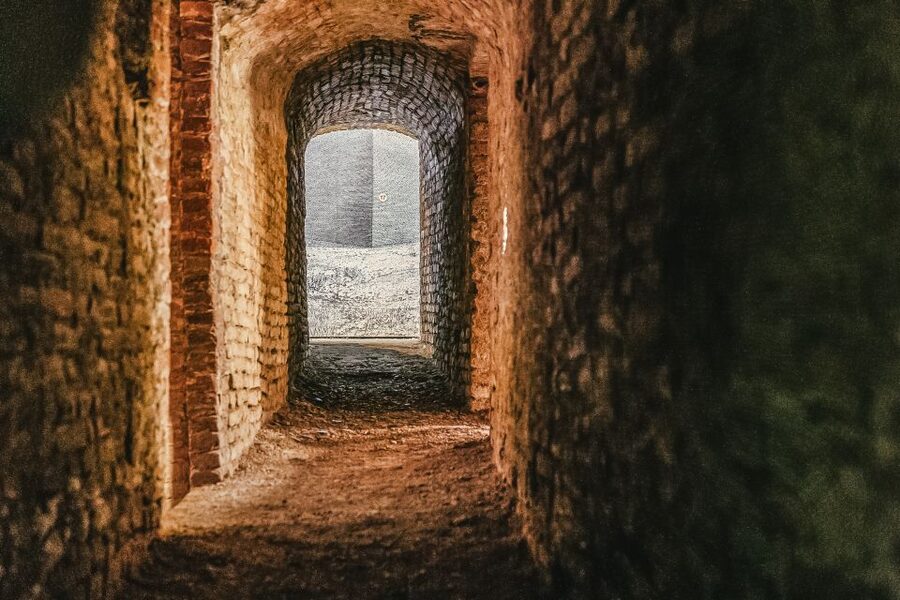
This is a guide-led experience, and that is essential. The underground sites are not designed to explain themselves in the way a modern museum gallery might. You need someone to identify what you are seeing, put it in order, and explain the connection between the different periods.
The strongest element of the guiding is the personal attention. Antonio, Silvia, and Donatella are each singled out for their ability to lead the experience well. Silvia is described as intelligent, thoughtful, and highly capable. Those qualities matter underground, where clear explanations and good pacing can make a major difference.
A live guide also lets you ask questions as you go. You can clarify the purpose of a passage or ask how the shelter fits into Turin’s wartime experience. That makes the tour more useful than visiting a dark underground space without context.
Language choice is another practical strength. The experience can be conducted in six languages: Italian, English, German, Spanish, French, and Japanese. You should still confirm the language and starting time before paying, since availability can vary.
A private group is available as well. The supplied information does not specify the private-group price or exact format, so compare the cost before choosing it. For a family with children or a group with a shared interest in military history, a private arrangement may offer a more relaxed setting.
Three hours underground: who will enjoy the pace
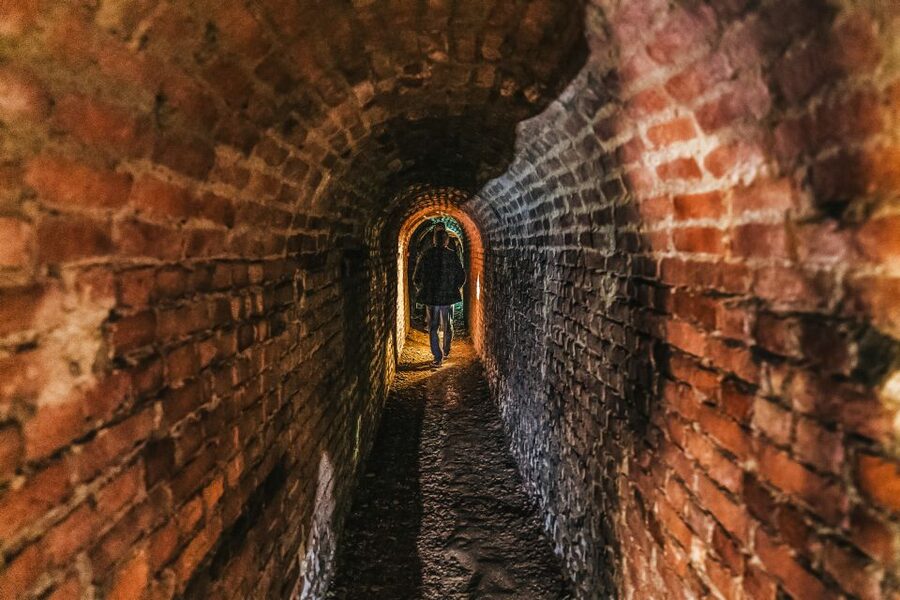
The stated duration is three hours, which is long enough to give both underground areas proper attention. This is not a quick 30-minute stop squeezed between two museums. You should set aside a substantial part of your day.
That length suits you if you want background and explanation rather than a fast look. The guide has time to connect the 18th-century tunnels with the World War II shelter and explain the broader role of the underground city.
It may feel too long if you are only mildly interested in military history or if you prefer to keep moving between Turin’s outdoor sights. The underground environment also makes the time feel different from a normal walking tour. You are away from the city’s light and open streets for a sustained period.
The minimum age is six. Older children who enjoy unusual places and stories about the past may find this memorable. Younger children may not have the patience for three hours, and the enclosed setting may not be comfortable for everyone. The tour data does not provide a more precise child policy, so check the booking details if you are traveling with a family.
Because the route is unsuitable for people with mobility impairments, this should not be treated as an accessible alternative to a standard Turin walking tour. If stairs, uneven surfaces, or underground access are a concern, confirm the conditions before booking.
Is the $62.63 price fair?
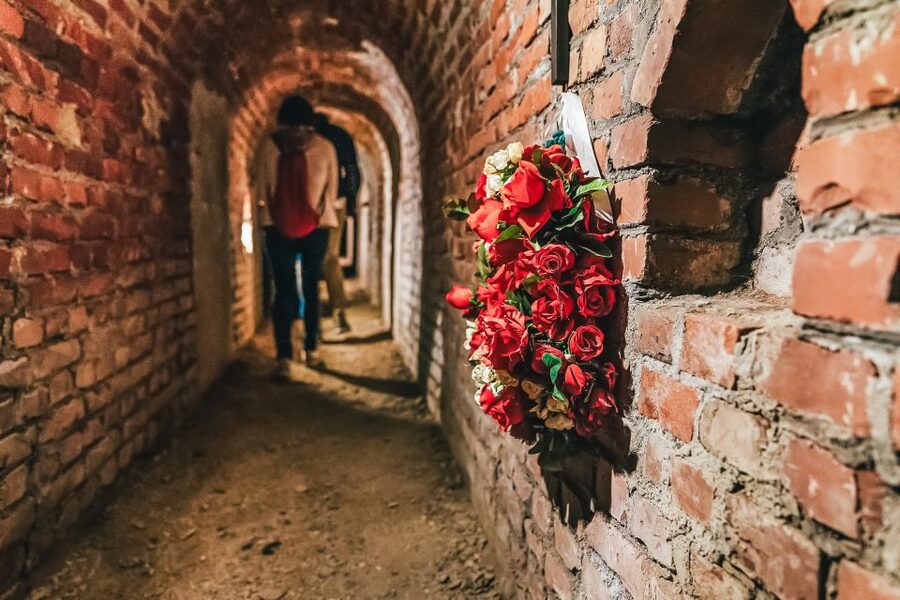
At $62.63 per person, this is not a budget sightseeing stop. The price makes more sense when you consider what is included: a three-hour guided visit, entrance tickets, and an exclusive opening entrance.
The exclusive access is important. Underground sites often have limited opening arrangements, and this experience gives you a structured way to see both the tunnels and the air raid shelter. You are paying for access as well as interpretation.
I would judge the value by your interest in Turin’s military and wartime past. If you enjoy unusual historical places and prefer a specialist guide to a standard city walk, the cost is reasonable for a three-hour experience. If you mainly want Turin’s famous architecture, food, and public squares, you may get better value from a less expensive outdoor tour.
The price also includes the guide, which is central here. You are not paying simply to enter an underground passage. You are paying for someone to explain what the spaces were for and how they connect.
Free cancellation up to 24 hours in advance gives you some flexibility, and the reserve-now, pay-later option can help if your Turin schedule is still changing. Those booking terms are useful, but they do not change the basic value calculation: book this for the underground history, not just because it is different.
Practical planning before you go
Meet your guide in front of the Pietro Micca Museum. Allow enough time to reach the meeting point, since the tour begins there and ends back at the same location.
Check the starting time when you select your date. The activity lasts three hours, but the available departure times are not fixed in the information provided. Planning another major timed attraction immediately afterward could make your day feel rushed.
Choose your language carefully. The live guide options are Italian, English, German, Spanish, French, and Japanese. If you need a particular language, confirm it before finalizing the reservation.
Think honestly about the physical setting. This is an underground experience, not a flat museum visit. The tour is not suitable for people with mobility impairments, and anyone uneasy in confined or dark places should consider that before booking.
The tour is suitable for children aged six and older. For families, the unusual setting may be a welcome break from conventional museums, but three hours underground is still a serious commitment. Children who enjoy stories about tunnels, defense, and wartime shelters are the best fit.
The tour ends where it starts, at the Pietro Micca Museum. That makes it easy to continue with other Turin sights in the same general area, though the provided information does not specify walking times to nearby attractions.
Should you book Turin’s underground tunnels tour?
Book it if you want to see a side of Turin that ordinary sightseeing does not cover. The combination of 18th-century tunnels and a World War II air raid shelter gives the tour a clear purpose, and the 50-foot descent makes the experience feel genuinely separate from the city above.
I especially recommend it to visitors who enjoy military history, unusual city spaces, and strong local guides. Antonio, Silvia, and Donatella are names associated with a well-received guiding team, and the 4.6 rating from 541 reviews supports the idea that the human side of the tour is a major part of its appeal.
Skip it if you have mobility limitations, dislike enclosed underground places, or have little interest in historical explanation. At $62.63, it deserves a deliberate choice rather than an impulse booking.
For the right visitor, this is a memorable three-hour look at how Turin protected its people across two very different eras. You return to street level with a better sense of what existed beneath the city, and why those lower spaces mattered.
FAQ
Where does the Turin underground tour begin?
Meet your guide in front of the Pietro Micca Museum.
Where does the tour end?
The activity ends back at the meeting point, in front of the Pietro Micca Museum.
How long does the underground tour last?
The tour lasts three hours. Starting times vary, so check availability for your chosen date.
What does the tour include?
The price includes a live guide, entrance tickets, and an exclusive opening entrance.
Which languages are available?
The live tour guide may be available in Italian, English, German, Spanish, French, or Japanese.
Is the tour suitable for children and people with mobility impairments?
The tour is suitable for children aged six and older. It is not suitable for people with mobility impairments.
Just added around Turin
- Turin: City Highlights Guided Bike Tour★ 4.6 · 277 reviews
- Royal Palace of Turin Skip-the-Line Ticket and Guided Tour★ 4.7 · 233 reviews
- Langhe: Truffle Hunting Experience★ 4.8 · 210 reviews
- Small-Group Barolo Wine Tasting, Alba & UNESCO Piedmont Hills★ 5.0 · 689 reviews
- Turin: Small-Group Walking Tour of Top City Highlights★ 4.8 · 839 reviews
- Turin: Hop-on Hop-off Bus Tour with 24 or 48-Hour Ticket★ 4.2 · 941 reviews
- Turin: Juventus Museum entry ticket & Stadium Tour★ 4.4 · 561 reviews
- Turin: Savoy Royal Palace Small Group Guided Tour★ 4.9 · 750 reviews
Guided Tours in Turin, compared.
Egyptian Museum Small Group Skip-the-Line Guided Tour
Read our review →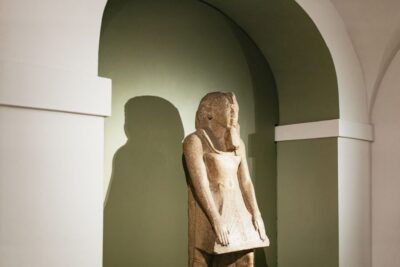
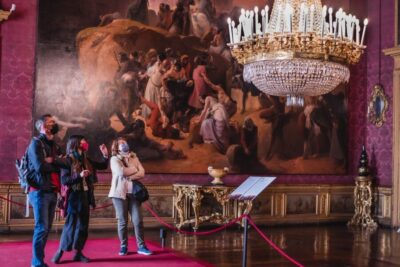
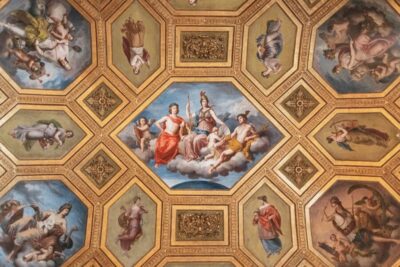
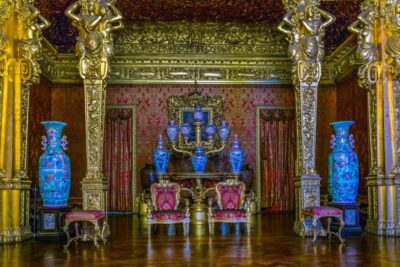
Royal Palace of Turin Skip-the-Line Ticket and Guided Tour
Read our review →Browse the lists this tour appears in