
Reviewed · SKIP THE LINE
Turin: Egyptian Museum Small Group Skip-the-Line Guided Tour
Turin’s Egyptian Museum packs an astonishing amount into one building, from a 3,500-year-old tomb to preserved food and a temple rescued from Nile flooding. A guide helps you make sense of the objects instead of wandering through a long procession of names and dates. The Tomb of Kha and the Ellesija Temple are the big moments.
I like the small maximum of nine people, which makes it easier to hear the guide and ask questions. I also like the chronological route, since you can follow Egyptian art and daily life across centuries rather than face a jumble of disconnected displays.
The main limitation is the fixed two-hour format. It covers the major rooms well, but the museum is large, and some visitors may find the pace brisk or tiring when standing in one place for too long. Families should also consider whether younger children will enjoy a tightly structured history tour.
Key points to know before you book
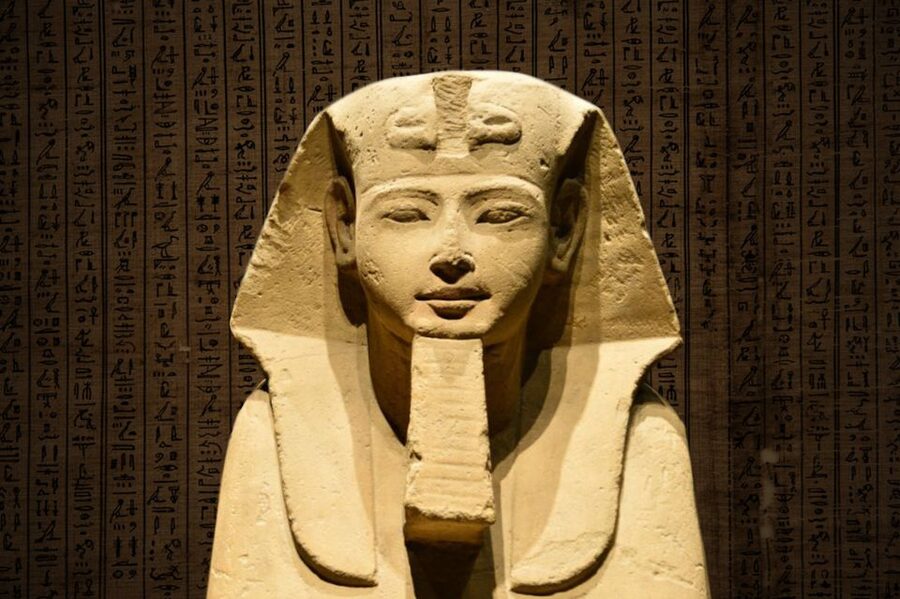
- A compact group of no more than nine: You get a far more personal visit than with a large museum crowd.
- The Tomb of Kha is the star attraction: See sarcophagi, furniture, food, pottery, and other objects linked to a pharaoh’s tomb builder.
- The collection follows a timeline: The displays move from the 4th century BC to the 3rd century AD.
- A rescued temple completes the visit: Ellesija Temple was moved to Italy in 1966 after being threatened by Nile flooding.
- Guides shape the experience: Francesco, Luisa, Marco, Nadia, Gabriel, Giada, and others have been praised for clear explanations and a strong interest in Egyptology.
- Plan for museum rules: Cameras, flash photography, backpacks, luggage, and large bags are not allowed.
Why a guide matters in Turin’s Egyptian Museum
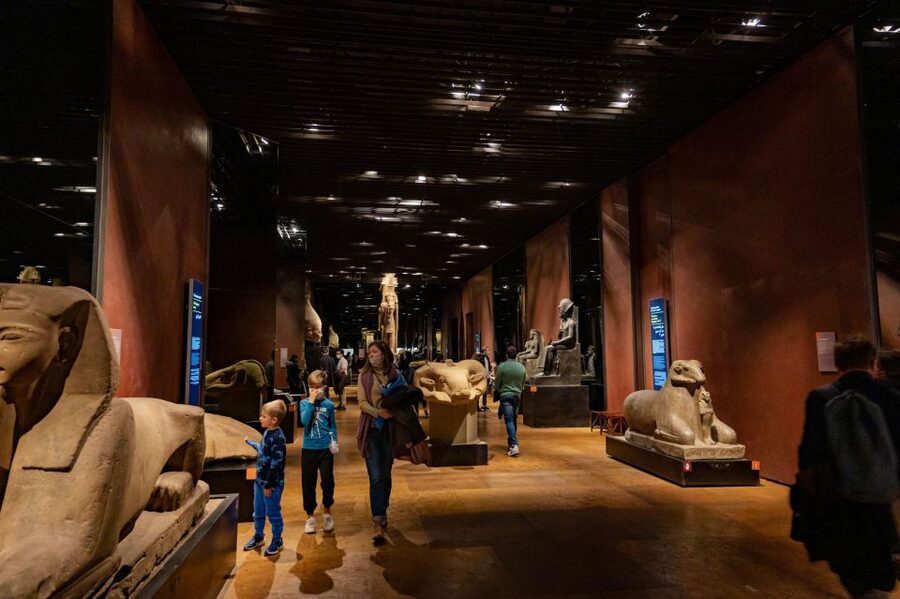
Turin’s museum is not a small room with a few famous statues. It is a major institution devoted entirely to ancient Egypt, and its collection can feel overwhelming if you do not know what deserves your attention.
I would choose a guide here for the same reason I choose one in a large archaeological site: the objects need context. A sarcophagus can be beautiful on its own, but a guide can explain its symbols, purpose, and place in Egyptian burial customs. A papyrus fragment can look like a scrap of old paper until someone shows you what it tells us about religion, administration, or daily life.
The best part of this tour is the human filter. Guides such as Francesco, Luisa, Marco, Nadia, and Gabriel have been praised for explaining difficult subjects in plain language, answering questions, and keeping the visit lively. Giada has been described as especially entertaining, while other guides have been praised for patience and passion.
That last point matters. A museum visit can either feel like a school assignment or a story. The stronger guides make ancient Egypt easier to follow by linking objects to people, work, death, food, belief, and power.
More Guided Tours in Turin
- Turin: Magic Guided Tour
★ 4.6 · 1,447 reviews - Turin: Egyptian Museum Priority Access Guided Tour
★ 4.8 · 1,247 reviews - Turin: Savoy Royal Palace Small Group Guided Tour
★ 4.9 · 750 reviews
Meeting at Carignano Square
The tour begins in Carignano Square, near the statue at the center. Look for the guide carrying a Keys of Italy sign, and arrive 15 minutes before the scheduled departure.
This meeting point is useful because it gives you a clear place to gather before entering the museum. Do not arrive at the last second. A small group cannot wait indefinitely for a late arrival, and the tour has a set two-hour window.
The experience is offered in English, French, Spanish, or Italian. Check your selected language carefully when booking. Groups larger than six receive headsets, so you can follow the guide even when other people are nearby.
Skip-the-line admission is included. That does not mean you walk straight through every security or entrance procedure, but you avoid buying a standard ticket at the museum and waiting in the regular ticket line. In a city break with limited time, that convenience has real value.
The chronological route through ancient Egypt
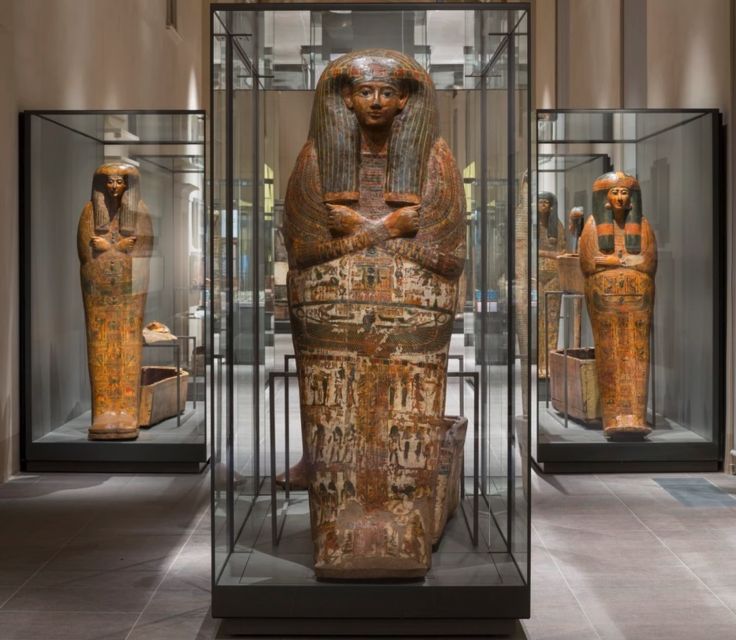
Once inside, the guide leads you through exhibitions arranged in chronological order. The stated span runs from the 4th century BC to the 3rd century AD, giving you a broad view of Egyptian art and culture over many centuries.
This arrangement is one of the tour’s most useful features. You do not need to remember every dynasty or ruler. Instead, you can watch styles and objects change as the route moves through time.
Expect to see the major categories associated with ancient Egypt: statues, sarcophagi, funerary objects, furniture, papyrus, and household items. The point is not only to look at grand royal pieces. Ordinary objects help show how people worked, ate, prayed, prepared for death, and remembered the dead.
Your guide selects the main highlights rather than stopping at every case. That is good news if you want an organized introduction. It also means you will not see every object in detail during the two-hour visit.
The guide’s choices matter here. Several guides have been praised for pointing out important pieces and explaining them in a way that is easy to follow. If you have a particular interest, such as mummies, mythology, writing, or daily life, ask about it early. One useful criticism of the tour is that the standard route may not leave much room to change direction for personal interests.
The Tomb of Kha and its everyday objects
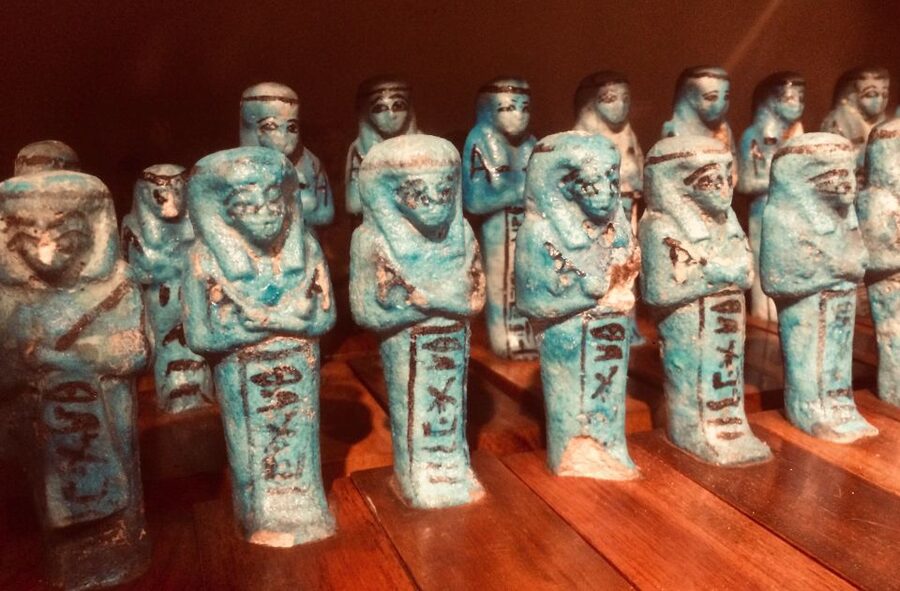
The Tomb of Kha is the visit’s most memorable stop. Kha was a tomb builder who worked for the pharaohs, and the tomb dates to about 3,500 years ago.
The display includes sarcophagi, statues, furniture, personal goods, and other objects connected to burial and daily life. This is where the museum becomes especially human. Instead of seeing only monuments made for kings, you get a look at the belongings associated with one individual and his passage into the afterlife.
Some of the preserved items are remarkably specific. You may see salted meat and a pottery bowl containing remains of tamarind and grapes. Details like these help connect the distant past to ordinary activities such as eating and storing food.
I like this section because it changes the way you look at ancient Egypt. The famous pyramids and temples show public power. Kha’s tomb brings you closer to private life, work, family, furniture, food, and ritual.
The stop can also be demanding. The guide may spend time explaining several objects in one area, and one visitor found that standing in the same place for too long became tiring. If you need regular movement or have limited stamina, tell the guide at the start so expectations are clear.
More Museum Tours in Turin:
- Turin: Guided Egyptian Museum Tour
★ 4.7 · 1,573 reviews - Turin: Juventus Museum entry ticket & Stadium Tour
★ 4.4 · 561 reviews - Vatican: Museums & Sistine Chapel Entrance Ticket
★ 4.5 · 144,003 reviews - Vatican Museums & Sistine Chapel Tour with Optional Basilica
★ 4.3 · 67,413 reviews
Papyrus, writing, and the Drovetti collection
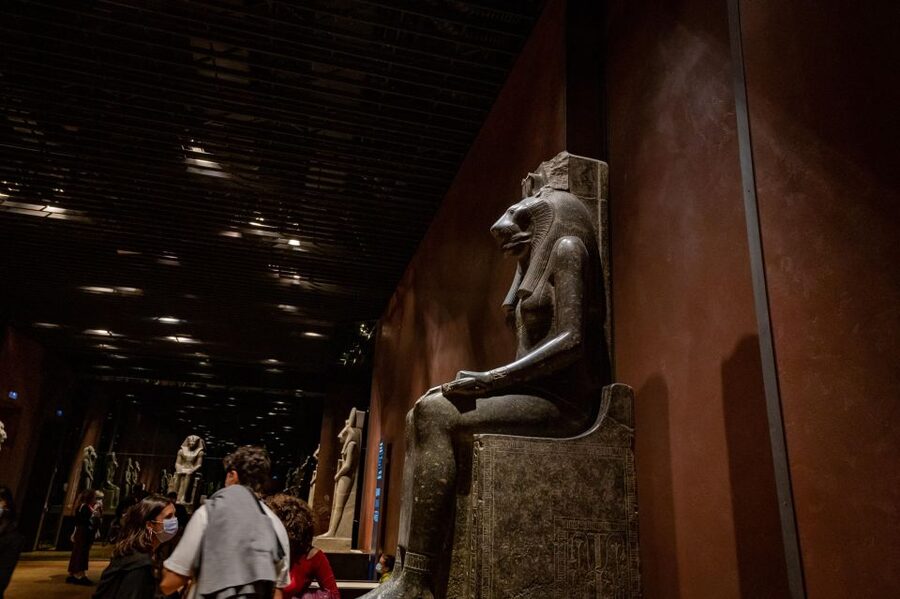
The route then reaches the Drovetti collection of papyrus sheets. It is considered by some to be one of the most important papyrus collections in the world.
Papyrus deserves more attention than a quick glance. These sheets are evidence of written culture, and they can reveal how people recorded beliefs, stories, administration, and other parts of life. Your guide provides the key to understanding why a damaged fragment may matter as much as a visually impressive statue.
This is another place where a short tour benefits from expert explanation. You might find the writing difficult to interpret on your own, particularly if you do not know the symbols or the difference between religious and practical texts. The guide helps turn the display into a readable part of the larger story.
Do not expect a long, quiet study of every papyrus. The tour is designed to introduce the collection and select important examples. If written sources are your main interest, you may want to remain in the museum after the guided portion ends.
Ellesija Temple and the journey to Italy
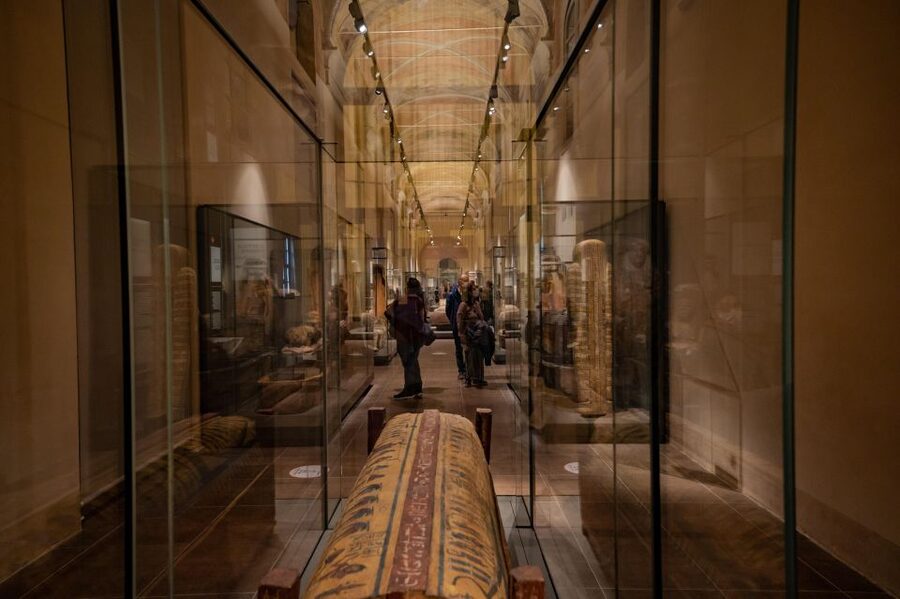
The final major highlight is Ellesija Temple, a rock-hewn temple more than 3,500 years old. It was built for Pharaoh Tuthmosis III.
Its modern story is just as striking as its ancient one. The temple was threatened by Nile flooding and was saved before being moved to Italy in 1966. That rescue explains why this monument is in Turin rather than in its original setting.
A guide can help you read the temple as both a religious building and a rescued piece of heritage. You learn who commissioned it, how it was formed from rock, and why its relocation was necessary.
This stop gives the tour a strong ending because it connects ancient construction with modern conservation. Egyptology is not only about examining old objects. It is also about deciding how to protect them when rivers, dams, war, development, or time put them at risk.
What the two-hour pace feels like
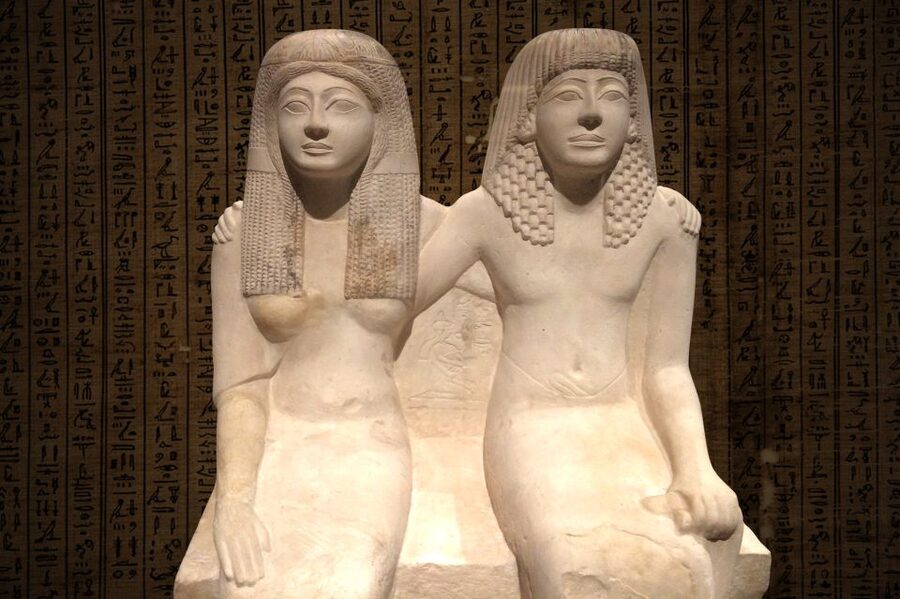
Two hours is enough for a strong introduction, not a complete museum day. You will see the main sections and receive a clear explanation of the most important pieces, but you should not expect to study every gallery at length.
That limit is both a strength and a weakness. If you have never visited the museum, the guide gives you a useful framework without requiring you to plan a route. If you already know Egyptology well, the fixed itinerary may feel too general.
The tour is conducted as a semi-private visit with no more than nine participants. That size usually makes it easier to hear, ask questions, and keep the group together. It also gives the guide some room to respond when someone wants clarification.
Still, a small group does not automatically mean a private tour. Other participants may have different interests, and the guide has to keep the group moving. One family found that the fixed format did not adapt easily to a curious nine-year-old who wanted many questions answered. The tour may suit older children with a strong interest in ancient Egypt better than younger children who need a looser pace.
If the group happens to be very small, the experience can feel almost private. One visit had only two participants, allowing the guide to spend more time sharing stories and responding to questions. You cannot count on that, but the nine-person limit keeps the odds better than with a standard large group.
Is $93 a fair price?
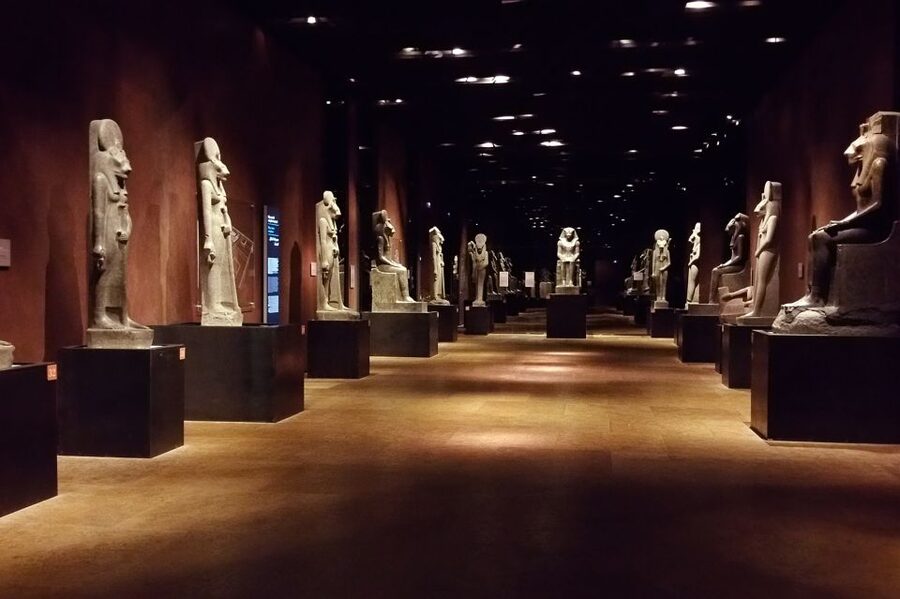
At $93 per person, this is not the cheapest way to enter a museum. You are paying for more than admission: skip-the-line access, a two-hour guided route, and a small group limited to nine.
The value is strongest if you are visiting Turin for a short time, want a clear introduction, or feel unsure how to approach a very large specialist collection. A good guide can save you from spending hours on rooms that do not match your interests and can explain why particular objects deserve attention.
The price is harder to justify if you enjoy reading every label at your own pace, already have a strong background in Egyptology, or plan to spend most of the day in the museum. In that case, independent admission may give you more freedom, though you would lose the guide’s selection and explanations.
I would think of this as a structured orientation. You pay for a useful first pass through the museum, then stay longer afterward if you want. The guided portion ends after two hours, and some visitors have appreciated having time to continue on their own.
The overall rating is 4.8 from 1,332 reviews, with repeated praise for the guides’ subject knowledge, clear speaking style, patience, and enthusiasm. That pattern suggests the guide is the main reason to book, not simply the ticket shortcut.
Practical rules and comfort notes
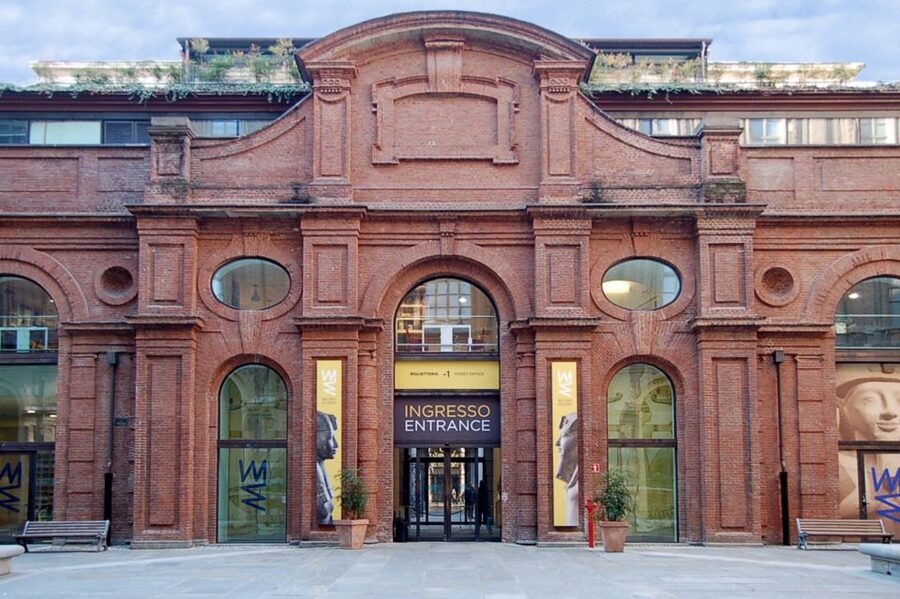
The museum does not allow cameras, flash photography, backpacks, luggage, or large bags. Pack light and do not build your day around taking photos inside the collection.
The tour is wheelchair accessible. If you use a wheelchair or need particular assistance, it is still sensible to mention your needs when booking so the operator can give you the most useful instructions.
Wear shoes you can stand in for two hours. The route includes periods of listening in front of individual objects, and one piece of useful feedback was that lingering too long in one spot could become tiring.
Free cancellation is available up to 24 hours before the tour for a full refund. You can also reserve now and pay later, which helps if your Turin schedule is still taking shape.
Who should book this museum tour?
I would recommend it to first-time visitors, couples, solo visitors, and families with older children who want an organized introduction to ancient Egypt. It is also a good fit if you have only a short stay in Turin and do not want to spend time designing your own route.
It suits people who enjoy stories and explanations more than silent browsing. The strongest guides make the objects easier to understand and are willing to answer questions without turning the visit into a lecture.
I would be more cautious if you have a young child who needs constant movement, if you dislike fixed schedules, or if you want to inspect every case. Ask at the beginning about areas of special interest, but understand that the tour still needs to follow its planned route.
Should you book it?
Yes, if you want the Egyptian Museum’s main story in two focused hours and value an expert guide who can explain what you are seeing. The Tomb of Kha, Drovetti papyri, and Ellesija Temple give the visit a strong structure, while the small group makes questions practical.
Book it with realistic expectations. This is a highlights tour, not a full day of independent study. Arrive early, bring no large bag or camera, wear comfortable shoes, and stay afterward if the collection has captured your attention. At $93, it is a considered purchase, but for many visitors the guide is what turns a huge museum into a memorable visit.
FAQ
Where does the tour meet?
The meeting point is Carignano Square, near the statue at the center of the square. Your guide will carry a Keys of Italy tour operator sign.
How early should I arrive?
Arrive 15 minutes before the scheduled departure time.
How long does the tour last?
The guided tour lasts two hours.
How many people are in each group?
The tour is limited to a maximum of nine participants.
Which languages are available?
The tour is offered in English, French, Spanish, and Italian.
Is museum admission included?
Yes. A skip-the-line Egyptian Museum ticket is included.
Are headsets provided?
Headsets are provided for groups larger than six people.
Is the tour wheelchair accessible?
Yes, the activity is listed as wheelchair accessible.
Can I bring a camera or backpack?
No. Cameras, flash photography, backpacks, luggage, and large bags are not allowed.
Can I cancel for a refund?
Yes. You can cancel up to 24 hours before the tour for a full refund.
Just added around Turin
- Turin: City Highlights Guided Bike Tour★ 4.6 · 277 reviews
- Royal Palace of Turin Skip-the-Line Ticket and Guided Tour★ 4.7 · 233 reviews
- Langhe: Truffle Hunting Experience★ 4.8 · 210 reviews
- Turin: Small-Group Walking Tour of Top City Highlights★ 4.8 · 839 reviews
- Turin: Hop-on Hop-off Bus Tour with 24 or 48-Hour Ticket★ 4.2 · 941 reviews
- Turin: Juventus Museum entry ticket & Stadium Tour★ 4.4 · 561 reviews
- Turin: Savoy Royal Palace Small Group Guided Tour★ 4.9 · 750 reviews
- Turin: Royal Palace Entry Ticket and Guided Tour★ 4.8 · 562 reviews
Skip the Line, compared.
Skip-The-Line Uffizi Gallery Timed Entry Ticket
Read our review →
Vatican Museums & Sistine Chapel Skip-the-Line Entry Ticket
Read our review →
Skip-the-Line Group Tour of the Vatican, Sistine Chapel & St. Peter’s Basilica
Read our review →
Michelangelo’s David Skip-the-Line Entry Ticket
Read our review →
Vatican Museums & Sistine Chapel Skip-The-Line Ticket
Read our review →
Vatican, Sistine Chapel & St. Peter’s Skip-the-Line Tour
Read our review →
Skip-the-Line Vatican, Sistine Chapel & St. Peter’s | Small Group
Read our review →
Vatican: Vatican Museums Sistine Chapel Skip-the-Line Ticket
Read our review →Browse the lists this tour appears in