
Reviewed · HIKING & TREKKING
Stromboli: Sunset Trekking at Sciara del Fuoco
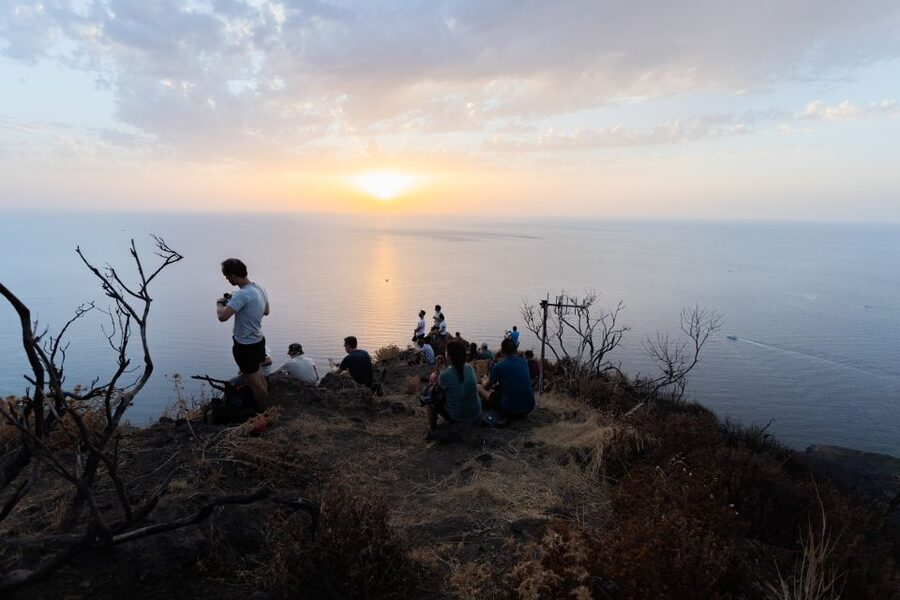
Stromboli is one of those rare places where the evening show comes from both sky and earth. You hike up the volcano’s flank to Sciara del Fuoco, watch the Aeolian islands turn red at sunset, then wait for bursts of volcanic fire to glow against the dark.
I like the mix of steady walking and real interpretation. Guides such as Giuseppe, Giovanni, Nino, and Federico explain the volcano, island history, and local terrain while keeping the group together. I also like that the pace includes regular water and rest stops, with time at the viewing point rather than a quick look before heading down.
The main catch is the return. You descend in darkness over steep, uneven, and sometimes dusty ground, using the supplied headlamp. The climb is manageable for an active person, but this is still a roughly five-hour hike, not a casual sunset stroll.
Key points before you book
- The viewing point reaches up to 400 meters: Summit access is closed, so this tour does not climb to Stromboli’s crater rim.
- The sunset and eruptions come together: You get time to watch the Aeolian archipelago change color before looking for volcanic bursts in the night.
- The guide makes the difference: Giuseppe, Giovanni, Nino, Federico, and other Ashàra guides are praised for clear explanations, careful pacing, and calm support.
- The downhill walk is in darkness: Headlamps are included, but sturdy shoes and attention on loose stones are essential.
- The price is modest for a guided volcano hike: At $35 per person, the tour includes a guide, headlamp, and rock helmet, but not food, drinks, or footwear.
- You need to sleep on Stromboli afterward: Late evening ferry service is not available after the trek.
Why Sciara del Fuoco is worth the climb
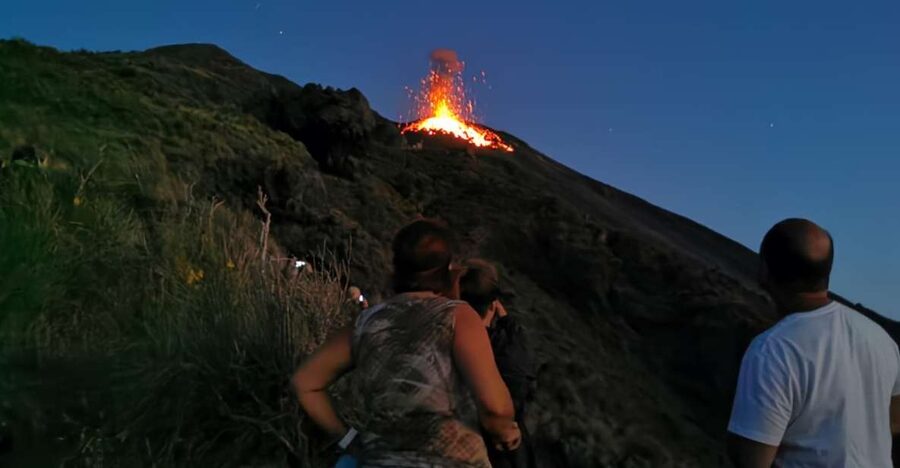
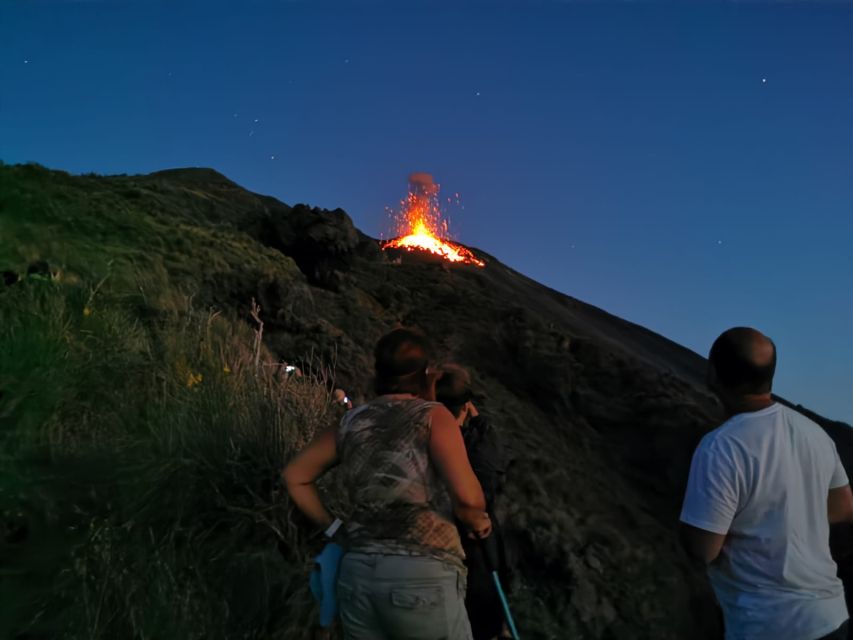
Sciara del Fuoco is the broad volcanic slope where Stromboli’s eruptions travel toward the sea. From the permitted viewing area, you look toward the upper craters and the dark chute below them. The setting is stark and open, with the Mediterranean stretching out around you and Strombolicchio often in view.
The appeal is not only the possibility of seeing lava. The route gives you several changing views of the island, the sea, and the nearby Aeolian islands. By the time you reach the observation area, you have watched the village fall below, crossed Mediterranean shrubs, and gained a better sense of Stromboli as a small inhabited island built around an active volcano.
Volcanic activity is never scheduled like a theater performance. You might see several bursts close together, as some groups have, or only a few smaller displays. Clouds can block the upper volcano, and activity may be mild. The tour is still worthwhile for its views and setting, but you should not book it expecting a guaranteed river of lava.
The summit craters are closed, and the highest point reached with a volcanological guide is 400 meters. Some outings may use a lower section depending on safety conditions. This is important if your idea of climbing Stromboli means standing beside the crater. That is not what this experience offers.
More Evening Tours in Sicily
- Catania: Mount Etna Morning or Sunset Day Trip with Tasting
★ 4.8 · 4,028 reviews - Catania: Sunset Jeep Tour of Mount Etna and Lava Flow Caves
★ 4.8 · 2,113 reviews - From Milazzo: Panarea and Stromboli Boat Trip by Night
★ 4.2 · 1,605 reviews
Meeting Ashàra near Piazza San Vincenzo
You meet at the Ashàra Etna & Stromboli Guides information point on Via Vittorio Emanuele, near Piazza San Vincenzo and behind the church. The meeting time is set for about two hours before sunset, though you should check the exact departure time for your date.
The tour begins with a safety briefing and equipment handout. You receive a headlamp flashlight and rock helmet, then set off with a volcanological guide. Food and drinks are not included, so carry water and a snack from the start.
The two-hour lead time before sunset matters. The group is not racing uphill at the last minute. The route includes pauses for rest, water, views, and explanations about Stromboli’s geology and human history. Guides have also been praised for adjusting the pace for children and older adults, while still warning the group about narrow or uneven sections.
You should arrive ready to walk. Open-toed shoes, baby strollers, and oversize luggage are not allowed. A small daypack is the sensible choice.
The uphill route through shrubs and island history
The trail begins through the lower part of Stromboli, then moves into a nature route across Mediterranean shrubs. The island remains visible around you as you climb, and Strombolicchio provides a constant offshore reference point when the view is open.
This part of the walk is not simply a long staircase to the top. The guide uses the pauses to explain the island, its volcanic activity, and the surrounding Aeolian group. That makes the climb feel less like a fitness test and more like a moving lesson, though you still need to work for the views.
Several people describe the walking as manageable but tiring. The early and middle sections can feel steady and controlled, while the final section is steeper and calls for shoes with good grip. You will likely become sweaty and dusty, particularly in warm weather. A breeze can help, but it does not remove the need for water.
The route may also pass the old island cemetery. It is a quiet change of mood from the volcanic subject ahead. The cemetery gives the guide a chance to connect Stromboli’s natural setting with the people who have lived on this small island over time.
Do not confuse a group-friendly pace with an easy walk. Guides stop often, but the total outing may include around nine kilometers, with roughly two hours of uphill walking before the main viewing period. If you are reasonably active, the pace should be workable. If you rarely hike, the steep final section and dark descent deserve serious thought.
Reaching 400 meters above the sea
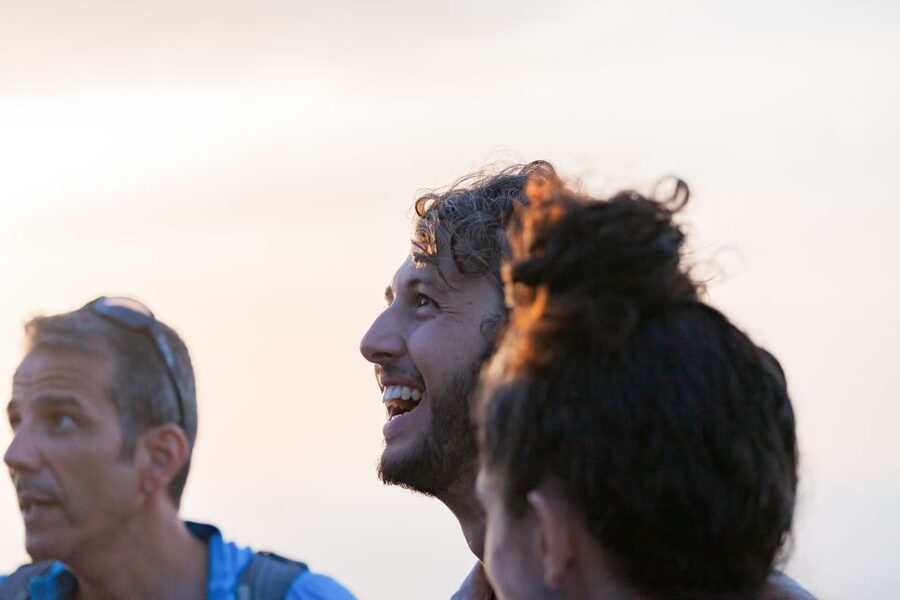
The permitted high point is the payoff for the climb. From around 400 meters, the view opens toward the summit craters and Sciara del Fuoco. The elevation is high enough to give you a broad view across the sea without requiring a technical climb or summit ascent.
The group generally spends about an hour and a half at the viewing area, depending on conditions and the schedule. That is a useful amount of time. You can settle into a safe position, watch the light change, and wait for volcanic activity instead of feeling rushed.
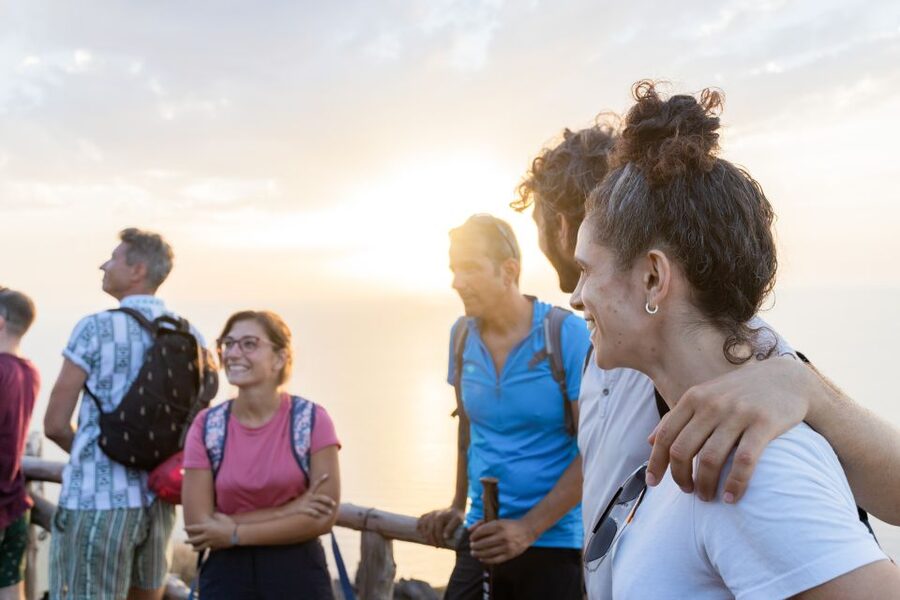
The sunset is often the first major event. The Aeolian archipelago turns warm red and orange, while the sea and lower slopes fade into evening colors. Stromboli’s position in the open Mediterranean gives the sunset a wide, uncluttered feel.
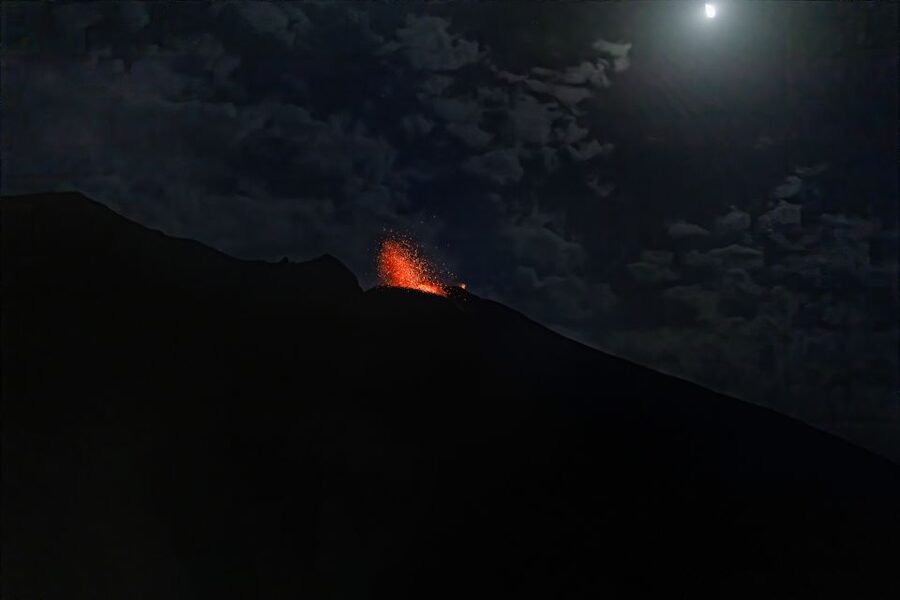
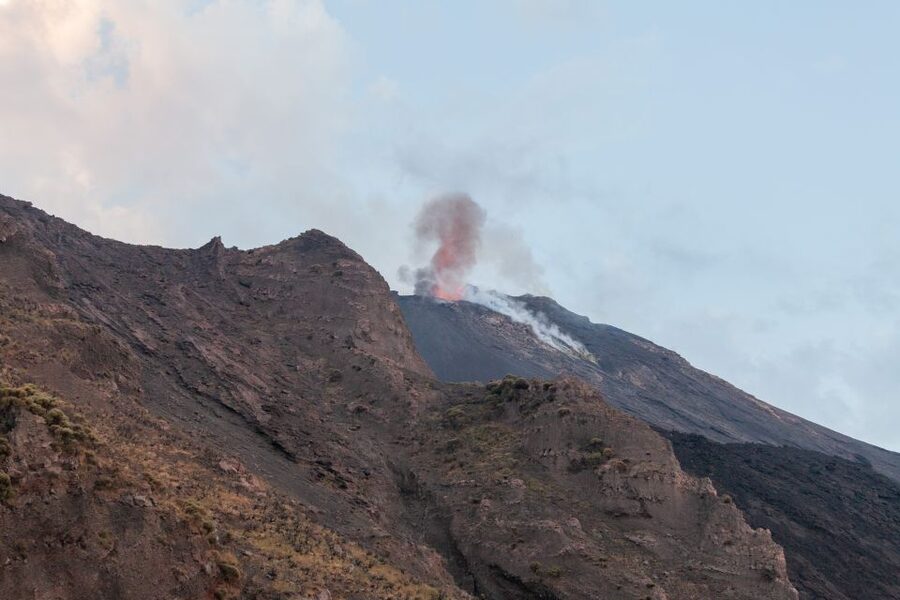
As darkness arrives, the volcanic bursts become easier to see. A small explosion may show as a brief orange glow, while a stronger one can send incandescent material into view above the crater area. The timing and strength vary. Some outings have seen several displays in an hour, while cloud or quieter activity has limited the show.
That uncertainty is part of the experience, but it is also the main reason to keep expectations sensible. Promotional images often show the volcano at its most dramatic. Real Stromboli may offer smaller bursts, intervals of waiting, or a partly obscured view. The guide can explain what you are seeing, but cannot control the volcano or the weather.
More Hiking Tours in Sicily
- Mount Etna: Guided Volcano Summit Hiking Tour with Cable Car
★ 4.7 · 3,784 reviews - Mount Etna: Trek to 3000m with cable car and jeep
★ 4.7 · 1,978 reviews - Mount Etna: Summit Crater Trek with Cable Car
★ 4.8 · 1,875 reviews - Etna Volcano: South Side Guided Summit Hike
★ 4.7 · 1,545 reviews
Guides who control the pace, not the volcano
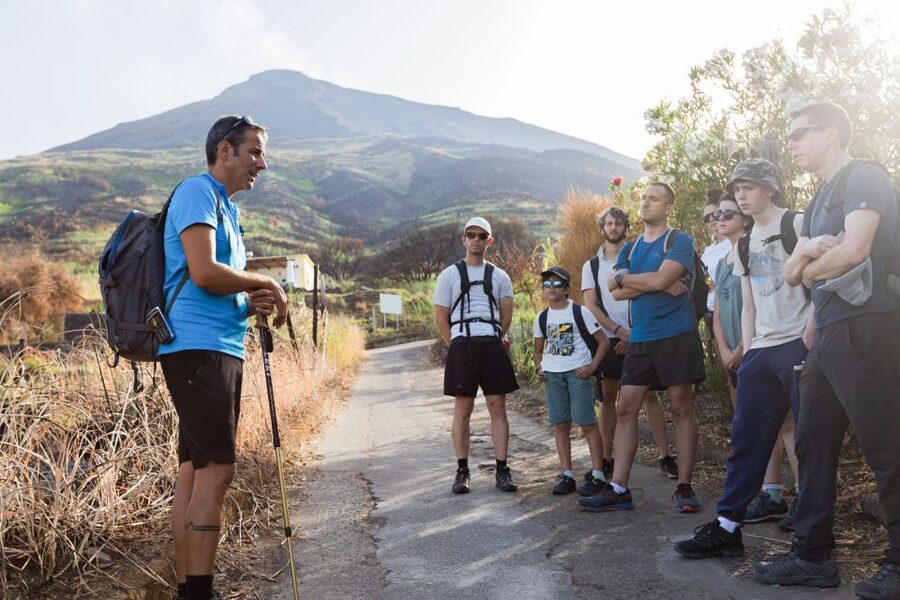
The strongest part of this experience is the guiding. Giuseppe is repeatedly singled out for his volcanic explanations, patience, and ability to help people through difficult moments. Giovanni is also praised for combining a calm pace with clear information, while Nino and Federico have led groups safely to the sunset viewpoint.
That personal attention matters on a route where the group can include children, older adults, and people with different hiking speeds. Guides stop to check that everyone is present, point out sections that need care, and use breaks to explain the island rather than simply waiting in silence.
One guide even helped a nervous participant with a walking stick during the climb and descent. You should not assume that every guide will offer the same individual assistance, but the trip is designed around group safety and controlled progress.
The language options are English, French, and Italian. If you enjoy learning how a volcano works, ask questions during the quieter sections of the walk. The guides cover volcanic activity, local history, geology, and the surrounding islands.
The safety role is serious. Weather, environmental conditions, or volcanic risk can lead to a route change or cancellation during the outing. The guide may stop the hike for any reason that could threaten an individual or the group. On an active volcano, that is a strength, not an inconvenience.
The descent by headlamp
After the sunset and volcanic viewing, the group starts downhill with headlamps. The descent follows a different feel from the climb, even if parts of the route are familiar. In the dark, your attention shifts from distant views to each section of ground in front of your feet.
The path can include cobbled surfaces, loose stones, narrow sections, and volcanic dust. You need to watch your footing, especially when the group is moving close together. People near the back can also find dust kicked up by those ahead, so a light face covering may be useful if dust bothers your breathing.
The supplied headlamp is a real part of the tour, not a token accessory. It helps you see the path, but you should still move carefully and avoid treating the downhill walk as an easy stroll. Some people find the descent easier than the ascent, while others find the dark and uneven ground more demanding.
Expect to return late in the evening. There are no late ferry boats off Stromboli after this tour, so you must arrange overnight accommodation on the island. This is the most important planning detail. Do not book the hike while assuming you can return to Lipari, Sicily, or another island the same night.
What to wear and carry
You need proper hiking shoes. Trekking shoes can be rented locally if you do not have suitable footwear, and one reported rental price was 8 euros, though rental costs can change. Do not rely on sandals or casual shoes with smooth soles.
Wear sports clothing that handles heat and dust. A T-shirt and shorts may suit warm conditions, but carry a jacket for the evening at the exposed viewing area. Socks matter too, particularly if you rent boots or expect a long descent.
Bring:
- Water
- Snacks
- Hiking shoes or rented trekking footwear
- A jacket
- A small daypack
- Sportswear
- A face covering if volcanic dust may bother you
The tour provides a headlamp and rock helmet. You do not need to bring bulky equipment, and oversize luggage is not permitted. Keep your load light because every extra item will be with you for the uphill and downhill sections.
Is $35 good value?
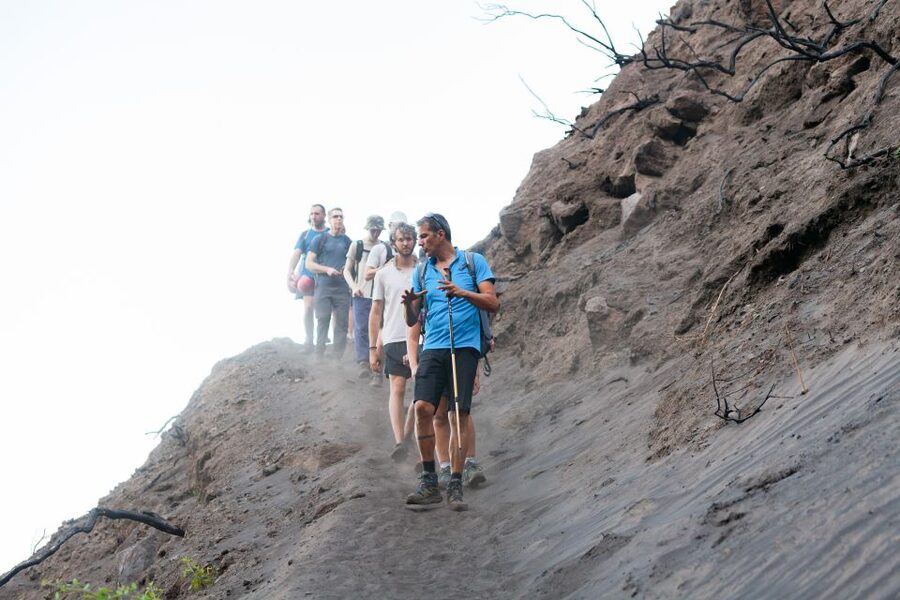
At $35 per person, this is inexpensive for a five-hour guided hike on an active volcano. The fee includes the volcanological guide, headlamp, and rock helmet. It also gives you a structured route to a permitted viewing point, rather than leaving you to work out the trail and safety limits alone.
The value comes mainly from the guide and the timing. You receive explanations about the volcano and island, regular pauses, group management, and a planned viewing period around sunset. A self-guided walk might cost less, but it would not provide the same safety briefing, equipment, or interpretation.
You need to budget separately for water, snacks, and possibly shoe rental. You also need accommodation on Stromboli. For a five-hour experience, the base price is strong, but the full evening cost is not just the ticket.
The activity has a 4.6 rating from 1,372 reviews, which fits the overall picture: the route is demanding but achievable, and the guide quality is a major part of the value. The experience will feel less successful if your main goal is a guaranteed major eruption or a summit climb, both of which are outside the tour’s control and current limits.
Who should book this Stromboli hike?
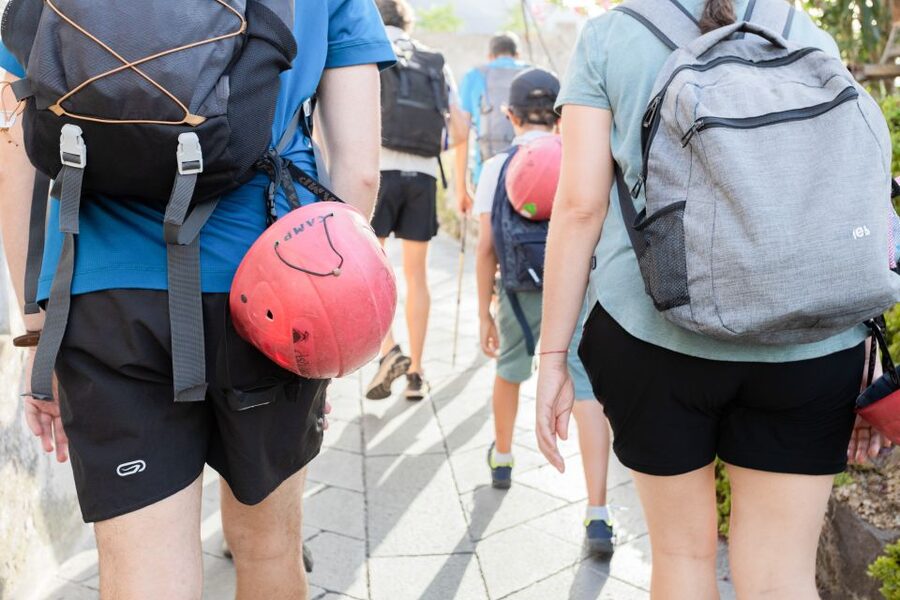
I would recommend it to you if you want an active evening, enjoy volcanoes, and are happy to trade comfort for a rare view. It suits people who like learning as they walk and who can manage several hours on uneven ground.
It is also a good choice for families with older children if everyone is prepared for the length and the descent. Guides have experience pacing mixed groups, but parents should still judge their children’s stamina rather than relying only on the regular breaks.
This is not suitable for pregnant women or people with back, heart, respiratory, or mobility problems. It is also not suitable for wheelchair users or people with vertigo. The tour information specifically advises against joining if you have these conditions.
You should choose a boat-based volcano view instead if you want to stay seated, avoid a late-night hike, or cannot arrange an overnight stay. The boat option would not give you the same sunset walk or time on the slopes, but it may suit your body and schedule better.
Should you book it?
Book this tour if you want the combination of sunset, mountain walking, and live volcanic activity. The strongest reasons are the careful guides, the time spent at the viewing point, and the changing views along the route.
Skip it if you need a guaranteed lava display, dislike steep or dusty trails, or plan to leave Stromboli the same night. For everyone else, $35 buys a well-supported way to meet Stromboli on its own terms: beautiful, tiring, unpredictable, and occasionally fiery.
FAQ
How long does the Stromboli sunset trek last?
The activity lasts about five hours, including the guided ascent, breaks, sunset and volcano viewing, and the descent by headlamp.
How high does the tour climb?
The tour reaches up to 400 meters, the maximum altitude currently allowed with a volcanological guide. The summit craters are closed.
Where is the meeting point?
Meet at the Ashàra Etna & Stromboli Guides information point on Via Vittorio Emanuele, near Piazza San Vincenzo and behind the church.
What equipment is included?
A volcanological guide, rock helmet, and headlamp flashlight are included. Food, drinks, and trekking shoes are not included.
Do I need hiking shoes?
Yes. Hiking shoes with good grip are strongly recommended for the steep and uneven sections, especially the final uphill stretch and the dark descent. Trekking shoes can be rented locally.
Can I return by ferry after the tour?
No. The hike finishes late in the evening, and there are no return ferry boats late at night. You need to stay overnight on Stromboli.
Can the route or activity be stopped?
Yes. The guide may change or stop the excursion if weather, environmental conditions, or volcanic risk creates a safety concern.
Just added around Sicily
- Syracuse, Ortigia and Noto walking tour from Catania★ 5.0 · 273 reviews
- The Godfather Movie Tour★ 5.0 · 275 reviews
- Tour Etna & Wine Tasting★ 5.0 · 317 reviews
- Etna, Wine and Alcantara Tour – From Taormina★ 5.0 · 464 reviews
- The Original Catania Street Food and Market Tour by Streaty★ 5.0 · 345 reviews
- Etna and Alcantara Gorges Excursion★ 4.5 · 256 reviews
- Etna Tour in 4×4★ 5.0 · 583 reviews
- Etna Morning Jeep Tour★ 4.5 · 241 reviews
Hiking & Trekking, compared.
Cinque Terre Day Trip with Optional Hiking or Pisa
Read our review →
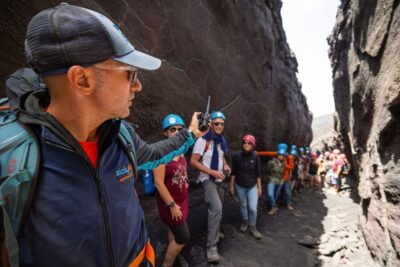
Mount Etna: Guided Volcano Summit Hiking Tour with Cable Car
Read our review →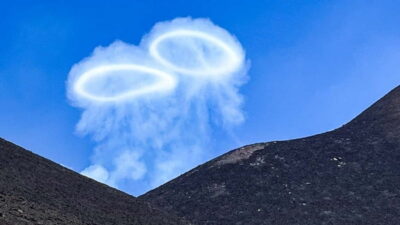
Mount Etna: Trek to 3000m with cable car and jeep
Read our review →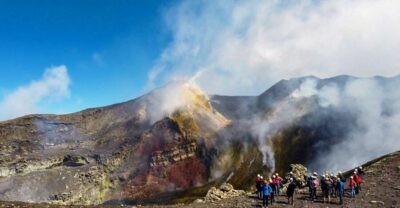
Mount Etna: Summit Crater Trek with Cable Car
Read our review →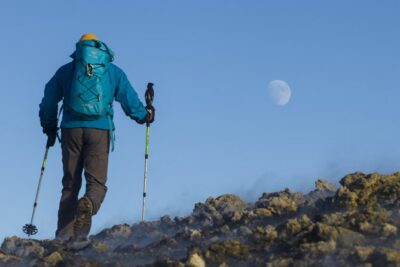
Mount Etna Trekking Trip off the Tourist Path
Read our review →
From Sorrento: Path of the Gods Guided Hike with Transfers
Read our review →Browse the lists this tour appears in