
Reviewed · FOOD & DRINK
Sorrento: Lemon Garden Tour with Marmalade Tasting
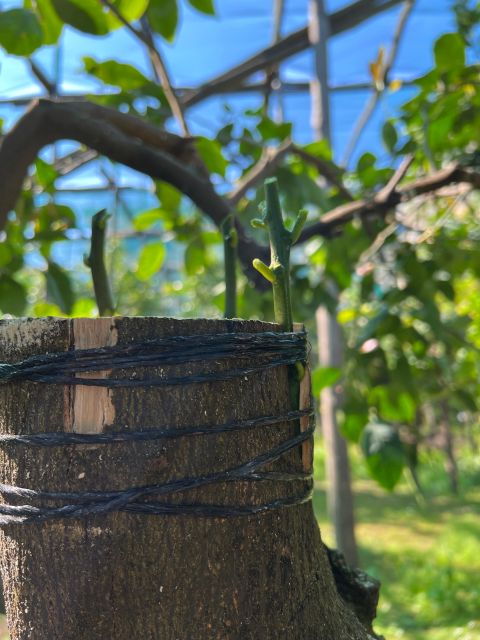
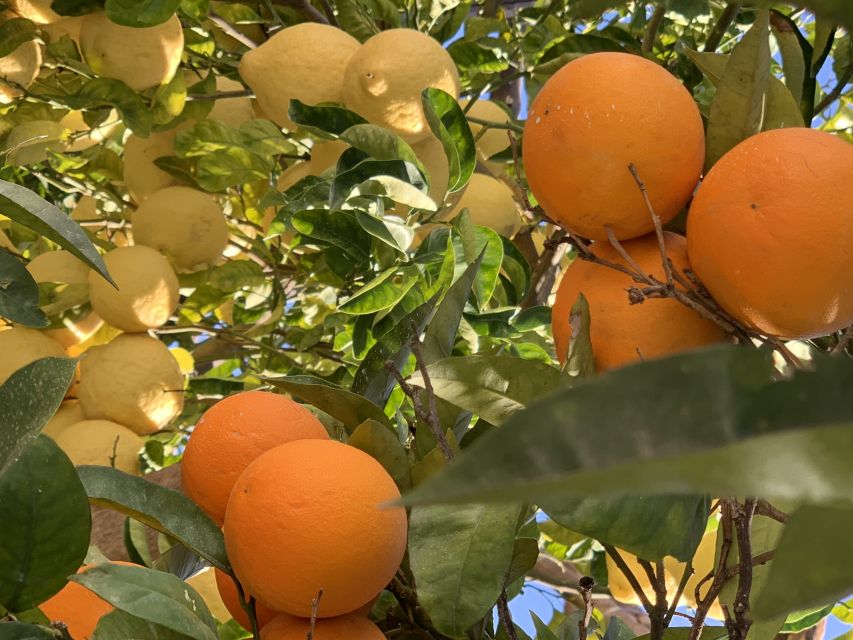
Sorrento’s lemons are not just a souvenir flavor. They are part of the town’s working identity, and this visit shows you how the fruit is grown, protected, and turned into marmalade, limoncello, olive oil, and more. I like the old-style pergola cultivation and the chance to taste products in the garden where some of the ingredients are grown. I also like that it is close to central Sorrento and short enough to fit around a train ride or a busy sightseeing day.
The main consideration is the tour’s size and scope. At about 45 minutes for the guided portion, this is a compact garden visit, not a full farming workshop. The tasting adds time and substance, but anyone expecting a large estate or a long rural excursion may find it brief. The optional lunch or dinner can turn it into a longer meal-centered outing, but that is not part of the basic price.
Key points to know before you book
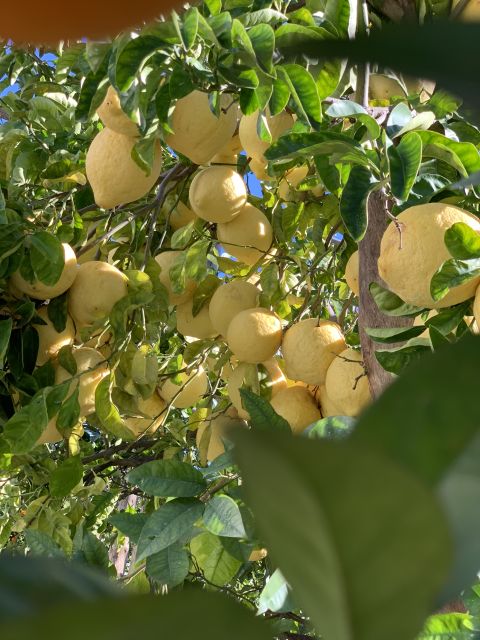
- Traditional pergola growing: Learn why Sorrento’s lemon trees are grown beneath tall wooden or covered structures rather than left fully exposed.
- A tasting beyond marmalade: Samples can include lemon and orange marmalade, honey, cheese, bread, olive oil, lemon-scented olives, fruit, and limoncello.
- A short walk from the center: Several people found the garden about five minutes from Sorrento train station, making it easy to add to a day in town.
- English-speaking guides: Guides including Francesca explain cultivation, grafting, local history, and limoncello production in clear English.
- Optional garden meals: Lunch or dinner may be available, often using ingredients grown on the property.
- Good for a hot afternoon: The walk is brief, and the shaded garden makes this easier than a long outdoor tour in summer.
Why Sorrento’s lemons deserve their own tour
Sorrento’s lemon culture is easy to notice. Lemon gelato, lemon cakes, limoncello, soaps, candies, and jars of marmalade appear all over town. It is harder to see what happens before those products reach a shop shelf. This garden visit fills in that missing piece.
You walk among citrus trees and learn how local growers manage them. The talk covers the basic cultivation process, the care of lemon and orange trees, and the ways fruit is transformed into food and drink. You also hear about older methods that are still used at this family-run site.
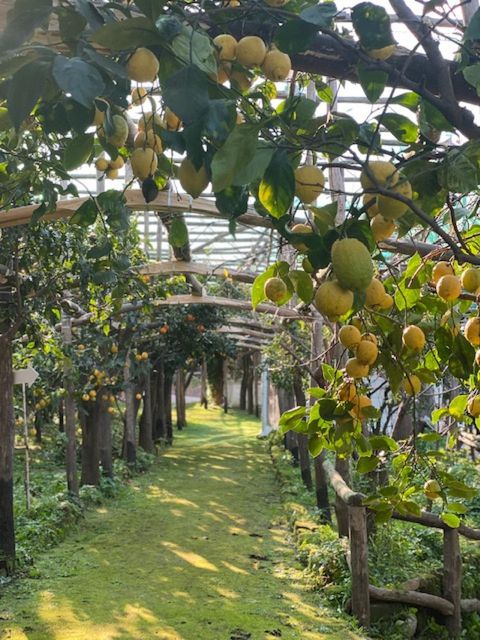
The pergola system is one of the most interesting parts. The trees are grown beneath structures that help protect the plants and shape the growing environment. The method gives the garden a distinctive look, with citrus branches and leaves forming a green canopy above you. It also helps explain why Sorrento’s groves can feel like quiet garden rooms even though they are close to town.
I especially like this kind of stop because it gives context to a familiar food. You do not simply taste a lemon product and move on. You see the trees, hear about cultivation, and then taste the finished results. That connection makes the marmalade and limoncello more meaningful.
More Food Tours in Sorrento
- Sorrento Farm and Food Experience including Olive Oil, Limoncello, Wine tasting
★ 5.0 · 2,524 reviews - Pizza School with Wine and Limoncello Tasting in a Local Farm
★ 5.0 · 845 reviews - Walking Food Tour in Sorrento w/ Limoncello Factory Lemon Grove
★ 4.5 · 821 reviews
Walking through La Limonaia
The experience begins at La Limonaia, with meeting arrangements depending on the option you choose. The listed location is Via Bernardino Rota 4, and the garden is within easy reach of central Sorrento. Several people described it as roughly a five-minute walk from the train station, which makes it a useful choice if you arrive in Sorrento by rail.
The walk itself is leisurely. You are not hiking through open countryside or covering a large farm. Instead, you move through a compact citrus garden while the guide points out the trees, growing structures, and other plants. That makes the visit manageable for families and for anyone who wants a calm break from Sorrento’s steep lanes.
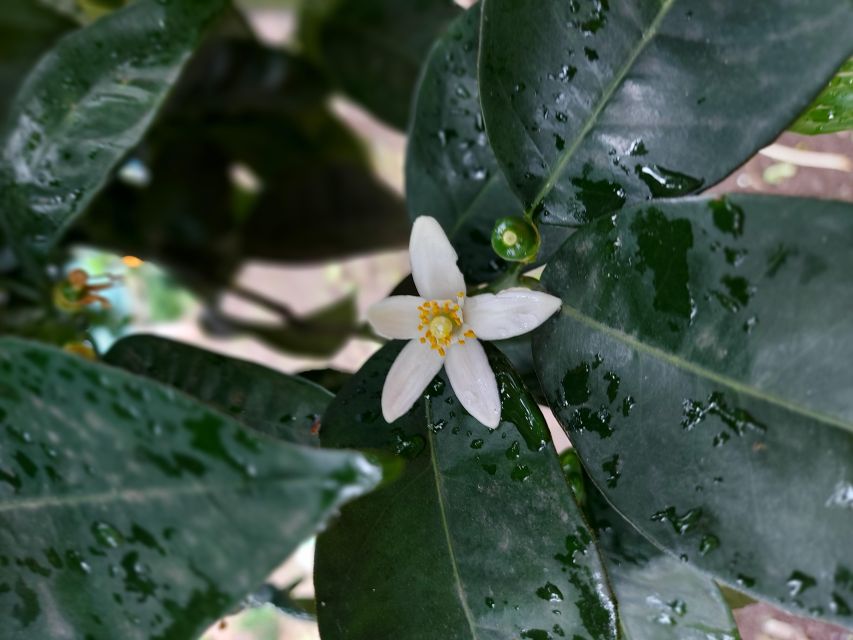
The setting is one of the main rewards. Lemon trees, orange trees, olive trees, and garden plants create a cool, fragrant place to pause. The scent becomes especially noticeable as you walk beneath the branches. You may also see very old olive trees on the property, including trees described as being several hundred years old.
Do not expect to pick a lemon during the walk. The fruit is part of the farm’s production, and the visit is built around learning and tasting rather than harvesting. If you want a hands-on agricultural activity, this may feel limited. If you want a pleasant introduction to local farming without giving up half a day, the small scale works well.
What the guide explains about growing citrus
The English-speaking guide leads the walk and explains the local production methods. Francesca is one guide named in the feedback, and several people singled out her clear explanations and friendly manner. Guides discuss both lemons and oranges, so the visit is not limited to one crop.
You can expect information about:
- How lemons and oranges are cultivated under pergolas
- The local history connected to citrus farming
- Grafting lemon and orange trees
- How fruit is prepared for products such as marmalade and limoncello
- The role of olives and other garden ingredients in the estate’s food production
The grafting explanation is a useful detail. It shows that citrus farming is not simply a matter of planting a tree and waiting for fruit. The tour connects the visible plants with the practical work needed to keep a traditional grove productive.
The guide also gives you a better sense of how local ingredients are used. Lemon cultivation is the focus, but the garden produces or features other foods as well. That broader view keeps the visit from feeling like a single-product sales pitch.
The quality of the guide matters here. A short garden walk can feel thin if the explanation is rushed or vague. The strongest part of this activity is the clear, friendly instruction, particularly from guides such as Francesca. Since the official language is English, it is a sensible pick for English-speaking visitors who want more than a quick photo stop.
The marmalade tasting beneath the trees
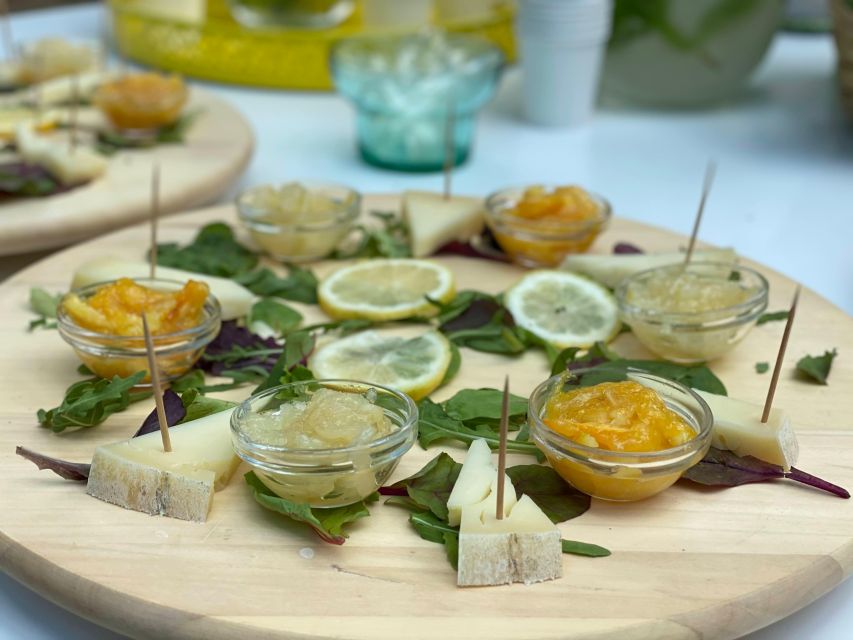
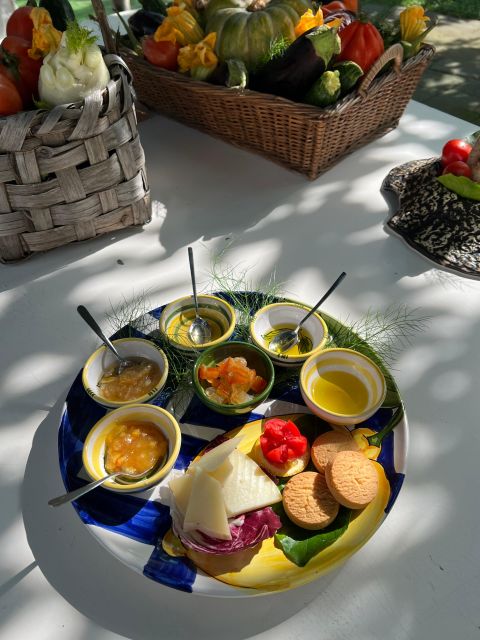
After the walk, you sit down for a tasting. This is where the experience becomes more than a garden tour. The basic tasting includes marmalade, with samples often extending to lemon and orange versions, honey, bread, cheese, olive oil, fruit, and lemon-scented olives.
The exact selection can vary, but the pattern is clear: you are likely to taste several local products rather than receive one small spoonful of jam. Lemon and orange marmalades give you a direct comparison between the two citrus fruits. Honey and olive oil add different flavors, while bread and cheese make the tasting feel closer to a light snack than a formal sample.
The limoncello is another central part. You learn about its production during the walk, then taste it at the end. It is a natural finish to the visit, but you do not have to drink alcohol. A nonalcoholic lemonade was provided when one person in a group did not drink, so it is worth speaking up about your needs.
I would not treat this as a full meal unless you book an additional lunch or dinner option. The tasting can be generous, and some people found it substantial, but the basic visit is still centered on sampling. If you have a serious appetite, plan another meal or ask about the optional dining choices.
The garden setting adds a lot. Eating marmalade and olive oil beneath citrus trees feels more connected to the place than sampling the same products in a shop. It is a simple idea, but it works.
Same city, a completely different sort of day:
- Sorrento: Pizza Lesson, Wine, and Limoncello at a Local Farm
★ 5.0 · 1,513 reviews - Sorrento: Cook Like a Local with a Stunning Sea View
★ 5.0 · 763 reviews - Sorrento: Pizza Making Class
★ 4.9 · 706 reviews - Authentic Farm Tour with Pizza, Cheese, Wine & Limoncello Tasting
★ 5.0 · 698 reviews
Optional lunch and dinner at the garden
Some booking choices include or allow an optional lunch or dinner. This is separate from the standard lemon garden tour, so check the option you select rather than assuming a full meal is included.
The meal can be a good reason to extend your stay. Food is prepared with ingredients from the garden, and people have particularly enjoyed lemon-based dishes, fresh produce, desserts, and the relaxed setting. A pear cake received special praise, while others enjoyed dinner as the garden lights came on.
This option changes the character of the visit. Without the meal, you have a short cultural stop with a tasting. With lunch or dinner, you can settle in and make the garden a larger part of your day. It may suit you if you prefer food experiences to a rapid list of sights.
There are two cautions. First, the meal costs more than the listed $47 basic tour price if it is booked as an add-on. Second, the tour and meal can take several hours, so leave enough room in your schedule. If you have a ferry, train, or timed excursion afterward, the basic visit is safer.
Is $47 a fair price?
At $47 per person, the value depends on what you want from a Sorrento activity. You are paying for garden entry, an English-speaking guide, the guided walk, and the tasting of marmalade and other products. You are not paying for hotel transportation or a full meal.
For a short tour, that price is not a bargain in the strictest sense. You could buy a jar of marmalade or a bottle of limoncello for less. But the visit includes the setting, the farming explanation, the local background, and a tasting that can include several foods. You are paying for the context as much as for the samples.
I think it is good value if you enjoy food culture and want an activity close to town. It also makes sense for a first day in Sorrento, when you want an easy introduction to the area without committing to a long excursion. The value is weaker if you only want to see lemon trees or if you dislike tastings.
Compared with a long bus trip or a large group sightseeing tour, this experience gives you a more focused look at one local tradition. Compared with a full cooking class, it offers less active participation. You watch, listen, walk, and taste rather than prepare a meal yourself.
Timing, weather, and practical planning
The advertised duration ranges from 30 minutes to 1.5 hours, while the guided walk and tasting are commonly described as about 45 minutes. The difference likely reflects the selected option and how long you remain for the tasting. Allow extra time if you want to shop for products or add lunch or dinner.
The garden works well in warm weather because the walk is short and the trees provide shade. In summer, some people found the length just right, especially in the heat. Mosquito repellent may be useful in warm months, particularly if you stay for an evening meal.
Rain does not automatically ruin the visit. The garden has accommodated wet weather, although conditions may affect how much time you spend outdoors. Comfortable shoes are sensible because you are walking through a garden, but this is not a demanding outing.
The meeting point may vary by booking option, so check your confirmation carefully. Hotel pickup and drop-off are not included. The site is close enough to central Sorrento for many people to walk, and its reported proximity to the train station makes it practical for a day visit.
Free cancellation is available up to 24 hours before the activity for a full refund. You can also reserve and pay later, which helps if your Sorrento schedule depends on ferry or train plans.
Who will enjoy this lemon garden visit?
I would recommend it most strongly to you if you like local food, small-scale agriculture, and short cultural activities. It works particularly well for couples, families, and first-time visitors who want to understand why lemons appear everywhere in Sorrento.
It is also a good choice with children. The walk is not too long for a seven-year-old, and the tasting gives the visit a clear reward at the end. Children who need constant hands-on activity may find the history talk slow, but the garden and food samples help keep it engaging.
The tour suits older visitors and anyone who wants to avoid a long walk. You can enjoy the setting without tackling a steep trail or spending all day outdoors. The main physical demand is a short garden stroll.
You might skip it if you have already taken a detailed citrus-farming tour, do not enjoy marmalade or liqueur tastings, or want a major sightseeing attraction. This is a quiet, focused stop. Its pleasure comes from small details: the smell of the trees, the pergola structures, the old olive trees, and the way a simple lemon becomes several different products.
Should you book the Sorrento lemon garden tour?
Book it if you want an easy-to-reach taste of Sorrento’s food culture and a short break from crowded streets. The combination of traditional cultivation, a pleasant garden, clear English guidance, and a generous tasting gives the $47 price a reasonable purpose.
Choose the lunch or dinner option if you have time and want the garden to be the setting for a longer meal. Choose the basic tour if you are fitting it between trains, shopping, or another Sorrento activity.
I would not book it as your only food experience in Campania, and I would not expect a full farm day. But as a compact, informative visit with excellent tasting potential, it is one of the better ways to understand the lemon behind Sorrento’s famous souvenirs.
FAQ
Where does the lemon garden tour meet?
The listed location is Via Bernardino Rota 4 in Sorrento. The exact meeting point may vary depending on the option you book, so check your booking details.
How long does the experience last?
The stated duration ranges from 30 minutes to 1.5 hours. The guided garden visit and tasting are described as taking about 45 minutes, with additional time possible for optional meals.
What language is the tour offered in?
The live guided tour is offered in English.
What is included in the $47 price?
The price includes entrance to the lemon garden, a tour guide, marmalade tasting, and tastings of other products.
Is lunch or dinner included?
Lunch and dinner are not part of the basic inclusions. An optional meal may be available with selected booking choices.
Is transportation from my hotel included?
No. Hotel pickup and drop-off are not included.
Can I cancel the booking?
You can cancel up to 24 hours in advance for a full refund. Reserve-now-and-pay-later booking is also available.
Just added around Sorrento
- Sorrento: Sightseeing Cruise with Limoncello Tasting★ 4.0 · 224 reviews
- Sorrento: Pizza Making Class at Tirabusciò Cooking School★ 4.8 · 188 reviews
- Sorrento Farm by Tuk Tuk: Cheese, Limoncello & Hands-On Pizza★ 5.0 · 628 reviews
- Toss, Bake, Cheers! – Sorrento Pizza Making Class with Wine★ 5.0 · 443 reviews
- Sorrento: Farm Tour with Cheese Tasting & Pizza Making Class★ 5.0 · 503 reviews
- Sorrento: Guided Walking Tour & Limoncello Tasting★ 5.0 · 472 reviews
- Sorrento: Pasta and Tiramisu Cooking Class with Wine★ 4.8 · 597 reviews
- Sorrento: Cook Like a Local with a Stunning Sea View★ 5.0 · 763 reviews
Food & Drink, compared.


Small-Group Wine Tasting Experience in the Tuscan Countryside
Read our review →
Tuscany & Montepulciano Day Trip with Lunch & Wine Tasting
Read our review →
Winner 2025 Rome Twilight Trastevere Food Tour by Eating Europe
Read our review →
SMALL-GROUP Wine Safaris: Tuscan Wine Tasting Tours from Florence
Read our review →
Winner 2025 Florence Sunset Food & Wine Tour by Eating Europe
Read our review →
Cooking Class and Lunch at a Tuscan Farmhouse with Local Market Tour from Florence
Read our review →
San Gimignano, Siena, Monteriggioni, Chianti Day Trip with Lunch & Wine Tasting
Read our review →Browse the lists this tour appears in