
Reviewed · FOOD & DRINK
Sorrento: Guided Walking Tour & Limoncello Tasting
Sorrento’s most surprising sight is not the sea. It is Vallone dei Mulini, a deep green valley in the middle of town, where abandoned mills hint at the city’s working past. I like that this two-hour walk gives you both the big views and the small details, including old lanes, local craft, and the story behind Sorrento’s lemons.
I also like the way the tasting comes after the history, so the drink has a real sense of place. The main consideration is that this is a history and architecture tour first, with limoncello as the finish, not a long food tasting. You’ll walk about 3 kilometers, with some hills and steps, so it is not a good fit for anyone with serious mobility limits.
Key points to know before booking
- Vallone dei Mulini offers one of Sorrento’s strangest and most memorable views, an old industrial valley tucked into the town.
- Mario, a local guide from Sorrento, leads an informative walk centered on the city’s history, buildings, traditions, and local life.
- The route covers major sights including Via San Cesareo, Sant’Antonino Square, San Francesco Cloister, Villa Comunale, and Sedil Dominova.
- Sorrento inlay gets proper attention, with an explanation of the woodwork that gives the town one of its signature crafts.
- The limoncello tasting includes several liqueurs, such as traditional limoncello, limoncello cream, pistachio cream, and cantaloupe melon cream.
- The pace is easy but not fully flat, and comfortable shoes, water, and rain protection are sensible choices.
Why this walk is a smart first look at Sorrento
Sorrento can feel simple at first: a main shopping street, lemon-themed shops, handsome churches, and a fine view across the Bay of Naples. Look closer, and the town has many layers. Greek, Roman, medieval, religious, commercial, and modern influences all show up within a compact center.
That is where this tour earns its price. Instead of wandering with a map and seeing only shop windows, you get a local explanation of why the town is built as it is, how its valleys formed, and why certain buildings and crafts matter. The guide, often Mario, grew up in Sorrento and brings local familiarity to the walk. His style, based on the many strong comments about the tour, is warm, clear, and generous with answers.
I would take this tour near the start of a Sorrento stay. It helps you get your bearings, and several people found that they wanted to return to places they passed during the walk. The 4 to 6 p.m. departure can work well on arrival day, while a morning start gives you the rest of the day to revisit shops, churches, or viewpoints.
The tour is conducted in English. It is not designed around transport, hotel pickup, or a private car. You meet in town, walk from one point to the next, and finish at Campaniadamare.
More Food Tours in Sorrento
- Sorrento Farm and Food Experience including Olive Oil, Limoncello, Wine tasting
★ 5.0 · 2,524 reviews - Pizza School with Wine and Limoncello Tasting in a Local Farm
★ 5.0 · 845 reviews - Walking Food Tour in Sorrento w/ Limoncello Factory Lemon Grove
★ 4.5 · 821 reviews
Meeting at Piccadilly Pub
The starting point is Piccadilly Pub on Via Fuorimura number 1. The guide waits directly in front of the entrance and wears a red sports cap so you can identify him.
This detail matters because the meeting instructions are exact. Wait on the same side as the entrance, not across the street or somewhere nearby. Arrive a few minutes early, but do not expect the guide before the scheduled start. The guide arrives at the official start time to check the group and begin.
Sorrento’s streets can be confusing, especially if you are arriving from the station, port, or a hotel on the edge of town. Give yourself extra time. A delay of more than 10 minutes can mean missing the group, since the guide will move on and may not be able to communicate during the walk.
Vallone dei Mulini: Sorrento’s unexpected valley
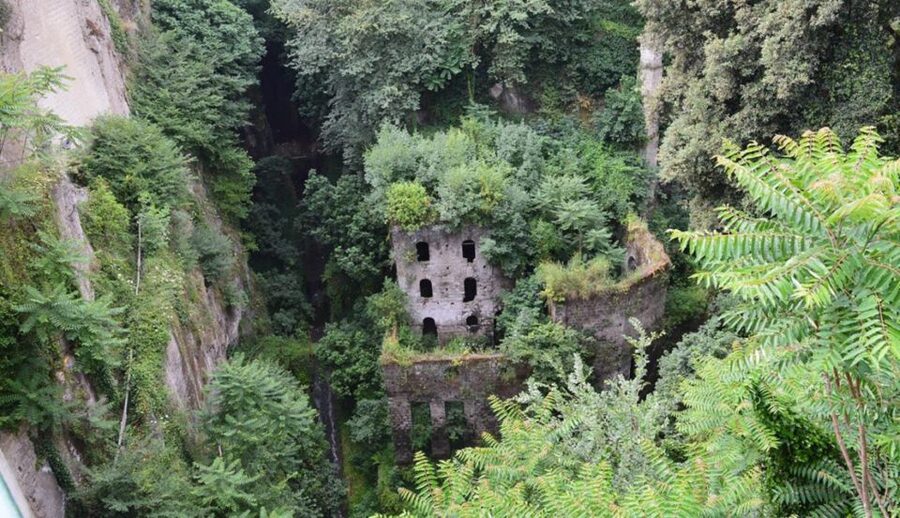
The first major stop is Vallone dei Mulini, with about 15 minutes for a guided visit. This is one of the best reasons to choose the tour rather than simply strolling the main street.
The valley is a dramatic cut in the town, with the remains of old mills and signs of earlier industry. Its appearance also helps explain Sorrento’s physical form. The guide discusses the city’s geomorphological formation, so you are not just looking at an overgrown ruin. You learn why this hollow exists and how it relates to the town around it.
Bring your camera, but listen before you start snapping. The value of the stop is partly visual and partly explanatory. Sorrento is often sold as a seaside resort, yet this view shows a rougher, older side of the city.
Via San Cesareo and the old center
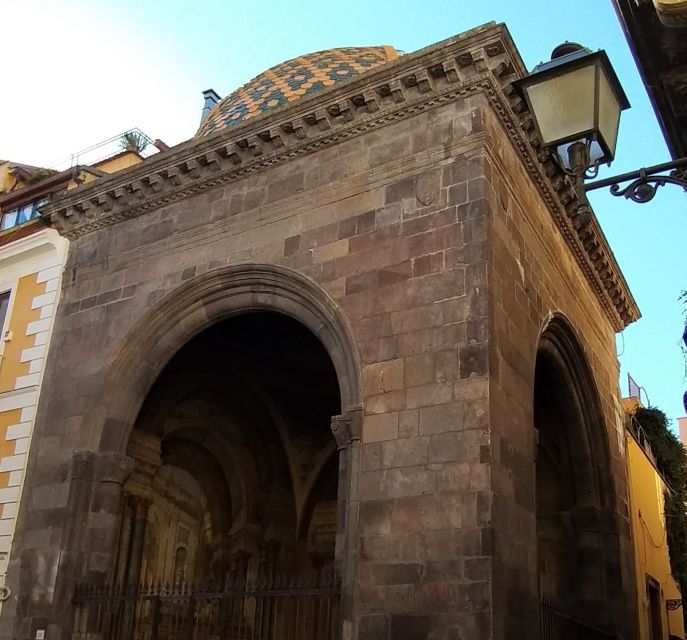
From the valley, the walk moves through Sorrento’s historic center, including Via San Cesareo. This is the city’s oldest street, a narrow route lined with artisan shops and local businesses.
You should expect a mix of everyday commerce and traditional craft. The street is not a museum frozen in time. It is still part of the town’s daily life, which makes the guide’s comments useful. He can point out how the old center works, where local traditions survive, and how the narrow lanes connect the main sights.
The pace is generally slow, with regular stops for explanations and questions. That is good for anyone who wants context rather than a fast checklist. It also means the two-hour schedule is fairly full. You will see a lot, but you will not have long, unstructured shopping breaks at each stop.
More aperitivo and limoncello tastings:
- Authentic Farm Tour with Pizza, Cheese, Wine & Limoncello Tasting
★ 5.0 · 698 reviews - Sorrento: Sightseeing Cruise with Limoncello Tasting
★ 4.0 · 224 reviews - Sorrento: Coast and Capri Boat Trip with Limoncello Tasting
★ 4.4 · 2,037 reviews
Sant’Antonino Square and Sorrento’s patron saint

Sant’Antonino Square is devoted to Sorrento’s patron saint. Here, the guide explains the saint’s life and miracles and places the square within the religious identity of the city.
This section will suit you if you enjoy understanding the beliefs behind Italian towns. Churches and saints are not just decorative subjects in Campania. They shape public squares, festivals, local stories, and the way residents understand their home.
If you prefer scenery and food to religious history, this part may feel slower. The tour is clear about its purpose: it offers a full introduction to Sorrento’s historical and architectural side. You should not book it expecting two hours of tastings and photo stops.
San Francesco Cloister, a quiet medieval pause
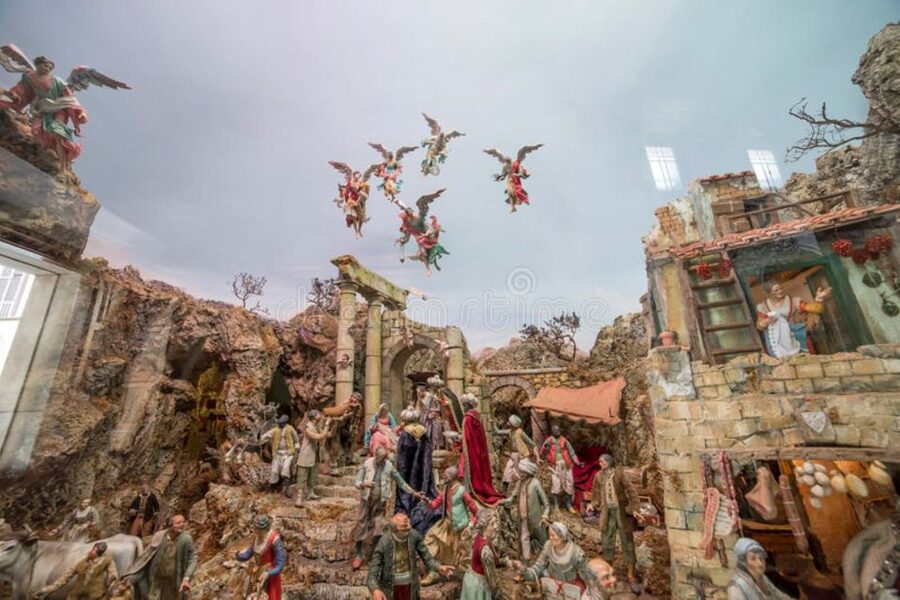
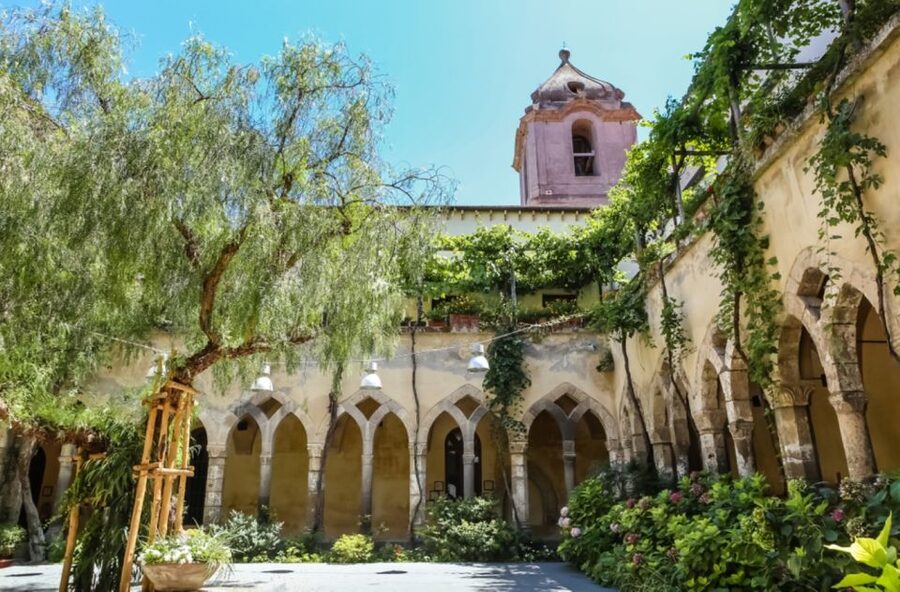
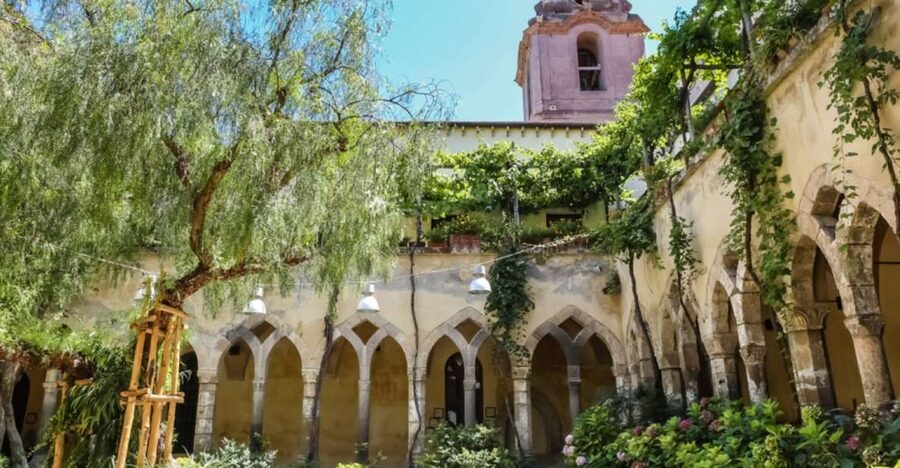
The Chiostro di San Francesco is an ancient 13th-century cloister associated with the Franciscan friars. It is one of Sorrento’s oldest and most attractive buildings, and the itinerary allows about 15 minutes here.
A cloister changes the rhythm of the walk. After narrow streets and busy public spaces, the enclosed arcades offer a calmer place to look at structure, stone, and religious design. The guide supplies the historical setting, while you get time to take photographs.
The stop can be affected by closures, religious events, or other official activity. If a scheduled site cannot be visited, the route may change to another point of similar quality. The tour keeps its two-hour length and overall subject, but the exact order or selection of stops can vary.
Villa Comunale and the Bay of Naples
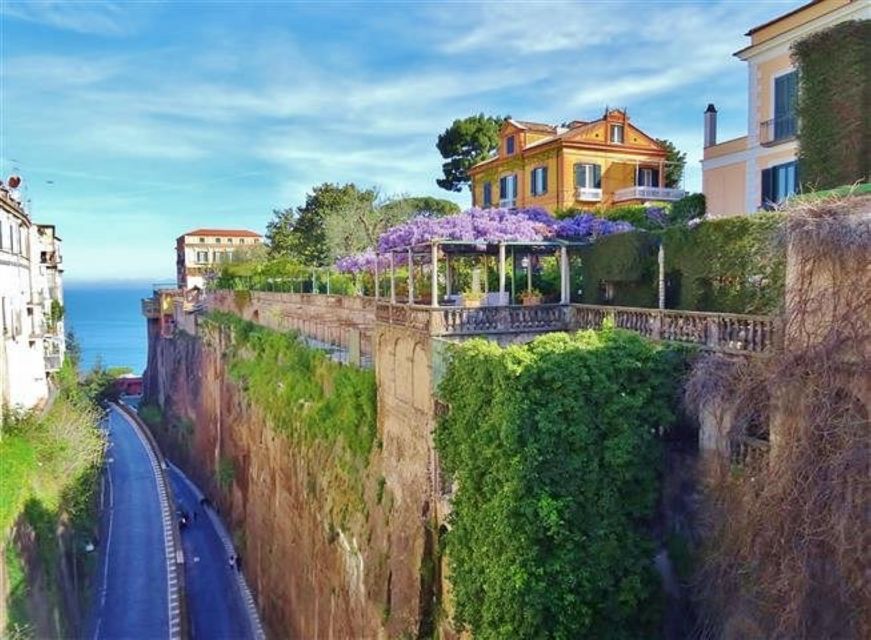
Villa Comunale is Sorrento’s public park above the sea and one of the strongest photo stops on the route. From here, you look across the Gulf of Naples, with the town’s position on the Sorrento Peninsula becoming clear.
This is the point where the tour’s historical explanations meet the postcard view. You can take in the sea, the cliffs, and the wider setting that made Sorrento such a desirable place to settle and visit. The stop also gives you a useful reference point for later walks.
Take a moment to orient yourself rather than treating the park as a quick picture stop. The guide can explain what you are seeing, and the view is better understood once you know how Sorrento sits above the water.
Sedil Dominova and the old civic Sorrento
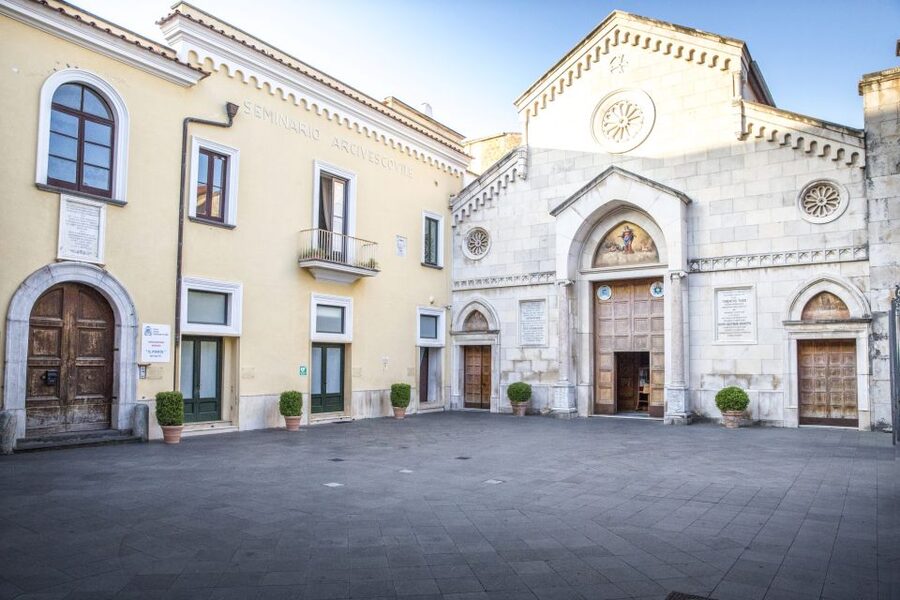
Sedil Dominova is an ancient parliament building and one of Sorrento’s most distinctive historic structures. The visit takes roughly 10 minutes.
This stop adds a civic layer to the tour. You have already heard about religious tradition, local industry, and the physical shape of the city. Here, the focus turns to how Sorrento’s residents once organized public life.
The building is easy to miss if you walk without background information. That is a recurring strength of this route. It directs your attention to places that can look ordinary until someone explains their purpose.
Sorrento inlay: a craft worth understanding

Sorrento inlay is the city’s best-known traditional art, and the tour explains both its history and production method. You learn how decorative pieces are made and why this craft became such an important local product.
This is more useful than simply passing a shop window and calling everything handmade. The explanation gives you a way to judge the work you see later in the town. If you plan to buy a box, table piece, or other inlaid item, knowing something about the craft helps you understand what you are looking at.
The tour does not turn into a dedicated shopping trip, and that is a plus for many people. You get the story without being pushed into a purchase. You can return later if a particular shop or object catches your eye.
The lemon garden and the making of limoncello
Near the end, you visit a small lemon garden. The guide explains the story of Sorrento lemons and how limoncello is produced.
This is the bridge between Sorrento’s agriculture and its famous drink. You learn why lemons are central to local identity, then see how the fruit becomes a liqueur. The experience feels more grounded than simply being handed a sweet yellow drink in a shop.
The tasting is intentionally modest. Because the liqueurs contain a high level of alcohol and several varieties are offered, each sample is about half the amount normally served in a bar. That lets you compare flavors without turning the final stop into a drinking session.
What you taste at the final shop
The tasting takes place at a partner shop and includes traditional organic limoncello made with certified organic Amalfi Coast lemons. You can also try limoncello cream, pistachio cream, and cantaloupe melon cream.
The point is to understand the products and compare their flavor and texture. You are allowed to buy bottles if you want, but purchasing is not required. This is useful if you want a souvenir and would rather taste before choosing.
Some people arrive expecting a full meal or a large spread of food. That is not what this tour offers. Food and olive oil tasting is included only if you select that option. The core experience is the walking tour, followed by a small liqueur tasting.
The final stop also gives you time to ask practical questions about local products. If you are flying home, remember that bottles may need to go in checked luggage, depending on your transport plans. That packing point is not part of the activity, but it is worth considering before buying several bottles.
Is the $41 price good value?
At $41 per person, the price is reasonable if you want an organized introduction to Sorrento rather than a quick tasting. You receive a local English-speaking guide, a two-hour walk, explanations at major sites, a lemon garden visit, and several liqueur samples.
The value depends on your priorities. If you mainly want to drink limoncello, the price may feel high for a few small pours. One person found the cost hard to justify for a two-hour walk and limited tasting. That is a fair warning, especially if you already know Sorrento well and have little interest in monuments or local history.
If you want to understand the city, the math looks better. A good guide can save you time, point out places you would miss, explain the old center, and give you a useful plan for the rest of your stay. The strongest part of the experience is the guided interpretation, not the quantity of alcohol.
Pace, footwear, and who should skip it
The route covers about 3 kilometers and is described as easy and rather slow, with stops for explanations. Still, easy does not mean completely flat. Expect some hills and steps, including areas that may be difficult if you struggle with mobility.
Wear comfortable shoes with a secure grip. Bring water, and carry an umbrella or rain gear if the forecast is uncertain. Sorrento’s stone streets can become awkward in wet weather, so footwear matters more than appearance.
The activity is not suitable for people with mobility impairments, heart problems, or hearing impairments. Oversize luggage, bicycles, electric wheelchairs, party groups, and alcohol or drugs are not allowed. The guide needs to keep the group together, so late arrival is a serious problem.
Bad weather can also change the plan. Heavy rain, thunderstorms, or hail may cancel the tour, with a full refund communicated through the activity provider. Light rain may mean the walk continues, so bring protection rather than assuming the activity will be called off.
When I would book it
I would book this tour early in a Sorrento visit, ideally on a morning or afternoon when I want orientation rather than a beach or boat day. It is especially useful if you are staying only a short time, since the route covers the old center, the main viewpoints, several important buildings, local craft, and lemon production in one compact outing.
I would avoid the busiest Friday and Saturday periods if you can choose another time. Cruise ship crowds can make the center harder to enjoy, and a quieter departure should make it easier to hear the guide and move through narrow streets.
The tour suits couples, families with able walkers, and anyone who likes local stories more than a simple photo parade. It also works for repeat visitors. One person who had already been to Sorrento still found new context in the buildings and traditions.
Should you book this Sorrento walking tour?
Book it if you want a well-rounded introduction to Sorrento, led by someone who knows the town personally and can explain what you are seeing. Mario receives special praise for his clear explanations, calm manner, local insight, and willingness to answer questions. The tour’s best features are the valley view, the historic center, the inlay demonstration, and the sensible lemon-to-limoncello connection.
Skip it if your main goal is a substantial food experience, a long tasting, or a completely flat walk. The liqueur samples are a pleasant ending, not the main event.
For most first-time visitors who enjoy history and want help finding their way around, $41 is a fair price. Arrive at Piccadilly Pub on time, wear good shoes, and think of the limoncello as the final chapter of a Sorrento town lesson.
FAQ
How long is the Sorrento walking tour?
The tour lasts two hours and covers a route of approximately 3 kilometers.
Where does the tour begin?
It begins at Piccadilly Pub, directly in front of the entrance on Via Fuorimura number 1. The guide wears a red sports cap for identification.
Is the tour offered in English?
Yes. The activity includes a live English-speaking guide.
What liqueurs are included in the tasting?
The tasting includes traditional limoncello, limoncello cream, pistachio cream, and cantaloupe melon cream. Samples are kept small because the liqueurs have a high alcohol content.
Are hotel pickup and drop-off included?
No. You must make your own way to the meeting point and from the finish at Campaniadamare.
Is the route suitable for people with mobility problems?
No. The tour is not suitable for people with mobility impairments, and the route includes some hills and steps. Comfortable shoes are recommended.
Just added around Sorrento
- Sorrento: Lemon Garden Tour with Marmalade Tasting★ 4.6 · 405 reviews
- Sorrento: Sightseeing Cruise with Limoncello Tasting★ 4.0 · 224 reviews
- Sorrento: Pizza Making Class at Tirabusciò Cooking School★ 4.8 · 188 reviews
- Sorrento: Cook Like a Local with a Stunning Sea View★ 5.0 · 763 reviews
- Private / Small Group at “Quanto Basta” School in Sorrento center★ 5.0 · 574 reviews
- Authentic Farm Tour with Pizza, Cheese, Wine & Limoncello Tasting★ 5.0 · 698 reviews
- Sorrento Farm by Tuk Tuk: Cheese, Limoncello & Hands-On Pizza★ 5.0 · 628 reviews
- Toss, Bake, Cheers! – Sorrento Pizza Making Class with Wine★ 5.0 · 443 reviews
Food & Drink, compared.
Small-Group Wine Tasting Experience in the Tuscan Countryside
Read our review →
Tuscany & Montepulciano Day Trip with Lunch & Wine Tasting
Read our review →
Winner 2025 Rome Twilight Trastevere Food Tour by Eating Europe
Read our review →
SMALL-GROUP Wine Safaris: Tuscan Wine Tasting Tours from Florence
Read our review →
Winner 2025 Florence Sunset Food & Wine Tour by Eating Europe
Read our review →
Cooking Class and Lunch at a Tuscan Farmhouse with Local Market Tour from Florence
Read our review →
San Gimignano, Siena, Monteriggioni, Chianti Day Trip with Lunch & Wine Tasting
Read our review →Browse the lists this tour appears in