
Reviewed · COLOSSEUM TOURS
Rome: Colosseum, Palatine Hill & Roman Forum Guided Tour
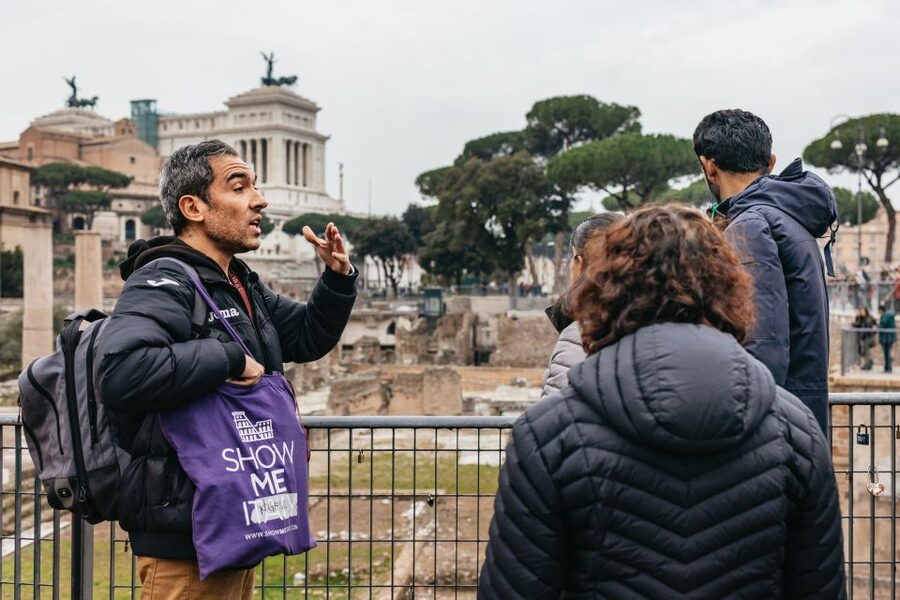
The most useful thing about this tour is that it turns three huge archaeological sites into one connected story. At the Colosseum, you hear about gladiators and public spectacle. On Palatine Hill, you stand above Rome’s oldest center. In the Roman Forum, you follow the Sacred Way through the political and religious heart of the city. The guide supplies the missing pieces, including what the broken walls once looked like.
I like the choice between a standard group, small-group, or semi-private tour, and I like the optional Arena Floor access. Guides such as Patrick, Barbara, Leo, Serena, and Emmanuel have been praised for clear explanations, humor, patience, and the use of tablet images to show vanished buildings. The main drawback is the pace: three major sites in as little as 1.5 to 3 hours means plenty of walking, steps, crowds, and limited time to linger.
Key points to know before booking
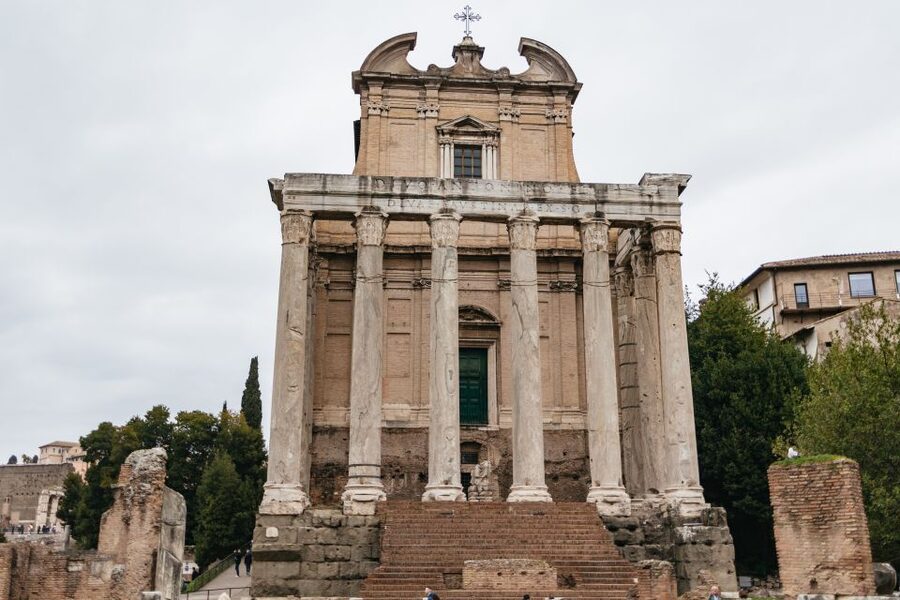
- The Colosseum leads the visit: Expect stories about gladiators, emperors, public shows, and the building’s remains.
- Arena Floor access costs extra: Select an Arena option if you want to walk where the contests took place.
- One guide connects three sites: The tour explains how the Colosseum, Palatine Hill, and Forum worked together.
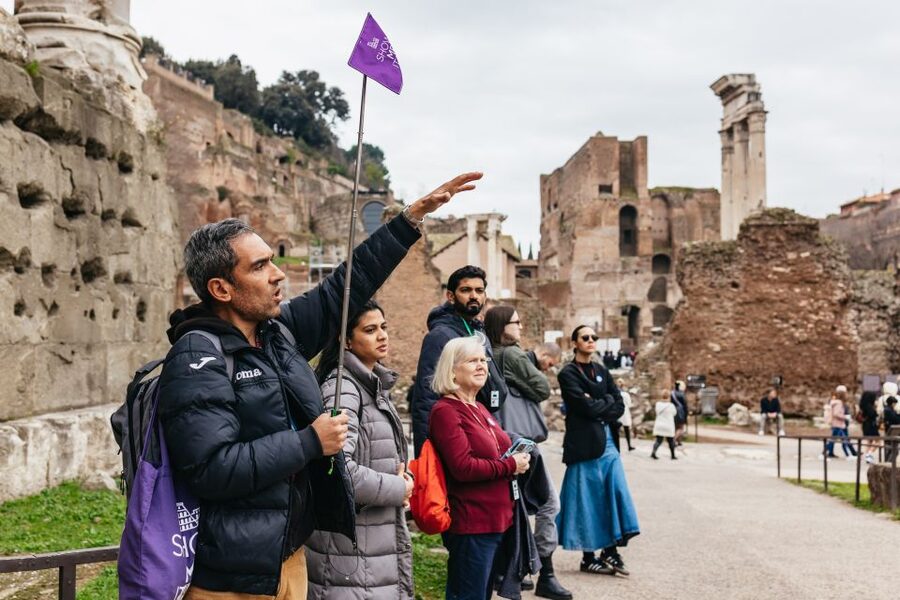
- Visual aids can help: Some guides use a tablet to show how ruined buildings may have appeared in ancient Rome.
- Small groups are available: This can make it easier to hear explanations and ask questions.
- Pack light and arrive early: Large bags, backpacks, and suitcases are not allowed, and late arrivals are not refunded.
Why this three-site tour works well
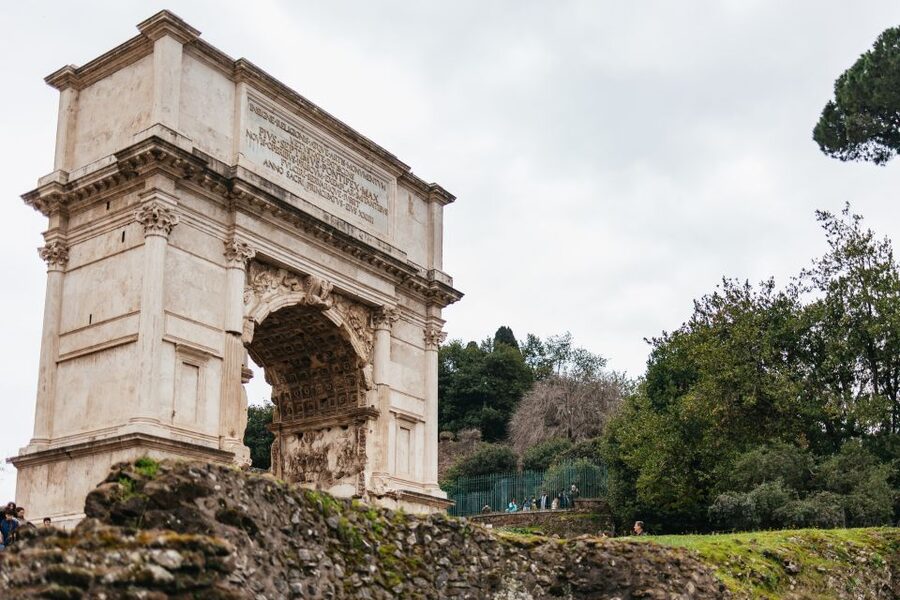
Rome’s ancient center can feel like a pile of weathered stones if you visit without context. You see arches, columns, stairways, and fragments, but the purpose of each space is not always clear. A guide gives you a route through the ruins and explains how entertainment, religion, politics, and daily life fit together.
That connection is the main value here. The Colosseum was built for mass entertainment. Palatine Hill was linked to Rome’s foundation and later became an address for emperors. The Roman Forum was the city’s public center, where people met for business, government, legal matters, and religious ceremonies.
I prefer this format to seeing the sites as three separate stops. You get a sense of how close they are and how the ancient city operated as one place. The tour also gives you a chance to ask questions, which is useful when a carved fragment or half-standing wall catches your eye.
The activity is available in several formats. A standard group option is likely to suit most visitors who want the main story at the lowest listed price. A small group costs more if that option is selected, but it should make it easier to stay near the guide. A semi-private format is worth considering for families or anyone who wants a more personal pace.
The stated price is $53 per person. That is a fair price for a guided visit covering three major sights, especially since admission is included. The included ticket is listed as €18 or €24, depending on the option selected. You are paying not only for entry but also for the guide, headsets when needed, and a planned route through sites that can be confusing on your own.
More Guided Tours in Rome
- Colosseum, Roman Forum & Palatine Guided Tour
★ 4.7 · 63,148 reviews - Rome: Colosseum, Palatine Hill and Roman Forum Guided Tour
★ 4.8 · 32,814 reviews - Rome: Guided Tour of Colosseum, Roman Forum & Palatine Hill
★ 4.7 · 27,897 reviews
Starting at the Colosseum
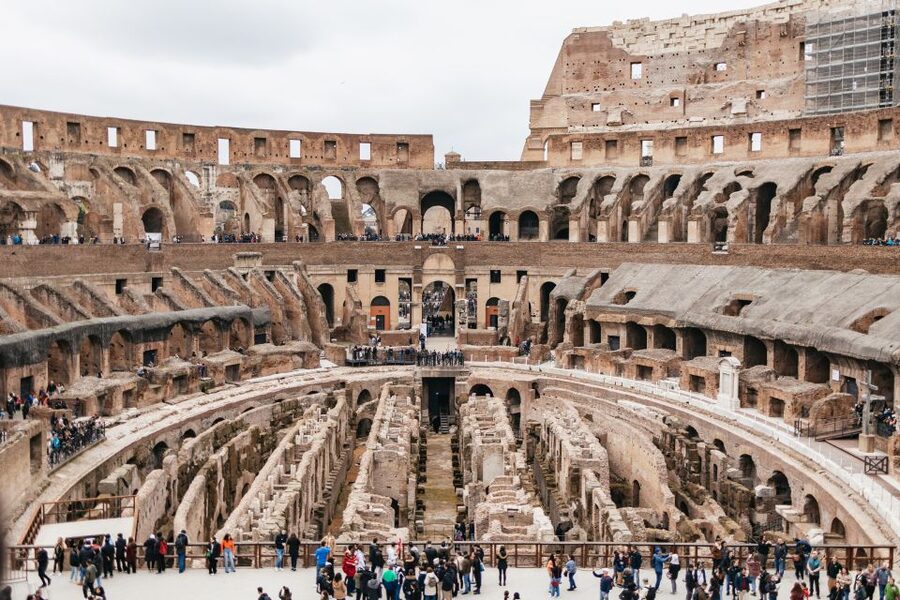
The Colosseum is the emotional center of the tour. Even before you hear the first explanation, its scale is striking. Once inside, your guide can help you read the building as an arena rather than simply a famous stone shell.
Expect stories about gladiators, public contests, and the crowds who came to watch. The guide’s job is especially useful here because so much of the original structure is gone. One guide, for example, used a tablet to show how parts of the building may have looked in ancient times. That sort of visual aid helps you picture the missing seating, decoration, and working areas.
The tour includes a guided visit of the Colosseum, with the exact order of the sites subject to change. The operator may begin elsewhere to manage the day’s conditions. Do not worry if the route does not follow the order you expected. The three stops remain included.
You may hear the guide through a headset when needed. That matters inside a crowded monument, where several groups can be talking nearby. It also lets you keep a little distance while still following the explanation.
The Colosseum has stairs and plenty of walking. A review of the tour noted that there are many steps inside, with an elevator available for some access needs, but the activity is officially not suitable for wheelchair users. If mobility is a concern, ask before booking rather than relying on the elevator note.
The optional Arena Floor visit
Some versions include access to the Colosseum Arena Floor. This is a meaningful upgrade because it puts you at the level of the arena rather than viewing it only from the surrounding seating areas.
The Arena Floor portion is listed as a 15-minute guided visit. That is not a separate long tour, but it gives you a different view of the building and a stronger sense of the space where gladiatorial contests took place. I would choose this option if the price difference is reasonable for your date and you care about the physical setting of the ancient shows.
Do not select it by accident. Arena access is included only with one of the Arena options. The standard ticket covers the Colosseum, Roman Forum, and Palatine Hill, but not necessarily the Arena Floor.
This short stop may feel quick, especially if you want time for photographs. Still, the location itself is the point. You are standing inside the central performance area, looking back toward the structure that held the audience.
Palatine Hill and Rome’s foundation story
From the Colosseum, the tour continues to Palatine Hill, described in the activity as the birthplace of Rome. The traditional story links the hill with Romulus and the founding of the city in 753 BC.
Palatine Hill is not just another ruin zone. It gives you a wider view and helps explain why this area became so important. The hill is associated with Rome’s earliest foundation stories and later imperial residences. Your guide can help separate legend from history while still telling the story in an engaging way.
The itinerary allows about 30 minutes for a guided visit. That is enough for the main points and the views, but not enough to inspect every wall or wander at leisure. I would listen closely here, because the ruins are harder to interpret without help.
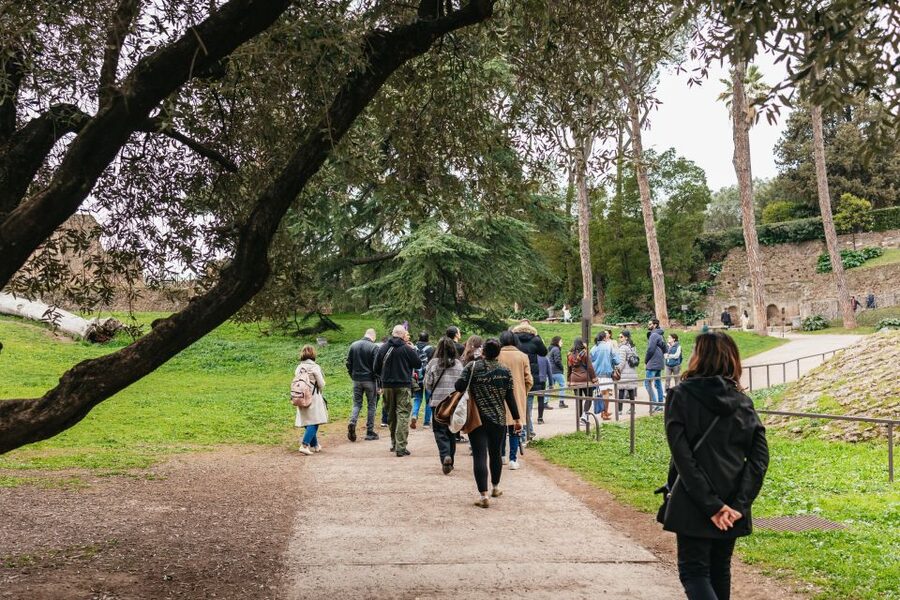
The walk can be uneven, and comfortable shoes are essential. The route is not a gentle city stroll. You will move between large archaeological areas, and the hill adds slopes and steps. Take the offered breaks seriously, especially in hot weather. Patrick, one guide praised for his care, tried to keep the group in shade on a very hot day and made sure the group had chances to pause.
More ways into the Colosseum and the Forum:
- Rome: Colosseum & Forum with Audio Guide App -Optional Arena
★ 4.2 · 24,770 reviews - Rome: Colosseum, Roman Forum and Palatine Hill Guided Tour
★ 4.5 · 23,903 reviews - Rome: Colosseum, Forum & Palatine Hill Tour & Optional Arena
★ 4.4 · 13,839 reviews - Rome: Colosseum, Roman Forum, Palatine with Multimedia Video
★ 4.0 · 12,766 reviews
The Roman Forum and the Via Sacra
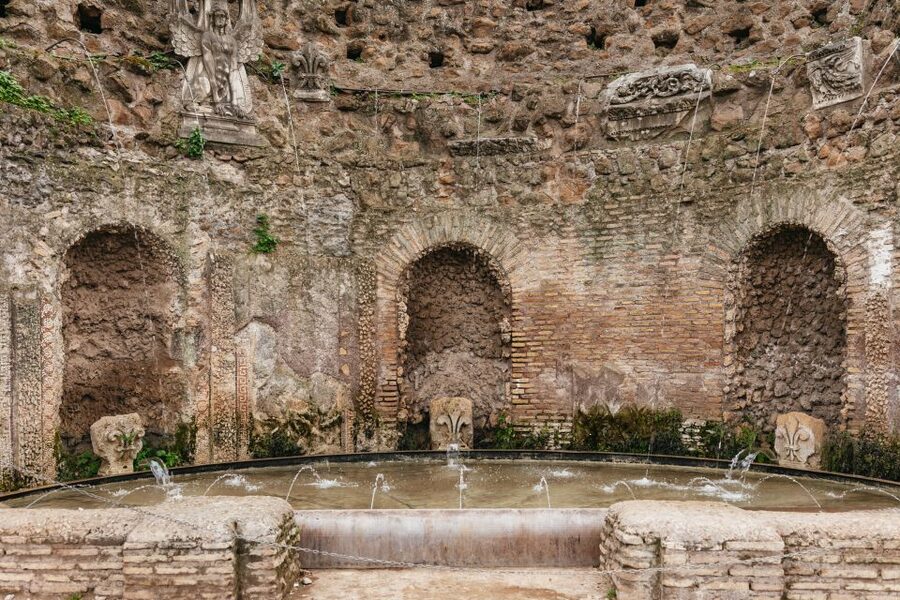
The Roman Forum is where the tour’s political and religious story comes together. This was the center of public life, with spaces for commerce, government, legal matters, and sacred activity.
The route includes the Via Sacra, or Sacred Way. Walking along it gives you a useful sense of movement through the ancient city. Rather than seeing isolated ruins, you follow a road used for ceremonies and public life.
The Forum can be hard to understand by sight alone. A column may be missing its building, and a foundation may be all that remains of an important structure. This is where a good guide earns the admission price. You need someone to explain what stood where, who used it, and why a particular road or temple mattered.
The guided portion is listed as about 30 minutes, though the full tour can vary by option and conditions. I would not expect a slow archaeological study. The goal is a clear overview, not a specialist examination of every monument.
Guides who bring the ruins to life
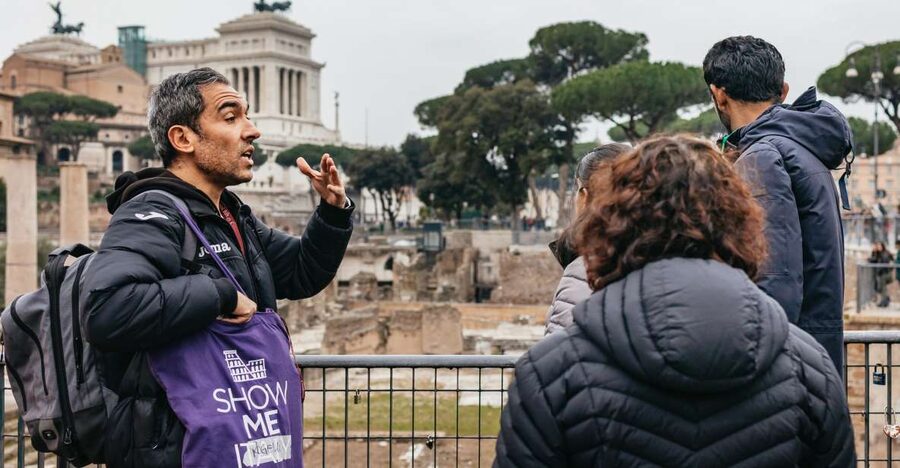
The guide quality is central to this activity. The strongest feedback points to enthusiasm, humor, patience, and clear storytelling rather than a dry recitation of dates.
Patrick was praised for knowing the area and its people, keeping the group comfortable in hot weather, and making sure the major sights were covered. Barbara was noted for her pleasant narration and patience when a ticket seemed to be missing. Leo was credited with explaining all three sites clearly, allowing bathroom breaks, and keeping a family engaged.
Serena was described as friendly and well organized, while Emmanuel used humor and interaction to keep the visit interesting. Another guide was an archaeologist, which added useful insight into ancient culture and the sites themselves.
You cannot choose your guide when booking, so treat these names as examples of the level of service you might receive, not a guarantee. The shared pattern is important: the guides do more than point at ruins. They explain, answer questions, and help you imagine what is gone.
Timing, group size, and the real pace
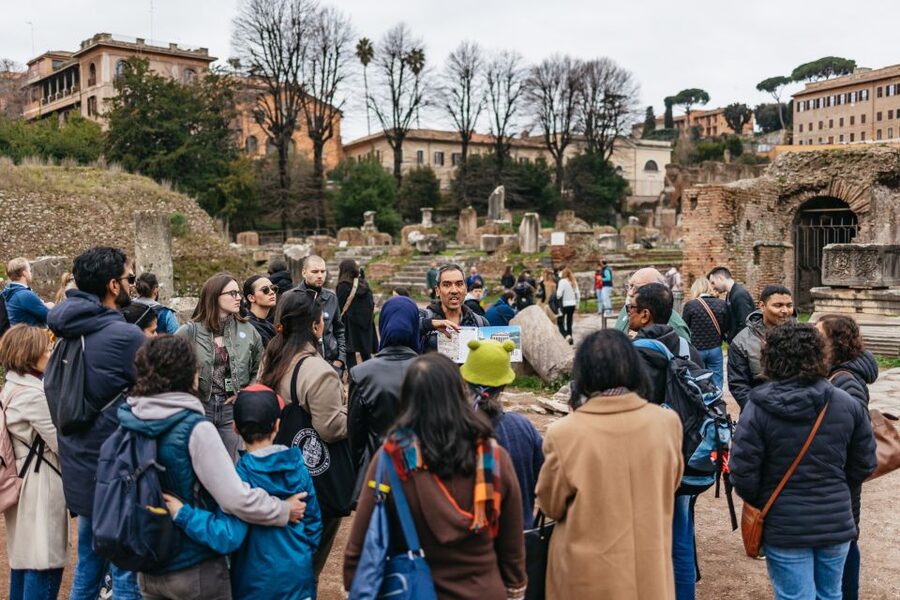
The listed duration ranges from 1.5 to 3 hours. That wide range reflects the chosen option and the way the sites are arranged on the day. The itinerary includes roughly two hours at the Colosseum, a 15-minute Arena Floor visit when selected, and about 30 minutes each at Palatine Hill and the Roman Forum.
That schedule is efficient, but it is not leisurely. You should expect a lot of standing and walking, along with stairs and uneven ground. One family found the time worthwhile, but also noted the amount of walking. Another guide moved at a brisk pace because of the crowds while still making sure the group saw the key places.
I would book this early in your Rome stay if you want an introduction to ancient Rome. You will leave with a useful map in your head, then you can return to any site later if you want more time. If you already have specialist interests in Roman archaeology, a longer and more focused visit may suit you better.
A small group is the better choice if you dislike struggling to hear or if you want more chances to ask questions. The standard group may be enough for couples and families who mainly want a solid overview.
Practical details that matter
Meeting points vary by booking option. The listed starting locations include Largo Gaetana Agnesi and the Colosseum area, so check your confirmation carefully rather than assuming you can meet at the main entrance.
Arrive at least 15 minutes early. Late arrivals are not eligible for a refund, and ancient Rome is a poor place to sprint while trying to find a guide.
Bring a valid passport or ID card. Every participant’s full name is required at booking, and the name on the ticket must match the identification document. Name changes are not permitted after confirmation, so check the spelling of every participant before paying.
Travel light. Large bags, backpacks, and suitcases are not allowed inside the Colosseum and Roman Forum, and there is no cloakroom. Baby strollers are also not permitted. A small personal bag is the sensible choice, but follow the current entry rules if the operator gives more specific guidance.
Wear comfortable shoes and carry water if allowed under the day’s security rules. The sites are exposed, and the tour may include hot stretches with limited shade. Headsets are supplied when necessary, so you do not need to bring listening equipment.
Free cancellation is available up to four days before the activity for a full refund. That gives you some flexibility, but it does not protect a last-minute change of mind or a missed meeting time.
Who should book this tour?
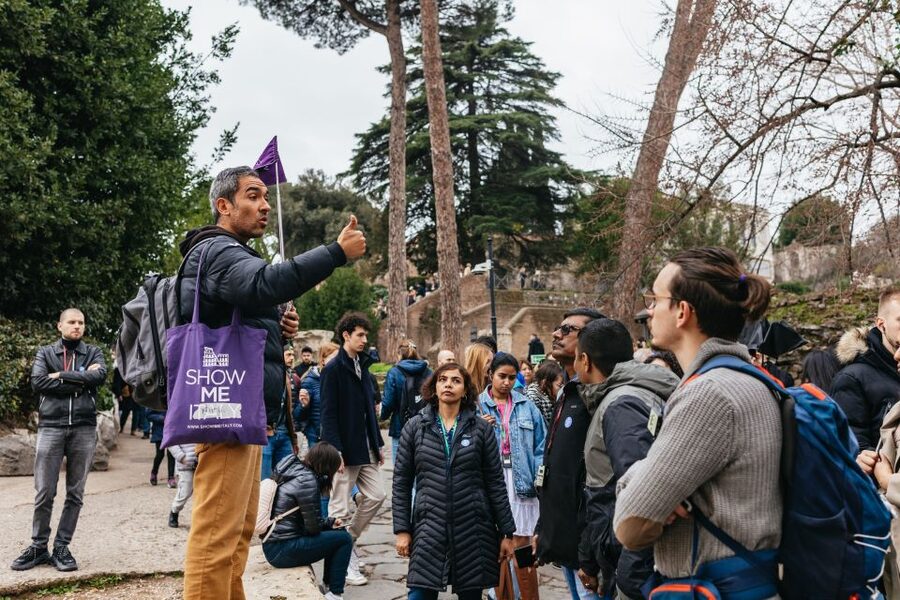
I would recommend it to first-time visitors who want the big picture without spending a full day on ancient Rome. It also suits families with older children and teenagers, since gladiators, emperors, and public spectacles give the ruins an easy entry point.
The tour is a good match for you if you want history explained in plain language, appreciate a set route, and prefer not to work out the meaning of every ruin yourself. The tablet images and headset system are useful additions, especially in crowded spaces.
You may want something else if you prefer to move slowly, take many photographs, or read every inscription. The pace is designed to cover three major sites, not to provide long quiet pauses. Visitors using wheelchairs should not book this activity without first confirming whether the route can meet their needs, since it is marked as unsuitable for wheelchair users.
Should you book it?
Book this tour if you want an efficient, well-explained introduction to the Colosseum, Palatine Hill, and Roman Forum. At $53, the price is reasonable for admission to three major sites, a live English-speaking guide, headsets when needed, and the convenience of a planned route.
Choose the Arena option if standing on the Colosseum floor matters to you. Choose a small group if hearing the guide and asking questions are priorities. Skip this format if you dislike brisk walking or want a quiet, self-guided archaeological visit.
For most first-time visitors, I would book it, arrive early, pack light, and wear your best walking shoes. The stones may be broken, but with the right guide, the story is not.
FAQ
How long does the tour last?
The stated duration is 1.5 to 3 hours, depending on the option booked and the schedule on the day.
Which sites are included?
The tour includes the Colosseum, Palatine Hill, and Roman Forum, with guided visits to all three.
Is Arena Floor access included?
Arena Floor access is included only when you select one of the Arena options. The Arena portion is listed as a 15-minute guided visit.
Is the tour offered in English?
Yes. The activity includes a live English-speaking guide.
Are small-group options available?
Yes. You can choose among group, small-group, or semi-private options, depending on availability and the booking selected.
What should I bring?
Bring a valid passport or ID card and comfortable shoes. The name on your identification must match the name on the ticket.
Can I bring a backpack or suitcase?
No. Large bags, backpacks, and suitcases are not permitted inside the Colosseum and Roman Forum, and there is no cloakroom. Baby strollers are also not allowed.
Just added around Colosseum
- Palatine Hill and Roman Forum Tour with Fast-Track Entrance★ 4.2 · 417 reviews
- Rome: Ancient History and Colosseum Underground Tour★ 4.5 · 996 reviews
- Rome: Colosseum, Roman Forum and Palatine Hill Guided Tour★ 4.5 · 348 reviews
- Rome: Colosseum, Roman Forum and Palatine Hill Group Tour★ 4.5 · 1,220 reviews
- Rome: Colosseum Arena Floor, Roman Forum & Palatine Tour★ 4.6 · 225 reviews
- Rome: Small-Group Colosseum, Roman Forum & Palatine Hill★ 4.6 · 349 reviews
- Rome: Guided Colosseum Tour with Arena Entrance★ 4.2 · 733 reviews
- Rome: Colosseum, Roman Forum, and Palatine Hill Tour★ 4.6 · 368 reviews
Colosseum Tours, compared.
Colosseum, Roman Forum & Palatine Guided Tour
Read our review →
Colosseum, Palatine Hill and Roman Forum Guided Tour
Read our review →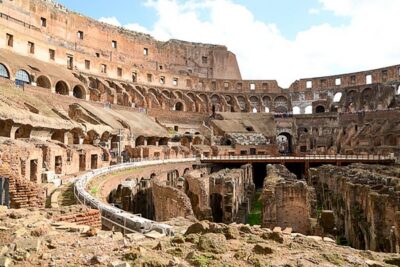
Guided Tour of Colosseum, Roman Forum & Palatine Hill
Read our review →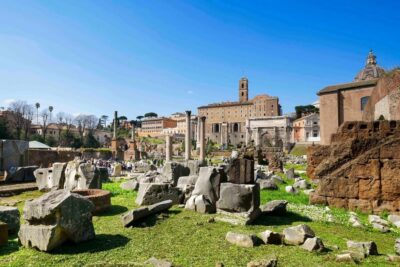
Colosseum & Forum with Audio Guide App -Optional Arena
Read our review →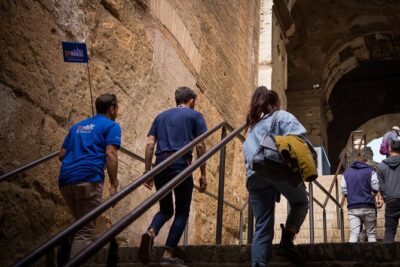
Colosseum, Roman Forum and Palatine Hill Guided Tour
Read our review →
Colosseum, Forum & Palatine Hill Tour & Optional Arena
Read our review →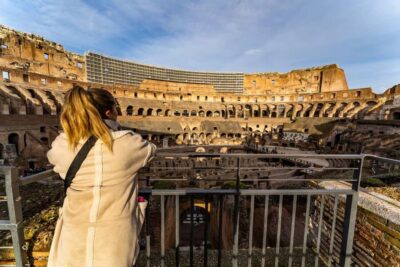
Colosseum, Roman Forum, Palatine with Multimedia Video
Read our review →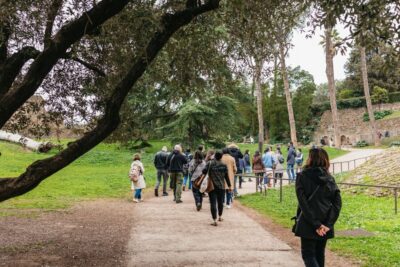
Colosseum, Palatine Hill & Roman Forum Guided Tour
Read our review →Browse the lists this tour appears in